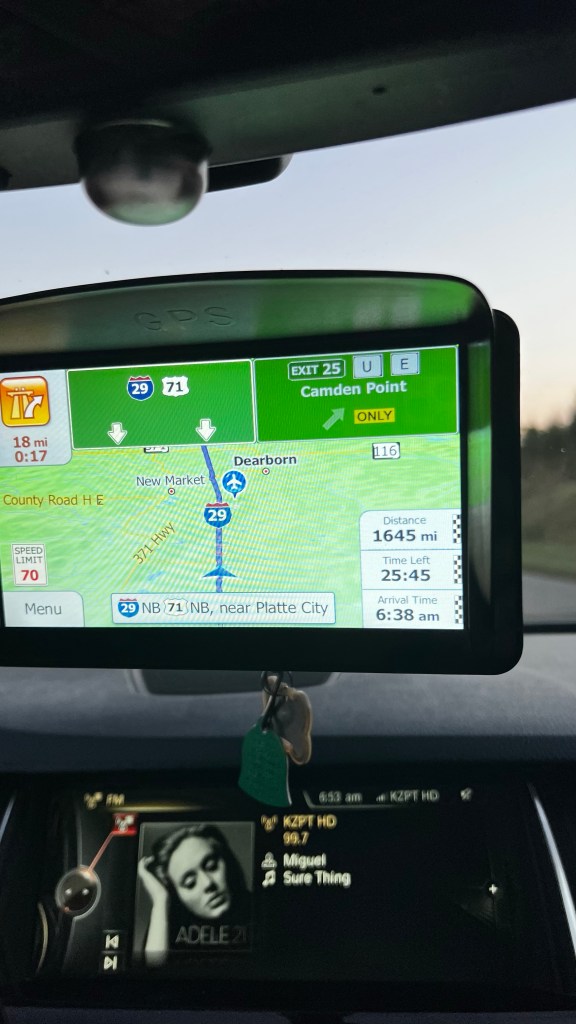
Beginning September 14, 2023 new adventures begin. We will become vagabonds, traveling to new places we have not been to and exploring the world of living on the road. During our travels I will be posting photos and tales of becoming a traveling photographer.
This is something my wife and I have discussed many times in the past but through an interesting set of events this is becoming a reality. It is both exciting and overwhelming.
Follow along for the fascinating and exciting places we will visit as well as the lessons we learn along the way.
I have read a lot of articles about Mac versus Windows. I’ve been a die-hard Windows user since the early 1990’s. Prior to that I used a Commodore Amiga and started with a Commodore 64. Prior to just about 3 weeks ago I had only used an Apple computer once and it was an Apple Macintosh plus from nearly ancient history.
Let me say at this point I don’t want to convince anyone to change their views or opinions but merely to relate my experience.
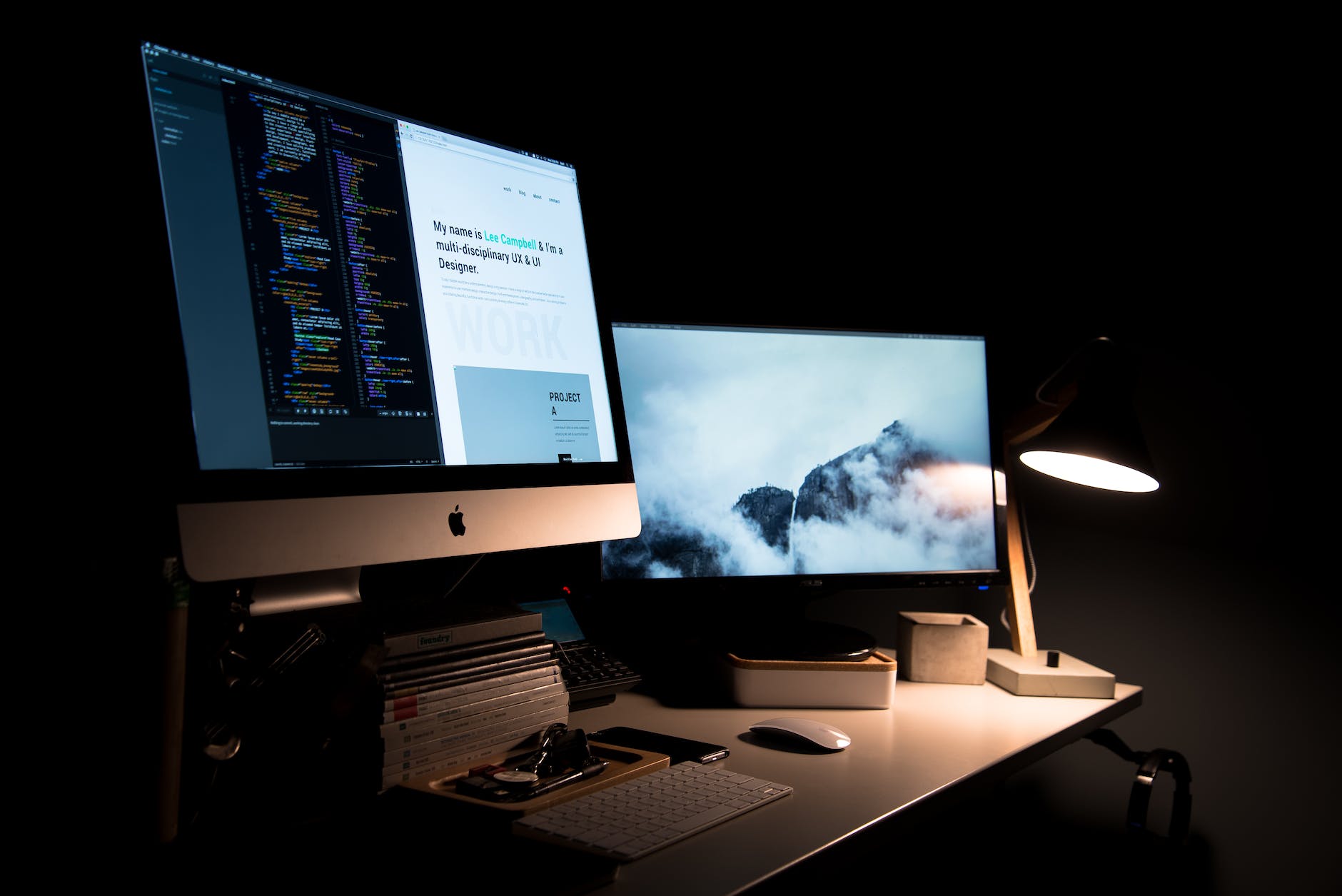
I can honestly say that I am totally impressed with using a MacBook Pro. I have found nearly everything easier. I also enjoy how the computer, the iPad, and iPhone all work together. What I was also impressed with was the migration from one system to another. A lot of my Windows settings and such would have transferred to the MacBook. I chose to only migrate a small amount.
As a photographer and Adobe Photoshop and Lightroom user I have also found that switching between those two applications appears to be much smoother. I think it is important to note that my primary Windows system is a decent computer, with an AMD Ryzen 7 processor, 16 gb or ram, a 4 gb video card and loads of storage. The MacBook is an Intel i-7 with 16 gb of ram.
At this point in time, I am inclined to buy a newer (this MacBook is a 2017 version) MacBook Pro for my photo processing and travel needs. I’ll keep a Windows computer because I do play several computer games, but I am defiantly a fan of Mac computers.
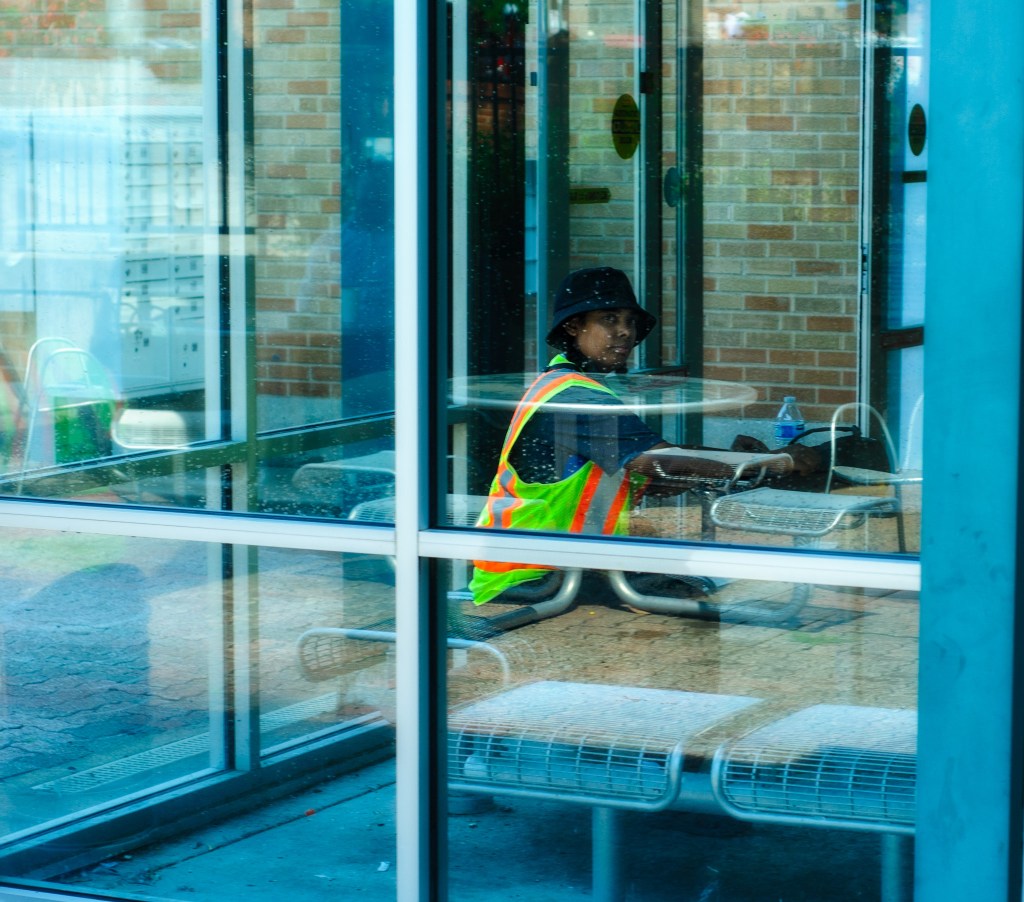
I must admit I have never been much of a street photographer. I always felt like I was spying on people. Recently, I went out with a photographer friend just for that purpose. I found I enjoyed it. I only took two lenses with me, and both were somewhat unassuming. The lens I used primarily was a 50mm, which is very small.
What I discovered is I talked to a lot of the people I photographed. I was a unique experience even after I spent 30+ years in a career where I spoke to people I didn’t know on a daily basis.
I’m not sure how much true street photography I’ll do in the future, but it will always be an option for me.
Photographers and photographic artists both work with capturing images, but there are notable differences between the two.
A photographer is someone who captures moments and events through the lens of a camera. They focus on technical aspects such as lighting, composition, and framing to produce visually appealing and accurate representations of subjects. Photographers often work in various genres such as landscape, portrait, fashion, or documentary photography. Their primary goal is to capture and convey a specific moment or story.
On the other hand, a photographic artist goes beyond simply capturing a moment. They use photography as a medium for artistic expression and storytelling. Photographic artists employ their creativity and imagination to produce images that convey emotions, concepts, or abstract ideas. They experiment with various techniques, such as manipulation, multiple exposures, or the use of unconventional subject matter to create unique and thought-provoking visual narratives.
While photographers primarily focus on the technical aspects of image capture, photographic artists delve into the realm of artistic interpretation and conceptualization. They may incorporate elements of other art forms, such as painting, sculpture, or digital editing, to enhance their visual creations.
In summary, photographers capture moments and events, aiming for accuracy and appealing visuals, while photographic artists use photography as a means of artistic expression and storytelling, exploring creativity and pushing the boundaries of visual representation.
As a photographer, it’s essential to always maintain your principles. Don’t compromise your values or artistic vision just to please others. Stay true to yourself and your unique style. Remember that photography is not just about capturing pretty pictures, it’s about telling a story and conveying emotions. So, don’t be afraid to take risks and experiment with new techniques. But always stay true to your principles and let them guide your creative process. This will make your work more meaningful and earn you respect and admiration from your audience.
I often observe photographers sharing their pictures on social media, particularly those capturing people, that appear to be nothing but a quick snapshot. It seems like they simply instruct the subject to stand in one spot and then snap the photo without any additional effort to create a compelling image. It’s as if the camera is set to auto mode and the photographer just goes through the motions.
My aim as a photographer is to capture my subject in the most favorable light. To achieve this, I utilize all the resources at my disposal – analyzing the lighting, eliminating distractions, and highlighting my subject’s unique qualities that will captivate the viewer. As a photographer, part of your job may involve utilizing specialized software for digital or advanced darkroom techniques. It’s crucial to understand all aspects of photography to improve your skills and do justice to your subjects.
Photography is a powerful tool for capturing and creating art. With the ability to freeze a moment, photographers can capture the beauty of everyday life or create complex and thought-provoking images. Whether it is through the use of light, composition, or digital manipulation, photographers can create stunning works of art that can evoke emotion and inspire others. From landscapes to portraits, photography has the power to capture the essence of a moment and transform it into something truly extraordinary. Through a camera lens, the world becomes a canvas, and the possibilities for creating art are endless.
With the power of photography in mind it is essential to remember that not every photograph you take will be a masterpiece. Every photograph serves as both an accomplishment and a challenge to create another with the lessons and experience gained from the last.
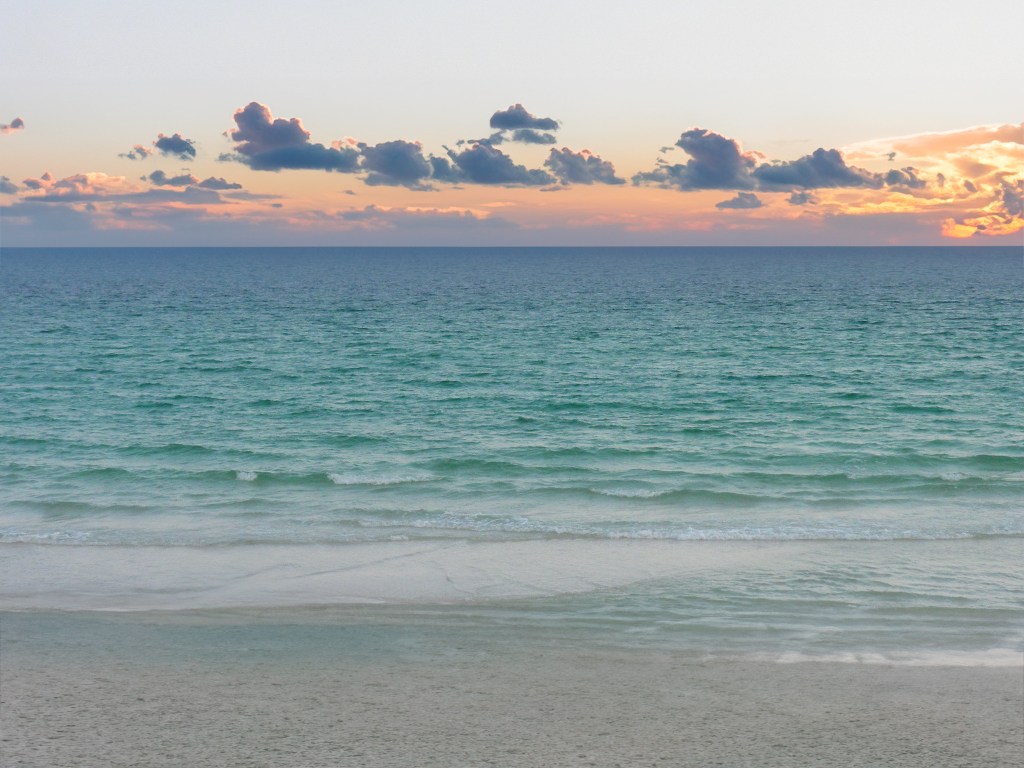
There is an uproar among some photographers while others, like me, are calling the use of some new features in Photoshop game changers. I’ve talked about this briefly before but as time goes on and I get more accustomed to the new generative fill feature in Photoshop the more I am totally amazed. I’m able to resurrect photos I would have never found a use for previously. The photo above would be possible if I had the time to sit and wait for who knows how long to get to the sky and lack of people walking along the beach in a fairly busy tourist area. It may be more possible for me nowadays than it was at the time. I was on vacation, still had a job to return to, and had a limited amount of time to spend at this location. Some would argue that it isn’t reality, but it is reality in my mind. This is how I saw the scene at the time.
I don’t care what others say, I’m not necessarily about reality but about creating art and remembering my reality. Just like the saying goes, “Perception is often reality”. So friends, don’t worry about what others think of your artwork. Create, enjoy, and go where your imagination takes you. Use all the tools you can.
Change is inevitable. Budda teaches that nothing is permanent. Change will happen and we can either grow and change with it or we will eventually fade away. Change is often frightening, especially if we view the change as threatening to our livelihood or way of life. Currently, the hot topic in the photography and art world is the use of artificial intelligence to create, modify, or change elements in a work of art. I am on the side of having this technology available others are passionately against it and foresee this as the “beginning of the end”. In the recent past, it was a hotly debated topic that digital cameras would be the death of photography. While it is true that digital photography resulted in many newspapers eliminating their photography departments the real cause was, in my opinion, more than just digital photography. Print newspaper circulation was down, and digital versions were popular because the public was looking for instant news rather than a printed paper that was, at very least hours old. I see the use of A.I. tools as just that, another tool. Many tasks that took hours or days can now be achieved in a matter of seconds.
It may not be a popular opinion but we have a few options, accept advancements in technology and use them in an ethical manner, begin to provide a better product to compete with the new technology, or fade away.
I am choosing to ride this train of technology and hopefully guide it.

 Photographer Clay