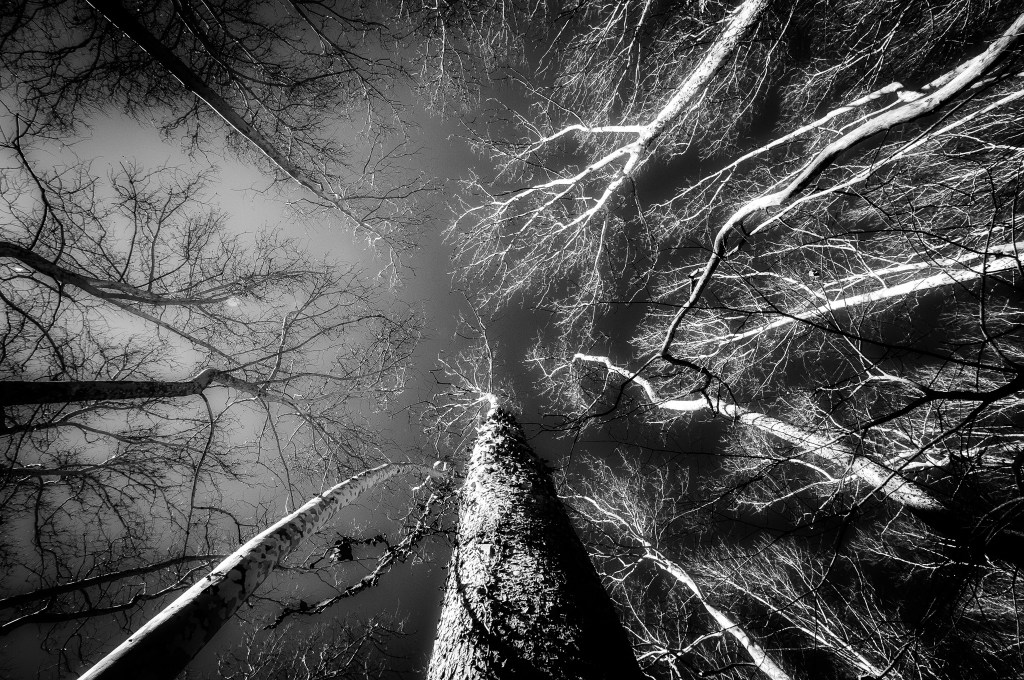
Photographers and photographic artists both work with capturing images, but there are notable differences between the two.
A photographer is someone who captures moments and events through the lens of a camera. They focus on technical aspects such as lighting, composition, and framing to produce visually appealing and accurate representations of subjects. Photographers often work in various genres such as landscape, portrait, fashion, or documentary photography. Their primary goal is to capture and convey a specific moment or story.
On the other hand, a photographic artist goes beyond simply capturing a moment. They use photography as a medium for artistic expression and storytelling. Photographic artists employ their creativity and imagination to produce images that convey emotions, concepts, or abstract ideas. They experiment with various techniques, such as manipulation, multiple exposures, or the use of unconventional subject matter to create unique and thought-provoking visual narratives.
While photographers primarily focus on the technical aspects of image capture, photographic artists delve into the realm of artistic interpretation and conceptualization. They may incorporate elements of other art forms, such as painting, sculpture, or digital editing, to enhance their visual creations.
In summary, photographers capture moments and events, aiming for accuracy and appealing visuals, while photographic artists use photography as a means of artistic expression and storytelling, exploring creativity and pushing the boundaries of visual representation.
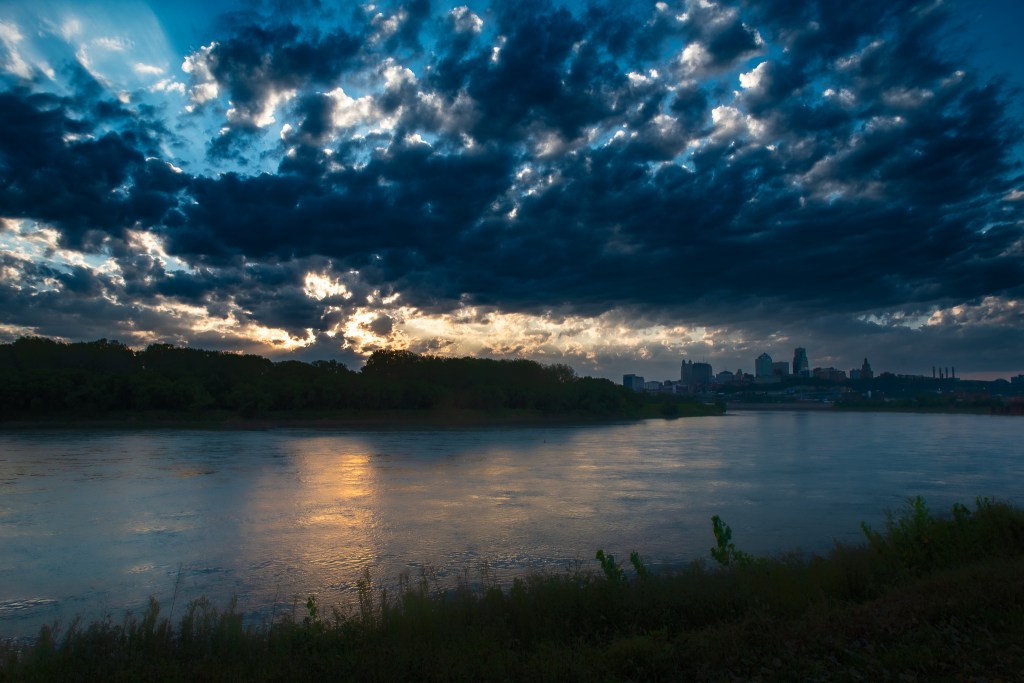
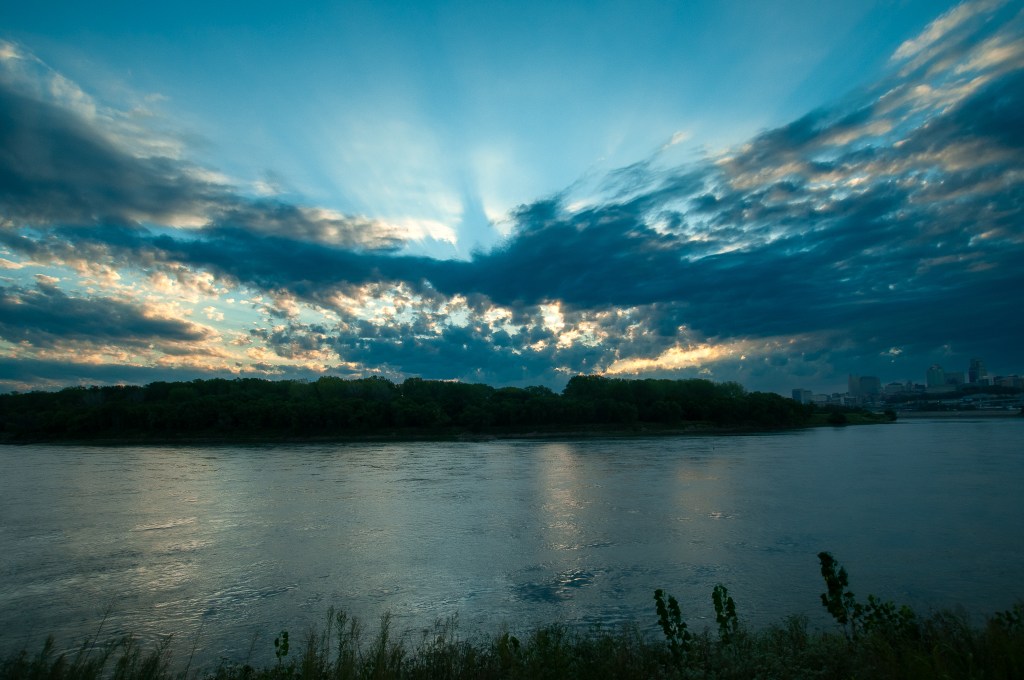
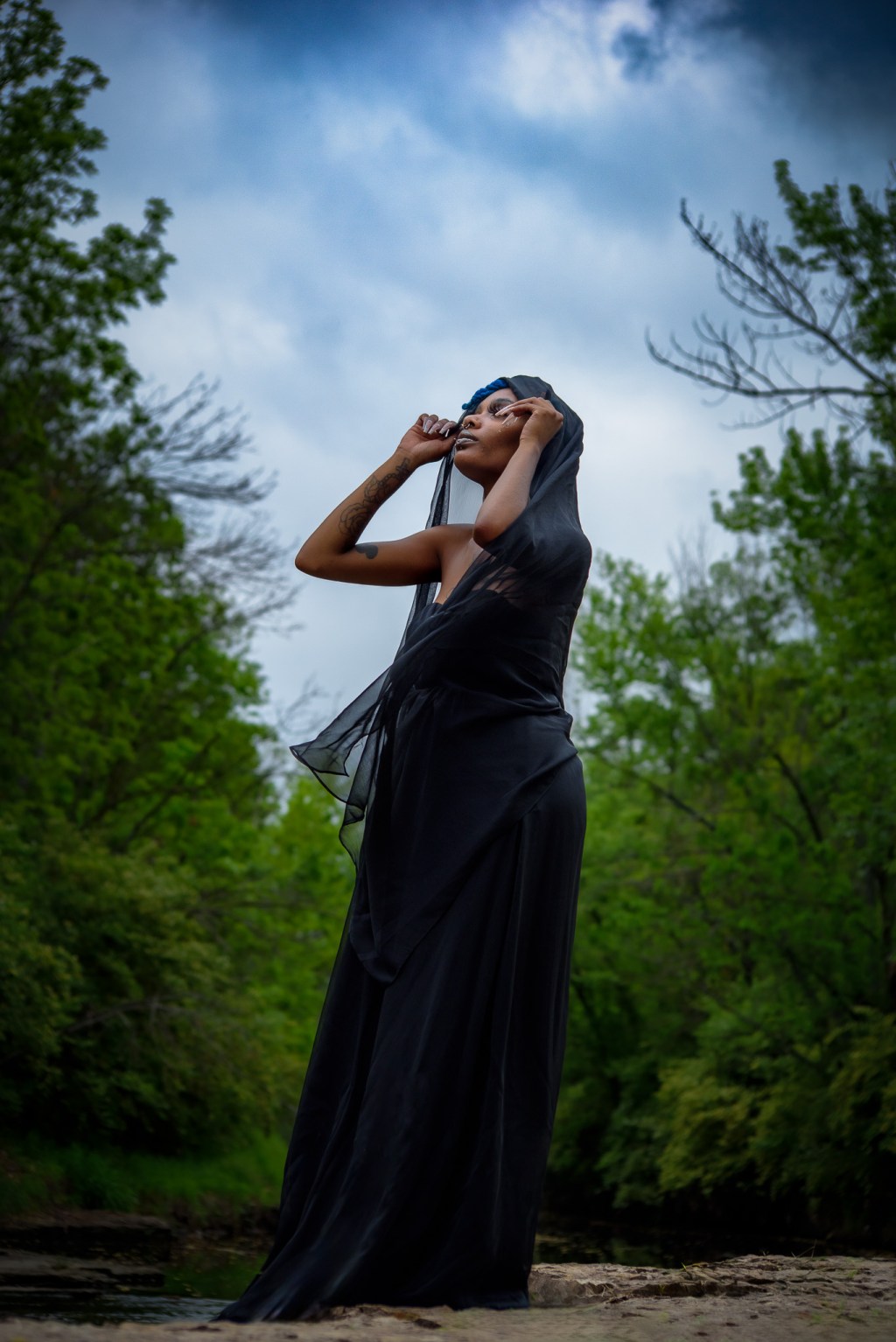
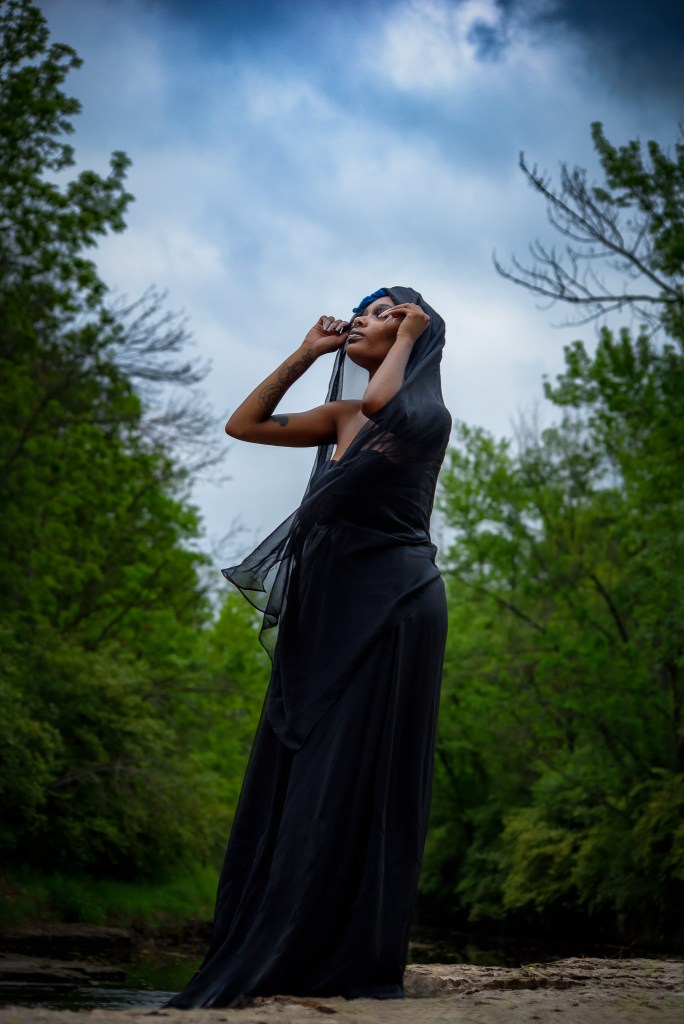
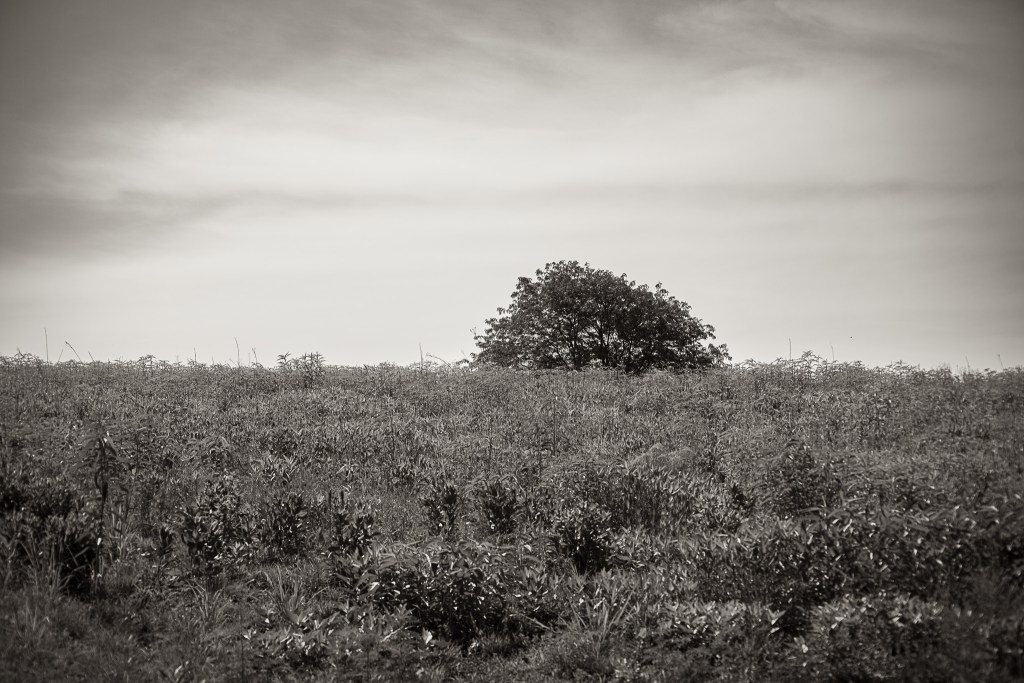
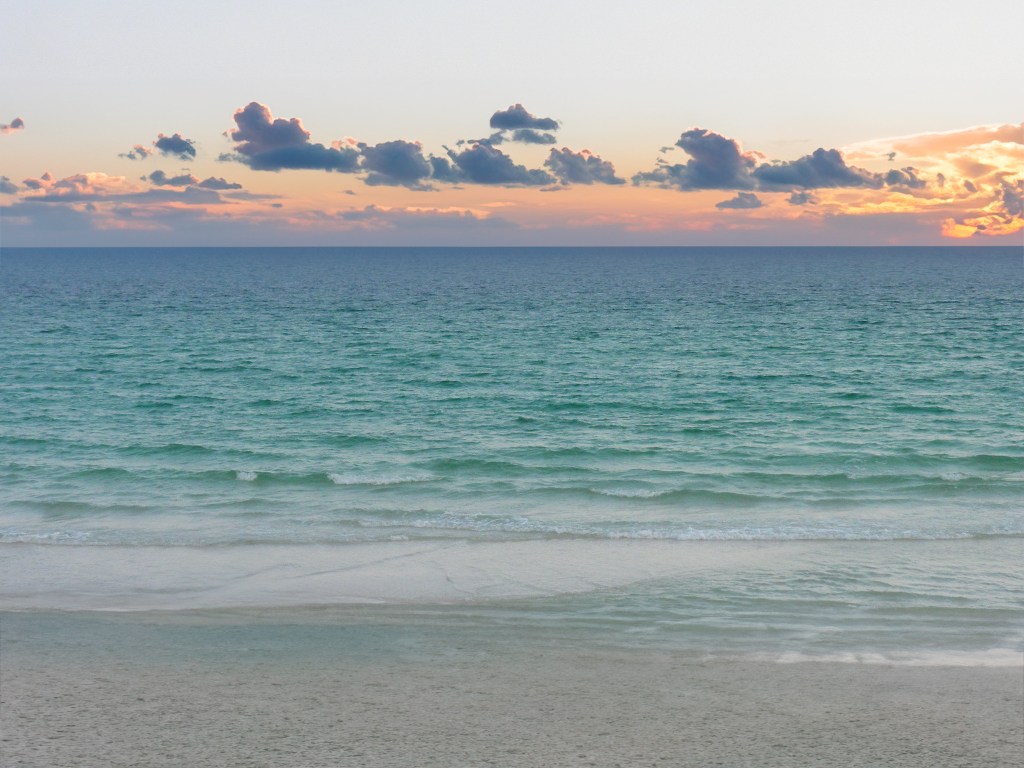
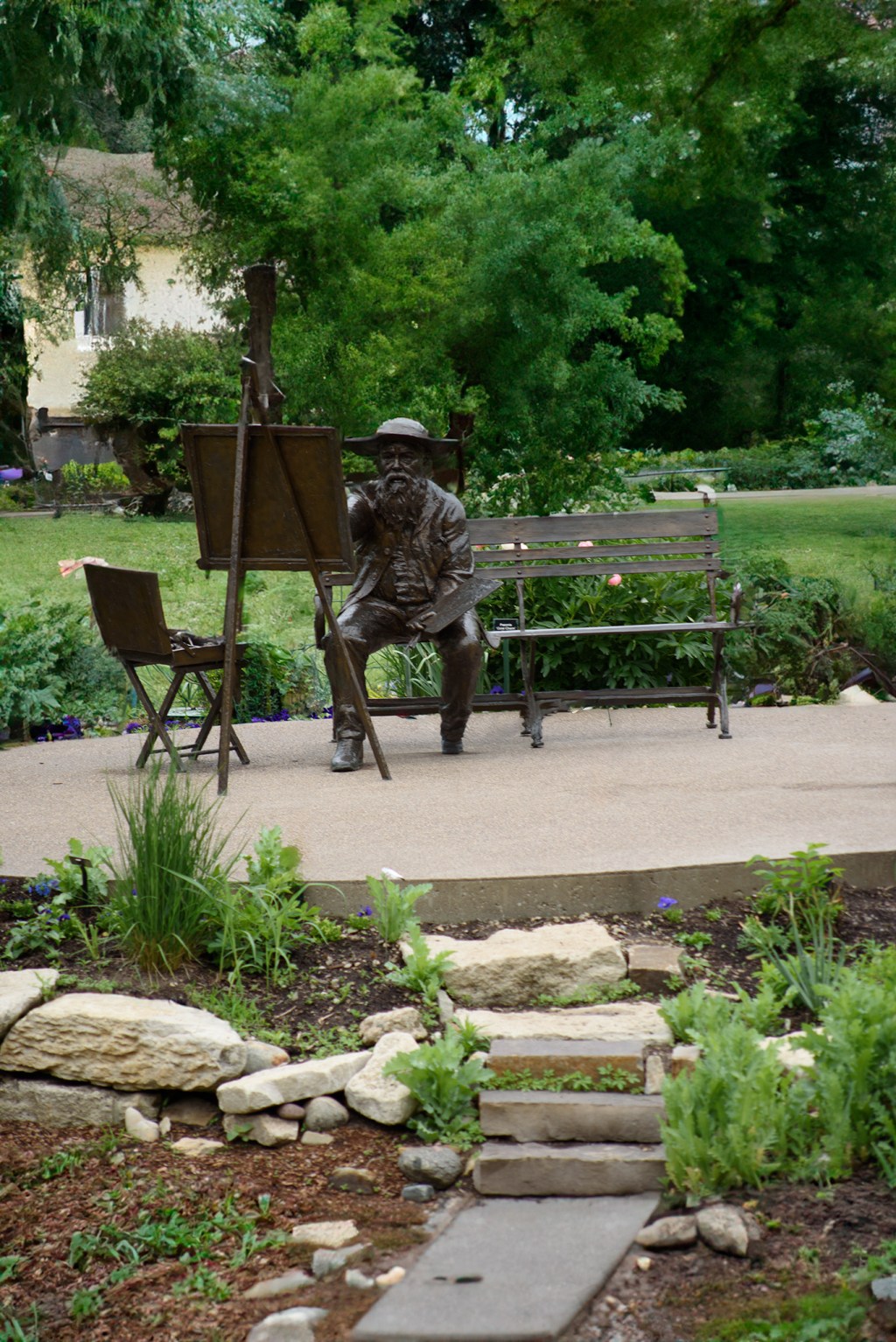
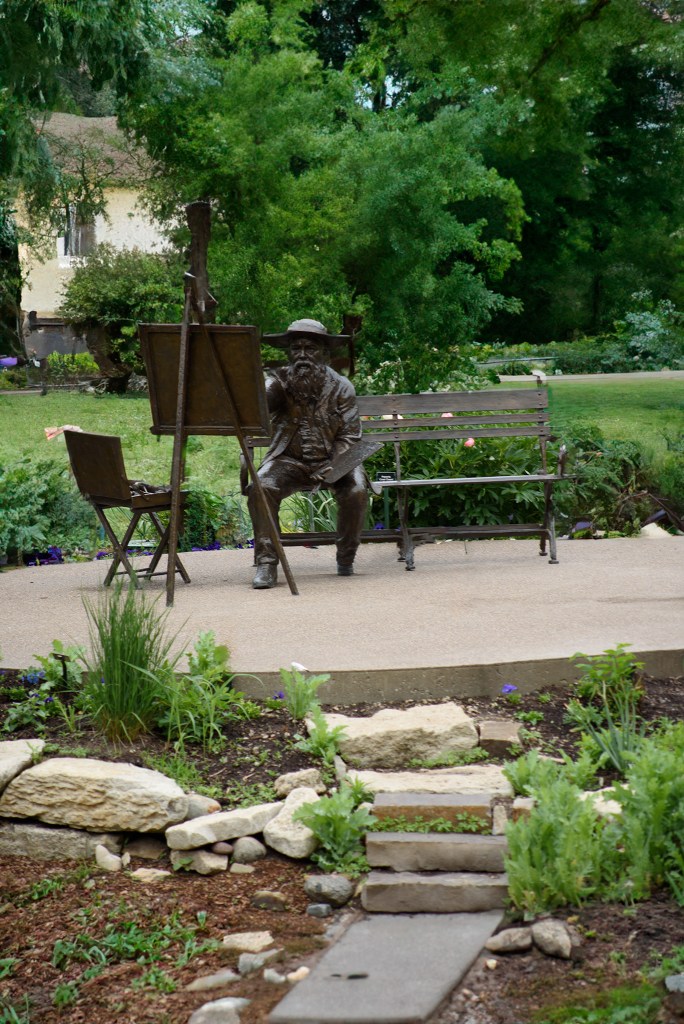
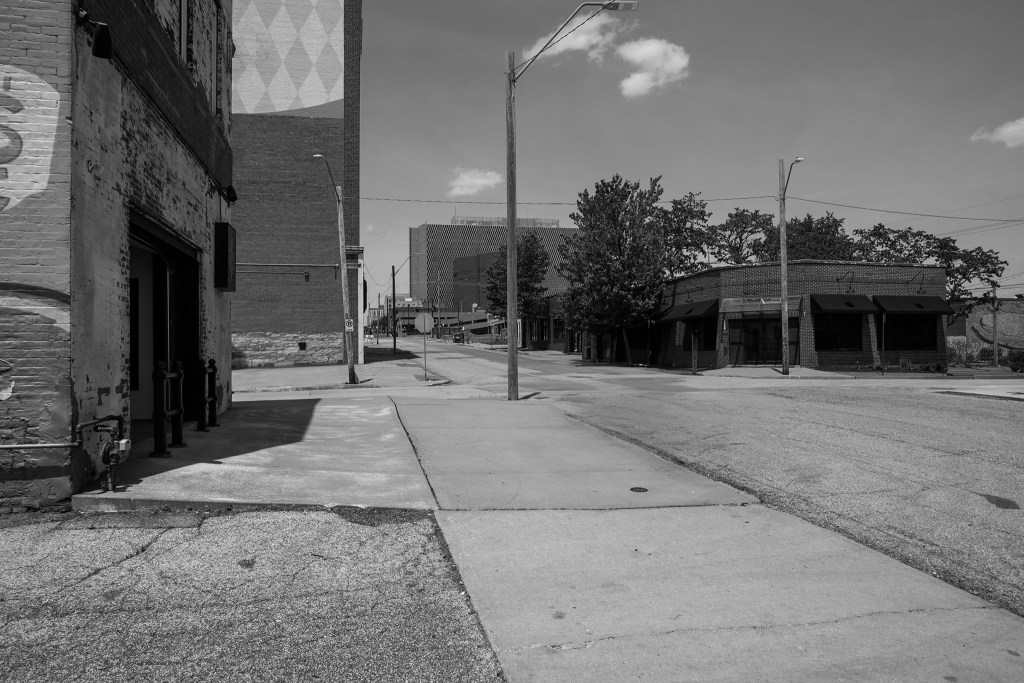

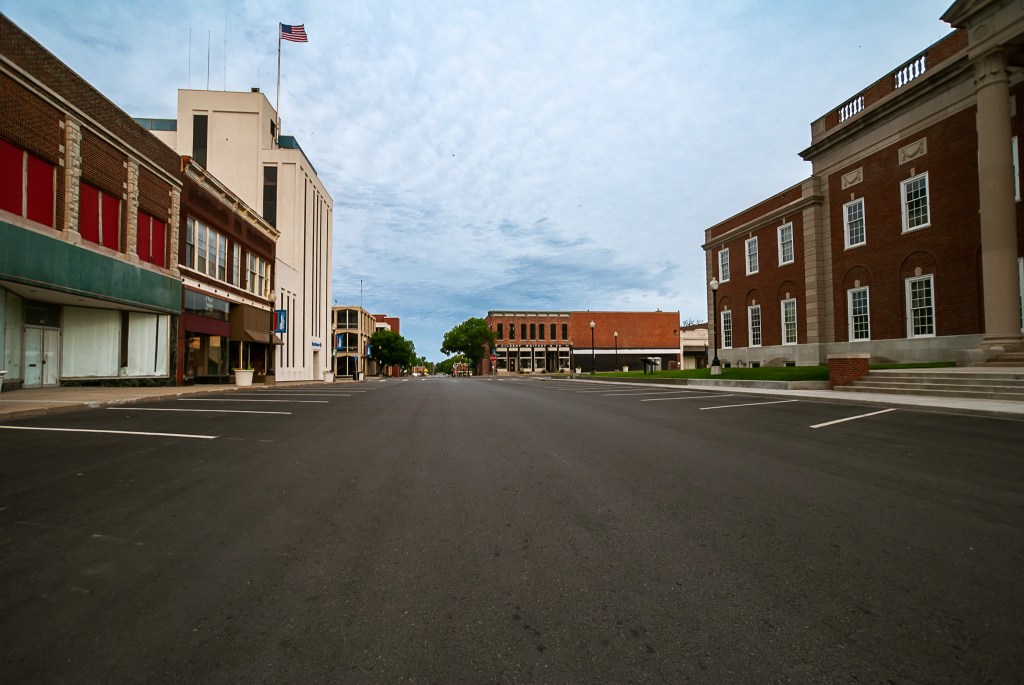
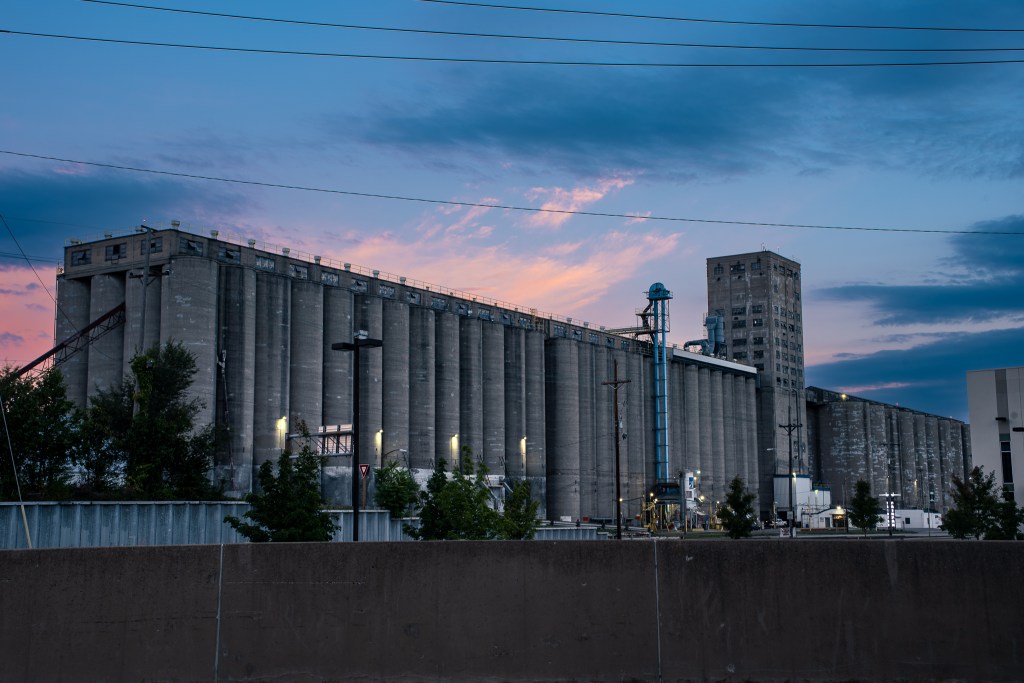
 Photographer Clay