Author: The Photographer Clay

  • Bad photographer

    Bad photographer

    The Internet is fantastic, a cesspool, a source of lies and misinformation, and many other descriptors. One of the things I see so many times is glorious comments about bad photography. At the same time, I see horrible things said about great photography. It is often for this reason that I share photographs outside of some very select social media groups or websites. It isn’t that I don’t want to hear negative critiques about my work, after all, that is often how we grow. I stopped offering critiques many years ago until recently when I started a separate social media group for critiques. There are a few members but rarely does anyone offer a work for critique and even fewer offer a critique for works that are submitted. At the same moment, I am just as bad as those I am seemingly complaining about. I see work done by social media “friends” (I put that in quotes because many are just social media contacts and not truly a friend in the literal sense of the word) who offer up very poorly done work. I don’t say anything about the work to the person but often I have a core group to show the work and discuss how bad it is. Does that make me a bad photographer?

    At one time, one of my goals was to help others learn. Not that I’m great but I have learned a thing or two over the years. Styles don’t matter much to me, what matters is quality. I don’t care if a photo is intended to be a “straight” photograph or something that is done creatively with post-processing. I look for images that move me. Images that make me pause, even for a moment, and enjoy.

    How do we improve the state of photography if we don’t discuss or exchange ideas and concepts? Why do we belittle work just because it doesn’t fit our genre or style? Have we become as much of a problem as the rest of the world where we can’t have an open discussion about quality, concepts, ideas, and ways to look at something a bit differently? I still believe we need to help each other improve upon our own skills without it becoming a competition as to who is right or wrong or which style is better or worse.

  • Always look for the out of place things

    Always look for the out of place things

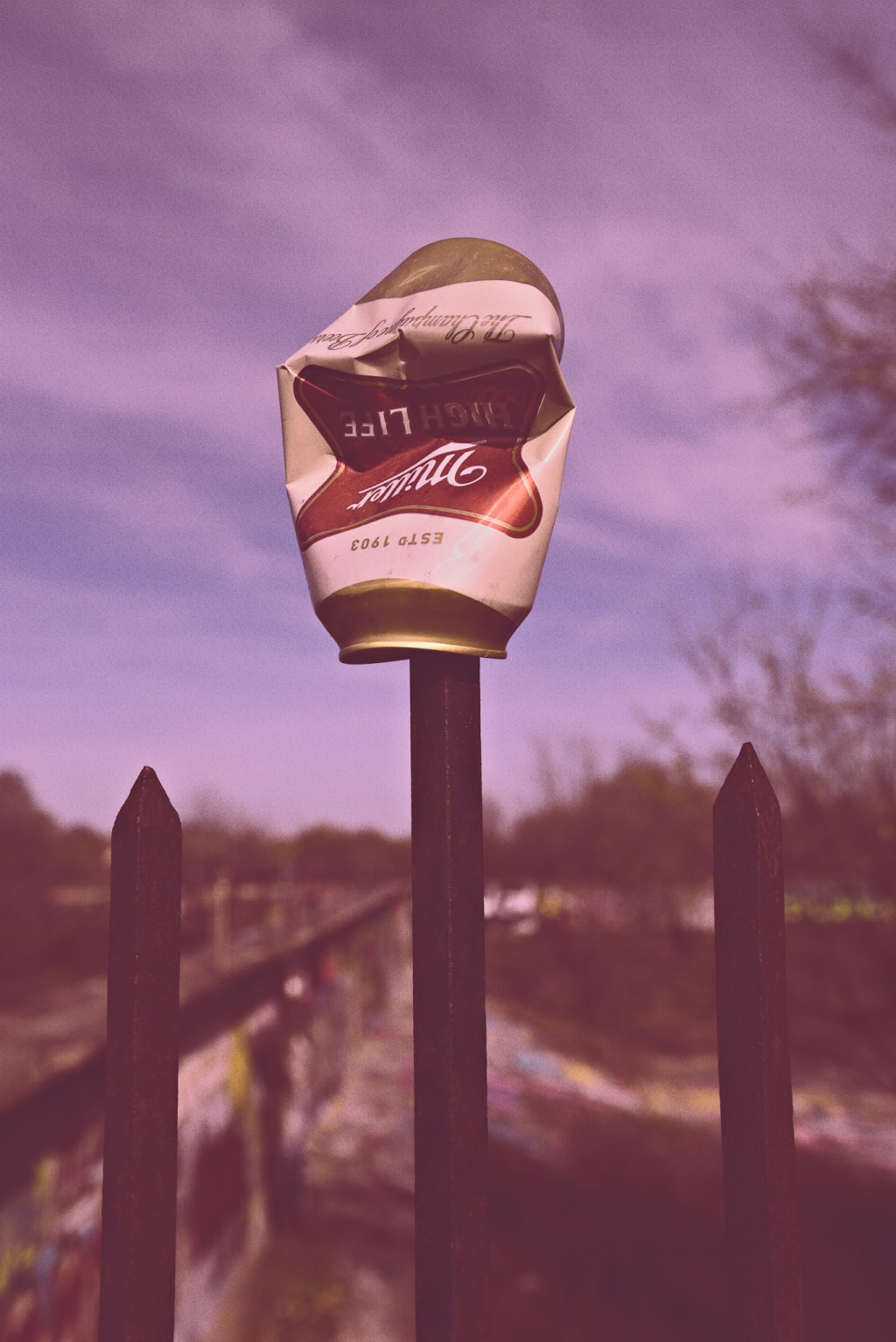
    One of the things I nearly always do when I do a photo walkabout is to look for the things that are out of place. Recently, while walking around I noticed a beer can stuck on a fence spindle. I couldn’t resist taking a photograph of it. I probably should have spent a bit more time and grabbed a couple of different compositions and angles. Of course, while I was out on this particular walkabout I found several other unusual items, some of which were probably not appropriate to photograph.

    For me, this is good practice for the times I am on a more serious outing. It trains my eyes to look around and envision things and places that may be unique or creative.

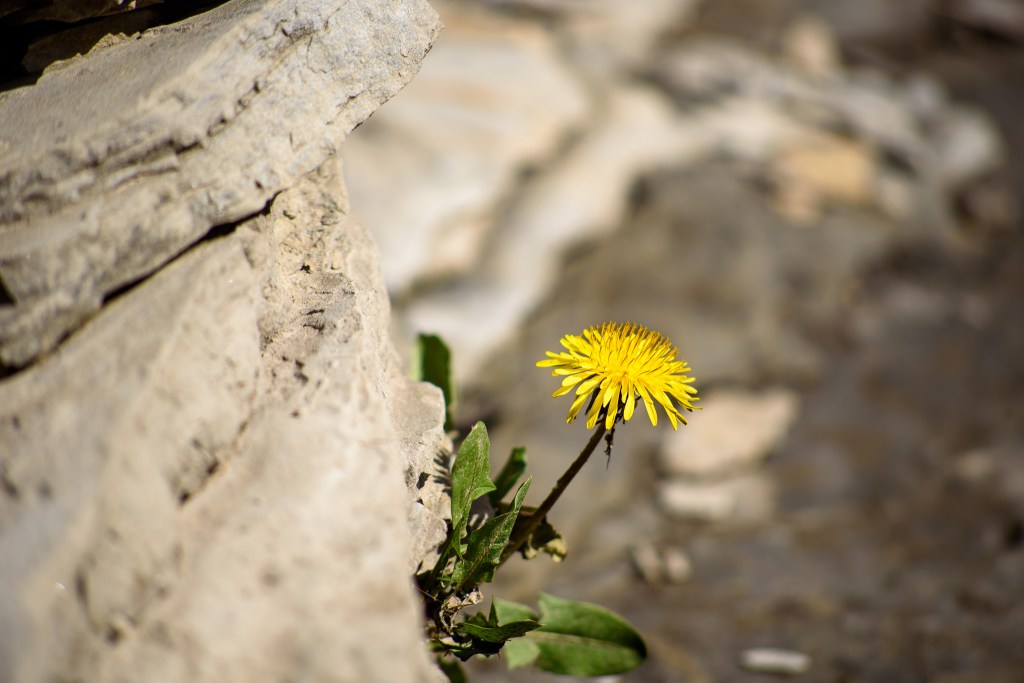
    A few days ago, I was again out on a photo shoot and noticed a dandelion growing in a rock formation. I do miss something note worthy from time to time which is why I still practice looking for things that are seemingly out of place. You just never know what you may find.

  • What a fantastic time to be a photographer.

    What a fantastic time to be a photographer.

    What a fantastic time to be a photographer. Between modern cameras, powerful computers, and software the possibilities are nearly endless for creativity. I have in many forums and news stories about the dreaded A.I. (artificial intelligence) and with some respect there may be a reason for concern. Still, so far I find the use of A.I. in software has streamlined editing. Making complex selections is nearly a single click of a button.

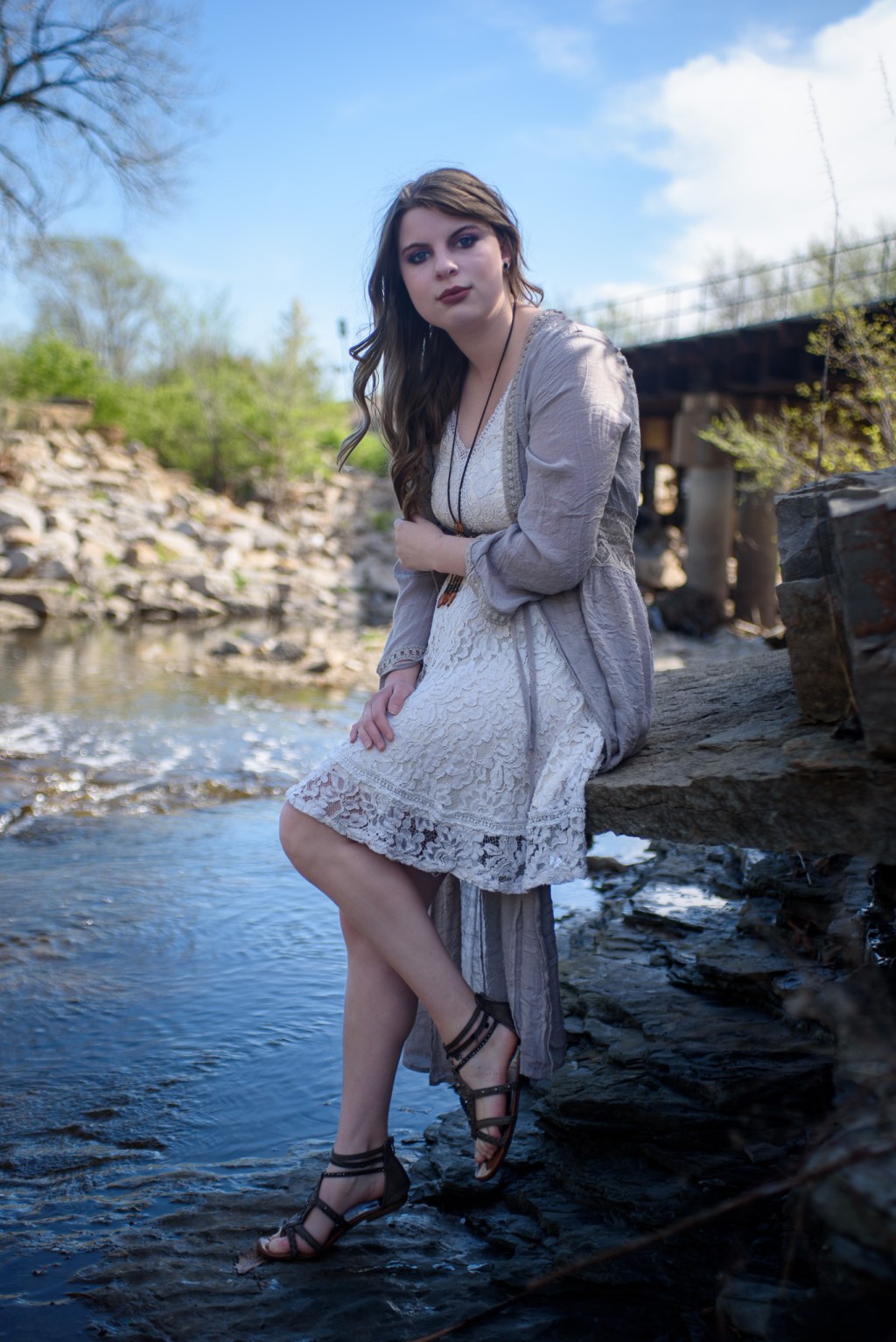
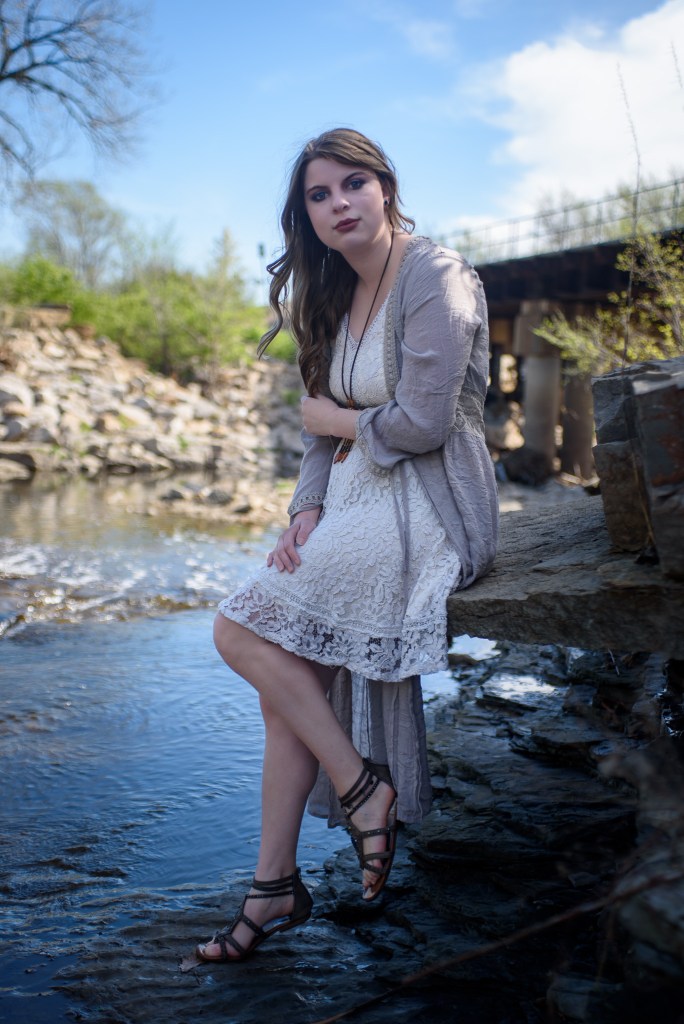
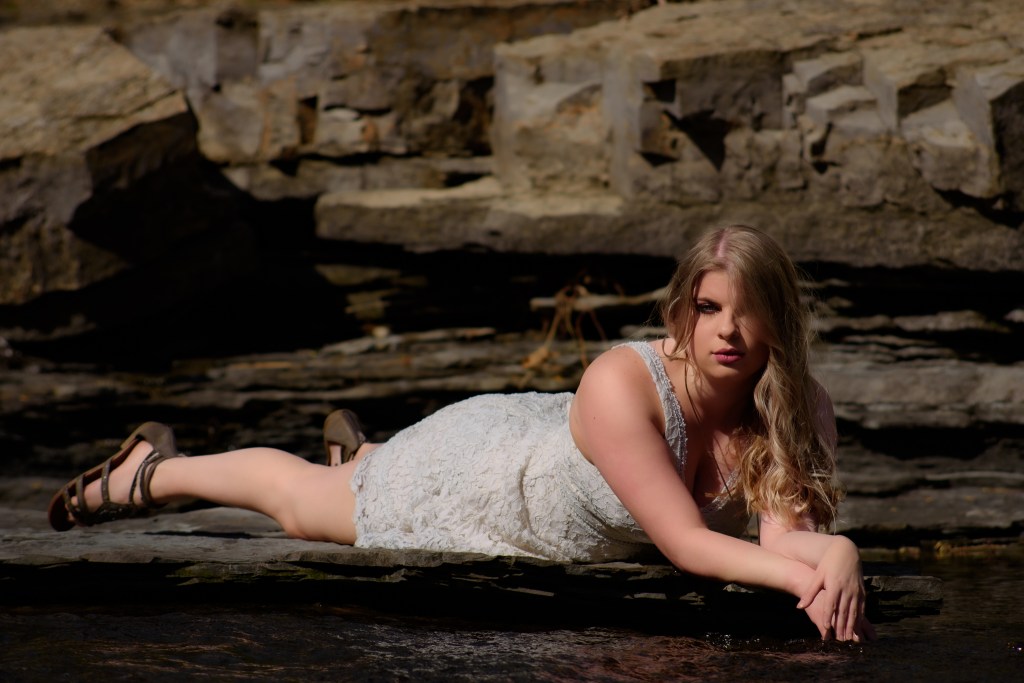
    Let’s take the featured photo as an example. We could have brought lights, scrims, and other equipment to the area. It would have been a challenge, at best. We had to climb down a steep rocky incline to get to the stream and small waterfall. While the water wasn’t too deep in places much of the equipment would have had to be placed in the stream of flowing water. The other option was as we did, to carry a camera and a small amount of equipment, expose it to ensure we got the highest quality image we could and then fine-tune it in editing software. The use of A.I. masking and selections made this process take much less time than if I had to make manual selections.

    Even as someone who has been involved in photography for 40+ years, I love embracing new technology. It can be frustrating at times but it has certainly made many processes much easier and faster. This allows me to get back out there to take more photos rather than spend hours doing the mundane processes of editing.

  • Photography friends

    One of the best things that has happened during my photographic journey is the friends I have made along the way. They keep me inspired and moving. My photography friends help me see new things and help me see familiar things in new ways. We don’t compete with each other we just talk, walk, and photograph together. We reach out to include each other and to help each other out.

    Find yourself photography friends, it will help you grow and improve without the competition we often encounter.

  • The Passionate photographer

    The Passionate photographer

    I often see people mention how they are passionate about photography, but are they truly passionate about photography? If we look at the definition of the word:

    • easily aroused to anger
    • filled with anger
    • capable of, affected by, or expressing intense feeling
    •  ENTHUSIASTICARDENT
    • swayed by or affected with sexual desire

    We see that they may mean they are enthusiastic about or ardent admirers of photography. I often question whether they are truly enthusiastic about photography or do they just use the word because it sounds good. I’m not doubting whether they truly enjoy photography or love taking photographs but that they may not be passionate about it. For me, photography is a passion. I think about photography every day, I look at photographs every day, and I work with my photo editing software every day. I talk to other photographers about photography every day. I don’t spend all day every day, some days I spend more time than other days but not a day goes by without something photography related. I don’t mean to imply that I’m better than others, in fact, I have a lot of things to learn and get better at with photography. This is why I spend time every day doing something photography related. My goal is to not compete with others but to be a better photographer today than I was yesterday.

    The passionate photographer, in my opinion, studies, talks about, reads about and learns about photography a bit every day. If you truly want to improve become passionate about photography. Find places to look at photography outside of social media. Read about photography, not just gear but about the art of photography. Play with new techniques and styles. Become a student of photography. It isn’t always about taking photographs every day. It’s about all aspects of photography.

  • Is photography gear still important?

    Is photography gear still important?

    Is photography gear still important or can we create fantastic photographs with basic equipment? In years past, we needed fast lenses for low-light photography because we were limited in how fast we could push our film speed (or digital sensor). Today we have the capability to shoot at ISOs that exceed 3,000,000 and combined with the noise reduction capabilities of modern software the photographs are quite useable. As I have also learned when I purchased a new to me camera lens that is nearly 30 years old the sharpness and contrast of the old lens are nearly as good as a new lens manufactured today.

    I bought this used 30-year-old lens because I needed to replace or repair a newer lens of nearly the same focal length, 70mm to 200mm). My 70-200mm lens was an f/2.8 but it would no longer zoom out to 200mm and began to develop an intermittent focus issue. I found a used 70-210mm f/4-5.6 lens in very good condition for $134. To replace the 70-200mm f/2.8 I was likely to spend 10 times that much. Was it really worth it to get one or two stops faster? I could make it up by upping the ISO one or two stops. For some of you, this may be a bit too technical but my point is we don’t always need to spend big money on gear. We don’t always need the latest gear. We can create great work with what we have available. Don’t chase gear, chase creativity, chase honing your skills, chase art.

  • Are you in it for art or money?

    Are you in it for art or money?

    I got started in photography as a hobby, basically to make art. I never dreamed of making any money at it until years after I started. It was fun for me. I photographed family events, birthday parties, Christmas, Thanksgiving, and such but only for me. It wasn’t until years later that I thought I could make some money. I soon realized that much of the time it took away from the fun. It was a job. It was, at times, a rewarding job, but nonetheless, it was a job. I soon stopped doing photography as a job and got back to photography for fun. Nowadays, it often appears that people get involved with photography and very shortly after starting begin to look for ways to make money. They work hours and hours but rarely realize most of them are actually making less than minimum wage.

    I don’t think there is anything wrong with wanting to photograph for money. There is a need for it. At the same time, those that really want to make money in photography need to learn to treat their photography as a business. To successfully run a business you must calculate your cost of doing business and then price your product accordingly. That includes paying yourself. For me, that is a job and I would rather do my photography to create art and have fun. If I sell something I took a picture of while having fun great, if not I had fun.

  • What if no one likes my art?

    What if no one likes my art?

    Nowadays, we can share our photographic art instantaneously with the world with just a few clicks of a button. We can also get instant feedback, but what if no one likes our photographic artwork? Does it matter? I have read that the only person you should compete with is yourself. You should strive to be a better person, a better artist, and a better photographer than you were yesterday.

    The feedback may be helpful but it also may not be helpful. You don’t have to succumb to the will of others and create artwork to please them unless, of course, you are working for someone else. We create art to please ourselves, or you should be. It is a plus when others like our work but we must like our work first and foremost. As an artist, we should be creating works that we are passionate about and that says what we wish to say. I work to bring out how I see a subject or scene. If the final artwork connects with others that is a bonus. If art doesn’t connect with others but it conveys my concept to me it is successful. Create work you’re proud of without worrying about making sure others like it. If you as the artist aren’t happy with your work it is likely others will not like it either.

  • Photography: Technique or Artistic Style?

    Photography: Technique or Artistic Style?

    This is one of those age-old questions. Is it more about technique or artistic style? I’m not talking about documentary photography but rather a photograph as an art form. At this point, it would seem rather obvious, a photograph as an art form is about artistic style and expression, but is it?

    Certainly, the technique is important as well as artistic style and expression. Without technique can we really pull off our artistic style and expression? It is sort of a quandary, at least for me. What if I totally screw up the technique but I employ artistic style and expression? It can still work. What if I nail the technique but screw up the artistic style and expression, the result most likely won’t work or at least I have discovered in my experience.

    My thoughts? Artistic style and expression are more important in creating a photographic work of art with a lesser amount of technique, but the technique is still important.

  • Photography and stress

    Photography and stress

    Sometimes I have to remind myself that photography should be a way to alleviate stress, not to create stress. I say this because every couple of years, so it appears, I get involved in some sort of group that creates a tremendous amount of stress. I just recently left such a group. The vast majority of people were fantastic. I met some new people, both photographers, and models. Made many new connections but the overall experience was often overwhelming. Lots of people in a crowded environment and the behind-the-scenes stuff was drama after drama after drama. It shouldn’t be that way but in the three times I got involved in large group settings it has turned out that way. Once I moved away from the stress of the large group, I was able to achieve some of the photographs I had envisioned during my participation, which made the experience worthwhile.

    It’s always fun to spend time with other creatives but many times you can get too many people and lose your creative focus. Maybe a short stint now and again to expose me to a variety of concepts and ideas and then move on to achieve my goals and complete them and photographic projects. I don’t want to become a one-man island but I don’t want to be just another small face in the hoards.