Author: The Photographer Clay

  • Think old-school photography

    Think old-school photography

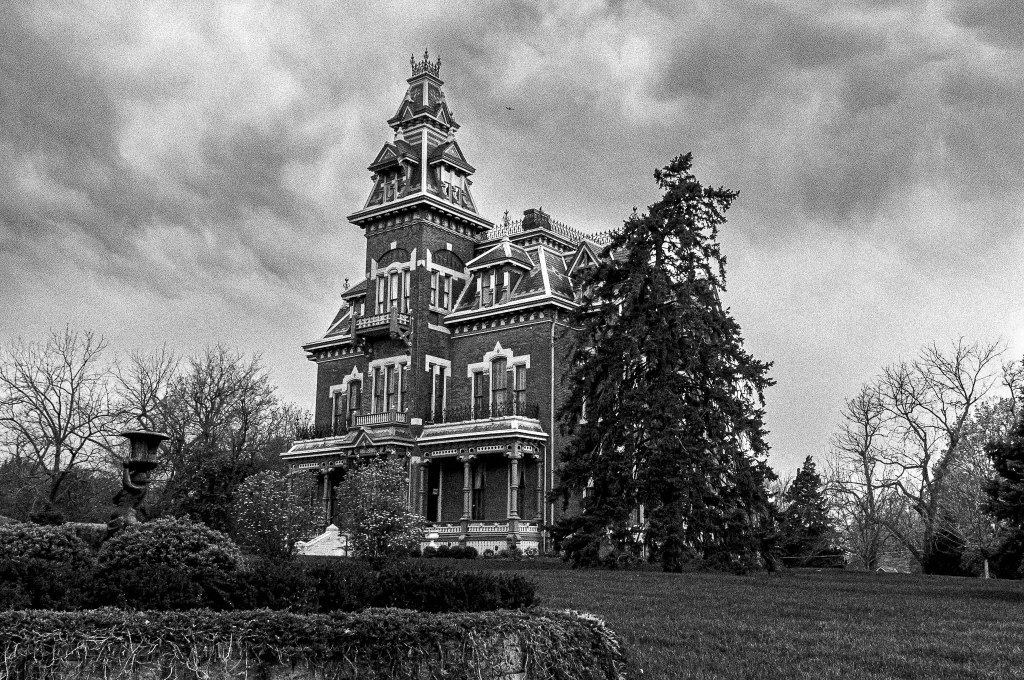
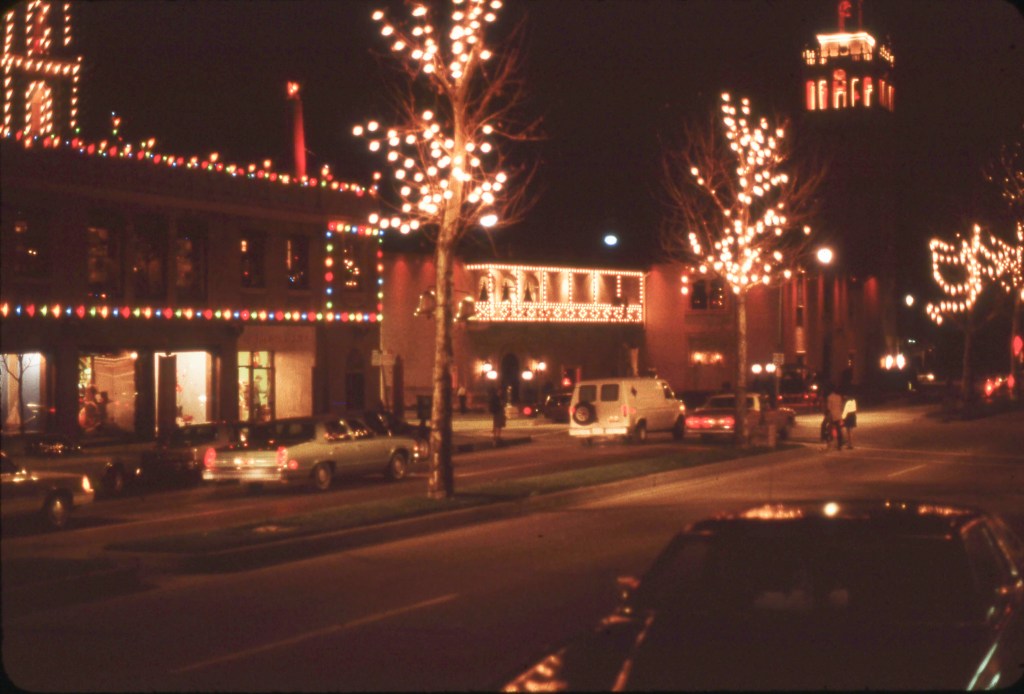
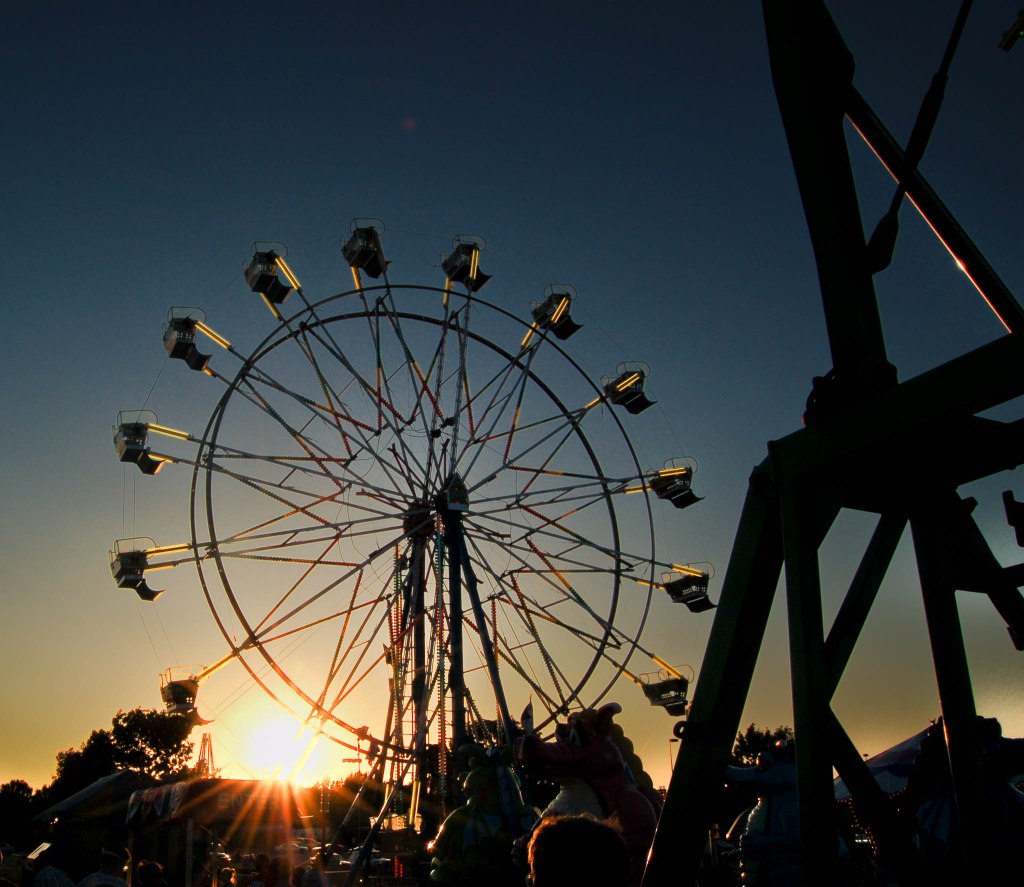
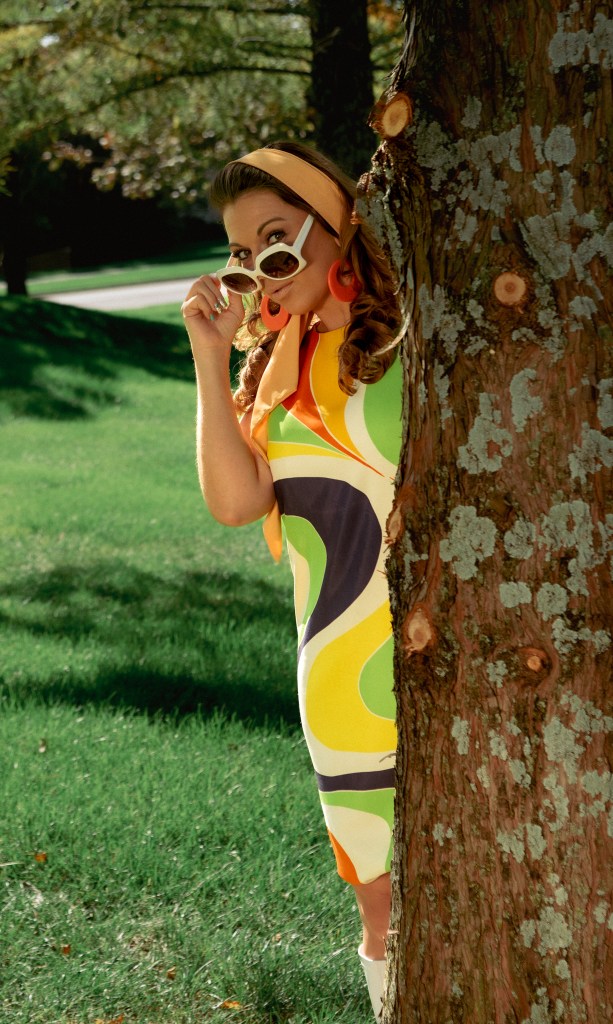
    I see many articles written on how to improve my photography. Many are written that say, “think old-school”. Shoot like you are using film. With modern digital cameras, I can take hundreds of photographs without changing memory cards. When I used film cameras I may have had 36 shots and I was out of film unless I had a second roll. During that time I probably thought more about pushing the button but did I really? I mean look at the featured photograph. It was shot on slide film.

    Today, I am more inclined to take creative chances rather than just stick to the “tried and true”. So do I really have to “think old-school” to get better or am I able to get better by trying out a variety of compositions, exposures, and perspectives? I can also adjust the sensitivity of my “film” on the fly. Need a higher ISO, set it. I’m not bashing film, but are we putting a mystic on the old way that really didn’t exist? Could we just say slow down, and think a bit more before you take the shot?

  • The future of photography

    The future of photography

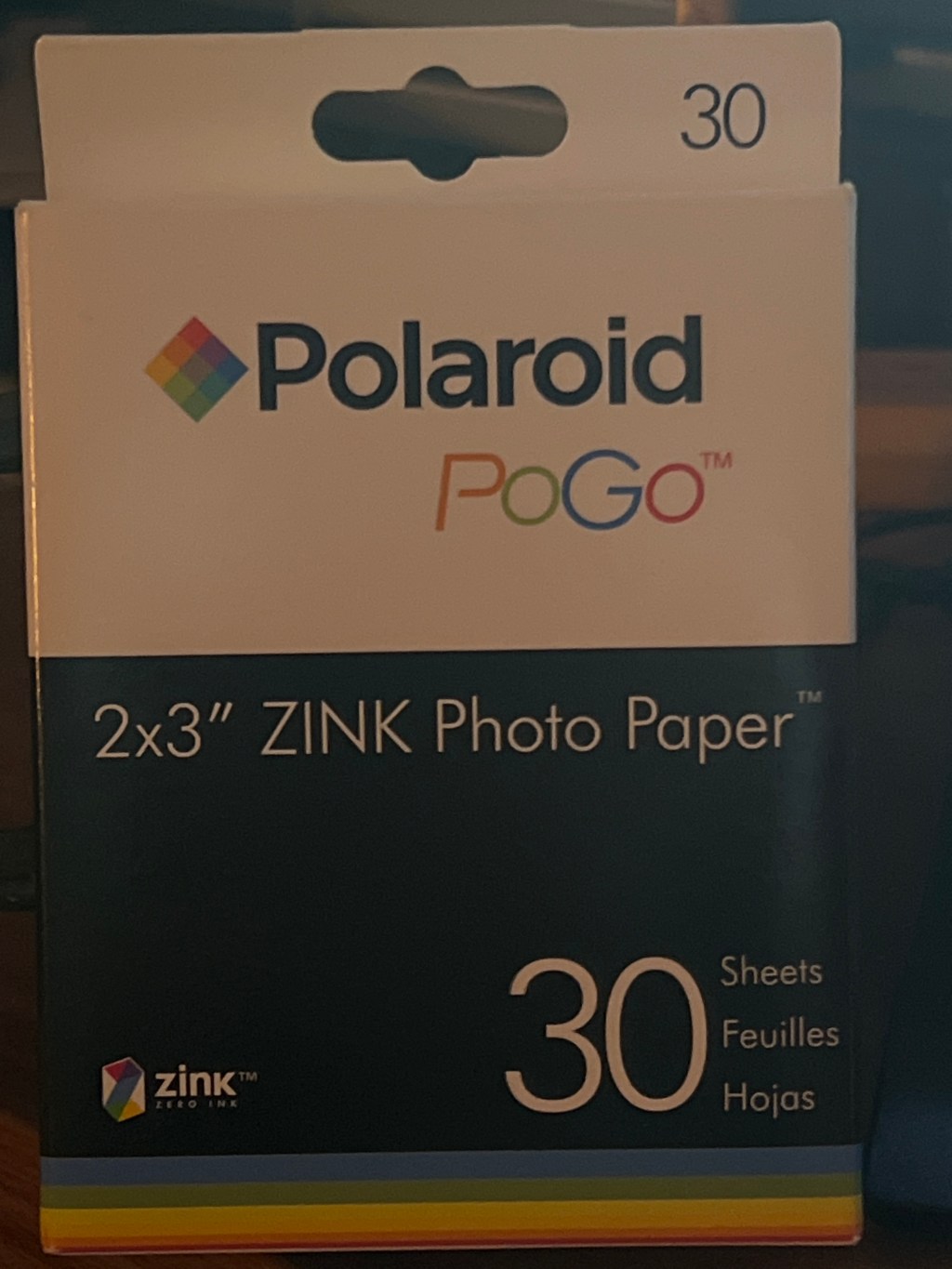
    I started to think about this topic yesterday when we got new cellphones. What prompted me to think about the future of photography was how far cellphone cameras have progressed in the past few years. A cellphone photo was tiny and quite often blurry. The photograph of the “Zink” Photo paper was taken with an iPhone 13 Pro Max in a room lit only by the light of my computer monitors.

    Last night after I was able to switch over to the new cellphone (transferring all the data, contacts, apps, etc.) I just played around with the camera for a moment. The whole concept of cellphone photography/videography has taken an enormous leap forward. It is little wonder why so many people no longer use dedicated cameras to photograph events or people as casual users, but are we approaching the realm of replacing dedicated cameras with smart devices? Where we this all be in 20 or 50 years? Will we go the way of the Polaroid and instant prints using the Zink paper or will we continue as we have?

  • Photography fun

    Photography fun

    If you’re not having fun with your photography you may be doing it wrong. To me, it doesn’t matter if it is your job or hobby. If you are not having fun taking photographs I believe your creativity is lost. There are a few exceptions though. Photographing war, violence, natural disasters, and human or animal suffering are a few I can think of.

    Think about it. When you are having fun doing something it becomes easier to think, “Hey let’s try something”. When you are not having fun the project becomes mundane and more like work. It could be that I have reached a point in my life where I have decided that there is too much going on in the world to do too many things I don’t enjoy. I may not have taken many photographs lately because I have allowed myself to be overwhelmed by things I don’t enjoy. In order to correct this, I going to focus on things I enjoy.

    Find fun in your photographic art, even if it is a serious portrait session or the hunt for beautiful landscapes. Once the fun is back the creativity is endless.

  • Curiosity and the photographic artist.

    Curiosity and the photographic artist.

    Do you ever have the feeling that you have suddenly lost curiosity about things? As an example; when was the last time you closed one eye, put an empty paper towel tube up to the open eye, and looked through the tube? I watch children play a lot. Between time spent with my grandsons and younger children where I work my “9 to 5” I see how children, especially younger children, are curious about things around them. They look at many things much more creatively than older children or adults. Is it that we fear being thought of as being odd? Is it that we think we have “seen it all before”.

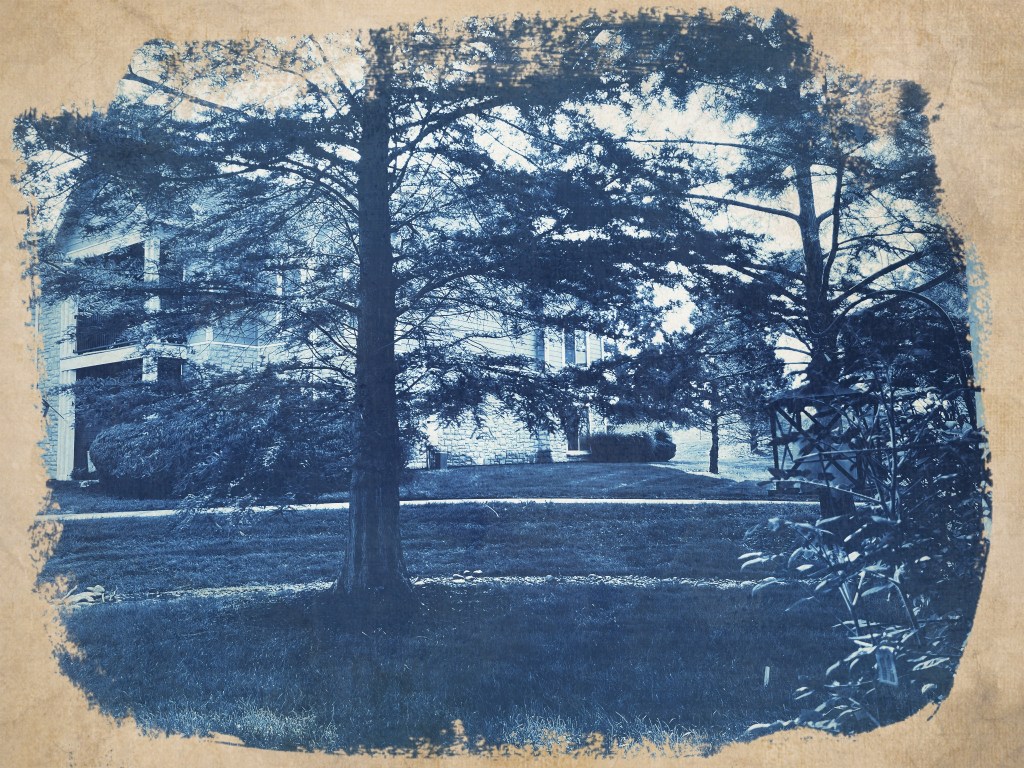
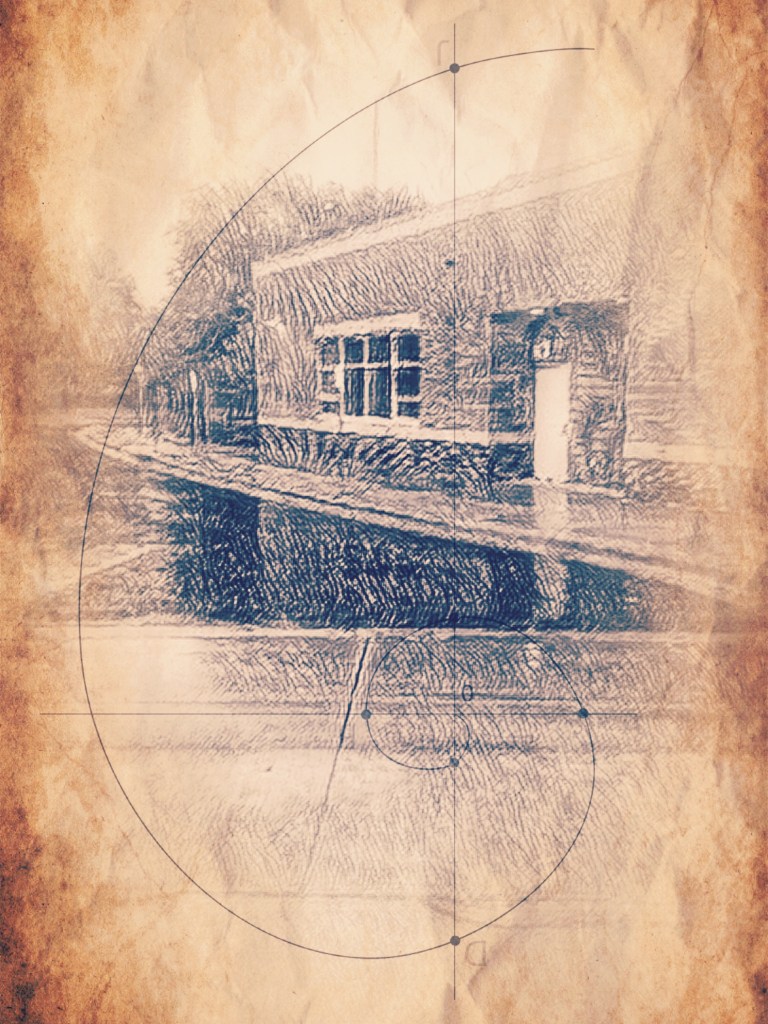
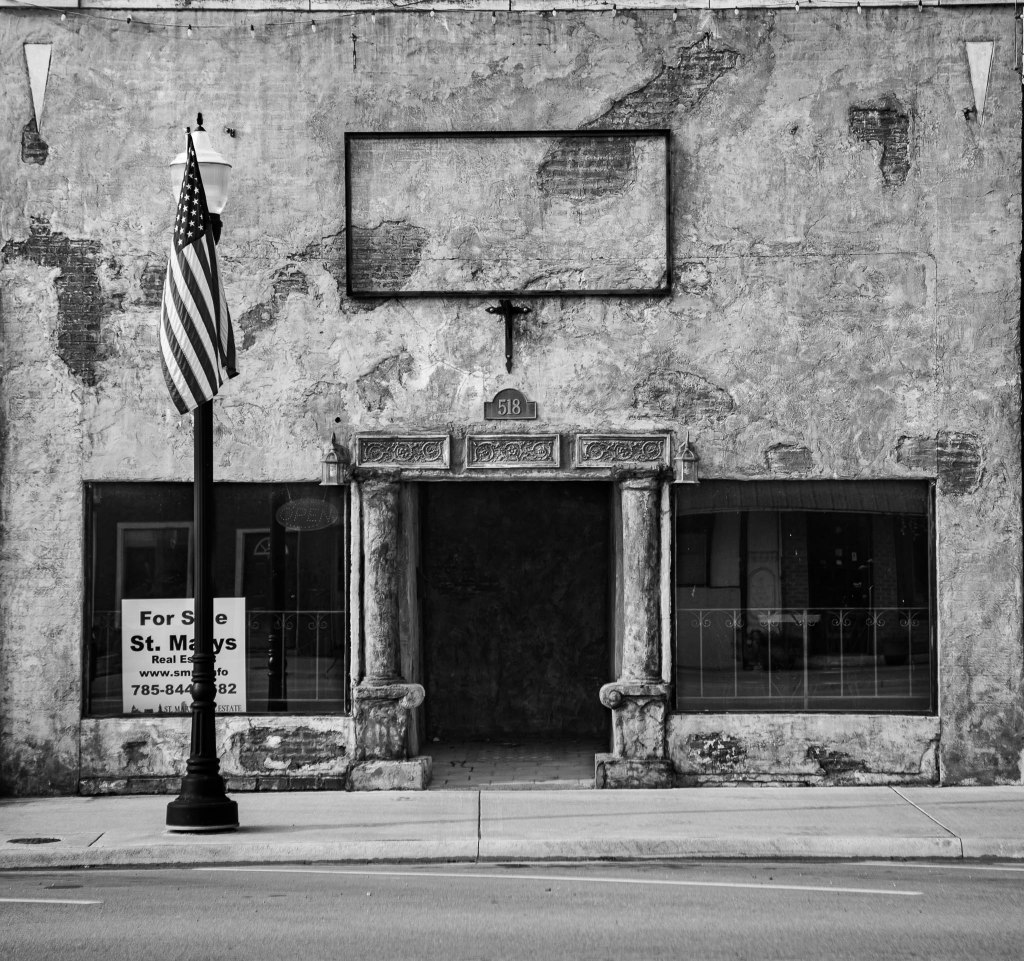
    I vaguely remember the building in my featured image. I remember the trip. I remember the town but I don’t remember many of the details of the building. Looking at the photograph I wonder what was this building originally. When was it built.? What did the walls feel like (I didn’t touch them at the time but I want to now)? What did it look like inside? As I wrote that, I was suddenly reminded of a photograph that I can’t find quickly, of a grain elevator. I was photographing it when a young man approached who worked there asked if I needed help. I told him I was a photographer interested in the mill as it looked to be very old. He told me he didn’t know much about it but his grandfather might. We found his grandfather. I explained that I was working on a project to photograph grain elevators, especially those that looked old and interesting. The grandfather gave me the history of the place and a tour allowing me inside to take as many photographs as I wished. Now I have to find those photographs.

    Stay curious! Ask! Look!

  • What is your best photograph?

    What is your best photograph?

    I began thinking about this topic just this morning (4 AM). I looked through my Lightroom catalog and learned I have 712 photographs rated 5 stars. I haven’t excluded any of the photographs I took as portraits for people who paid me so the number of photographs I have done as art is less than 712. Then I began to wonder, “am I missing some favorites I didn’t rate?”. It is possible. Even if the number is say, 600 how do you determine which is your best? What I may think is the best today, may not be the best tomorrow. Do I count the best as a photograph of someone or something I love the best? Did I include some rated as 5 stars simply because the photograph was of something or someone I loved?

    The two photographs I included in today’s ramble I remember taking and why I rated them as 5 stars. The first where the insect is feeding on another insect is something we don’t often see or at least notice. The second is a nymph of an insect that appears to be hiding inside a flower, again, something we don’t see or at least notice often. Both of these are photographs of very small insects and were taken with a macro lens to get up close to them.

    Some of the other photographs I have rated 5 stars I like but wonder now if they really deserved the 5-star rating. Much like going to a restaurant and thinking this is fantastic food, great service, and nicely priced, then returning and becoming somewhat discouraged because the food this time isn’t as good or the service is a bit lacking.

    This is an interesting topic to think about in my mind because I’m not sure there is a real hard answer to the question and it is ever-changing. Are we just living in the moment? There may be photographs that are timeless but does that make them the best?

  • Recognizing your own work

    Recognizing your own work

    Do you or can you recognize your own photographs? I’ve taken tens of thousands of pictures and if I go through my Lightroom catalog I occasionally come across a photograph that isn’t mine. Most of the time I don’t even have to check the metadata. I just don’t recognize the image. A bit of it is I, at least, vaguely remember what I have taken photographs of but a bit is a style of my own that I have come to recognize. I probably couldn’t describe my style to anyone I just remember it.

    I’ve talked to many photographers. A lot of them, especially newer photographers often say they don’t have a style but it is that they just don’t recognize their style as a style, or are they too busy attempting to copy the style of others? I believe this is the inherent problem with attempting to copy the style of others, you forget to or just don’t add your own twist to it. I guess there is nothing wrong with that it’s just not for me. In fact, when I have mentored others I make a point of telling them my goal isn’t to make them a copy of myself but to help them find their own style.

    To me, it is like recognizing your family. Often you don’t even have to see their faces to know who the people are in the photograph. My photographs, in a way, are like family. I know them even if I can’t tell you why.

    Even if you don’t think you have a style, you probably really do have one. Look closely at your photos and you will probably start to recognize commonalities in your images.

  • Reimagine previous work

    Reimagine previous work

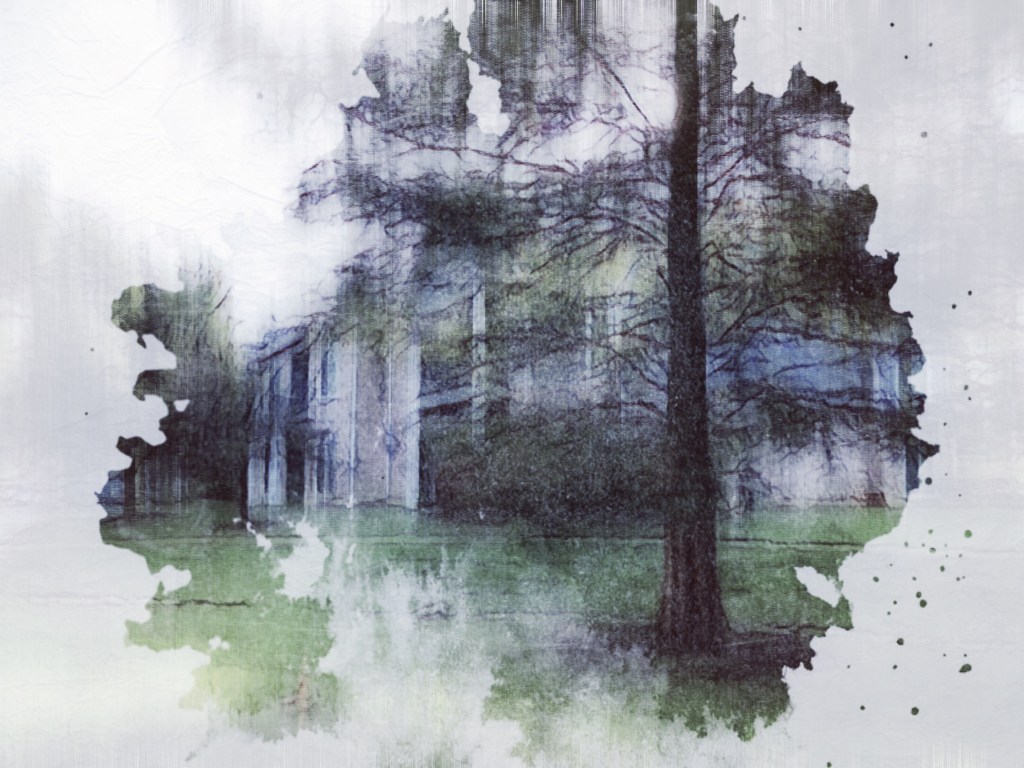
    I frequently go through previous work and reimagine its development. Some of it comes from new techniques I’ve learned some of it comes from just playing around with different looks. Many of the photographs I reimagine were never publicly shared because the initial process just didn’t work out.

    I have no problem visualizing previous work in a new way. New features in the software, new techniques learned new ideas and new concepts. For me, if I’m not learning more I’m not progressing as a photographer or artist. It’s all about progress and personal growth.

    My suggestion to all photographic artists is to keep an open mind to new techniques, new concepts, and new styles. Don’t stay in the same place.

    Now I just need to get my crap together and work to get more current photographic work done and apply what I have discovered to new work.

  • Color doesn’t exist in reality

    Color doesn’t exist in reality

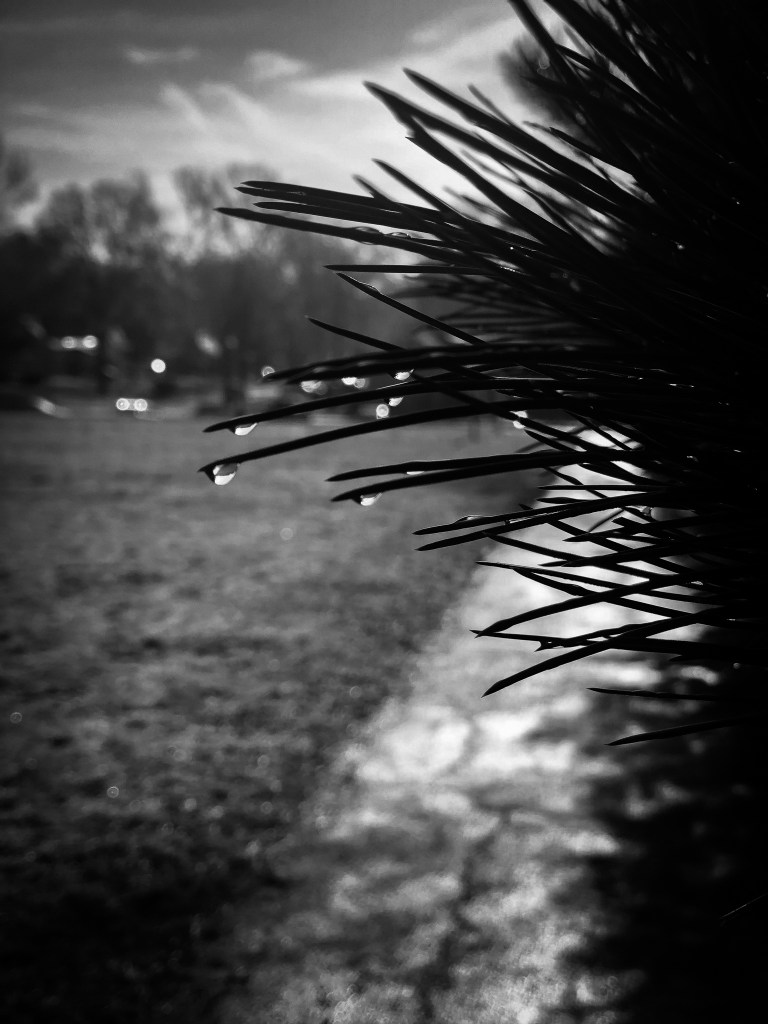
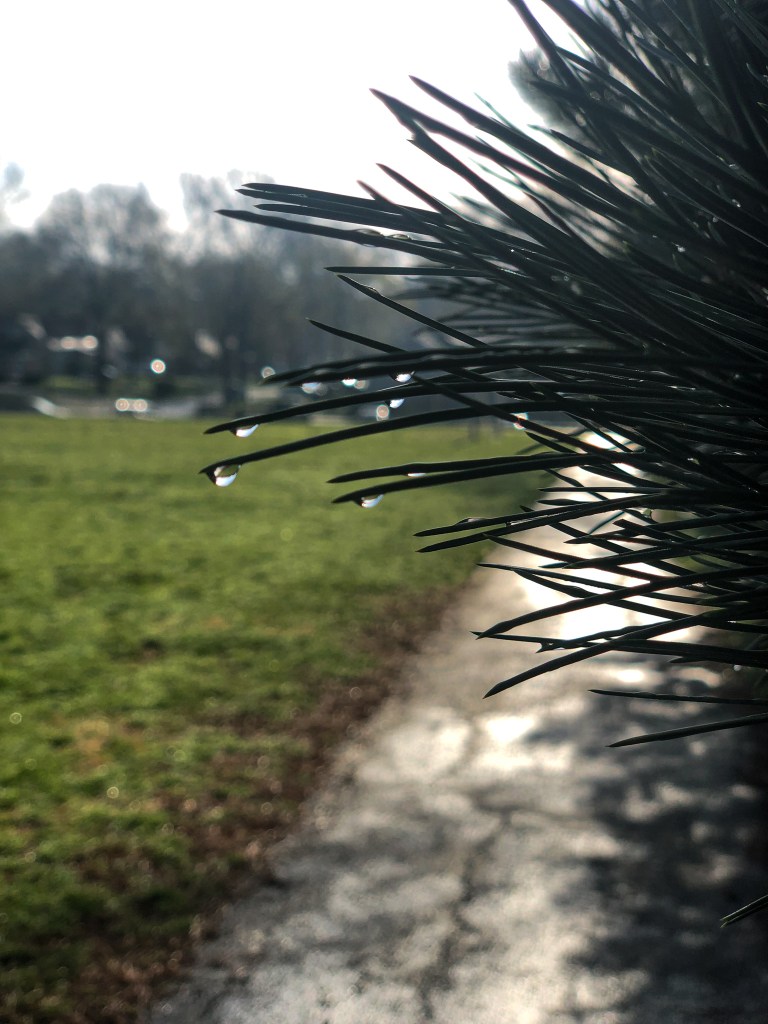
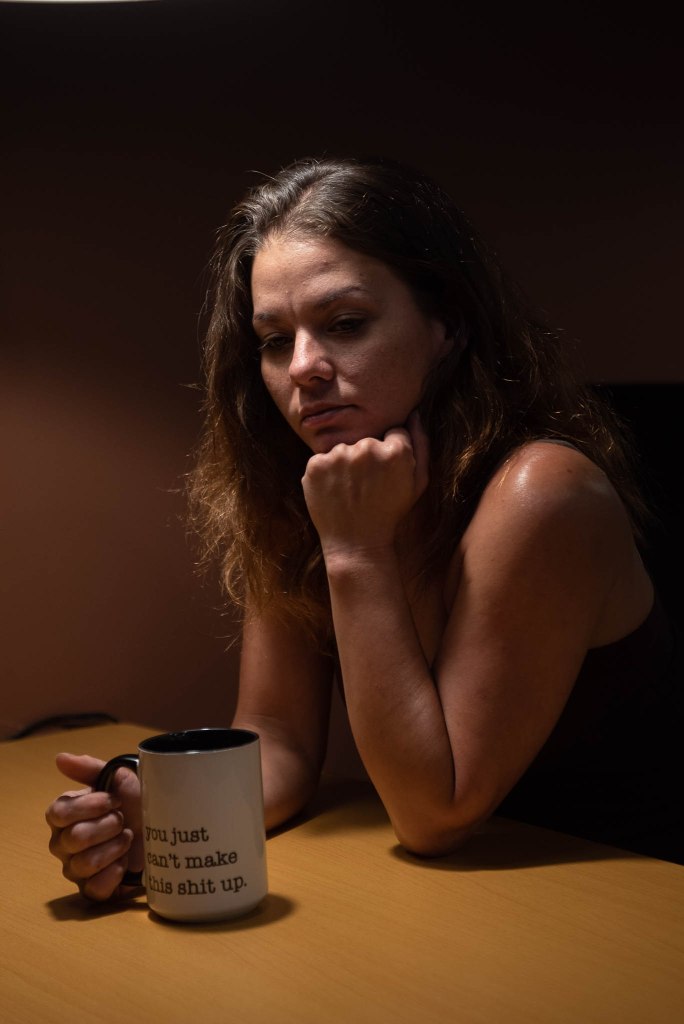
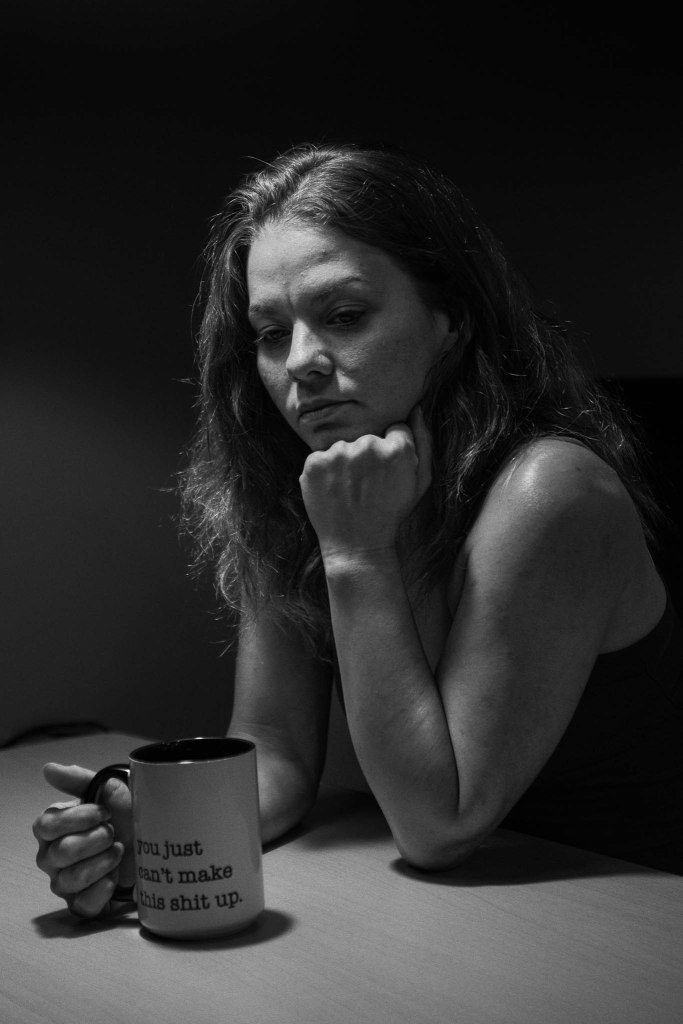
    I never really thought about this before yesterday, color doesn’t exist in reality. We have electromagnetic radiation bouncing off objects and the different wavelengths which we perceive as color. Does this mean that black and white photography is really the true reflection of reality? As such is it all just an illusion? Does reality really matter and the biggest question of all, who cares?

    I believe many get caught up in what is reality without realizing that much of reality is perception. I have heard the phrase, “perception is reality” and I used to really hate that term as it seemed to be used in an attempt to alter my thoughts and beliefs. As I have grown older I have come to realize the truth in that phrase, with one addition. Perception can become reality. Accepting this “truth” has changed my view on many things, especially in creating art. My goal most often with my photography is not to capture a scene or subject as it truly may exist in the natural universe but how I perceive the scene or subject. My perception becomes my reality.

  • Has it all been done before?

    Has it all been done before?

    I often wonder, can we really create an original photograph, or is everything an imitation or copy of something that has been done before? There are few locations on the planet that haven’t been photographed, but are there any truly new concepts? It is said that in writing books there are seven basic plots. Is this true with visual arts? Are there really new ideas? I’m not sure of the answer but it isn’t likely to stop me from my attempt to create a unique look, after all, no one else has all my experiences. They may have similar experiences but not the same. This is why I believe it is important to put your own style into your art and not merely attempt to copy the work of someone else, regardless of how good and creative that work may be. I don’t believe there is shame in getting inspiration from the work that was created before our own as long as we put a bit of our personality into it.

  • Creativity limits

    Creativity limits

    One of the traits I am personally proud to have is that I don’t really have limits to my creativity. There are techniques I like and use often but sometimes I “play” with different processes.

    I guess my process is less reality-based and more imaginative-based. For me sometimes reality sucks. Reality is something that I want to escape from. I would like only to watch documentary movies and television or only read historical factual books. Yes, sometimes it is wonderful to see a documentary or show based on real events. Yes, sometimes it is wonderful to read a book on facts and history.

    A few years ago I became interested in philosophy. I hated philosophy in college but I love a philosophical conversation not. I periodically read books such as The Republic. I like things that make me think more deeply. I like things that are ambiguous. I like things that are conceptual or with a subliminal message. At the same time, I often look for beauty in nature and reality.

    All this leads to my biggest problem which is staying focused on a project. I am beginning to get a grasp on how to channel my thoughts and creative ideas but it is very much a work in progress.