My opinion on the greatest tool in photography is bound to cause a stir among my fellow photographers. Don’t be fooled by fancy cameras, film or digital mediums, lens coatings, or filters. The truth is, it’s not the physical gear that matters. For me, it comes down to two things, which have worked together.
In my opinion, the addition of artificial intelligence has made Photoshop an even greater tool for photography. Despite potential skepticism, I believe this to be true and will explain why below.
Photograph editing, processing, and manipulation have been possible for a long time, except that it required a darkroom and hours of meticulous work before the advent of Photoshop. Before Photoshop, there were no second chances; it was starting over from scratch. Even with the introduction of Photoshop, the process was often tedious, in the beginning. However; with time, the technology has improved to make the process much simpler and more efficient.
With artificial intelligence, selecting, removing distractions, and fine-tuning images is now easier and more efficient. This allows us less time in the “darkroom” and more time to take our photographs and pursue our creative endeavors.
Photography is an art form that is constantly evolving, and with that comes new technology and techniques. Yet, no matter how much progress is made, there will always be those who claim that something is “ruining” photography. But isn’t it important to embrace change and innovation? After all, it is through these advancements that we can create new and exciting works of art. Let’s celebrate the evolution of photography, instead of resisting it.
In the mid-1980s, I developed a keen interest in photography, even before the advent of Photoshop in 1990. At that time, Photoshop was only available on Macintosh computers, and it wasn’t until 1994 that it became available on Windows. Despite its release, few hobbyists I knew used Photoshop. Instead, we relied on a variety of creative filters. In 2005, I ventured into the realm of digital photography and began processing my images using computer programs. Although some of my early edited photographs were terrible by my current standards, it was a valuable learning experience.
In 2010, I made the bold decision to switch to Photoshop, despite its hefty price tag of over $800. It was during this time that I became increasingly aware of the baseless complaints against digital photography, with some claiming it was “ruining” real photography. Fourteen years on, the integration of artificial intelligence is significantly altering the landscape of photography leading us to yet another problem that is ruining photography. Many have said it is robbing photography of its soul.
That statement is simply not true. The integration of Photoshop and artificial intelligence is an invaluable asset to my artistic process, greatly improving efficiency and output quality. The integration of artificial intelligence into programs like Photoshop has undoubtedly sparked a renewed interest in film. However, it’s important to note that some photographers believe that this technology allows their photography to be closer to reality – and that’s simply not true. Reality in photography, just like in painting and drawing, is an illusion. It’s crucial to understand that, regardless of the format you choose, reality will always be skewed based on various factors, such as how the image is being recorded and what camera settings are being used.e is being recorded and what camera settings are being used.
Photographers, instead of wasting your time complaining about what’s ruining photography, why not focus on what you can control? Pour your energy into creating art and captivating photos that inspire and move people. Don’t let external factors hinder your creativity. Embrace the challenge and use it as a catalyst to push yourself to new heights. Remember, the best way to combat negativity is with positivity. So, let your passion and talent shine through your work, and let that be your legacy.
One of the biggest challenges I have faced during my many years of involvement with photography is restarting my photography routine. In September 2023, my life took a major turn when I moved from a place where I had lived for many years. Initially, I didn’t have a permanent address, and my plan was to travel for a few months, which I did. During this time, I visited some amazing places that I had never been to before. However, when I returned to my home area, I stayed with my son until I found a new home. My photography and other hobbies were put on hold during this transitional period.
After months of traveling and living on the road, I have finally settled down in a permanent residence. I have all of my precious photography equipment, including my trusted computers. I am now eager to restart my photography work and get motivated to do more. Even though capturing photographs while traveling was exciting, I feel like I’m starting again. I am excited to explore new surroundings and capture awe-inspiring moments through my lens once again.
I can imagine that numerous individuals have gone through comparable situations to mine. The uncertainty and struggle to adapt to an unfamiliar environment can be challenging and overwhelming. Despite this, I am also aware that some have managed to overcome these obstacles and make a successful transition. However, I can’t help but think that there must be others who have unfortunately failed and given up.
Many individuals tend to fear the possibility of failure and uncertainty, which can often lead them to give up on their goals. However, it is important to recognize that this can be a self-defeating attitude, as it may prevent us from taking risks and pursuing our dreams. Instead, we should strive to develop a growth mindset, where we view failure as an opportunity to learn and improve. By doing so, we can overcome our fears, achieve our goals, and ultimately lead a more fulfilling life. I shall no longer be fearful achieving my goals as an artistic photographer.
The specific words for me are – “pics,” “bokeh,” “tog,” and the phrase “fix in [insert name of program]” – hold different meanings and connotations for different individuals. Understandably, certain terms within the photography community can evoke strong feelings or interpretations. For instance, “bokeh” refers to the aesthetic quality of the blur produced in the out-of-focus parts of an image. While it’s a technical term, it’s also become somewhat of a buzzword in photography discussions.
Similarly, the abbreviation “tog” for a photographer and the casual term “pics” might come across as overly informal to some. In contrast, others may see them as part of the ever-evolving language of the digital age. Additionally, the phrase “fix in [insert name of program]” could be a shorthand way of referring to the post-processing stage of photography, where editing software is used to refine and enhance images.
It’s intriguing how language and terminology can shape our perceptions, and it’s not uncommon for certain words or expressions to carry various associations for different people. It’s clear that, for me, these particular words may either appear as a lack of understanding or as diminishing the skill and artistry of photographers. My perspective, hopefully, sheds light on the complexities of language and how it intersects with my passions and interests.
The road to reclaiming your motivation to create can be long and arduous. In September of 2023, we moved from where we had lived for 7 years. Our previous home, with its familiar surroundings and comfortable spaces, held countless memories and moments of inspiration. The decision to move was not easy and adjusting to a new environment proved challenging. As the days passed, the longing for the familiar creativity-inducing atmosphere grew stronger, but the unfamiliarity seemed to stifle the creative flow. However, amidst the struggles, small sparks of motivation began to appear. Exploring the new neighborhood, discovering local art, and meeting creative individuals slowly reignited the passion for creating. It was a gradual process, but with patience and perseverance, the joy and inspiration for creating was rediscovered. The journey was indeed long and challenging, but it ultimately led to a newfound appreciation for the creative process and the resilience to overcome obstacles.
The return of spring and the upcoming summer season infuse me with renewed inspiration. The warmer weather and longer days are awakening my creative spirit, beckoning me to venture outdoors and reconnect with the world around me. As the world outside bursts into vibrant color and life, I feel drawn to capture these moments and translate them into creative expressions. This transition into a new season ignites a sense of rejuvenation within me, allowing my creativity to flourish once more.
In my opinion, there are two main types of photographers – documenters and creators. There isn’t anything wrong with either type of photography. Nearly all of us started out as documenters. Some of us moved into creators. I am no exception.
I must confess that my early creations were truly dreadful. In fact, during my photography school days, I was almost crushed by the weight of my instructor’s first critiques. I vividly remember submitting my very first project for critique and feeling utterly exposed as I waited to hear the feedback. It was a moment of realization that I had ample room for improvement, and it would have been so easy to dismiss the suggestions from the instructor. However, deep down, I knew that I wouldn’t progress or truly grow as an artist unless I wholeheartedly took them into consideration.
Despite having close to 40 years of experience in photography, I still find myself occasionally missing the mark. It’s a humbling truth that I have come to accept. Upon reflecting on these moments, I recognize that most often it is due to my own lack of meticulous planning and technical execution. These aspects are just as crucial to the art of photography as the creative vision itself, and it’s a perpetual challenge that I strive to overcome with each new project.
But through these challenges, I’ve come to appreciate that it’s all part of the artistic journey. It’s a constant evolution, and the learning never truly stops. Embracing both the successes and the setbacks has ultimately shaped me into the photographer that I am today, and I look forward to continuing this enriching pursuit for years to come.
It is said that the tide and time wait for no one. Just like the tide and time change happens. Change happens to our photography as well. New tools and techniques become available. One of the latest changes is the proliferation of artificial intelligence (hereafter referred to as AI) in the art world. Some are fearful of the seemingly sudden proliferation of AI others seemingly embrace it, while a third group is wary. Think of the spot healing brush which was introduced to Photoshop in 2005. Then we got content aware fill in 2010. Both of these utilize some concepts of AI. Think of the spot healing brush which was introduced to Photoshop in 2005. Then we got content aware fill in 2010. Both of these utilize some concepts of AI.
I am more in the group that is embracing the implementation of AI in programs such as Photoshop. The introduction of generative fill and AI in Photoshop, Lightroom, and similar programs has streamlined my photography. They save me time by allowing me to remove distractions, add elements to help tell a story or create emotion, and create my photographs.
For me, my photography is about creating art. My art may not be the proverbial “everyone’s cup of tea” but it isn’t meant to be so. My art is meant for me; if others enjoy it, I’m pleased. My point is that art and specifically photography have changed with time. Maybe we should work with change and help guide it over time rather than fight it.
Photographers are a difficult bunch to please. I recently read an article about the return to analog film photography versus digital photography. It was an opinion article, much like this one. In the article, the author stated, “photographers these days yearn for more than just the cold digital experience.” He goes on to discuss an exhibit by a Frank Ockenfels, whose work often employs non-photographic elements in his work. This reminded me of many conversations and comments about digital noise and sharp focus in our photographs.
Many photographers complain about noisy photographs but relish the idea of film grain. I know many will say but the grain is film is different than digital noise. Many photographers also brag about the sharpness of their lens then spend time softening faces and skin because the lens was able to capture each skin pore, fine hair, and blemish.
Noise reduction software
We spend money on noise reduction software then complain about how “cold” the image looks. Many photographers complain about photo manipulation and the use of software to post-process the images and often at the same time praise some of the old masters who spent more time in the darkroom manipulating their images or tout the works of artists like Frank Ockenfels while screaming composites are not photographs.
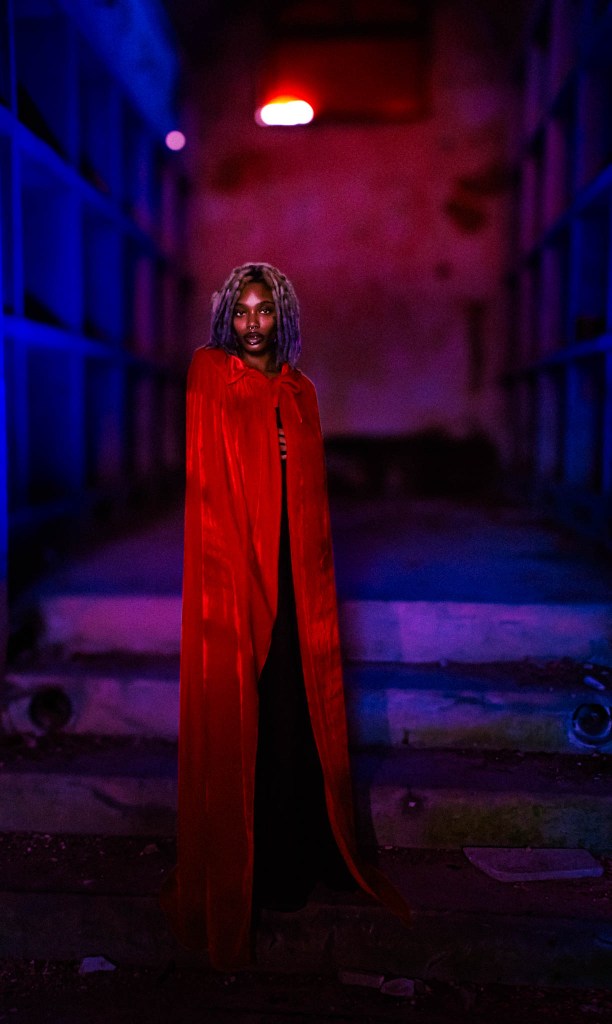
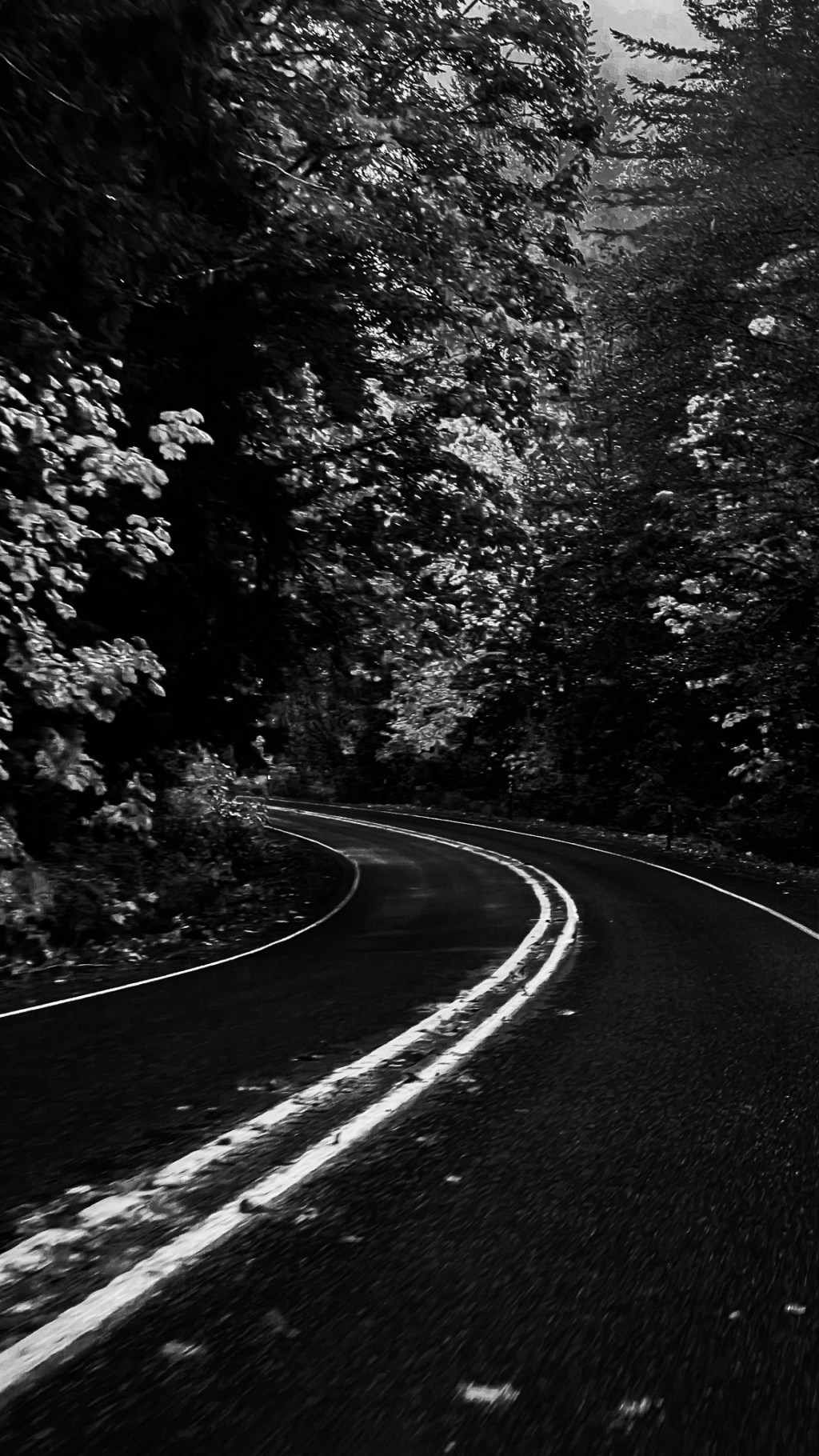
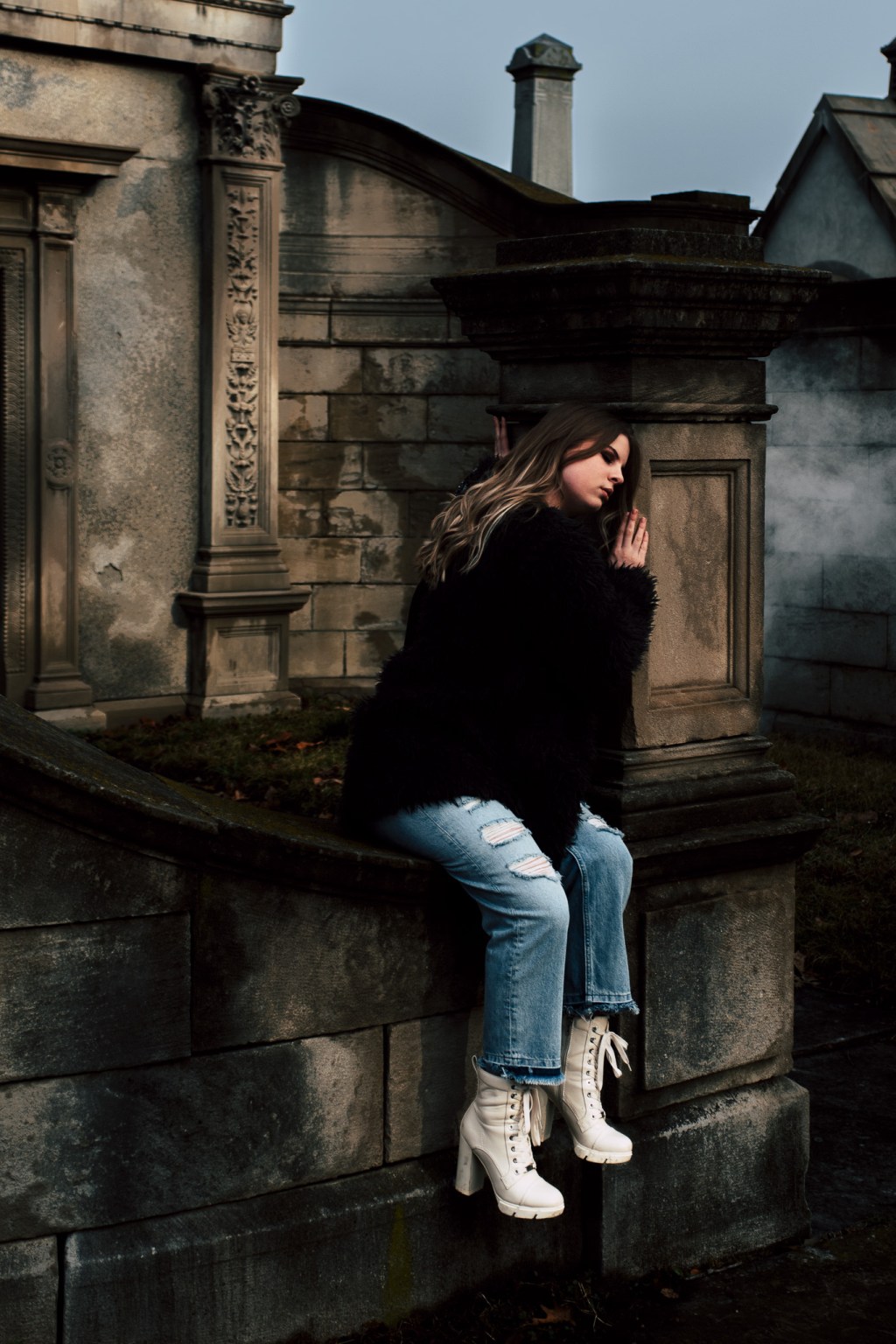
I have been of the mindset that sometimes you must embrace the digital noise when photographing your subject. The photos in this article were shot at ISO 12,800. For people like me who started in 35mm film days ISO 12,800 was absolutely unheard of. We struggled in low-light situations with our ISO 800 film and often manual flash.
Film look filter to emulate analog film grain
Digital photographers also employ the use of software to emulate the look of analog films.
If often appears to me, we are continually in search for the elusive big foot of photography. We don’t want noise or grain, but we don’t want the cold lifeless feel of digital photography, nor do we want to do photographic manipulation or to be restricted to only a few shots that we can load into our film cameras and the cost and time to develop the film. Are we looking too hard for the perfect photograph rather than telling a story or creating art with our photographs?
To me, we need to work harder at telling stories and creating art rather than worrying about all the other nonsense. Create your art and photographs to tell your story rather than worrying about the elusive “perfect photograph”.
As we gain years of experience we often lull ourselves into a false sense of security, knowledge, and achievement causing us to believe we don’t need to learn more or push ourselves to further hone our craft as photographers and artists. Nothing could be further from the truth. We must, and I repeat must, continue to push ourselves to gain further knowledge, and skills, and push the boundaries of creativity.
Without continuing to push ourselves to learn new skills and techniques or failing to push our creative boundaries we can become stale and ordinary. We need to stop fighting against new tools or techniques and learn about and utilize their advantages and disadvantages. As photographic artists if those who came before us stopped working to learn more and develop new technology and techniques, we would still be producing images as Nicéphore Niépce.
Push yourself to learn to embrace new ideas and techniques. Push yourself to learn new technology and tools. Push your boundaries of creativity. You may surprise yourself with what you can create once you open up to these advancements.
There are lots of articles on staying current in business or your chosen profession. Some of the key points the experts make are:
Educate Yourself
Is your personal education adding value to your conversations each day and managing your team? If not, what actions do you need to take to increase your education?
Energize Skills
When was the last time you did a personal skills audit?
Embrace Technology
Are you across the latest time-saving technologies for your everyday activities?
Engage Social Media
Educate Yourself
Is your personal education adding value to your conversations each day and managing your team? If not, what actions do you need to take to increase your education? It’s crucial to continuously seek new knowledge and skills to remain competitive in your field.
Remember, learning is a lifelong journey!
Energize Your Skills
When was the last time you did a personal skills audit? Regularly assessing and improving your skill set is essential for staying current and competitive in your profession. Take the time to identify areas for development and seek out opportunities for growth. By actively energizing your skills, you can enhance your productivity and adaptability in an ever-evolving work environment.
It’s essential to stay updated with the latest time-saving technologies in your everyday activities. Embracing technology not only streamlines your processes but also keeps you ahead in your professional endeavors. Whether it’s adopting new software, automation tools, or innovative systems, integrating technology can significantly enhance your efficiency and effectiveness. Keep an eye on technological advancements relevant to your industry to ensure you are leveraging the most beneficial tools available.
Engage Social Media
In today’s digital age, engaging with social media is crucial for maintaining a strong professional presence. Whether it’s through networking on LinkedIn, showcasing your expertise on X, formerly known as Twitter, or developing a visual identity on Instagram, active participation in social media can significantly enhance your visibility and connectivity within your industry. By effectively utilizing social media platforms, you can stay current, share valuable insights, and establish meaningful connections with peers and potential clients. Remember to maintain a consistent and professional brand voice across all your social media channels to maximize the impact of your engagement efforts.


 Photographer Clay