Author: The Photographer Clay

  • Photographers are a difficult bunch.

    Photographers are a difficult bunch.

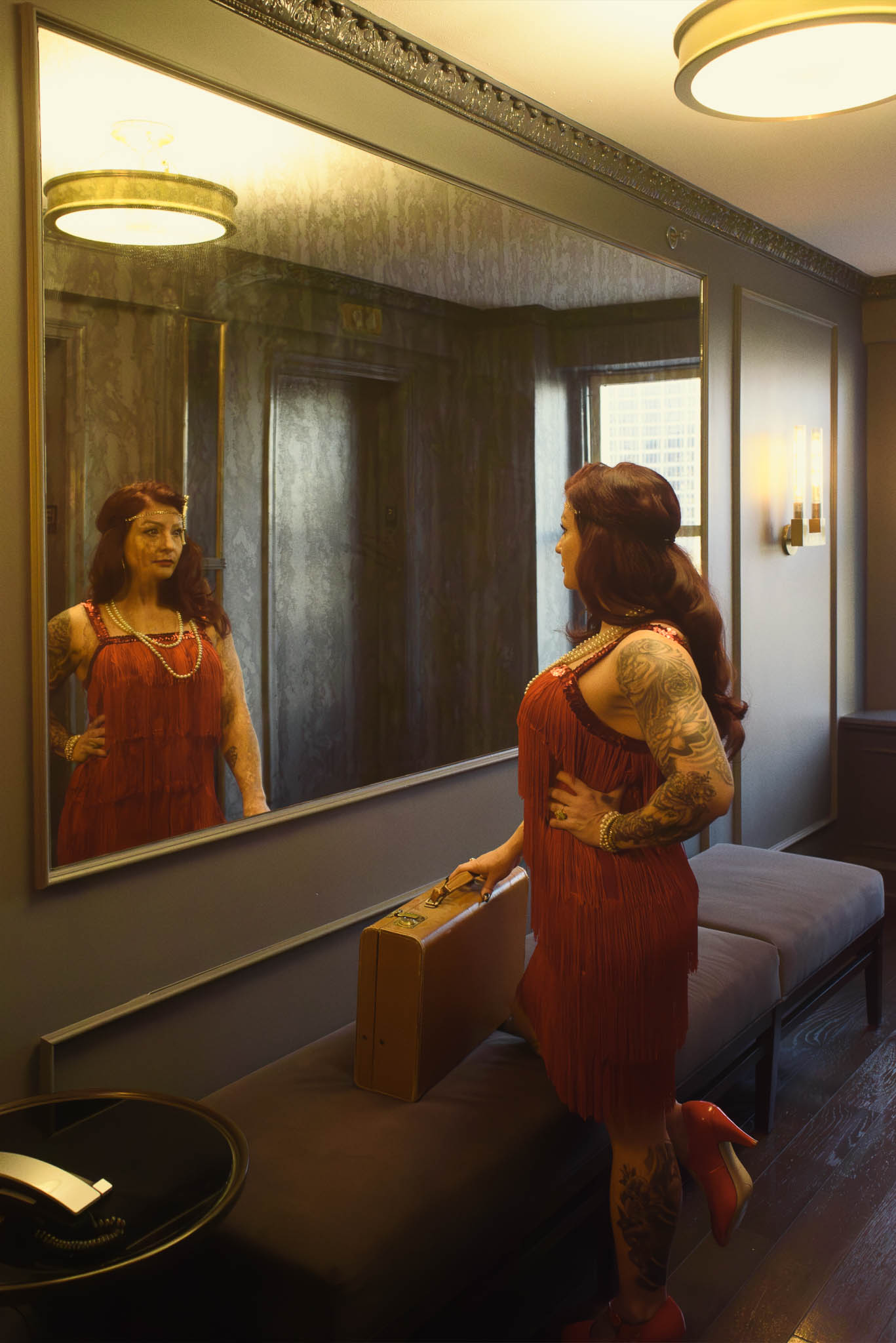
    Shot at ISO 12,800

    Many photographers complain about noisy photographs but relish the idea of film grain. I know many will say but the grain is film is different than digital noise. Many photographers also brag about the sharpness of their lens then spend time softening faces and skin because the lens was able to capture each skin pore, fine hair, and blemish.

    Noise reduction software

    We spend money on noise reduction software then complain about how “cold” the image looks. Many photographers complain about photo manipulation and the use of software to post-process the images and often at the same time praise some of the old masters who spent more time in the darkroom manipulating their images or tout the works of artists like Frank Ockenfels while screaming composites are not photographs.

    I have been of the mindset that sometimes you must embrace the digital noise when photographing your subject. The photos in this article were shot at ISO 12,800. For people like me who started in 35mm film days ISO 12,800 was absolutely unheard of. We struggled in low-light situations with our ISO 800 film and often manual flash.

    Film look filter to emulate analog film grain

    Digital photographers also employ the use of software to emulate the look of analog films.

    If often appears to me, we are continually in search for the elusive big foot of photography. We don’t want noise or grain, but we don’t want the cold lifeless feel of digital photography, nor do we want to do photographic manipulation or to be restricted to only a few shots that we can load into our film cameras and the cost and time to develop the film. Are we looking too hard for the perfect photograph rather than telling a story or creating art with our photographs?

    To me, we need to work harder at telling stories and creating art rather than worrying about all the other nonsense. Create your art and photographs to tell your story rather than worrying about the elusive “perfect photograph”.

  • Keep climbing to improve your art

    Keep climbing to improve your art

    As we gain years of experience we often lull ourselves into a false sense of security, knowledge, and achievement causing us to believe we don’t need to learn more or push ourselves to further hone our craft as photographers and artists. Nothing could be further from the truth. We must, and I repeat must, continue to push ourselves to gain further knowledge, and skills, and push the boundaries of creativity.

    Without continuing to push ourselves to learn new skills and techniques or failing to push our creative boundaries we can become stale and ordinary. We need to stop fighting against new tools or techniques and learn about and utilize their advantages and disadvantages. As photographic artists if those who came before us stopped working to learn more and develop new technology and techniques, we would still be producing images as Nicéphore Niépce.

    Push yourself to learn to embrace new ideas and techniques. Push yourself to learn new technology and tools. Push your boundaries of creativity. You may surprise yourself with what you can create once you open up to these advancements.

  • To stay relevant stay current

    To stay relevant stay current

    There are lots of articles on staying current in business or your chosen profession. Some of the key points the experts make are:

    • Educate Yourself
      • Is your personal education adding value to your conversations each day and managing your team? If not, what actions do you need to take to increase your education?
    • Energize Skills
      • When was the last time you did a personal skills audit?
    • Embrace Technology
      • Are you across the latest time-saving technologies for your everyday activities?
    • Engage Social Media

    Educate Yourself

    Is your personal education adding value to your conversations each day and managing your team? If not, what actions do you need to take to increase your education? It’s crucial to continuously seek new knowledge and skills to remain competitive in your field.

    Remember, learning is a lifelong journey!

    Energize Your Skills

    When was the last time you did a personal skills audit? Regularly assessing and improving your skill set is essential for staying current and competitive in your profession. Take the time to identify areas for development and seek out opportunities for growth. By actively energizing your skills, you can enhance your productivity and adaptability in an ever-evolving work environment.

    It’s essential to stay updated with the latest time-saving technologies in your everyday activities. Embracing technology not only streamlines your processes but also keeps you ahead in your professional endeavors. Whether it’s adopting new software, automation tools, or innovative systems, integrating technology can significantly enhance your efficiency and effectiveness. Keep an eye on technological advancements relevant to your industry to ensure you are leveraging the most beneficial tools available.

    Engage Social Media

    In today’s digital age, engaging with social media is crucial for maintaining a strong professional presence. Whether it’s through networking on LinkedIn, showcasing your expertise on X, formerly known as Twitter, or developing a visual identity on Instagram, active participation in social media can significantly enhance your visibility and connectivity within your industry. By effectively utilizing social media platforms, you can stay current, share valuable insights, and establish meaningful connections with peers and potential clients. Remember to maintain a consistent and professional brand voice across all your social media channels to maximize the impact of your engagement efforts.

  • The value of post-processing

    The value of post-processing

    It appears to me that the discussion of post-processing images is never-ending. It also appears to me that those who are against the use of tools such as Photoshop/Lightroom, or similar programs, are because of their lack of skills and ability. Post-processing isn’t always about “fixing” a photograph. It isn’t about a photographer not planning or utilizing the camera and equipment properly. The camera, cannot see as I see. 

    Post-production has existed as long, or nearly as long, as photography itself. In the past, we selected films based on how we wanted to render color, contrast, and tones. If we were good we also learned how to further enhance those qualities in our chemical darkroom using dodging and burning, unsharp masks, development times and chemicals, the selection of papers, and more development. Today’s tools take us even further without exposure to chemicals and smells. As nostalgic as those things may be. 

    To become a good or great photographer it is necessary, in my mind, to understand and utilize ALL THE TOOLS which include how to post-process the images.