Category: Photography

  • The fear of missing out

    The fear of missing out

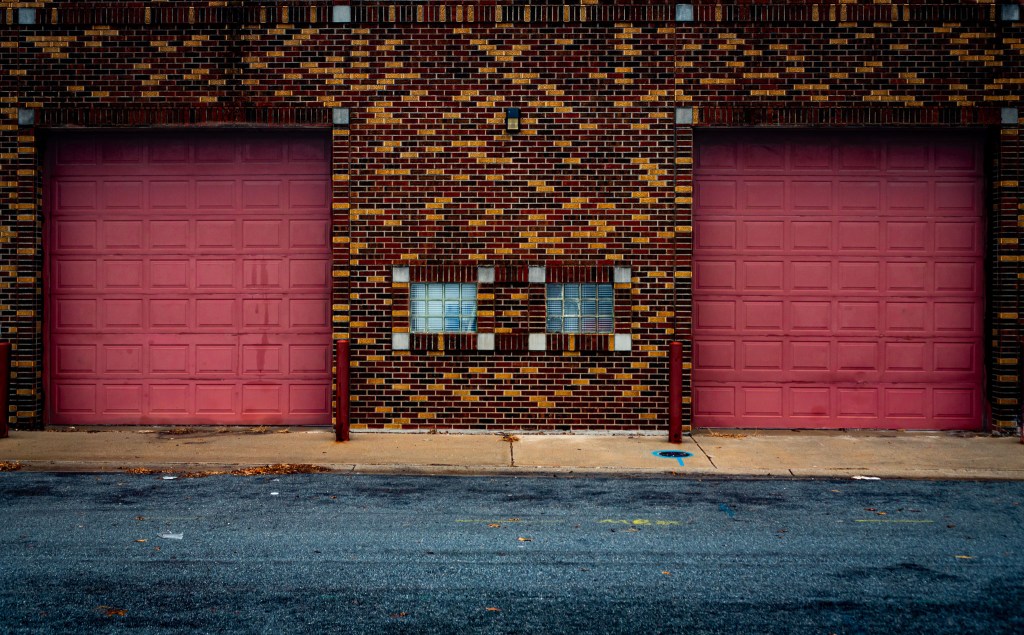
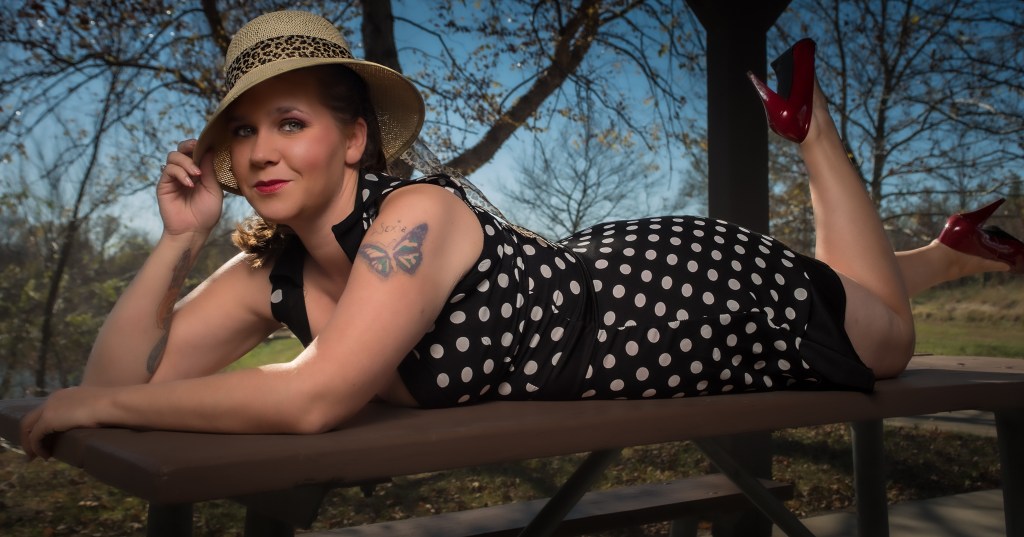
    I was doing what I often do to come up with a topic to discuss today, just browsing through my catalog of photographs when I noticed a common issue. Why do we usually take so many photographs? In the session where the photograph above came from I found I still have 652 files. Ninety-plus percent of them will never likely see the light of day. A friend of mine also recently commented about people “bragging” about how many photographs they took during a session. Are we doing this because we can? Are we afraid of missing out? Would we be better off planning and taking two or three photos rather than 10 of a similar pose.
    For me, a similar issue is just pointing the camera at something and snapping a photograph. What is the purpose? Why this scene or subject matter? What, if anything, am I attempting to say or relate to the viewer? Is it interesting?

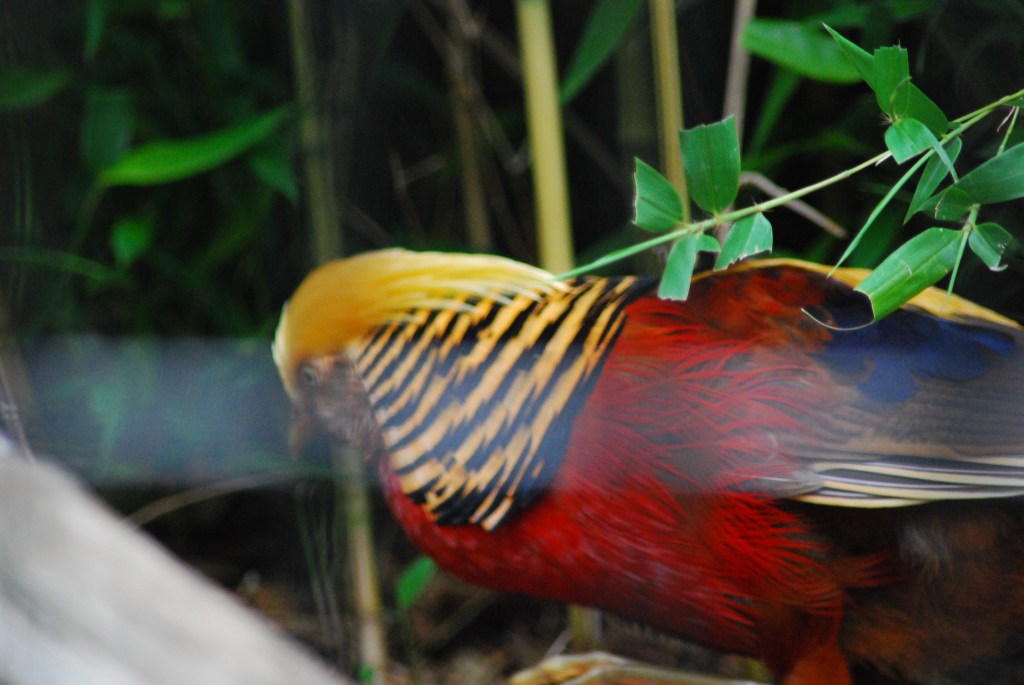
    Let’s talk about the photograph of the bird above. It is horrible. It reminds me of nothing. No adventure, no family memory. It was a trip to the zoo. I’ve kept this photograph for 15 years. Why? For fear of deleting history? For fear of missing out?

    Over the course of a week, I discovered and deleted nearly 4,000 files. Many were duplicates, some were just bad poorly executed photographs, some were attempts to learn or perfect techniques, and others were just photographs that were never going to be used for anything.

    I am starting a new plan. I need to ask myself before I take a photograph, what is the purpose, and what am I trying to say or convey to my viewers even if it is just myself. Photograph with purpose not just push the button because I can. Join me, don’t fear missing out. Let’s show the world what we enjoy, and convey the message we want to convey, express ourselves with purpose.
  • A real professional versus amateur

    A real professional versus amateur

    What makes one a professional photographer? Many would say one that makes their living by doing photography. I’d like to offer a different definition. I believe a professional photographer can be one that desires quality over quantity. I see so many photographers who earn a living, or at least supplement their income, with photography but depend on the old “spray and pray” mindset. You know, if I take 2,000 shots I’ll get a few good ones, rather than planning and setting up to ensure success beforehand. It is often said that the difference between a professional photographer and an amateur photographer is that a professional photographer works until they can’t get it wrong, while an amateur photographer works to get it right.

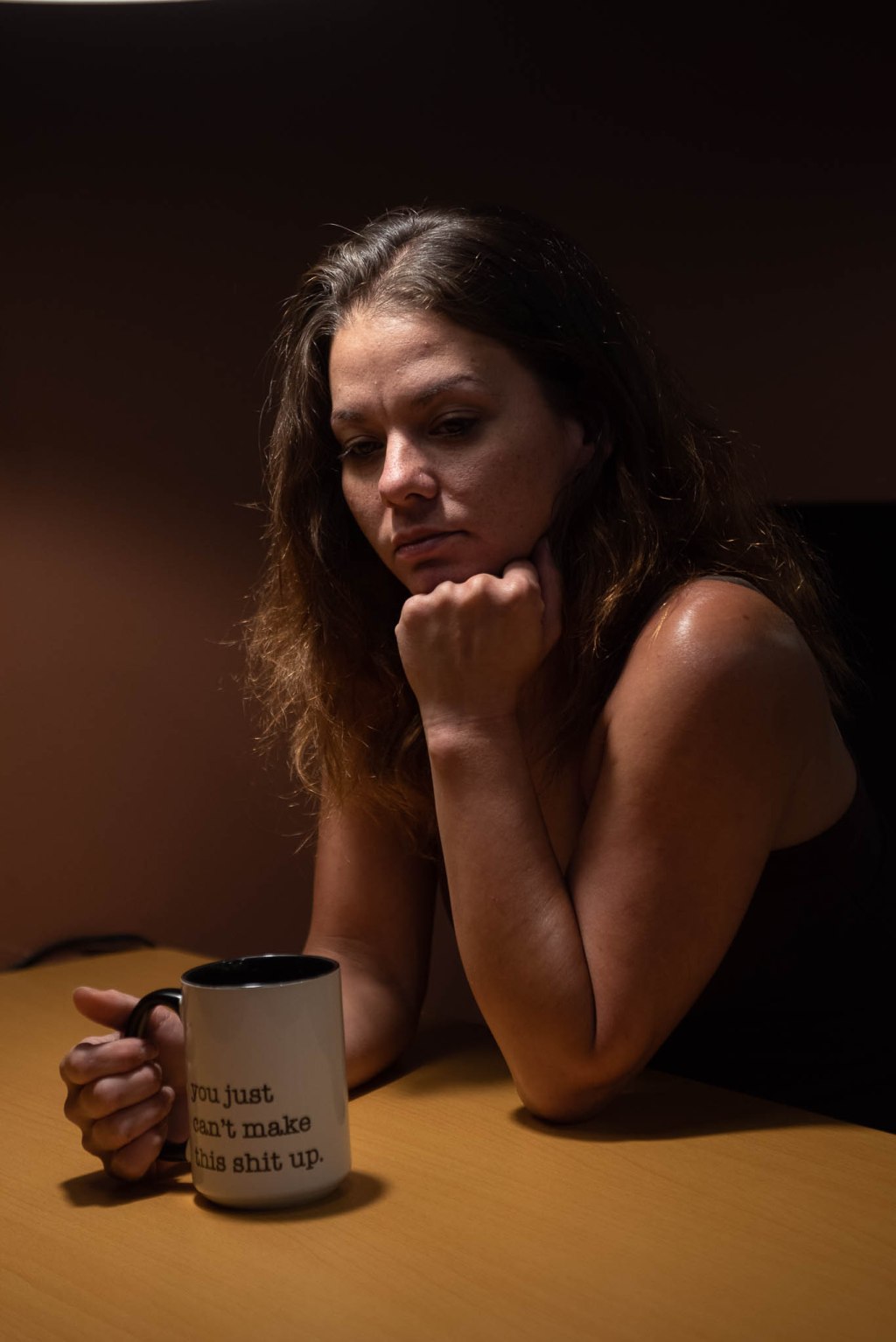
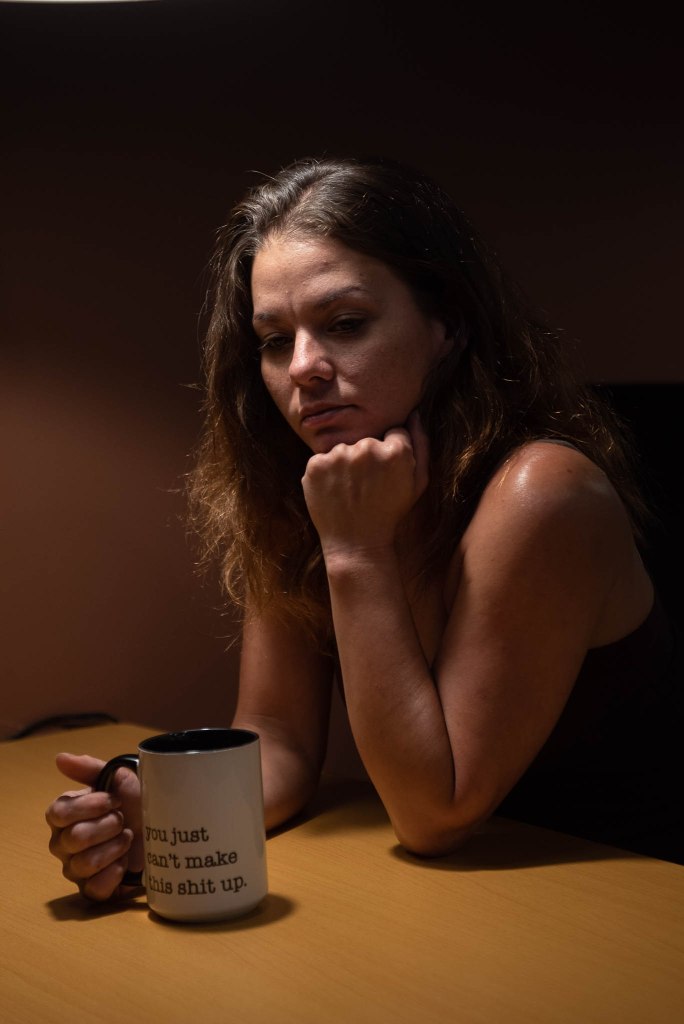
    My goal is to work until I can’t get it wrong. I prefer quality over quantity. Creativity over snaps of the shutter. As in the photograph above, the cup was selected to send a specific message. The lighting was intentionally set up as well as the pose. I didn’t take 10 or 15 shots of the same setup, I did take a couple just to ensure that I captured what I intended. My goal is to become a professional photographer in the sense that I can achieve quality results without worrying about getting it wrong.

  • Sometimes art just happens

    Sometimes art just happens

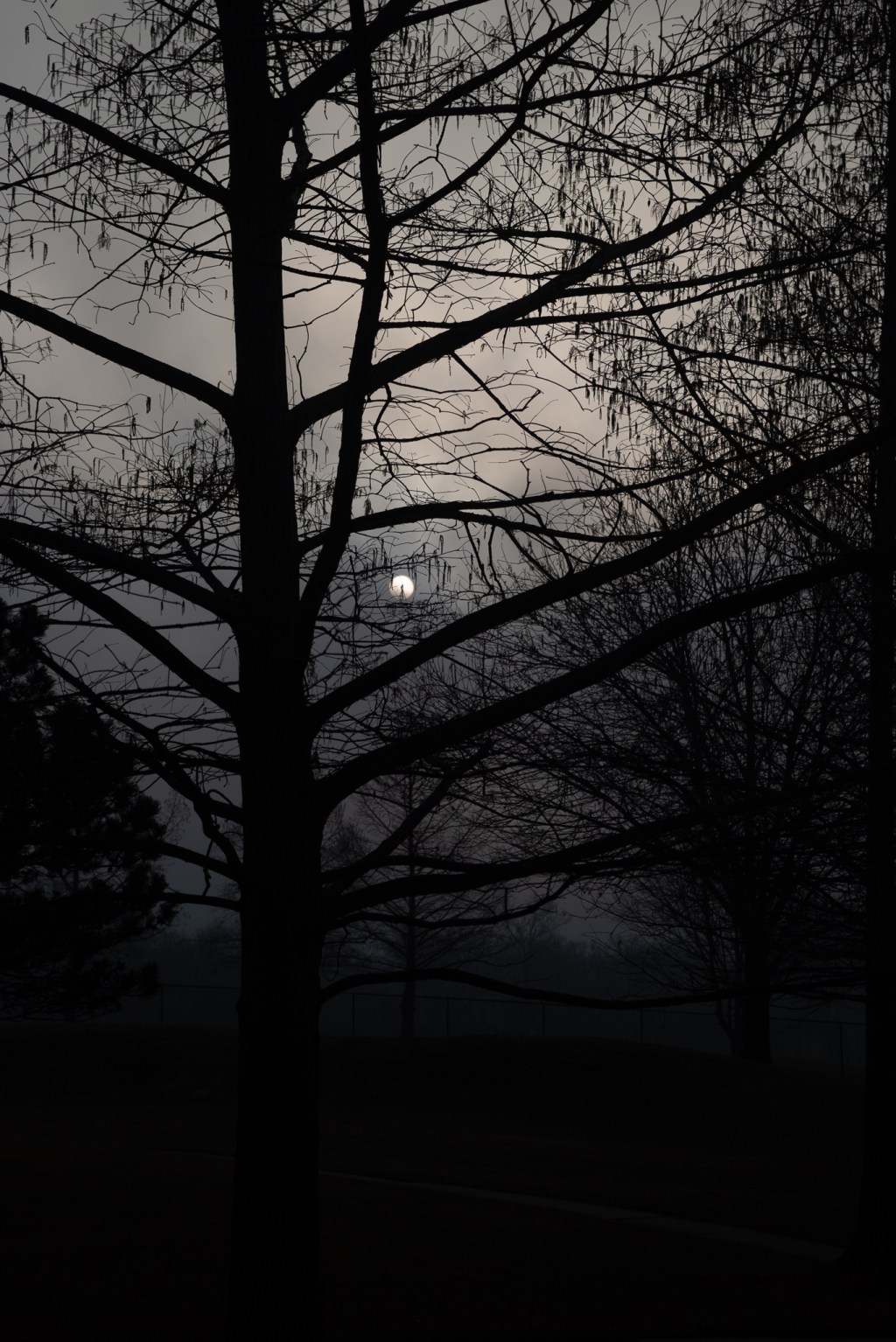
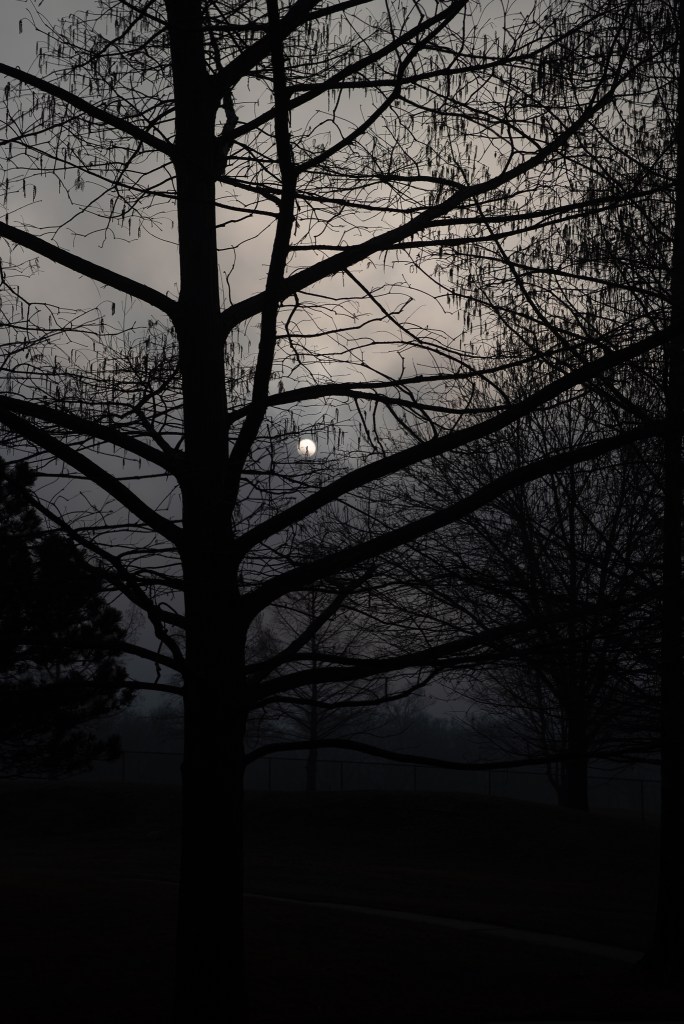
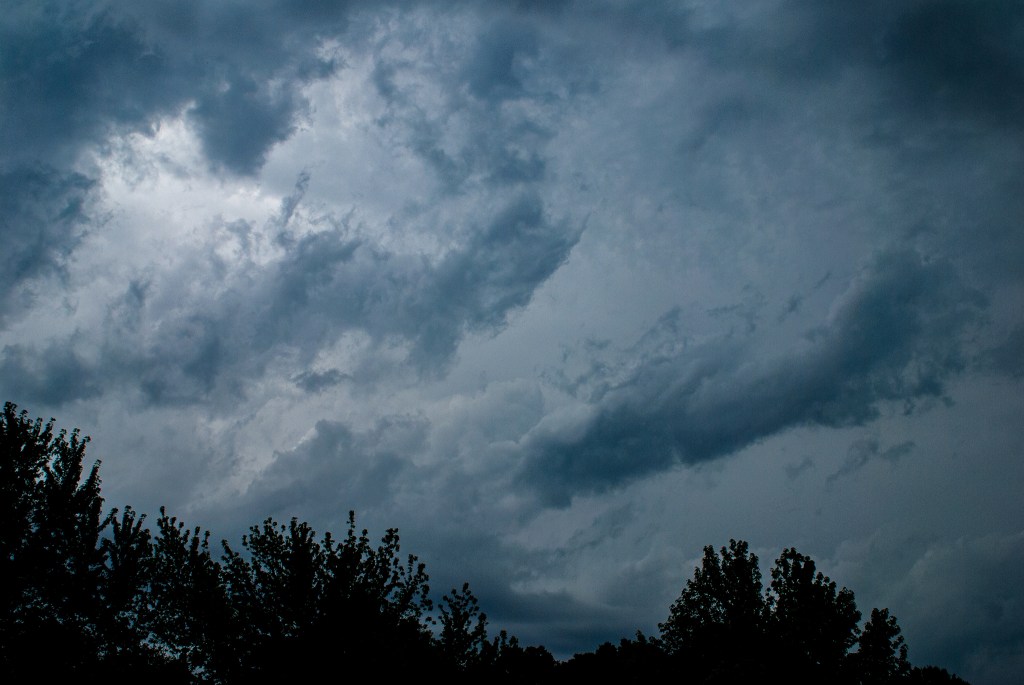
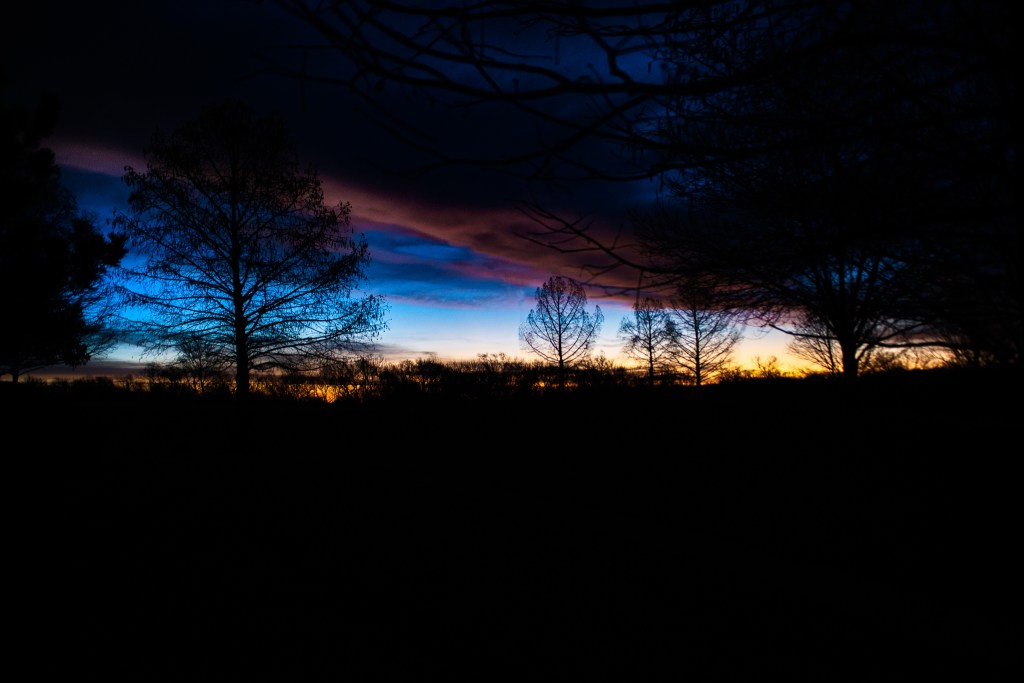
    This morning I walked out to my patio to look out on the world and see what was happening in an attempt to inspire me on what to write about. This was the scene before me. Heavy overcast skies with fog and the sun peering through the clouds and the trees. I immediately grabbed a camera to take this photograph knowing it would be one of the few that would require absolutely zero post-processing work. For me, it was a nearly perfect silhouette of the trees with hazy details in the distance due to the fog. This shot was taken at 8:30 AM and was completely different within a few minutes.

    Sometimes, nature provides a near-perfect moment to create art. This was, for me, one of those moments. I hope to be able to capture many more of these moments in the coming years since I can now dedicate my time to art and creating.

  • Do you create art or pictures?

    Do you create art or pictures?

    When I go out to take photographs I always strive to create art, not just take pictures. It doesn’t always work out that way. Sometimes I come back home and look at my bounty of photographs and think, eh. Other times I come back home and I am amazed at my ability to find artistic photographs, or at least I’m able to bring the art out.

    I haven’t always done this when I include people. I often get too distracted by the people I forget to set up something artistically. One of my goals is to fix that and think more creatively and artistically when photographing people.

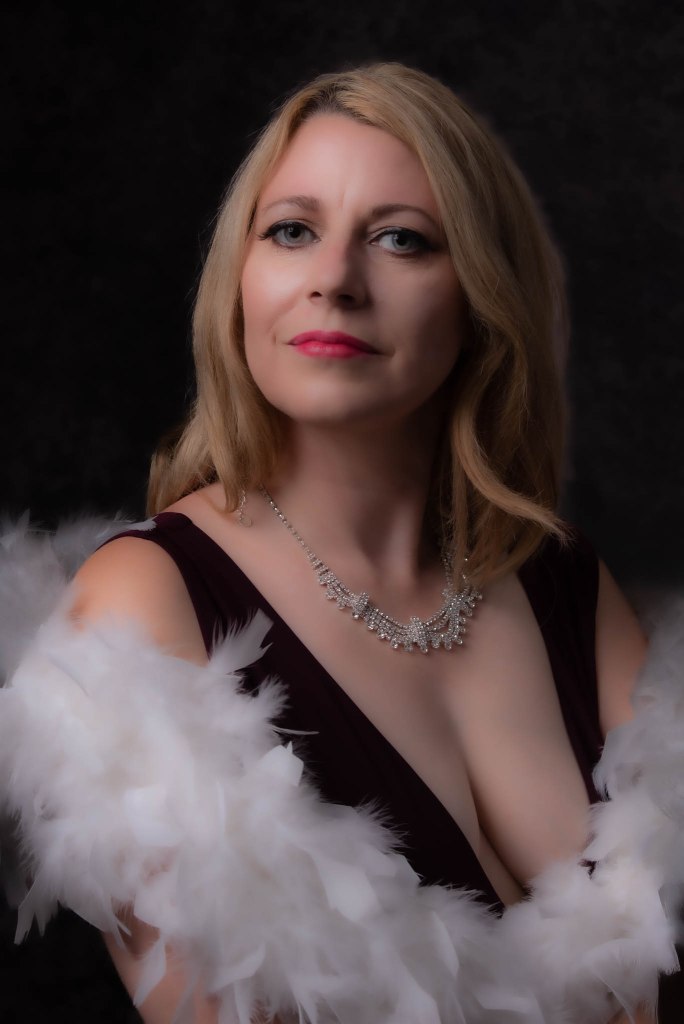
    While the photograph above may be a decent portrait, I don’t think it is all that creative or artistic. There was significant thought and planning put into setting up the lighting, props, and pose it just doesn’t strike me as art.

    My challenge to myself is to obtain a better feel for creating artist photographs with people. So onward to study more about artistic portraits.

  • The change was more challenging than I expected.

    The change was more challenging than I expected.

    Two weeks ago yesterday, was my last day of work. I retired, again. I say I retired again because I retired the first time on November 1, 2011. I didn’t have a job for a while the first time, but then I returned to work. This time around, I don’t plan on ever getting another job; this time, it has proved to be much more of a challenge to adjust. I’m not sure why, but for the past two weeks, I’ve been sitting around doing nothing. Yesterday, was one of the few times I got out with a camera and did much photography. While I didn’t get anything super special, it felt good. I also discovered a place that I have driven past so many times I can’t count and for bonus points, there are pubs and a couple of wine bars nearby.

    The reason I mentioned all of this is that changes in our lives sometimes affect our motivation and creativity. After yesterday, I have found what works for me to move along is to just grab a camera and find stuff to take pictures of. It doesn’t have to lead to award winners it just has to get you out and thinking, moving, and creating.

  • What happened to the art

    What happened to the art

    It starts off simple enough, a person gets a camera and some photography gear to start a hobby. You know to relieve the stress from the daily grind. Suddenly, friends and family start to comment that the photographs are great. Now the new photographer starts to think, “Hey I can make some money with my photography” and so it begins. I’ve been there and done that myself.

    I know many photographers and few that actually do photography just for the art they can create. What happened to the art? Are we getting so seduced by money that we forget about why we started our photography journey? Are we willing to prostitute ourselves and our art just for a buck? I used to think photography could make me some extra money but now I’ve decided to do my photography for me, creating the photographs I want, how I want when I want. I may try to display them in art shows, but I may not. I may try to sell some of them but I may not. I’m back to doing my photography to give me something to do and to create art. Everything shouldn’t be about making money, some things should be about expressing yourself.

  • Have you ever looked at your old photos?

    Have you ever looked at your old photos?

    I started going through my Lightroom catalog this morning after browsing my photography haunts on social media looking for inspiration on what to write about today. I noticed that I had kept so many crappy photographs. I began deleting the crappy photos thinking to myself, WHY?! Why did I feel the need to keep crap? I deleted just over 3,000 photographs and freed up 20+ GB of storage. My next goal is to go through images as I upload them. If a file doesn’t get a single-star rating it will be designated for the trash bin.

    I’ve still got over 31,000 images in my Lightroom catalog so it isn’t like I’m really losing anything. In addition, I’ll be adding more in the coming months and years. Why keep crap?

  • Go from blah to bam!

    Go from blah to bam!

    I talk about the art of post-processing images frequently and I believe doing so is worthy of repetition. Many so-called photography purists love to talk about the work of masters such as Ansel Adams. So let me do so. A quote from Ansel Adams’ book, The Print.

    Nevertheless, there is no doubt that we can take an inferior negative (inferior in the technical sense, but of expressive significance)and work wonders with it by imaginative printing procedures.

    The Print by Ansel Adams page 2

    In the digital age, we have a variety of tools available that Ansel Adams did not such as Photoshop, Lightroom, and many similar programs. Ansel Adams goes on to say:

    We cannont correct poor focus, loss of detail, physical blemishes, or unfortunate compositions – but we can overcome (to some extent) such accidents as overexposure and over- or underdevelopment… The truth is that in a large body of work (even that of a photographer of great experience) there will be many printing problems and subtle variations of interpretation.

    The Print by Ansel Adams page 3

    Today, with programs such as Photoshop and Lightroom we can even correct physical blemishes and unfortunate compositions. To some extent, we can correct poor focus and loss of detail.

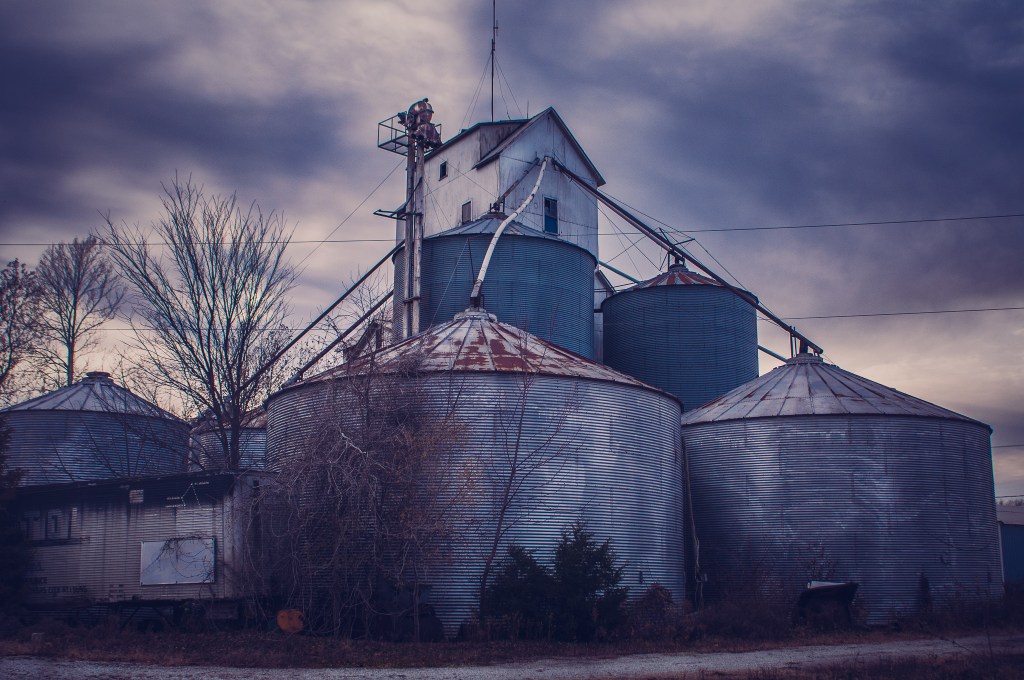
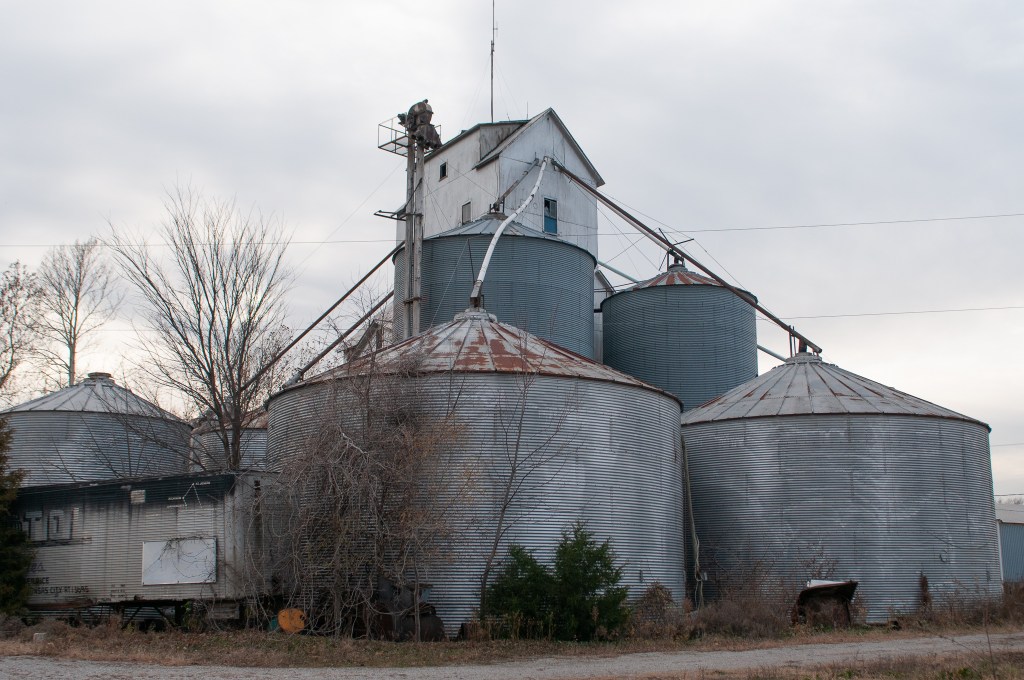
    Let’s take a look at the original photograph, as captured, of the grain silos above.

    Through my digital “printing” process the image above went from blah to bam! Don’t let anyone attempt to convince you that you don’t need to use post-processing or “digital manipulation”. The masters often manipulated their prints they just used different tools to accomplish what we can accomplish today in the digital age.

  • When does the fun start?

    When does the fun start?

    I know it is still new but this is my second real day of being retired and able to commit my time to my photographic art. I had very loose plans to go out and wander and take photographs. It is 3 PM and nothing other than a sunrise shot this morning.

    Yeah, I’m still awake very early in the morning because I’m not quite adjusted to sleeping later. I did spend a bit of time catching up on some video tutorials on Photoshop since I have allowed my Photoshop skills to slip a bit, but I’m ready for the real fun to begin. It is just a matter of me getting off my butt and getting out there.

    Let us begin the fun of working and getting some art done. It’s time. To play off of Monday night football a bit, are you ready for some photography?!! I am! Let’s get it done.

  • Creating to please

    Creating to please

    Photographers are often a unique bunch of people. Since we have the technology and ability to effectively record people, objects, and scenes almost as they exist in reality some believe that a photograph must always reflect reality, at least their concept of reality. Anything short of their version of reality is not photography. As a result, many begin to create to please the views of the reality photographers rather than their own vision.

    If we visit an art museum or art gallery and view paintings and sculptures we often see that those artists create their vision rather than attempt to recreate people, things, and scenes as they exist in reality. They create what they see in their mind and express their emotions, ideas, and concepts. Photography is often not viewed as real art because of the very nature that it captures a scene, person, or object as it exists requiring little to no talent by the photographer. Often other visual artists believe photography is just pushing a button. When other visual artists comment that photography isn’t really art often photographers get offended yet they are the very ones who perpetuate this mindset because everything has to be a photocopy of reality rather than an artist’s interpretation.

    More so than ever we photographers have within our grasp to easily create an artist’s interpretation of a person, object, or scene through software. When photographs had to be developed in the darkroom with the use of chemicals it was much more complex and often beyond the reach of many who lacked the ability to have a dedicated darkroom.

    If we, as photographers, want to truly advance photography to become more accepted as art should we not open our minds and attitudes towards becoming more creative rather than focusing on photocopying the world around us. Should we stop creating to please other reality photographers and create to please our own need to be artists?