Category: Photography

Site is dedicated to your photography

  • Learning to See: The Foundations of Photography

    Seeing Before Shooting

    Photography does not start with the sound of the shutter—it begins much earlier, in the quiet attentiveness of the eyes. This process is subtle and intuitive, as the eyes become attuned to the play of light, the contours of shapes, the patterns of rhythm, and the layers of meaning in the world around us. Long before a picture is made, there is a fleeting instant when something ordinary suddenly stands out, beckoning for attention and recognition.

    This critical moment is often easy to overlook. It can pass unnoticed as a single breath. Our lives are filled with distractions and constant movement, often too rapid for the world’s subtle harmonies to reveal themselves. However, when I intentionally slow down—truly slow down—I discover just how generous the world can be. Light, when given time, tells its own compelling stories. A simple gesture from a stranger becomes a narrative in itself. A puddle can unexpectedly reflect a sky. In these moments, what once seemed mundane arranges itself into a compelling frame, with or without my conscious effort.

    For me, this act of looking without expectation marks the true beginning of photography. It is about seeing without immediately reaching for the camera, allowing myself to feel the scene before attempting to capture it.

    The Role of Attention

    In conversations about photography, attention is often overlooked. Discussions tend to focus on technical aspects—lenses, sensors, megapixels, film stocks, and dynamic range. Yet, attention is what truly shapes an image, long before any of these tools come into play. It governs what is included in the frame and what is left out. It determines our patience and tells us when to lift the camera or when to wait just a little longer.

    Attention is also informed by memory. Each time I recognize a particular scene—a certain quality of light or a familiar angle—I am not just reacting to the present moment. I am engaging with every photograph I have ever admired, every painting that captivated me, and every street I have explored with my camera ready. Vision in photography is cumulative, built through repetition and experience.

    No two photographers standing side by side will ever create the same image. The camera itself is indifferent to meaning; it is only concerned with exposure. Meaning arises from what each photographer chooses to notice and value.

    Cameras Preserve; They Don’t Create

    There is a common misconception that cameras are responsible for making images. In reality, cameras do not possess curiosity or discernment. They cannot decide what is important. Instead, cameras serve as vessels, recording only what we have already learned to see. They are technical, reliable, and precise, but entirely dependent on the quality of attention we bring to them.

    This is why a novice photographer, even with the best equipment available, may still feel unsatisfied with the results. The expectation that a camera can supply vision is misguided. No lens can teach someone what to care about, and no autofocus can substitute for intuition. Technology may enhance what exists, but it cannot generate vision on its own.

    On the other hand, some of my most cherished photographs were taken with simple or outdated cameras—gear that would not impress anyone reading a list of specifications. These cameras belonged to photographers who spent years developing their ability to see. In these cases, it was not the tool that made the image, but the act of seeing itself.

    Learning to See

    The process of learning to see is not glamorous, nor does it always resemble what most people think of as photography. It is about noticing how fog can blur the edges of objects, how streetlights create glowing halos at night, and how people reveal genuine emotion in the subtle spaces between facial expressions. It involves understanding how shadows define shapes, how colors evoke moods, and how symmetry and asymmetry affect the feel of an image.

    Sometimes, learning to see means deliberately walking without taking photographs. Leaving the camera in the bag trains the eye to observe without the immediate reward of making a picture, making the act of seeing itself the primary experience rather than a mere prelude to shooting.

    At other times, it means looking through the viewfinder without pressing the shutter, waiting patiently to understand what the scene wishes to become. Often, the difference between a good photograph and a truly great one is just a few extra seconds of attentive stillness.

    Slowness as Practice

    Practicing slowness is a form of respect for the world. It acknowledges that the world does not perform on demand. Light moves according to its own rules. People will not always pose at convenient moments. The weather is indifferent to our hopes for dramatic skies.

    The most compelling photographs do not feel as though they were hunted down—they feel as though they were discovered and encountered.

    To truly encounter a photograph, I must allow the world to arrange itself in its own time. The camera can correct exposure after the fact, but it cannot correct impatience.

    The Photograph That Already Exists

    With experience, I have come to believe that the best photographs already exist in the world before the shutter closes. The photographer’s task is not to force a composition onto the world, but to recognize the composition that is already present—to see the photograph as it forms, and simply choose the moment to preserve it.

    When this happens, creating a photograph feels less like imposing my will and more like coming to an agreement with what is in front of me.

    Looking, Seeing, Shooting

    Shooting comes after seeing, and seeing comes after looking. The real craft lies in looking—not merely glancing, but engaging with curiosity, stillness, and humility. The camera is just the final stage, a brief confirmation that true seeing has taken place.

    Photography is more than the act of capturing images; it is the ongoing practice of learning how to look. Over time, the world seems to offer more and more, not because it has changed, but because we have.
  • The Light I Can’t Forget

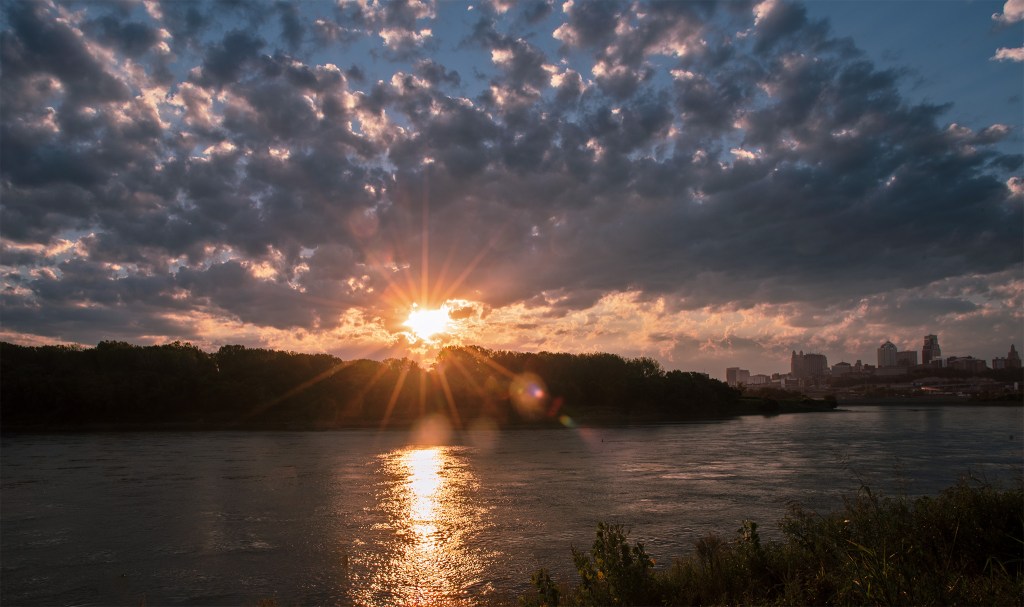
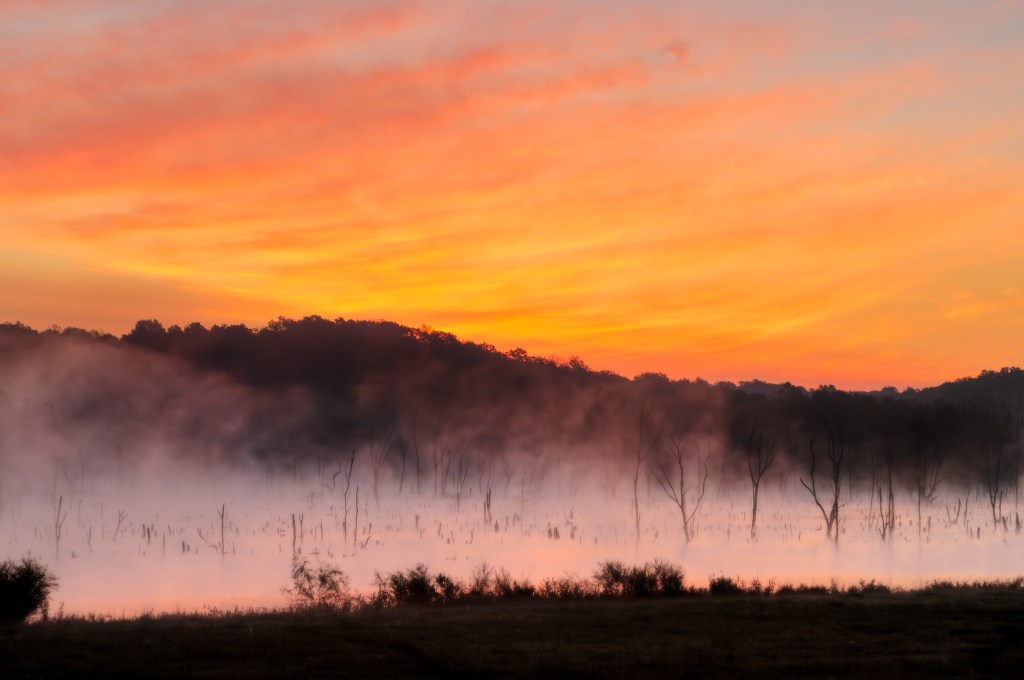
    There’s a light that stays with me—not bright, not golden, just quiet, almost shy. I noticed it one morning, spilling slowly across the field near my favorite path. It wasn’t perfect, it wasn’t dramatic, but it held a kind of stillness that made me pause.

    I waited, holding my camera lightly, not to capture the world perfectly but to capture how it felt. Shadows stretching, mist curling, the air so soft it seemed to hum. The photograph is just a memory pressed onto pixels, but the feeling lingers far longer than the image.

    Sometimes, light isn’t about illumination. It’s about the pause it creates, the thought it sparks, and the quiet recognition that this moment—however ordinary—is enough.

  • From the old comes the new

    From the old comes the new

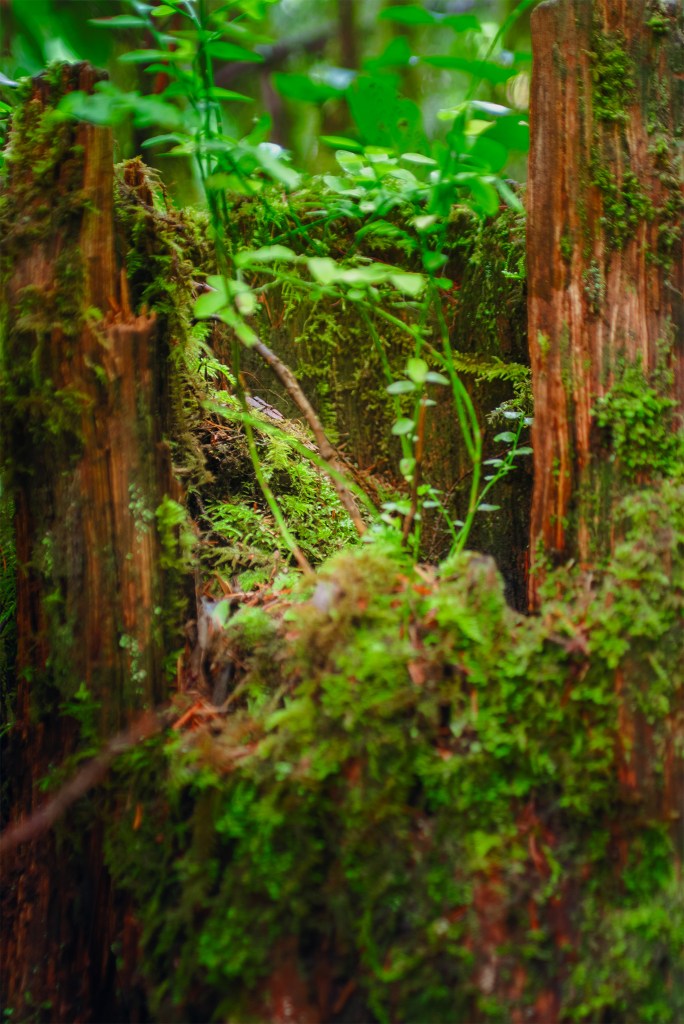
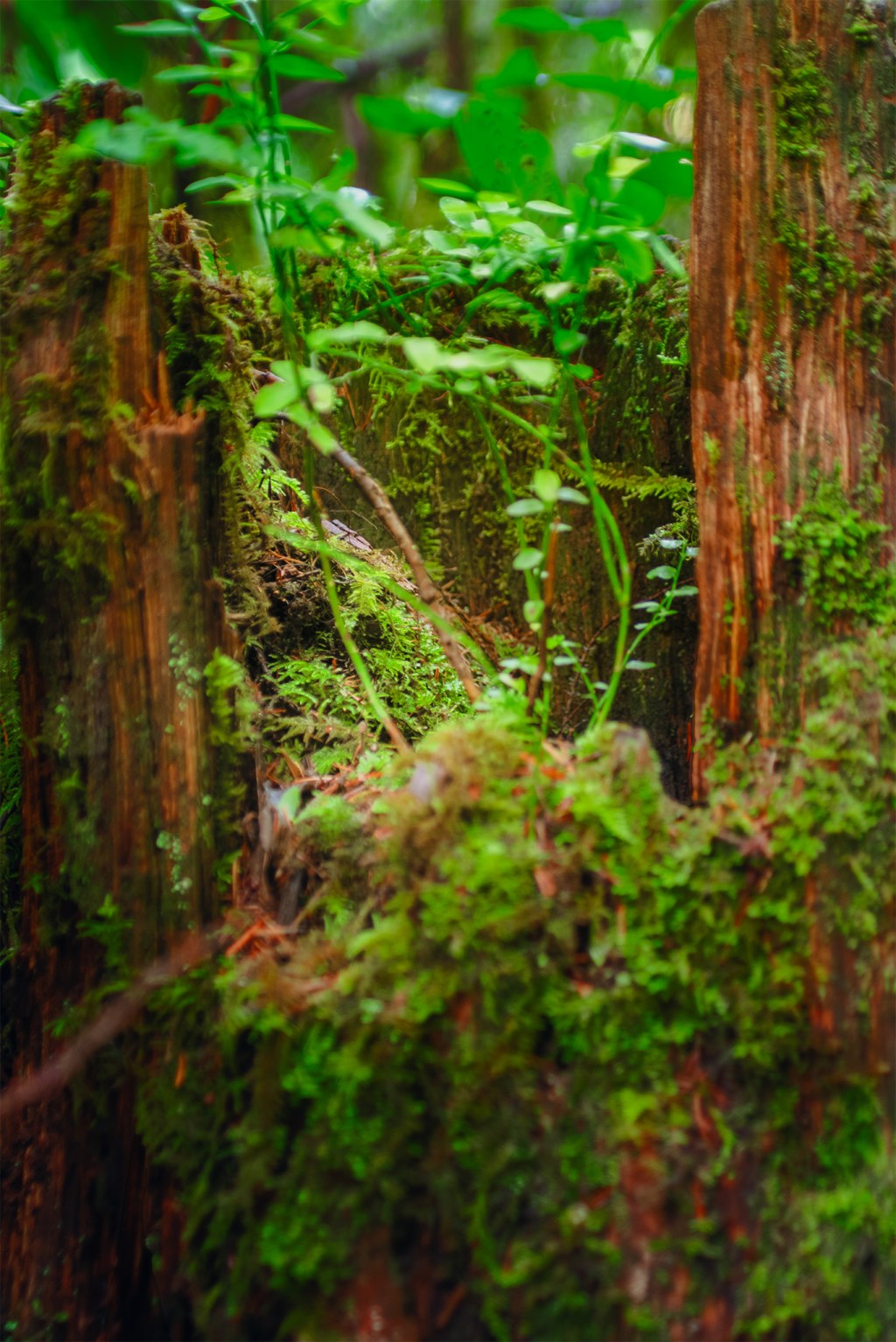
    As we enter 2026, I’m reminded that new beginnings often arise from the past, much like vibrant growth that springs from decaying trees in the depths of the forest. Sometimes, it takes a moment of reflection to truly appreciate the beauty surrounding us.

    With this in mind, I aspire to inspire others through my captivating photography and deep passion for sharing the vibrant beauty of my world with you..

    Let us take this journey together and grow both as artists and people, nurturing our creativity while exploring the depths of our souls. As we navigate through the complexities of life, let us do what we can to help others and to make life a bit more enjoyable, spreading kindness and compassion along the way. Together, we can uplift one another, share our experiences, and create a community where everyone feels valued and inspired to reach their full potential. Through our collective efforts, we can cultivate an environment that not only fosters artistic expression but also enriches the human experience, making the world a brighter place for all.

  • The first day of a New Year with new beginnings

    The first day of a New Year with new beginnings

    Today is January 1, 2026, and I’m embracing the start of a new year with confidence. Last year brought significant challenges that I successfully overcame. By the end of the year, I connected with a community of like-minded artists who inspired me and actively pushed me toward greater artistic growth. I’m ready to continue this journey with determination.

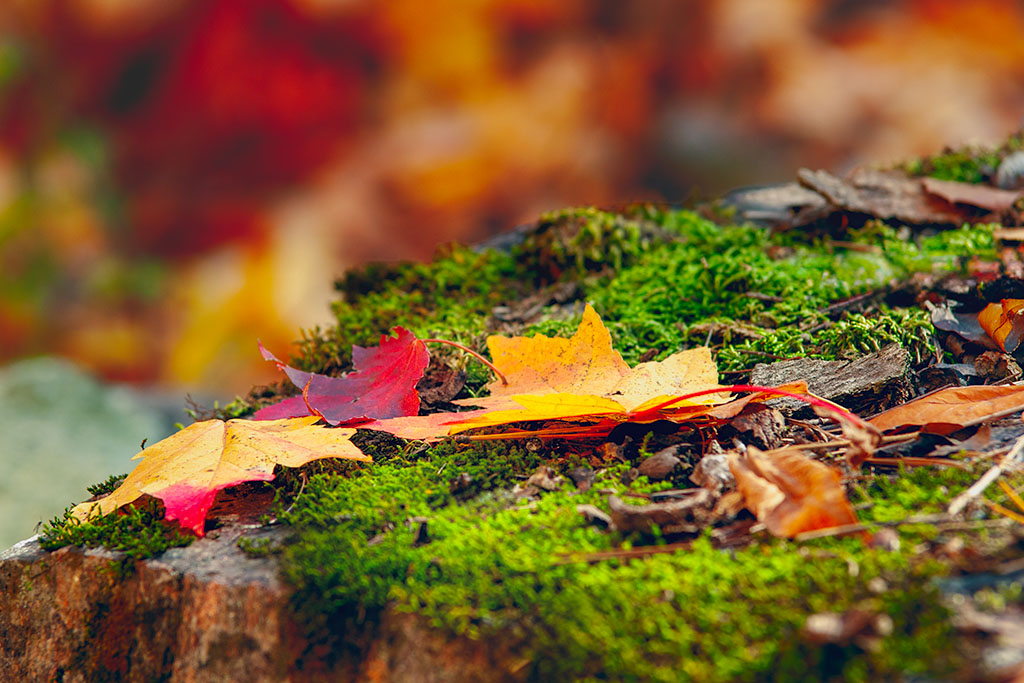
    While today’s image isn’t an overly spectacular one, it is representative of a new beginning. I invite you to join me in the journey of 2026 and move towards your goals.

  • Even as artists, we don’t know what we don’t know.

    Even as artists, we don’t know what we don’t know.

    I made a decision last night while I was enjoying a cognac sitting in my recliner, watching our newly adopted rescue dog sleeping next to my wife while we were watching a television show. That decision was to get back to doing what you do, which involves writing this blog, playing my video games, and my photographic art. This past year has been a wild ride that I won’t go into details about, except for learning you don’t know what you don’t know. I used to hate that expression!

    A couple of things have helped bring my understanding of the words: you don’t know what you don’t know. Firstly, I have learned so much about bringing my vision forward in creating the final image I imagined when I took a photo. My goal was to create something that would engage the viewer, even if that viewer is just myself.

    My deeper understanding of life has evolved through a series of events over the past year. I underwent radiation therapy for cancer, which was a significant challenge. During this time, I also learned more about creating photographic art than I ever imagined, thanks to the guidance of my mentor and the support of like-minded individuals and my family. Additionally, I adopted a rescue dog, which has brought unexpected joy and companionship into my life and also taught me that we don’t always know about the challenges and past that many people have experienced.

    It is with these insights in both my mind and heart that I will move forward to helping myself become more compassionate towards others and passionate about my art. Additionally, I will use those traits to help others with their journeys, understanding that I don’t always have to know their stories or history, but just to be there to support them as they ask.

    Through this blog and my art, I aim to achieve some of this through regular entries. These entries may not always focus on art or photography, but may also include life lessons I have learned or experienced.

  • The greatest challenge to photographers are themselves.

    The greatest challenge to photographers are themselves.

    There! I said the quiet part out loud. Yep, I’m putting the blame on ourselves. The problems vary, we think we know it all, we know nothing, we need better equipment, we need better subjects/locations, and on and on.

    What we really need is to always be open to learning, exploring, changing, and growing. We need to stay hungry to learn as we did when we first got started. We need to stop comparing ourselves to others and create for ourselves and to get in tune with our emotions, memories, experiences, and creativity. We need to get out of our shadowy mind lost in the fog.

    I believe I am on a path to that very goal. I’ve found, for me, a fantastic inspiration and as a result, found a wonderful group of like minded photographers, that push each other to move foward. I don’t even mind sharing the name of the inspiration, f64 Acadmeny Elite. The man behind this site is Blake Rudis and I have known him for years, however, I didn’t subscripe to his site until 15 months ago. In that time, I have learned more about myself as a photographic artist than I did in all the 30+ years prior, and I feel like I’m just getting started. As a result of this I have connections all across the United States and, in fact, the world. My skills have grown and yet I feel like I have so much more to learn.

    My challenge to photographers who want to take their photography to the highest level to search out what is holding you back. I also invite you to check out Blake’s YouTube channel f64 Academy . This will give you a taste of what he teaches, these videos are merely the tip of the iceberg in what you will learn as a subscriber to his site. I am sharing this with you all because this has truly helped me and I want to share what I found to get my passion back with others.

  • Artistic education for photographers

    Artistic education for photographers

    This is more of an update on why I haven’t been writing lately. I have been actively engaged in working on my artistic vision. That may sound cliché; however, I have always been of the belief that if you could create the image you create today five years ago, you are not growing as an artist. Growth is essential in any creative field, and without it, we risk stagnation, losing the spark that inspires us to express ourselves.

    For my journey, I have found a mentor who not only shows you how but also explains why. This dynamic has opened up new avenues for my understanding of art. I have included training in color theory, composition, and various techniques that push my creative boundaries. It is all about understanding and thinking like an artist, exploring the depths of creativity, and developing a personal style that feels authentic.

    While I may use a camera, I consider myself an artist. It is not merely a tool for capturing images but a means of expressing my artistic vision. As such, I realize not all my artworks will appeal to everyone. To me, it isn’t about validation from others but rather about expressing my connection with my subject. This could be anything from a breathtaking landscape to the intricate details of an insect, or even any other inanimate object that catches my eye. Each piece I create serves as a bridge between my inner world and the external reality.

    If you are a creator of art, in whatever genre you follow, allow yourself to let go. Immerse yourself in your emotions and thoughts, and get in touch with how you feel about your subject matter. Understand that the relationship you forge with your work is a personal one, and your unique viewpoint can shine through, even if that viewer is only yourself. Embrace this journey of self-discovery, and let your artistic voice be heard, regardless of the audience’s opinions. In this way, you cultivate both your skills and your identity as an artist, allowing your work to evolve organically and authentically over time.

  • The problem with iconic locations for photographers

    The problem with iconic locations for photographers

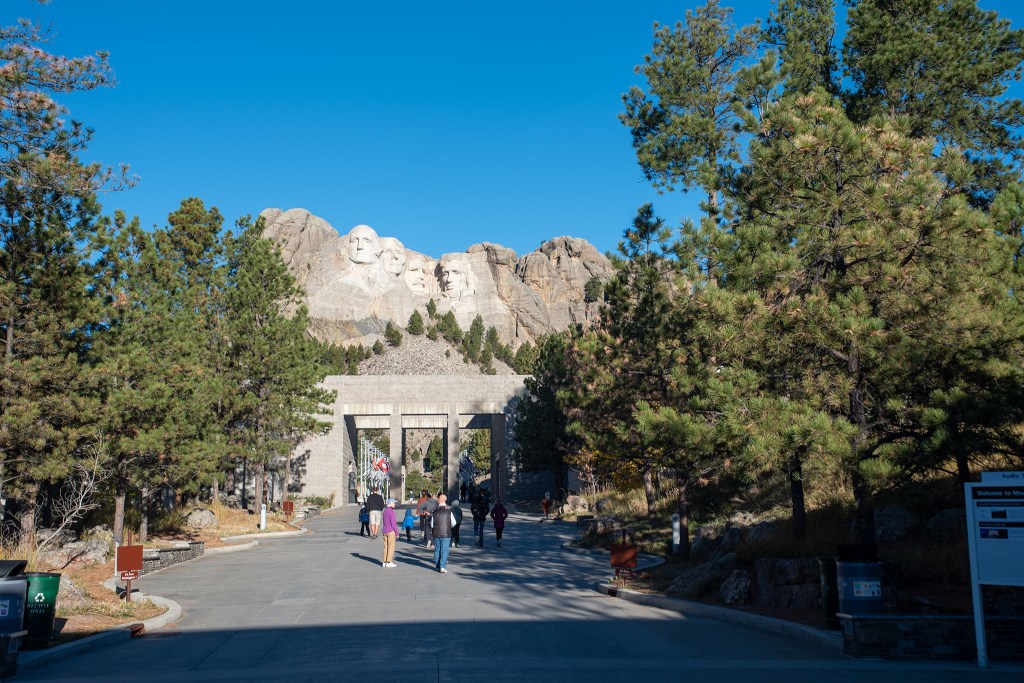
    We are absolutely enchanted by the opportunity to explore the iconic locations that surround us, those breathtaking, famous tourist destinations that ignite our wanderlust and fill our hearts with joy.

    There are some inherent problems with that. Lots of people and “everyone” have photographed the locations, often resulting in a lack of originality and unique perspectives. As a result, these images can become repetitive, making it challenging to convey the true essence of the places. Furthermore, with the saturation of similar photographs flooding social media platforms, it can be difficult for individuals to stand out and make a meaningful impact with their work. This overexposure can also lead to a sense of disconnection from the actual experience of visiting these locations, as the focus shifts from enjoying the moment to trying to capture the perfect shot for public approval.

    Of course, this won’t stop me from visiting and photographing them, as my passion for capturing their unique beauty and essence drives me to explore every corner of their existence. With each visit, I find myself increasingly inspired by the intricate details and ever-changing landscapes that surround them, revealing new stories and perspectives that I can’t wait to document through my lens. The thrill of discovering hidden gems and unique moments fuels my creativity, compelling me to return time and again in pursuit of the perfect shot.

    This very topic was part of a discussion with a group of my fellow photographers yesterday, where we dived deep into various aspects of our craft, sharing insights and experiences that resonated with each of us. We explored not only the technical elements of photography but also the emotional connections we form with our subjects and the stories we aim to tell through our lenses. Each viewpoint contributed to a rich tapestry of ideas, making the conversation both enlightening and inspiring, leaving us all eager to approach our future projects with fresh perspectives and renewed passion.

    Great subjects and iconic locations don’t necessarily create great photographs; instead, it is the unique artistic vision and compelling storytelling behind each image that truly elevates a photograph into something remarkable and memorable. A skilled photographer understands that merely pointing a camera at a beautiful scene is not enough; they must consciously choose angles, lighting, and composition to convey a deeper narrative and evoke emotions. By infusing their work with personal experiences and perspectives, they turn ordinary moments into extraordinary visual tales that resonate with viewers, captivating their imaginations and leaving a lasting impression. Ultimately, it is this blend of creativity and narrative depth that transforms a simple snapshot into a work of art.

  • Back to creativity!

    Back to creativity!

    This year has been a challenging one for me creatively, yet I have recognized that the obstacles I faced were merely perceptions. Instead of allowing these issues to stifle my inspiration, I have decided to see them as stepping stones to greater creativity.

    One of the powerful tactics I employ to reignite my creativity and inspiration is collaborating with a group of talented individuals who are equally committed to enhancing their artistic skills and growing as artists. Additionally, I have embraced the practice of identifying myself as an artist rather than just a photographer. While there is great merit in being a photographer, I find that the term “artist” empowers my mind, allowing me to unleash my creativity and express my emotions and imagination, all while maintaining a connection to reality, whatever that may entail.

    Believing in ourselves as artists is, without a doubt, the most empowering step we can take. Instead of waiting for others to recognize our artistic identity, we must assert it within our own minds first. Embracing our creativity and self-identity is what truly defines us as artists.

    I urge all of you aspiring to elevate beyond mere photography to embrace your identity as a photographic artist by believing in yourselves above all else.

  • Is art really subjective or are there certain conditions that should be met for a work to be classified as art

    Is art really subjective or are there certain conditions that should be met for a work to be classified as art

    I asked ChatGPT; Is art really subjective or are there certain conditions that should be met for a work to be classified as art, This is the response I got.

    The question of whether art is subjective or if there are certain conditions that should be met for a work to be classified as art is a long-standing debate in the philosophy of aesthetics

    . Many people instinctively lean towards subjectivity, viewing art as an individual’s unique response to a piece. However, this perspective also raises questions: if art is purely subjective, how can we have discussions about whether certain works are “good” or “bad”? Why are some pieces displayed in museums and celebrated for centuries, while others are disregarded? 

    The case for subjectivity

    • Personal Interpretation: Viewers bring their own experiences, emotions, and cultural backgrounds to their appreciation of art, leading to diverse interpretations.
    • Emotional Response: Art’s power often lies in its ability to evoke emotional responses, and these emotions are inherently personal.
    • Shifting Tastes: What one generation deems artistic may be seen differently by another, highlighting the dynamic nature of cultural trends and individual preferences. 

    Arguments for objective criteria

    • Skill and Technique: Creating art often involves technical proficiency, whether it’s mastering painting techniques, composing music, or crafting compelling narratives. These skills can be objectively evaluated.
    • Composition and Principles of Design: Art often adheres to established principles like balance, proportion, and rhythm, which can be analyzed and judged independently of individual taste. The Massachusetts College of Art and Design (MassArt) identifies seven elements of art and seven principles of art.
    • Artistic Context and Intent: Understanding the artist’s intentions, the historical context, and the artistic traditions surrounding a piece can provide a more informed basis for appreciation and analysis.
    • Enduring Value: The fact that certain works are consistently recognized and valued across cultures and generations suggests some degree of inherent merit beyond fleeting trends.
    • Artworld Institutions: Galleries, museums, critics, and art historians play a role in shaping and defining what counts as art through their selections, exhibitions, and discourse. 

    Hybrid perspectives

    Many thinkers now advocate for a more nuanced approach, recognizing both subjective and objective aspects of art. Art, at its core, involves a human creation intended to evoke a worthwhile experience, be it through emotional power, beauty, or the conveyance of complex meanings. While individual enjoyment is deeply personal, objective analysis of elements like technical skill, composition, and historical context can inform and enrich our appreciation, according to the website thewritingpost.com.

    This is, to me, the real meat and potatoes, so to speak.

    In conclusion, art is not solely subjective, nor is it entirely bound by rigid objective criteria. It exists in a dynamic interplay between the creator, the creation, and the audience, where personal interpretation meets with a framework of established artistic principles and traditions.

    If a work fails to ignite a vibrant interplay between the creator and the audience, it falls woefully short of its potential. Like many others, I have fervently battled with the art of creation, grappling with the complexities of expressing my vision, despite the countless hours I have devoted to studying art and photography. It wasn’t until the past 6 months or so that I came to realize this. Often, we fall in love with a creation of ours not because it is good but rather because we have a personal connection to it. The problem, I see, is whether the audience has a connection. This is often the failure. As artists, we must become aware of our emotions and then learn to communicate those emotions to our audience.