Category: Photography

  • Digital versus film does it really matter?

    I was recently asked a question, “I’m wondering how much of your time is spent using photo editing software vs. film?” In reality, if I were processing my own film I spend much less time in photo editing software than I spent in the darkroom and I was only doing some basic processing in the darkroom.
    To me, the real question is does it matter? If a photographer is producing beautiful images does it matter if it is film or digital? Does it matter if the photographer spends a lot of time in the darkroom or photo editing software? What matters, to me, is the final result. What matters is the time spent composing and setting up “the shot” in the beginning. What matters is recognizing the moment. What matters is developing the eye of an artist.

    Starting with a well-composed photograph, of an interesting subject, executed well the result is often beautiful. Masters, such as Ansel Adams spent hours in the darkroom as did many of the so-called masters of photography.

    Be it film or a digital sensor doesn’t matter. Each is just a medium for recording a scene. Both are similar, yet different. In the end, a beautiful photograph is a beautiful photograph. Just think about the time spent by Michelangelo or Rembrandt creating their paintings.

    One of the biggest problems with photographic art being recognized as true art is that many think it is instantaneous. Just point the camera at a subject or scene and push the button. That doesn’t create beautiful art. Beautiful art is skillfully and carefully crafted using all the tools necessary.
    It doesn’t matter the length of time spent creating the art. What matters is the art. Nothing more nothing less.
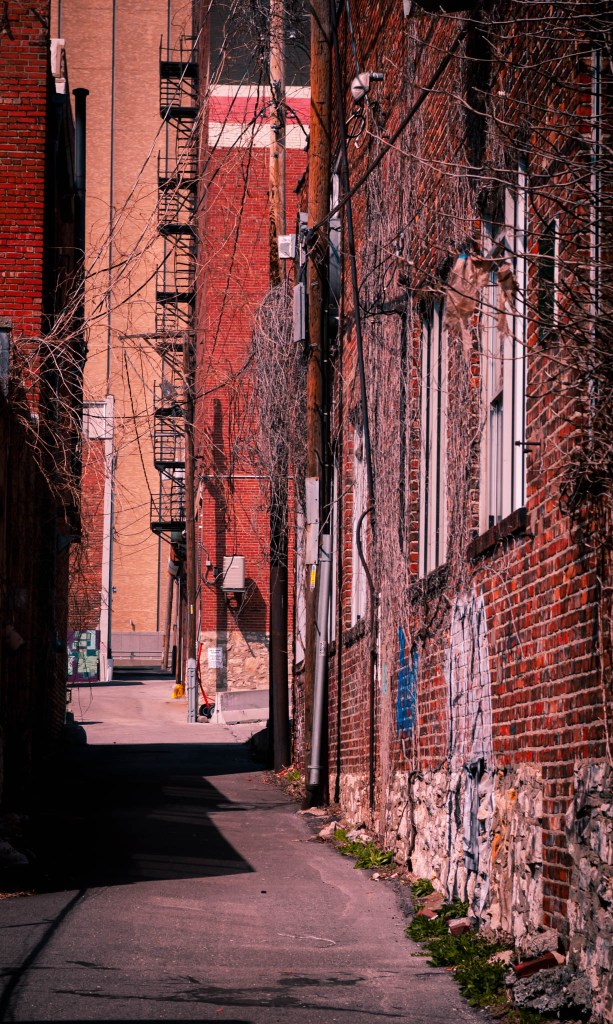
  • I choose to be a photographic artist not just a photographer

    I choose to be a photographic artist not just a photographer

    Over the years I have chosen to not be called a photographer, but rather a photographic artist. I have found that when I use the term photographer, the first thing many people ask is, “Do you do weddings?” No, I don’t do weddings.

    I currently work in a school environment and a few days ago was picture day. Two photographers from a somewhat well-known school photography company came and took the school children’s photographs. It is assembly line photography. Everything looks the same just a different person.

    As a photographic artist, I can have multiple styles and looks. I can change midstream and go to a completely different look.

    I’m not locked into a “signature look”. I can go with what my mood is at the time. I can change the look on a whim. For me, each image is a reflection of me and my mood and personality. I relish the freedom of expression I get by calling myself a photographic artist.

    I don’t think I am better than a photographer, I’m just different. I don’t care what others call themselves. It doesn’t matter to me. What matters to me is the work. I love, and I mean truly love looking at good photographs. I spend a lot of time looking at the work of other photographers and photographic artists. Go forth and create wonderful work and let your imagination and creativeness run wild.

  • Professional photographer vs photographic artist

    Professional photographer vs photographic artist

    In the past, I toyed with the idea of doing my photography professionally, you know, getting paid to take photographs. I sucked at it. The pictures were good just the business side of things sucked, and it was all my doing. I was terrible at marketing. What I did learn was that I really hated deadlines. If you do something for pay, you have a time frame to complete the session. When I do something for myself I can take as much time as I want. I can ponder an image and reimagine it. I can make multiple versions and I get to decide which I like.

    I enjoy working with other creatives such as models who like to do creative sessions. I know there are those people that do creative portrait sessions but what I found was there are so many bargain hunters out there. Doing my photography for me, as an art, it is easier for me to choose what I want and how I want to do it. Maybe, I just need to be more assertive but until such time I choose to follow my path as an artist producing art I see in my mind’s eye.

  • Sometimes creatives get manipulated

    Sometimes creatives get manipulated

    Six years ago I was contacted by a “studio” owner who wanted to “work” with me to promote the studio. I was invited to the studio to tour and take some photographs then discuss running some sessions to teach lighting and studio portrait work.

    In the first session, I was at the studio for nearly 8 hours and took well over 500 photographs of three different models. I truly enjoyed the time there and didn’t think much more about it. I was invited to another session, this time there were a few other photographers who I helped with lighting and poses. There wasn’t much “teaching” but rather setting up lighting and letting others shoot. I was still able to get some wonderful photographs. This was the time I should have realized things weren’t as they seemed. At the conclusion, I was asked, “Hey you have some money so I can get a beer and something to eat?”

    On the final occasion, I was to “lead” a class. The meeting before didn’t go well. The “studio” owner got mad because I had agreed to do a session with one of his models. The session was to photograph her and her child in their cosplay. We were going to use the area around the “studio”. I was asked if I had set up the model for the night’s session. Well, the conversation went downhill very quickly with me explaining that I would get in my car and drive off and he could deal with the students and their refund.

    This was a lesson learned for me to always be cautious of the motivations of others in the creative world, although I still find I get manipulated from time to time. It is the scourge of wanting to create art I guess.

  • Do you ever ask yourself, “What the hell was I thinking?!”

    Do you ever ask yourself, “What the hell was I thinking?!”

    Do you ever go through your library of photographs, which I often refer to as assets, and ask yourself, “What the hell was I thinking?!” This is especially true when you find a photograph that is horribly executed and composed.

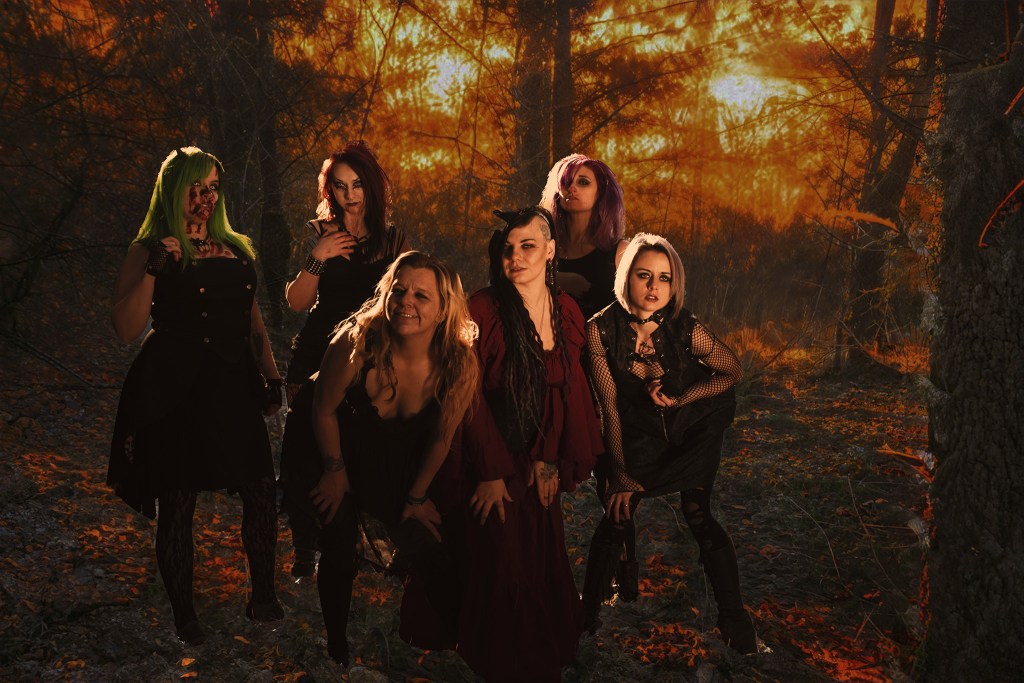
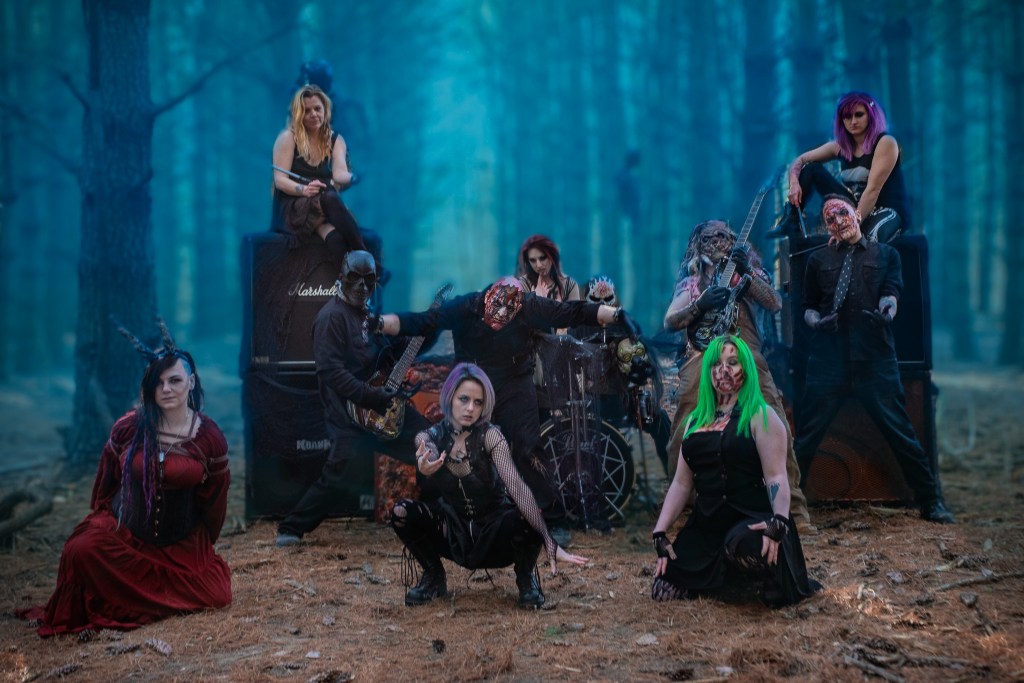
    My goal is to begin to keep notes on photographic outings and sessions because over time I forget some details. The image above had a horribly overexposed sky, and the poses were chaotic. I remember this photo shoot fairly well. The shoot featured a heavy metal punk rock band called “Harvest the Flesh” and the group of models was from Metal Maidens. It was an “interesting” session and there were, as I found out when I arrived, two other photographers (I thought I was the only photographer. I had brought some lighting but when I discovered there were other photographers I hadn’t been made aware of I decided not to set up lighting and “just went with it”. I did get some photographs that ended up well.

    Overall, the entire thing was well, not what I had envisioned in my mind. I still do this from time to time where I allow myself to get misled into a session and then, well for the lack of a better word, get pissed off and do a mediocre, or less, job. I’m learning to find out more details before arriving. I’m also learning there are a few that have some of the same concepts of lighting and vision. Too many are happy with what I often refer to as snapshots. Setup with little planning, point a camera, and snap pictures. My toxic trait is I get led into that mindset. No more mister, no more. I am doing my thing and just don’t get in my way.

  • A camera doesn’t have the vision of an artist

    The camera doesn’t have the vision of an artist, any more than a paint brush and blank canvas. I see the image that comes straight out of the camera as a starting point rather than a finished product. Developing an image from the camera in a digital darkroom, to me, gives the ability to add a bit of myself to the final product, a touch of my soul so to speak.

    I work to get the best possible starting point when I take a photograph. Furthermore, I work to ensure focus, depth of field, and exposure that is often close to what I envision. I don’t allow the camera to do conversions for me, as I shoot strictly raw files.

    I look at my final photographs the same as a painter would look at their work. It is a labor of individuality, although with the use of creating presets and actions, I can apply similar developments to additional images.

    For me, it is all about the art and creating my vision, not merely capturing a fleeting moment.

  • Photography will never be the same

    Photography will never be the same

    Photography is approximately 206 years old and all along the way new processes and technological advances have changed the style and look of photographs and their availability to the masses. During the early stages of photography, the equipment was large, expensive, and required one to be part chemist and artist. Then along came a man named George Eastman who started a company called Kodak which brought the ability to take photographs to the general public. This year, 54,400 photos are taken every second, 196 million per hour, 4.7 billion per day, 32.9 billion per week, 143 billion per month, and 1.72 trillion per year.

    The process of photography has changed. Photography is available to nearly everyone giving us a wider view of the world. I can take a photograph and upload it to the internet and give people around the world access to view it. We all truly have a global platform for our photography. We are no longer restricted to just our friends and family being able to see our work.

    This change means to truly be noticed as a photographer and especially a fine-art photographer we must stand out above the crowd of millions of others taking photographs on a daily basis. No longer does it matter to have a university-trained “eye”, no longer does it matter to have top-of-the-line cutting-edge equipment. No longer does it matter if it is shot as film, jpeg, raw, or any other format.

    What matters is the content. The final image. Virtually every day, I explore photographs from around the world. The creativity and vision of photographers I’ve never heard of nor are likely to ever meet in person but that I can often exchange ideas and converse are amazing to me. This is, to me, the most exciting time of photography and photographic art ever! Get out and explore photography from around the world as it will inspire you to create more.

  • Are you growing as a photographer or artist?

    Are you growing as a photographer or artist?

    Are you growing as a photographer or artist? I don’t mean physically I mean is your art becoming more mature and by mature I mean is it more complex, more thoughtfully laid out and executed. Could you have taken the same photograph or created the same piece of art a year ago? How about 5 years ago.

    I frequently look back through my library of photographs and visually compare what I was taking last year and the years before to what I am taking today. If I see that I’m going backward rather than moving forward I challenge myself by getting outside my so-called comfort zone. Maybe a change of genres or technique. Maybe learn a new process in Photoshop or Lightroom. Rarely is it that I decide I need a new tool, although I did recently buy a piece of gear to allow me to learn something new.

    It is easy to get into the habit of doing the same thing over and again. Sometimes it is good because you can hone that skill and continue to improve and mature as a photographer/artist. Sometimes it is not good because you continue to do the same thing over and over and over, never moving to the next level. When you realize you’re really not moving forward but rather doing the same thing because it is comfortable it is time to force a change.

    I’m in that process now. I want to move toward creating more fine art, but in the past, I got caught up in getting into photo sessions just because and then not expressing myself creatively but generating the same old work because that is what others wanted. It didn’t pay well enough to be financially beneficial, hell sometimes it didn’t pay at all but cost me. Then came the request for more than initially agreed upon, so more work. Today, I take what I want and produce it for myself. It may sound selfish and self-centered but to truly be creative I must first satisfy myself.

  • Are you a photographer or a gear collector?

    Are you a photographer or a gear collector?

    Here is a hugely unpopular opinion amongst many photographers, “gear doesn’t matter”. Over the course of many years, I have known photographers who had all the top-of-the-line gear. The best money could buy and their photographs were meh, mediocre at best but more along the line of a mere snapshot. I have also known photographers who with the most basic of equipment could consistently produce fantastic high-quality gallery-worthy art. Gear doesn’t matter, it is the final product that matters. How you get there doesn’t matter. Nothing matters except the final image.

    Lately, I have had conversations with photographers who are just starting out. I talk a lot about being able to control the light and lighting matters. At the same time, I also discuss how you can learn to control and add supplemental lighting in a very budget-friendly way. You don’t have to spend a fortune, mortgage the kids and dog, to get top-notch photographs. I literally started with a DIY (do it yourself) lighting kit and light modifiers. I’ll say it again for the people in the back, “GEAR DOESN’T MATTER”!

    My newest piece of photography gear is 8 years old. I’ll admit I spent a bit of money on it, but it wasn’t even the top-of-the-line 8 years ago. I’ll also admit that I have a closet full of gear but I also know that I have about 6 pieces of gear that get used on a regular basis. A couple of camera bodies, and 3 or 4 lenses. One lens, a 50mm f/1.8 I bought a number of years ago for less than $100.

    I know I’ll hear but, what about this or that. Yeah, yeah, sometimes gear helps, but it still doesn’t matter. You can have the best gear in the world and still produce crap while someone who has the most basic gear produces gallery-quality work. It’s about the operator of the gear, not the gear.

  • The most essential piece of gear in photography

    The most essential piece of gear in photography

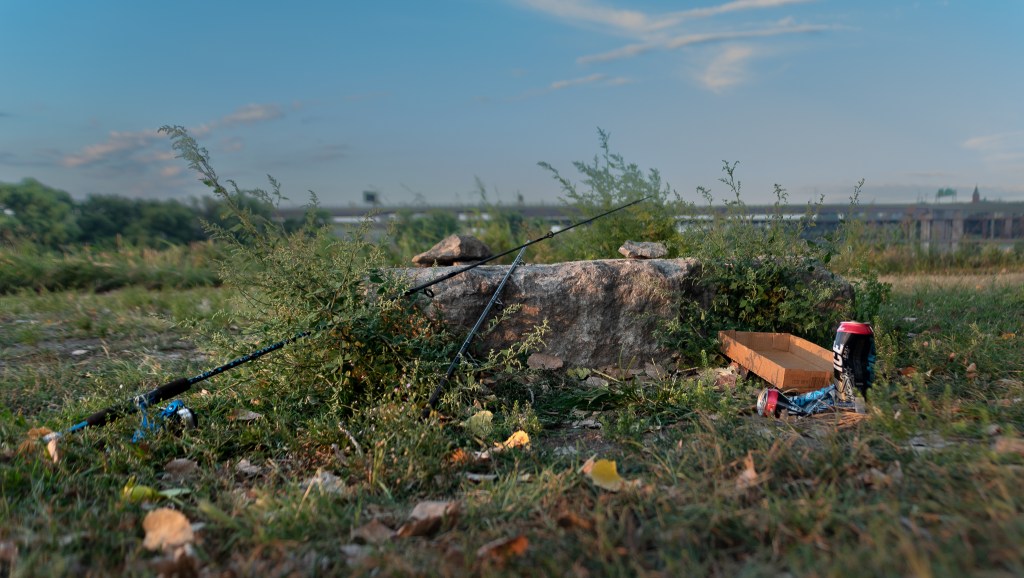
    I’ll start by saying that I used to hang out with avid fishermen, some were very much into top-quality equipment. I used to be an avid camper, having camped out sleeping under the stars, in tents, and modern heated/air-conditioned camping trailers complete with microwaves, satellite television, and most all our modern conveniences. What does this all have to do with photography? Let’s think about the fishing poles in the featured photograph. Without the fisherman, the fishing poles are useless in catching a fish making the fisherman the most essential piece of fishing equipment. As a child, I was able to catch my limit of fish using rudimentary fishing poles, which were nothing more than a stick with a fishing line and a hook.

    Just like the fishing poles, camera gear doesn’t take photographs without a photographer. The photographer decides where to set up the gear, and how to operate the gear. I know we can have cameras that can snap pictures automatically but it still takes a person to set them up. Even with that, does it create works of art?

    We now have A.I. which is making strives in creating. Type in a few descriptive words and a computer can generate an image. Yet we are still depending upon a bit of human interaction to get the machine started.

    It doesn’t always require top-notch gear to capture fantastic images. It takes a top-notch photographer to take top-notch photographs. Build your skills as a photographer first and then your gear to meet your skills.