Category: Uncategorized

  • How seriously do you take your photographic art?

    How seriously do you take your photographic art?

    How seriously do you take your photographic art? How much effort goes into the initial image? Does the same amount of effort go into the final artwork?

    I have always said that the camera cannot reproduce the image I have in my mind’s eye. I can often get close but it is very rare that the final work is complete at that time of the shutter release. As much as I love technology until it gets to the point where the camera can “read my mind” (and I am not sure I want that) I will always further develop my photographs using software or darkroom techniques to further bring them to match my vision.

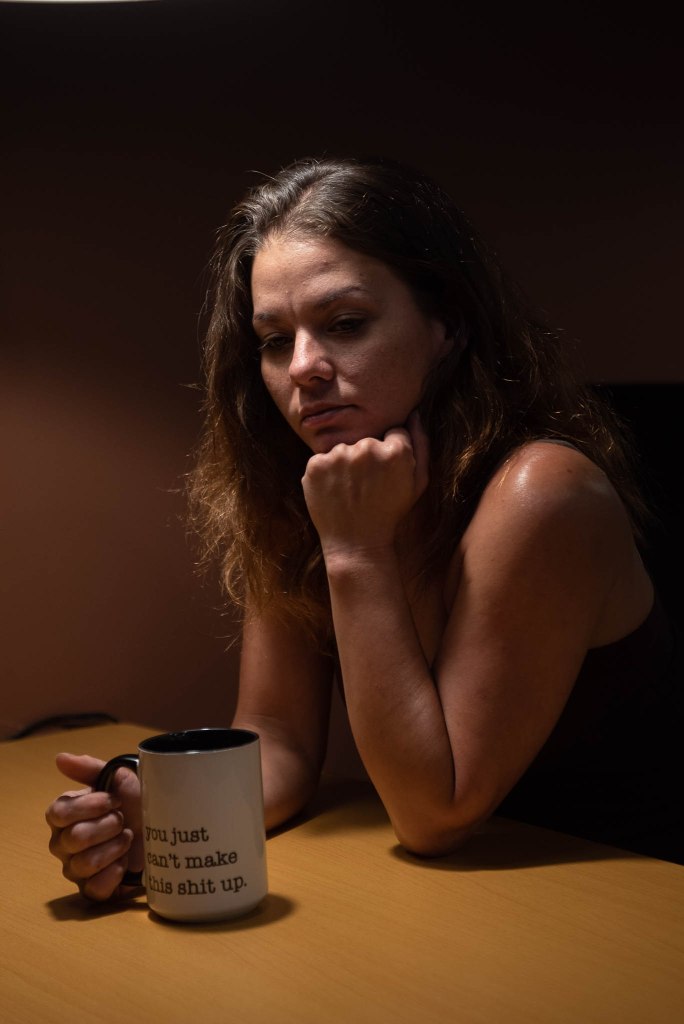
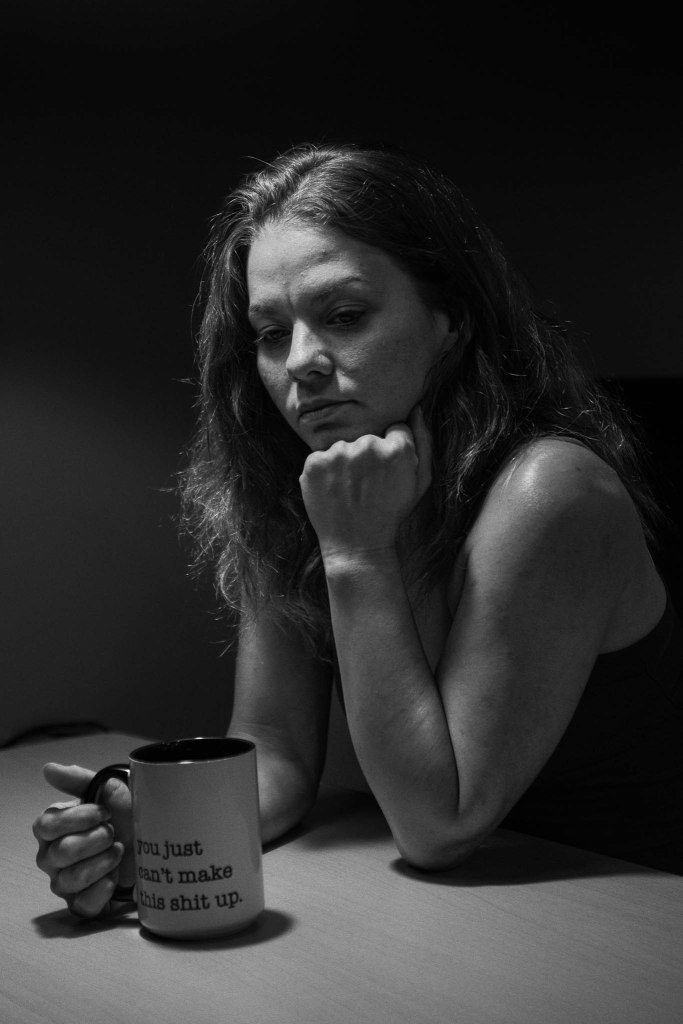
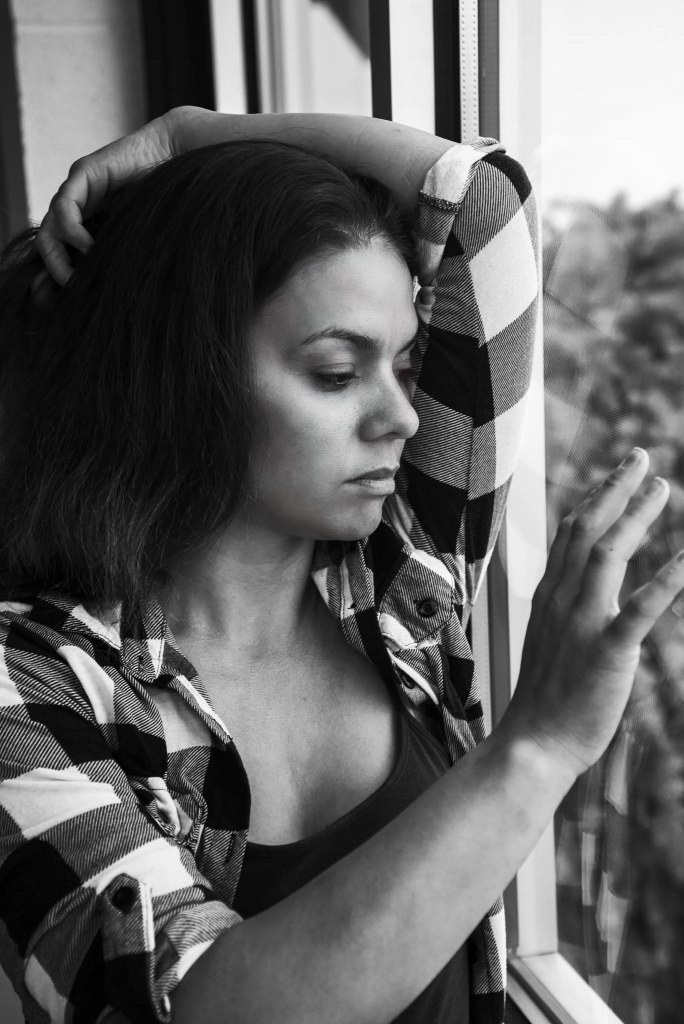
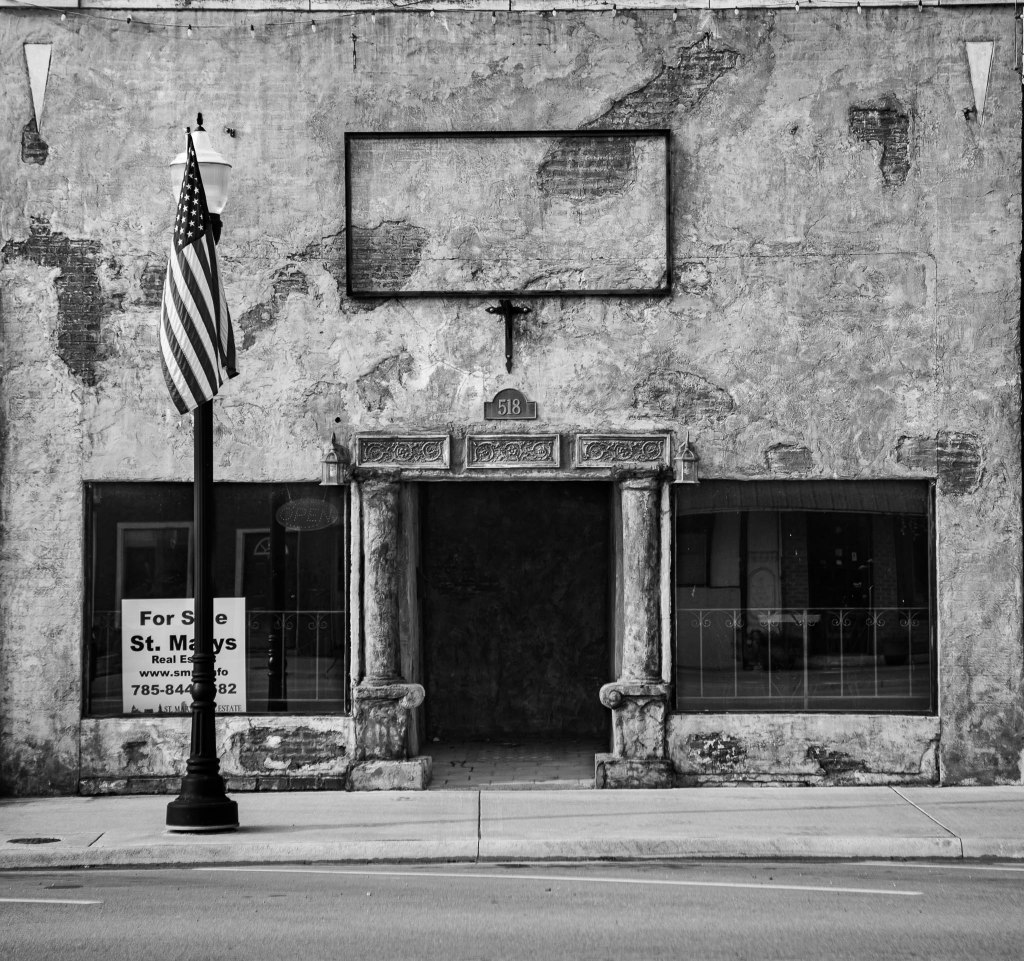
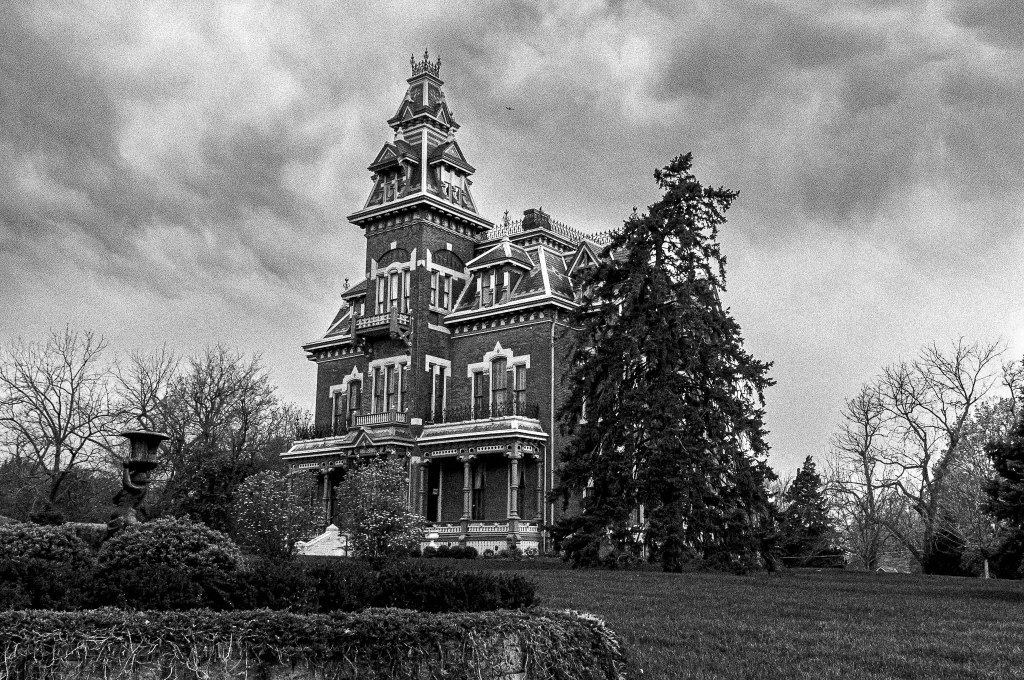
    The amount of time to develop the featured image was more than the actual time it took to set up and capture the initial photograph. I added nothing and removed nothing but to match my vision there was a lot of work done. Correcting perspective due to lens distortion, conversion to black and white, dodging and burning, along with adjustments to contrast. Modern software made the process a bit easier but even with the built-in artificial intelligence in making selections I needed to manually assist in fine-tuning the selections.

    While I take my photographic artwork seriously it doesn’t mean I don’t have fun and enjoy it. The creation of the final piece of art is personally rewarding to me. I love seeing my vision come to life.
  • Ever changing art styles

    Ever changing art styles

    Forgotten past

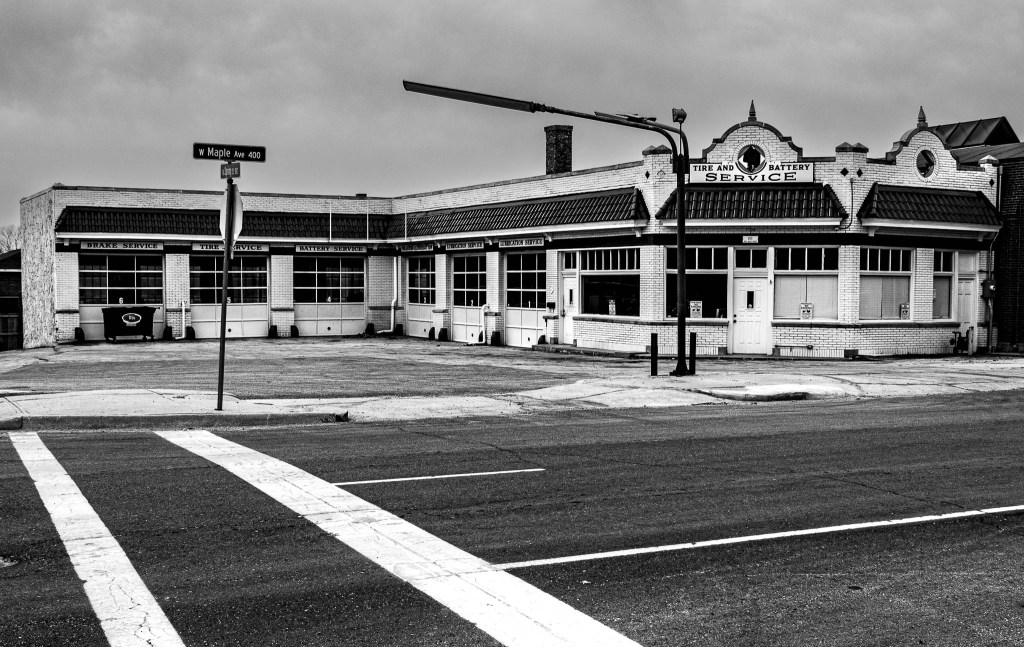
    During my quest for art, I may find a subject that is a bit of artwork itself that requires little creativity on my part. That doesn’t mean I lacked the creative mindset to create my own but that I had the creative vision to recognize the art in the subject. Years before I photographed this vintage building it was a busy and vibrant service station complete with gasoline pumps, and several mechanics to service your vehicle. It had transitioned to a variety of different other businesses once the gasoline and service station closed but nothing ever lasted very long. What always remained was the building.

    I often feel like that is what happens to my photography. My photography transitions from one thing to the other but only temporarily operate in the “building”. For me, this is both a good thing and a bad thing. It is a good thing because I believe it keeps me thinking moving forward. On the other hand, I find it difficult to stay focused on longer-term projects.

    In the coming months, I am going to be working to find a way into channeling my eclectic mindset to get both changing directions while staying focused on long-term projects.

  • Does your art send a message?

    Does your art send a message?

    Weathering the storm

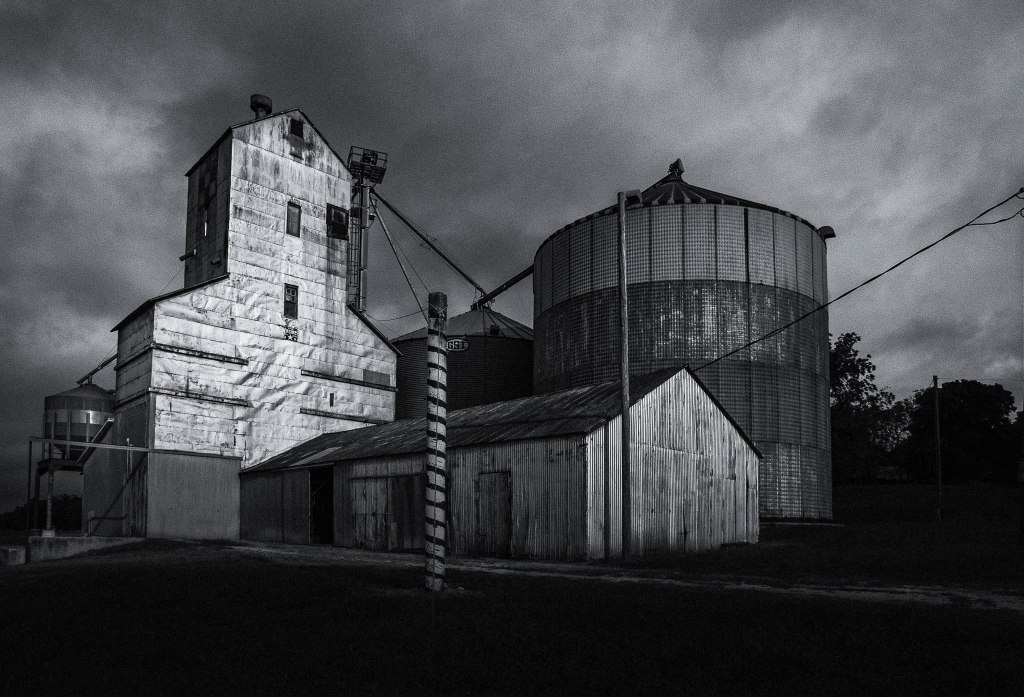
    Does your artwork send a message? Or is it merely attempting to be a two-dimensional copy? What, if anything, do you want your photographs to say to the viewer? I will try to send a message with my photographic art. I may not always succeed in relating the intended message. Just like written or spoken words the actual message can often be missed or misunderstood. One way I have learned to help convey the intended message of my artwork is by titling each piece.

    I haven’t always done so and I often still fail to give my work a title or caption, but I realize the importance of doing so. One of my goals, aside from getting more photography done, is to title and/or caption my works. I have also learned that it is important to give an artist statement, about your general work and about each photographic project. Doing so, I have come to understand helps to deliver the message I, as an artist, intend to relay to the viewers of my work.

  • Use your photography tools

    Use your photography tools

    Yesterday, I was reminded of a quote, “Use what talents you possess: the woods would be very silent if no birds sang there except those that sang best.” Henry Van Dyke Jr.” For those who don’t know who Henry Van Dyke Jr. is, he was an American author, educator, diplomat, and Presbyterian clergyman. We may never rise to the level of artists or photographic masters we often revere but it doesn’t matter. Create your art and photography using what talents you have and show the world. You very well may be the inspiration others need at the moment.

  • Artistic visions using macro photography

    Artistic visions using macro photography

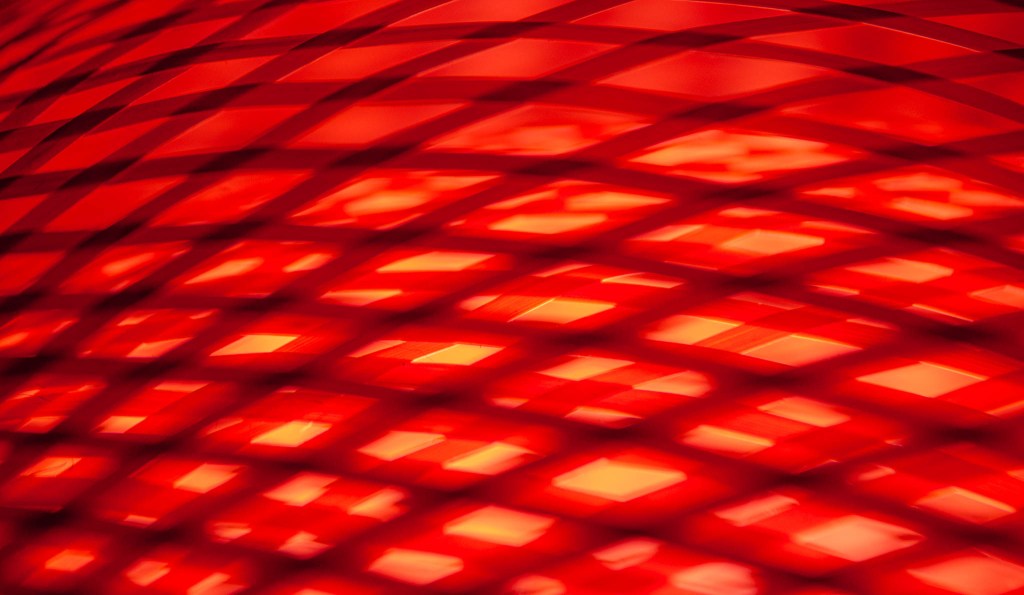
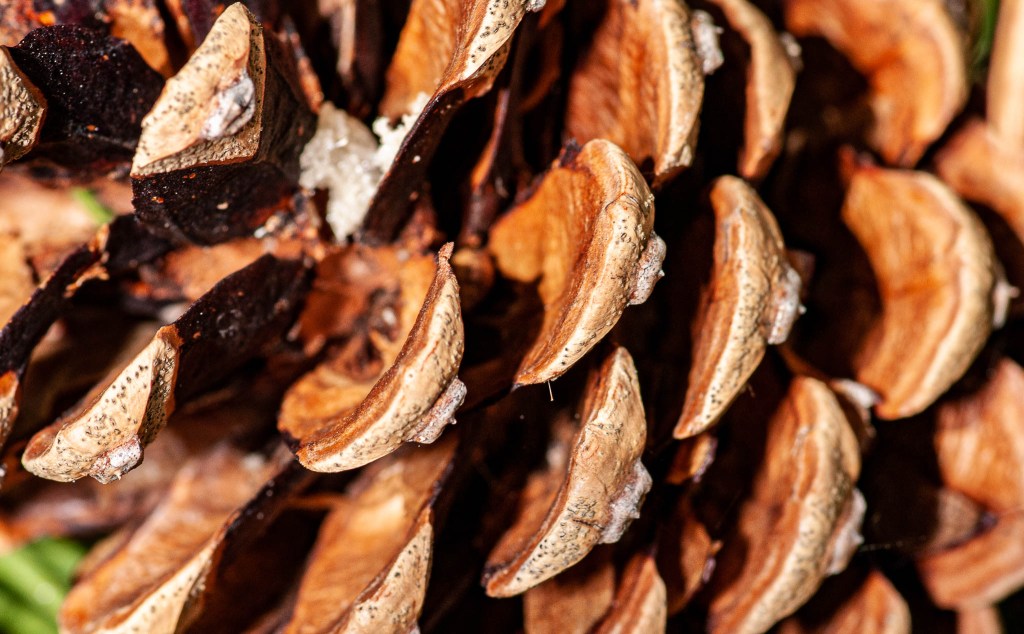
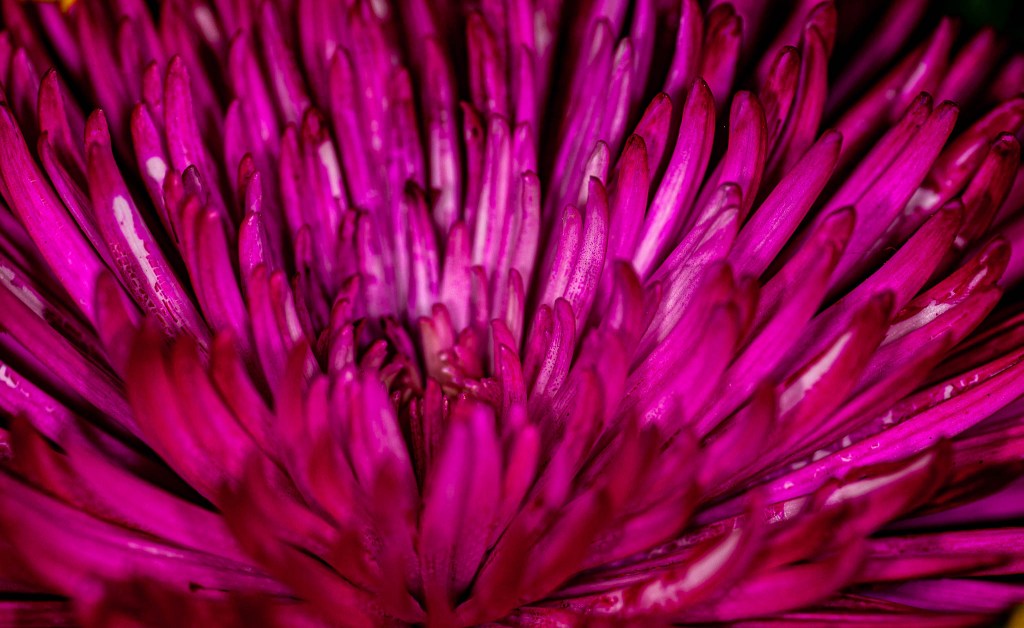
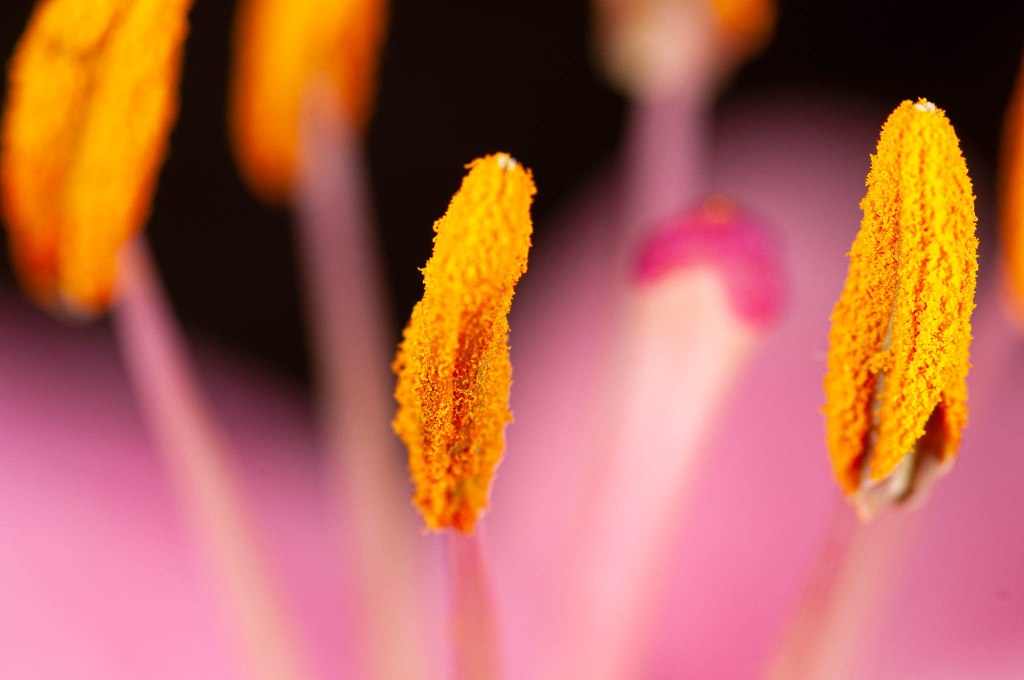
    There are times I see something and just think, photograph it, it looks too cool but what if you make it unrecognizable? Aside from a bit of color grading, this is exactly what I photographed. When I looked at the object it was all about light, shadows, and patterns. I know it is just basic abstract work but we often don’t think in abstract terms. I often go back to how children look at things such as looking through the tube from a used paper towel roll or making a circle with your hand and looking through it.

    Macro photographs often lead to some abstract looks with shapes, patterns, and textures.

    We often don’t examine the world around us closely.

    These are things I need to explore again and get close to subjects, I mean really close to them.

  • When color gets in the way

    When color gets in the way

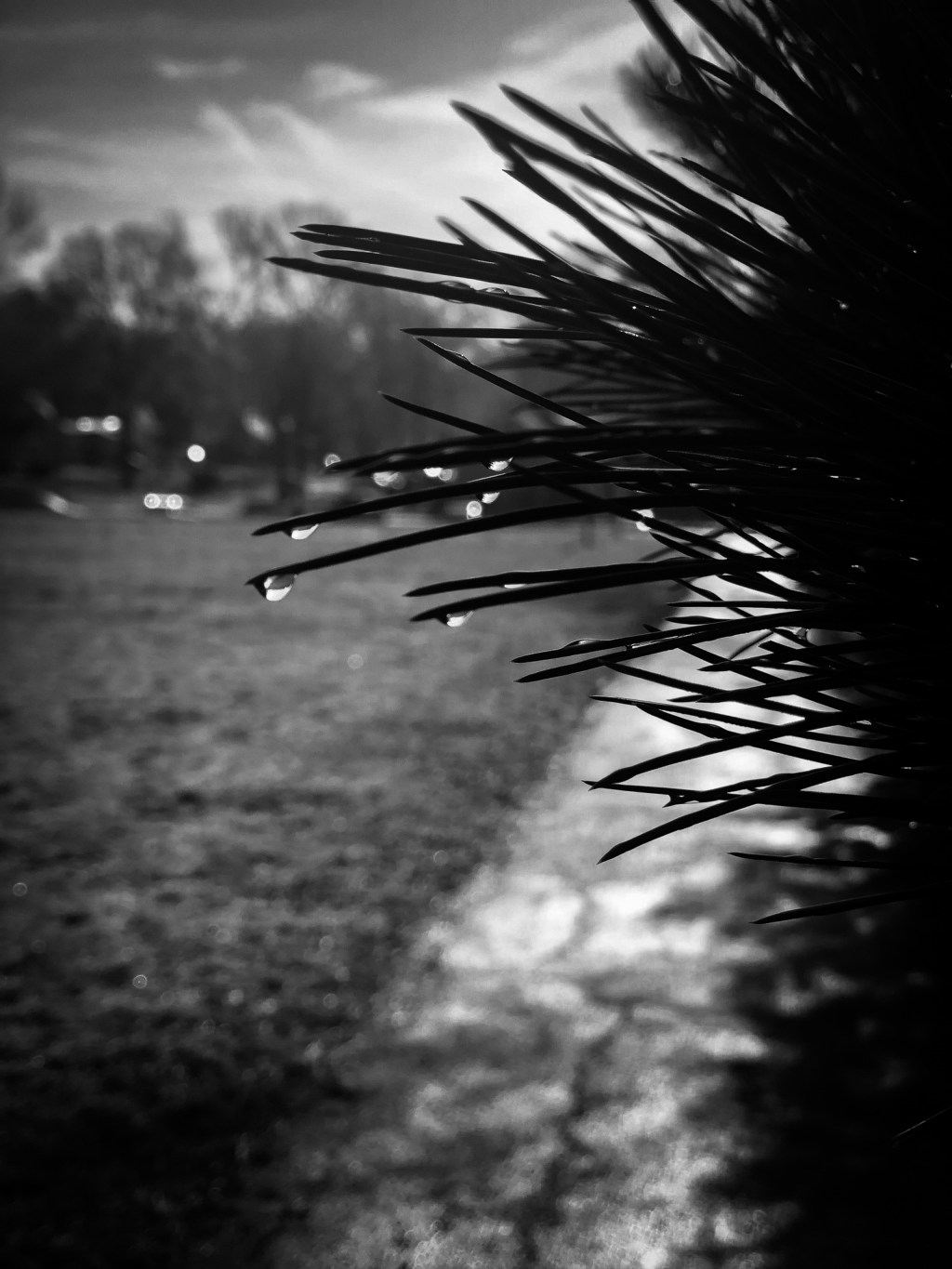
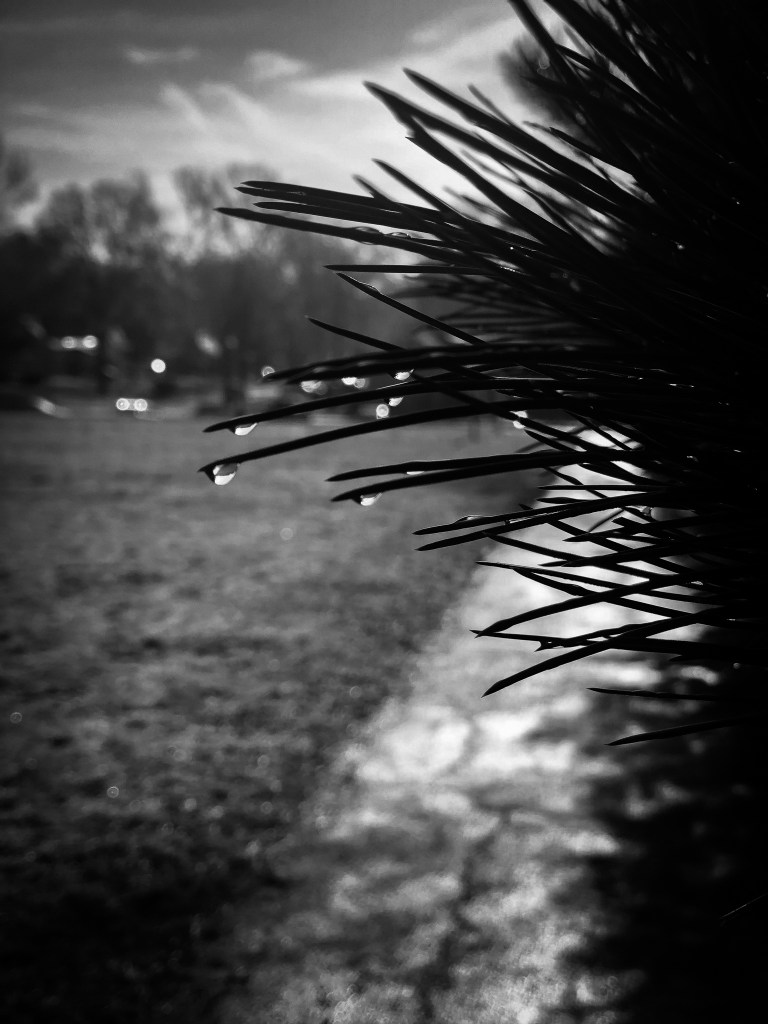
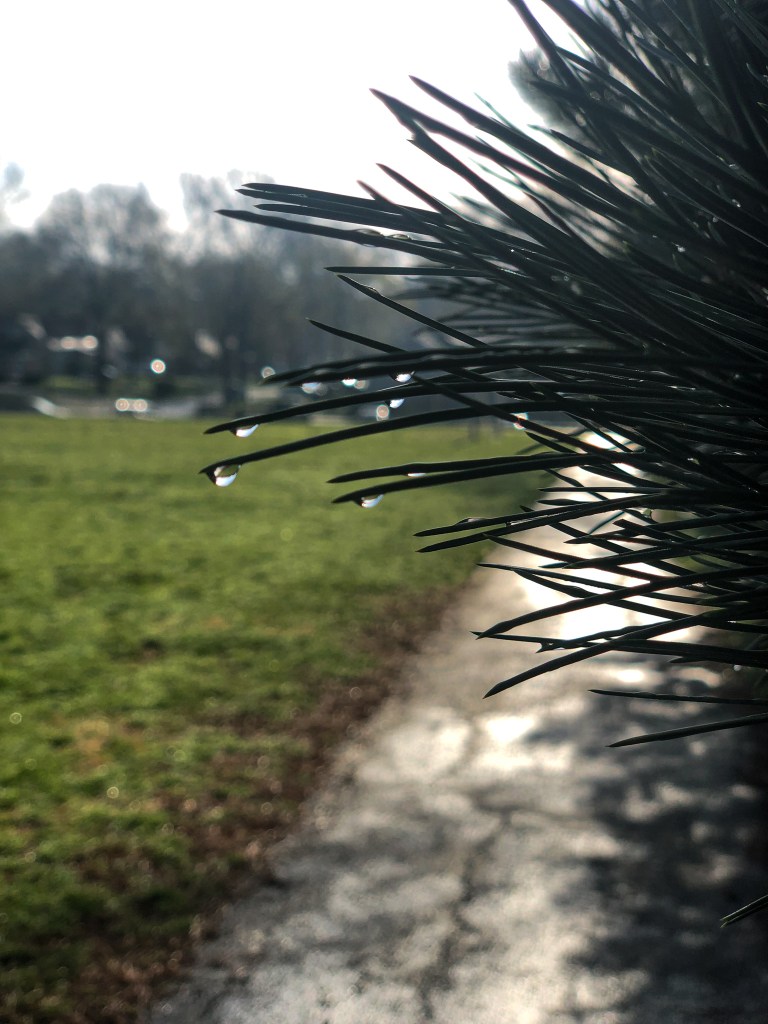
    One of my favorite processes to use is to convert to black and white. I often believe that color gets in the way of the subject. I was taking a bit of a walk one day and I noticed the rain drops on a pine tree. The scene got my attention because of the shiny water drops with the sun shining through them against the sharp edges of the pine needles.

    For me, it doesn’t have the same effect as the scene when converted to black and white. My eyes get too distracted by the green grassy area to the left.

    This happens to this photo as well. I find the color to be a distraction.

    The black and white version has much more drama and is much more thought-provoking to me. Use color, or lack of, artistically. Think like an artist. Act like an artist. Doing so raises our photography to art rather than just snapshots.

  • Think old-school photography

    Think old-school photography

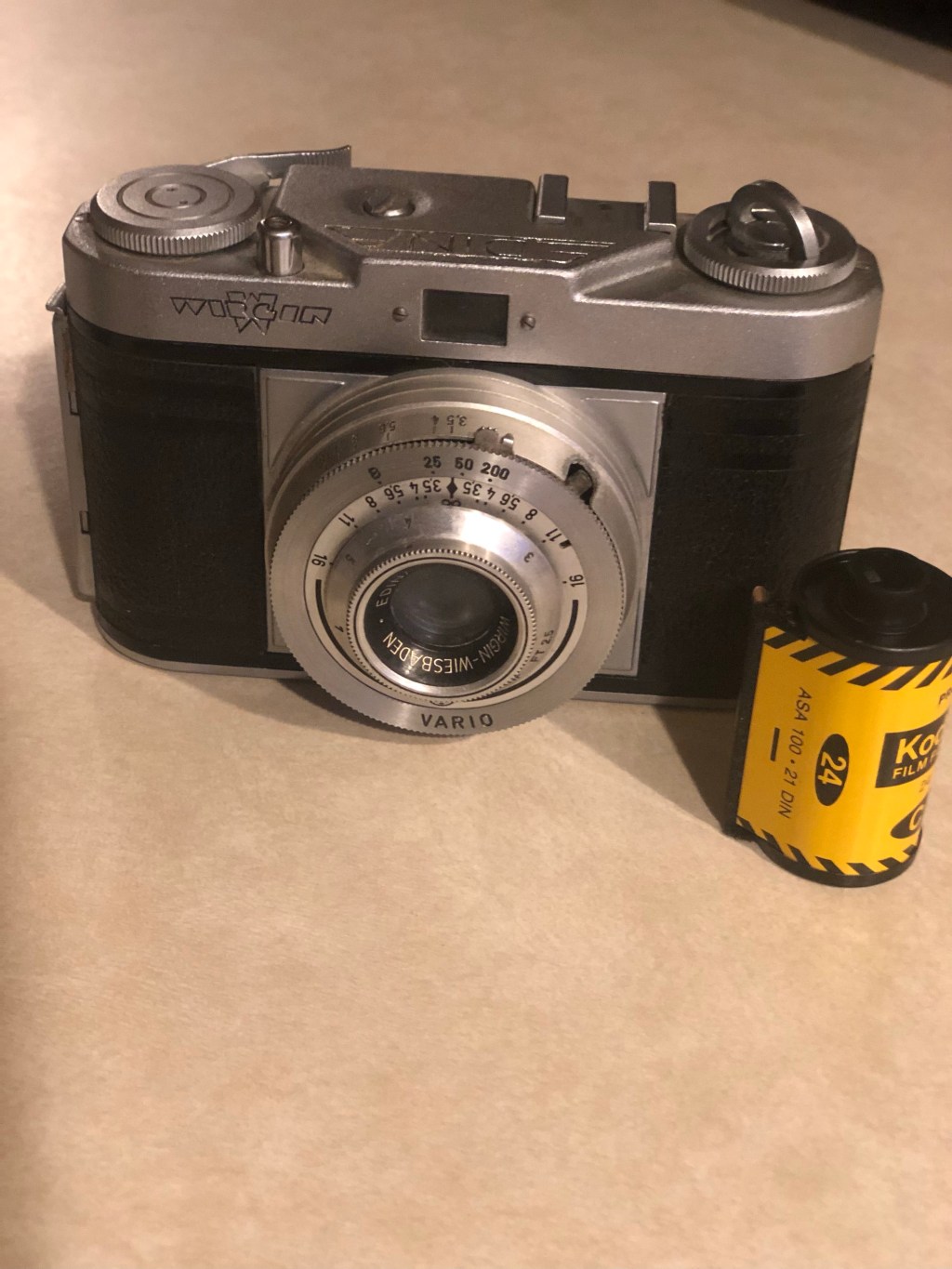
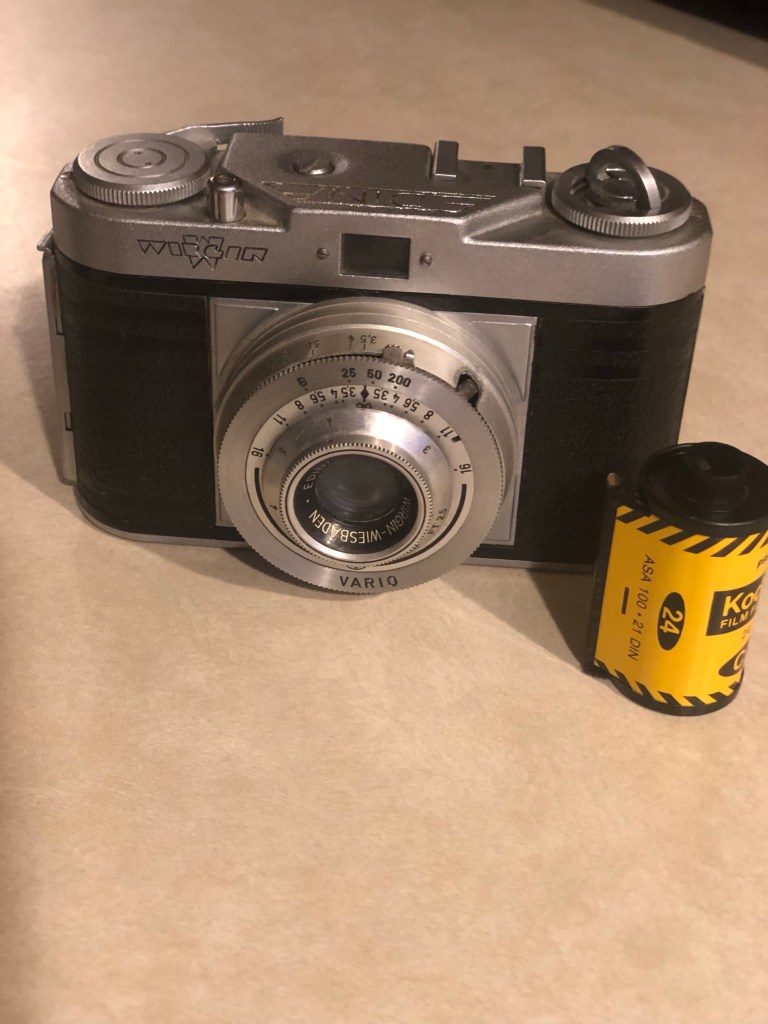
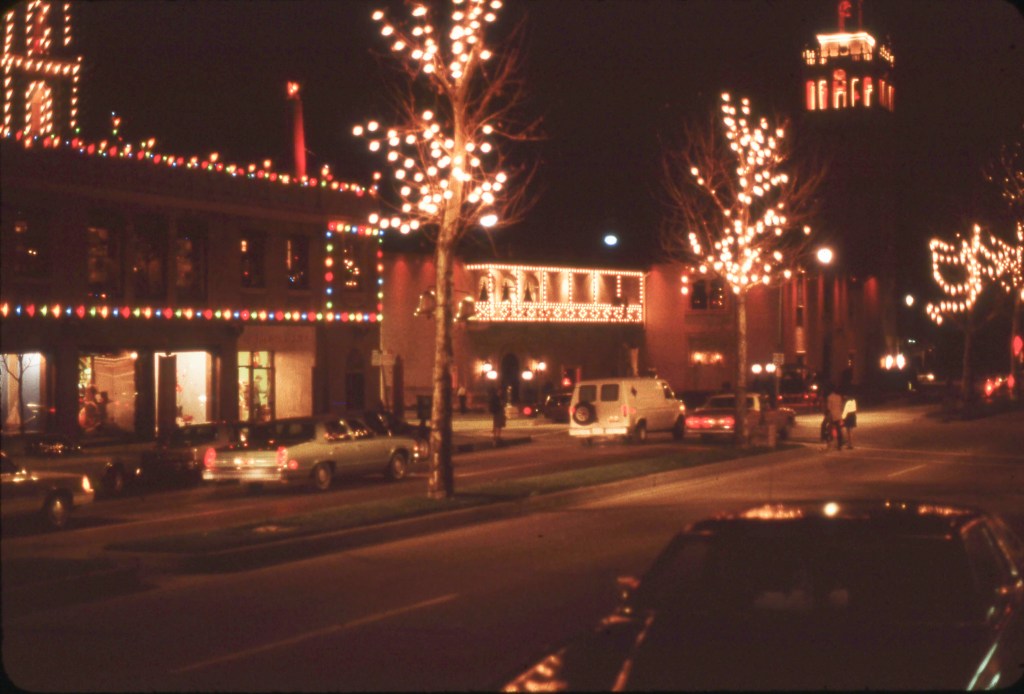
    I see many articles written on how to improve my photography. Many are written that say, “think old-school”. Shoot like you are using film. With modern digital cameras, I can take hundreds of photographs without changing memory cards. When I used film cameras I may have had 36 shots and I was out of film unless I had a second roll. During that time I probably thought more about pushing the button but did I really? I mean look at the featured photograph. It was shot on slide film.

    Today, I am more inclined to take creative chances rather than just stick to the “tried and true”. So do I really have to “think old-school” to get better or am I able to get better by trying out a variety of compositions, exposures, and perspectives? I can also adjust the sensitivity of my “film” on the fly. Need a higher ISO, set it. I’m not bashing film, but are we putting a mystic on the old way that really didn’t exist? Could we just say slow down, and think a bit more before you take the shot?

  • The future of photography

    The future of photography

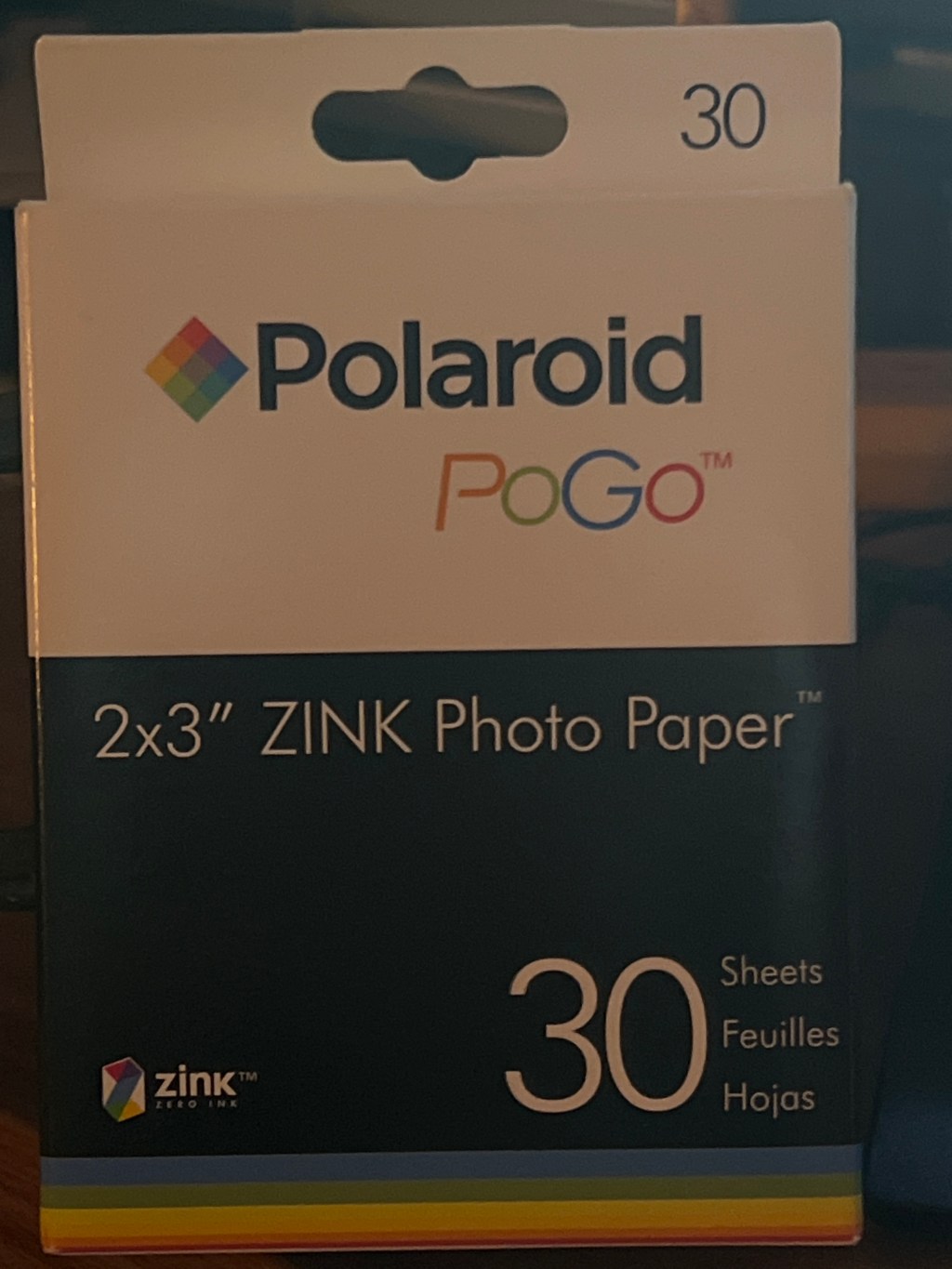
    I started to think about this topic yesterday when we got new cellphones. What prompted me to think about the future of photography was how far cellphone cameras have progressed in the past few years. A cellphone photo was tiny and quite often blurry. The photograph of the “Zink” Photo paper was taken with an iPhone 13 Pro Max in a room lit only by the light of my computer monitors.

    Last night after I was able to switch over to the new cellphone (transferring all the data, contacts, apps, etc.) I just played around with the camera for a moment. The whole concept of cellphone photography/videography has taken an enormous leap forward. It is little wonder why so many people no longer use dedicated cameras to photograph events or people as casual users, but are we approaching the realm of replacing dedicated cameras with smart devices? Where we this all be in 20 or 50 years? Will we go the way of the Polaroid and instant prints using the Zink paper or will we continue as we have?

  • Photography fun

    Photography fun

    If you’re not having fun with your photography you may be doing it wrong. To me, it doesn’t matter if it is your job or hobby. If you are not having fun taking photographs I believe your creativity is lost. There are a few exceptions though. Photographing war, violence, natural disasters, and human or animal suffering are a few I can think of.

    Think about it. When you are having fun doing something it becomes easier to think, “Hey let’s try something”. When you are not having fun the project becomes mundane and more like work. It could be that I have reached a point in my life where I have decided that there is too much going on in the world to do too many things I don’t enjoy. I may not have taken many photographs lately because I have allowed myself to be overwhelmed by things I don’t enjoy. In order to correct this, I going to focus on things I enjoy.

    Find fun in your photographic art, even if it is a serious portrait session or the hunt for beautiful landscapes. Once the fun is back the creativity is endless.

  • Curiosity and the photographic artist.

    Curiosity and the photographic artist.

    Do you ever have the feeling that you have suddenly lost curiosity about things? As an example; when was the last time you closed one eye, put an empty paper towel tube up to the open eye, and looked through the tube? I watch children play a lot. Between time spent with my grandsons and younger children where I work my “9 to 5” I see how children, especially younger children, are curious about things around them. They look at many things much more creatively than older children or adults. Is it that we fear being thought of as being odd? Is it that we think we have “seen it all before”.

    I vaguely remember the building in my featured image. I remember the trip. I remember the town but I don’t remember many of the details of the building. Looking at the photograph I wonder what was this building originally. When was it built.? What did the walls feel like (I didn’t touch them at the time but I want to now)? What did it look like inside? As I wrote that, I was suddenly reminded of a photograph that I can’t find quickly, of a grain elevator. I was photographing it when a young man approached who worked there asked if I needed help. I told him I was a photographer interested in the mill as it looked to be very old. He told me he didn’t know much about it but his grandfather might. We found his grandfather. I explained that I was working on a project to photograph grain elevators, especially those that looked old and interesting. The grandfather gave me the history of the place and a tour allowing me inside to take as many photographs as I wished. Now I have to find those photographs.

    Stay curious! Ask! Look!