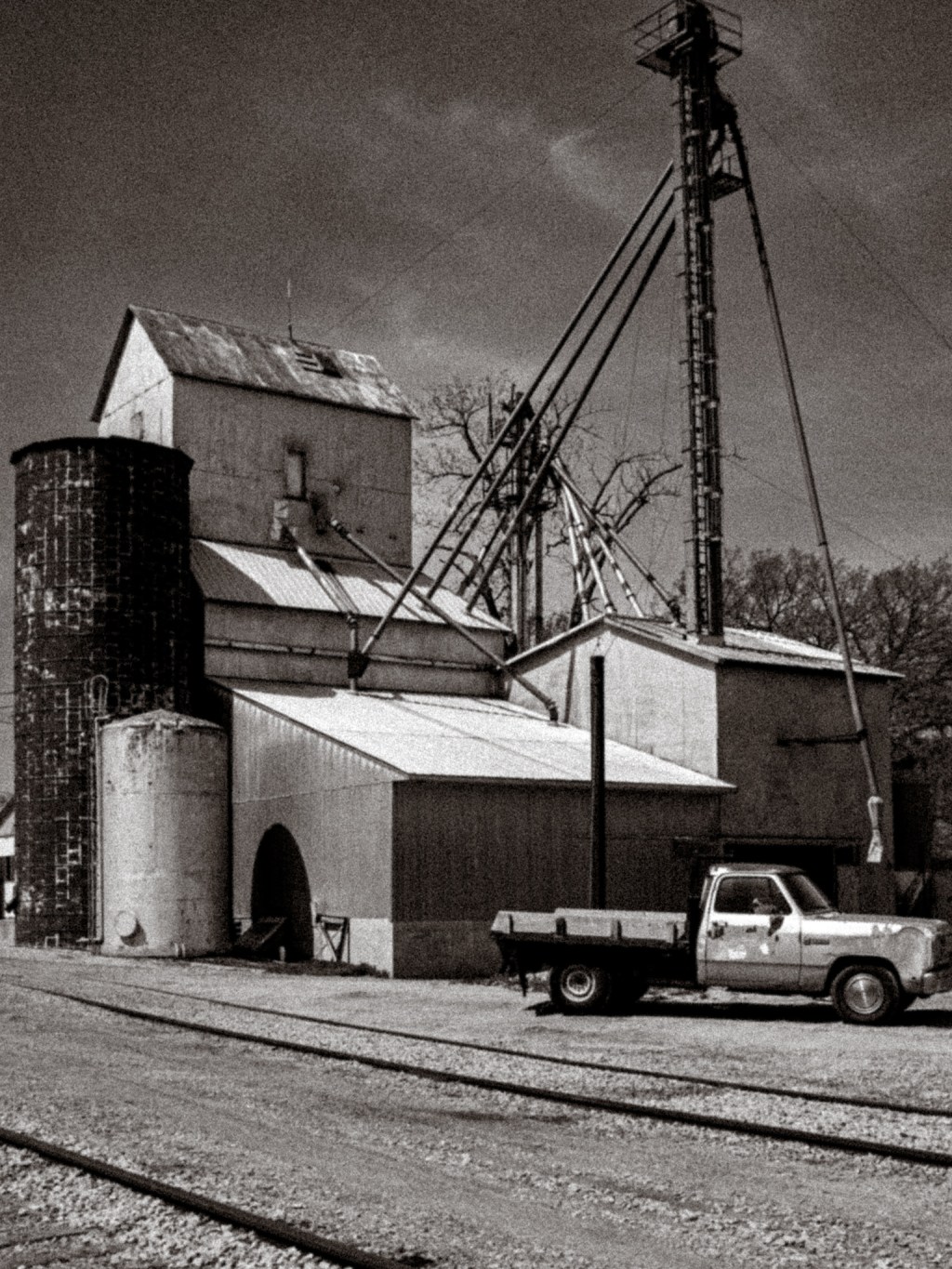
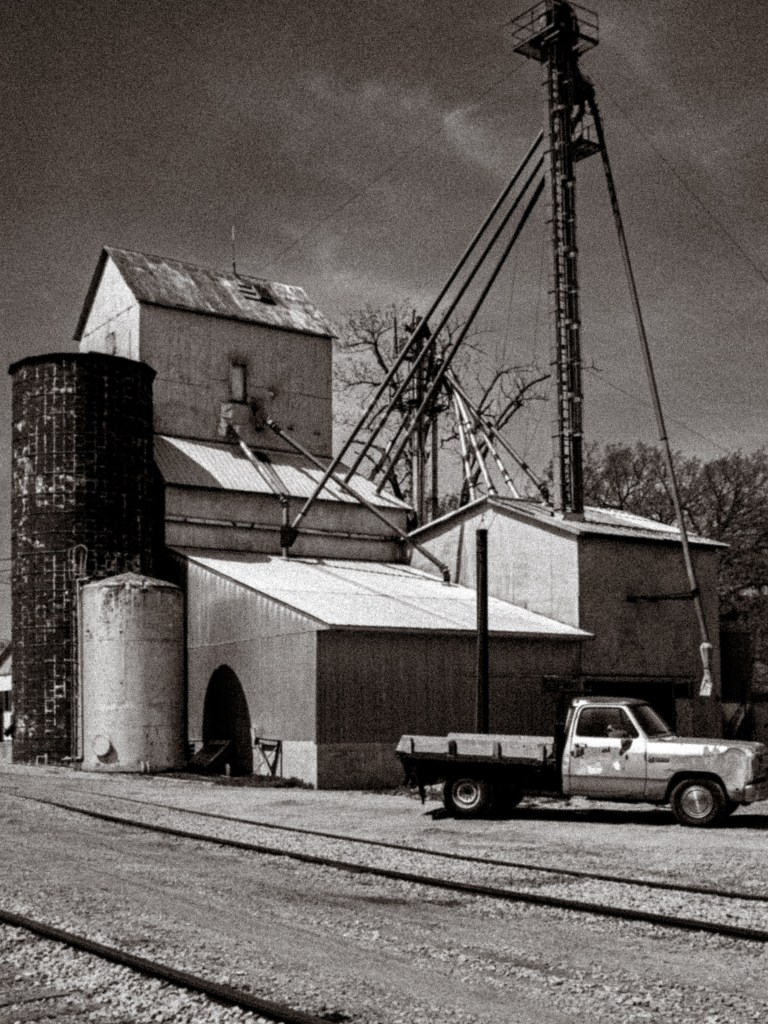
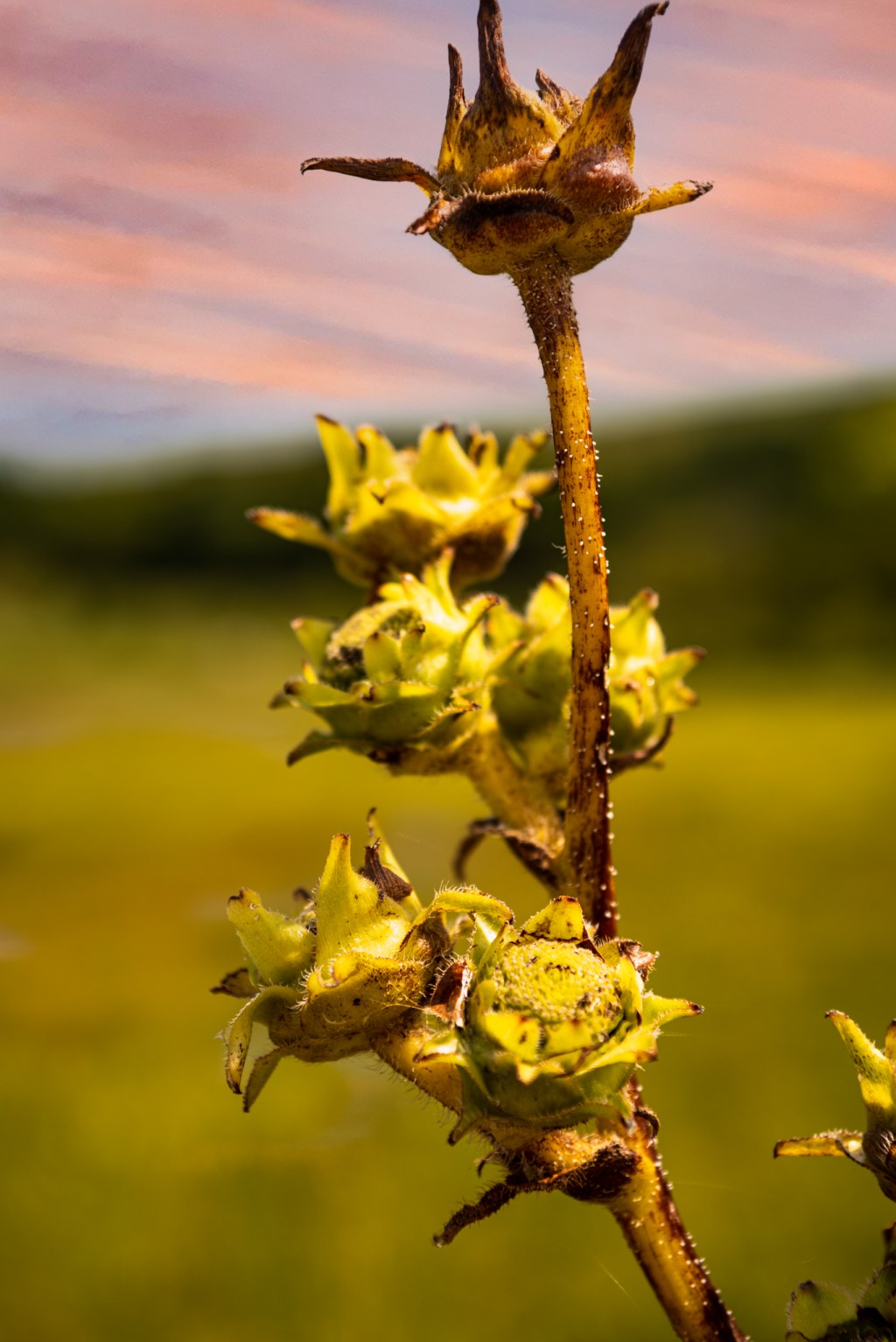
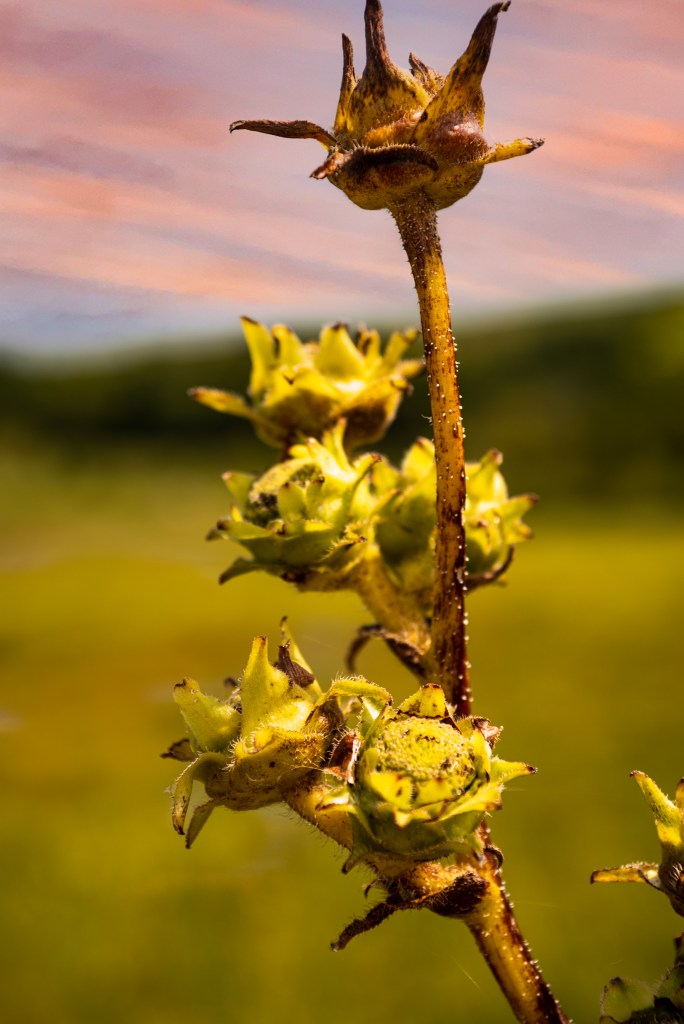
Shape and form. This is an interesting topic and one I see covered far too infrequently in the photography circles I apparently frequent. We see shapes and form all around us but how often are shapes and forms really the subject of a photograph? It could be that when shapes and form are the subjects the art is often more abstract causing us to think too hard or find it difficult to relate to the art. How many of us have visited an art gallery and seen the abstract art pieces and just scratched our heads because “we just don’t get it” or “what is the artist trying to convey”.
Shape and form are all around us in man-made objects and in nature. Maybe, just maybe I need to start paying more attention to shape and form.
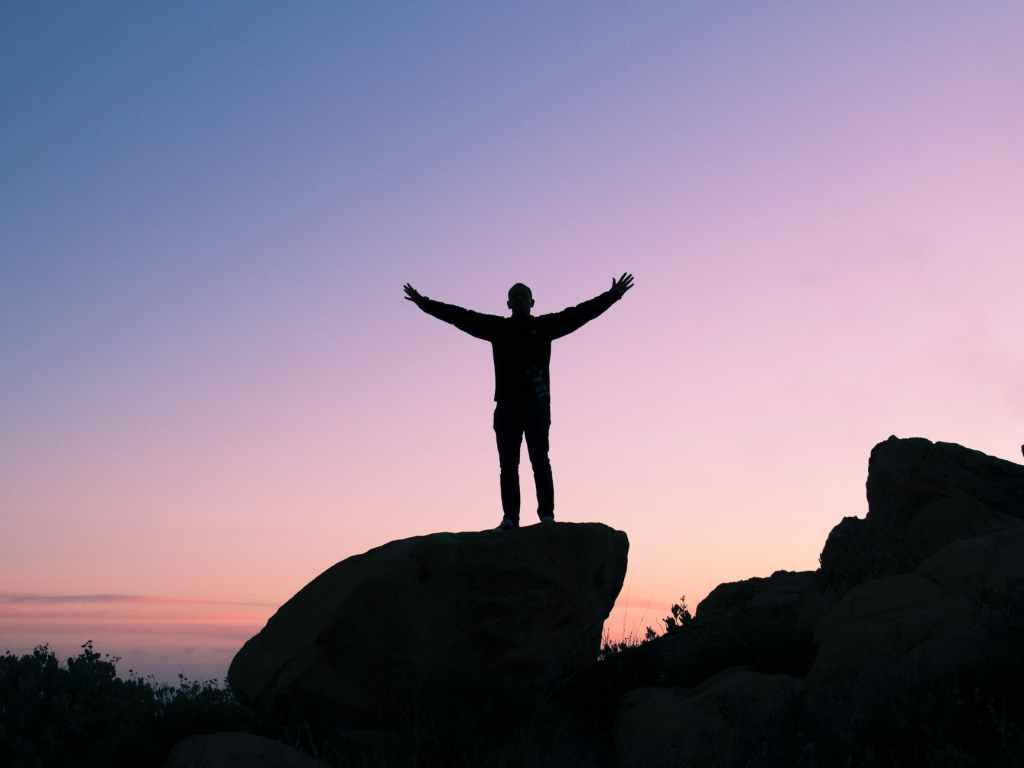
Believe in yourself and others. Believe you can become the artist you dream about and believe others can help you and can achieve their goals with your help. It is like the adage, it takes a community. As an artist, you need to believe you can do it and you need people who view your art. Helping other artists along their journey will, in my opinion, help you along your artistic travels. How do you ask? Great question!
Believing in yourself is obvious. It gives you the confidence to create your art. Believing in others and helping them allows you to grow both as a person and gives you a feeling of meaning and satisfaction. It also builds the concept of belonging to a community where you are supported and valued. In this community we help each other, we don’t take more than we give. I’ve found this through running social media groups, photography meets, photography club interactions, and mentoring. Believing in others and help can often be as simple as sharing photographs of your work or participating in discussions. I run two groups on Facebook, one for models & photographers with over 2,000 members and one for just photographers with just over 200 members. In both groups around 1/2 are active on average during the past six months. Engagement on a smaller basis runs about 15-25%. Lots of creativity results from that 15-25% so just imagine if that number was increased.
Get involved. Believe in yourself. Share your thoughts, questions, support. It will not only help you but helps the community of artists of which you are a part.
Do we really see? I mean most of us see things, we have eyes and we can see the world around us but do we REALLY see the world around us, or do we just look? I work around children every day in my non-photography job and children see things that many adults I am around on a daily basis miss. This is very true amongst many of the younger children. They often see things like texture, shape, form. They see tiny objects and fine details. Is it that the world and things are still fairly new to them and we grow to where we just accept the world around us?
The reason I ask this question is that often when I walk around in the forest along a hiking trail with my camera I get asked the question, “anything good?”. The people asking have apparently missed all the little things or sometimes the big things like light, pattern, form but do we sometimes do the same thing? I think we do. So many times, we grab our gear and head out for the big photo outing and we wander aimlessly, often coming home with what turns out to be a few crappy snapshots. What did we miss? Did we fail to actually see the world? Are we trying too hard to get that spectacular shot that is often as evasive as Big Foot, or in the case of the State of Missouri, MoMo? Learning to see photographically is a difficult thing to explain and often difficult to teach unless you are walking with your student.
Think about it today. Are you really seeing or are you wandering on autopilot?
If only I had more time, more money, started sooner, thought about it, could go back. I don’t know about you but I catch myself thinking or saying something that starts with something similar more than I should. I do this in many aspects of life, including my photography.
Many times, I am not able to change or do over but with photography, I can often go back and either retake the images or edit them. Sometimes, the chance to “get it right” is gone never to come again. The once in a lifetime opportunity to catch a fleeting moment of time or a once in a lifetime trip. So how do we get to make sure we don’t have an If only I had thought about those times? Build your skillset! Learn to utilize your equipment! Include all your options including how to best utilize your cellphone camera. There may be times when it wasn’t possible to have your best gear available but that doesn’t mean you have to miss the chance.
I always caution people that the practice makes perfect isn’t necessarily true. Practice makes permanent, perfect practice makes perfect. Practice good photography habits, learn how to use your gear to its fullest, and then push it further. Go build your skillset. We may never achieve perfection but if we work towards perfection we may achieve excellence and avoid the “If only I had” moment.
Who is your G.O.A.T. (greatest of all time)? Edward Weston, Ansel Adams, Henri Cartier-Bresson, Joseph Nicephore Niecpe? None of the above or someone less famous? Have you ever thought about it? While I sit and write this I’m not sure about who I would name as my choice of greatest of all time. It is a question I’ve pondered time and again but I haven’t ever really decided. While I’m familiar with the works of many of the famous dead photographers and some that are still around I guess I haven’t really compared them to one another. I’m not really sure I need to compare them to each other or that I would be able to compare them to each other. Then maybe the G.O.A.T. has yet to be recognized.
The reason this comes up to my mind is I am not sure we should limit our thinking, our mind, or our creativity. I’ve seen so many photographers in the past totally dismiss HDR (high dynamic range) photographs, soft focus, or any number of other things just because they decided it wasn’t real photography or not “tack sharp”. Some of this work is bad but some of it is fantastic. Just like a recent poll in a social media group asking if a cellphone camera was a “real camera”. A vast majority of photographers argued a cellphone camera wasn’t a “real camera”. Maybe it was a way for them to justify their spending their money on fancy camera gear or maybe they just hadn’t opened their minds to consider it a possibility.
My whole point with this is that as artists shouldn’t keep our minds open to new concepts, new techniques, new processes, and the possibility that there may not be one greatest photographer of all time but a possibility that there are many greatest of all time.
I suspect most of us are guilty. It could be something like deciding to start an exercise program, or eating better. One day you wake up and say something like, “I don’t really feel like going to the gym today, I’ll do it tomorrow. I’m tired and just want to take it easy.” or “Ah, I’ll only eat a few chips, I’ll eat better tomorrow”. I know I’ve been there, done that, got the t-shirt, well maybe several t-shirts.
That is where I am with my current state of photography. I’ve set myself a schedule for my blog but yet I haven’t with my photography. I often, far too often, find myself saying, “I’m going to do something today and get the cameras out” but find myself plopped in front of the television watching mindless shows or browsing social media on the computer, or worse yet my smartphone. It seems I got into this bad habit only in the past couple of years, seemingly at the outbreak of COVID-19. I spent a lot of time inside, away from others. Some would argue that I let fear overtake my life and to some extent that may be true. Fear of being sick (I hate being sick) and fear that I could cause someone else to become sick or worse die. While it’s true I could set something up inside, away from others (for now), and do photography just like avoiding the gym or that bag of chips it became easier to just not do it.
My goal for today is to set up a schedule and start back on the path of going to the photography “gym” and the photography “healthy food” section. I suspect there may be some others who, like me, have slipped into the bad habit. Let’s get going! Time to get photographically healthy.
It is beginning to appear as if the biggest market in photography is photographers. We are inundated with marketing to buy presets, software, brushes, cameras, and every other sort of gadget. We are also flooded with publishers and promoters seeking our photography not to be bought but to be submitted for the glory of being “accepted and published”.
While I know there is still a photography-consuming customer base it has dwindled. Sears, Picture Me, Olin Mills, Glamour Shots were virtually everywhere. I know many of these were not all that great but they often beat the “on-location” natural light portraits we see so much of today and yes, I’m guilty of those types of portraits as well so shame on me too.
I’m not sure we can ever go back to the heyday of photography when newspapers and print magazines had staff photographers or when studio portrait photography was on the street corners and shopping malls. I’m not sure I would want to either but I do believe we need to move the current trend of snapshotish (my new made-up word) looking portraits. Let’s move towards showcasing photography as the art it can become. Let’s make the term photographic artist mean something superior to a professional photographer. Who is in with me?!
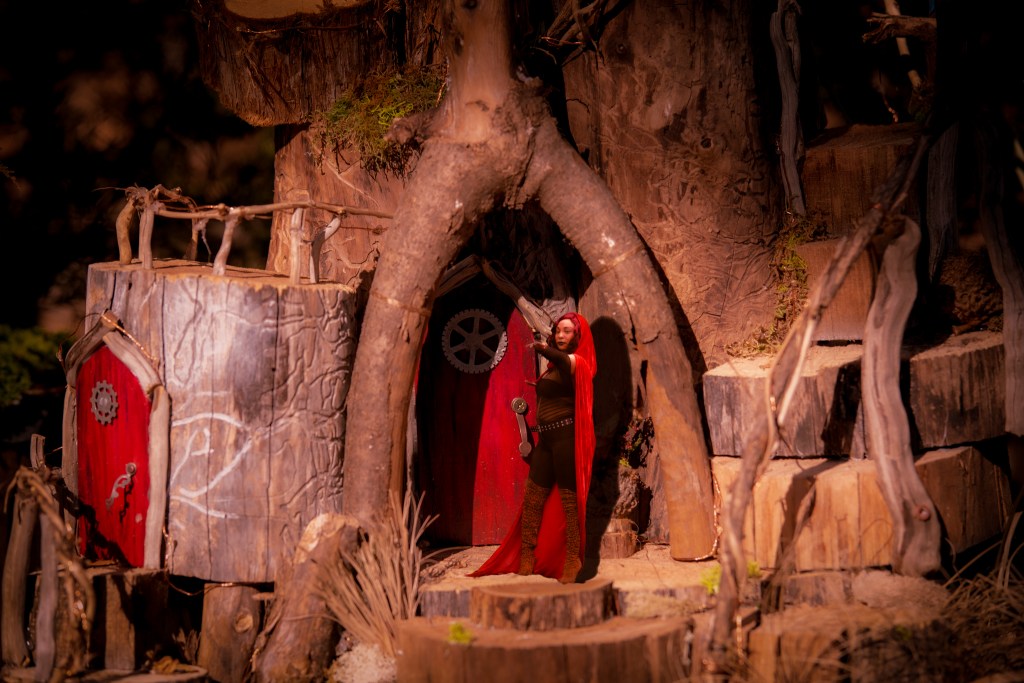
If you were to learn one new thing in photography what would it be? For me, I want to learn about compositing images. You know, altering reality. The image I have included with this blog is a creation of two separate images. One was a fairy house from a fairy house competition at a local arboretum and the other was from a photo session with models in costume.
I have always been impressed by those who are able to create a realistic fantasy from multiple images. This, to me, is where the creativity rubber meets the road. I visualize all sorts of amazing concepts but to put them together in a single image may be difficult or impossible. This is going to be my challenge to myself to accomplish this year. To learn to create those sorts of images from my photography.
What is the new thing you want to learn, photographically?
What is your why did you become involved in photography? Was it a hobby to create art? Was it to document family? Or was it one of many more possible reasons?
Ansel Adams believed that photography could give vent to the same feelings he experienced through his music. His first attraction to photography came indeed through his love of the natural landscape and a yearning to capture something of that overwhelming experience on film. Ansel Adams was encouraged as a youth to become a classical pianist. When Adams was about 14 his family visited Yosemite National Park and he got his first camera. Adams become very interested in conservation and joined the Sierra Club and continued his work in photography.
Edward Weston’s father gave him his first camera, a Kodak Bull’s-Eye No. 2, which was a simple box camera. He took it on vacation in the Midwest, and by the time he returned home his interest in photography was enough to lead him to purchase a used 5 × 7-inch view camera.
The stories go on about how some of our most renowned predecessors got involved in photography. Perhaps you have had a similar experience. The point is we, you, could become as good as your favorite photographer. It just takes a bit of dedication and skill-building. Get out there today and do some skill-building and art creation. You’ve got this!
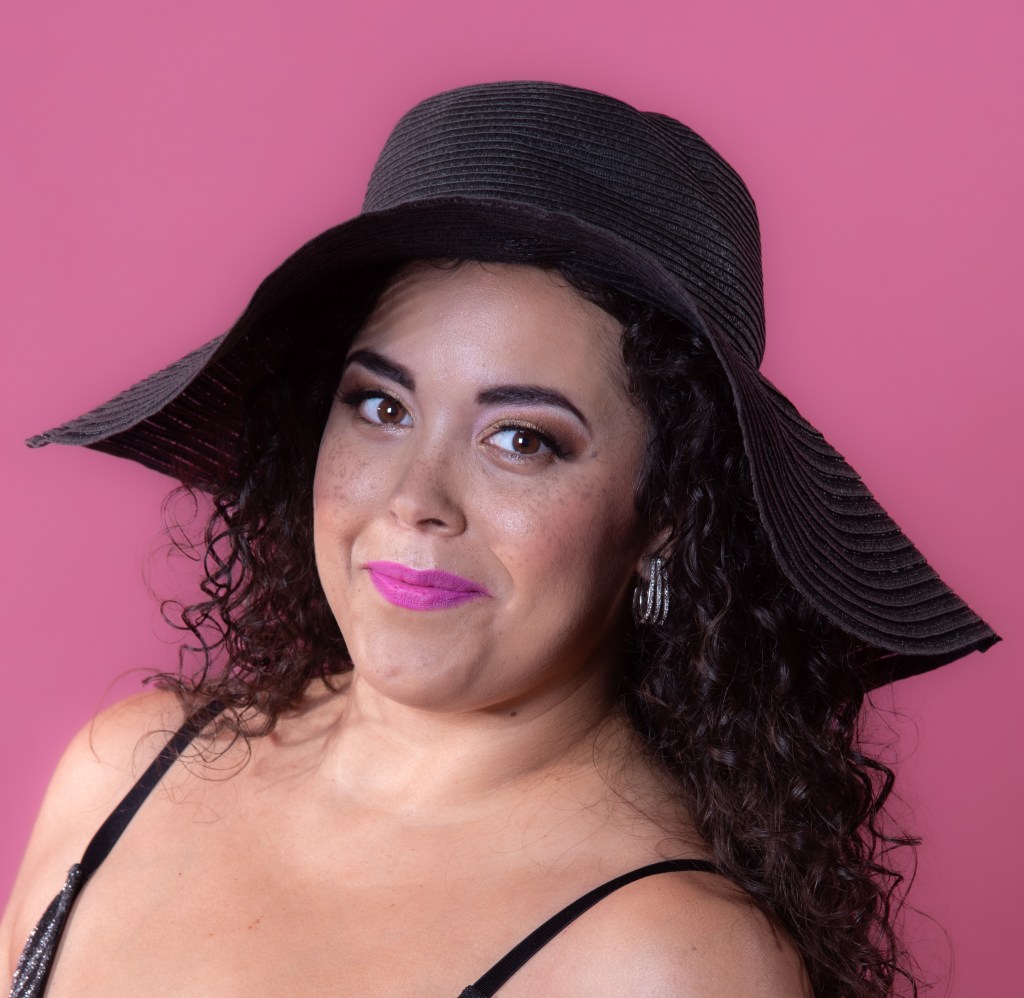
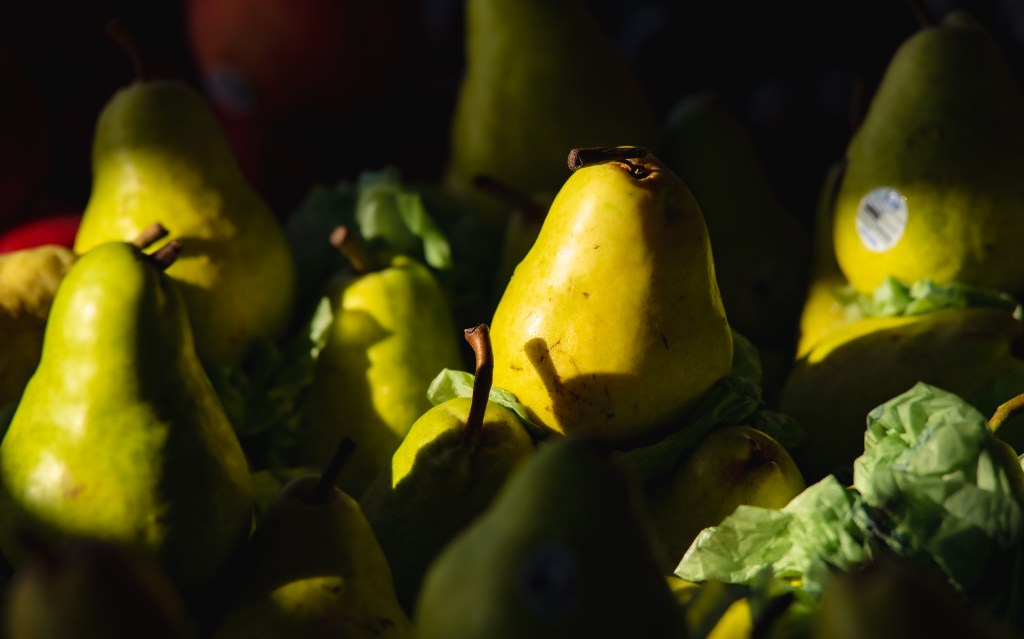
I occasionally get worked up with the discussion of photo manipulation and photo purity. What I mean is there are factions of photographers who believe any but the most basic of photo editing renders a photograph something other than a photograph, it isn’t “true to life”. I argue none of it is actually “true to life”. The photograph I have included here is lit naturally, by the sun under the cover of a roof at an open-air farmer’s market. No light modifiers, not supplemental light sources, no post-processing beyond a slight crop. When we take a photograph we make choices that modify the reality of the scene.
First, we are recording a moment, or in some instances a few moments of time as a still image. Next, we make a choice on how to meter the light, spot metering, matrix metering, center-weighted, and where we are metering. We decide what aperture to use, to make sure how much of an image is “in focus”. We decided how close to get with the lens’ focal length. As you see by using our cameras to record a scene, we are already modifying “true to life”.
Photography is all illusion. We take a three-dimensional world and convert it to a still image represented in a two-dimensional fashion. So to me, it irrelevant whether or not an image has been post-processed, unless the photographer is a photojournalistic image. Even a documentary image is merely a representation of what happened based on the photographer’s position to the event or scene affected by the choices mentioned above. It is all an illusion so let photographers do their thing and create their images. Remember, we can please everyone so it is most important to please ourselves with our work.
 Photographer Clay