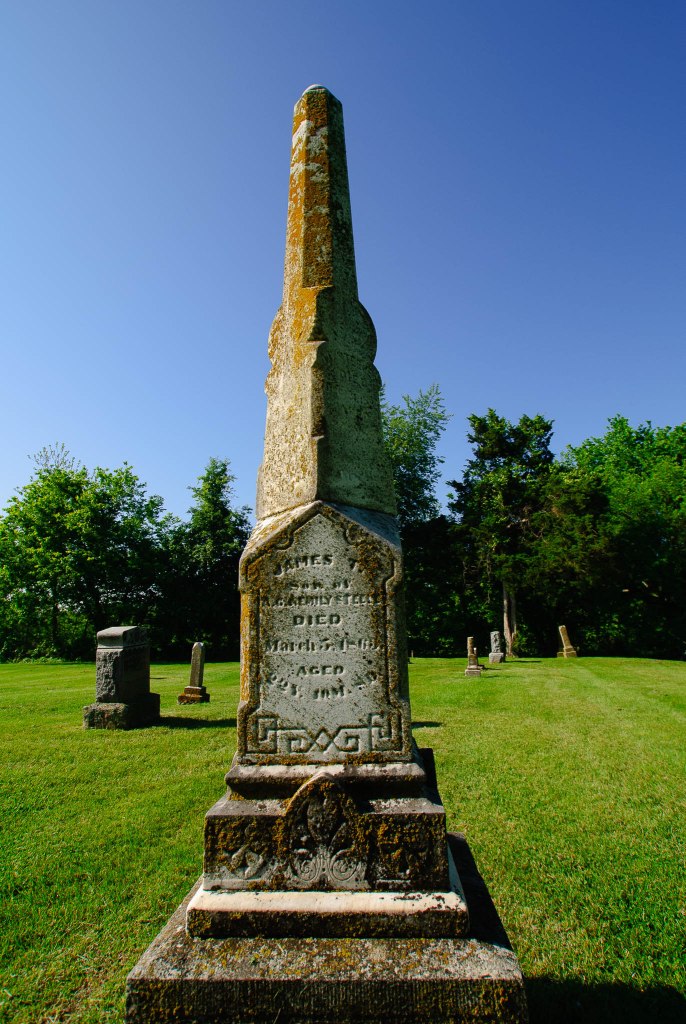
Many times I take photographs with the intent of creating a mood or feeling I imagine. And then there are times I take a photo of something because the scene or object catches my attention but I can’t explain it at the time. I took the original photograph of the image above on May 18, 2010, however, I didn’t create this piece until October 24, 2020. The original photo sat in my Lightroom catalog for over 10 years before I put created an image that I thought the scene reflected.
As you can see the original isn’t much. It is wonderful only as a documentary of the headstone, but as an artist, it left me with a ho-hum feeling.
My mind is a bizarre and mysterious place. I can go through my catalog of 33,000 images and begin to imagine things. Some work out others do not, but like the photo of the headstone, a photo can sit for years before I find something. Who knows, I may eventually find a different mood or feeling I want to convey with the image.
Take photos of things that interest you but also keep an open mind about creating something. Use your experiences, and memories to think creatively. Remember all the movies, television shows, books, and scenes you have experienced, and bring these together when creating art.
Often I take my photography too seriously by trying to create a sense of realism even though I may have altered reality. Yesterday, I played with features in Photoshop I have only toyed with but never used to create anything.
I decided that it really doesn’t matter about reality, it matters about creativity. It matters about imagination. It matters about art. With all the daily issues in our lives, we can definitely use the time to just play.
Try it, just let go and try some bizarre editing techniques. Make something up, try something odd or unusual. Creating art isn’t always about reality. We often times need an escape from reality.
I have often seen people who begin to learn photography and photography techniques too seriously. They get nervous to learn things like using a Speedlight for flash photography or low-light photography.
Go out, play, and have fun with it. That is all for today, short and simple.
I’ve said many times before that we photographers can alter reality without Photoshop. We alter reality with a variety of “tricks” that don’t really trick.
We can alter reality by the choices of lenses, shutter speeds, lighting, aperture, and more.
We don’t worry about reality in paintings, drawings, or sculptures as art. We accept it as art. I choose to put photography in there as well. I don’t worry about reality when I am doing my photographic art. If I can alter reality with my camera and “special techniques” I believe I can also use Photoshop techniques as well.
Let your art become free and expand your creativity, not only through the magic of Photoshop but also through the magic of camera techniques and lighting. Learn to use all your photography tools to create magic. Show us what you can create.
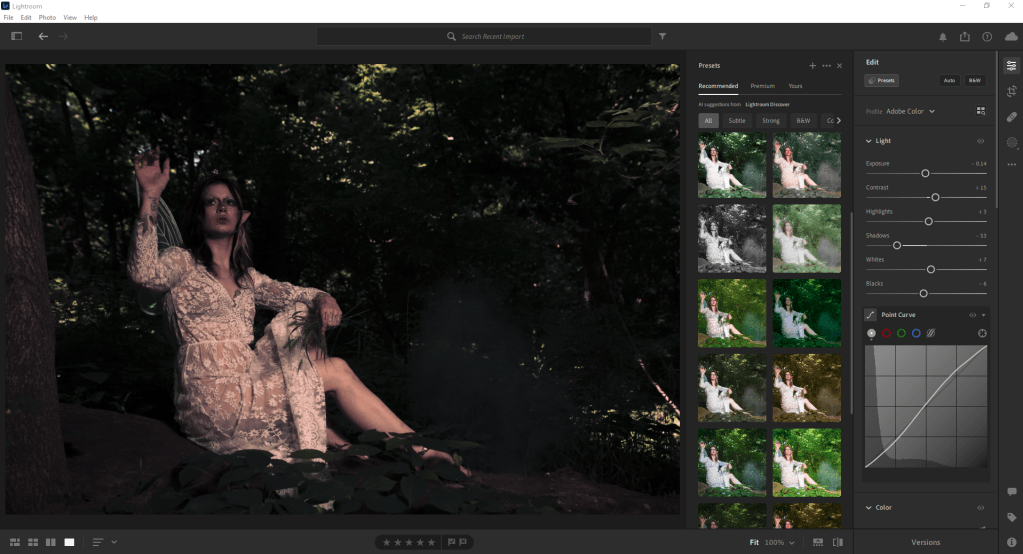
Wow! What an exciting experience this has been exploring the remix of the Adobe Lightroom community. It has been very inspiring to me. I have discovered that many others like me edit in unique styles. What I also find very interesting with using Lightroom is that you can create versions of images, and compare them. I know you can do this sort of thing with Lightroom Classic as well, it just works a bit different.
A remix from Rishi KumarA remix from Jennifer SavageA screenshot from Discover
You can also “discover” preset that Adobe recommends by “analyzing your photograph. This is one of the most exciting things I have learned recently.
I don’t want to make this sound like an endorsement of Adobe products as there may be other digital image processing programs with similar features, but my point is to not fear putting some work out “into the wild” and let others show you their take on the image, I have found it has given my more hope for creative processing of photographs.
I made a discovery yesterday evening! There is a feature in Adobe Lightroom that allows you to edit an image and submit it to the Adobe Lightroom community to allow them to remix your edit. It is interesting to see how others would edit your original image. This is a wonderful way to get a fresh look at how others would develop your image which, to me, can enhance creative thinking. I mean think of it, people from all over showing you their creativity with your image.
This isn’t like sharing with a social media group. There isn’t really a way for them to “critique” the image. So far, I haven’t seen a single issue with people being a jerk about photographs or edits. It is just creative minds giving their take on your image.
If you’re an Adobe Lightroom user, give it a try. It just may boost your creative thinking.
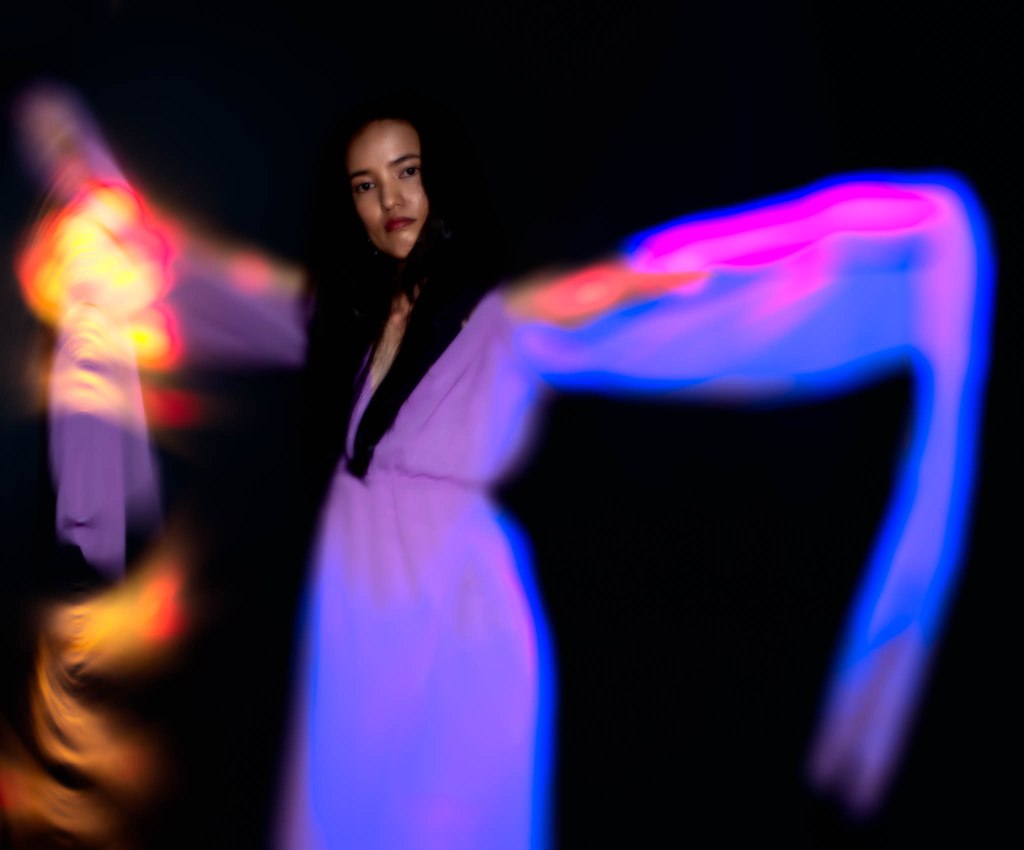
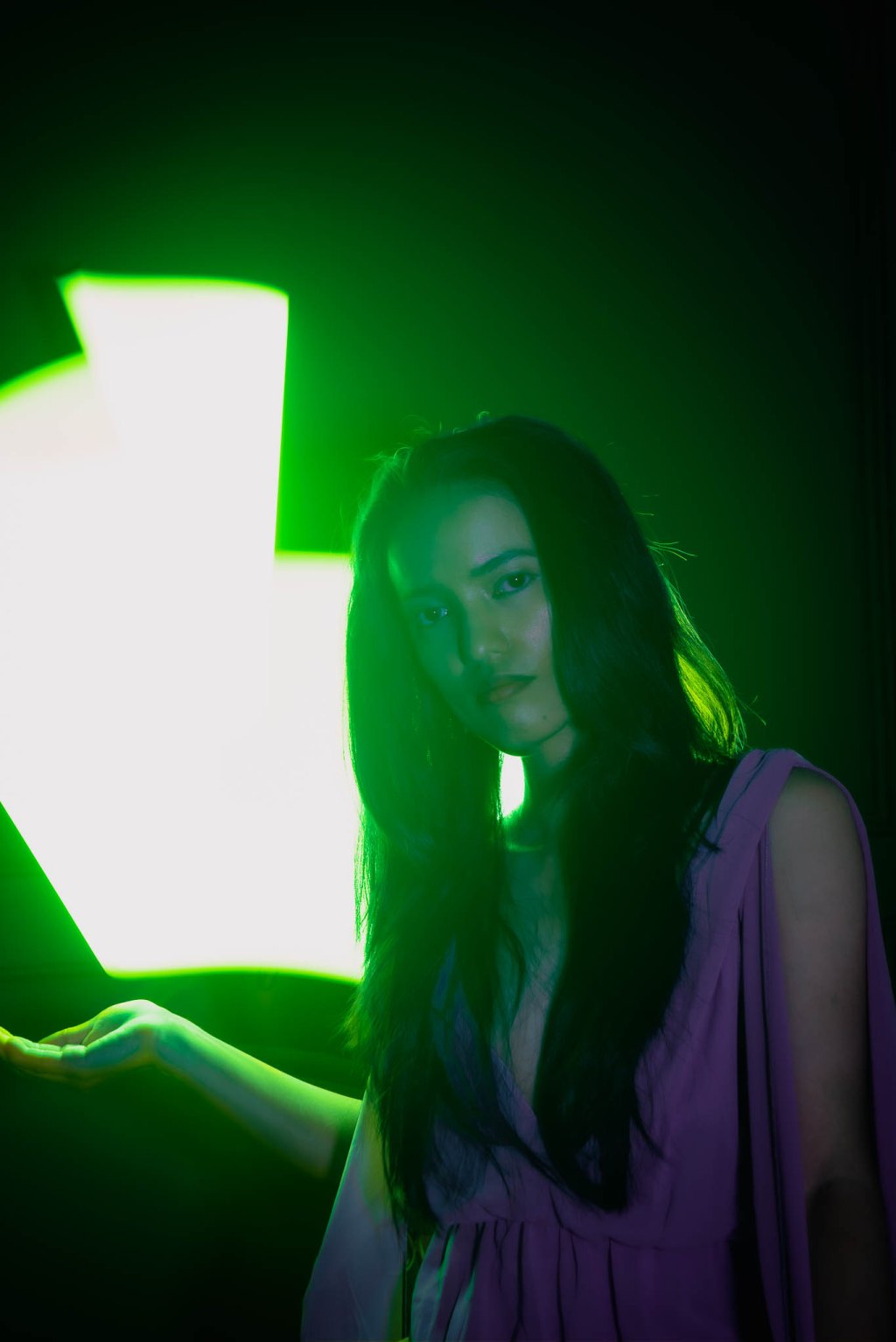
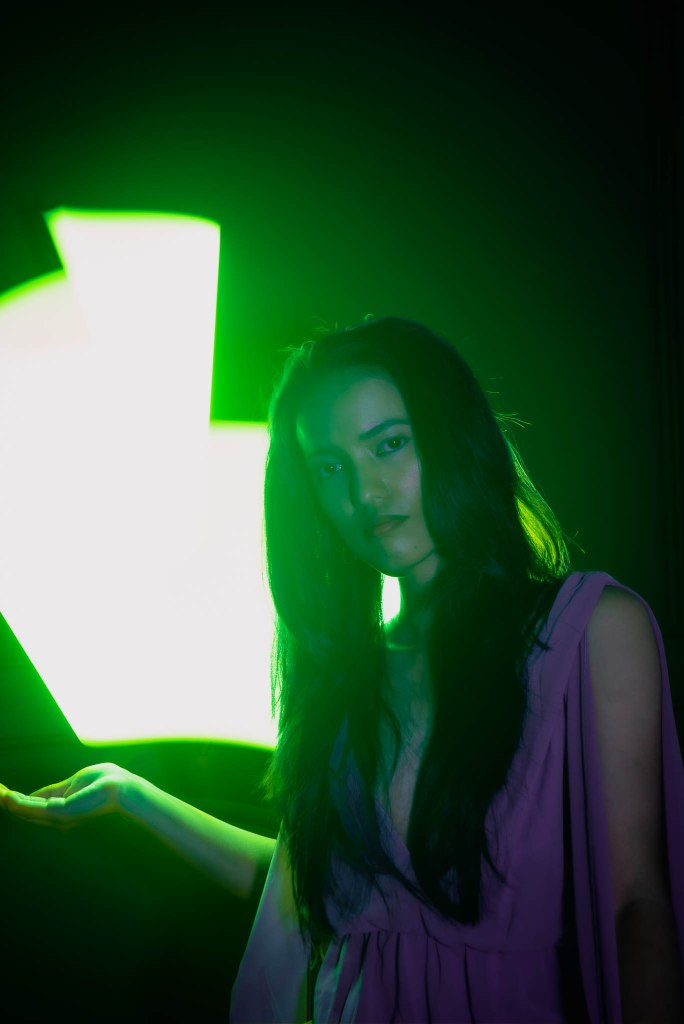
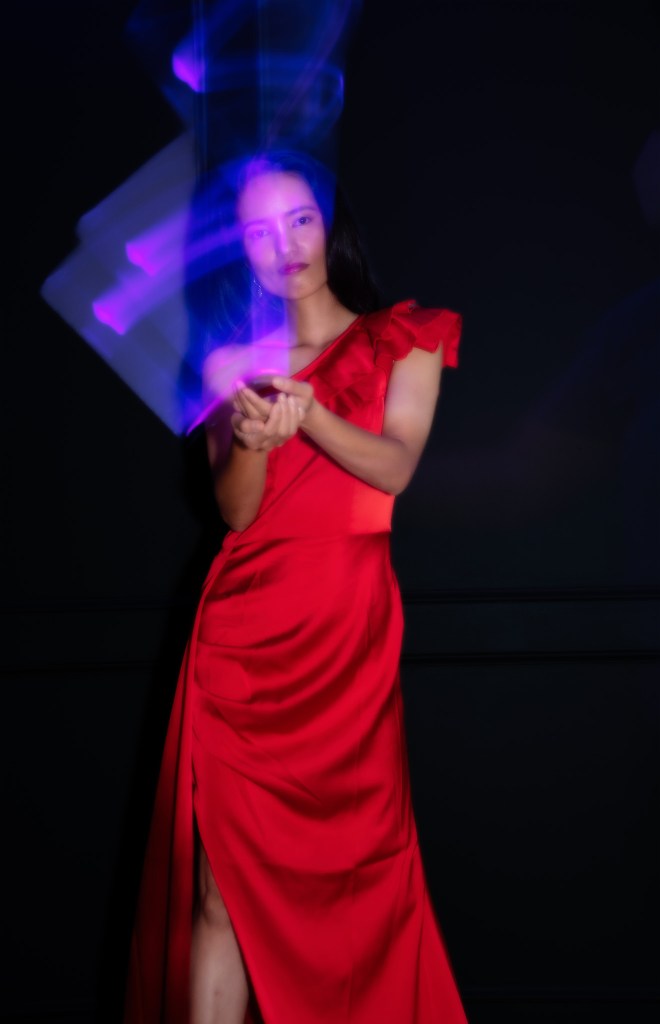
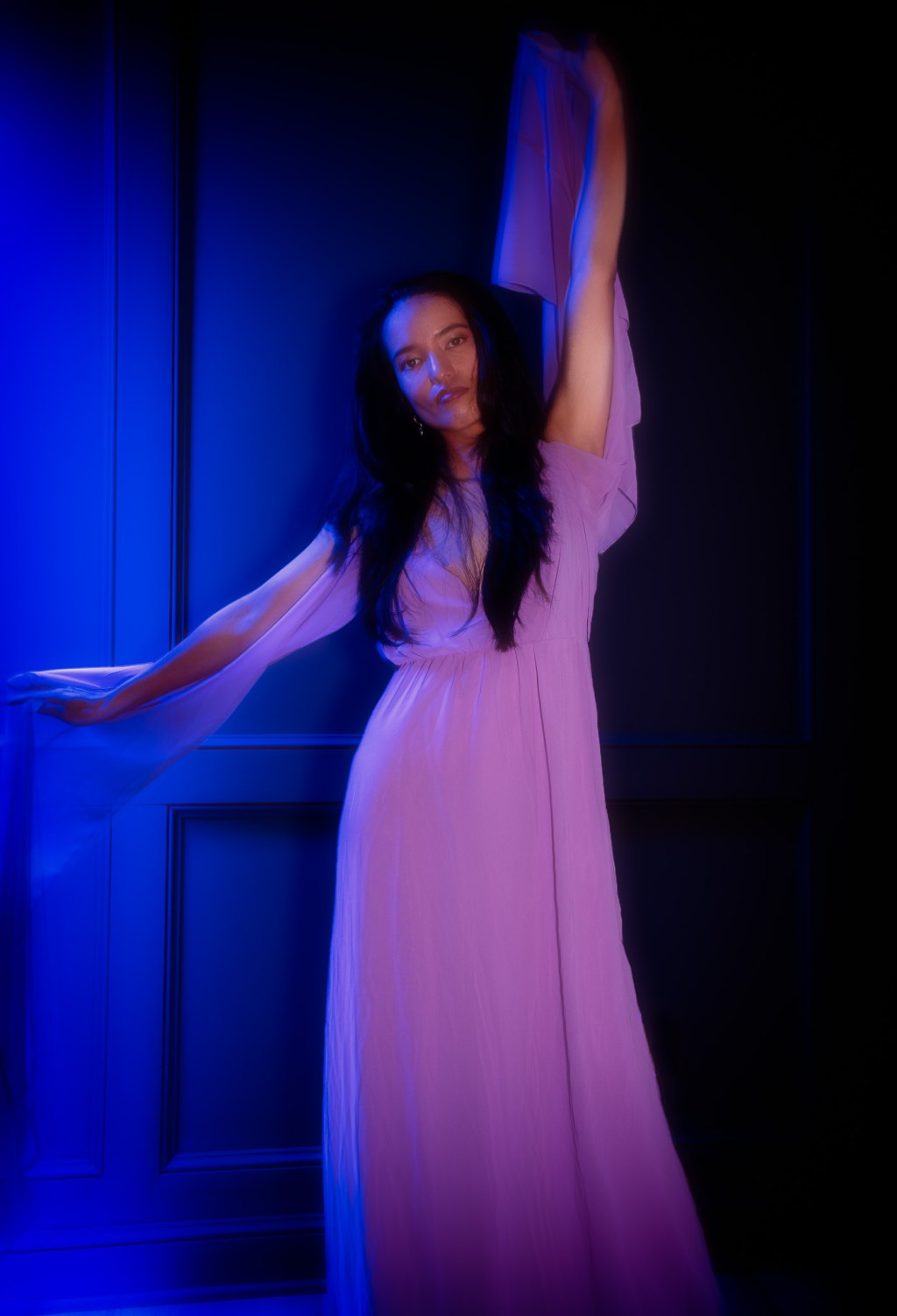
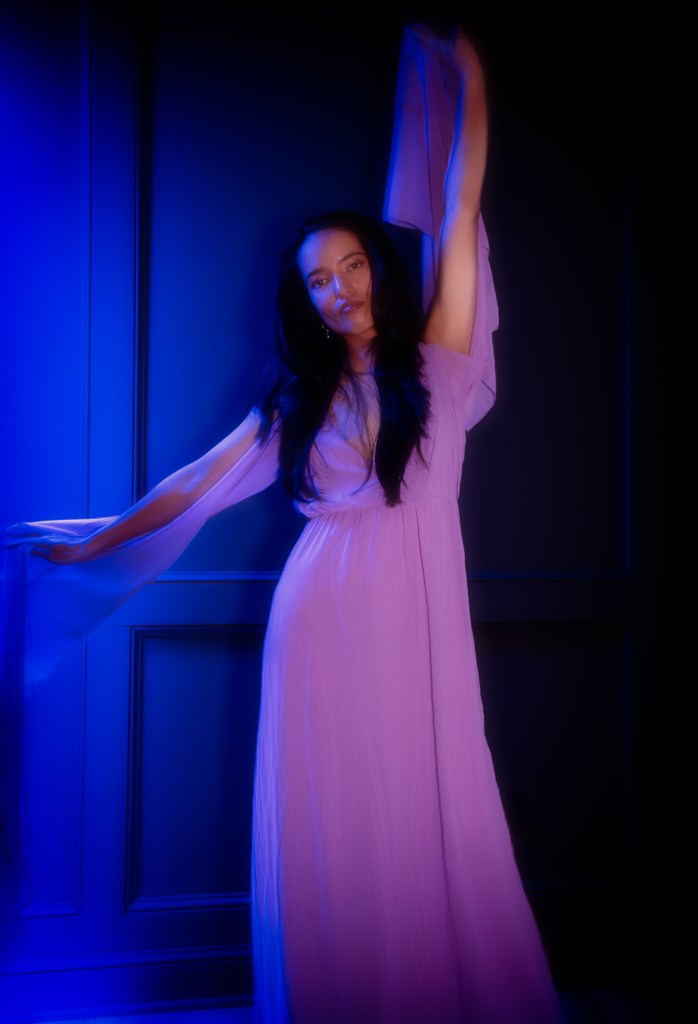
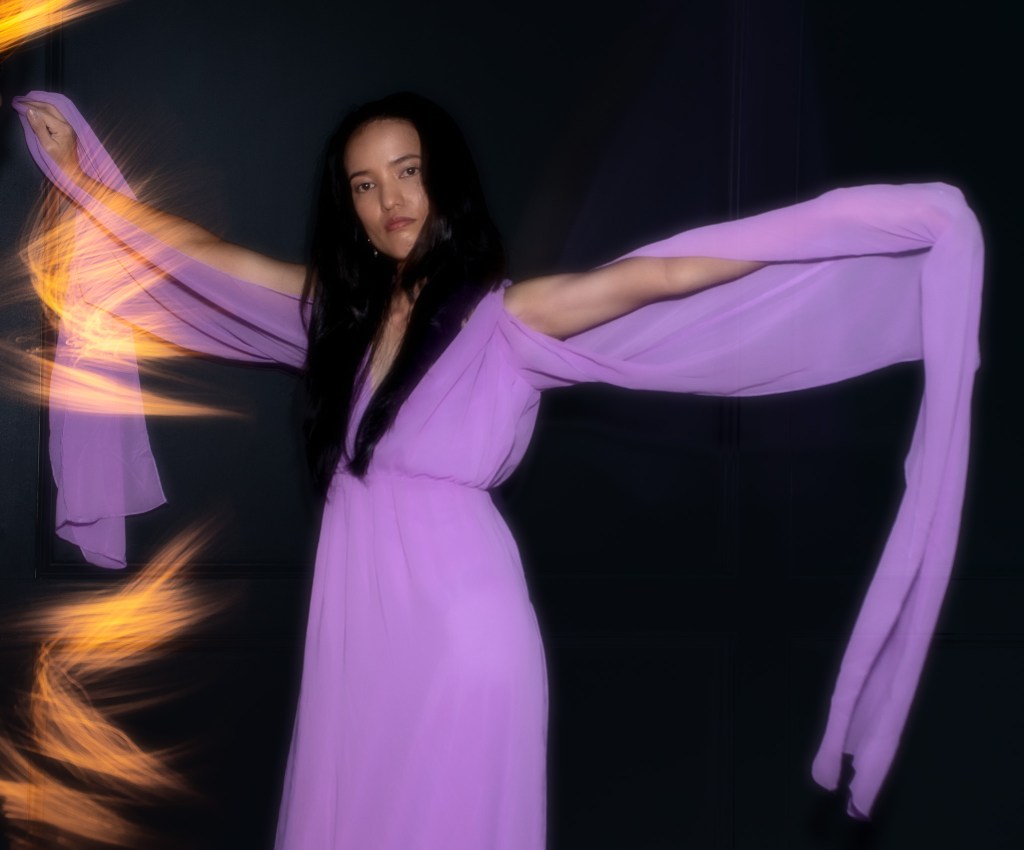
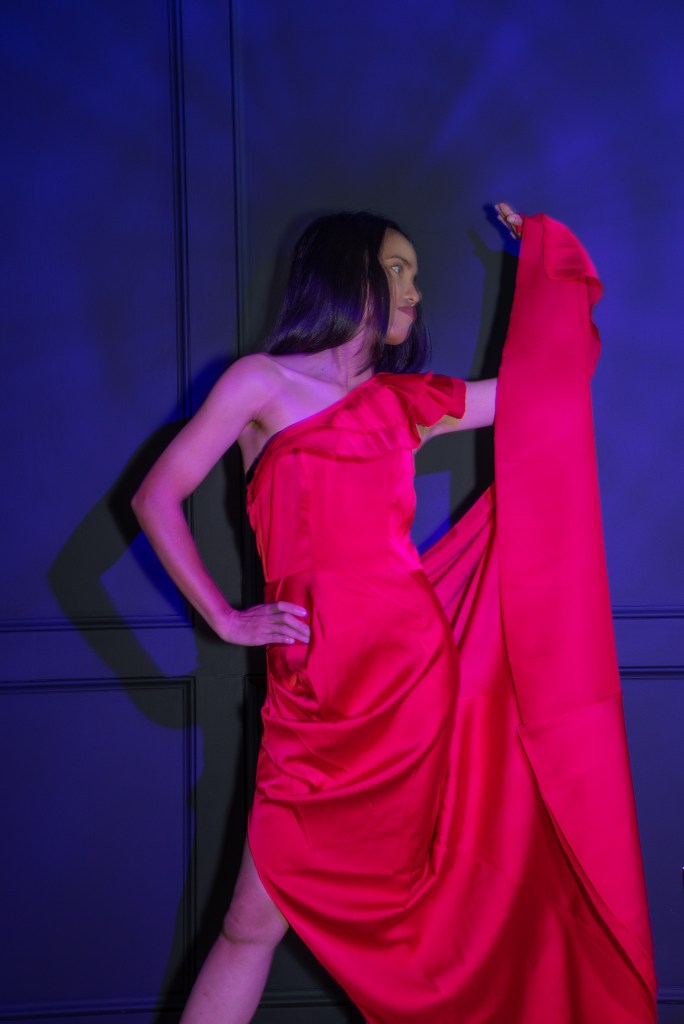
Yesterday, I spent the morning with another photographer working low light portraits and light painting. This was a fairly new concept to me. I have seen photographs where this was done but in all the years I’ve been involved in photography I had not tried this technique.
I bought an LED light wand recently to try these things. Fortunately for me, the other photographer had worked with some of these things before.
I found it to be a very unique experience but one that typically requires some assistance.
The exposures were all 2 to 5 seconds with a rear curtain flash at the end which was set to manual and powered down. We were generally at 1/16th power on a speed light. While I’m not 100% satisfied with some of the results I did gain some experience about how to proceed in the future.
As I have written before, push your boundaries, and learn new techniques and creative ideas.
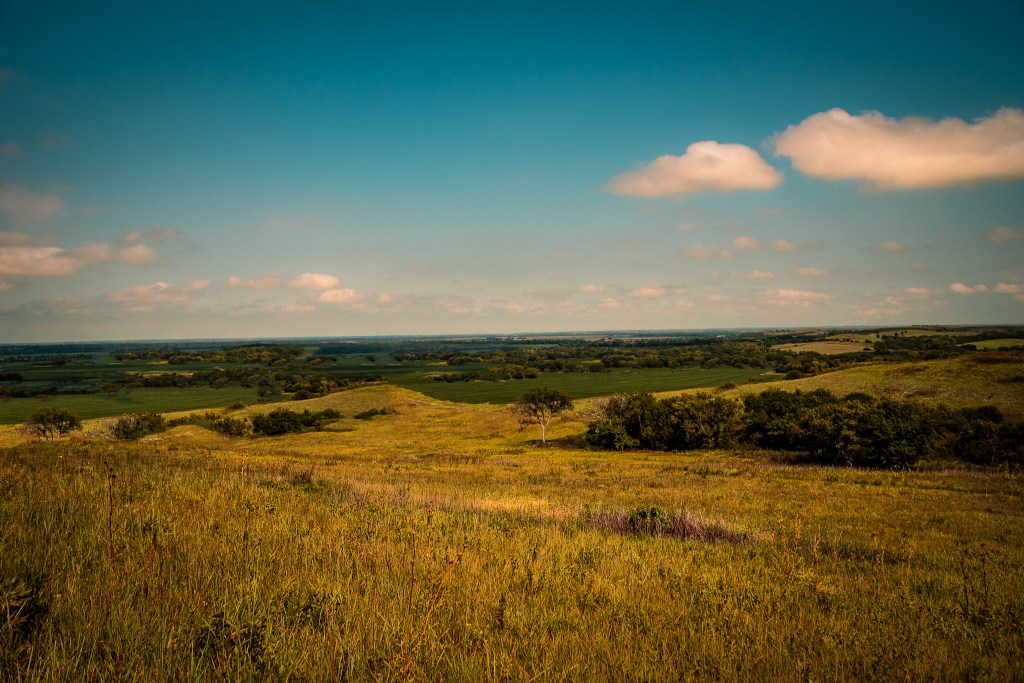
It is very difficult today to find areas of the world untouched by mankind. So many places we go are cluttered with buildings, roads, power lines, and other manmade structures. When I travel through rural areas I often envision them in times before mankind “settled” the land. I envision a time when people and animals roamed free, untethered by civilization.
Fortunately, for me, I can do a bit of Photoshop “magic” and remove signs of civilization.
What is your personal best? Is it a single image? Is it a series of images? Can it be your personal best of a session or outing? Do you even have a personal best?
I see book titles, TED talks, motivational articles, and quotes nearly every day talking about creating your personal best. Each of these talks about what to do to achieve your personal best. It is actions, it is words, it is a mindset, it is all sorts of these things. But, what does it all mean to you and me?
My personal best is relative, it changes from day to day. It may change from moment to moment. If you are like me, I live in a fluid ever-changing world. There are things I can control and there are things beyond my control. What I always have control over is how I react to each. The same goes for my photography. When I am out taking photographs whether they are in a studio or on location there are things I can control and things I cannot control. Let me take today’s weather as an example. Yesterday there was a chance for rain in the early morning hours. I am awakened at 5ish AM to the sound of thunder. Now there is a significant chance of rain nearly all day long. I can not control the weather, but I can still do my photography, rain or shine and it may alter my best. I may not be able to achieve the photographs I had planned but I can modify the plan and still work to achieve the best results I can.
Realizing your personal best may not be the absolute best. How many times have we seen others suggest that we move further from or closer to our subject even though they were not there at the time? It may not have been possible, but did you achieve your personal best given the circumstances as they presented themselves? Maybe. Only you can answer that question.
My take on achieving my personal best is an internal decision for me. I strive to put all my knowledge, skill, training, and effort into achieving my best but after I’ve completed the tasks at hand I review and ask myself is this your best? Rarely do I answer no because while it may not be the best I’ve ever done it may be the best I could achieve given the circumstances. If it wasn’t I have also achieved the knowledge that I can do better. I’ve learned what I need to improve upon and the next time I’m faced with those conditions I know what I need to do to achieve my best this time.
Open your mind that your best is always for the moment. The next time your best may be more or it may be less. Strive each day to do the best you can at that moment while remembering we live in an ever-changing world where we cannot control everything but merely adapt to the moment.
We see this type of headline often. Things like 10 simple steps to great financial freedom, or 5 easy ways to improve, or the greatest myths about ____________. Often the headline makes us curious about what fascinating information and insight the authors have to bestow upon us. Some will even go so far as to say, these are “proven” methods but when we get to read them we rarely see the proof. Well, I thought I would do something similar except I am not going to prove it.
We rarely question a painting or drawing as being exactly what a scene looked like. We understand it is an artist’s rendition of something or someone. With photography, we often demand that the scene be an exact recording of a scene or person. I won’t even say expect, we often DEMAND IT! Especially photographers. Why is that? Is it that other photographers are familiar with taking photographs? If we weren’t there at the time do we really know what the scene looked like?
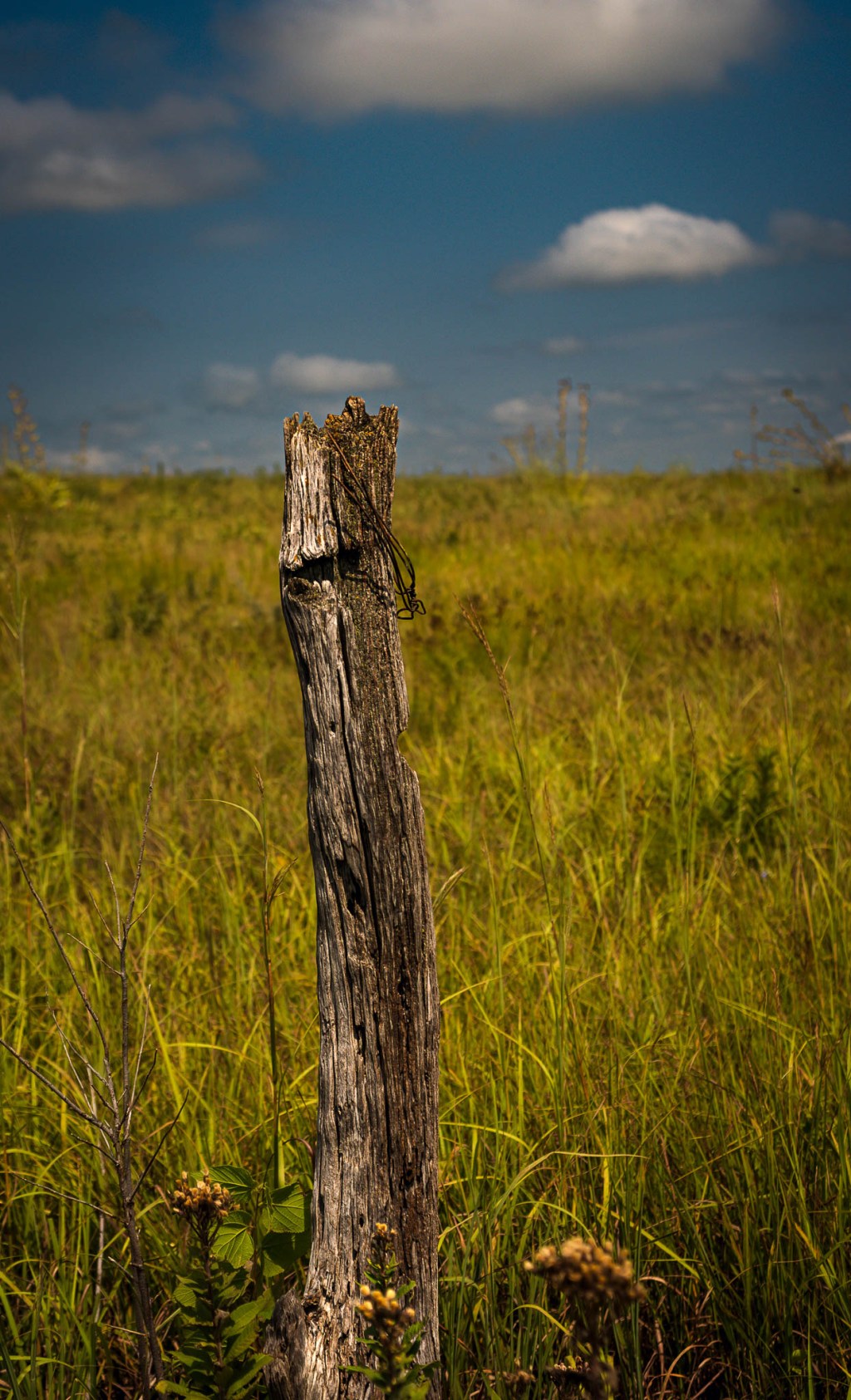
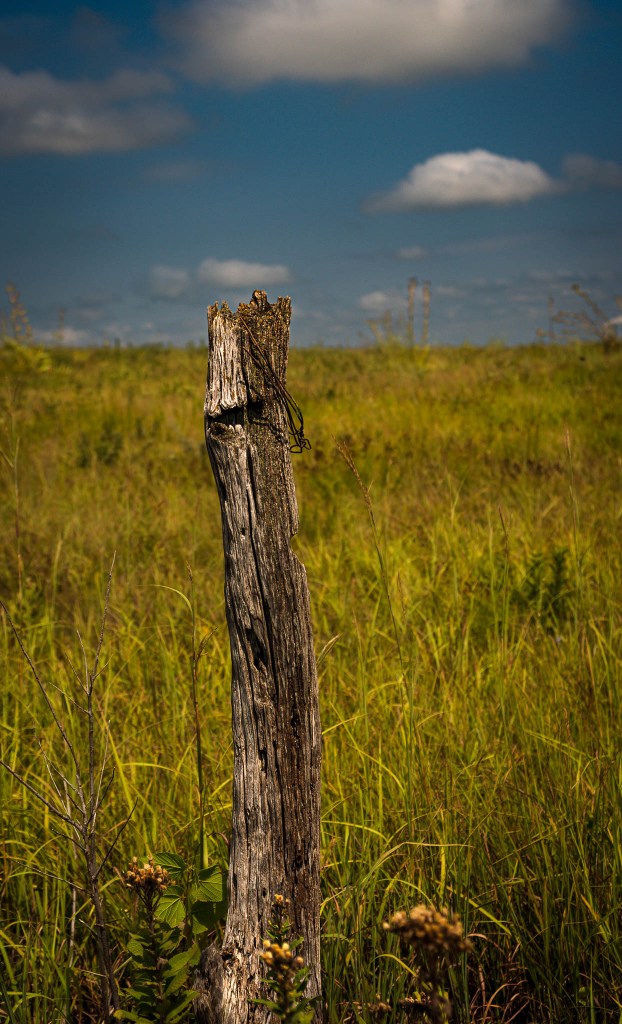
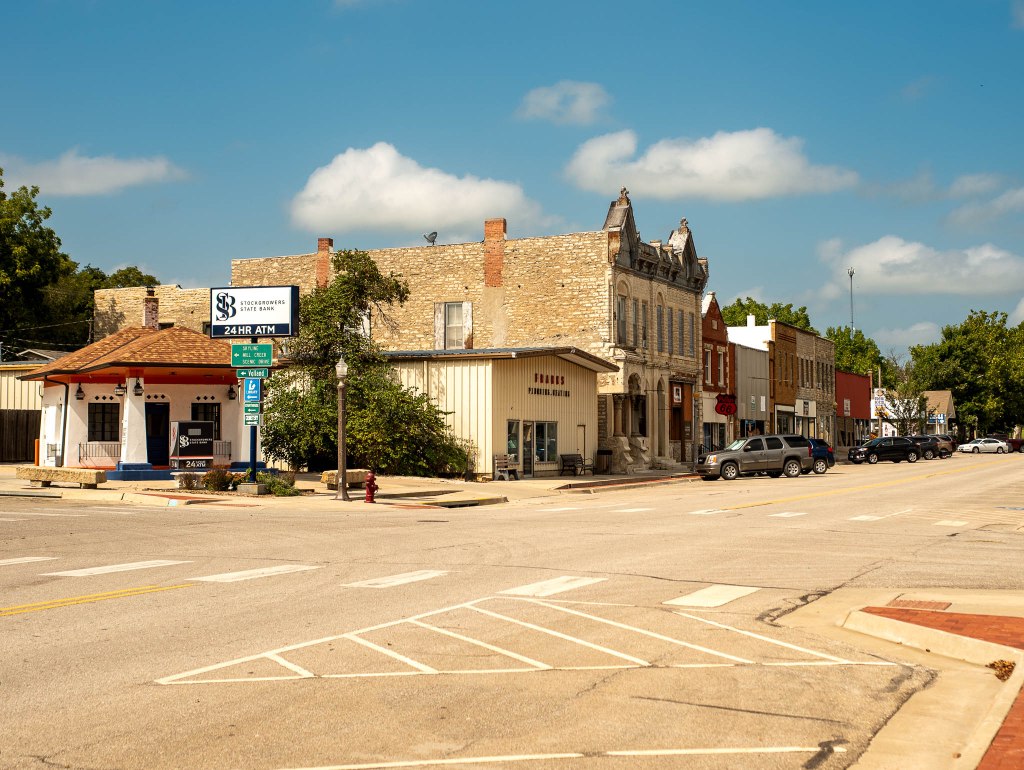
If I were to give you the details of the exposure of the featured photograph, 1/500th of a second at f/5.6 using a 24-70mm f/2.8 lens at 48mm with the ISO of 100 using a Nikon D750 could you really make an exact replica of my image? Maybe but most like not. Not unless you were at this location on September 3, 2021, at 2:48 PM. It may be close but it won’t be the same. The light is different.
There is often so much emphasis put on the technical data of a photograph we forget the greatest influence on the look of a photograph is light and the skill of the photographer. The biggest myth of photography is that knowing the settings of the camera when a photograph was taken will give you enough information to recreate the shot. You may get closer if I included the lumens.
Stop worrying about the camera settings someone else used. Do you really want to recreate the work of someone else or do you want to create your own work? You might even get something better than what you’re attempting.




 Photographer Clay