Blog

  • My photography future

    My photography future

    This post is going to be somewhat of an announcement and somewhat of a roadmap for myself. In a bit over 5 months, I’m re-retiring. Not from photography or blog writing but from working a “9-5”. The last time I retired was in 2011. During the time I was retired from working I took loads of photographs and even some photography trips.

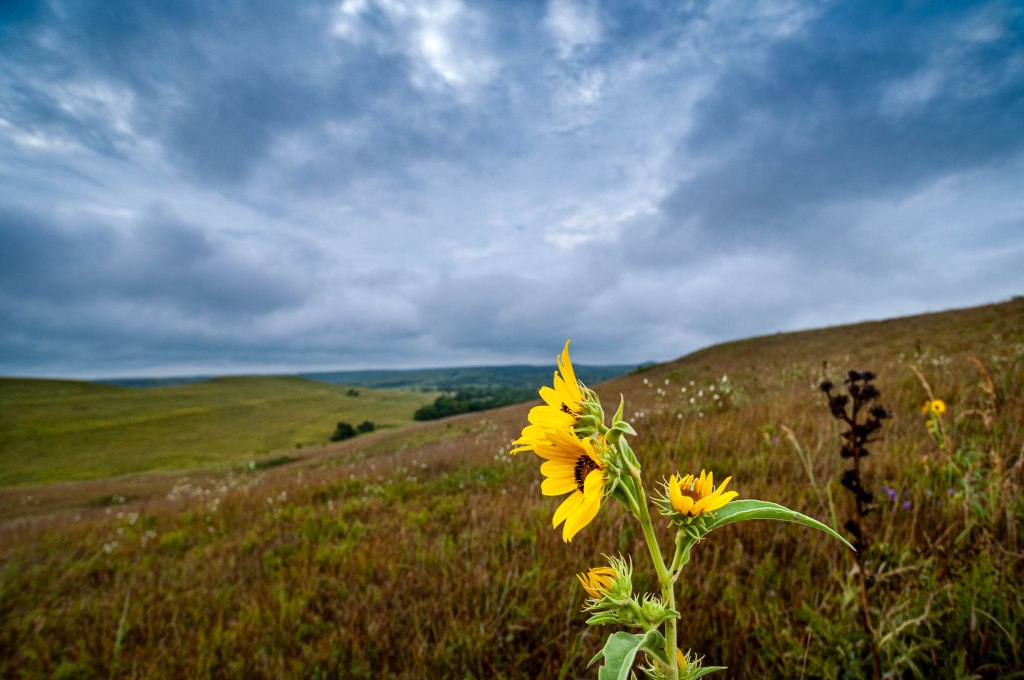
    I’m currently working out logistics in my head of where I want to visit for my first photography trip. It doesn’t have to be far. While many may not believe there are many aesthetic places in Kansas and Missouri I would also argue that “you’re just not seeing, you’re only looking”. Even though I may be “getting older” (I really don’t feel like it) I believe my photography is just getting started and with more time to dedicate to my photography and writing, I can’t even imagine where I will be a year from now.

    During these next 5 months or so I’m working on getting some skills honed, and sites set up (including this blog which I plan to expand). I want to include you all in my next adventure so I decided to give you a “heads up” to prepare to follow along with my adventures.

  • Seeing art versus envisioning art.

    Seeing art versus envisioning art.

    I can art but that doesn’t mean I can envision art. It is much easier to photograph something or someone that already aesthetically looking. The true artist can see the aesthetic value of many ordinary everyday subjects. It is our vision to bring out the beauty in the ordinary. Look don’t just see.

  • A new dawn of my photography

    A new dawn of my photography

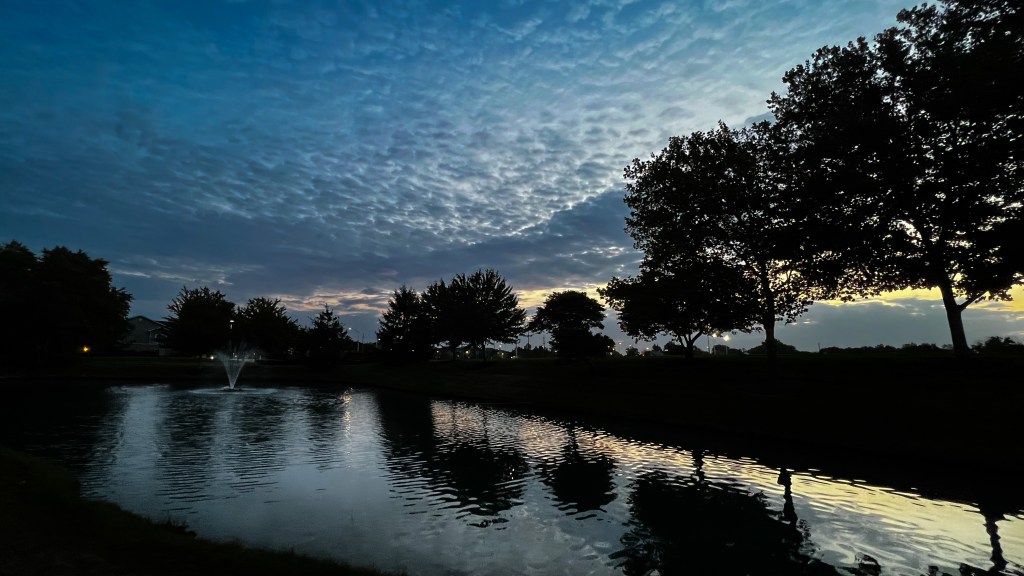
    Sunrise over the pond

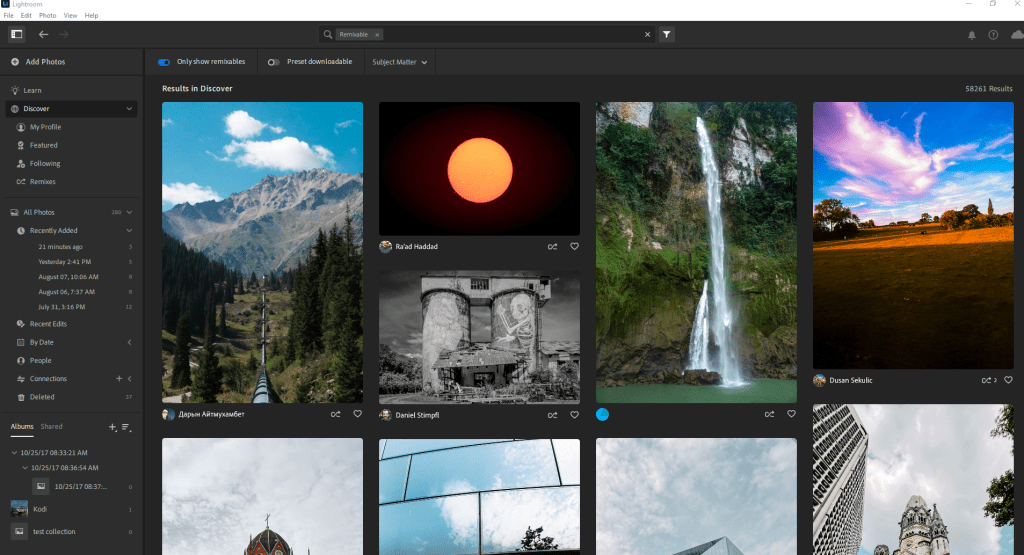
    One of the first things I did this morning was to open Lightroom and browse through some of the community photos. I don’t mean Adobe Lightroom CC (the desktop version) but Adobe Lightroom that you can use on a mobile device, tablet, or desktop.

    Adobe Lightroom Discover

    I have begun to re-realize that the sign of a true artist is not being able to see artistically in things that are already artistic but being able to see art in the ordinary world around us. Seeing how others may view our small section of life and the world around us and how we envision life and the world around others.

    In addition to discovering more of the work of others, I have also found that I don’t always need to have my “big” camera to create art. I can create interesting and creative art with my smartphone. I have re-learned to see the world around me.

    I don’t intend to give up or replace my dedicated camera gear but this newly found venue of a greater community of artists willing to not only show their work but to allow others to process and show how they envision the scene has given me a fresh look at creating art.

    I understand that not everyone uses Adobe Creative Cloud products giving them the opportunity to work with the same community as I can. If you do use these products I encourage you to try it out. If you don’t use these products, find a similar community. For me, this community has rekindled a new adventurous creativity.

  • How seriously do you take your photographic art?

    How seriously do you take your photographic art?

    How seriously do you take your photographic art? How much effort goes into the initial image? Does the same amount of effort go into the final artwork?

    I have always said that the camera cannot reproduce the image I have in my mind’s eye. I can often get close but it is very rare that the final work is complete at that time of the shutter release. As much as I love technology until it gets to the point where the camera can “read my mind” (and I am not sure I want that) I will always further develop my photographs using software or darkroom techniques to further bring them to match my vision.

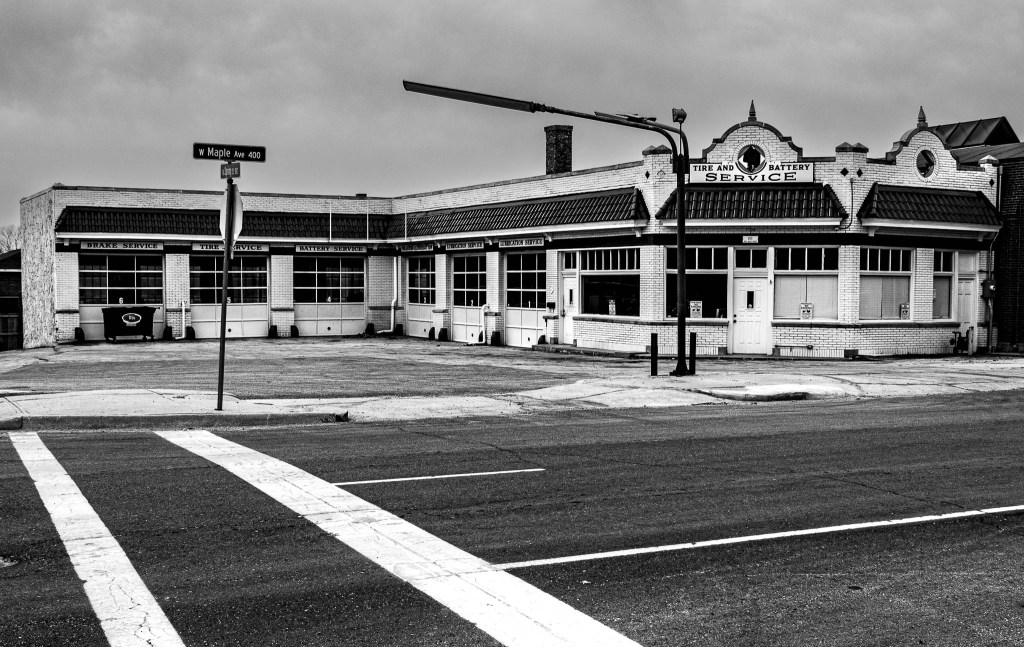
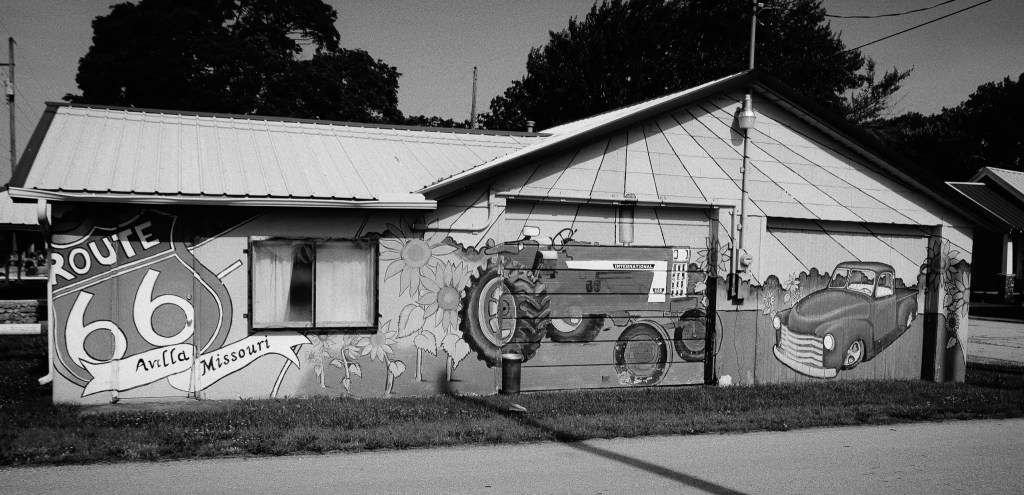
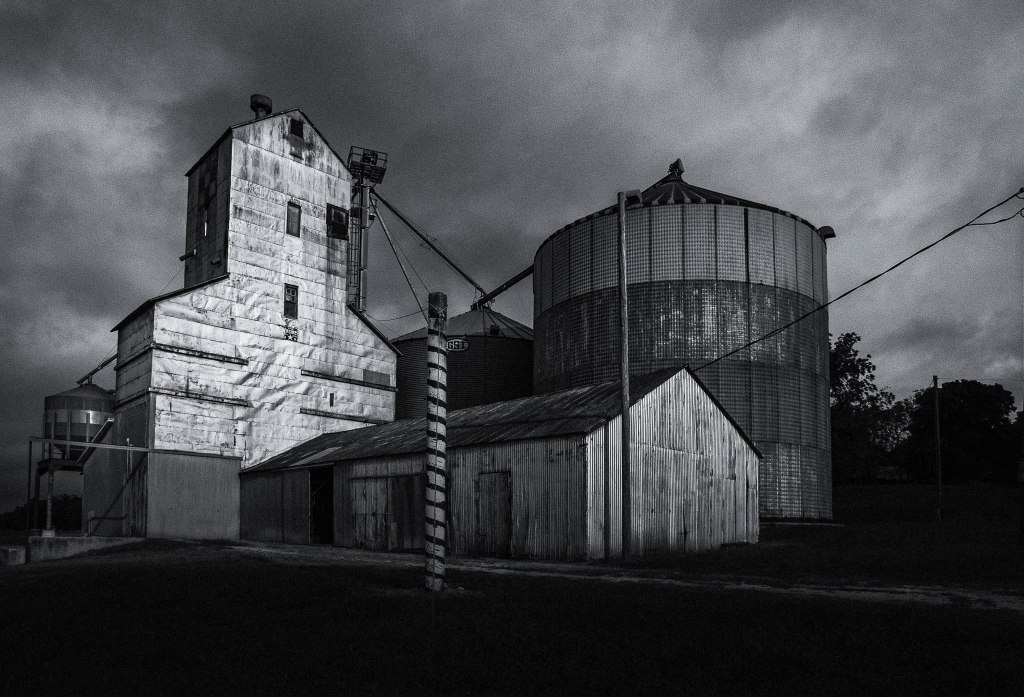
    The amount of time to develop the featured image was more than the actual time it took to set up and capture the initial photograph. I added nothing and removed nothing but to match my vision there was a lot of work done. Correcting perspective due to lens distortion, conversion to black and white, dodging and burning, along with adjustments to contrast. Modern software made the process a bit easier but even with the built-in artificial intelligence in making selections I needed to manually assist in fine-tuning the selections.

    While I take my photographic artwork seriously it doesn’t mean I don’t have fun and enjoy it. The creation of the final piece of art is personally rewarding to me. I love seeing my vision come to life.

  • Ever changing art styles

    Ever changing art styles

    Forgotten past

    During my quest for art, I may find a subject that is a bit of artwork itself that requires little creativity on my part. That doesn’t mean I lacked the creative mindset to create my own but that I had the creative vision to recognize the art in the subject. Years before I photographed this vintage building it was a busy and vibrant service station complete with gasoline pumps, and several mechanics to service your vehicle. It had transitioned to a variety of different other businesses once the gasoline and service station closed but nothing ever lasted very long. What always remained was the building.

    I often feel like that is what happens to my photography. My photography transitions from one thing to the other but only temporarily operate in the “building”. For me, this is both a good thing and a bad thing. It is a good thing because I believe it keeps me thinking moving forward. On the other hand, I find it difficult to stay focused on longer-term projects.

    In the coming months, I am going to be working to find a way into channeling my eclectic mindset to get both changing directions while staying focused on long-term projects.

  • Does your art send a message?

    Does your art send a message?

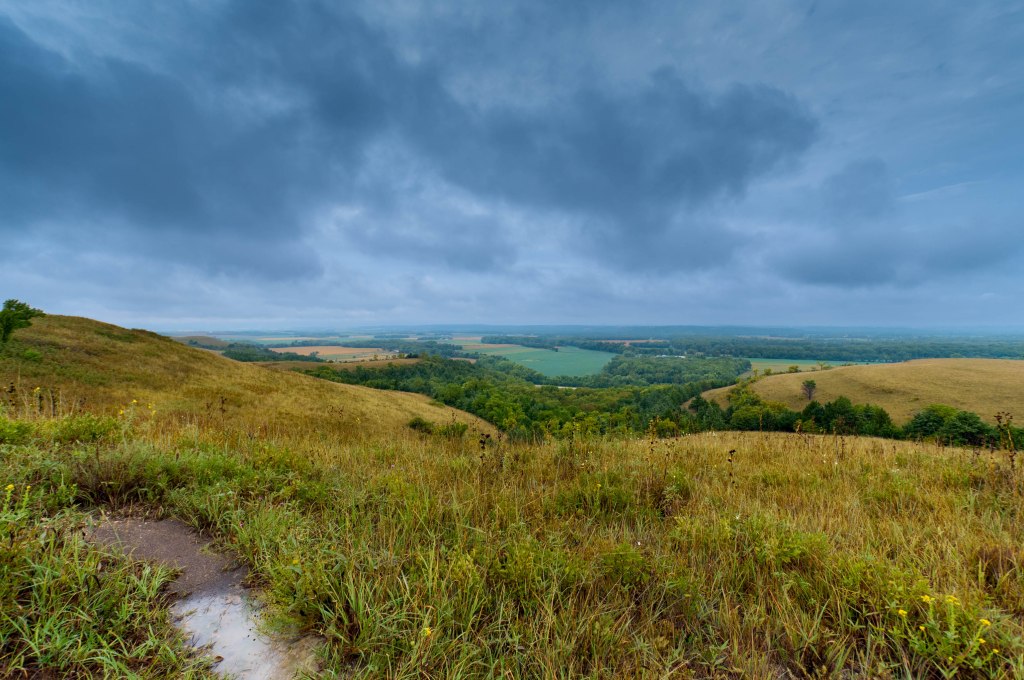
    Weathering the storm

    Does your artwork send a message? Or is it merely attempting to be a two-dimensional copy? What, if anything, do you want your photographs to say to the viewer? I will try to send a message with my photographic art. I may not always succeed in relating the intended message. Just like written or spoken words the actual message can often be missed or misunderstood. One way I have learned to help convey the intended message of my artwork is by titling each piece.

    I haven’t always done so and I often still fail to give my work a title or caption, but I realize the importance of doing so. One of my goals, aside from getting more photography done, is to title and/or caption my works. I have also learned that it is important to give an artist statement, about your general work and about each photographic project. Doing so, I have come to understand helps to deliver the message I, as an artist, intend to relay to the viewers of my work.

  • Use your photography tools

    Use your photography tools

    Yesterday, I was reminded of a quote, “Use what talents you possess: the woods would be very silent if no birds sang there except those that sang best.” Henry Van Dyke Jr.” For those who don’t know who Henry Van Dyke Jr. is, he was an American author, educator, diplomat, and Presbyterian clergyman. We may never rise to the level of artists or photographic masters we often revere but it doesn’t matter. Create your art and photography using what talents you have and show the world. You very well may be the inspiration others need at the moment.

  • Artistic visions using macro photography

    Artistic visions using macro photography

    There are times I see something and just think, photograph it, it looks too cool but what if you make it unrecognizable? Aside from a bit of color grading, this is exactly what I photographed. When I looked at the object it was all about light, shadows, and patterns. I know it is just basic abstract work but we often don’t think in abstract terms. I often go back to how children look at things such as looking through the tube from a used paper towel roll or making a circle with your hand and looking through it.

    Macro photographs often lead to some abstract looks with shapes, patterns, and textures.

    We often don’t examine the world around us closely.

    These are things I need to explore again and get close to subjects, I mean really close to them.

  • When color gets in the way

    When color gets in the way

    One of my favorite processes to use is to convert to black and white. I often believe that color gets in the way of the subject. I was taking a bit of a walk one day and I noticed the rain drops on a pine tree. The scene got my attention because of the shiny water drops with the sun shining through them against the sharp edges of the pine needles.

    For me, it doesn’t have the same effect as the scene when converted to black and white. My eyes get too distracted by the green grassy area to the left.

    This happens to this photo as well. I find the color to be a distraction.

    The black and white version has much more drama and is much more thought-provoking to me. Use color, or lack of, artistically. Think like an artist. Act like an artist. Doing so raises our photography to art rather than just snapshots.

  • Photoshop Camera

    Photoshop Camera

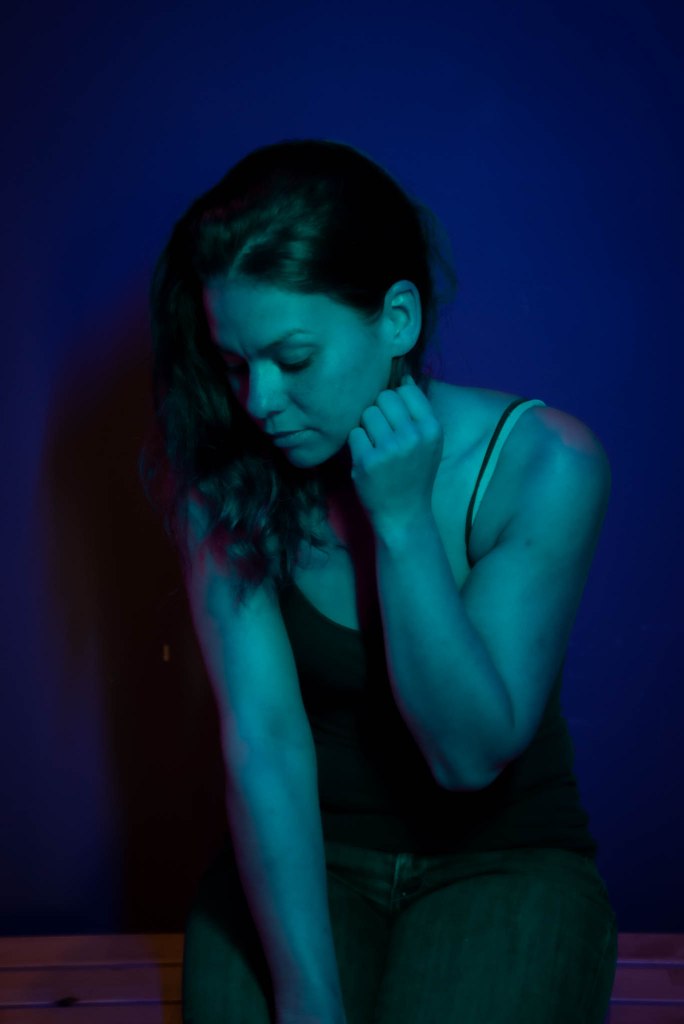
    Months ago I downloaded an app for my iPhone called Ps Camera. Some of the filters you can get are very different. Some of the filters emulate analog film while others are quite interesting.

    It is fun to play with and create some very unusual looks.

    Photography doesn’t always have to be serious. It’s okay to use filters and apps. It’s okay to do cellphone photography. In fact, this entire blog post was written and created using my iPhone.

    Art is art regardless of the media or method. Expand your method and mind. Create using all tools you can.