Whether or not I edited a photograph of mine doesn’t matter to me. I strive to captivate the viewer in my photography, effectively conveying my emotions about a specific subject or scene. In the past, I often responded to questions like “Was this edited” or “Is this Photoshopped”. My typical response became, “I use a variety of tools and techniques both at the time of capture and in post-production”.
Here is why I now believe it doesn’t matter. If they asked that question, it engaged the viewer therefore it is a success. In addition, all photographs are “edited” otherwise we would not be able to view them.
The Artistic Side of Clicking: Photography as a Creative Expression
Photography, the art form that lets you capture a moment with the click of a button, has long been a medium for creative expression. It’s not just about snapping what you see; it’s about conveying a story, an emotion, or a perspective. It’s the difference between a picture that says, “I was here,” and one that says, “I felt this.”
For those who pursue photography as an art form, it’s all about the aesthetics—the play of light and shadow, the composition of elements within the frame, and the colors that dance before the lens. It’s a pursuit that requires an eye for beauty in the mundane and the ability to see the world through a different lens—literally.
But let’s be real, it’s also about looking cool with a fancy camera and pretending to adjust settings while you’re actually just pressing random buttons. It’s about the thrill of finding the perfect graffiti wall for your Instagram backdrop, or the quest for the most dramatic angle of your latte art.
So, grab your camera, whether it’s a high-end DSLR, a vintage film relic, or just your trusty smartphone, and join the ranks of those who turn the ordinary into the extraordinary. Who knows, maybe your next snapshot could be the one that captures the heart of the art world, or at least earns you some solid likes on social media.
Remember, in the world of artistic photography, every shot is a chance to make a statement. So make it loud, make it clear, or make it hilariously abstract—because in the end, it’s your vision through the viewfinder that counts. Happy shooting!
Back in the “olden days” when I began my photography journey, we had to rely on physical filters such as polarizers and neutral density filters to control light and achieve desired effects. Additionally, creative darkroom techniques like dodging, burning, and color manipulation were essential for developing and enhancing photographs before the digital era.
The advent of digital cameras and advanced computer technology has indeed revolutionized the field of photography and graphic design. With tools like Photoshop, artists and photographers can manipulate images in ways that were unimaginable just a few decades ago. These programs offer a plethora of features such as layering, color correction, and digital compositing, which allow for the creation of complex and visually stunning images. Moreover, the efficiency of these tools enables professionals to produce work more quickly without compromising on quality, thereby enhancing productivity and fostering greater creative expression. The digital era has not only made these creative pursuits more accessible but has also expanded the horizons of what can be achieved artistically.
Artistic creativity is a unique and personal attribute that defines the essence of an artist’s work. It’s the spark that ignites the imagination, leading to the creation of something truly original and impactful. Whether it’s through photography, painting, writing, music, or any other form of expression, it’s important to hold onto that creative spirit. It’s what sets one apart in a world of repetition and imitation. So, cherish your artistic vision, nurture it, and let it flourish, for it’s your contribution to the tapestry of human expression. Remember, true creativity lies within and should never be overshadowed by the influence of others. We so often see others attempting to impose their artistic style upon us rather than offering inspiration and insight into their interpretation of art. It’s the individual’s perspective and interpretation that make art so diverse and extraordinary.
Photography is an art form that transcends the mere act of capturing an image with a camera. It’s a process that involves a deep understanding of composition, lighting, subject matter, and the message the photographer wishes to convey. The phrase “It’s not just about getting it right in the camera” speaks volumes about the philosophy behind photography as an expressive medium.
In the digital age, the camera is just the beginning. Post-processing plays a significant role in the creation of a photograph. Tools like Photoshop and Lightroom allow photographers to refine their images, adjust exposure, tweak colors, and even composite multiple images into a single piece of art. This process can be as simple as cropping a photo to improve its composition, or as complex as creating an entirely new world that challenges the viewer’s perception of reality.
Moreover, the intent behind a photograph is what gives it depth. A picture might be technically perfect but lacks the emotional impact that turns a good photo into a great one. Photographers often talk about ‘capturing the moment,’ but what they are truly seeking to capture is the feeling of that moment. The context, the environment, and the photographer’s unique perspective all contribute to this.
The art of photography also involves the physical presentation of the work. The choice of paper, the printing process, and the framing all affect how the final image is perceived. A glossy print might bring out vibrant colors, while a matte print could enhance the texture and depth of a black-and-white image.
In essence, photography is a multifaceted art form that combines technology, creativity, and vision. It’s about using the camera as a tool to create something that resonates on a deeper level, something that stirs emotions, provokes thoughts, or tells a story. It’s about the photographer’s ability to see the extraordinary in the ordinary and share that vision with the world. It’s not just about getting it right in the camera; it’s about getting it right in the heart and mind of the beholder. Photography, therefore, is as much about the journey after the shutter is pressed as it is about the preparation leading up to that decisive moment.
Recently, I joined a social media group focusing on Photoshop and Adobe Lightroom. It is a very large group with over 100,000 members with it’s focus on “photography, Photoshop Art, Photo Composites, Digital Art, AI Art.” What I find both interesting and disheartening is the number of members that are insulting or belittling when another posts an example of their work. Often the comment goes something like, “way overprocessed making this photo look like a painting” or “This is no longer a photograph but a picture” (I’m still trying to figure out what that means). What is even more intriguing is often the members making such comments haven’t shared any examples of their work or the work they generate is a basic photograph that, in my most honest opinion, that appears to be a “saw scene took picture of same”.
There is nothing wrong with a basic simple photograph in the world of photography as long as it is done well and at the same time, there is nothing wrong with working to be creative. What is wrong is becoming insulting, belittling, or rude because a style doesn’t fit your style. In my best “The Dude” voice I want to say, “Yeah, well, you know, that’s just, like, your opinion, man”.
Photography has changed for me and for the better. Photography has become more about the art rather than the technical. The technical aspects are important but with the best techniques, the camera still cannot capture what I envision. It is about the artist in the photographer to bring out something that engages the viewer, even if the viewer is just the photographer. How did this change come about? I began to listen and experiment based on one of the finest photographers I know.
I started using Photoshop 14 years ago and actually believed I had a decent understanding of the program. Then you’re reminded of the old adage, “you don’t know what you don’t know”. The re-awaking has reminded me, don’t stop pushing yourself, don’t stop learning, don’t stop trying new things.
Photography is not just an art; it’s a journey that captures the essence of moments, emotions, and the world through the lens. For many, it starts as a hobby, a way to document life’s events, but over time, it can blossom into a profound passion. However, like any journey, the path of photography can have its ebbs and flows. Sometimes, the initial spark that ignited the love for photography may dim, leaving one to yearn for that lost connection.
If you find yourself in this place, longing to reignite your passion for photography, take heart. You’re about to embark on a beautiful journey of rediscovery. Here’s how you can rekindle that fire and fall in love with photography all over again.
Explore New Horizons Step out of your comfort zone and challenge yourself with new subjects or techniques. If you’ve always been drawn to landscapes, try your hand at portraits or street photography. Experiment with different lighting, angles, and compositions. The change of pace will stimulate your creativity and may lead you to discover a new favorite genre.
Connect with Fellow Enthusiasts Join photography groups or online communities. Engaging with like-minded individuals can provide a fresh perspective and inspire you. Share your work, ask for feedback, and participate in challenges. The camaraderie and support of fellow photographers can be incredibly motivating.
Set Personal Projects or Goals Create a project for yourself with clear objectives. Whether it’s a 365-day photo challenge or a thematic series, having a goal gives you a reason to pick up your camera every day. It also provides a sense of accomplishment as you progress, fueling your enthusiasm.
Learn and Grow Invest time in learning new skills or refining existing ones. Attend workshops, watch tutorials, or read books on photography. Education is a powerful tool that can open your eyes to different aspects of photography and enhance your technical abilities.
Take a Break Sometimes, stepping away from your camera can be beneficial. Take a break and allow yourself to miss the act of taking photos. Often, distance can make the heart grow fonder, and you may find yourself returning with a renewed zest.
Reflect and Appreciate Look back at your old work and reflect on your journey. Appreciate how far you’ve come and the experiences you’ve captured. This reflection can remind you why you fell in love with photography in the first place.
Rekindling your passion for photography is a personal and rewarding journey. It’s about finding what excites you, what moves you, and what makes you eager to look through the viewfinder once more. Embrace the process, and let your love for photography flourish anew. Remember, every photograph you take is a reflection of your passion, so let it shine brightly. Happy shooting!
Embracing the Future: The Synergy of Photography and Artificial Intelligence
Photography has always been a field that combines art with technology. From the invention of the camera obscura to the digital revolution, photographers have embraced technological advancements to enhance their craft. Today, we stand at the precipice of a new era where artificial intelligence (AI) is starting to play a significant role in photography, and it’s an exciting time for both professional photographers and enthusiasts alike.
AI in photography is not just about the automation of tasks; it’s about augmenting the creative process and opening up new possibilities. Advanced autofocus systems in modern cameras, powered by AI, can track subjects with incredible accuracy, ensuring that even the most fleeting moments are captured with precision. Photo editing software has also seen a significant leap forward, with AI-driven tools that can enhance detail, reduce noise, and even suggest creative edits that might not have been considered before.
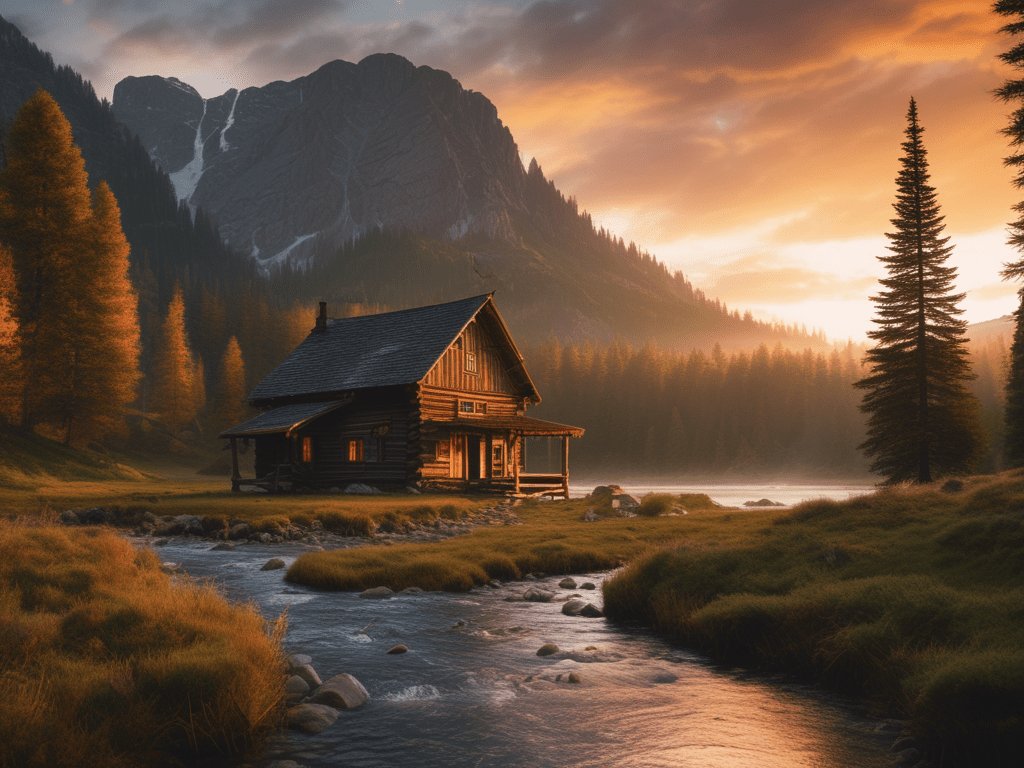
One of the most fascinating developments is the emergence of AI-generated photography. With the help of text prompts, specialized websites can now create images that were once only possible in the imagination. This technology has the potential to revolutionize the way we think about stock photography, conceptual art, and even photojournalism.
But what does this mean for photographers? Far from rendering the photographer obsolete, AI is a tool that can be harnessed to push the boundaries of what’s possible. It’s a partner in the creative process, handling the more mundane aspects of the craft so that photographers can focus on the artistry and storytelling that lie at the heart of great photography.
The future of AI in photography is bright and full of potential. As AI continues to evolve, we can expect to see even more innovative applications that will transform the way we capture, process, and think about images. Whether you’re a seasoned professional or just starting out, there’s never been a better time to explore the possibilities that AI brings to photography.
So, can you keep up with AI in your photography? Absolutely. By embracing AI, photographers can stay ahead of the curve, continually learning and adapting to incorporate these new tools into their workflow. The key is to view AI not as a competitor, but as a collaborator that enhances the creative potential of every photographer.
Are you ready to explore the intersection of AI and photography? Dive into the world of smart cameras, learn about the latest AI techniques, and discover how you can leverage these advancements to take your photography to new heights. The journey into the future of photography is just beginning, and it promises to be an exhilarating ride.
Many of you may be familiar with the Ansel Adams quote; “You don’t take a photograph you make it”. I would argue that many people take photographs rather than make them. I’ve heard many people discuss a picture as “straight out of the camera” and hold it up as a badge of honor. To be brutally honest the majority of the time the picture sucks. I’m certain that many people will be offended by that statement or tell me I’m rude for making such a statement. I’m not by any stretch of the imagination an expert or produce the greatest photographs consistently however I understand that and strive to learn and improve. In fact, I recently faced a reality of my own: I have become lazy and begun to accept mediocrity in my photography.
I’ve had the opportunity to visit some stunning places over the past year, but I’ve realized that I often rushed through taking photographs and found myself wandering aimlessly. I would see a beautiful scene, point my camera, and press the button without much thought. However, when I reviewed the photographs, I was frequently disappointed. I have only myself to blame as I have most of the tools needed to do better.
Lately, I’ve been training with a highly skilled photographer and educator, whose expertise surpasses mine by leaps and bounds. I’ve dedicated significant time to mastering various techniques aimed at enriching the viewer’s experience when admiring my photographs. We don’t improve by continuing to do the same thing over and again unless we are willing to open our minds to change and new ideas.
Challenge yourself and begin to expand your knowledge and skills. Experiment and test out new techniques. Become the artist you want to be by challenging yourself to grow and learn. If you don’t you will be left behind.



 Photographer Clay