Blog

  • Memories to art

    Memories to art

    One of the awesome things aspects of photography is that it allows us to capture memories all the way to making art. Few other hobbies have such latitude.

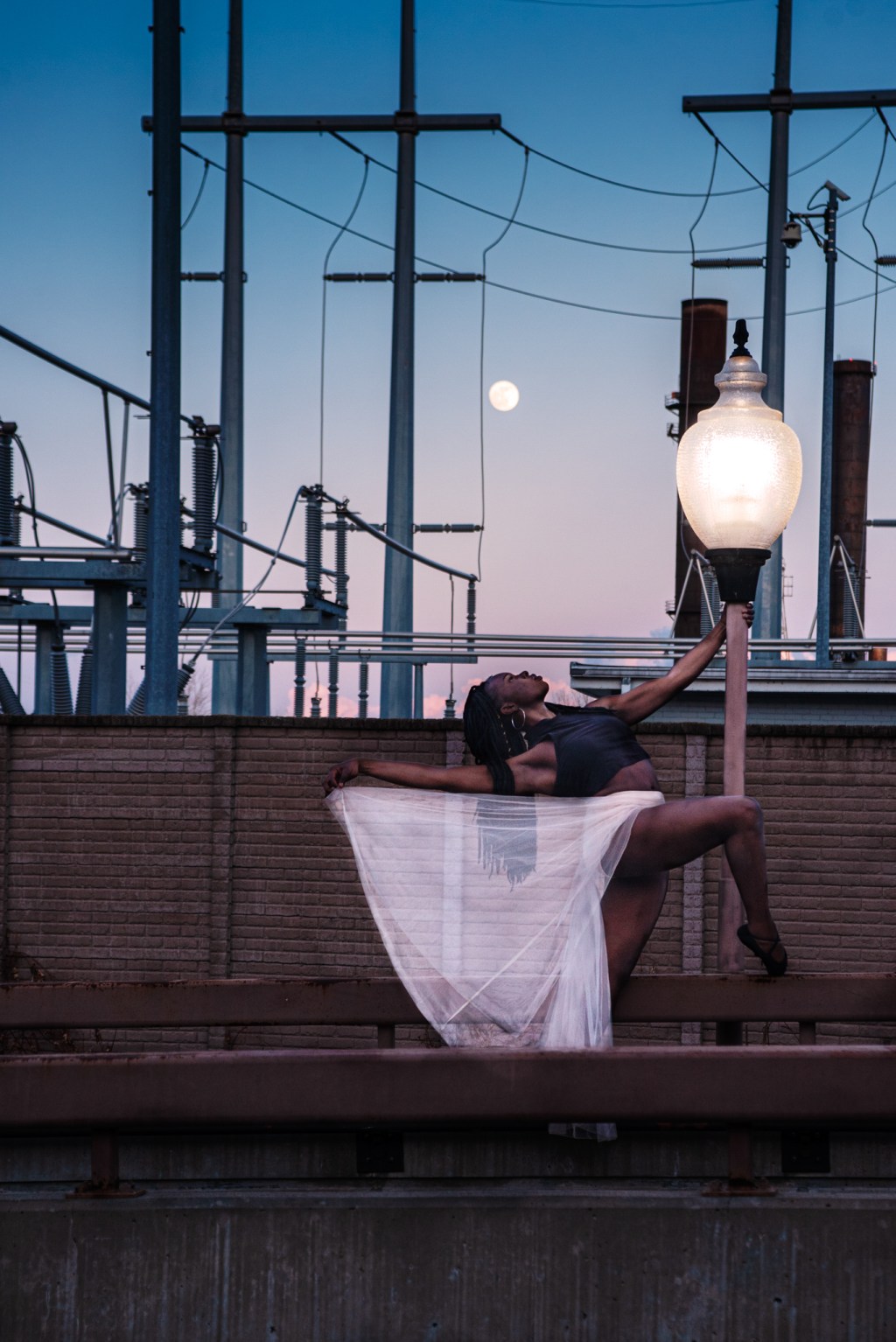
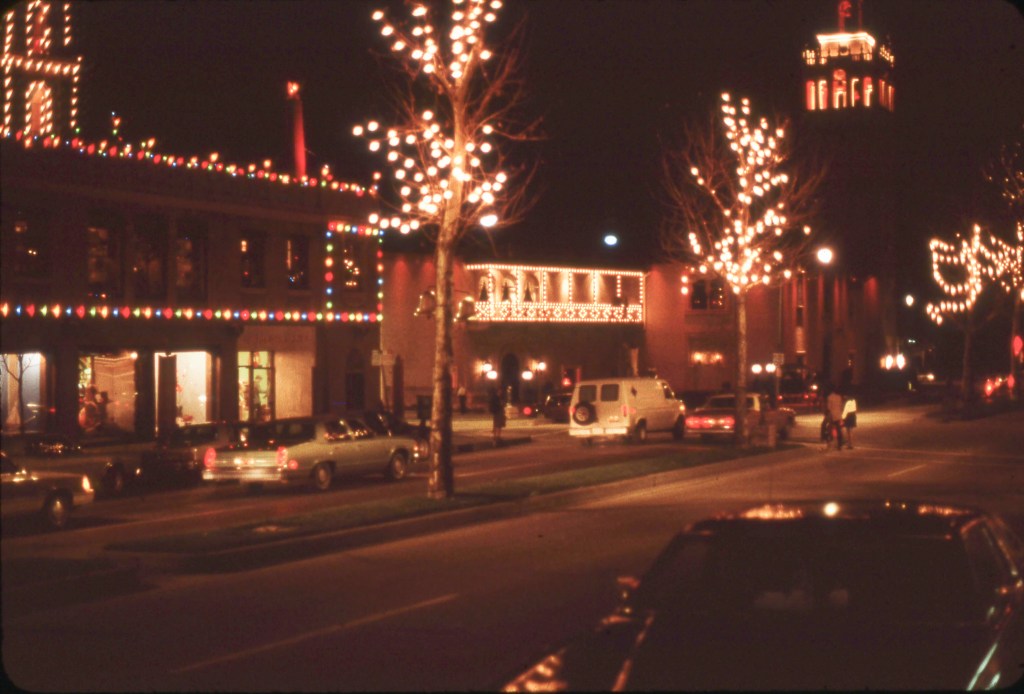
    When I started off with photography in the 1980s it was mostly for capturing memories of life events such as birthdays, vacations, holidays, and other special moments. I quickly discovered I could also work to create some form of art. The photograph I included above is an attempt I made in the 1980s using Kodachrome slide film and street photography. Over the years, especially since I went to digital, I have had thousands of attempts at both. In my Lightroom catalog, I have over 10,000 images. I also have boxes of slides and prints from my film days, which is a project I need to start. In addition to those images, I have another 1,000+ on my cellphone. All this is to say, this is why I love photography.

    Get out there, take photographs, make art, capture memories, play, experiment, do serious work, do fun work. It doesn’t matter as long as you just do it.
  • Challenge yourself

    Challenge yourself

    Challenge yourself, stand out from the crowd. I don’t know about you but I often feel like I am competing with others when I should really be competing with myself. What do I mean when I say compete with myself? Challenge yourself to be better today than yesterday. Don’t dwell on tomorrow or yesterday. Focus on today. Yesterday is past and over with. It is history that can’t be changed. Tomorrow isn’t here yet and speculating too much on the future I may miss an opportunity today.

    This mindset not only applies in life but also applies to our artwork. In our artwork, let us not worry about what others are capable of doing. Focus on what you can do. Challenge yourself to get out of your comfort zone, challenge your ability, push your limits of creativity to do better today. Do something to meet your daily goal towards greater goals.

    When I started this blog, my intent was to challenge myself to become more active in creating new art. I set my goal to write something no matter how short each day. So far, I have managed to meet that goal. This has shown me I can do it, I can rise to the challenge I set for myself. Each day, I start off with a completed task. Having already completed a task makes it easier to take on and complete additional tasks and creative goals. If I can do it, so can you.

  • Photography to be known for

    Photography to be known for

    What type of photography would you like to be known for? Would you like to be known for any photography?

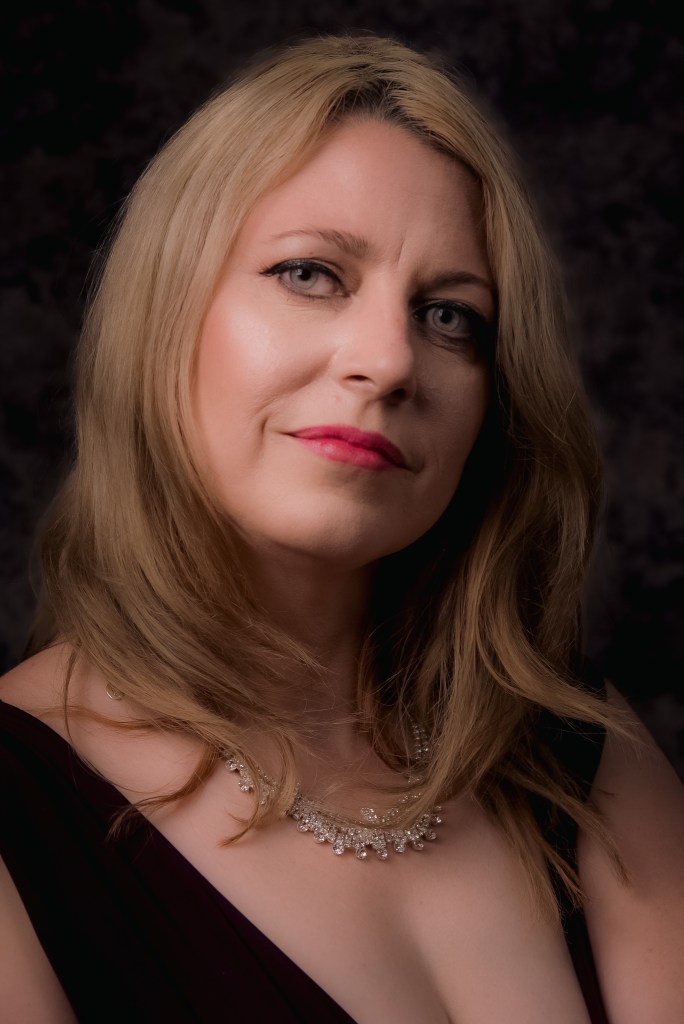
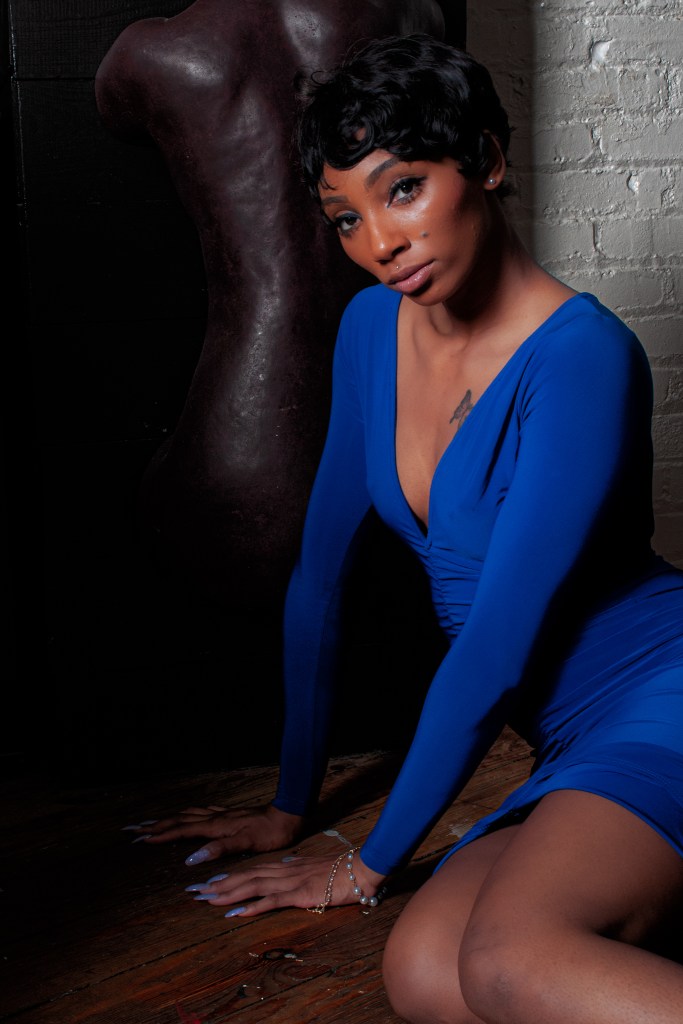
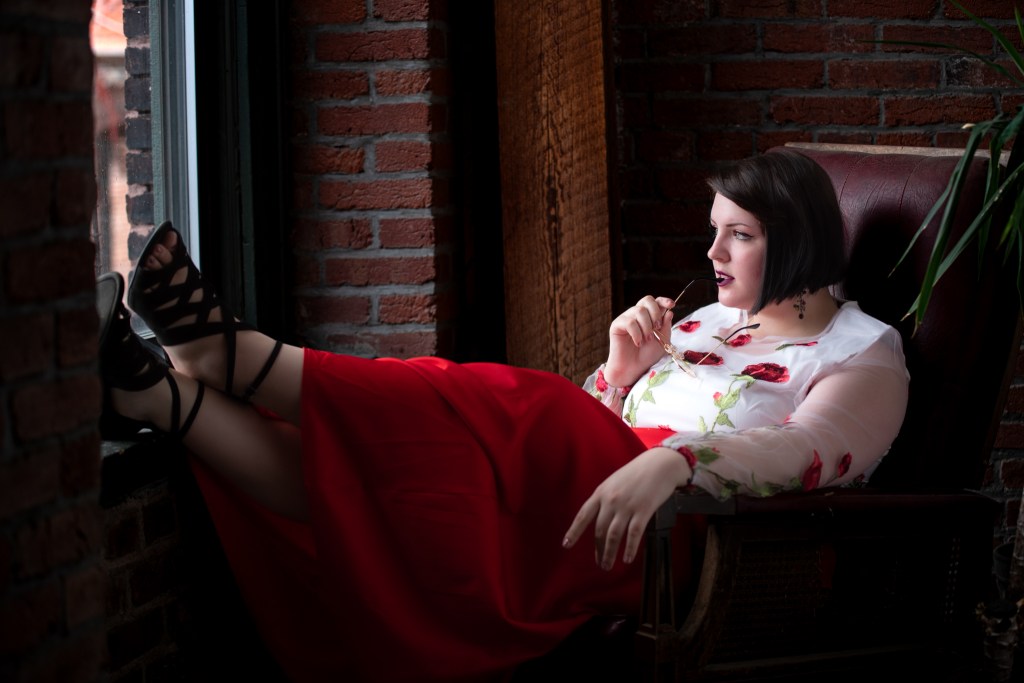
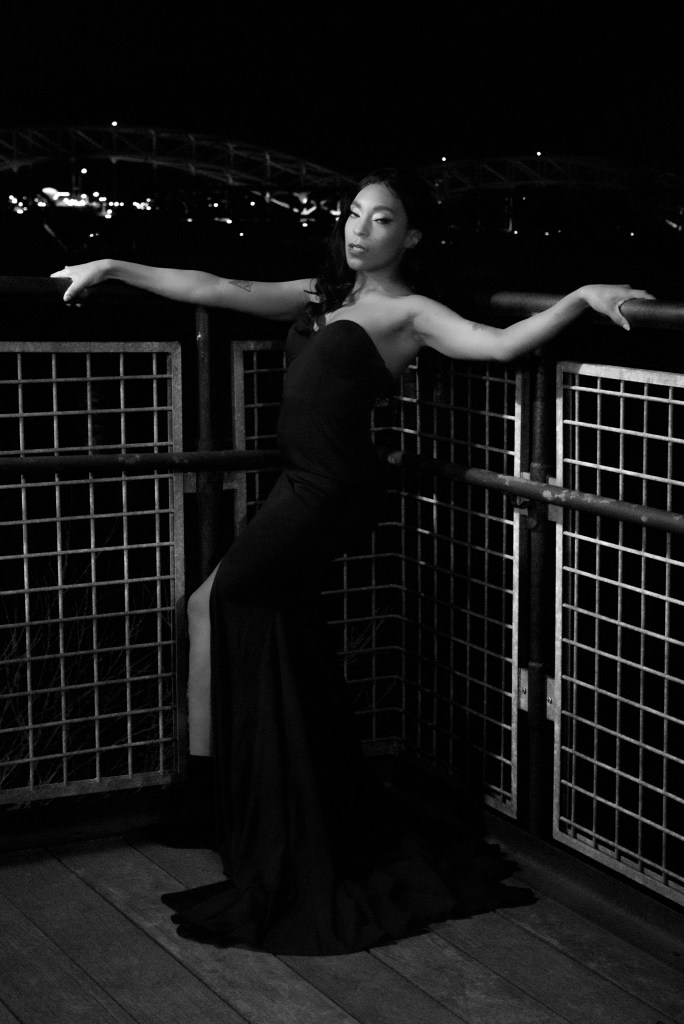
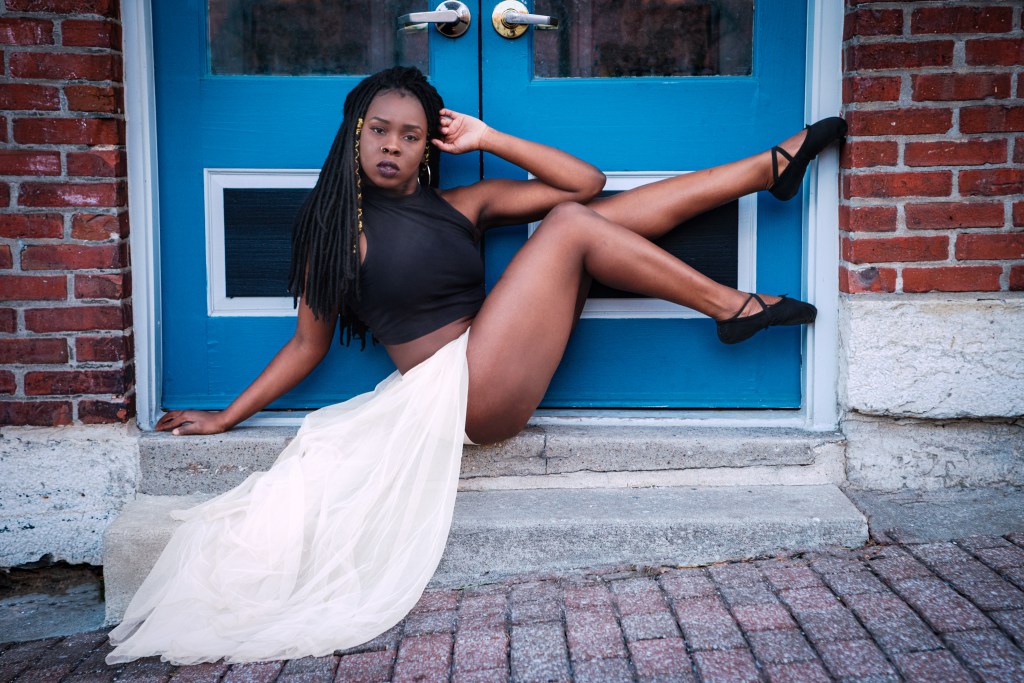
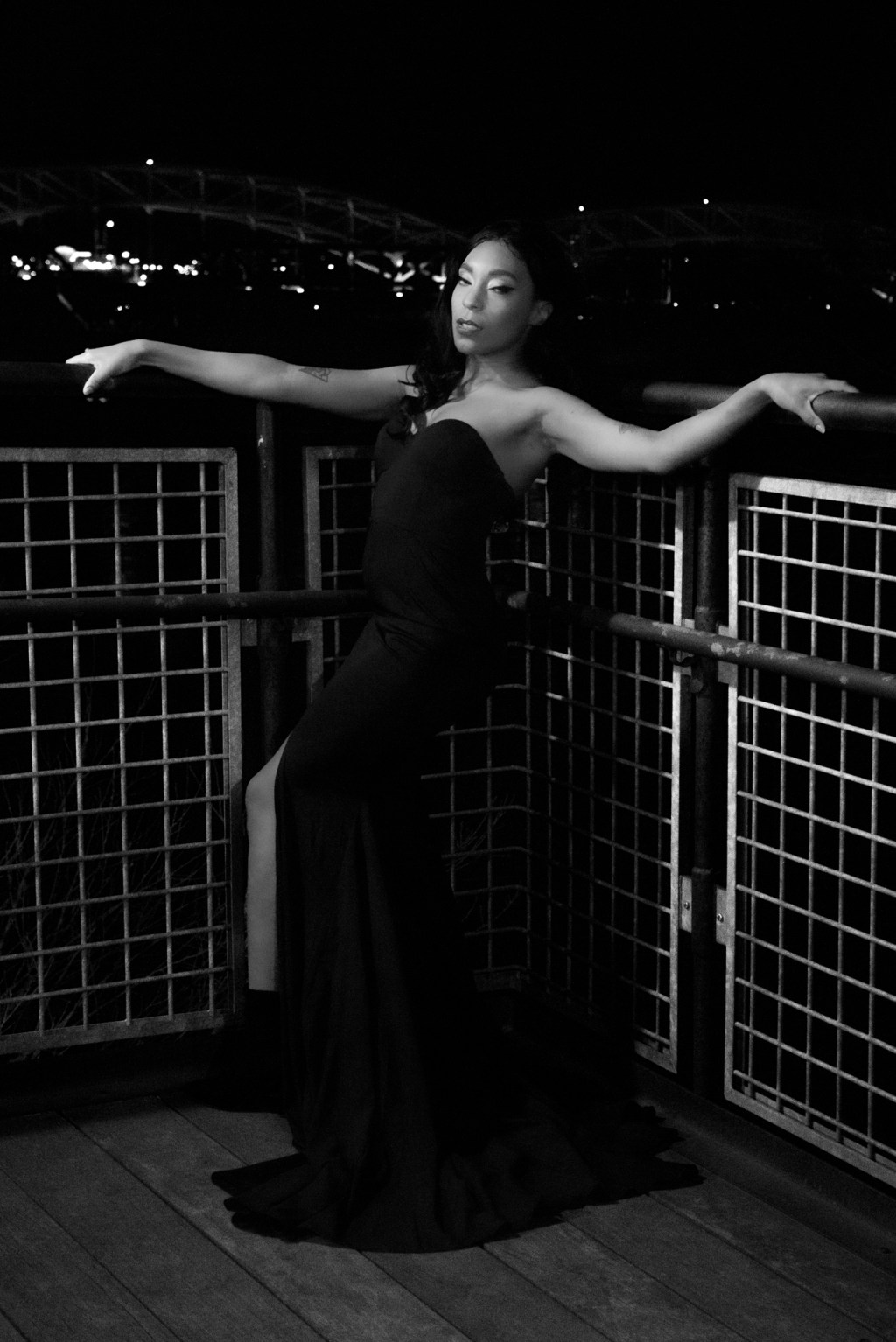
    One of my favorite genres of photography is portrait work. Not necessarily family portraits but glamour and beauty.

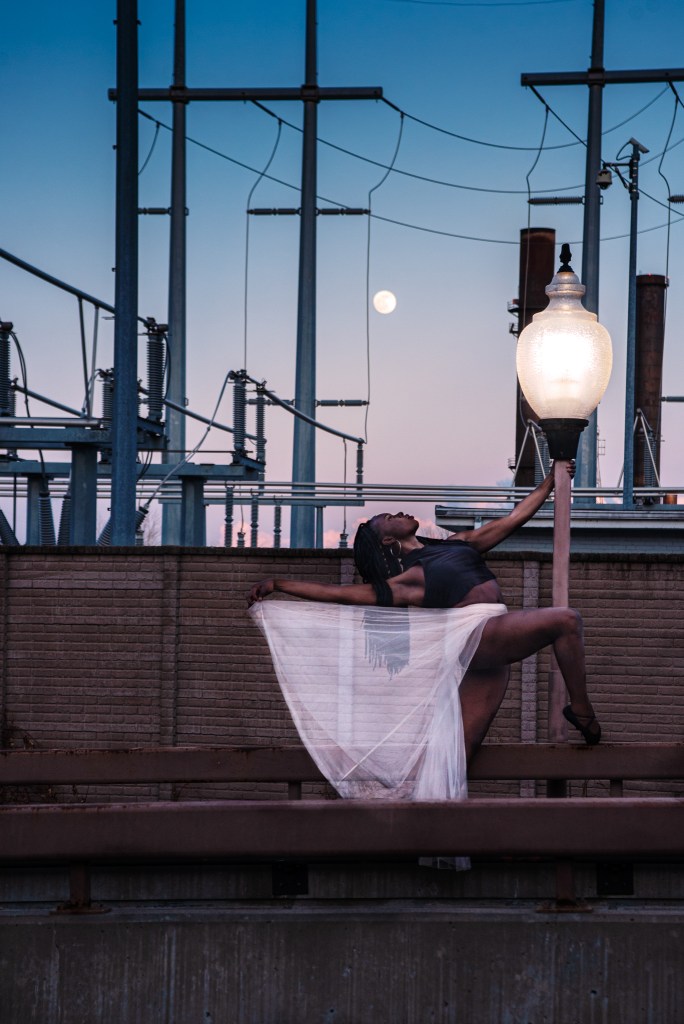
    I enjoy setting up locations and scenarios. I enjoy setting up unique lighting. I enjoy working post-processing. But, is it what I want to be known for? Yes and no. There is a lot of work to getting these things done as satisfying as they may be.

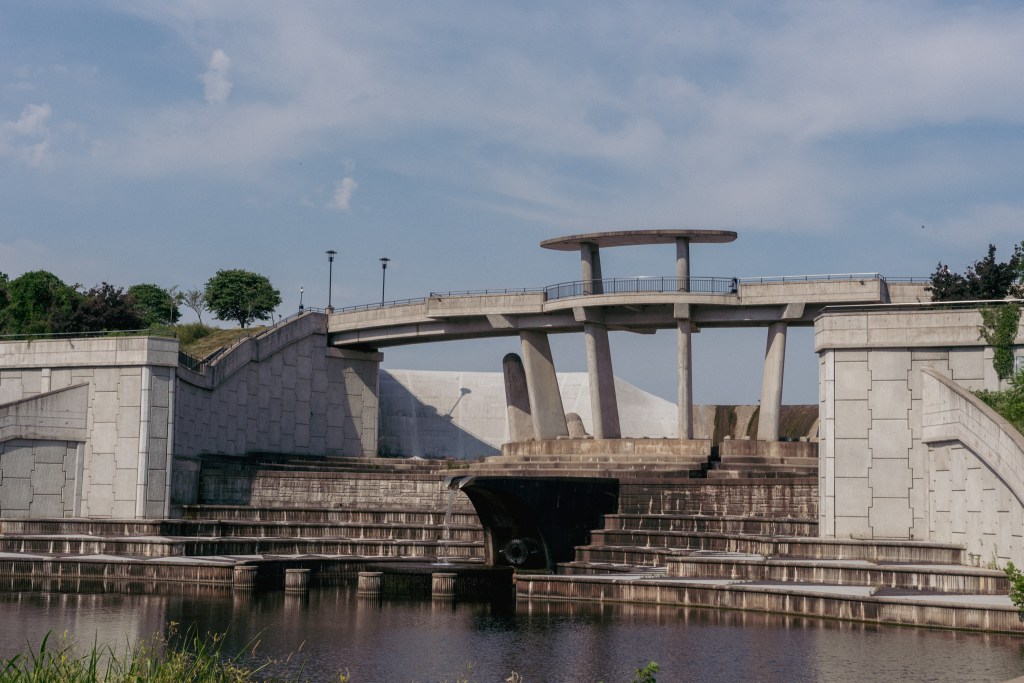
    I would love to be able to generate fabulous landscapes but I always feel a bit disappointed with the results. Do we go for what we find easier to become known for that or do we work towards getting better results in other genres? Do we work to specialize or to become more versatile? This is my quandary.

  • Becoming an expert

    Becoming an expert

    How does one become an expert in a topic? In most cases that I have known, an expert is on who has the experience, extensive training, and then recognition by someone or an agency with the authority to bestow the designation. In photography, it often appears, that one can merely designate themselves as an expert, especially in certain social media forums. There are organizations for photographers where you can “take a test” on your knowledge of photography and be “designated” as a certified professional ( I used to be a member of one of those organizations but that is a topic for another time).

    Nowadays it appears as if we are surrounded by experts, especially in the photography world. Is this a good thing? I believe so. The reason I believe it is a good thing that we have a growing number of expert photographers is that it expands our world view of good photography. As such, I suggest finding a wide variety of experts to follow, even those you may disagree with most of the time. I can think of a couple that I absolutely despise most of the time. So why do I follow someone I disagree with most of the time? I do so because hearing this photographer’s opinions on topics causes me to reconsider what I have been taught and learned. Sometimes, I am swayed to change my opinion other times maintain my original opinion. Many times, especially when the view is controversial I will perform my own tests and research.

    Find your group of experts and study them then develop your own expertise based on the knowledge and experience you gather.

  • Anti-Anti post-processing

    I’ve talked about photographers being anti-post-processing. You know, the photographers who believe photographs are less than real photographs or photographs that are not post-processed somehow rank higher than photographs that have been, as they say, Photoshopped. But what about photographers that are anti-anti-post-processing? What is anti-anti-post-processing? I’m not sure that is a real word but what I mean is photographers who believe a photograph is better or ranks higher if it was post-processed.

    I may be, inadvertently, giving off the impression that I am anti-anti-post-processing. I’m not. To me, to post-process or not is a matter of personal style. I post-process virtually all my photographs, at least to some extent. I can also achieve the look and feel I want with many types of photographs without post-processing. I have a style, as eclectic as it may be, I like for my photographs. I have an opinion, don’t we all, about what I believe may enhance a photograph, but if it isn’t my photograph it is ultimately up to the photographer to decide if the final product meets their expectations.

    I am always willing, sometimes for a price, to teach others how to post-process. How far they or I want to go can vary. Much of my work is minimally processed mostly because I shoot RAW and the colors are a bit muted, sharpness is a bit dull, contrast may dull I also shoot to give myself the most dynamic range of a scene. This may cause some areas to be a bit underexposed and other areas a bit overexposed. I shoot to get, what I think, to be the best quality image to achieve my final pre-visualized look. I can also shoot many subjects that need little to no post-processing.

    The short of it is, I try to not be anti-anything when it comes to producing our photographic art.

  • Getting paid

    Getting paid

    Something that I see very often in my photography circles, both in social media and amongst photographers I know is a topic about getting paid for our work. How many times have we heard, “Hey we’re having a such and such, could you bring your camera”, or “I have a great idea for blah blah blah would you take the photographs and put the project together?” The first example is clear they have no intention of paying and it often makes me wonder if I’d be invited to such and such if I didn’t have a camera. The next is often disguised as a “When the project sells I’ll pay you a percentage of the sales”. What I frequently see is the person doesn’t have a market for the project and no advanced sales on the said project.

    Far too many people believe that taking photographs is merely pointing a camera at a subject and pushing a button. Photo editing, ah it’s like Instagram, just click a filter and you finished. In my opinion, it does little good to try to explain to such people how much work, training, experience, and time goes into taking high-quality photographs. They don’t respect you or your talent. If you approached these same people with the same offer they would never take on the offer, but far too often photographers allow themselves to get caught up in the process.

    I preach this topic as often as I can because I have been caught up in this in the past and I’ve got a lot of friends who are photographers who get caught up in the scheme. We all want to do projects that interest us. It can be both challenging and fun, but when it comes to someone approaching you on a project that makes them money, we need to get paid for our work. Look out for these types of schemes.

  • Have you read the manual?

    Have you read the manual?

    Have you read the manual for your camera? How about your other gear? Do you even know where the manual is? I used to keep the manuals to my camera bodies in my camera bag for reference until I discovered PDF versions I can keep on my phone. I didn’t sit down and read the manual cover to cover like I would a novel. I use it as a reference book like it is most likely intended. The reason this came up is that I have seen a number of questions posted in social media groups about asking how to do you do such and such when the answer is typically available at your fingertips. I don’t mind helping out but it seems to me that you would get an answer faster by looking it up in the manual.

    The internet and social media are great for some things, you get to interact with people you may have never been able to before. I know, sometimes it may not be a good thing but for me most of the time it is.

  • The debate rages on

    The debate rages on

    We see this debate virtually every day in photography circles, cellphone cameras versus “real” cameras, which is better? I see it far more often in groups that are primarily focused on digital SLR cameras, which often leads me to believe it is a way to feel superior or to justify their choice. For me, who cares. It makes little difference to me what tools you use to create your photograph. A good photograph is a good photograph regardless of how or on what device it was captured. Are we gear heads or are we, photographers/artists? I would like to think photography is more important. Think about it, our modern cameras are huge advances in technology from the cameras of 25, 30, 50, 100 years ago.

    Let’s worry less about gear and more about the art.

  • Define your own success

    Define your own success

    I hear and read the word success a lot. That photo was a success, he/she is successful, become a success. Many times it is disguised in phrases like, published model/photographer. We all are proud of being a success but we must all define our own success rather than what defines others as a success.

    Society has attempted to define success in financial terms. To become wealthy is often viewed as being successful. Being wealthy is an achievement but it’s only a portion of being a success, at least in my book. Success, to me, is a matter of achieving one’s goals, yes goals not merely a goal.

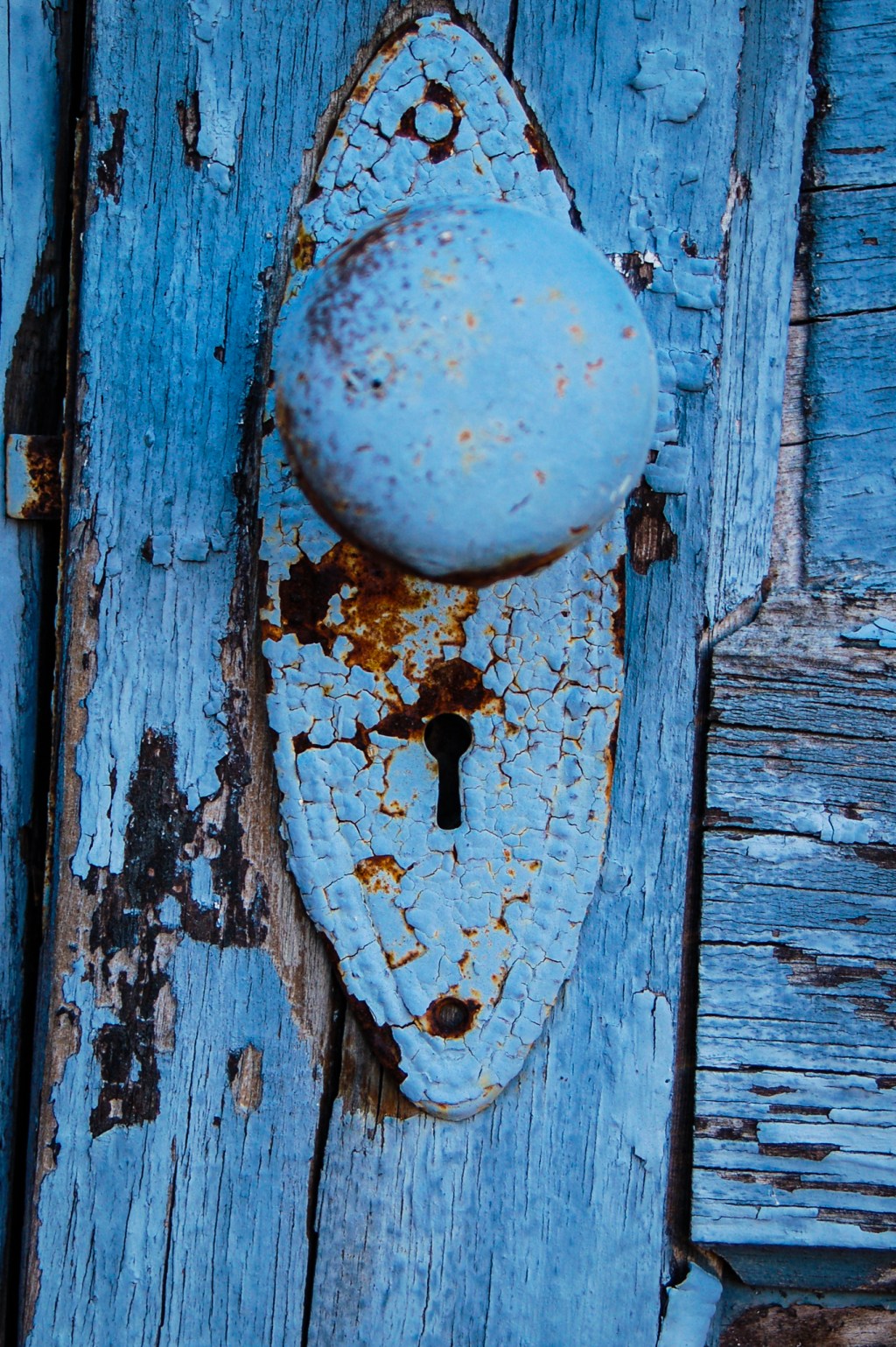
    To me, creating art is a goal. Sharing my knowledge with others is a goal. Helping others to recognize and achieve their goal(s) is a goal. Having a safe and comfortable place to live is a goal. Having food to eat is a goal. Having a positive relationship with family and friends is a goal. Becoming a success, to me, isn’t just about opening one door but many doors. Establish your life’s goals and start opening the doors, once you do that your creativity will flow.

  • How far is too far?

    How far is too far?

    I recently watched a video asking if smartphone cameras were going too far. The author suggested that because some of the built-in AI (artificial intelligence) features were making it too easy to change an image, The author was suggesting that because an image could be modified and change a person’s appearance or could possibly superimpose a reference image onto your photo (the moon for instance) giving you a better result.

    In the past, we have had the ability to manipulate photographs and could change any number of elements. In the olden days, it may have been more of an art with airbrushing and darkroom techniques but it was still possible. Today, we have the ability to perform all the old techniques digitally. There are abilities available today that may not have been possible in the years past but is it too far? Who decides what is too far? For me, I believe these are exciting times. We are opening up the creativity of many more minds and perspectives and putting it into the hands of the masses.