Tag: art

  • Do you really want to improve your photograph?

    Do you really want to improve your photograph?

    Do you really want to improve your photography? If not do you think your photography is the best it can be? If you do what have you done recently to improve? These may seem like simple questions but I believe if we really dig and ponder they aren’t necessarily simple. For instance, if I say yes, I really want to improve my photography but I haven’t done anything to improve then maybe I don’t really want to get better. If I say no, I don’t want to improve my photography because it is the best it can be then am I saying it is the best, or am I not capable of improving?

    Maybe it’s just me but I always want to improve. While I may not have shared many new images doesn’t mean that I’m not shooting photographs. A good number of things I photograph are never intended to be anything more than experimenting or testing. I read loads of articles and listen to photography podcasts. I study photographs of others. I don’t want to copy another photographer’s style but may use bits and pieces of many styles to build my own.

    There are many great photographers nowadays. We have loads of resources available at the tips of our fingers. We have access to vast amounts of knowledge and experience in photography and we have technology built into our modern cameras that the masters of the past could only dream about.

    I hope everyone really wants to improve their photography and if you haven’t already actively done something to improve your photography, start today. Let’s grow and improve together!

    .

  • How to rise above the crowd

    How to rise above the crowd

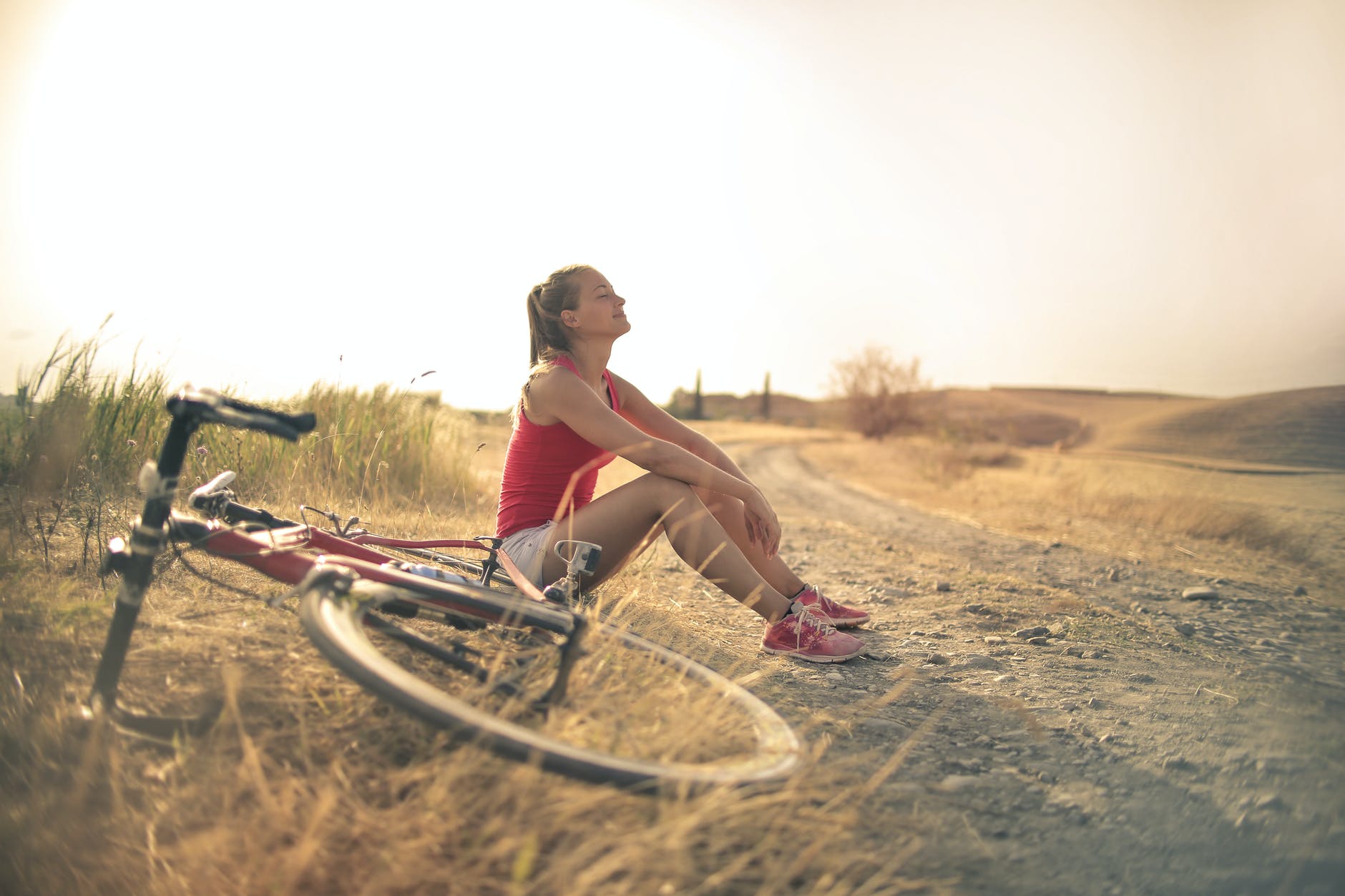
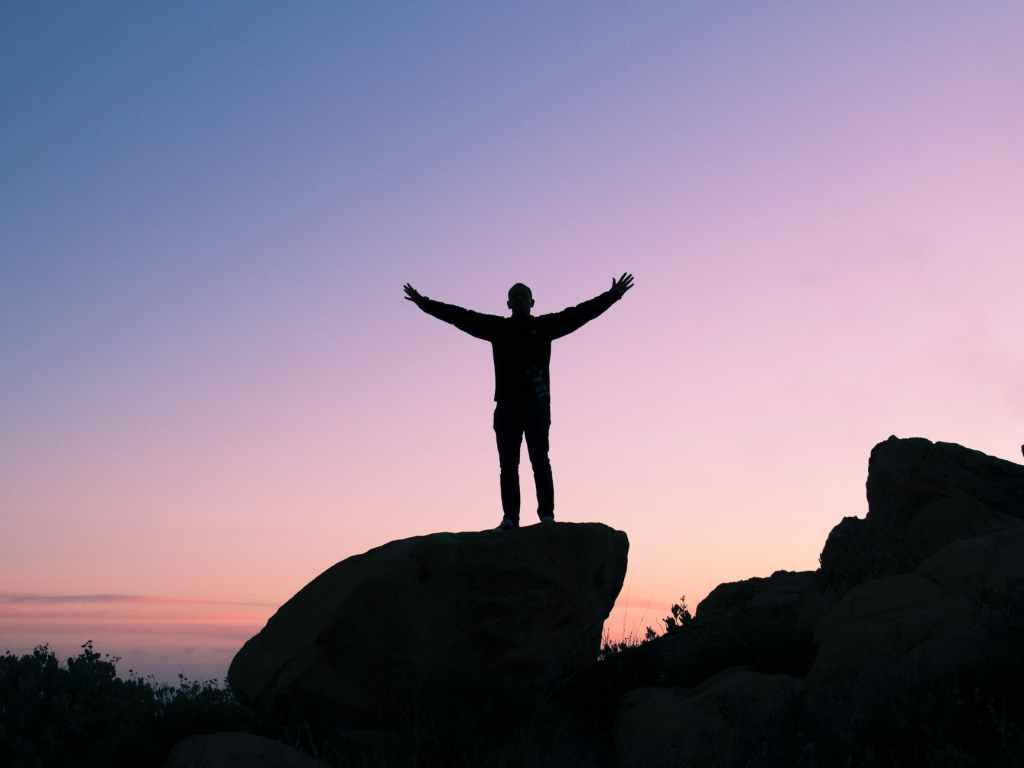
    Photo by Snapwire on Pexels.com

    Just think about the sheer number of photographers there are today compared to 50 years ago. And the number of good to great photographers has also increased dramatically in 50 years. Can we rise above the crowd? If so, how can we rise above? To rise above the crowd we have to photograph things in a way few photographic artists photograph them. Take a look at the multitude of photographs out there. The greatest number all look similar to one another. We don’t even have to invent new techniques. We can blaze a new trail or we can go back and study what was done before and find the style that preceded that is used little. A perfect example is clothing styles. An older style is revitalized with a slightly new twist.

    Much of our problem today is there are many more copycats than trailblazers. I’ve got my gear ready to blaze a new trail through the jungle of photography. This is a time to let our vision run wild and look for new ways to do what may have been done before. We have the tools, we have the knowledge, we have the passion.

  • What’s the best?

    What is the best [ insert name of a piece of gear ] for [ insert photographic activity ]? I see these questions asked every single day. Do you know what I rarely see? I rarely see the question asked what is the best way for me to learn. When you do see that question asked the vast majority of answers are based on watching YouTube videos. I have nothing against YouTube or video learning. There are some great videos on photographic subjects but is it the best way to learn? I don’t think so and I’ll explain why.

    Watching a video to teach photography my lighting conditions may be entirely different than those of the video. To me, it is like knowing the shutter speed, aperture, ISO, focal length used to take a photo. It only tells part of the equation. Knowing these things doesn’t tell me anything about lighting conditions. If it was cloudy, how cloudy, if it were sunny how sunny.

    Another issue is there is no interaction between the student and the instructor. What if I have a question? I could leave a comment, or send an email but will it be seen and replied to? If it is seen and replied to when, how long? Then what if I have a follow-up question?

    In my way of thinking, the why is just as important as the how. I’ve watched hundreds, if not thousands, of videos on photography and photography techniques and I rarely see the instructor talk about the why. The videos are primarily focused on the how.

    We all learn differently, but human interaction is a very important part of learning. The interaction of the teacher and student or mentor and mentee. I finished my photography classes years ago and was fortunate to have a very helpful instructor. I have also been fortunate to be surrounded by photography friends that are very good. The knowledge of good photography is more important than the gear. The best knowledge comes from a variety of sources which includes working side by side with a good or even better a great photographer.

  • Photographer or tech geek?

    Photographer or tech geek?

    The more I read posts and comments in social media photography groups the more I wonder if many of these people are truly photographers or tech geeks. To a certain extent, technology has made photography easier but it is still the person who is the photographer, not the camera. There is so much gear bashing and gear obsession in the media and especially in photography groups. People even argue over what programs and computers people use to post-process their photographs. Does it really matter what you use or do the results matter? I think the results matter more than what stuff I use which is why I don’t get involved in those debates, I just see them.

    Gear can be important but what is more important are the results. Don’t let your gear define you let your results define you.

  • The creativity challenge

    The creativity challenge

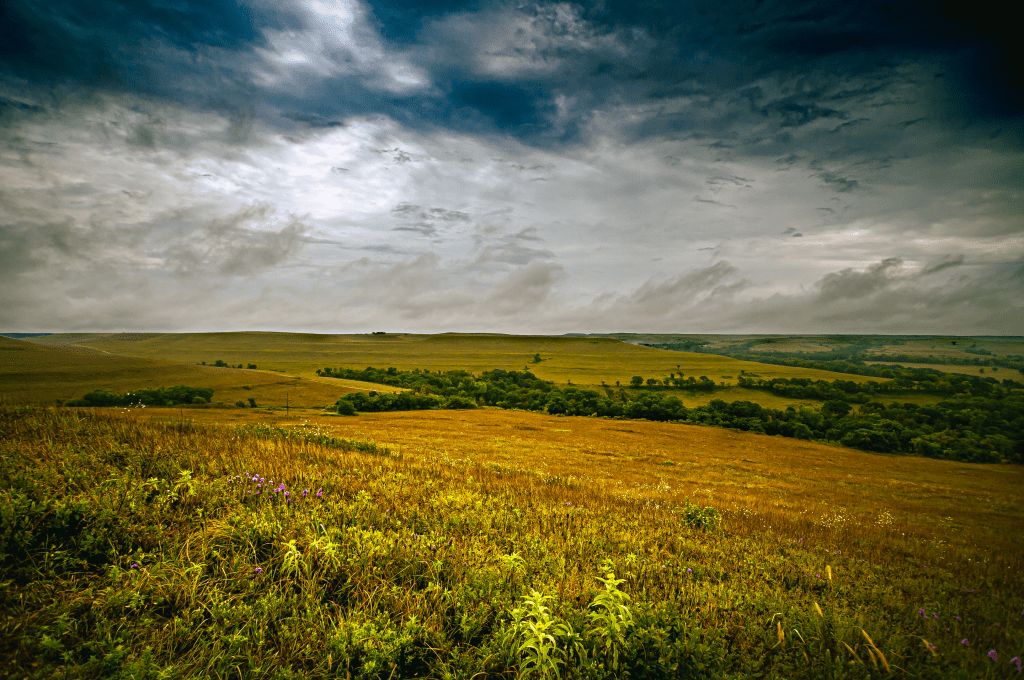
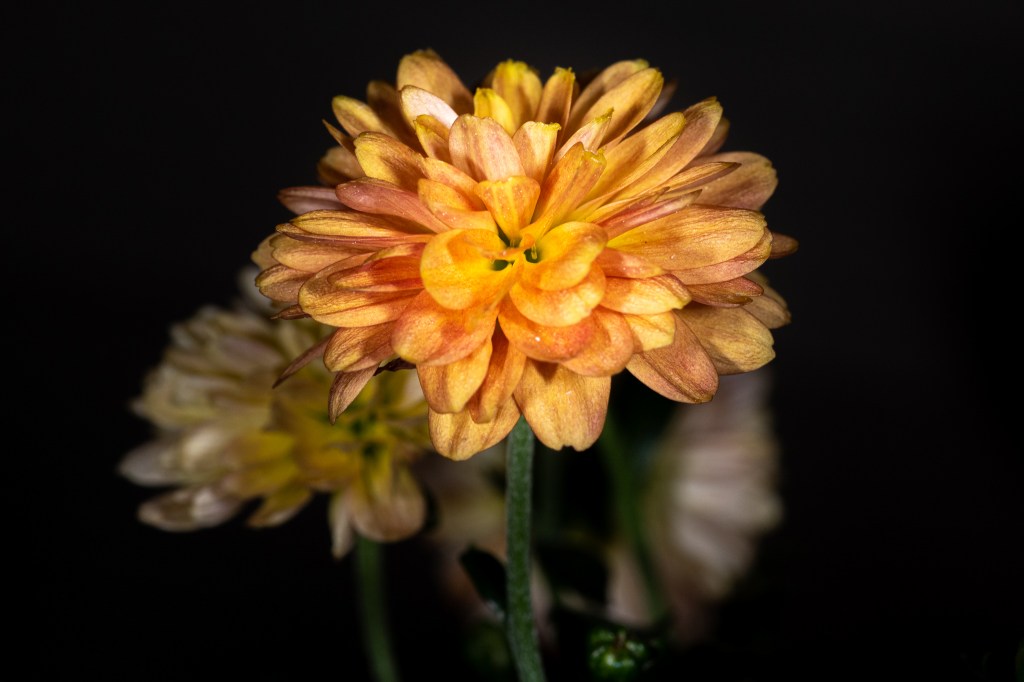
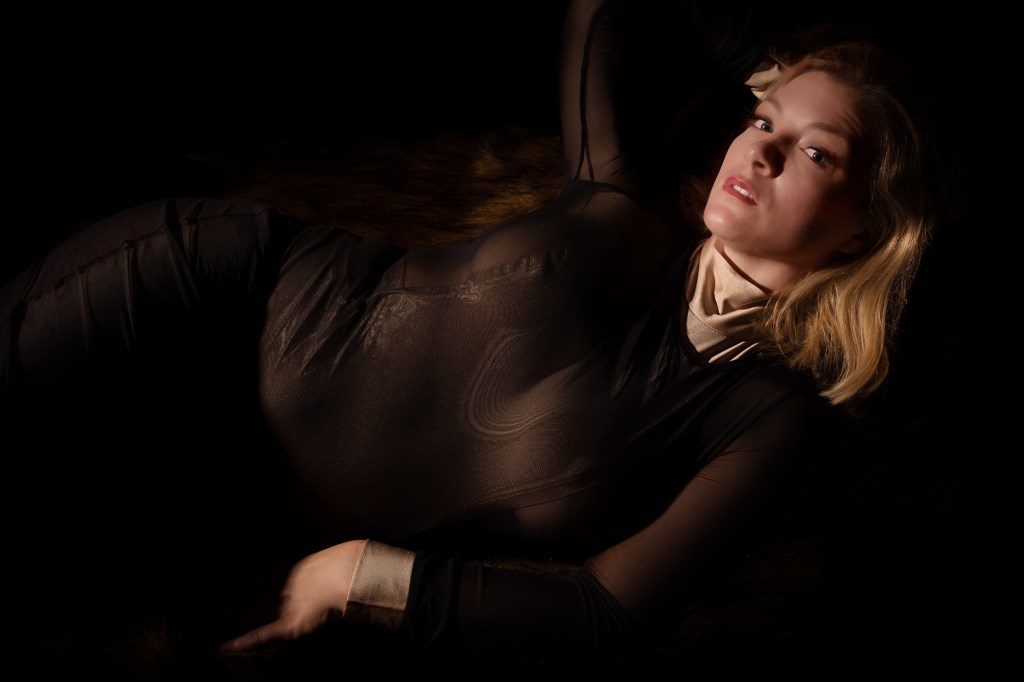
    The creativity challenge for my had become a struggle for me. I felt like I wasn’t able to come up with creative ideas. I started writing a blog several months ago with my daily thoughts. The blog entries as typically short and to the point. Since I have started on this site, this is my 89th post. Some days were difficult in getting something written but as time went along it became easier to get started. As you may tell from the image above, I am starting to do just as I have written about. I”m trying out some bizarre and different techniques. I also noticed last night as I was sitting watching a movie with my grandsons I came up with a photographic project to work on. I feel like I’m getting back in the creative groove. My inner muse is starting to awaken after a long rest.

    Awaken your inner muse. It may take some time and some effort but it can pay off. I’m no longer afraid of blazing a trail on the wild side of my photographic art.

  • Artistic vision – Your license to not please everyone

    Artistic vision – Your license to not please everyone

    Do all your photographs have to look like photographs? I don’t believe so. I believe in creative vision. I may decide to take a photograph to an extreme and apply all sorts of techniques to it. Will everyone like it? Most likely not. Do I care if everyone likes it? No. I create art and photographs for myself. If others enjoy it that is a bonus. There are those who don’t believe in any post-processing and use images straight from that camera. Some are fantastic and some are not. It’s their vision. Likewise, I may choose to do a massive amount of work on a piece of art, even so far as combining elements from several images. That is my vision.

    My mind is a fascinating place and can change visions at a moment’s notice. And my mind may notify me of the change without conscious thought. I like to explore many creative styles, I don’t like to lock myself into a pigeonhole of one style. This mindset may be attributed to being nearly forced into conformity in the past by photography groups and clubs that defined a good photograph as one that looked like everyone else’s photograph. Often the only thing we lacked was a uniform we had to wear to participate. Explore your creativity, try way out techniques, try bizarre styles. It will free your creative soul.

  • Photography shows others your world

    Photography shows others your world

    Photography records my world and my view of it so I can show others what I see and how I see it. Just like any other art form I decide what to show and how to show it. This is especially true with digital photography and programs like Photoshop. We can transform ourselves into superheroes or other worlds. Digital photography has become more of an art form than ever if we just open our minds and hone our skills. Go forth and create some magical art.

  • My photography is a reflection of me

    My photography is a reflection of me

    Yesterday, I wrote about photography as a metaphor. Not only do I believe photography is a metaphor but it is also a reflection of my perspective, my mood, my personality, and in fact me. I don’t believe any of us can be so dissociated from our art. This is why I believe it is important to accept both concepts of photography as a metaphor and a reflection of ourselves. Once we accept these concepts free expression of our intent in a photograph becomes easier. These are good things. It can be a bit frightening to knowingly let others see into our minds but doing so allows us to create fantastic art and isn’t that really what many of us want to do? Think about it, freedom to do your art as you want. Express our reality, our vision, our dreams, our hopes.

    It’s time for some introspection and set your creativity free. I’ve done it and it has given me an entire new view of the world, my art, and my life.

  • Is photography really a metaphor

    Is photography really a metaphor

    A podcaster I listen to on a regular basis talked about a book by Minor White, Mirrors, Messages, Manifestations. His discussion led into photography may be a metaphor. Since listening to that podcast yesterdy, I have thought about this a bit. Merriam-Webster defines a metaphor as;  an object, activity, or idea that is used as a symbol of something else. To me, that is essentially what photograph is, a symbol of something else. It isn’t the object represented. If that is the case then in most photography, realism doesn’t matter. The photograph is merely a symbol. Reality, or as close to it as we can get is only critical in documentary photography. Everything else becomes open to artistic creativity.

    Having now come to this realization I finally have my arguement for creative expression of nearly all the photographs I will take. My work is a metaphor for this object represented in the image. I feel like I have been set free. Think about it. I believe it is hard to argue against photography as being a metaphor for the people, scenes, and objects we photograph.

  • Photography is easier nowadays

    Photography is easier nowadays

    Digital photography has made photography easier today than in the past. White balance can be set to auto or a number of presets and it can be changed multiple times per session using the same card. Film speed can be adjusted from photograph to photograph. In the past, using film we had very limited choices of white balance and film speeds and they couldn’t be changed on the same roll typically. I know we could push a film speed and we could add different filters to the lens to affect color temperatures. When I began photography it was unthinkable that I would be able to take a photograph with an ISO setting of 12,800. In fact, it was very difficult for me to even find film faster than 800. I know we don’t really have film speeds or white balances in digital it is all a program that makes some adjustments. While that may be true, it functions the same way in practice as the old film speeds and white balance.

    Today, we can also store hundreds or thousands of photographs on a single card rather than be limited to 36 or so exposures. We can also quickly see our work through a screen on the back of the camera rather than wait until we got the film developed and prints made. Modern digital cameras will even “develop” my photograph and the image be completely usable straight out of the camera. While I may not instantly have a physical print in hand I can have portable devices that could make a print at the click of a button.

    I can also take my images and process them in ways that were well beyond most photographers in the past using programs such as Photoshop and the myriad of similar programs and applications available, some for free.

    I suspect this is why some “old-timers” in photography or those who want to be like an “old-timer” thumb their noses at modern digital photography. I love the look of photographic film. It is different than digital. I love that there are those who want to keep film alive, albeit I believe film will eventually die except for a few very niche photographers. Because of all these things we can spend more time on composition, content, creativity, and people who may have never ventured into photography. I’ve come to a point where I don’t to discount anyone’s choice of medium to do their photography because I may just learn something new or be inspired by their creativity.