Tag: artist

  • Artistic education for photographers

    Artistic education for photographers

    This is more of an update on why I haven’t been writing lately. I have been actively engaged in working on my artistic vision. That may sound cliché; however, I have always been of the belief that if you could create the image you create today five years ago, you are not growing as an artist. Growth is essential in any creative field, and without it, we risk stagnation, losing the spark that inspires us to express ourselves.

    For my journey, I have found a mentor who not only shows you how but also explains why. This dynamic has opened up new avenues for my understanding of art. I have included training in color theory, composition, and various techniques that push my creative boundaries. It is all about understanding and thinking like an artist, exploring the depths of creativity, and developing a personal style that feels authentic.

    While I may use a camera, I consider myself an artist. It is not merely a tool for capturing images but a means of expressing my artistic vision. As such, I realize not all my artworks will appeal to everyone. To me, it isn’t about validation from others but rather about expressing my connection with my subject. This could be anything from a breathtaking landscape to the intricate details of an insect, or even any other inanimate object that catches my eye. Each piece I create serves as a bridge between my inner world and the external reality.

    If you are a creator of art, in whatever genre you follow, allow yourself to let go. Immerse yourself in your emotions and thoughts, and get in touch with how you feel about your subject matter. Understand that the relationship you forge with your work is a personal one, and your unique viewpoint can shine through, even if that viewer is only yourself. Embrace this journey of self-discovery, and let your artistic voice be heard, regardless of the audience’s opinions. In this way, you cultivate both your skills and your identity as an artist, allowing your work to evolve organically and authentically over time.

  • Is art really subjective or are there certain conditions that should be met for a work to be classified as art

    Is art really subjective or are there certain conditions that should be met for a work to be classified as art

    I asked ChatGPT; Is art really subjective or are there certain conditions that should be met for a work to be classified as art, This is the response I got.

    The question of whether art is subjective or if there are certain conditions that should be met for a work to be classified as art is a long-standing debate in the philosophy of aesthetics

    . Many people instinctively lean towards subjectivity, viewing art as an individual’s unique response to a piece. However, this perspective also raises questions: if art is purely subjective, how can we have discussions about whether certain works are “good” or “bad”? Why are some pieces displayed in museums and celebrated for centuries, while others are disregarded? 

    The case for subjectivity

    • Personal Interpretation: Viewers bring their own experiences, emotions, and cultural backgrounds to their appreciation of art, leading to diverse interpretations.
    • Emotional Response: Art’s power often lies in its ability to evoke emotional responses, and these emotions are inherently personal.
    • Shifting Tastes: What one generation deems artistic may be seen differently by another, highlighting the dynamic nature of cultural trends and individual preferences. 

    Arguments for objective criteria

    • Skill and Technique: Creating art often involves technical proficiency, whether it’s mastering painting techniques, composing music, or crafting compelling narratives. These skills can be objectively evaluated.
    • Composition and Principles of Design: Art often adheres to established principles like balance, proportion, and rhythm, which can be analyzed and judged independently of individual taste. The Massachusetts College of Art and Design (MassArt) identifies seven elements of art and seven principles of art.
    • Artistic Context and Intent: Understanding the artist’s intentions, the historical context, and the artistic traditions surrounding a piece can provide a more informed basis for appreciation and analysis.
    • Enduring Value: The fact that certain works are consistently recognized and valued across cultures and generations suggests some degree of inherent merit beyond fleeting trends.
    • Artworld Institutions: Galleries, museums, critics, and art historians play a role in shaping and defining what counts as art through their selections, exhibitions, and discourse. 

    Hybrid perspectives

    Many thinkers now advocate for a more nuanced approach, recognizing both subjective and objective aspects of art. Art, at its core, involves a human creation intended to evoke a worthwhile experience, be it through emotional power, beauty, or the conveyance of complex meanings. While individual enjoyment is deeply personal, objective analysis of elements like technical skill, composition, and historical context can inform and enrich our appreciation, according to the website thewritingpost.com.

    This is, to me, the real meat and potatoes, so to speak.

    In conclusion, art is not solely subjective, nor is it entirely bound by rigid objective criteria. It exists in a dynamic interplay between the creator, the creation, and the audience, where personal interpretation meets with a framework of established artistic principles and traditions.

    If a work fails to ignite a vibrant interplay between the creator and the audience, it falls woefully short of its potential. Like many others, I have fervently battled with the art of creation, grappling with the complexities of expressing my vision, despite the countless hours I have devoted to studying art and photography. It wasn’t until the past 6 months or so that I came to realize this. Often, we fall in love with a creation of ours not because it is good but rather because we have a personal connection to it. The problem, I see, is whether the audience has a connection. This is often the failure. As artists, we must become aware of our emotions and then learn to communicate those emotions to our audience.

  • The Essence of Photography: Capturing Moments, Crafting Memories

    The Essence of Photography: Capturing Moments, Crafting Memories

    Photography is more than just a click of a button; it’s an art form that transcends time, emotion, and perspective. At its core, photography is the practice of capturing light, but in reality, it captures so much more. It encapsulates moments, memories, and emotions, preserving them for eternity. Let’s delve into the essence of photography and explore what makes this medium so profoundly impactful.

    The Art of Seeing

    Photography begins with seeing—really seeing. It’s about noticing the play of light and shadow, the harmony of colors, the intricacies of textures, and the expressions of life. A photographer’s eye is attuned to the details that others might overlook. This heightened awareness allows photographers to find beauty in the mundane and the extraordinary alike.

    Capturing Moments

    Life is a series of fleeting moments, each unique and unrepeatable. Photography has the power to freeze these moments, allowing us to revisit them long after they’ve passed. Whether it’s the joyous smile of a child, the serene beauty of a sunset, or the raw emotion of a street scene, photographs hold the essence of these experiences. They serve as time capsules, preserving the emotions and stories behind each frame.

    Storytelling Through Images

    A single photograph can tell a thousand stories. It can convey complex narratives, evoke deep emotions, and provoke thoughtful reflection. Photographers are storytellers, using their cameras as tools to communicate their vision of the world. Through composition, lighting, and subject matter, they create images that speak volumes without uttering a single word.

    The Intersection of Art and Technology

    Photography resides at the crossroads of art and technology. It demands technical proficiency with cameras and editing software, yet it also requires a creative vision and an artistic touch. The best photographers seamlessly blend these elements, using technology to enhance their artistic expression. From the early days of film to the digital revolution, photography continues to evolve, pushing the boundaries of what’s possible.

    The Emotional Connection

    Great photographs resonate on an emotional level. They connect with viewers, stirring feelings of nostalgia, joy, sadness, or wonder. This emotional connection is what makes photography so powerful. It’s not just about what we see in the image, but what we feel. A photograph can transport us to another time and place, evoking memories and emotions that are deeply personal.

    The Universality of Photography

    Photography is a universal language. It transcends cultural and linguistic barriers, allowing people from different backgrounds to connect and communicate. A powerful image can be understood and appreciated by anyone, regardless of where they come from. This universality makes photography a potent tool for social change, as it can highlight issues, raise awareness, and inspire action.

    Crafting Memories

    In the end, photography is about crafting memories. It’s about documenting the journey of life, capturing the milestones, and cherishing the small moments. Family photos, travel snapshots, candid shots of friends—these images become cherished keepsakes, telling the story of our lives. They remind us of where we’ve been, who we’ve loved, and what we’ve experienced.

    Conclusion

    The essence of photography lies in its ability to capture and convey the human experience. It’s an art form that blends technical skill with creative vision, creating images that resonate emotionally and transcend time. Whether you’re a professional photographer or an enthusiastic amateur, the magic of photography is within your grasp. So pick up your camera, open your eyes to the world around you, and start capturing the beauty, the moments, and the memories that define our lives.

  • Capturing Moments: The Art and Joy of Photography

    Capturing Moments: The Art and Joy of Photography

    Photography is more than just a hobby or profession; it’s a medium that allows us to freeze time and preserve moments that might otherwise be forgotten. Whether you’re a seasoned photographer or a novice just starting, the journey of capturing images is filled with endless opportunities for creativity and expression.

    The Essence of Photography

    At its core, photography is about storytelling. A single image can convey emotions, tell a story, or evoke memories. It’s about seeing the world through a unique lens and sharing your perspective with others. From the quiet beauty of a sunrise to the bustling energy of a city street, photographs can capture the essence of any scene.

    The Joy of Learning

    For beginners, photography might seem daunting with all its technical aspects—shutter speed, aperture, ISO, and composition. However, learning these elements is part of the joy. Experimenting with different settings and styles can be incredibly rewarding. Don’t be afraid to make mistakes; every click of the shutter is a step towards improving your craft.

    The Tools of the Trade

    While having a high-quality camera can enhance your photography, it’s not a necessity. Some of the most stunning images have been captured with smartphones. The key is to understand your equipment and how to use it to its full potential. Invest time in learning about lighting, angles, and framing your shots. Accessories like tripods, filters, and external flashes can also elevate your work.

    Finding Inspiration

    Inspiration for photography can come from anywhere. Nature, architecture, people, and even everyday objects can become subjects for your next photograph. Explore different genres such as portrait, landscape, macro, or street photography to find what resonates with you. Joining photography groups or online communities can also provide inspiration and feedback on your work.

    The Power of Post-Processing

    Post-processing is an integral part of modern photography. Tools like Adobe Lightroom and Photoshop allow photographers to enhance their images and bring their creative vision to life. Adjusting brightness, contrast, and color balance can transform a good photo into a great one. However, it’s essential to maintain a balance and avoid over-editing, which can detract from the natural beauty of the image.

    Conclusion

    Photography is a journey of continuous learning and exploration. It encourages us to see the world differently and appreciate the beauty in everyday moments. Whether you’re capturing the smile of a loved one, the grandeur of a landscape, or the vibrancy of city life, each photograph tells a story. So, grab your camera, venture out, and start capturing the world one frame at a time.

  • Creativity is dead only if we choose it to be dead.

    Creativity is dead only if we choose it to be dead.

    Creativity is not dead despite what others may think. Yes, there is a low bar set for entry into photography but the bar was lowered 123 years ago and the so-called masters didn’t let that hold them back. How do I get the bar was lowered 123 years ago? That was when Kodak released the Brownie camera. The camera meant for everyone. Since then photography has experienced a number of advances making taking photographs easier and faster.

    Just because it is easy and fast and nearly everyone owns a high quality camera doesn’t mean that creativity in photography is dead. The only thing stopping you from creating art. Just because it is so easy to share photography with the world and others just scroll past doesn’t stop you. Share. Inundate the world with your work and raise the bar for you.

  • Today started my new journey

    Today my wife and I started our new adventure. Part photography, part exploring wine and beer, and part scouting places where we might like to live.

    Today also started a new photography project I will be putting together. Watch for the project to begin to take shape here on my blog site.

  • I’m spoiled by technology

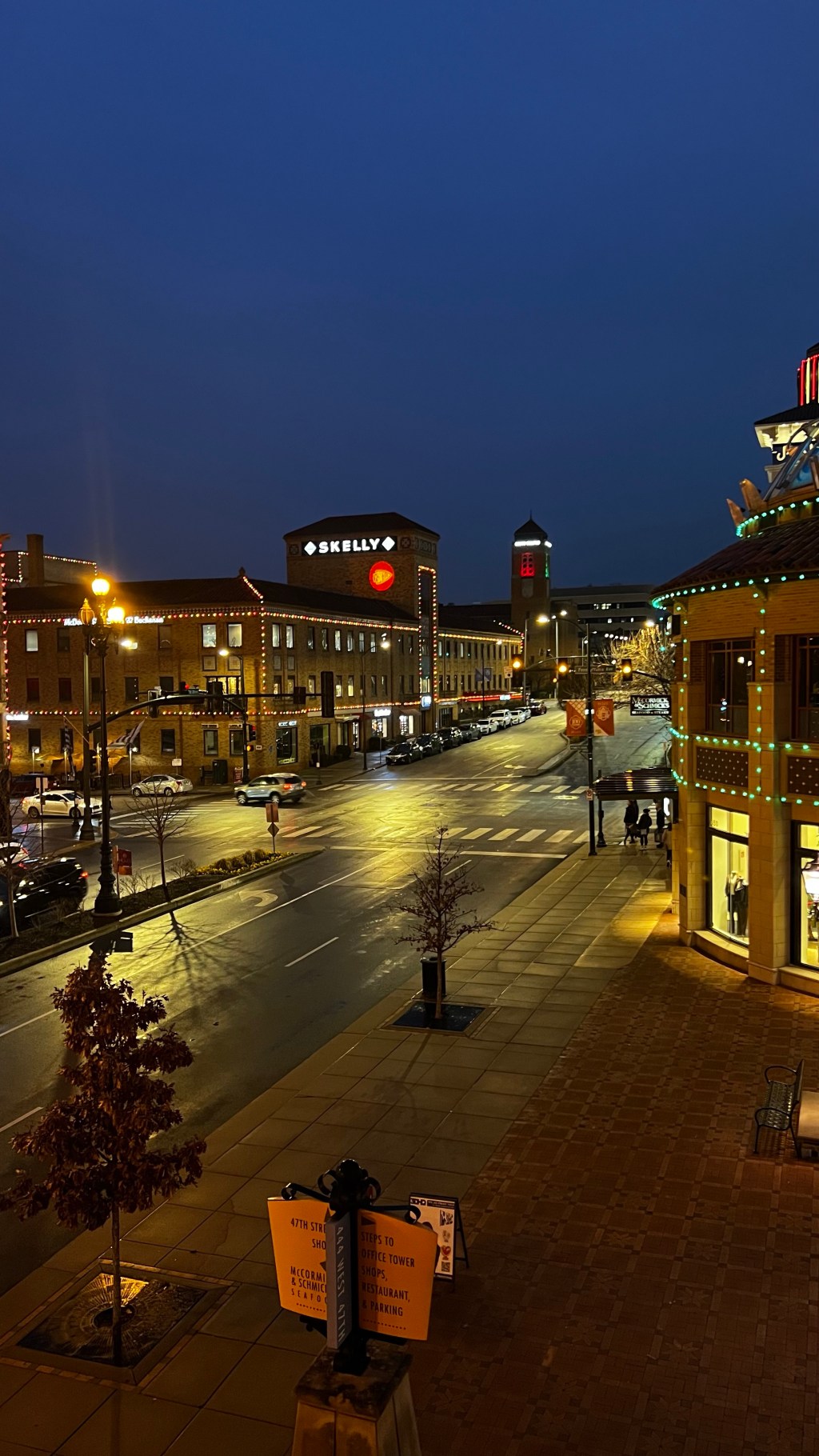
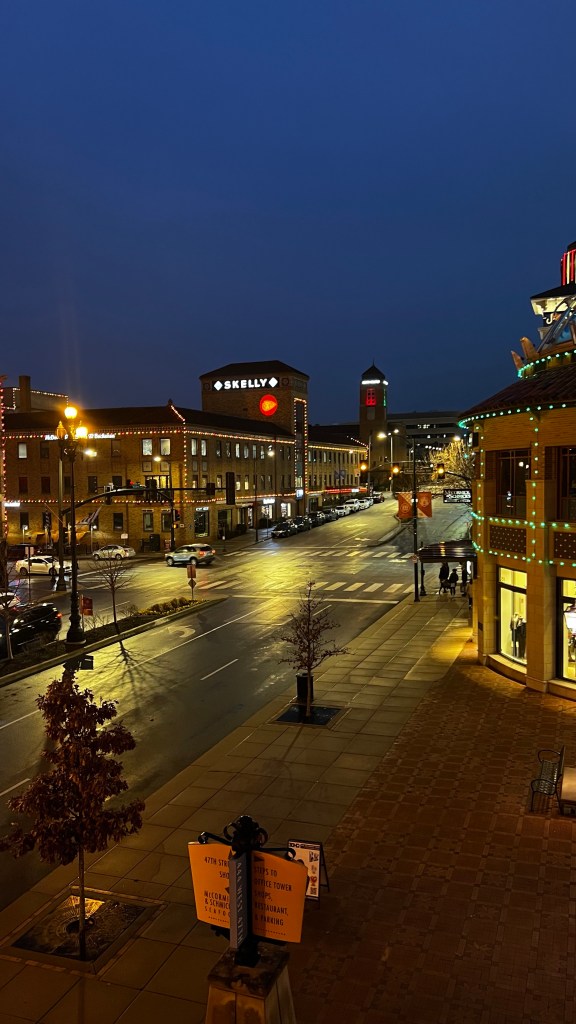
    Last night I had an amazing photography session in downtown Kansas City. I get up this morning to do some edits and write my blog only to find out I have no internet or cable tv service. Ugh! Whatever will I do?

    To compensate a bit I took a screenshot of one of my photos and no writing this entry via my cellphone since I do still have cellular service. If needed I could do a cellular hotspot but I’m not really setup for it. I’m just spoiled by stuff just working. I guess my idea of roughing it is a Holiday Inn Express.

  • Create versus record

    Create versus record

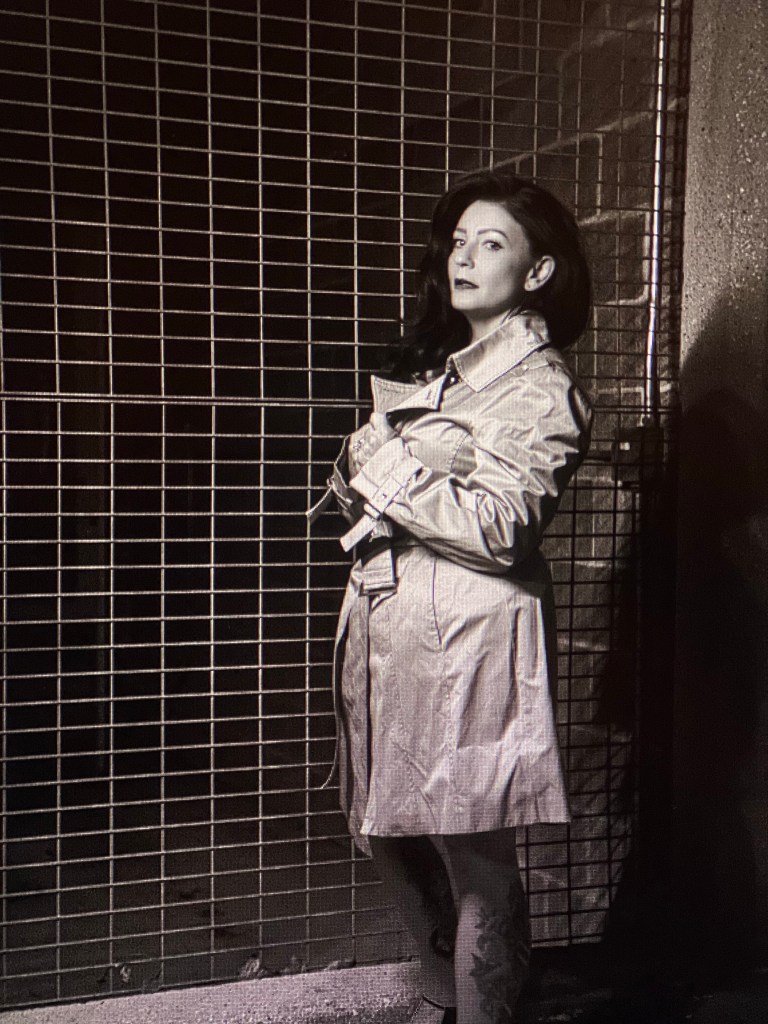
    When I take photographs my goal is to create rather than merely record a scene. I don’t mean to imply that recording a scene or subject is bad or wrong it just isn’t my style.

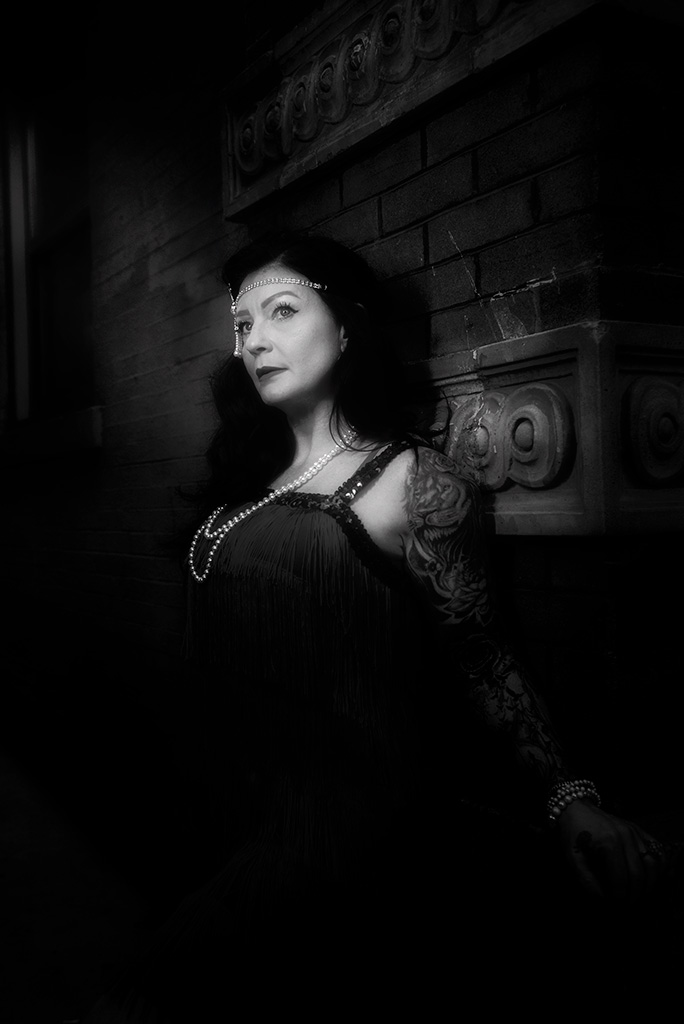
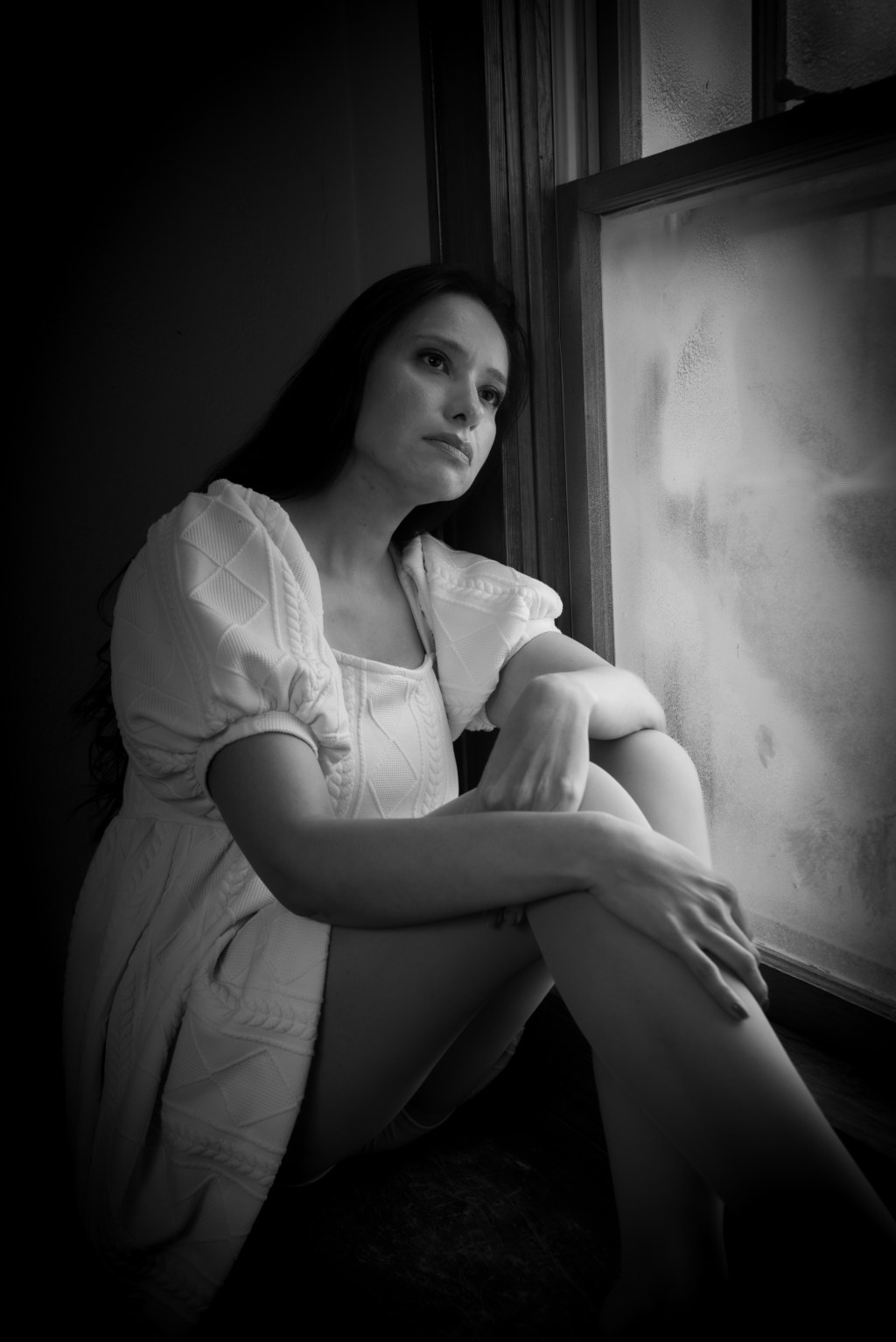
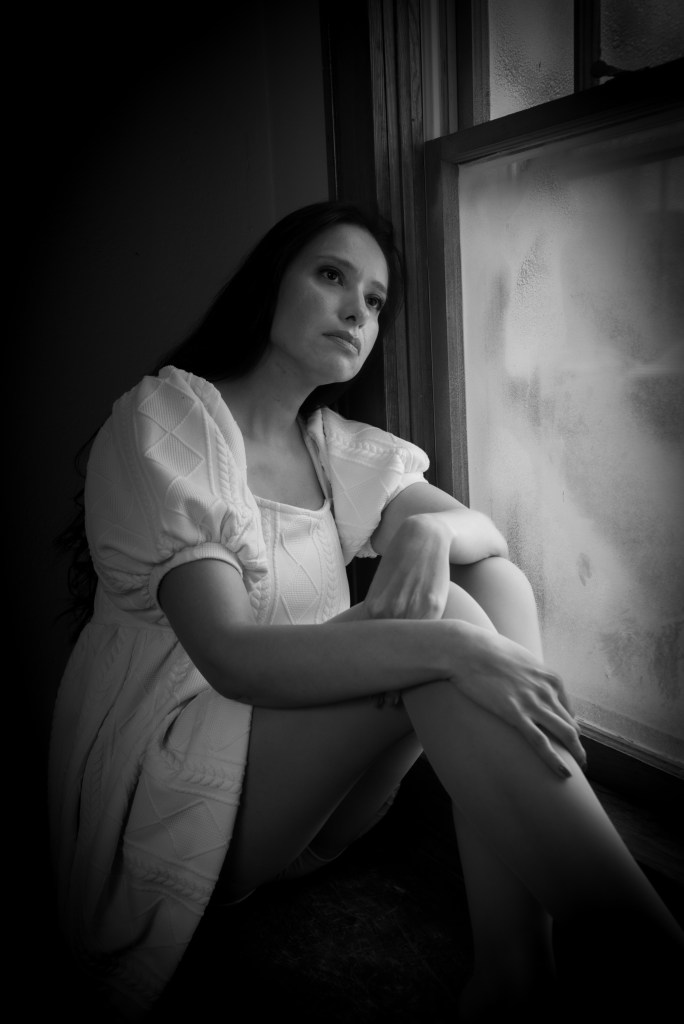
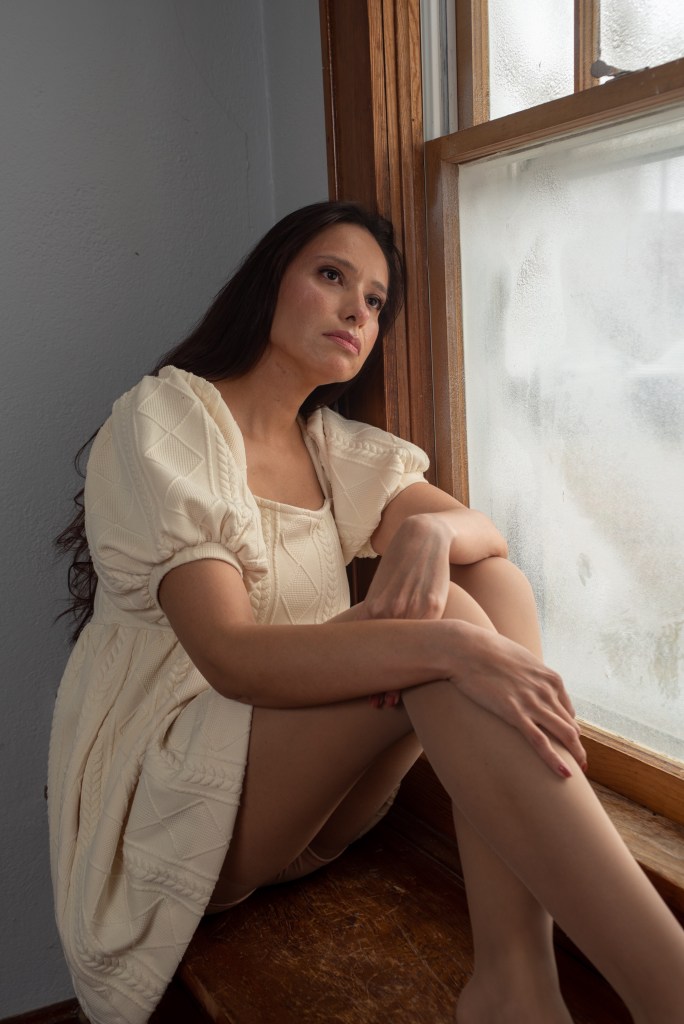
    The version of the featured photo above looks good and it is a close representation of what the scene looked like in reality, but it doesn’t reflect the same mood as the final black and white version. The black and white version with the darker background was what I envisioned in my mind’s eye.

    For me, the difference between a photographer and a photographic artist is to envision the image I want to present to my audience.

  • Some days you’re just out of ideas

    There are some days when you just run out of ideas. Creativity is down and you just zone out. Today is one of those days and it’s okay.

    Occasionally, you just have to remind yourself it’s okay to slow down and take a break. This is especially true for me right now as I am rapidly approaching a major life event, retiring from working for employers and going to start working for myself creating art.

    I see lots of artists and photographers who push themselves nearly everyday to create and so many times in the past I’ve seen people just like them burn out and stop completely.

    It is okay to not push yourself too hard. Give yourself time for yourself. Take a day off, better yet take a week off and recharge.

  • Technology and the creative mindset

    Time and again I see and hear photographers say something similar to “but how much is Photoshop”? I then think about how the previous masters of photography were often on the cutting edge of the technology of their day. Often developing new processes, experimenting with new techniques and I haven’t read where other photographers of the their day say but what about the old ways.

    Today, I can create music, movies, drawings, photographs using handheld devices such as my smartphone or tablet. What a wonderful time to be a creative working in visual or audio arts. Using modern technology one is rarely without equipment or supplies to create.

    At the same time I can still utilize the old ways and create using film, paints, or musical instruments. The possibilities are endless and getting better. Don’t discount technology and the creative mind.