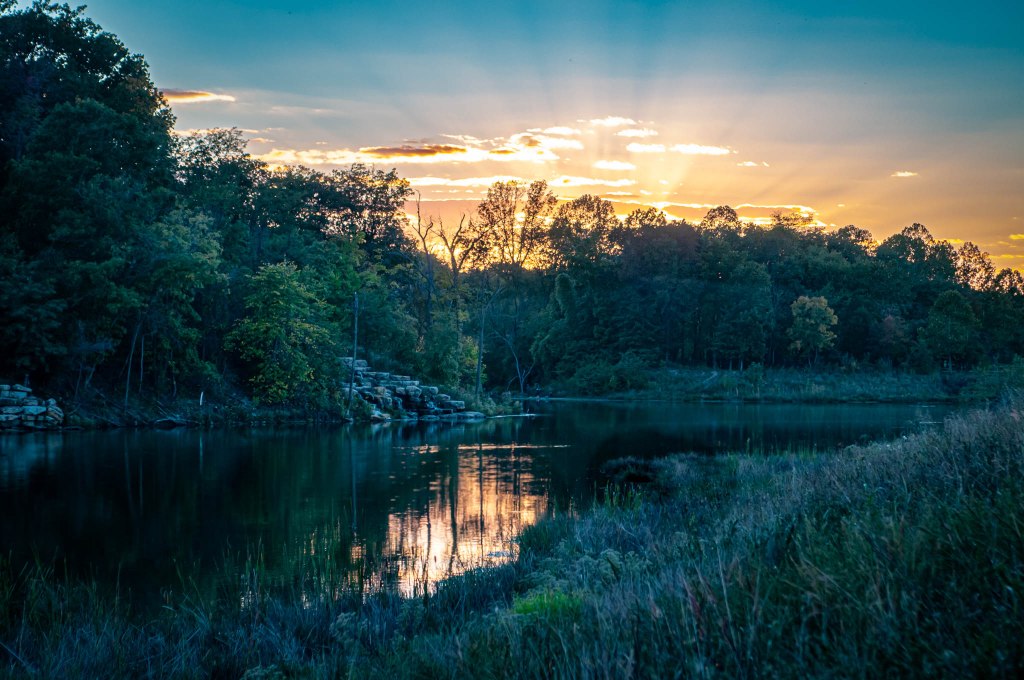
Painters mix colors; photographers sculpt with light. I’ve learned that a scene isn’t interesting until the light touches it with purpose—soft at dawn, directional in winter, violent at noon. Learning Light is the gateway to artistic photography.
For a long time, I thought subjects carried the weight of a photograph. A dramatic landscape, an expressive face, an unusual moment—surely those were enough. But over time, I began to notice that the same subject could feel flat or profound depending entirely on how light arrived. The difference wasn’t the scene. It was the illumination.
Light gives form to emotion. Soft morning light doesn’t just reveal shapes; it forgives them. It smooths edges, lowers contrast, and invites contemplation. At dawn, the world feels like it’s speaking quietly, and photographs made then tend to whisper rather than shout. Shadows stretch gently, highlights are kind, and everything feels possible but unresolved.
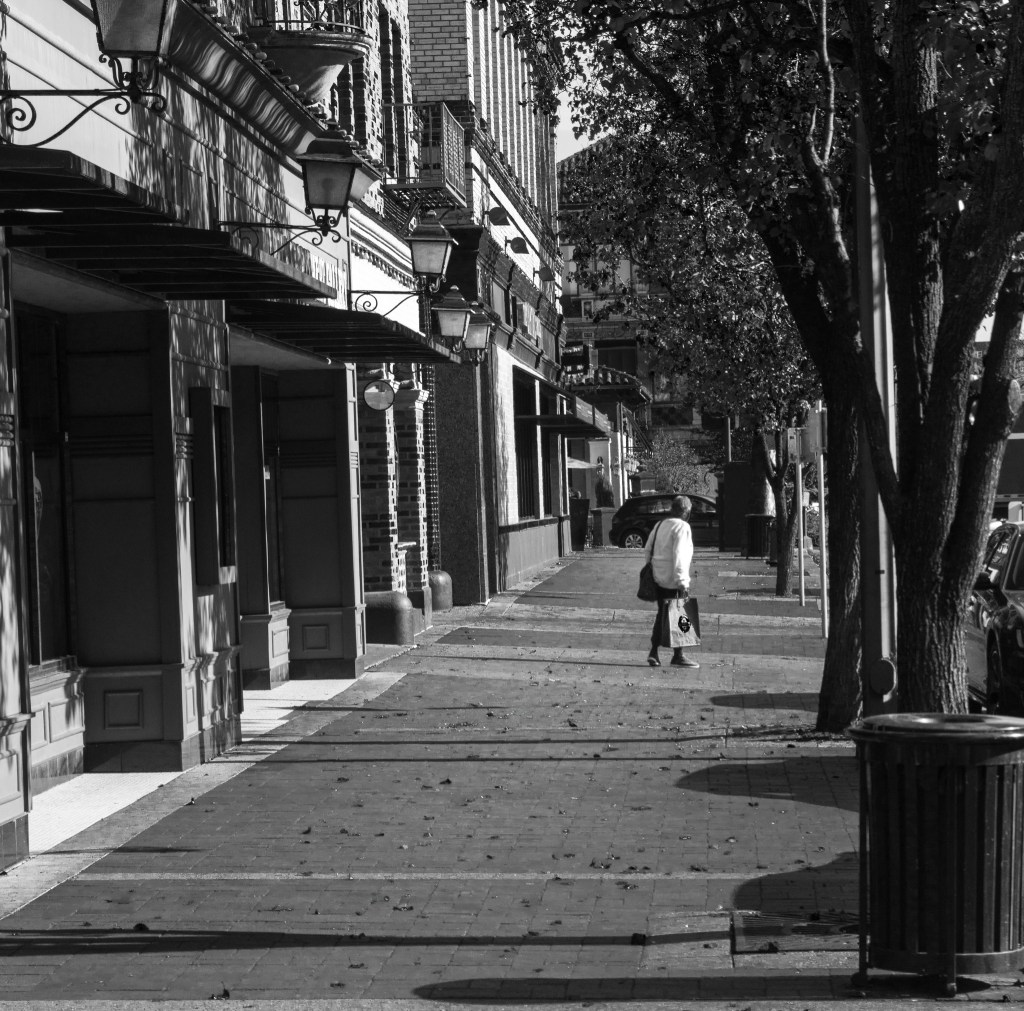
Winter light is more disciplined. Lower in the sky, it arrives with intention, carving hard lines and clear separations. It’s honest, sometimes unforgiving, but incredibly descriptive. Faces gain character. Buildings gain weight. In winter, light behaves like a sculptor who knows exactly what to remove to reveal the form beneath.
Then there’s midday light—the one photographers are taught to avoid. Harsh, vertical, uncompromising. But even violent light has its uses. It flattens subtlety and replaces it with confrontation. Colors clash. Shadows become graphic. When used deliberately, noon light doesn’t tell gentle stories; it tells true ones. It demands confidence and clarity in composition because there’s nowhere to hide.
Learning light isn’t about memorizing rules. It’s about recognition. Noticing how it changes across seasons, hours, and spaces. Seeing how it interacts with surfaces, how it wraps, bounces, absorbs, or disappears entirely. It’s understanding that light is never neutral—it always carries mood.
The camera records whatever light you give it. Artistic photography begins when you choose which light to work with, and when to step back and wait for it to arrive. Once you understand that, you stop chasing subjects and start collaborating with illumination.
Because in the end, photography isn’t about capturing things. It’s about shaping light into meaning.
Photography does not start with the sound of the shutter—it begins much earlier, in the quiet attentiveness of the eyes. This process is subtle and intuitive, as the eyes become attuned to the play of light, the contours of shapes, the patterns of rhythm, and the layers of meaning in the world around us. Long before a picture is made, there is a fleeting instant when something ordinary suddenly stands out, beckoning for attention and recognition.
This critical moment is often easy to overlook. It can pass unnoticed as a single breath. Our lives are filled with distractions and constant movement, often too rapid for the world’s subtle harmonies to reveal themselves. However, when I intentionally slow down—truly slow down—I discover just how generous the world can be. Light, when given time, tells its own compelling stories. A simple gesture from a stranger becomes a narrative in itself. A puddle can unexpectedly reflect a sky. In these moments, what once seemed mundane arranges itself into a compelling frame, with or without my conscious effort.
For me, this act of looking without expectation marks the true beginning of photography. It is about seeing without immediately reaching for the camera, allowing myself to feel the scene before attempting to capture it.
The Role of Attention
In conversations about photography, attention is often overlooked. Discussions tend to focus on technical aspects—lenses, sensors, megapixels, film stocks, and dynamic range. Yet, attention is what truly shapes an image, long before any of these tools come into play. It governs what is included in the frame and what is left out. It determines our patience and tells us when to lift the camera or when to wait just a little longer.
Attention is also informed by memory. Each time I recognize a particular scene—a certain quality of light or a familiar angle—I am not just reacting to the present moment. I am engaging with every photograph I have ever admired, every painting that captivated me, and every street I have explored with my camera ready. Vision in photography is cumulative, built through repetition and experience.
No two photographers standing side by side will ever create the same image. The camera itself is indifferent to meaning; it is only concerned with exposure. Meaning arises from what each photographer chooses to notice and value.
Cameras Preserve; They Don’t Create
There is a common misconception that cameras are responsible for making images. In reality, cameras do not possess curiosity or discernment. They cannot decide what is important. Instead, cameras serve as vessels, recording only what we have already learned to see. They are technical, reliable, and precise, but entirely dependent on the quality of attention we bring to them.
This is why a novice photographer, even with the best equipment available, may still feel unsatisfied with the results. The expectation that a camera can supply vision is misguided. No lens can teach someone what to care about, and no autofocus can substitute for intuition. Technology may enhance what exists, but it cannot generate vision on its own.
On the other hand, some of my most cherished photographs were taken with simple or outdated cameras—gear that would not impress anyone reading a list of specifications. These cameras belonged to photographers who spent years developing their ability to see. In these cases, it was not the tool that made the image, but the act of seeing itself.
Learning to See
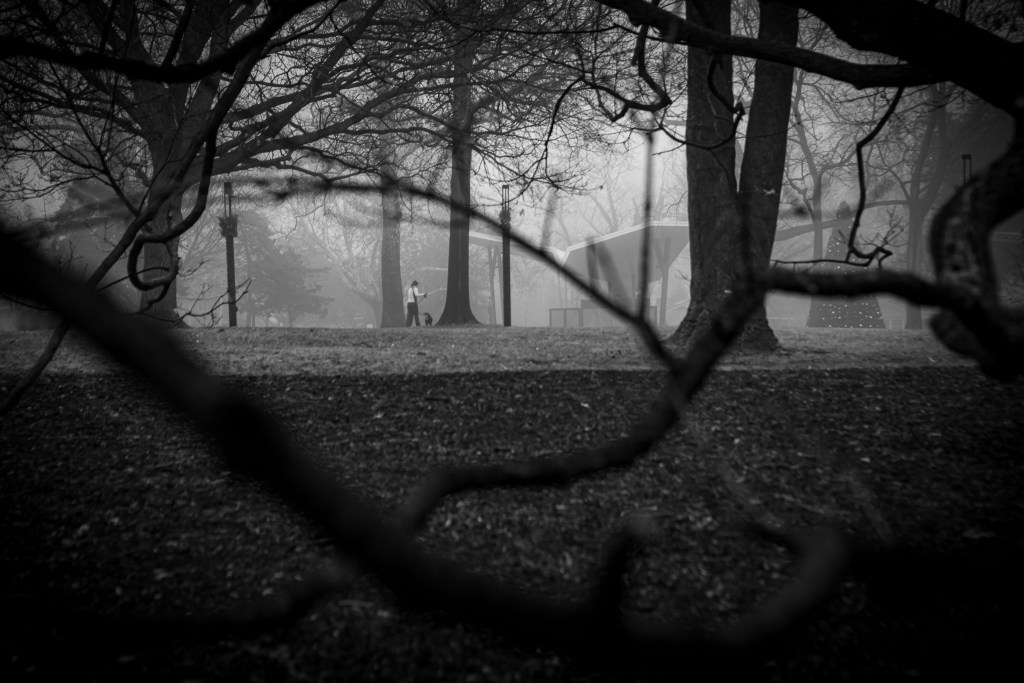
The process of learning to see is not glamorous, nor does it always resemble what most people think of as photography. It is about noticing how fog can blur the edges of objects, how streetlights create glowing halos at night, and how people reveal genuine emotion in the subtle spaces between facial expressions. It involves understanding how shadows define shapes, how colors evoke moods, and how symmetry and asymmetry affect the feel of an image.
Sometimes, learning to see means deliberately walking without taking photographs. Leaving the camera in the bag trains the eye to observe without the immediate reward of making a picture, making the act of seeing itself the primary experience rather than a mere prelude to shooting.
At other times, it means looking through the viewfinder without pressing the shutter, waiting patiently to understand what the scene wishes to become. Often, the difference between a good photograph and a truly great one is just a few extra seconds of attentive stillness.
Slowness as Practice
Practicing slowness is a form of respect for the world. It acknowledges that the world does not perform on demand. Light moves according to its own rules. People will not always pose at convenient moments. The weather is indifferent to our hopes for dramatic skies.
The most compelling photographs do not feel as though they were hunted down—they feel as though they were discovered and encountered.
To truly encounter a photograph, I must allow the world to arrange itself in its own time. The camera can correct exposure after the fact, but it cannot correct impatience.
The Photograph That Already Exists
With experience, I have come to believe that the best photographs already exist in the world before the shutter closes. The photographer’s task is not to force a composition onto the world, but to recognize the composition that is already present—to see the photograph as it forms, and simply choose the moment to preserve it.
When this happens, creating a photograph feels less like imposing my will and more like coming to an agreement with what is in front of me.
Looking, Seeing, Shooting
Shooting comes after seeing, and seeing comes after looking. The real craft lies in looking—not merely glancing, but engaging with curiosity, stillness, and humility. The camera is just the final stage, a brief confirmation that true seeing has taken place.
Photography is more than the act of capturing images; it is the ongoing practice of learning how to look. Over time, the world seems to offer more and more, not because it has changed, but because we have.
If you are like me, we have done this more times than we can count. You have a plan to grab your camera and head out on a walkabout to grab some photos, or a planned event that you want to document, but beyond that, you have little to no concept of what or how you want to accomplish your images. It often starts with a sense of excitement, the thrill of possibility that hangs in the air, yet as you step outside, you may find yourself overwhelmed by the myriad of choices before you. The vibrant colors of nature or the hustle and bustle of a city can be both inspiring and intimidating, leading to a moment of indecision. You might think about the stories you want to tell through your lens, the emotions you want to capture, and the unique perspectives you can showcase, yet the pressure to produce something truly remarkable can feel paralyzing. Embracing the spontaneity of the moment, however, can be where the magic happens; sometimes the best shots come when you least expect them, turning an ordinary walk into an extraordinary adventure of creativity.
How then can we ensure that we get what we want or envision? While I’m not necessarily a gearhead, we must take into account what gear we need to accomplish our goal. The right tools can make a significant difference in the quality of our outcomes, whether it’s photography, writing, or any other creative endeavor. We also need to be able to employ our skills or be willing to be open-minded and work outside our so-called box. Being adaptable allows us to explore new techniques, learn from our experiences, and ultimately grow in our craft. I don’t know how many times I’ve done it myself, let alone how many times I’ve seen others do it, but so many times I’ve never changed my position when taking photos. You know, from a standing position, which can limit our perspective; often we need to get low or higher, to try different angles and viewpoints that can completely transform the narrative of our work. It’s essential to embrace these varied perspectives, as they can lead us to discover compositions we never thought possible. We need to become more creative, constantly pushing the boundaries of our imagination and allowing ourselves to experiment with the unfamiliar. By doing so, not only do we enhance our skills, but we also create more engaging and dynamic results that resonate on a deeper level with our audience.
In 1994 during an interview Helen Frankenthaler stated, “There are no rules, that is one thing I say about every medium, every picture . . . that is how art is born, that is how breakthroughs happen. Go against the rules or ignore the rules, that is what invention is about.” This is often a concept photographers fail to recognize. A bit over 3 years ago I wrote a similar post, “Why are some photographers obsessed with reality“.
I spend a lot of time following photographers who create beyond the conventional boundaries of photography. They take a photograph and then employ a variety of techniques and processes that transform ordinary images into extraordinary pieces of art. Many of these photographers are formally trained fine artists, equipped with a robust understanding of composition, color theory, and the emotional impact of visual storytelling. Yet, when you step into photography forums, attend club meetings, or view exhibitions, it often becomes evident that a significant portion of the work you encounter leans heavily towards depicting reality, rather than exploring the abstract or the imaginative aspects of art.
I don’t mean to belittle or denigrate the work or style of those photographers who are committed to documenting the world as it is. Their ability to capture poignant moments, raw emotions, and the beauty of everyday life is undeniably valuable. However, it is important to recognize that there exists another facet of photography where practitioners embrace a more experimental approach. When many photographers who favor traditional styles encounter the work of those who push the envelope—using alternate processing methods or innovative techniques—they sometimes struggle to appreciate the art in what they perceive as mere manipulation.
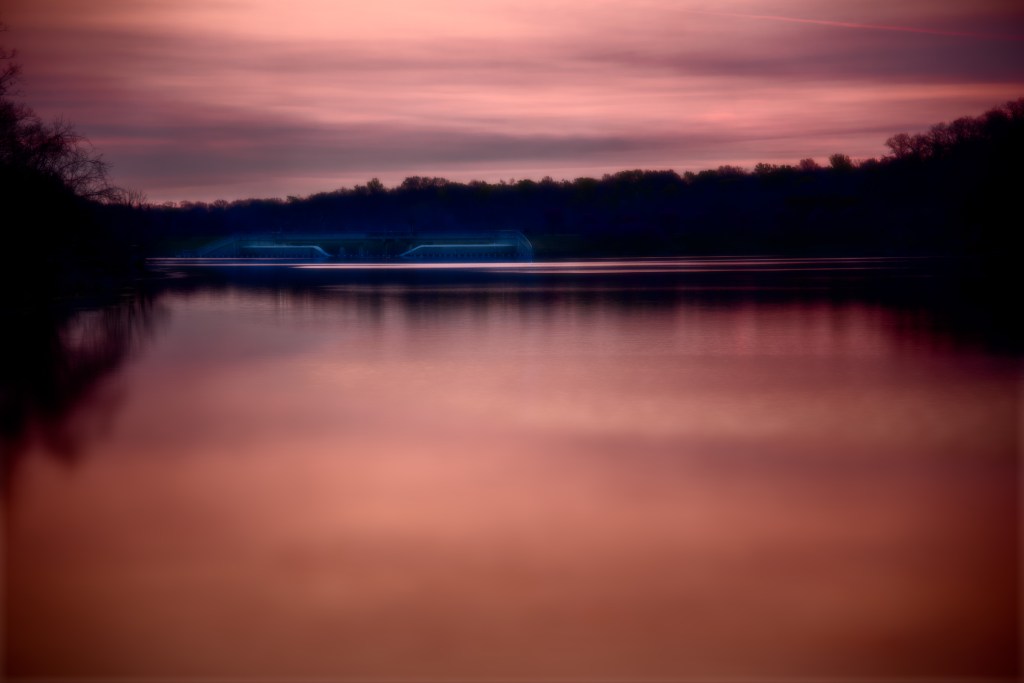
For me, photography transcends mere documentation; it is about art and the creative possibilities it offers. Sometimes, I find satisfaction in the images I can capture almost directly in camera, taking advantage of natural light and composition to tell a story. Other times, I delve into the realm of post-production, where I harness software and tools to craft an alternative reality that reflects my vision and imagination. This back-and-forth between capturing reality and creating art is a dance that I cherish deeply, as it reveals the multifaceted nature of what photography can be.
There is undoubtedly room for all forms of artistic expression within the realm of photography. Whether one chooses to document life as it unfolds or to transform reality into a vibrant tapestry of imagination, each approach has its place and significance. The diversity in style and technique is a testament to the richness of photography as an art form, encouraging dialogue, inspiration, and growth among practitioners and audiences alike. In this ever-evolving landscape, every photographer contributes to a larger conversation about creativity and vision, fostering an environment where art continues to flourish in all its myriad forms.
In 2011, I retired for the first time and found ample time for my photography. Initially, I returned to work because I desired something to occupy my time. I began with a part-time job but soon transitioned to full-time. Since then, I have held two more positions, each demanding more of my time. Despite this, I was able to find time for both photography and writing. I retired permanently just over two years ago, and now it appears I have little time or perhaps interest in my writing and diminished passion for photography.
What I have found intriguing is that with more free time, I seem to have less of it. It’s a paradox that many can relate to: the idea that freedom can sometimes feel constricting. Although my interest in both activities has not waned, I often find myself making excuses to postpone them. Instead, I have developed a keen interest in computer gaming, an avenue I had previously set aside. I once believed my writing and photography skills provided an escape from societal drama, but I have come to realize that I have replaced those activities with computer gaming, immersing myself in digital worlds where I can forget my worries and responsibilities.
In the midst of this shift, I received news about a somewhat serious medical condition that, while correctable, will require a considerable amount of my time and energy. Furthermore, it will necessitate significant changes within my family dynamics. Although these changes are destined for the better, each new development has served as a distraction from the things I once cherished.
However, with the arrival of warmer temperatures, I am determined to reconnect with the outside world and embark on a photography journey. Spring and summer offer such vibrant opportunities for capturing the beauty of nature and the life around me. I believe this endeavor will not only reignite my passion for photography but also encourage me to write more in this blog. My goal is to bring you all along with me on this journey, sharing my experiences and discoveries as I step back into the sunlight.
I sincerely hope that you, my readers, will feel inspired to share your own art and words as we move forward together. Let’s embark on this creative exploration and support one another in rejuvenating our artistic spirits. The shared journey promises to not only enrich our lives but also create a community of like-minded individuals eager to express their passions once again.
Hey there, fellow photography enthusiasts! Today, let’s dive into the fascinating world of creating photographic art. Whether you’re picking up the camera for the first time or you’re a seasoned pro looking for some fresh inspiration, there’s always something new to explore in the realm of photography.
Finding Your Style
First things first, let’s talk about finding your own unique style. It’s super easy to get caught up in what others are doing—especially with social media showcasing stunning visuals every minute of the day. Instead of chasing trends, take some time to reflect on what truly resonates with you. Is it vibrant colors or moody shadows? Do you love portraits or landscapes? Experimenting with different techniques can help you pinpoint what makes your heart sing. So, get out there and try new things until you discover your groove!
Mastering Composition
Once you have an idea of your style, let’s tackle composition. This is where the magic happens! The rule of thirds is a classic starting point: imagine your frame divided into nine equal parts, and place your subject at the intersections of these lines. But don’t stop there! Break the rules when it feels right. Sometimes the most captivating images come from off-center compositions or unexpected angles. Just remember to keep your audience’s eyes moving across the frame!
Playing with Light
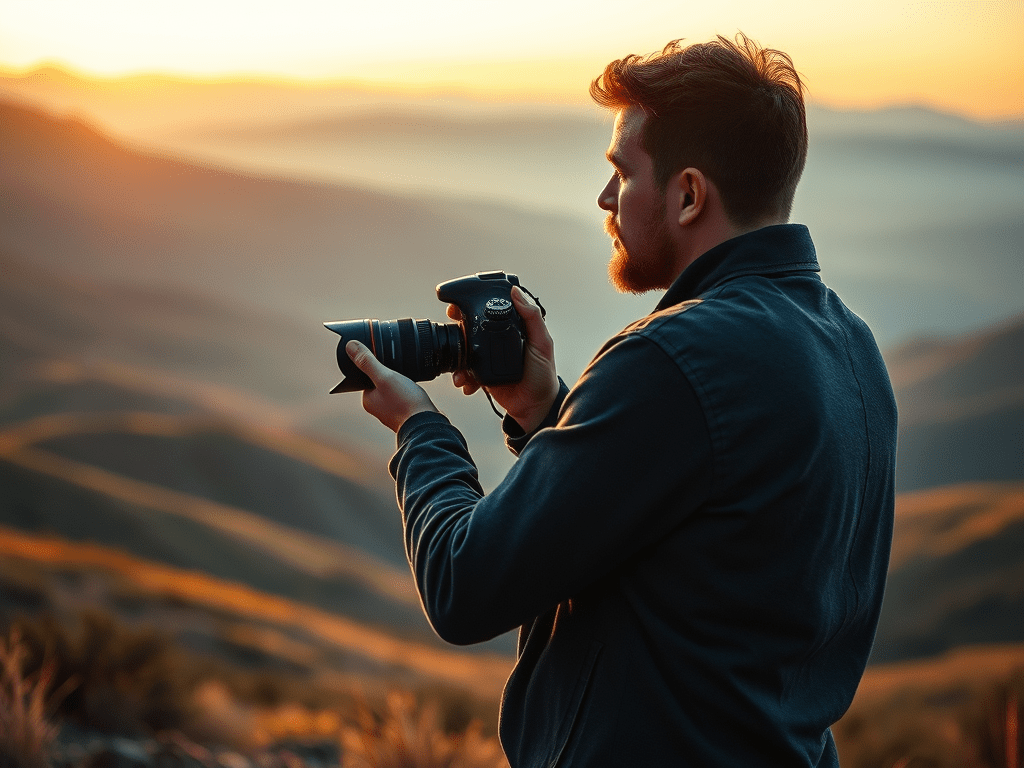
Now, let’s chat about one of the most crucial elements of photography—light. The difference between a mediocre shot and a breathtaking one often comes down to how you use light. Golden hour? Yes, please! That soft, warm glow adds a magical touch to any photo. But don’t shy away from experimenting in harsh midday sun or using artificial lighting to set the mood. The key is to understand how light interacts with your subject, and to leverage it to enhance your storytelling.
Telling a Story
Speaking of storytelling, every photograph has a story to tell. Whether it’s an intimate portrait or a vast landscape, think about what you want your audience to feel. What emotions are you trying to evoke? Consider adding elements to your compositions that contribute to the narrative—like including people in urban settings or capturing details in nature. The more you think about storytelling, the more depth your photographic art will have.
Post-Processing: The Final Touch
Finally, let’s not forget about post-processing—this is where you can really make your images pop! Editing isn’t about changing the reality but enhancing it. Simple adjustments like contrast, saturation, and cropping can take your photo from good to stunning. There are tons of editing tools out there, so find one that suits your style and start experimenting.
Creating photographic art is an ongoing journey of exploration and expression. The best part? There are no hard and fast rules! So grab your camera, step outside, and let your creativity flow. I can’t wait to see the amazing art you create!
Happy shooting, everyone! Feel free to share your thoughts and experiences in the comments—let’s keep this conversation going. 🌟
Failure is not the opposite of art—it is its canvas.
For every breathtaking image captured through the lens, there are countless missed shots, blurry frames, and moments of frustration. Photography, like any craft, is a journey where failure plays a pivotal role in shaping success. Here’s why you should embrace failure as a photographer and use it as your stepping stone to greatness.
The Lessons Hidden in Failure
Each “mistake” in photography is a lesson waiting to be learned:
Out of Focus, but Full of Potential The first time you try to capture a subject in motion, you may end up with an unintentional blur. Instead of seeing it as a failure, look closer—does the motion blur tell a story? Failure often nudges you toward creative possibilities you hadn’t considered.
Bad Light, Good Insight Shooting in harsh sunlight or dim interiors can result in overexposed or grainy images. These challenges push you to experiment with lighting techniques, from golden hour shooting to creative use of reflectors and strobes.
Missed Composition, Nailed Vision A poorly framed shot feels disheartening, but it forces you to think about perspective, leading lines, and balance. Over time, failures refine your instinct for what makes a frame compelling.
Why Failure is Essential in Photography
It Builds Your Skillset Every misstep leads you to explore manual settings, understand the technicalities of your gear, and master the art of post-processing.
It Sharpens Your Eye The more “bad” photos you take, the better your eye becomes at spotting the extraordinary in the ordinary. Failure teaches you to see what you previously overlooked.
It Fosters Resilience Photography isn’t just about capturing a perfect moment—it’s about perseverance. Nature photographers might wait hours for the right light or moment. Portrait photographers often adjust endlessly for expression and mood. Each failure strengthens your resolve to keep clicking.
Famous Photographers Who Failed First
Ansel Adams didn’t always capture landscapes with the precision we associate with him today. Early in his career, Adams struggled with balancing light in black-and-white photography, which led him to invent the Zone System, a revolutionary method for managing tonal range.
Dorothea Lange faced criticism for her emotional documentary work during the Great Depression. Yet her so-called “failures” reshaped photojournalism by placing human vulnerability at its heart.
Tips to Embrace Failure as a Photographer
Experiment Boldly Try new techniques, angles, and settings, even if they might not work. Innovation often arises from risk.
Review Your Work Don’t delete your “bad” shots immediately. Analyze them. What went wrong? What went right?
Welcome Feedback Join photography communities, share your work, and listen to constructive criticism. Every critique is a chance to grow.
Keep Shooting Progress is in the practice. Every shot, good or bad, contributes to your growth.
Fear of Photoshop and editing.
I see lots of photographs every day from a wide variety of photographers, some professional and some amateurs. What I see far too often are photographs that look like every other photographer. A photograph of a beautiful colorful bird that looks like everyone else’s photogCraph of the same beautiful colorful bird.
We often fear standing out to be different either by use of creative techniques, creative processes, or creative post processing.
Creative techniques Experiment with new or different (at least to you) camera techniques. Things like shallow depth of field, deep depth of field, break the so-called “rules” of composition.
Photoshop and editing When I say Photoshop I mean actual Photoshop or Photoshop like programs. I see so many photographers that just do very basic or no post-processing, often stating something similar to “real photographers don’t need that, get it right in camera”. My thoughts is “what is right”.
Guide your viewer Painters create art by guiding the viewer through the painting. Similarly, as a photographer we should guide our viewers through the image and allow our subject matter to stand out.
Failure in photography is not a barrier—it’s a rite of passage. Each misstep teaches you more about your craft, your vision, and even yourself. So, the next time you review your memory card and find more misses than hits, remember this: every failure brings you closer to capturing the image you’ve always dreamed of.
What lessons have your photographic “failures” taught you lately? Keep clicking—you’re on your way to success. 📸
Photography My Way: A Journey of Expression and Discovery
Photography is a powerful medium of expression that allows us to capture moments, emotions, and the world around us. It’s a personal journey that can be both exhilarating and daunting. As photographers, we often find ourselves in a tug-of-war between our creative vision and the vulnerability of exposing our inner thoughts through our work.
For many, photography is not just about taking pictures; it’s a form of self-expression that conveys our unique perspective on life. It’s a silent language that speaks volumes about who we are, what we value, and how we see the world. The reluctance to share our photography can stem from a fear of judgment or criticism, or perhaps it’s the intimate connection we feel with our creations that makes them feel so personal.
Embracing the personal aspect of photography can lead to a deeper understanding of ourselves and our craft. It’s about recognizing that each photo we take is a reflection of our emotions, experiences, and growth as artists. Whether it’s the play of light in a landscape or the candid moment of a street scene, our photographs tell a story that is uniquely ours.
So, if you find yourself hesitant to express your feelings about your photography, remember that it’s a natural part of the creative process. It’s okay to be protective of your work, but also consider the possibility that sharing it could open doors to new perspectives, constructive feedback, and a shared experience with others who appreciate the art of photography.
In the end, photography is a journey of discovery, not just of the world we aim to capture, but also of ourselves. It’s a continuous learning experience where each shot can teach us something new. So, take a deep breath, embrace your hesitations, and let your photography speak for itself. Who knows? You might just inspire someone else to embark on their own photographic adventure.
Photography is an art form that transcends the mere act of capturing an image with a camera. It’s a process that involves a deep understanding of composition, lighting, subject matter, and the message the photographer wishes to convey. The phrase “It’s not just about getting it right in the camera” speaks volumes about the philosophy behind photography as an expressive medium.
In the digital age, the camera is just the beginning. Post-processing plays a significant role in the creation of a photograph. Tools like Photoshop and Lightroom allow photographers to refine their images, adjust exposure, tweak colors, and even composite multiple images into a single piece of art. This process can be as simple as cropping a photo to improve its composition, or as complex as creating an entirely new world that challenges the viewer’s perception of reality.
Moreover, the intent behind a photograph is what gives it depth. A picture might be technically perfect but lacks the emotional impact that turns a good photo into a great one. Photographers often talk about ‘capturing the moment,’ but what they are truly seeking to capture is the feeling of that moment. The context, the environment, and the photographer’s unique perspective all contribute to this.
The art of photography also involves the physical presentation of the work. The choice of paper, the printing process, and the framing all affect how the final image is perceived. A glossy print might bring out vibrant colors, while a matte print could enhance the texture and depth of a black-and-white image.
In essence, photography is a multifaceted art form that combines technology, creativity, and vision. It’s about using the camera as a tool to create something that resonates on a deeper level, something that stirs emotions, provokes thoughts, or tells a story. It’s about the photographer’s ability to see the extraordinary in the ordinary and share that vision with the world. It’s not just about getting it right in the camera; it’s about getting it right in the heart and mind of the beholder. Photography, therefore, is as much about the journey after the shutter is pressed as it is about the preparation leading up to that decisive moment.




 Photographer Clay