Tag: camera

  • There are no rules!

    There are no rules!

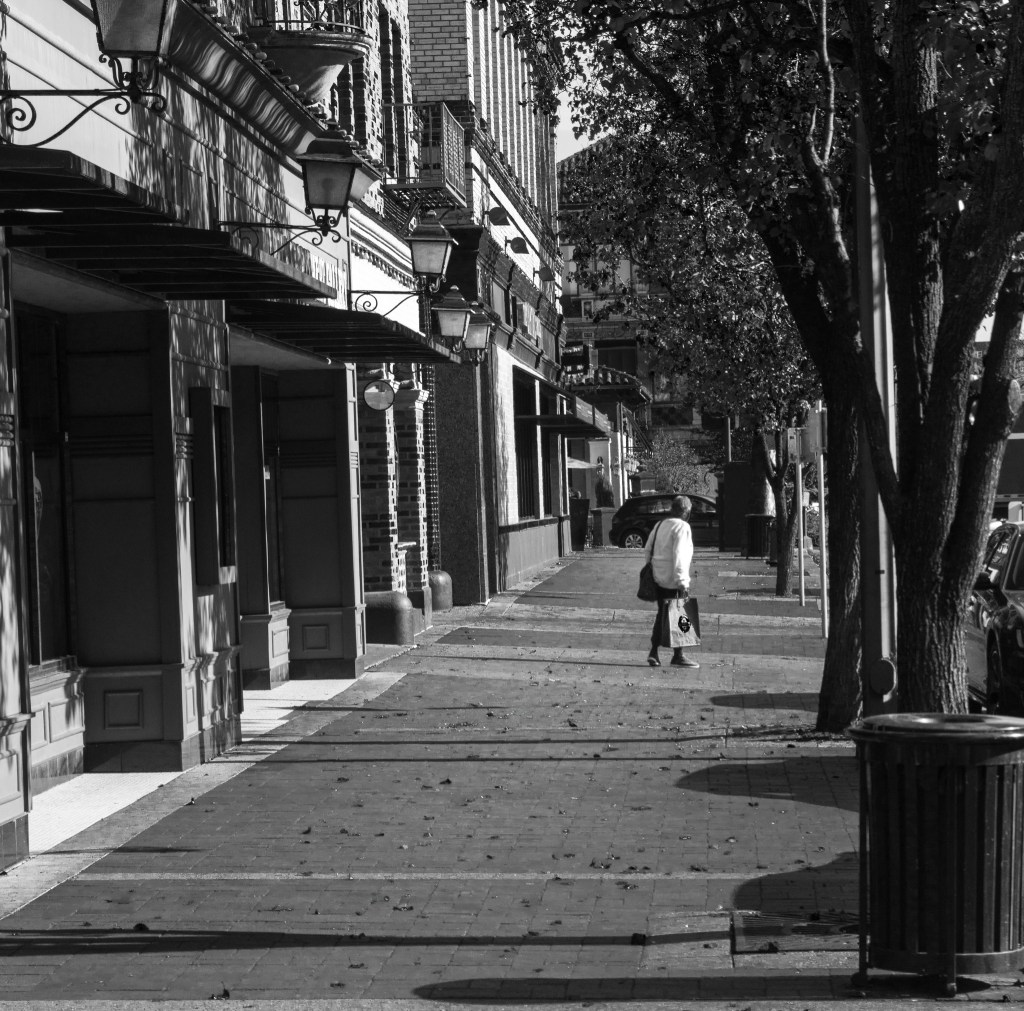
    In 1994 during an interview Helen Frankenthaler stated, “There are no rules, that is one thing I say about every medium, every picture . . .  that is how art is born, that is how breakthroughs happen. Go against the rules or ignore the rules, that is what invention is about.” This is often a concept photographers fail to recognize. A bit over 3 years ago I wrote a similar post, “Why are some photographers obsessed with reality“.

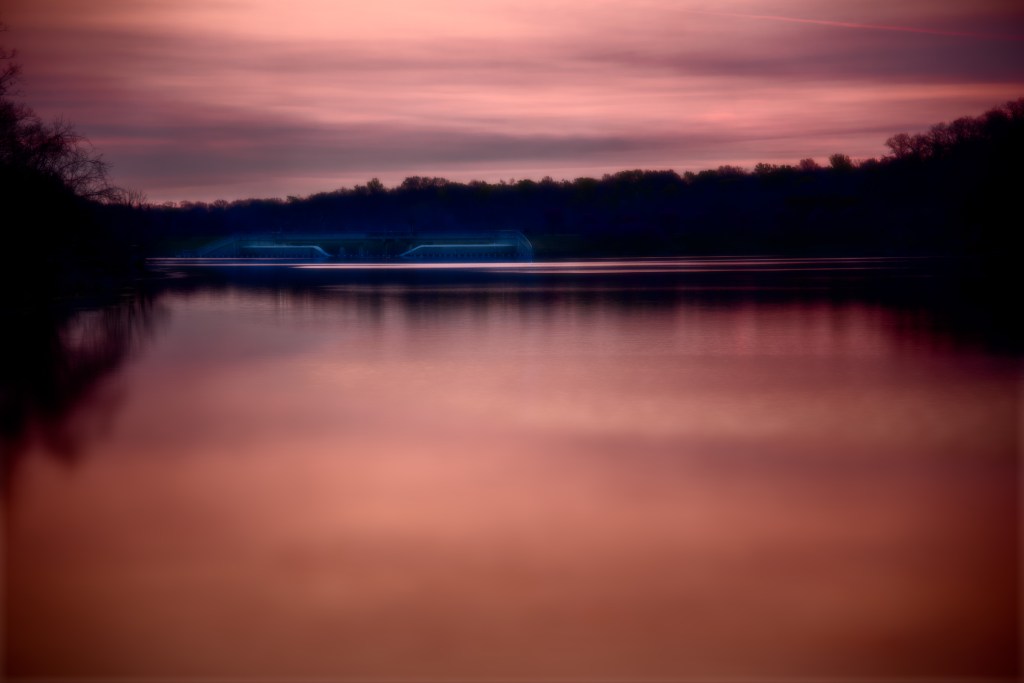
    I spend a lot of time following photographers who create beyond the conventional boundaries of photography. They take a photograph and then employ a variety of techniques and processes that transform ordinary images into extraordinary pieces of art. Many of these photographers are formally trained fine artists, equipped with a robust understanding of composition, color theory, and the emotional impact of visual storytelling. Yet, when you step into photography forums, attend club meetings, or view exhibitions, it often becomes evident that a significant portion of the work you encounter leans heavily towards depicting reality, rather than exploring the abstract or the imaginative aspects of art.

    I don’t mean to belittle or denigrate the work or style of those photographers who are committed to documenting the world as it is. Their ability to capture poignant moments, raw emotions, and the beauty of everyday life is undeniably valuable. However, it is important to recognize that there exists another facet of photography where practitioners embrace a more experimental approach. When many photographers who favor traditional styles encounter the work of those who push the envelope—using alternate processing methods or innovative techniques—they sometimes struggle to appreciate the art in what they perceive as mere manipulation.

    For me, photography transcends mere documentation; it is about art and the creative possibilities it offers. Sometimes, I find satisfaction in the images I can capture almost directly in camera, taking advantage of natural light and composition to tell a story. Other times, I delve into the realm of post-production, where I harness software and tools to craft an alternative reality that reflects my vision and imagination. This back-and-forth between capturing reality and creating art is a dance that I cherish deeply, as it reveals the multifaceted nature of what photography can be.

    There is undoubtedly room for all forms of artistic expression within the realm of photography. Whether one chooses to document life as it unfolds or to transform reality into a vibrant tapestry of imagination, each approach has its place and significance. The diversity in style and technique is a testament to the richness of photography as an art form, encouraging dialogue, inspiration, and growth among practitioners and audiences alike. In this ever-evolving landscape, every photographer contributes to a larger conversation about creativity and vision, fostering an environment where art continues to flourish in all its myriad forms.

  • Creating Photographic Art: Capturing Life Through the Lens

    Creating Photographic Art: Capturing Life Through the Lens

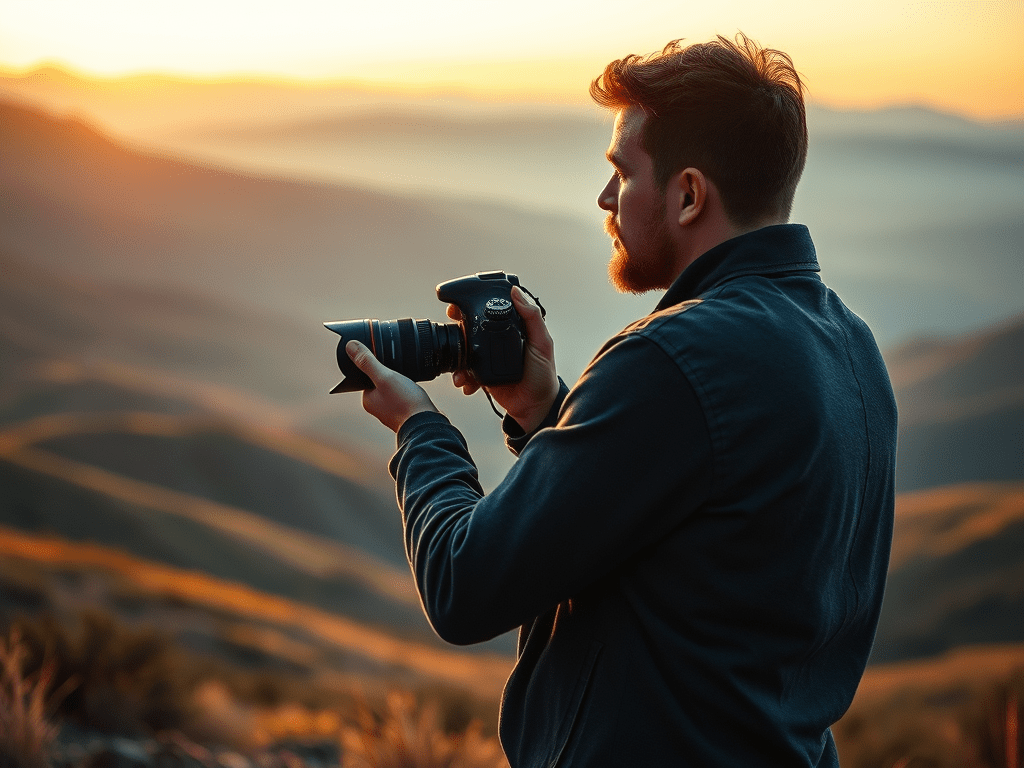
    Hey there, fellow photography enthusiasts! Today, let’s dive into the fascinating world of creating photographic art. Whether you’re picking up the camera for the first time or you’re a seasoned pro looking for some fresh inspiration, there’s always something new to explore in the realm of photography.

    Finding Your Style

    First things first, let’s talk about finding your own unique style. It’s super easy to get caught up in what others are doing—especially with social media showcasing stunning visuals every minute of the day. Instead of chasing trends, take some time to reflect on what truly resonates with you. Is it vibrant colors or moody shadows? Do you love portraits or landscapes? Experimenting with different techniques can help you pinpoint what makes your heart sing. So, get out there and try new things until you discover your groove!

    Mastering Composition

    Once you have an idea of your style, let’s tackle composition. This is where the magic happens! The rule of thirds is a classic starting point: imagine your frame divided into nine equal parts, and place your subject at the intersections of these lines. But don’t stop there! Break the rules when it feels right. Sometimes the most captivating images come from off-center compositions or unexpected angles. Just remember to keep your audience’s eyes moving across the frame!

    Playing with Light

    Now, let’s chat about one of the most crucial elements of photography—light. The difference between a mediocre shot and a breathtaking one often comes down to how you use light. Golden hour? Yes, please! That soft, warm glow adds a magical touch to any photo. But don’t shy away from experimenting in harsh midday sun or using artificial lighting to set the mood. The key is to understand how light interacts with your subject, and to leverage it to enhance your storytelling.

    Telling a Story

    Speaking of storytelling, every photograph has a story to tell. Whether it’s an intimate portrait or a vast landscape, think about what you want your audience to feel. What emotions are you trying to evoke? Consider adding elements to your compositions that contribute to the narrative—like including people in urban settings or capturing details in nature. The more you think about storytelling, the more depth your photographic art will have.

    Post-Processing: The Final Touch

    Finally, let’s not forget about post-processing—this is where you can really make your images pop! Editing isn’t about changing the reality but enhancing it. Simple adjustments like contrast, saturation, and cropping can take your photo from good to stunning. There are tons of editing tools out there, so find one that suits your style and start experimenting.


    Creating photographic art is an ongoing journey of exploration and expression. The best part? There are no hard and fast rules! So grab your camera, step outside, and let your creativity flow. I can’t wait to see the amazing art you create!

    Happy shooting, everyone! Feel free to share your thoughts and experiences in the comments—let’s keep this conversation going. 🌟

    Until next time.

  • Learn to fail before you learn to succeed

    Learn to fail before you learn to succeed

    Failure is not the opposite of art—it is its canvas.

    For every breathtaking image captured through the lens, there are countless missed shots, blurry frames, and moments of frustration. Photography, like any craft, is a journey where failure plays a pivotal role in shaping success. Here’s why you should embrace failure as a photographer and use it as your stepping stone to greatness.

    The Lessons Hidden in Failure

    Each “mistake” in photography is a lesson waiting to be learned:

    1. Out of Focus, but Full of Potential The first time you try to capture a subject in motion, you may end up with an unintentional blur. Instead of seeing it as a failure, look closer—does the motion blur tell a story? Failure often nudges you toward creative possibilities you hadn’t considered.
    2. Bad Light, Good Insight Shooting in harsh sunlight or dim interiors can result in overexposed or grainy images. These challenges push you to experiment with lighting techniques, from golden hour shooting to creative use of reflectors and strobes.
    3. Missed Composition, Nailed Vision A poorly framed shot feels disheartening, but it forces you to think about perspective, leading lines, and balance. Over time, failures refine your instinct for what makes a frame compelling.

    Why Failure is Essential in Photography

    1. It Builds Your Skillset Every misstep leads you to explore manual settings, understand the technicalities of your gear, and master the art of post-processing.
    2. It Sharpens Your Eye The more “bad” photos you take, the better your eye becomes at spotting the extraordinary in the ordinary. Failure teaches you to see what you previously overlooked.
    3. It Fosters Resilience Photography isn’t just about capturing a perfect moment—it’s about perseverance. Nature photographers might wait hours for the right light or moment. Portrait photographers often adjust endlessly for expression and mood. Each failure strengthens your resolve to keep clicking.

    Famous Photographers Who Failed First

    • Ansel Adams didn’t always capture landscapes with the precision we associate with him today. Early in his career, Adams struggled with balancing light in black-and-white photography, which led him to invent the Zone System, a revolutionary method for managing tonal range.
    • Dorothea Lange faced criticism for her emotional documentary work during the Great Depression. Yet her so-called “failures” reshaped photojournalism by placing human vulnerability at its heart.

    Tips to Embrace Failure as a Photographer

    1. Experiment Boldly Try new techniques, angles, and settings, even if they might not work. Innovation often arises from risk.
    2. Review Your Work Don’t delete your “bad” shots immediately. Analyze them. What went wrong? What went right?
    3. Welcome Feedback Join photography communities, share your work, and listen to constructive criticism. Every critique is a chance to grow.
    4. Keep Shooting Progress is in the practice. Every shot, good or bad, contributes to your growth.

    Fear of Photoshop and editing.

    I see lots of photographs every day from a wide variety of photographers, some professional and some amateurs. What I see far too often are photographs that look like every other photographer. A photograph of a beautiful colorful bird that looks like everyone else’s photogCraph of the same beautiful colorful bird.

    We often fear standing out to be different either by use of creative techniques, creative processes, or creative post processing.

    1. Creative techniques Experiment with new or different (at least to you) camera techniques. Things like shallow depth of field, deep depth of field, break the so-called “rules” of composition.
    2. Photoshop and editing When I say Photoshop I mean actual Photoshop or Photoshop like programs. I see so many photographers that just do very basic or no post-processing, often stating something similar to “real photographers don’t need that, get it right in camera”. My thoughts is “what is right”.
    3. Guide your viewer Painters create art by guiding the viewer through the painting. Similarly, as a photographer we should guide our viewers through the image and allow our subject matter to stand out.

    Failure in photography is not a barrier—it’s a rite of passage. Each misstep teaches you more about your craft, your vision, and even yourself. So, the next time you review your memory card and find more misses than hits, remember this: every failure brings you closer to capturing the image you’ve always dreamed of.

    What lessons have your photographic “failures” taught you lately? Keep clicking—you’re on your way to success. 📸

  • It’s not just about getting it right in camera.

    It’s not just about getting it right in camera.

    The Art Beyond the Camera

    Photography is an art form that transcends the mere act of capturing an image with a camera. It’s a process that involves a deep understanding of composition, lighting, subject matter, and the message the photographer wishes to convey. The phrase “It’s not just about getting it right in the camera” speaks volumes about the philosophy behind photography as an expressive medium.

    In the digital age, the camera is just the beginning. Post-processing plays a significant role in the creation of a photograph. Tools like Photoshop and Lightroom allow photographers to refine their images, adjust exposure, tweak colors, and even composite multiple images into a single piece of art. This process can be as simple as cropping a photo to improve its composition, or as complex as creating an entirely new world that challenges the viewer’s perception of reality.

    Moreover, the intent behind a photograph is what gives it depth. A picture might be technically perfect but lacks the emotional impact that turns a good photo into a great one. Photographers often talk about ‘capturing the moment,’ but what they are truly seeking to capture is the feeling of that moment. The context, the environment, and the photographer’s unique perspective all contribute to this.

    The art of photography also involves the physical presentation of the work. The choice of paper, the printing process, and the framing all affect how the final image is perceived. A glossy print might bring out vibrant colors, while a matte print could enhance the texture and depth of a black-and-white image.

    In essence, photography is a multifaceted art form that combines technology, creativity, and vision. It’s about using the camera as a tool to create something that resonates on a deeper level, something that stirs emotions, provokes thoughts, or tells a story. It’s about the photographer’s ability to see the extraordinary in the ordinary and share that vision with the world. It’s not just about getting it right in the camera; it’s about getting it right in the heart and mind of the beholder. Photography, therefore, is as much about the journey after the shutter is pressed as it is about the preparation leading up to that decisive moment.