The Artistic Side of Clicking: Photography as a Creative Expression
Photography, the art form that lets you capture a moment with the click of a button, has long been a medium for creative expression. It’s not just about snapping what you see; it’s about conveying a story, an emotion, or a perspective. It’s the difference between a picture that says, “I was here,” and one that says, “I felt this.”
For those who pursue photography as an art form, it’s all about the aesthetics—the play of light and shadow, the composition of elements within the frame, and the colors that dance before the lens. It’s a pursuit that requires an eye for beauty in the mundane and the ability to see the world through a different lens—literally.
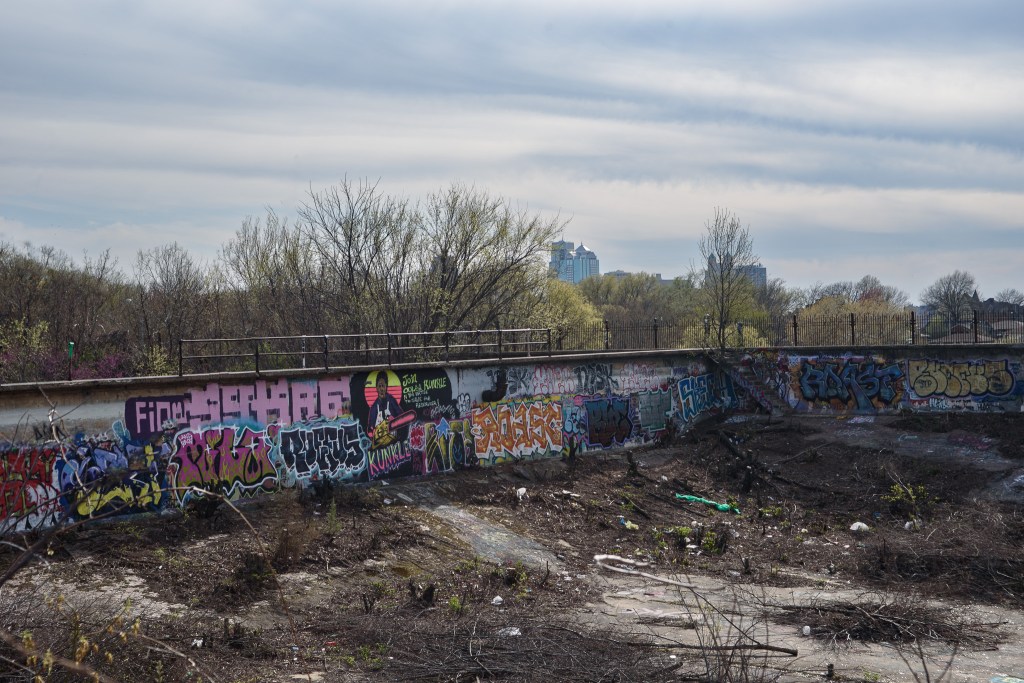
But let’s be real, it’s also about looking cool with a fancy camera and pretending to adjust settings while you’re actually just pressing random buttons. It’s about the thrill of finding the perfect graffiti wall for your Instagram backdrop, or the quest for the most dramatic angle of your latte art.
So, grab your camera, whether it’s a high-end DSLR, a vintage film relic, or just your trusty smartphone, and join the ranks of those who turn the ordinary into the extraordinary. Who knows, maybe your next snapshot could be the one that captures the heart of the art world, or at least earns you some solid likes on social media.
Remember, in the world of artistic photography, every shot is a chance to make a statement. So make it loud, make it clear, or make it hilariously abstract—because in the end, it’s your vision through the viewfinder that counts. Happy shooting!
Photography is more than just a click of a button; it’s an art form that transcends time, emotion, and perspective. At its core, photography is the practice of capturing light, but in reality, it captures so much more. It encapsulates moments, memories, and emotions, preserving them for eternity. Let’s delve into the essence of photography and explore what makes this medium so profoundly impactful.
The Art of Seeing
Photography begins with seeing—really seeing. It’s about noticing the play of light and shadow, the harmony of colors, the intricacies of textures, and the expressions of life. A photographer’s eye is attuned to the details that others might overlook. This heightened awareness allows photographers to find beauty in the mundane and the extraordinary alike.
Capturing Moments
Life is a series of fleeting moments, each unique and unrepeatable. Photography has the power to freeze these moments, allowing us to revisit them long after they’ve passed. Whether it’s the joyous smile of a child, the serene beauty of a sunset, or the raw emotion of a street scene, photographs hold the essence of these experiences. They serve as time capsules, preserving the emotions and stories behind each frame.
Storytelling Through Images
A single photograph can tell a thousand stories. It can convey complex narratives, evoke deep emotions, and provoke thoughtful reflection. Photographers are storytellers, using their cameras as tools to communicate their vision of the world. Through composition, lighting, and subject matter, they create images that speak volumes without uttering a single word.
The Intersection of Art and Technology
Photography resides at the crossroads of art and technology. It demands technical proficiency with cameras and editing software, yet it also requires a creative vision and an artistic touch. The best photographers seamlessly blend these elements, using technology to enhance their artistic expression. From the early days of film to the digital revolution, photography continues to evolve, pushing the boundaries of what’s possible.
The Emotional Connection
Great photographs resonate on an emotional level. They connect with viewers, stirring feelings of nostalgia, joy, sadness, or wonder. This emotional connection is what makes photography so powerful. It’s not just about what we see in the image, but what we feel. A photograph can transport us to another time and place, evoking memories and emotions that are deeply personal.
The Universality of Photography
Photography is a universal language. It transcends cultural and linguistic barriers, allowing people from different backgrounds to connect and communicate. A powerful image can be understood and appreciated by anyone, regardless of where they come from. This universality makes photography a potent tool for social change, as it can highlight issues, raise awareness, and inspire action.
Crafting Memories
In the end, photography is about crafting memories. It’s about documenting the journey of life, capturing the milestones, and cherishing the small moments. Family photos, travel snapshots, candid shots of friends—these images become cherished keepsakes, telling the story of our lives. They remind us of where we’ve been, who we’ve loved, and what we’ve experienced.
Conclusion
The essence of photography lies in its ability to capture and convey the human experience. It’s an art form that blends technical skill with creative vision, creating images that resonate emotionally and transcend time. Whether you’re a professional photographer or an enthusiastic amateur, the magic of photography is within your grasp. So pick up your camera, open your eyes to the world around you, and start capturing the beauty, the moments, and the memories that define our lives.
Creativity is not dead despite what others may think. Yes, there is a low bar set for entry into photography but the bar was lowered 123 years ago and the so-called masters didn’t let that hold them back. How do I get the bar was lowered 123 years ago? That was when Kodak released the Brownie camera. The camera meant for everyone. Since then photography has experienced a number of advances making taking photographs easier and faster.
Just because it is easy and fast and nearly everyone owns a high quality camera doesn’t mean that creativity in photography is dead. The only thing stopping you from creating art. Just because it is so easy to share photography with the world and others just scroll past doesn’t stop you. Share. Inundate the world with your work and raise the bar for you.
One of the best things that has happened during my photographic journey is the friends I have made along the way. They keep me inspired and moving. My photography friends help me see new things and help me see familiar things in new ways. We don’t compete with each other we just talk, walk, and photograph together. We reach out to include each other and to help each other out.
Find yourself photography friends, it will help you grow and improve without the competition we often encounter.
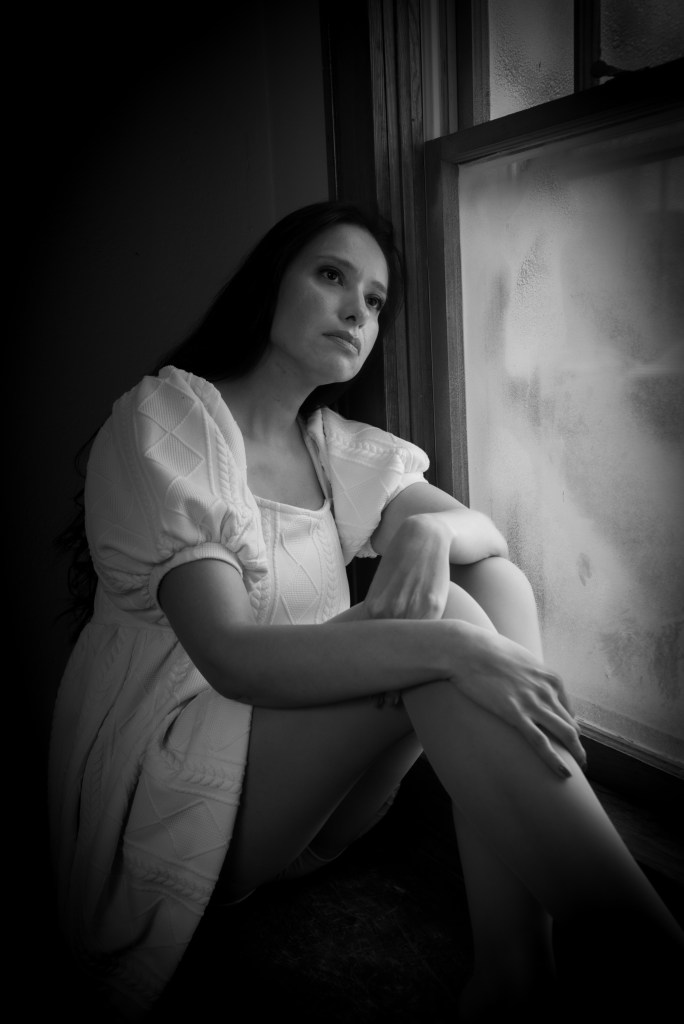
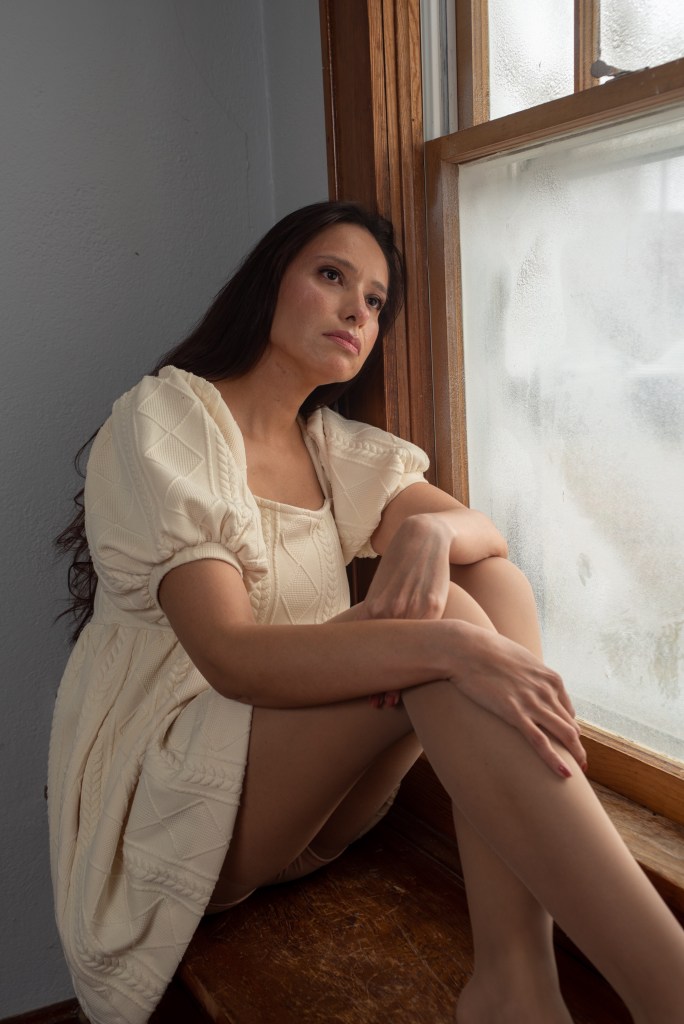
When I take photographs my goal is to create rather than merely record a scene. I don’t mean to imply that recording a scene or subject is bad or wrong it just isn’t my style.
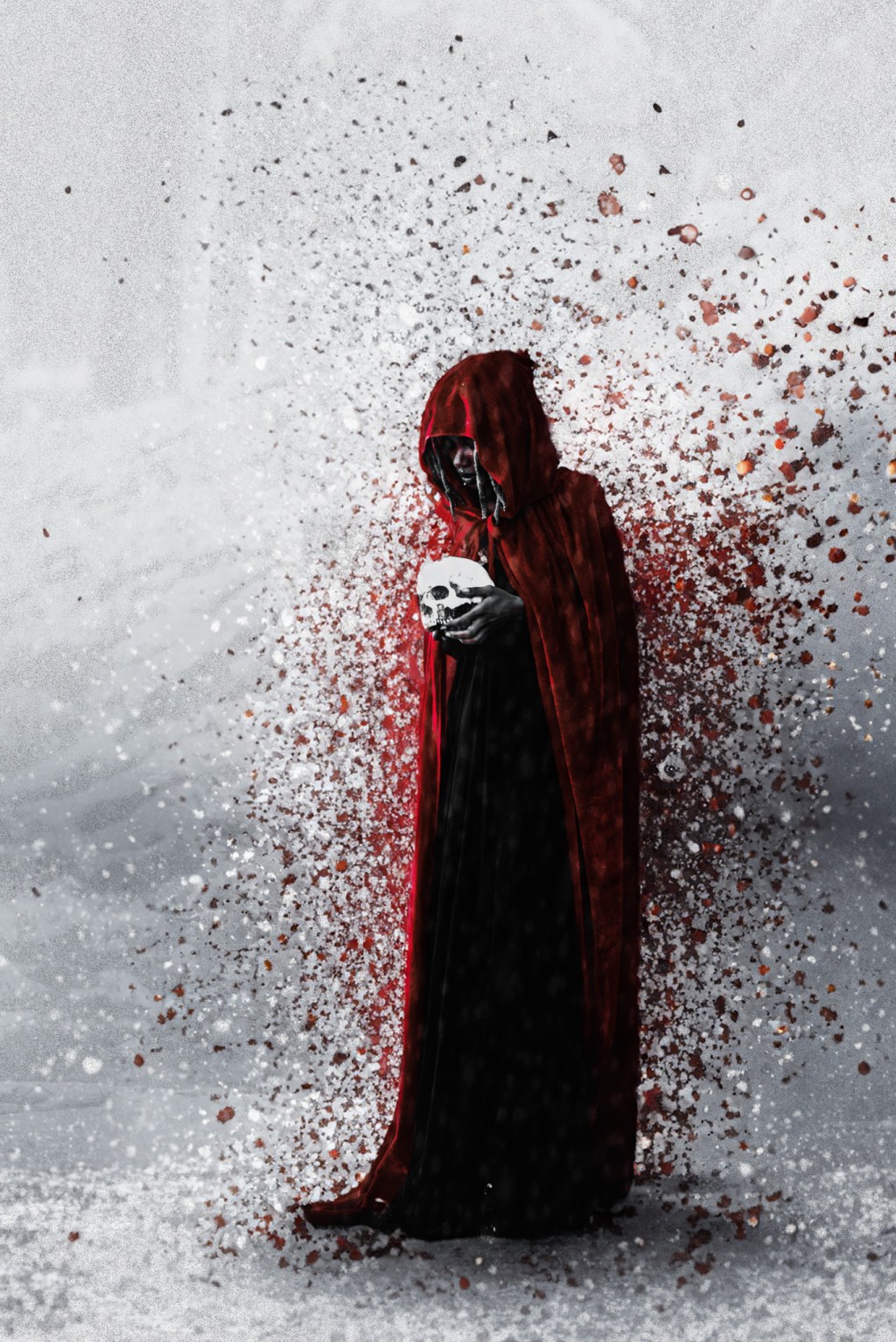
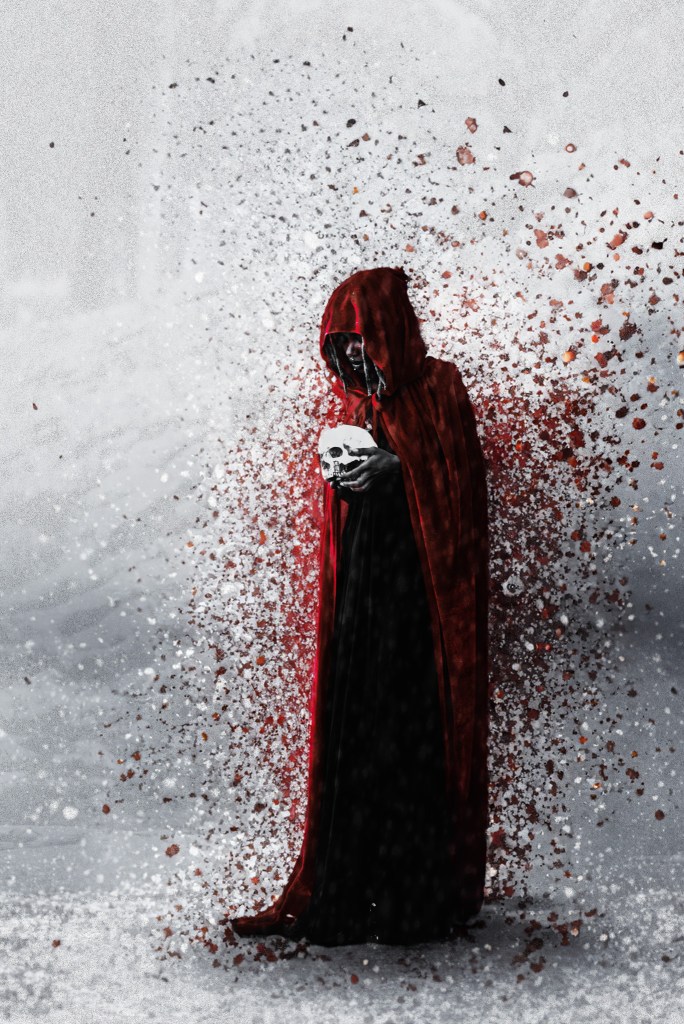
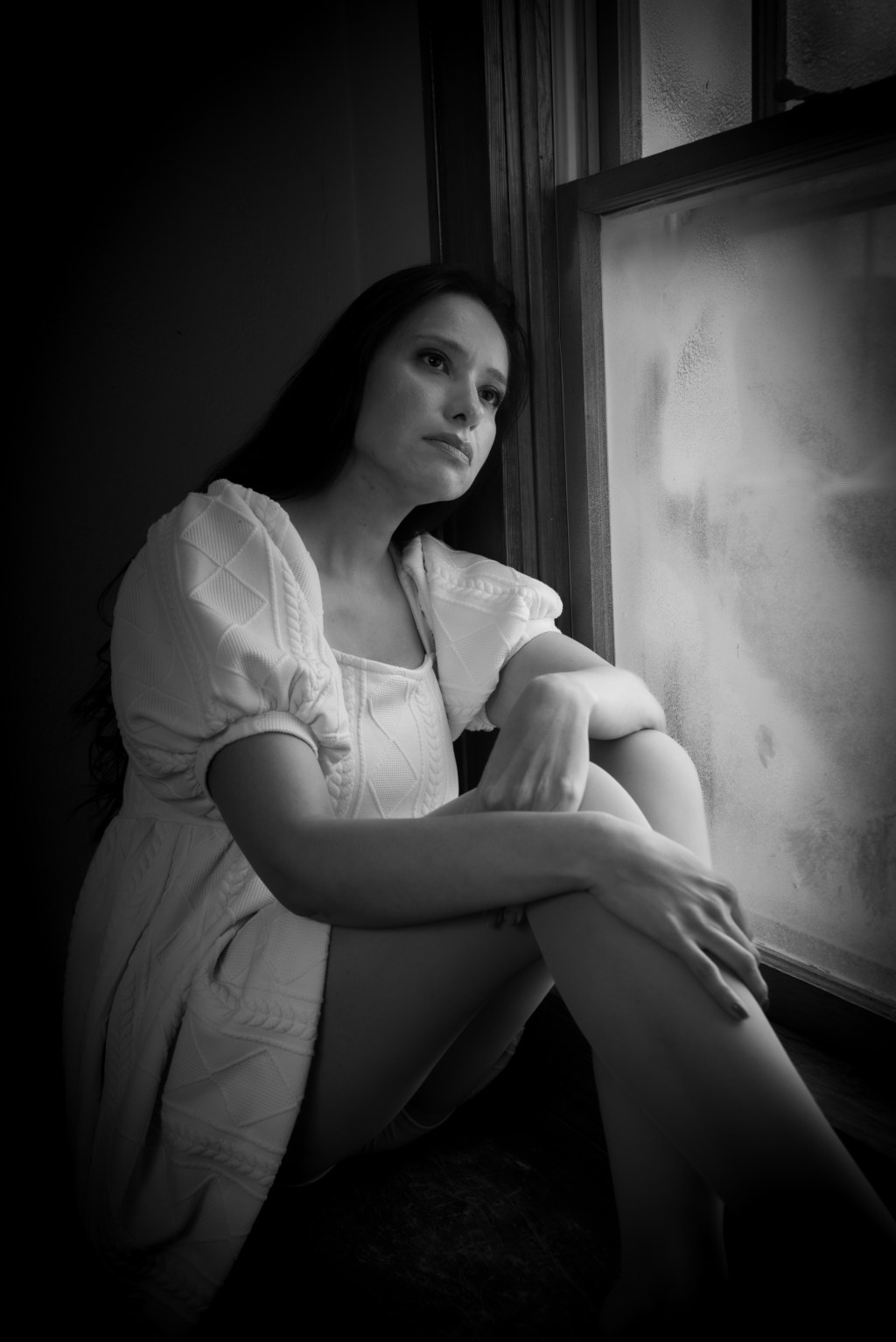
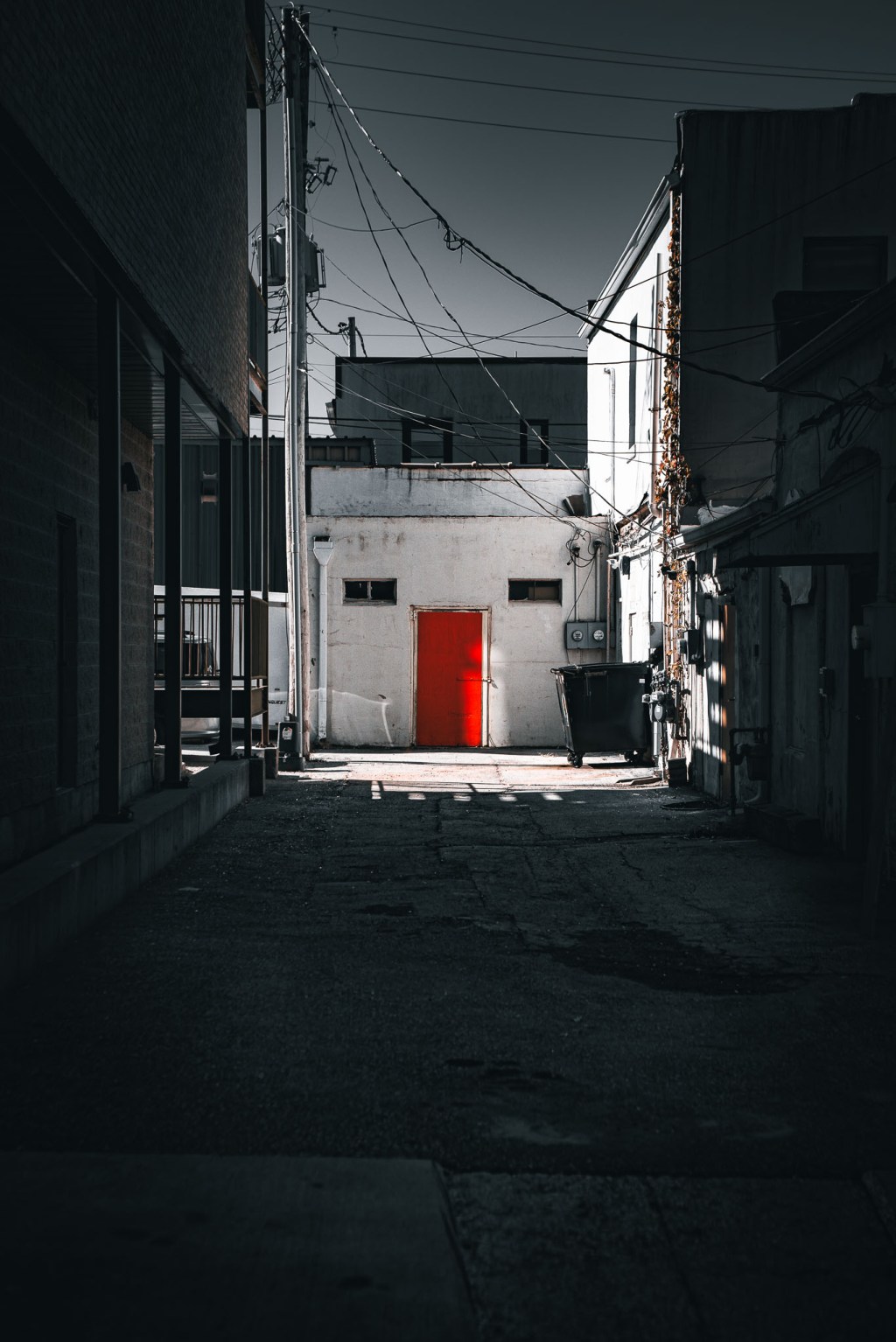
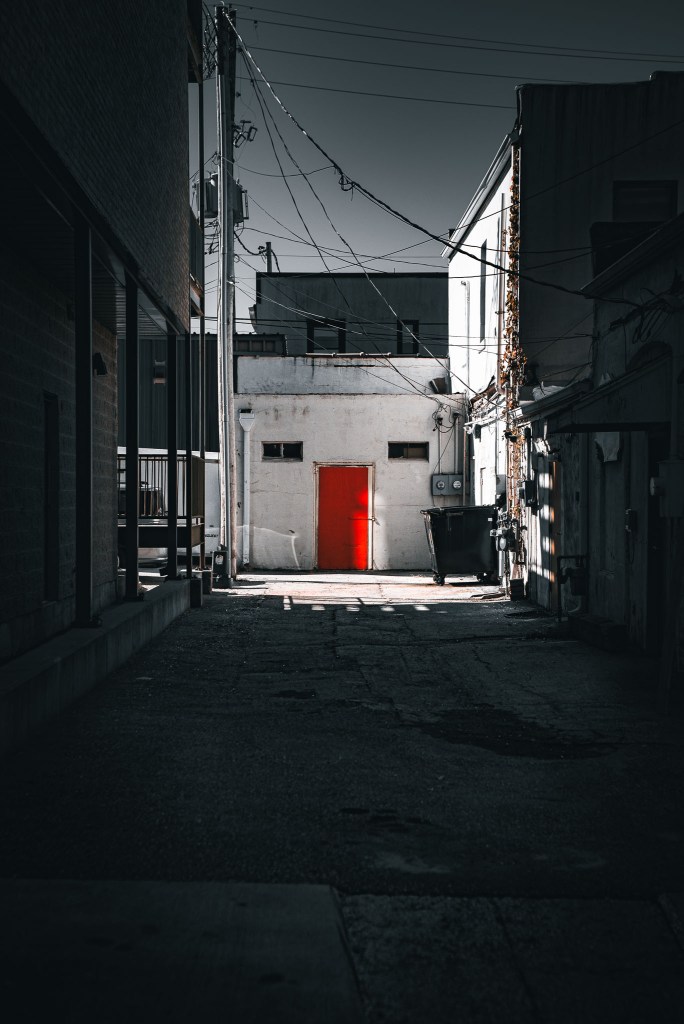
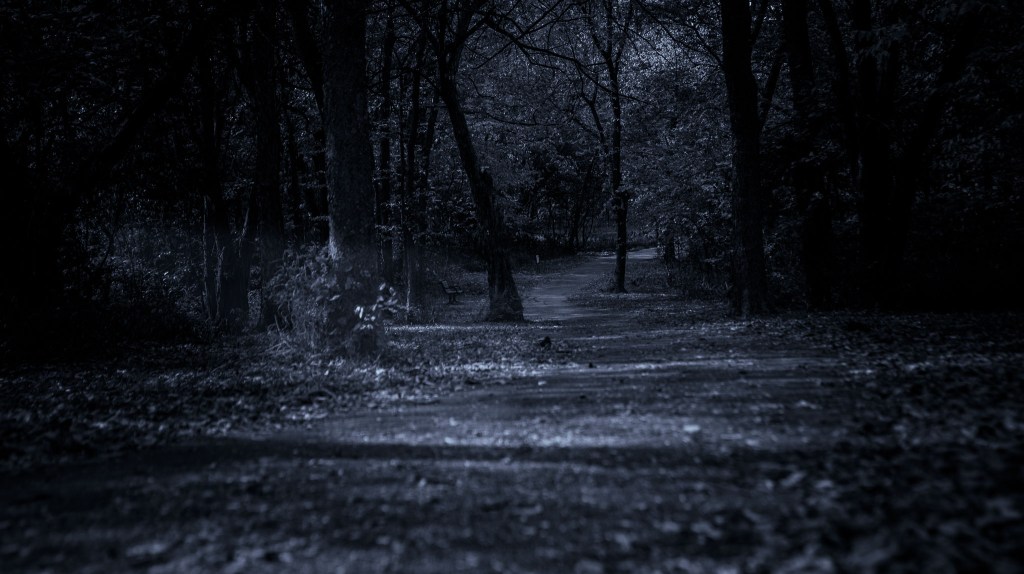
The version of the featured photo above looks good and it is a close representation of what the scene looked like in reality, but it doesn’t reflect the same mood as the final black and white version. The black and white version with the darker background was what I envisioned in my mind’s eye.
For me, the difference between a photographer and a photographic artist is to envision the image I want to present to my audience.
Do I really need a photographic style? We often hear a lot about photographic styles and the need to establish your style, but what if my style is to have a variety of styles. The style I choose may work better with one subject or even one photograph versus another. I may use a different style throughout a photographic session. For me, having the ability to draw from multiple styles is an asset as an artist. Even if I were to run a business taking portraits, I believe it would be an asset to be able to adjust styles to better fit the need or desires of my clients.
Finding a single style, to me, is self-limiting. It is, to me, like saying I only like hamburgers but only with American cheese, mustard, and ketchup. The greater sign of an artist is to be able to create and modify styles based on their vision.
Use a single style, no, thank you. I like love the freedom of not having just one style.
There are some days when you just run out of ideas. Creativity is down and you just zone out. Today is one of those days and it’s okay.
Occasionally, you just have to remind yourself it’s okay to slow down and take a break. This is especially true for me right now as I am rapidly approaching a major life event, retiring from working for employers and going to start working for myself creating art.
I see lots of artists and photographers who push themselves nearly everyday to create and so many times in the past I’ve seen people just like them burn out and stop completely.
It is okay to not push yourself too hard. Give yourself time for yourself. Take a day off, better yet take a week off and recharge.
I suspect I’m not the only one who experiences the problem of feeling there is a shortage of time and creating art. Currently, I work a 40-hour-a-week job and create art in my “spare” time. Lately, it seems that “spare” time is virtually nonexistent. I’m up every day at 4 AM, the three S’s, make coffee, and sit to write a blog entry. Then it is off to the “job”. My so-called 9 to 5 isn’t mentally taxing but it is often physical. By the time I get back home at about 3:30 PM, I’m just ready to vegetate. There are days when I force myself to come in and work on some projects but over the years what I have discovered is that creativity just can’t be forced. It doesn’t happen when you sit down and say, come on come up with some great art, at least for me.
I know it is difficult to say, to hell with it I’ll just quit my job and work making art full-time. Most of us have commitments and bills to be paid. We also know it is tough to break into becoming a successful well-paid artist. So, what is happening for me, is that I have worked at a job for the past 50 years or so and I’m in a position to retire and devote more time to creating art. My health is still good, but my mind, well sometimes it wanders, oh look a squirrel, and then suddenly a random song or line from a movie pops out.
It’s never too late to start creating art. If you are passionate, I know that word gets bantered about far too often, about creating art take advantage of it, and do as much as you can as soon as you can, but I have also seen many people get burnt out when working a “day job” and creating photographic art. Many I have known over the years are no longer photographers or, as I have done a few times, let their equipment sit for weeks or months at a time. This is the quandary of the part-time artist. So much to create and often so little time.
I’ve become disillusioned by what used to be a favorite podcast. In the last podcast, I listened to the podcaster stating that we, artists, envision an “idealized” world. We work to eliminate objects from our works that we don’t want to show. I’m not sure that is always correct. Sometimes, at least for some of us, we show the world as it is. Sometimes the world is a harsh and ugly place and deserves to be shown that way.
I will agree that we as artists and photographers may be selective in what we include in our work but this is often necessary to bring attention to the world around us. Sometimes, artists and photographers are limited by the limitations of our equipment or the canvas. Sometimes we do want to visualize an idealized world but there are times we don’t, at least not to me.
My goal as an artist is to bring viewers into a reality of the world and things around me that may not always be ideal. Photographic art cannot recreate the world because we are limited only to the sense of vision. Our other senses, at least for now, cannot be passed on to the viewer so I may have to visually bring the viewer to imagine those things by how I choose to develop the final artwork. If that is an idealized version so be it as I work to bring the viewer into the world or subject as I visualized it at the time. I choose not to compete with other artists or photographers but to bring a piece of my world to my viewers.
I’ll be a bit philosophical this morning. Learn the rules like a pro so you can break them like an artist – Pablo Picasso is often quoted as saying. Pablo Picasso went through many different art styles and movements in his lifetime. As photographic artists, we should take the same path of working in different styles. We may have to walk down the dark alleyway to reach the door of success, but then that door of success may lead us to another path where the light leads us away from the established route.
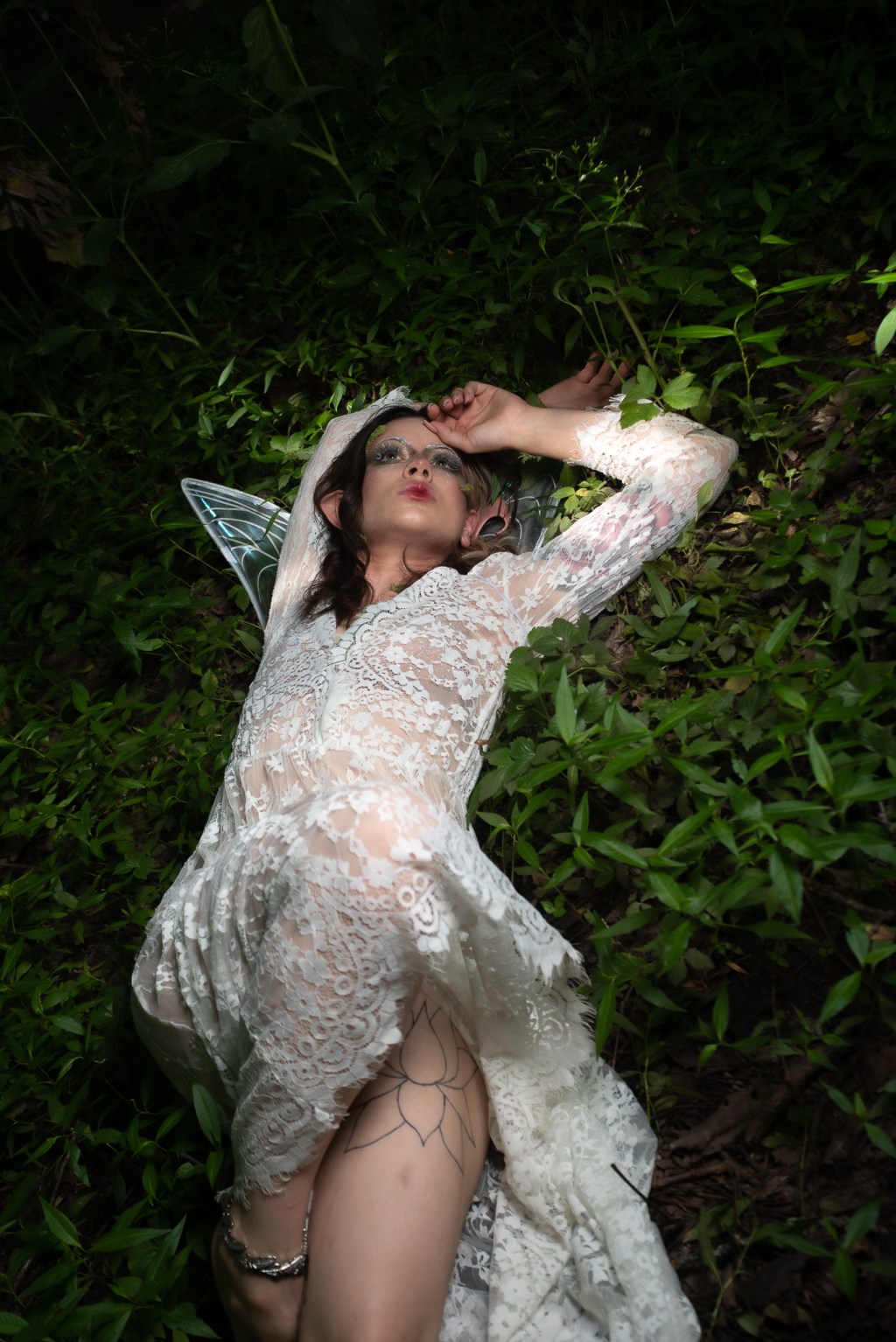
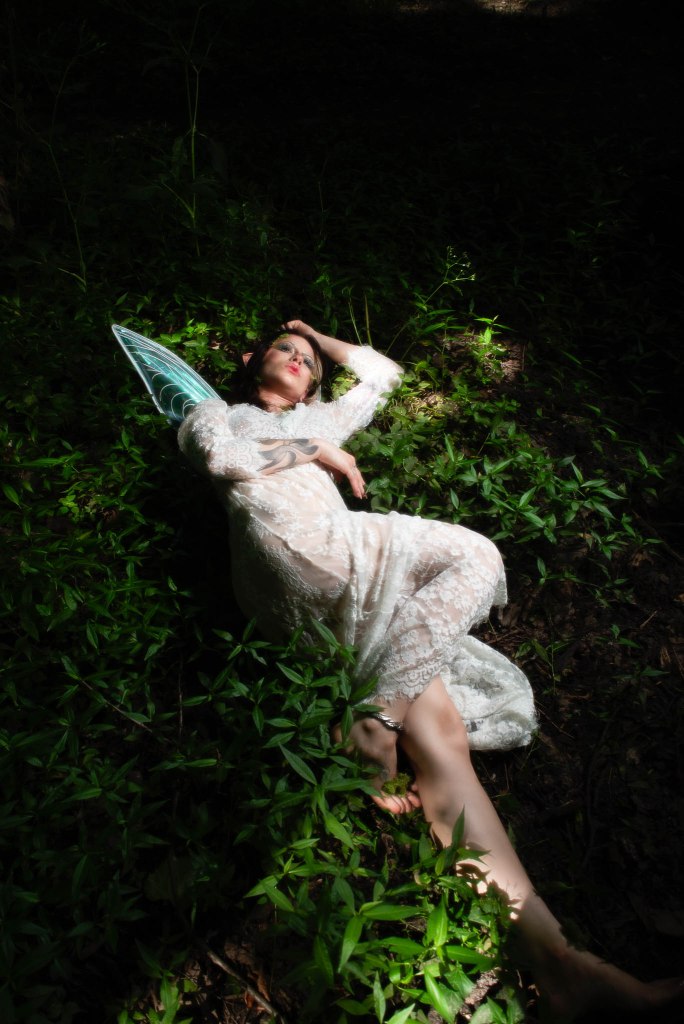
My journey as a photographer is to progress beyond merely copying the world around me but to explore both my vision and to take those who view my works to places that may not exist in reality but often exist in our minds.
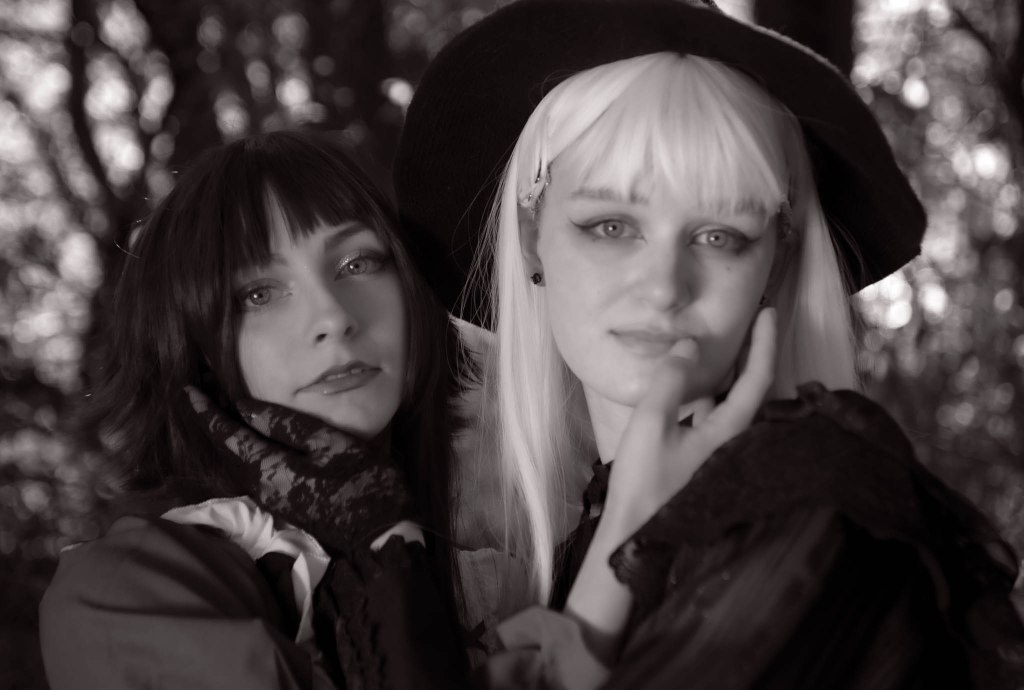
Even when I am photographing people I prefer to photograph the soul rather than merely the face as noted by Dragan Tapshanov who is quoted as saying, “Photography is about capturing souls, not smiles”. For this very reason, I spend a lot of time browsing through the works of others on a variety of photography and art sites.
I believe people, places, and things all have a story. My goal as an artist is to bring the story I envision during my interaction with the people, places, and things I encounter.


 Photographer Clay