The Artistic Side of Clicking: Photography as a Creative Expression
Photography, the art form that lets you capture a moment with the click of a button, has long been a medium for creative expression. It’s not just about snapping what you see; it’s about conveying a story, an emotion, or a perspective. It’s the difference between a picture that says, “I was here,” and one that says, “I felt this.”
For those who pursue photography as an art form, it’s all about the aesthetics—the play of light and shadow, the composition of elements within the frame, and the colors that dance before the lens. It’s a pursuit that requires an eye for beauty in the mundane and the ability to see the world through a different lens—literally.
But let’s be real, it’s also about looking cool with a fancy camera and pretending to adjust settings while you’re actually just pressing random buttons. It’s about the thrill of finding the perfect graffiti wall for your Instagram backdrop, or the quest for the most dramatic angle of your latte art.
So, grab your camera, whether it’s a high-end DSLR, a vintage film relic, or just your trusty smartphone, and join the ranks of those who turn the ordinary into the extraordinary. Who knows, maybe your next snapshot could be the one that captures the heart of the art world, or at least earns you some solid likes on social media.
Remember, in the world of artistic photography, every shot is a chance to make a statement. So make it loud, make it clear, or make it hilariously abstract—because in the end, it’s your vision through the viewfinder that counts. Happy shooting!
Photography is more than just a click of a button; it’s an art form that transcends time, emotion, and perspective. At its core, photography is the practice of capturing light, but in reality, it captures so much more. It encapsulates moments, memories, and emotions, preserving them for eternity. Let’s delve into the essence of photography and explore what makes this medium so profoundly impactful.
The Art of Seeing
Photography begins with seeing—really seeing. It’s about noticing the play of light and shadow, the harmony of colors, the intricacies of textures, and the expressions of life. A photographer’s eye is attuned to the details that others might overlook. This heightened awareness allows photographers to find beauty in the mundane and the extraordinary alike.
Capturing Moments
Life is a series of fleeting moments, each unique and unrepeatable. Photography has the power to freeze these moments, allowing us to revisit them long after they’ve passed. Whether it’s the joyous smile of a child, the serene beauty of a sunset, or the raw emotion of a street scene, photographs hold the essence of these experiences. They serve as time capsules, preserving the emotions and stories behind each frame.
Storytelling Through Images
A single photograph can tell a thousand stories. It can convey complex narratives, evoke deep emotions, and provoke thoughtful reflection. Photographers are storytellers, using their cameras as tools to communicate their vision of the world. Through composition, lighting, and subject matter, they create images that speak volumes without uttering a single word.
The Intersection of Art and Technology
Photography resides at the crossroads of art and technology. It demands technical proficiency with cameras and editing software, yet it also requires a creative vision and an artistic touch. The best photographers seamlessly blend these elements, using technology to enhance their artistic expression. From the early days of film to the digital revolution, photography continues to evolve, pushing the boundaries of what’s possible.
The Emotional Connection
Great photographs resonate on an emotional level. They connect with viewers, stirring feelings of nostalgia, joy, sadness, or wonder. This emotional connection is what makes photography so powerful. It’s not just about what we see in the image, but what we feel. A photograph can transport us to another time and place, evoking memories and emotions that are deeply personal.
The Universality of Photography
Photography is a universal language. It transcends cultural and linguistic barriers, allowing people from different backgrounds to connect and communicate. A powerful image can be understood and appreciated by anyone, regardless of where they come from. This universality makes photography a potent tool for social change, as it can highlight issues, raise awareness, and inspire action.
Crafting Memories
In the end, photography is about crafting memories. It’s about documenting the journey of life, capturing the milestones, and cherishing the small moments. Family photos, travel snapshots, candid shots of friends—these images become cherished keepsakes, telling the story of our lives. They remind us of where we’ve been, who we’ve loved, and what we’ve experienced.
Conclusion
The essence of photography lies in its ability to capture and convey the human experience. It’s an art form that blends technical skill with creative vision, creating images that resonate emotionally and transcend time. Whether you’re a professional photographer or an enthusiastic amateur, the magic of photography is within your grasp. So pick up your camera, open your eyes to the world around you, and start capturing the beauty, the moments, and the memories that define our lives.
Photography is more than just a hobby or profession; it’s a medium that allows us to freeze time and preserve moments that might otherwise be forgotten. Whether you’re a seasoned photographer or a novice just starting, the journey of capturing images is filled with endless opportunities for creativity and expression.
The Essence of Photography
At its core, photography is about storytelling. A single image can convey emotions, tell a story, or evoke memories. It’s about seeing the world through a unique lens and sharing your perspective with others. From the quiet beauty of a sunrise to the bustling energy of a city street, photographs can capture the essence of any scene.
The Joy of Learning
For beginners, photography might seem daunting with all its technical aspects—shutter speed, aperture, ISO, and composition. However, learning these elements is part of the joy. Experimenting with different settings and styles can be incredibly rewarding. Don’t be afraid to make mistakes; every click of the shutter is a step towards improving your craft.
The Tools of the Trade
While having a high-quality camera can enhance your photography, it’s not a necessity. Some of the most stunning images have been captured with smartphones. The key is to understand your equipment and how to use it to its full potential. Invest time in learning about lighting, angles, and framing your shots. Accessories like tripods, filters, and external flashes can also elevate your work.
Finding Inspiration
Inspiration for photography can come from anywhere. Nature, architecture, people, and even everyday objects can become subjects for your next photograph. Explore different genres such as portrait, landscape, macro, or street photography to find what resonates with you. Joining photography groups or online communities can also provide inspiration and feedback on your work.
The Power of Post-Processing
Post-processing is an integral part of modern photography. Tools like Adobe Lightroom and Photoshop allow photographers to enhance their images and bring their creative vision to life. Adjusting brightness, contrast, and color balance can transform a good photo into a great one. However, it’s essential to maintain a balance and avoid over-editing, which can detract from the natural beauty of the image.
Conclusion
Photography is a journey of continuous learning and exploration. It encourages us to see the world differently and appreciate the beauty in everyday moments. Whether you’re capturing the smile of a loved one, the grandeur of a landscape, or the vibrancy of city life, each photograph tells a story. So, grab your camera, venture out, and start capturing the world one frame at a time.
Creativity is not dead despite what others may think. Yes, there is a low bar set for entry into photography but the bar was lowered 123 years ago and the so-called masters didn’t let that hold them back. How do I get the bar was lowered 123 years ago? That was when Kodak released the Brownie camera. The camera meant for everyone. Since then photography has experienced a number of advances making taking photographs easier and faster.
Just because it is easy and fast and nearly everyone owns a high quality camera doesn’t mean that creativity in photography is dead. The only thing stopping you from creating art. Just because it is so easy to share photography with the world and others just scroll past doesn’t stop you. Share. Inundate the world with your work and raise the bar for you.
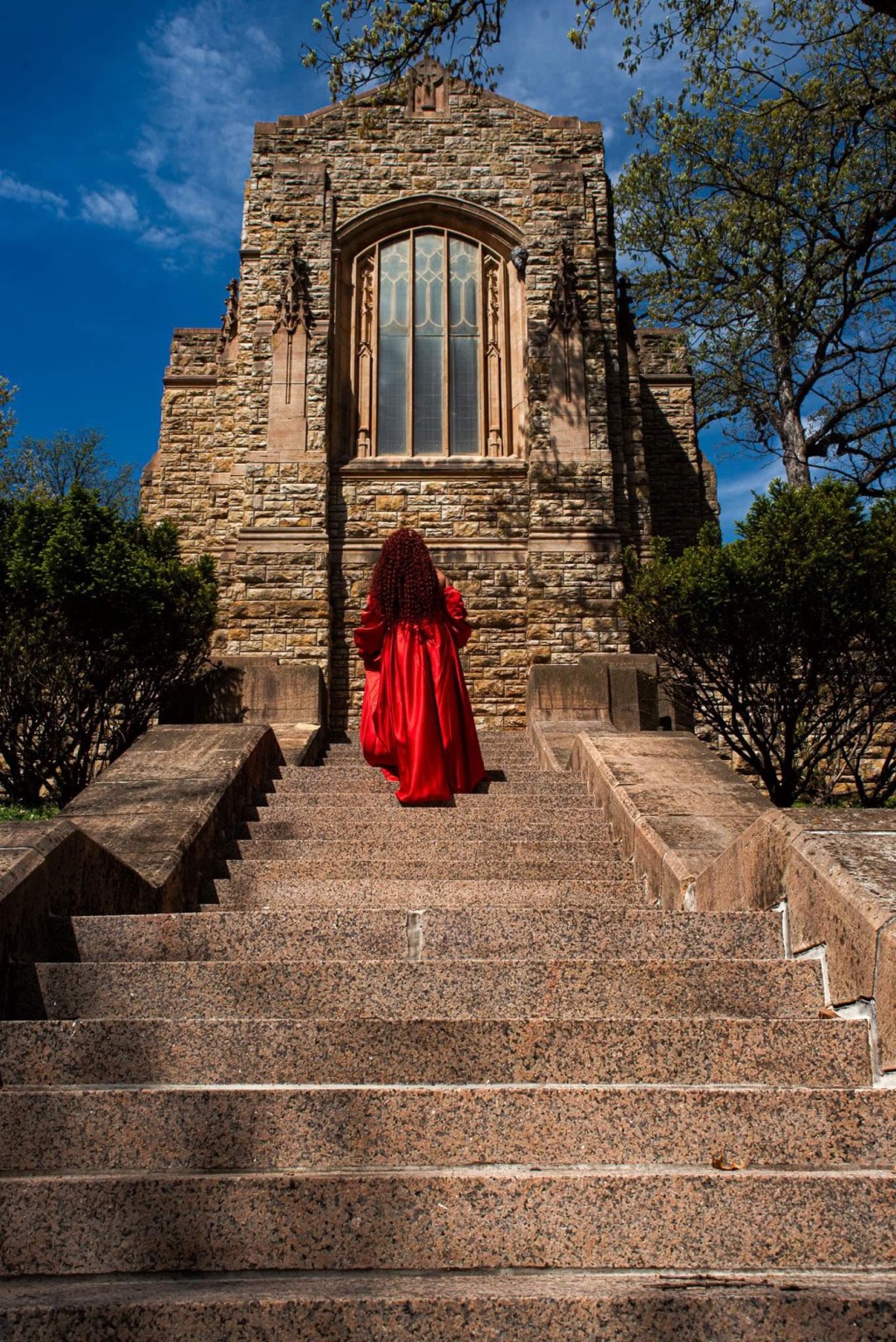
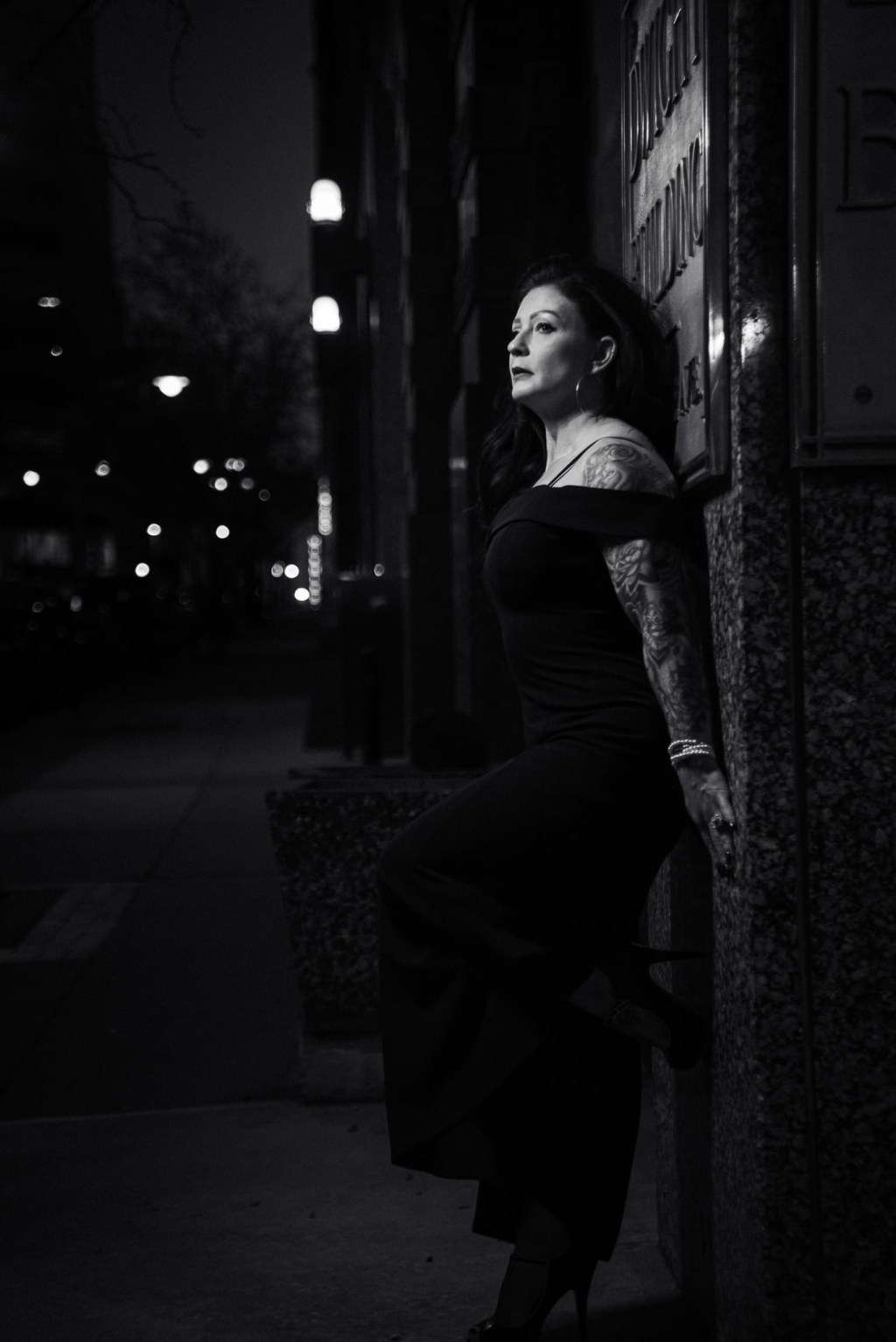
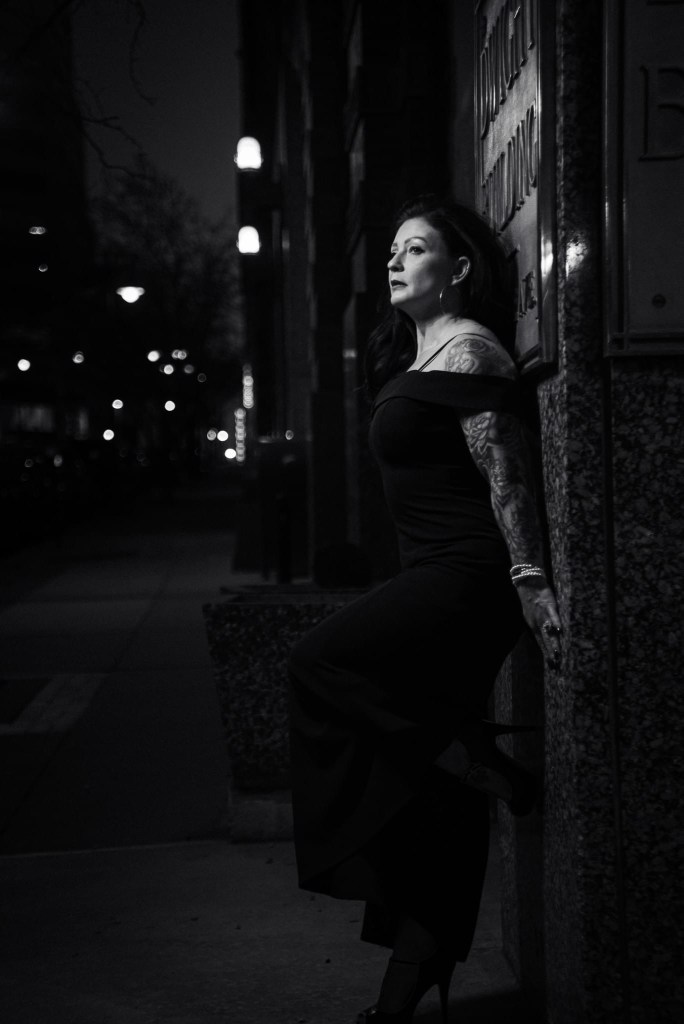
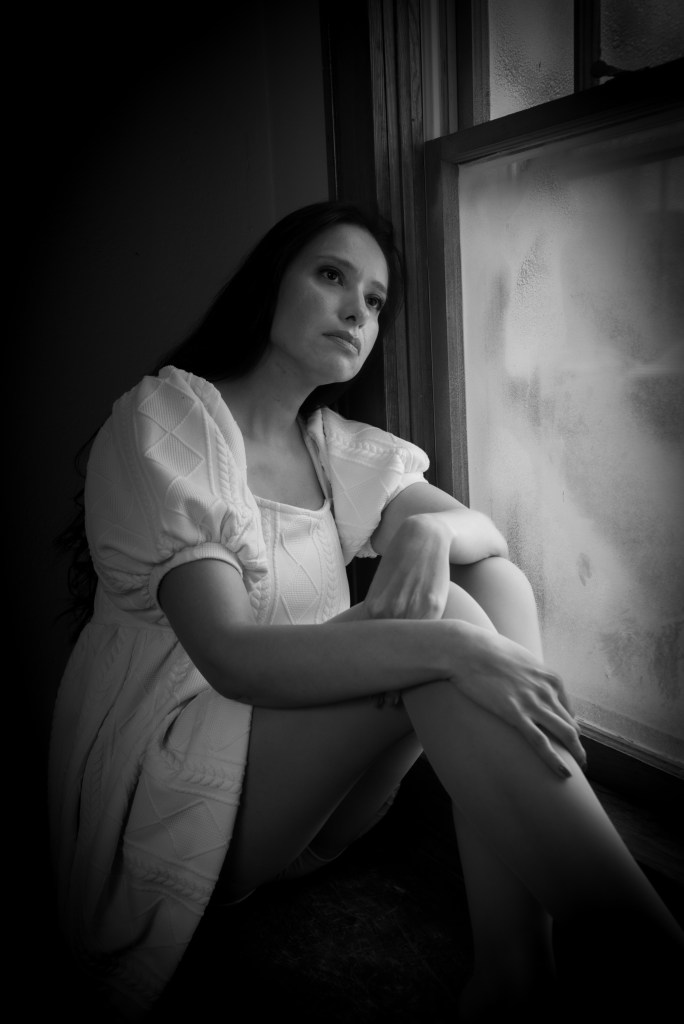
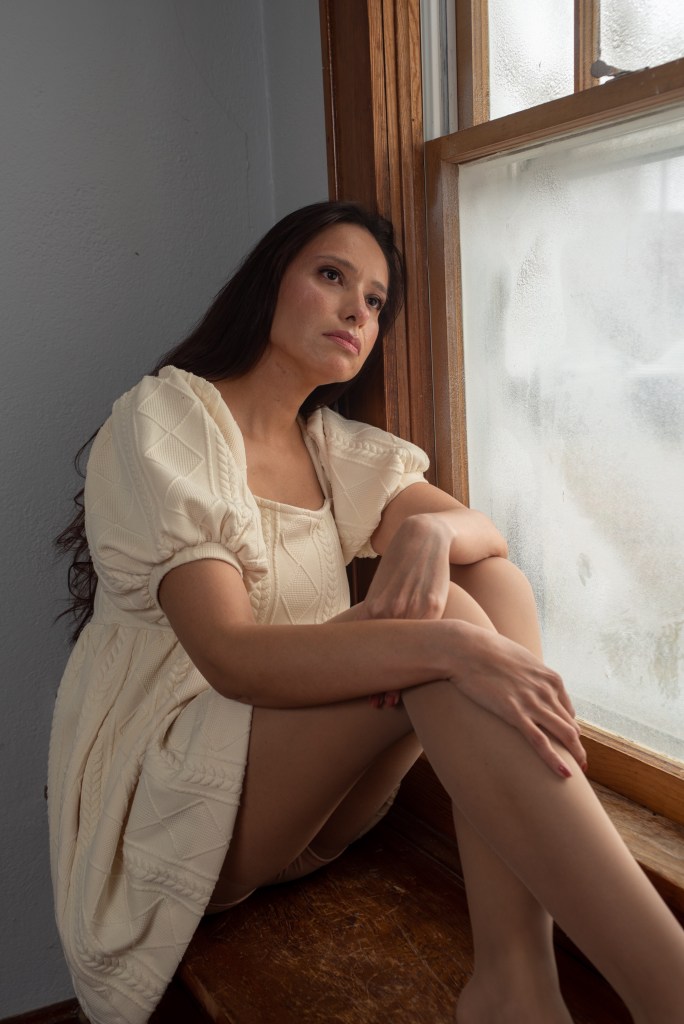
Last Friday I had a film noir style photo shoot planned. The model I was photographing is one of my favorites. I arrived about an hour before she did to do some final location scouting. As always with digital photography the originals were all color and were converted to black and white in post-processing.
Black and white photography is one of my favorites because I feel I get to photograph the person’s soul rather than their clothes. For me, color sometimes gets in the way.
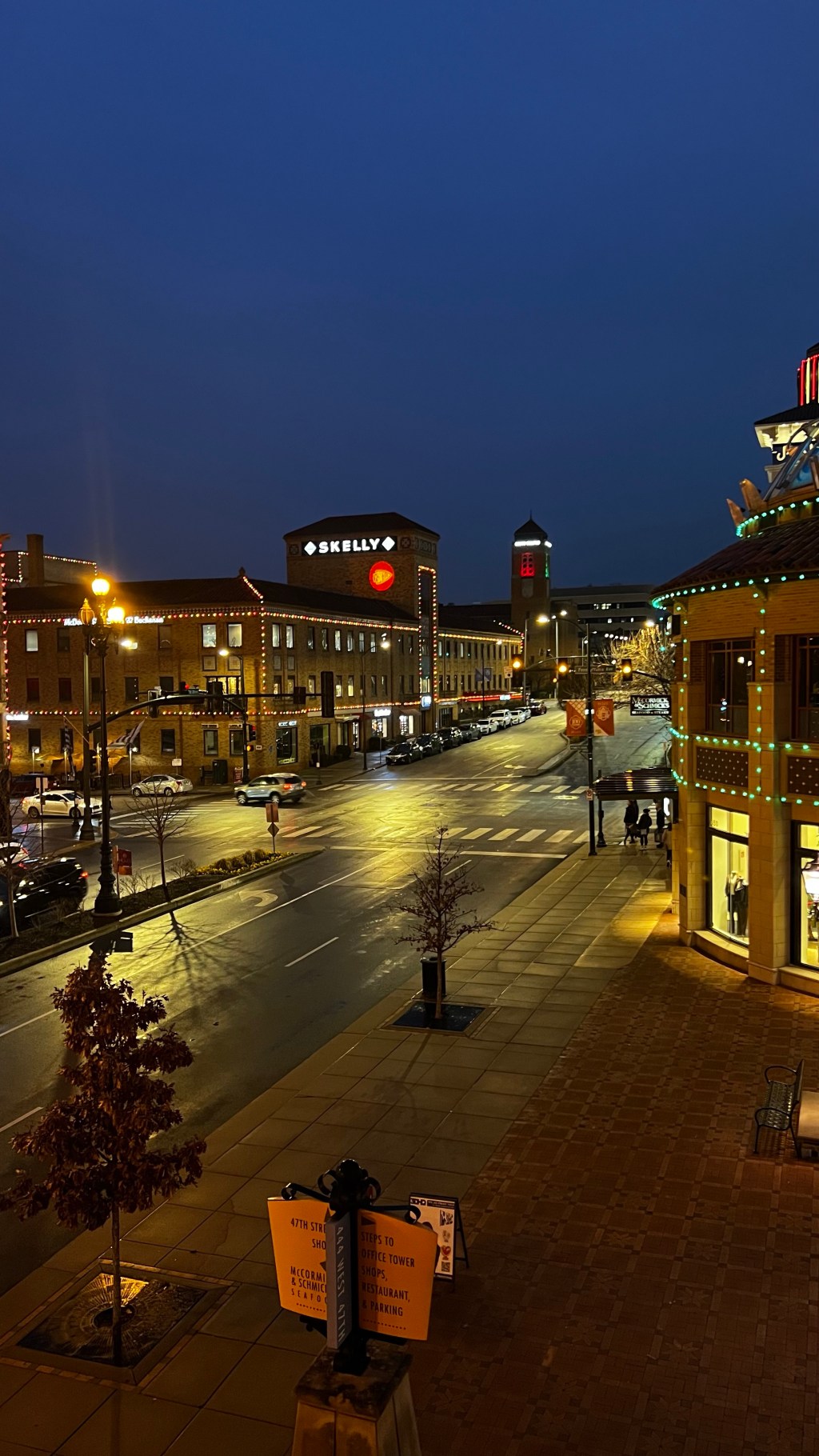
Last night I had an amazing photography session in downtown Kansas City. I get up this morning to do some edits and write my blog only to find out I have no internet or cable tv service. Ugh! Whatever will I do?
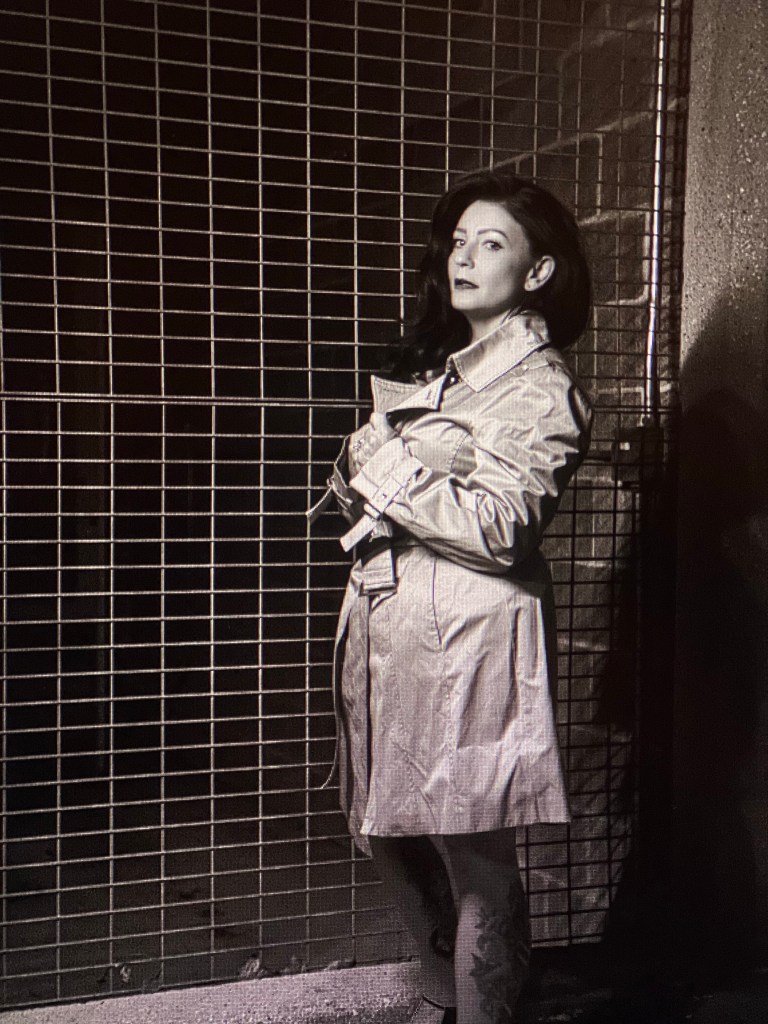
To compensate a bit I took a screenshot of one of my photos and no writing this entry via my cellphone since I do still have cellular service. If needed I could do a cellular hotspot but I’m not really setup for it. I’m just spoiled by stuff just working. I guess my idea of roughing it is a Holiday Inn Express.
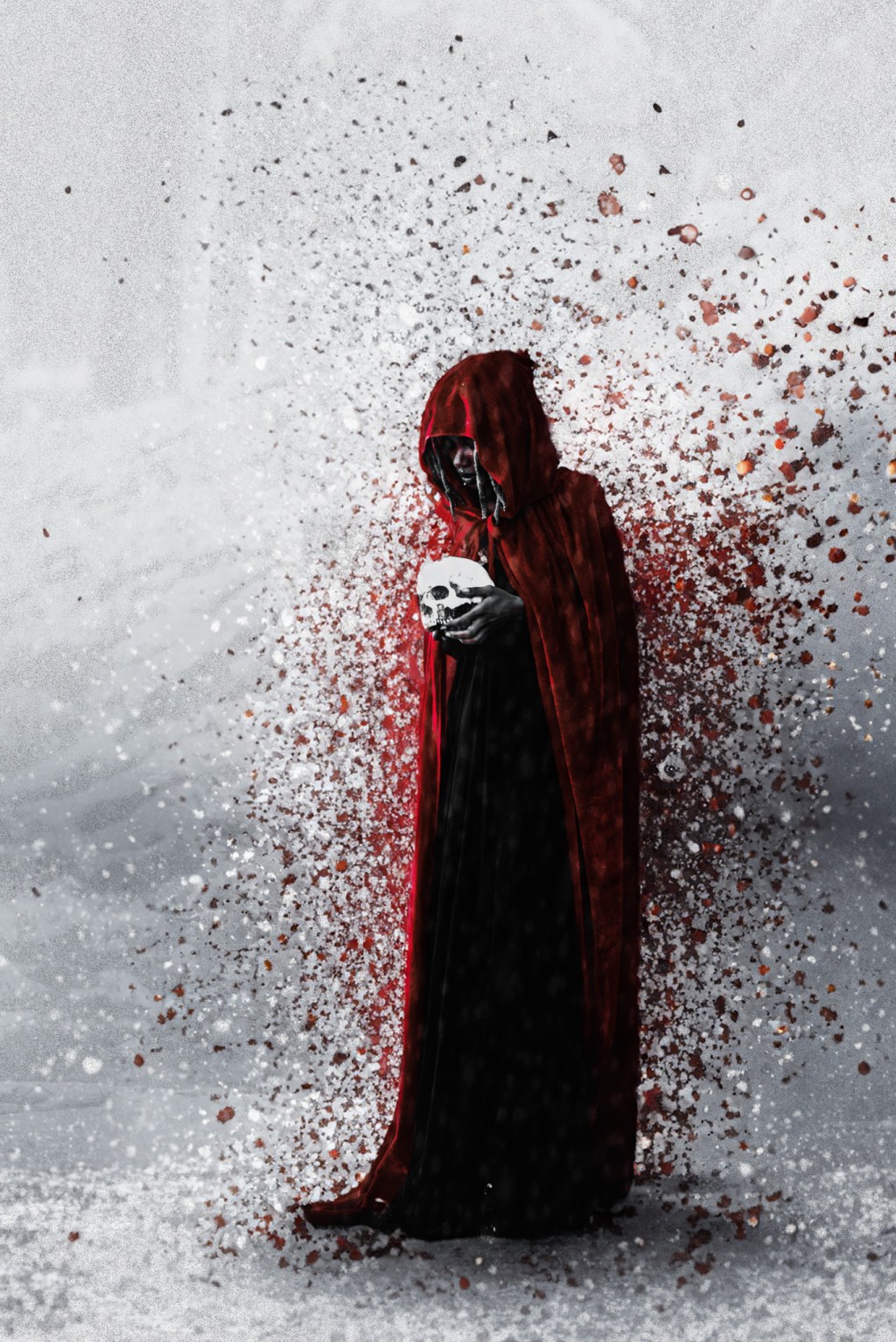
When I take photographs my goal is to create rather than merely record a scene. I don’t mean to imply that recording a scene or subject is bad or wrong it just isn’t my style.
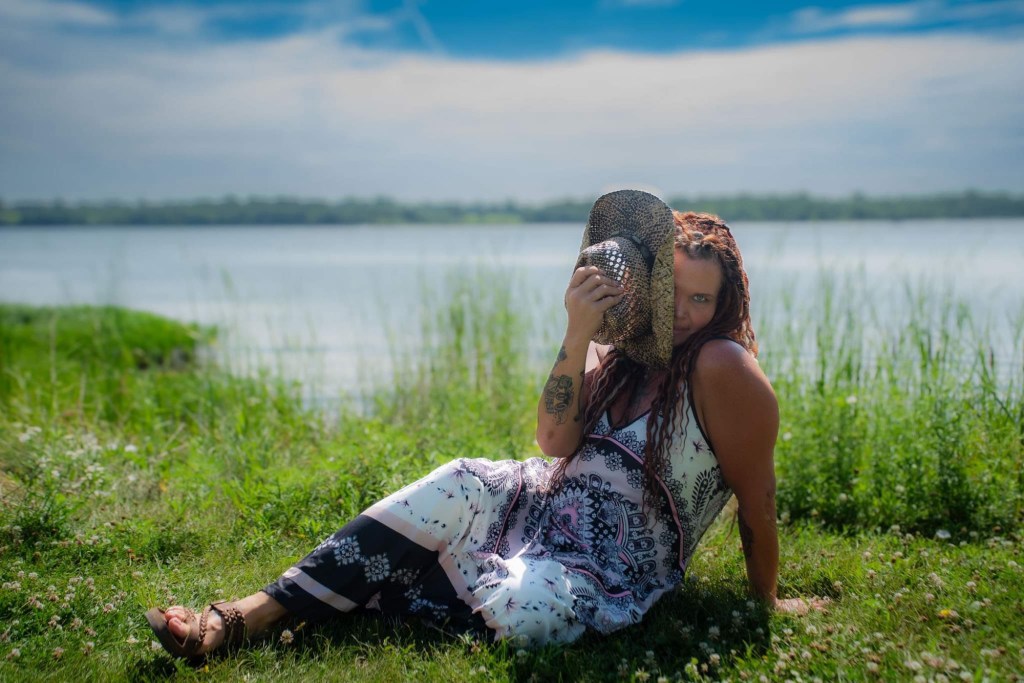
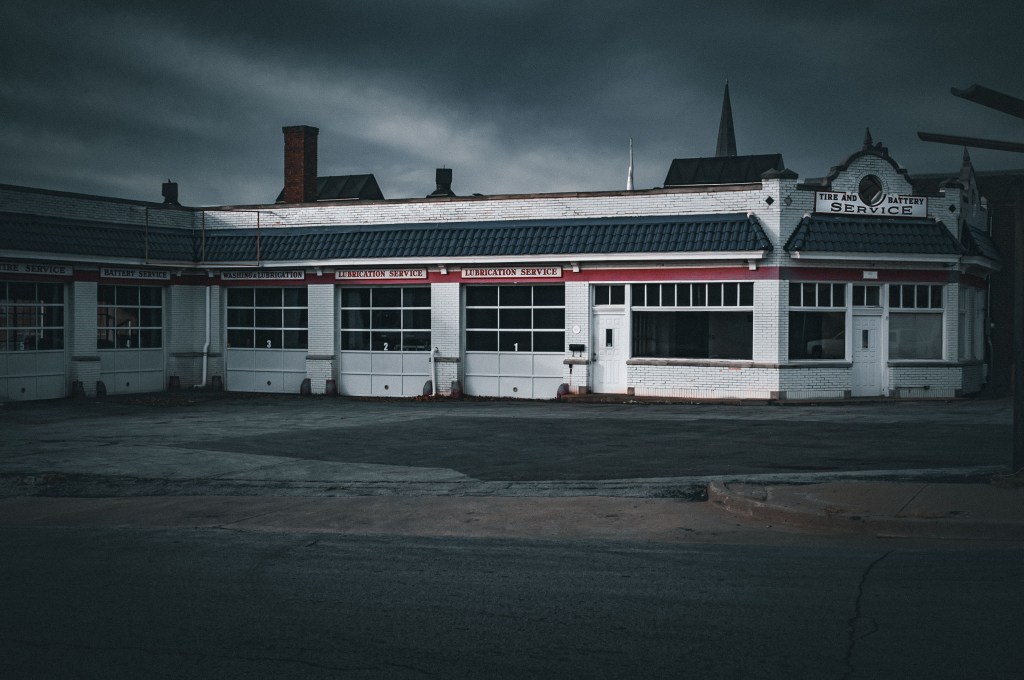
The version of the featured photo above looks good and it is a close representation of what the scene looked like in reality, but it doesn’t reflect the same mood as the final black and white version. The black and white version with the darker background was what I envisioned in my mind’s eye.
For me, the difference between a photographer and a photographic artist is to envision the image I want to present to my audience.
A question many modern photographers need to ask themselves is am I a photographer or a picture taker. Do you merely photograph what is in front of your camera or do you interpret what is in front of your camera? Do you photograph people or do you strive to bring out the personality of the people in front of your camera?
As a photographic artist, I choose to let the scene talk to me. I work to relay a story with my photographs. I haven’t always done this though. In the past, I was often a picture taker. See the scene and take a picture. Today, I am striving to take my images to a higher level. I am striving to complete a story, and give the world a feeling of knowing a person just by seeing their photograph. Picture taking is easy, creating a work of art and a true photograph can be much more challenging but, in the end, much more fulfilling. Become a photographer, not merely a picture taker.
I don’t mean are you a painter, sketch artist, sculptor, photographer, etc. Are you a trailblazer, setting your own path, creating unique art, and using your vision, or are you a trail follower, creating art that is the current trend and similar work to others?
I don’t think there is anything wrong with either type, just be honest with yourself and how you present yourself and your art to the work to the world. If you’re a trail follower don’t try to sell yourself and your art as unique and different than others. If you want to set yourself apart from others, truly set yourself apart and create your own unique look and style.
Being a trailblazer can be scary. You’re going where few to none have gone before. You may come across obstacles, thorns, and other dangers along the way. You may find many don’t like the work and are critical because you’re not following along with what is popular. Being a trail follower you’re just one in a massive crowd. Sort of a “where’s Waldo”.
I’m not sure which group I fall into right now, but my goal is to become a trailblazer. To stand alone and stand out. To create a path for others to follow. It isn’t that I want to become a legend but that I want to say that I was able to do this thing on my own. I want to create artwork that is truly mine.
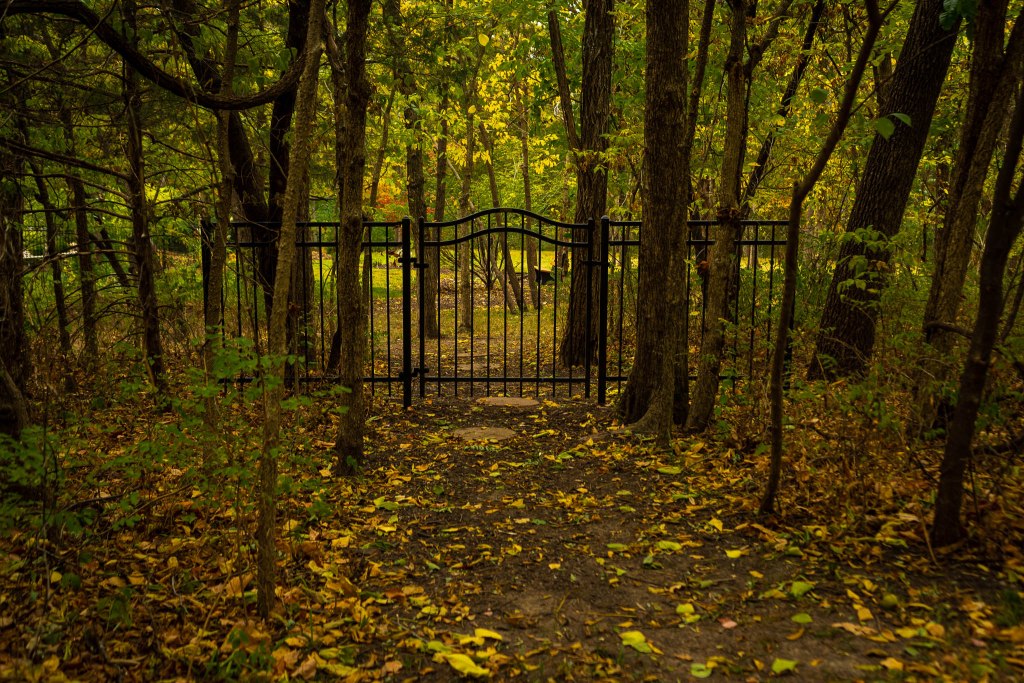
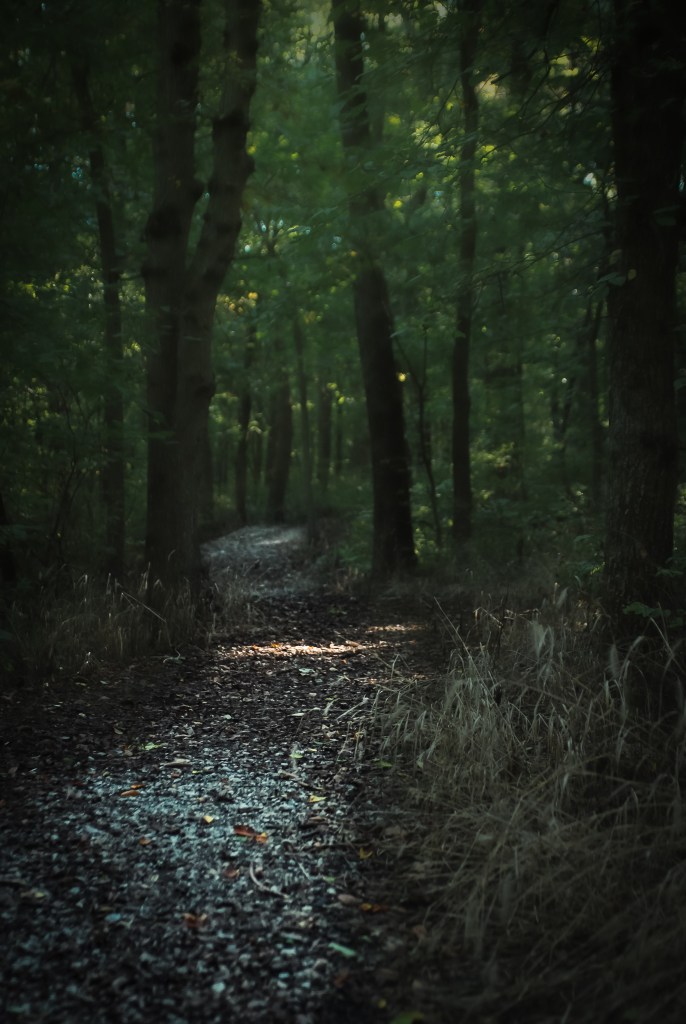
I may have started out on the path but maybe it’s time to blaze through the heavy woods of creativity and see what is hidden in the forest of art.
I took much of the past several days off, no writing, no photographs. I spent much of the time with family or just “chilling”. It was time to recharge. I have a big, hopefully productive, photo session coming, plus I’m getting prepared for a big life milestone. It was just time to sit and enjoy some free time. Now, it’s back to work.
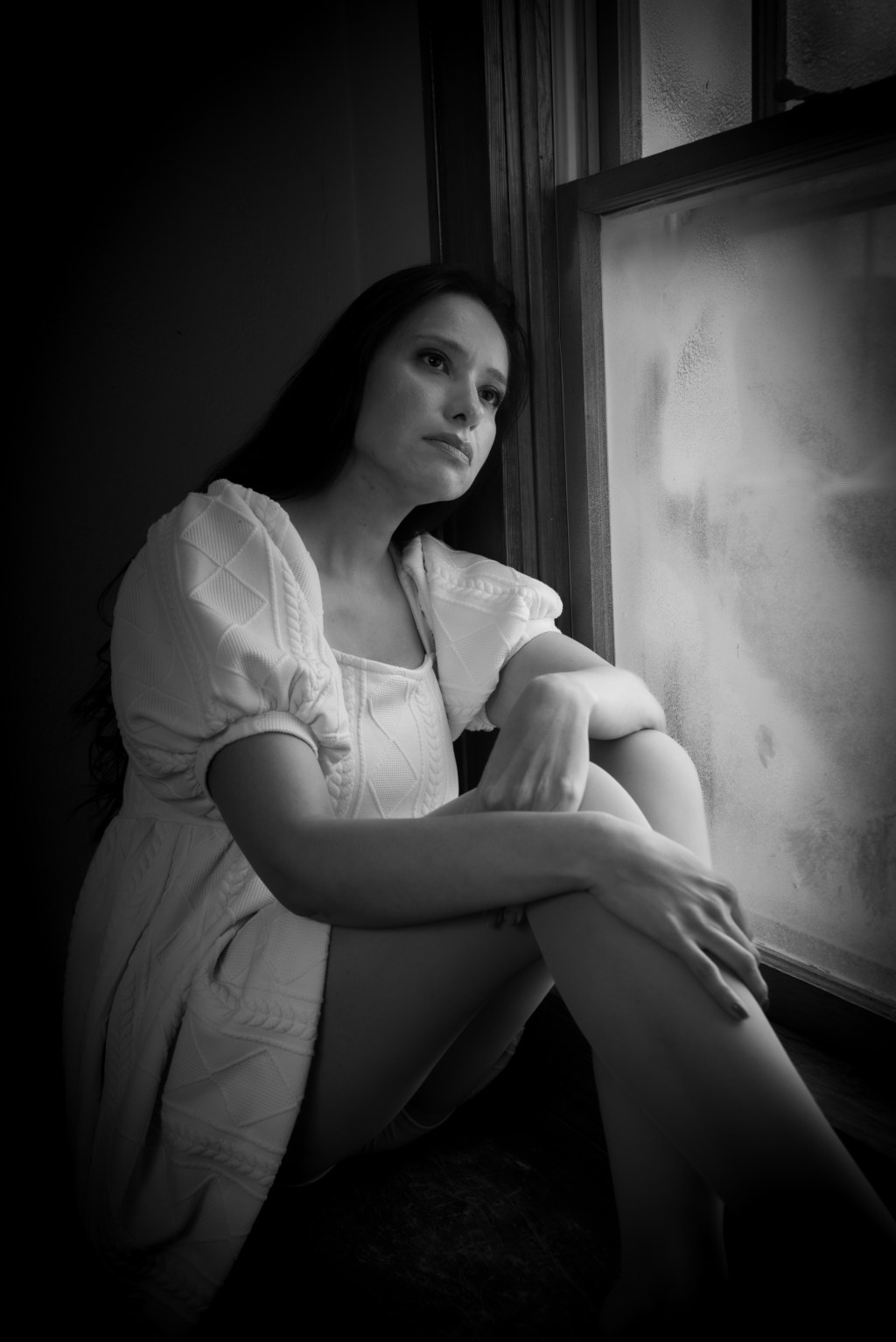
During my recharging days, I did give thought to creative concepts and ideas. Thinking about how there are many ways to recreate moods and emotions in the same image with just lighting changes. I’m also working with another photographic artist on what may be a unique new take on a photographic concept. Exciting times, but never forget, sometimes you just need to recharge the creative mind.

 Photographer Clay