Do I really need a photographic style? We often hear a lot about photographic styles and the need to establish your style, but what if my style is to have a variety of styles. The style I choose may work better with one subject or even one photograph versus another. I may use a different style throughout a photographic session. For me, having the ability to draw from multiple styles is an asset as an artist. Even if I were to run a business taking portraits, I believe it would be an asset to be able to adjust styles to better fit the need or desires of my clients.
Finding a single style, to me, is self-limiting. It is, to me, like saying I only like hamburgers but only with American cheese, mustard, and ketchup. The greater sign of an artist is to be able to create and modify styles based on their vision.
Use a single style, no, thank you. I like love the freedom of not having just one style.
Throughout my journey as a photographer and interacting with other photographers I have found the two most common mindsets of photographers are those who think they are better than they are and those who think they aren’t as good as they are. I have also found some that bounce between the two mindsets and I think I may be one that bounces between them.
There are times when I go out and think, “I’ve got this!” and start shooting away snapping pictures like crazy then I get back to my digital darkroom and realize I bombed it. Other times I get out there and think, “I I’ll give it a go” and get back and look at the results and realize I killed it.
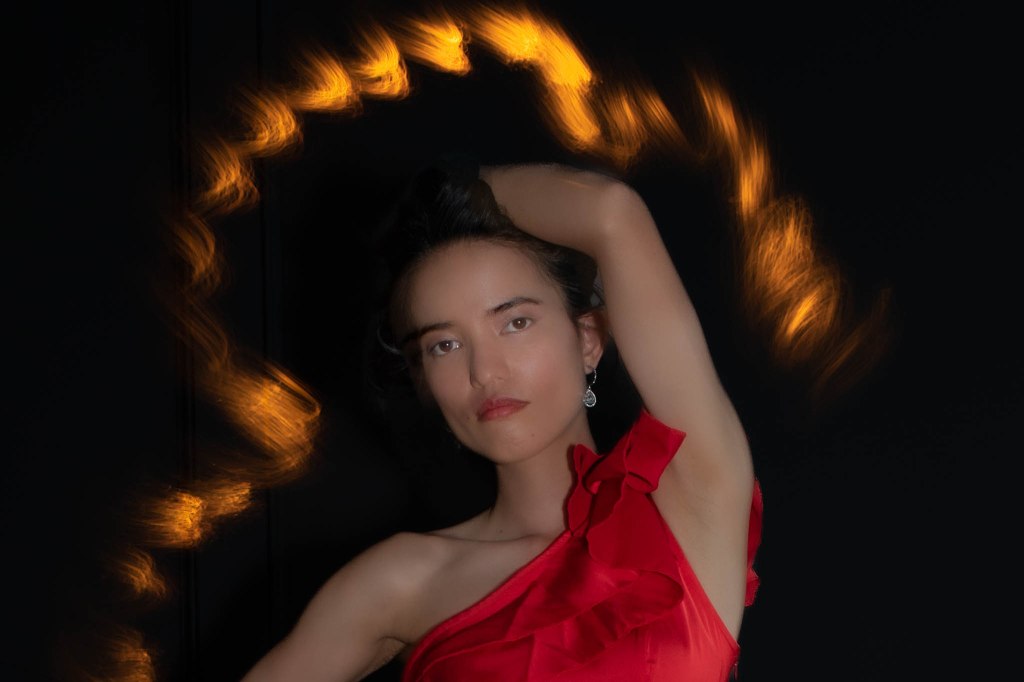
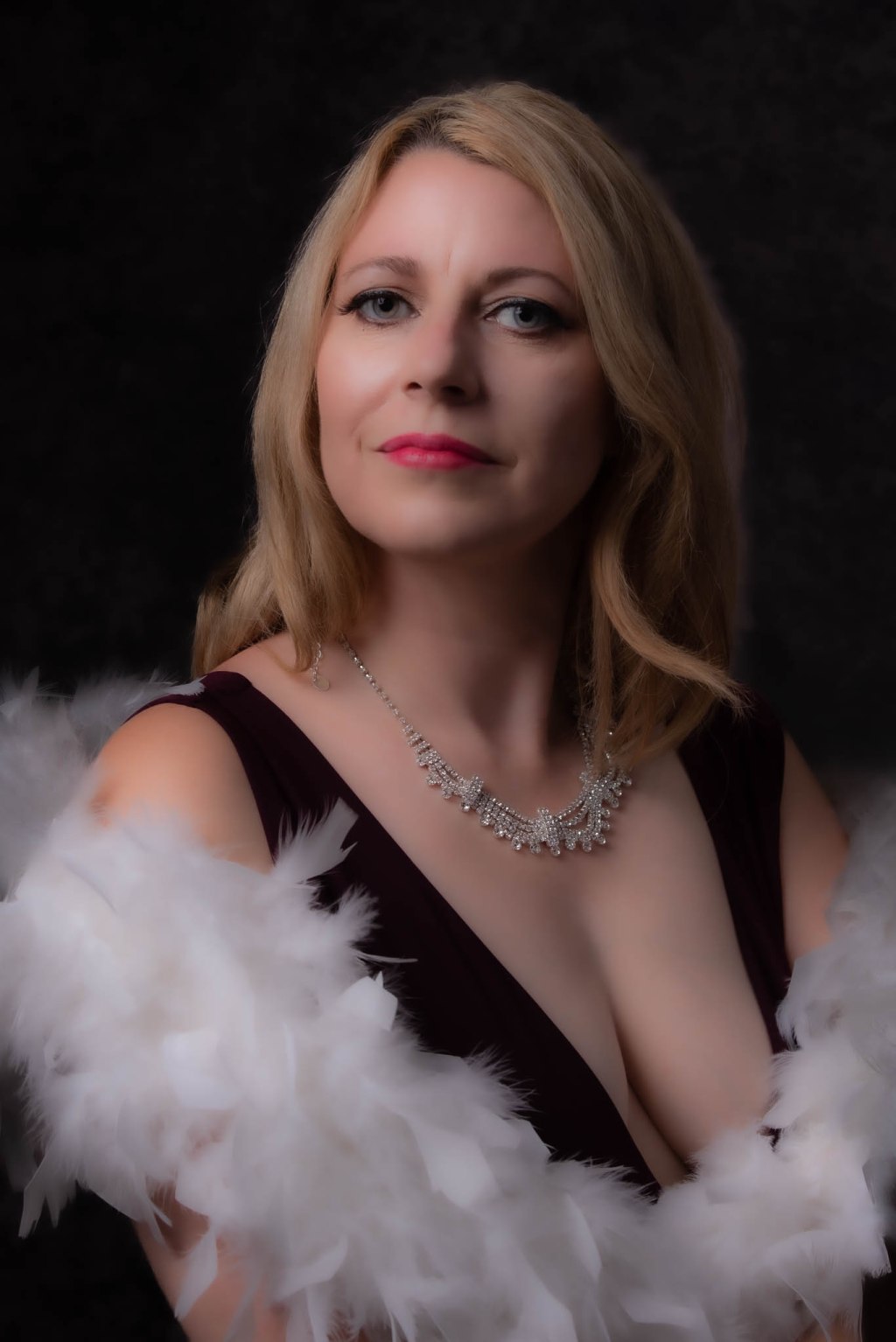
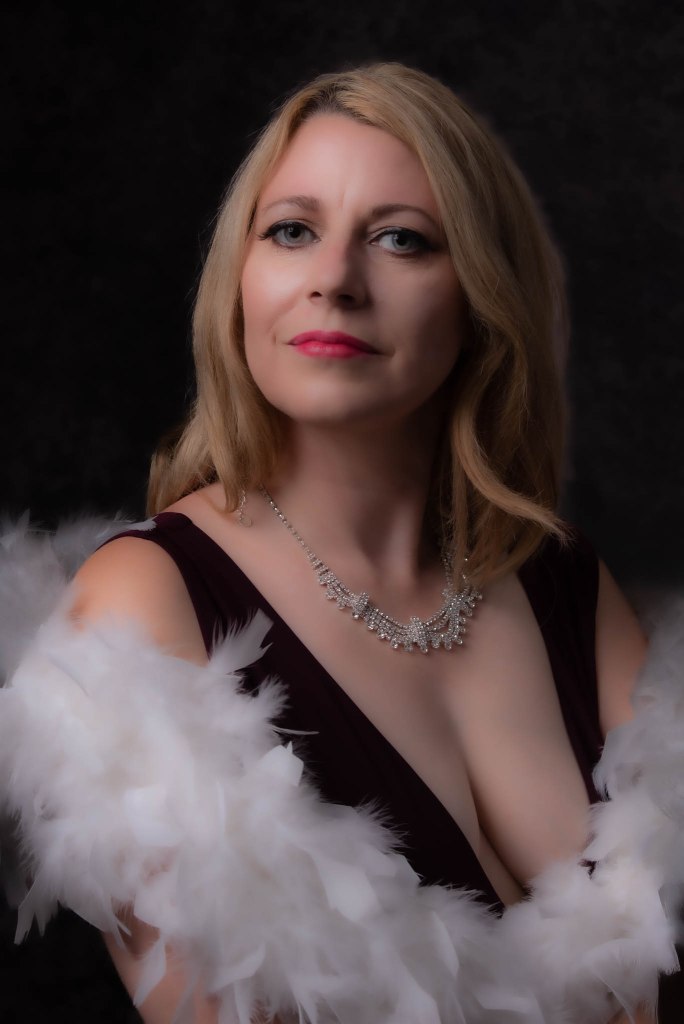
The photograph I posted above was one of those times I thought “I’ve got this” but I have since become very disappointed with the results. I went unprepared. I went with a mindset of succeeding rather than learning and experimenting. You see, I had not done any of this type of photography before. I am a huge proponent of lighting and creative lighting techniques but this was new to me. Lesson learned. As the Captain said in the movie “Cool hand Luke”, You ain’t gonna need no third set, ’cause you gonna get your mind right. Working on a photography session, project, or even practice, you have to get your mind right. Confidence when called for, humility when needed, and student when necessary. The key is learning to recognize what mindset is appropriate at the time. Stay humble and it is easier to adjust that mindset to fit the moment.
Don’t be halfhearted as an artist or photographer, or as I like to call myself a photographic artist. Every piece of work we do, especially if we are going to “release it to the wild” should be done with full intensity to make the work a masterpiece. As the saying goes, go big or go home. You cannot make a good name for yourself by churning out incomplete, half-baked, halfhearted projects, work, or art. After all, you are what you create.
Years ago, I was in a special operations unit. We trained for the “what-if”. When we trained we trained hard and with full intensity. What we discovered was if you trained halfhearted when the time came you were not prepared. While creating art and beautiful photographs may not be life-threatening or have life-and-death impacts the same concept applies. If a piece of work is released without your best effort it can, and often does, become the standard. Once the quality is sacrificed because “you don’t feel like it” you may find many other times when “you don’t feel like it” and release artwork to the world. Once it is out there, it is out there. You’ve let the proverbial “cat out of the bag”. This is especially true if we are producing work for others. Eventually, your clients or customers will see that this wasn’t your best effort and think why didn’t they give me the attention to detail others receive. It will reflect in your reputation.
The way to becoming better is to work to be better than you were yesterday, last week, or last year. An artist should always create with full intensity and fullhearted effort. Go big or go home or as Yoda (I’m a Star Wars fan) said, “Try not, do or do not, there is no try”. If you truly want to be a photographer and more so if you want to be an artist, do or do not, there is no try.” Even practice with intensity so that you are ready for the big show when it comes because you never know when and suddenly the opportunity presents itself and if you haven’t trained, you won’t be ready.
I recently began thinking about the difference between using ideas as inspiration versus concept theft. How close to similar is too close? So where is the line? Is there a line? Does it get too close when we start to solicit the possible group that was interested in the first concept to the new similar work?
First, let’s look at a common definition of intellectual theft; “Intellectual theft is stealing or using without permission someone else’s intellectual property. Intellectual property is any creative or commercial innovation, any new method that has economic value, or any distinctive mark which might include a name, symbol, or logo that’s used in commercial practices.” What if a creative concept has economic value but is put out there to help others? Now it appears it is more of a moral or ethical issue.
In reality, there is probably little that is done today art-wise that hasn’t been done to some extent in the past. I’ve used works done previously as inspiration when I wanted to do a project and looked to work done by others in the past to build a mood board and examples. I have always thought I put my own spin on the final projects but did I really? For me, this is an interesting quagmire. Is there an answer? Does it matter? Does it make a difference if I know the person whose idea or concept I am wanting to use and ask, “Hey! Do you mind if I give your idea or concept a try?” What if I don’t know the person but the idea was put out there and I just stumbled across it?
This is definitely something I am going to have to give more thought to.
There are some days when you just run out of ideas. Creativity is down and you just zone out. Today is one of those days and it’s okay.
Occasionally, you just have to remind yourself it’s okay to slow down and take a break. This is especially true for me right now as I am rapidly approaching a major life event, retiring from working for employers and going to start working for myself creating art.
I see lots of artists and photographers who push themselves nearly everyday to create and so many times in the past I’ve seen people just like them burn out and stop completely.
It is okay to not push yourself too hard. Give yourself time for yourself. Take a day off, better yet take a week off and recharge.
I suspect I’m not the only one who experiences the problem of feeling there is a shortage of time and creating art. Currently, I work a 40-hour-a-week job and create art in my “spare” time. Lately, it seems that “spare” time is virtually nonexistent. I’m up every day at 4 AM, the three S’s, make coffee, and sit to write a blog entry. Then it is off to the “job”. My so-called 9 to 5 isn’t mentally taxing but it is often physical. By the time I get back home at about 3:30 PM, I’m just ready to vegetate. There are days when I force myself to come in and work on some projects but over the years what I have discovered is that creativity just can’t be forced. It doesn’t happen when you sit down and say, come on come up with some great art, at least for me.
I know it is difficult to say, to hell with it I’ll just quit my job and work making art full-time. Most of us have commitments and bills to be paid. We also know it is tough to break into becoming a successful well-paid artist. So, what is happening for me, is that I have worked at a job for the past 50 years or so and I’m in a position to retire and devote more time to creating art. My health is still good, but my mind, well sometimes it wanders, oh look a squirrel, and then suddenly a random song or line from a movie pops out.
It’s never too late to start creating art. If you are passionate, I know that word gets bantered about far too often, about creating art take advantage of it, and do as much as you can as soon as you can, but I have also seen many people get burnt out when working a “day job” and creating photographic art. Many I have known over the years are no longer photographers or, as I have done a few times, let their equipment sit for weeks or months at a time. This is the quandary of the part-time artist. So much to create and often so little time.
I’ve become disillusioned by what used to be a favorite podcast. In the last podcast, I listened to the podcaster stating that we, artists, envision an “idealized” world. We work to eliminate objects from our works that we don’t want to show. I’m not sure that is always correct. Sometimes, at least for some of us, we show the world as it is. Sometimes the world is a harsh and ugly place and deserves to be shown that way.
I will agree that we as artists and photographers may be selective in what we include in our work but this is often necessary to bring attention to the world around us. Sometimes, artists and photographers are limited by the limitations of our equipment or the canvas. Sometimes we do want to visualize an idealized world but there are times we don’t, at least not to me.
My goal as an artist is to bring viewers into a reality of the world and things around me that may not always be ideal. Photographic art cannot recreate the world because we are limited only to the sense of vision. Our other senses, at least for now, cannot be passed on to the viewer so I may have to visually bring the viewer to imagine those things by how I choose to develop the final artwork. If that is an idealized version so be it as I work to bring the viewer into the world or subject as I visualized it at the time. I choose not to compete with other artists or photographers but to bring a piece of my world to my viewers.
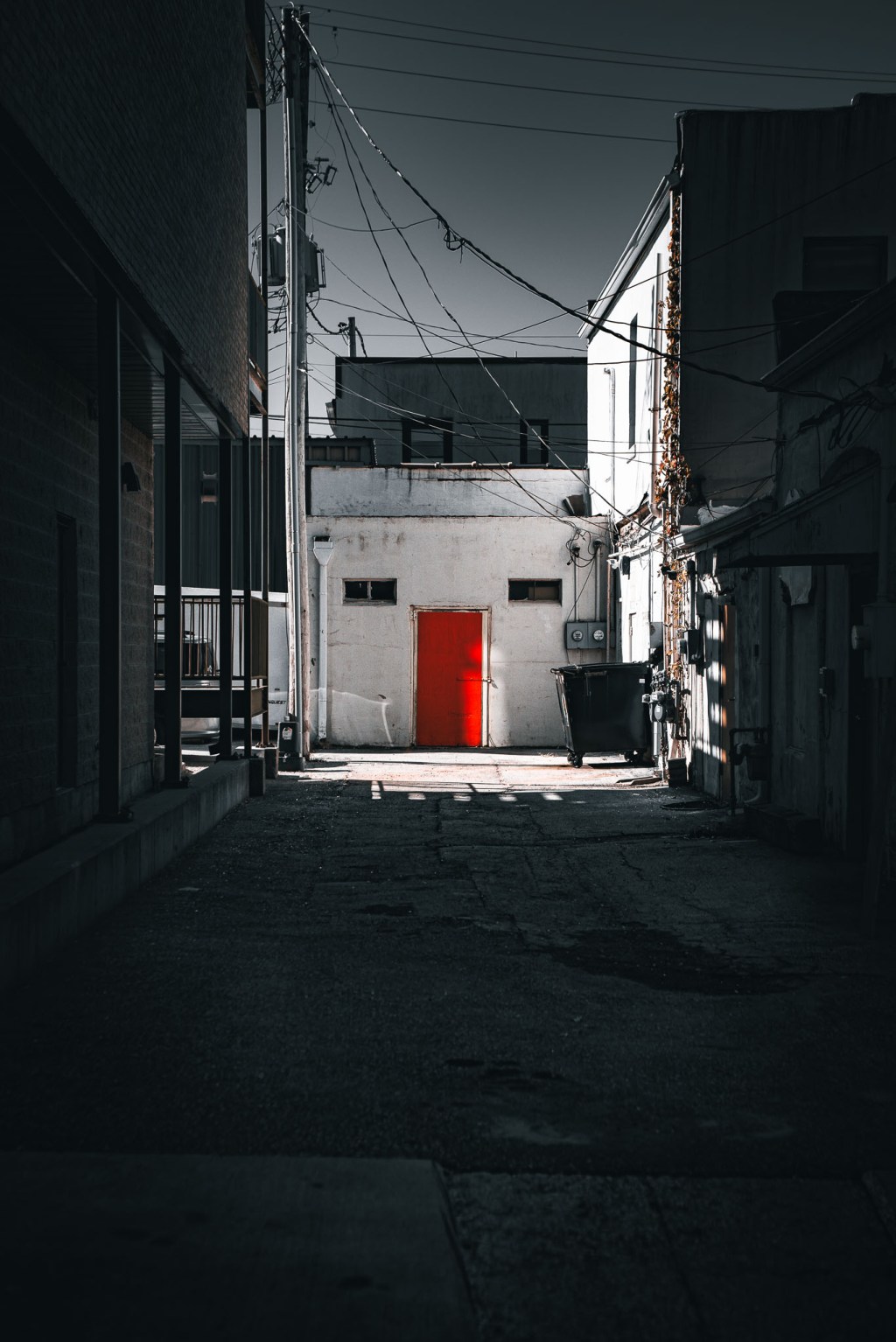
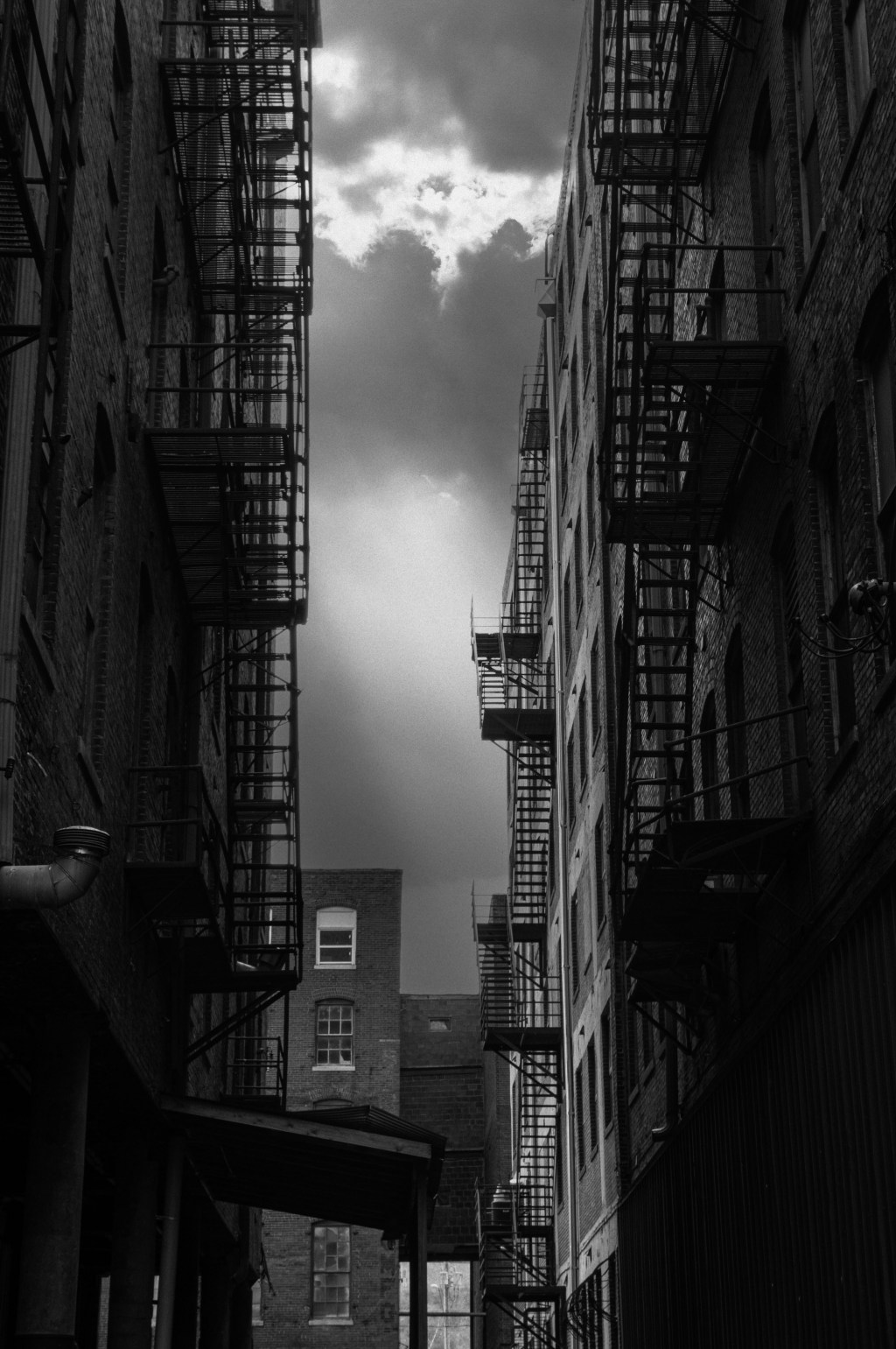
I’ll be a bit philosophical this morning. Learn the rules like a pro so you can break them like an artist – Pablo Picasso is often quoted as saying. Pablo Picasso went through many different art styles and movements in his lifetime. As photographic artists, we should take the same path of working in different styles. We may have to walk down the dark alleyway to reach the door of success, but then that door of success may lead us to another path where the light leads us away from the established route.
My journey as a photographer is to progress beyond merely copying the world around me but to explore both my vision and to take those who view my works to places that may not exist in reality but often exist in our minds.
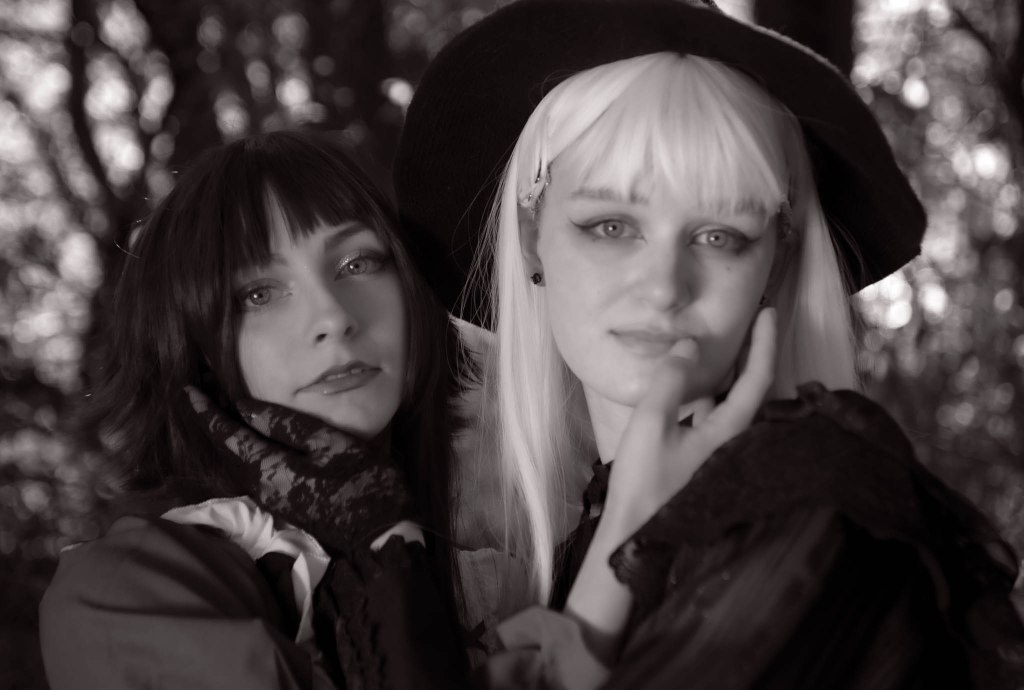
Even when I am photographing people I prefer to photograph the soul rather than merely the face as noted by Dragan Tapshanov who is quoted as saying, “Photography is about capturing souls, not smiles”. For this very reason, I spend a lot of time browsing through the works of others on a variety of photography and art sites.
I believe people, places, and things all have a story. My goal as an artist is to bring the story I envision during my interaction with the people, places, and things I encounter.
Have you ever gone through your catalog of photographs and thought, “Wow these suck!”? That was my thoughts this morning. I was going through my catalog of photos in an effort to get my thoughts on what to write about this morning. I went through some older photographs and found some that just absolutely sucked. I don’t mean a little bit, these were horrible. The featured photograph was not one of them. Granted some of them were quite old but nonetheless they were awful.
I’m certain that most of us have thought the same thing. I also know that my photography may not be considered suitable by the standards of others. We all have different styles and preferences when it comes to art and photography. What is important is that we are satisfied with where we are today and have the mindset to continue learning, improving, and growing as artists and photographers.
I challenge each of us to objectively look at our past work and our current work and then make a conscious effort to improve. Join me in this challenge and together we can create the photographs and art we can be proud to show the world.
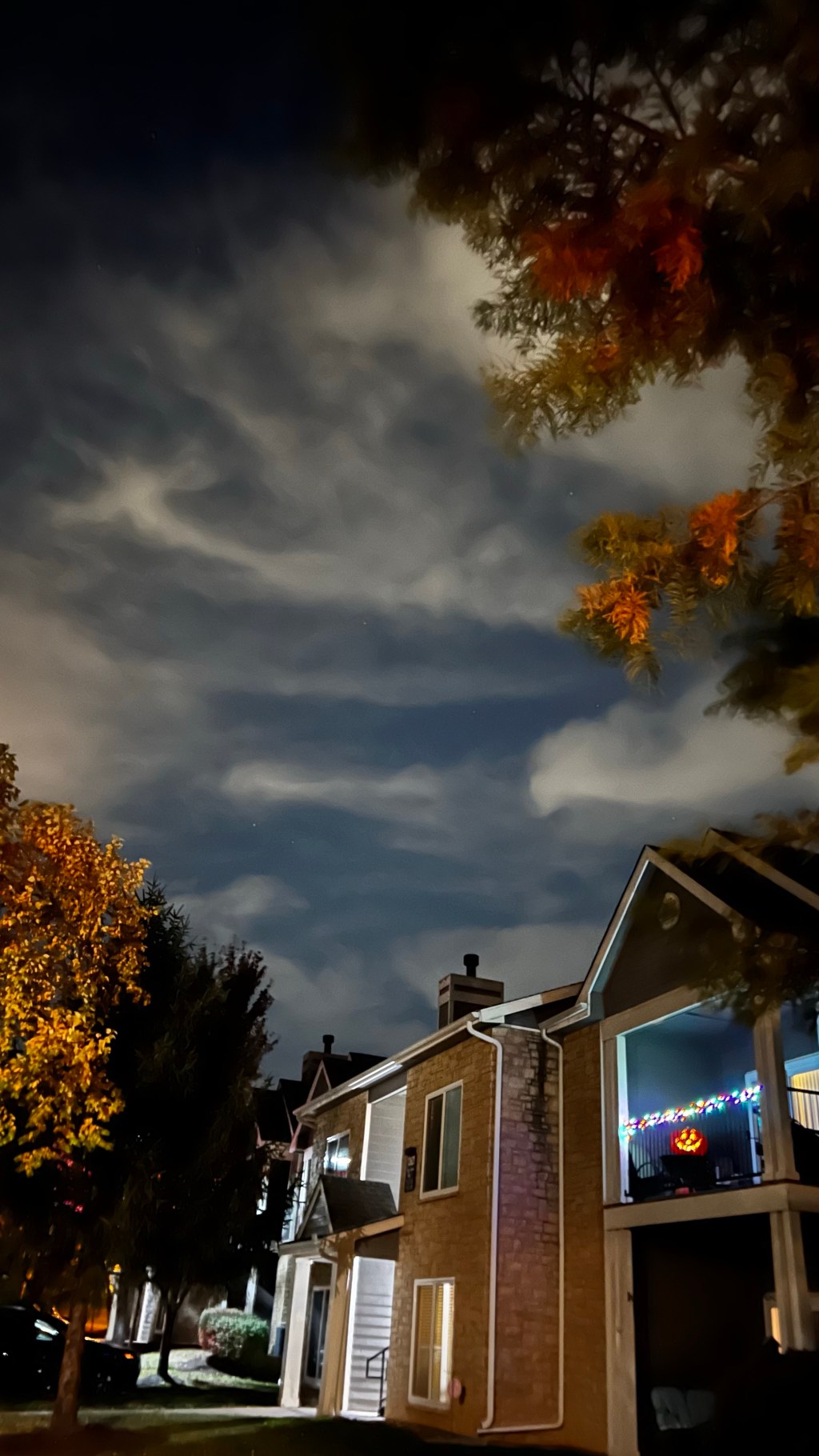
Last night, I was taking my dog out for his last potty visit before bedtime and I noticed the clouds of an impending storm were beginning to move in. Granted I wasn’t able to see them very well as it was dark outside. I took this photograph with my smartphone. This is a 1/5 second exposure and handheld. I’m impressed.
I guess a bit of background also helps. My first computer was a Commodore 64 I bought in 1982-83. My first 35 mm camera was a Canon AE-1 at roughly the same time. The computer was a thing of marvel at the time as far as home computers as was the camera since it had an auto-aperture setting. All I had to do was pick the shutter speed and focus.
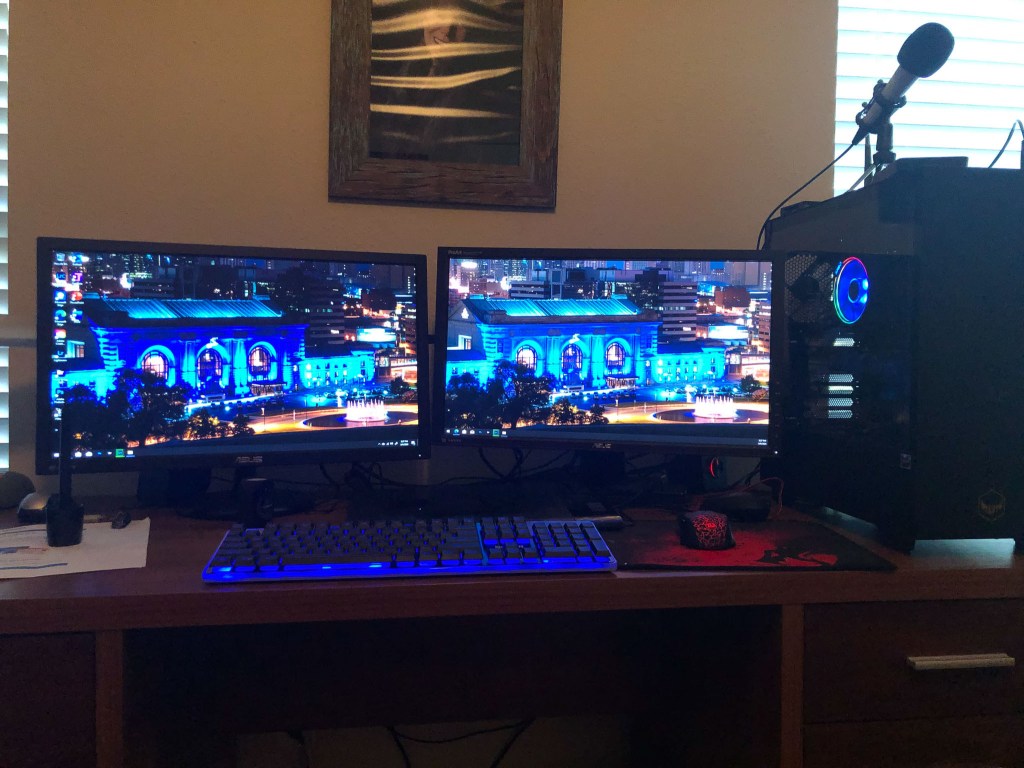
As we have moved along, I have adopted new technology as quickly as I could afford to do so. A couple of years ago I built my own home workstation from parts I selected individually.
I embrace new versions of programs and software. I’ve even been a beta tester of software as well as having written user manuals for programs. In other words, I’m a long-time nerdy geek and I still get impressed with the technology.
How does all this relate to art and photography? I use technology to create my vision and my art. I also employ much old technology, such as film. I don’t like to have my creative choices limited by boundaries. I like to push my boundaries and see just how far I can go hoping to explore new techniques and abilities. I look forward to each new version of programs and advances in computing technology.
To truly become an artist I believe we must constantly learn and explore and this often requires us to embrace technological advances all while keeping the old traditions alive and blending them together.



 Photographer Clay