Tag: creativity

  • Artistic education for photographers

    Artistic education for photographers

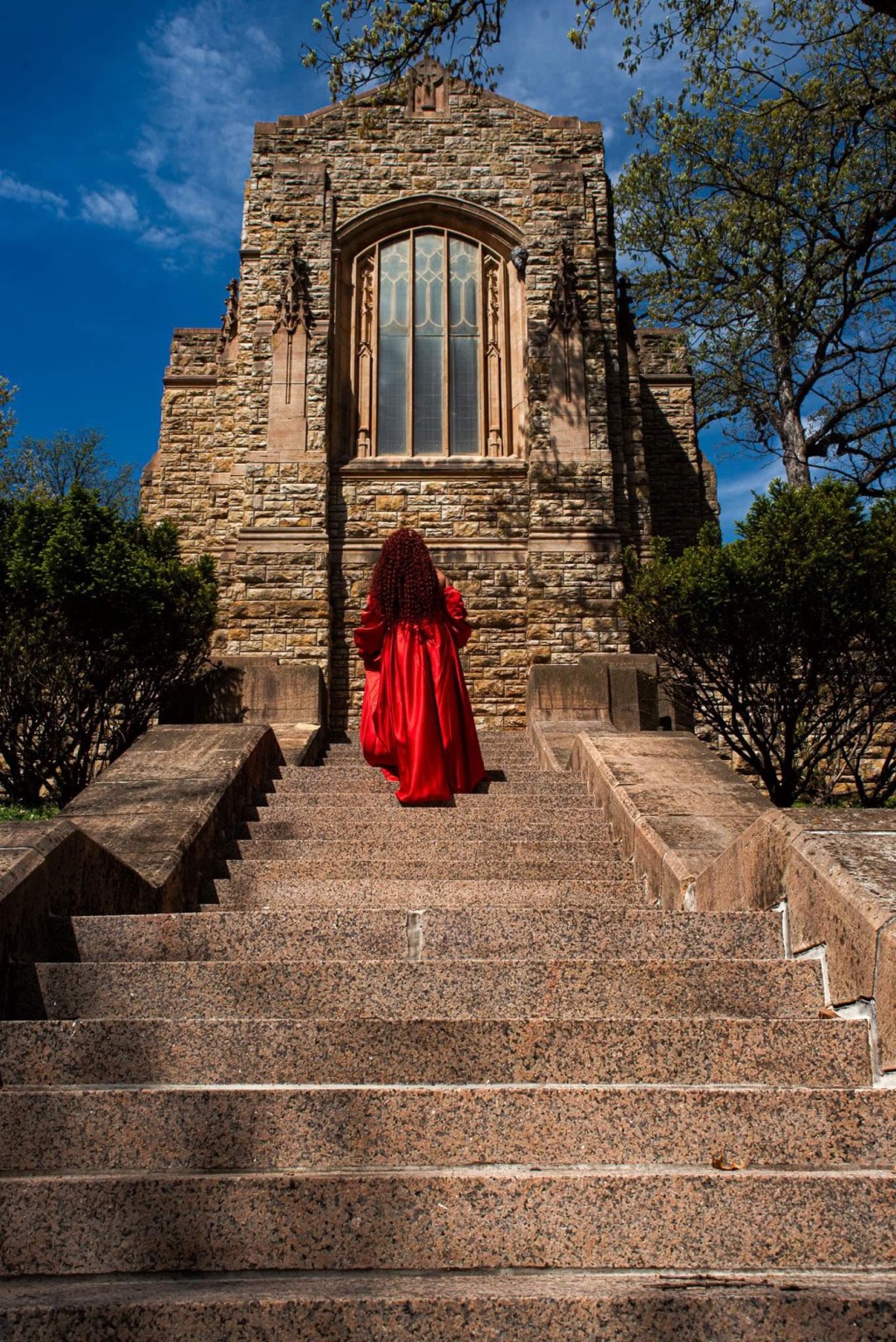
    This is more of an update on why I haven’t been writing lately. I have been actively engaged in working on my artistic vision. That may sound cliché; however, I have always been of the belief that if you could create the image you create today five years ago, you are not growing as an artist. Growth is essential in any creative field, and without it, we risk stagnation, losing the spark that inspires us to express ourselves.

    For my journey, I have found a mentor who not only shows you how but also explains why. This dynamic has opened up new avenues for my understanding of art. I have included training in color theory, composition, and various techniques that push my creative boundaries. It is all about understanding and thinking like an artist, exploring the depths of creativity, and developing a personal style that feels authentic.

    While I may use a camera, I consider myself an artist. It is not merely a tool for capturing images but a means of expressing my artistic vision. As such, I realize not all my artworks will appeal to everyone. To me, it isn’t about validation from others but rather about expressing my connection with my subject. This could be anything from a breathtaking landscape to the intricate details of an insect, or even any other inanimate object that catches my eye. Each piece I create serves as a bridge between my inner world and the external reality.

    If you are a creator of art, in whatever genre you follow, allow yourself to let go. Immerse yourself in your emotions and thoughts, and get in touch with how you feel about your subject matter. Understand that the relationship you forge with your work is a personal one, and your unique viewpoint can shine through, even if that viewer is only yourself. Embrace this journey of self-discovery, and let your artistic voice be heard, regardless of the audience’s opinions. In this way, you cultivate both your skills and your identity as an artist, allowing your work to evolve organically and authentically over time.
  • Is art really subjective or are there certain conditions that should be met for a work to be classified as art

    Is art really subjective or are there certain conditions that should be met for a work to be classified as art

    I asked ChatGPT; Is art really subjective or are there certain conditions that should be met for a work to be classified as art, This is the response I got.

    The question of whether art is subjective or if there are certain conditions that should be met for a work to be classified as art is a long-standing debate in the philosophy of aesthetics

    . Many people instinctively lean towards subjectivity, viewing art as an individual’s unique response to a piece. However, this perspective also raises questions: if art is purely subjective, how can we have discussions about whether certain works are “good” or “bad”? Why are some pieces displayed in museums and celebrated for centuries, while others are disregarded? 

    The case for subjectivity

    • Personal Interpretation: Viewers bring their own experiences, emotions, and cultural backgrounds to their appreciation of art, leading to diverse interpretations.
    • Emotional Response: Art’s power often lies in its ability to evoke emotional responses, and these emotions are inherently personal.
    • Shifting Tastes: What one generation deems artistic may be seen differently by another, highlighting the dynamic nature of cultural trends and individual preferences. 

    Arguments for objective criteria

    • Skill and Technique: Creating art often involves technical proficiency, whether it’s mastering painting techniques, composing music, or crafting compelling narratives. These skills can be objectively evaluated.
    • Composition and Principles of Design: Art often adheres to established principles like balance, proportion, and rhythm, which can be analyzed and judged independently of individual taste. The Massachusetts College of Art and Design (MassArt) identifies seven elements of art and seven principles of art.
    • Artistic Context and Intent: Understanding the artist’s intentions, the historical context, and the artistic traditions surrounding a piece can provide a more informed basis for appreciation and analysis.
    • Enduring Value: The fact that certain works are consistently recognized and valued across cultures and generations suggests some degree of inherent merit beyond fleeting trends.
    • Artworld Institutions: Galleries, museums, critics, and art historians play a role in shaping and defining what counts as art through their selections, exhibitions, and discourse. 

    Hybrid perspectives

    Many thinkers now advocate for a more nuanced approach, recognizing both subjective and objective aspects of art. Art, at its core, involves a human creation intended to evoke a worthwhile experience, be it through emotional power, beauty, or the conveyance of complex meanings. While individual enjoyment is deeply personal, objective analysis of elements like technical skill, composition, and historical context can inform and enrich our appreciation, according to the website thewritingpost.com.

    This is, to me, the real meat and potatoes, so to speak.

    In conclusion, art is not solely subjective, nor is it entirely bound by rigid objective criteria. It exists in a dynamic interplay between the creator, the creation, and the audience, where personal interpretation meets with a framework of established artistic principles and traditions.

    If a work fails to ignite a vibrant interplay between the creator and the audience, it falls woefully short of its potential. Like many others, I have fervently battled with the art of creation, grappling with the complexities of expressing my vision, despite the countless hours I have devoted to studying art and photography. It wasn’t until the past 6 months or so that I came to realize this. Often, we fall in love with a creation of ours not because it is good but rather because we have a personal connection to it. The problem, I see, is whether the audience has a connection. This is often the failure. As artists, we must become aware of our emotions and then learn to communicate those emotions to our audience.

  • No matter how far you think you have come keeping learning!

    No matter how far you think you have come keeping learning!

    I’ve used Photoshop since February 2010 and have done photography since the early 1980s. One would think that with all that experience and knowledge I would know “it all”. How far from the truth that really is.

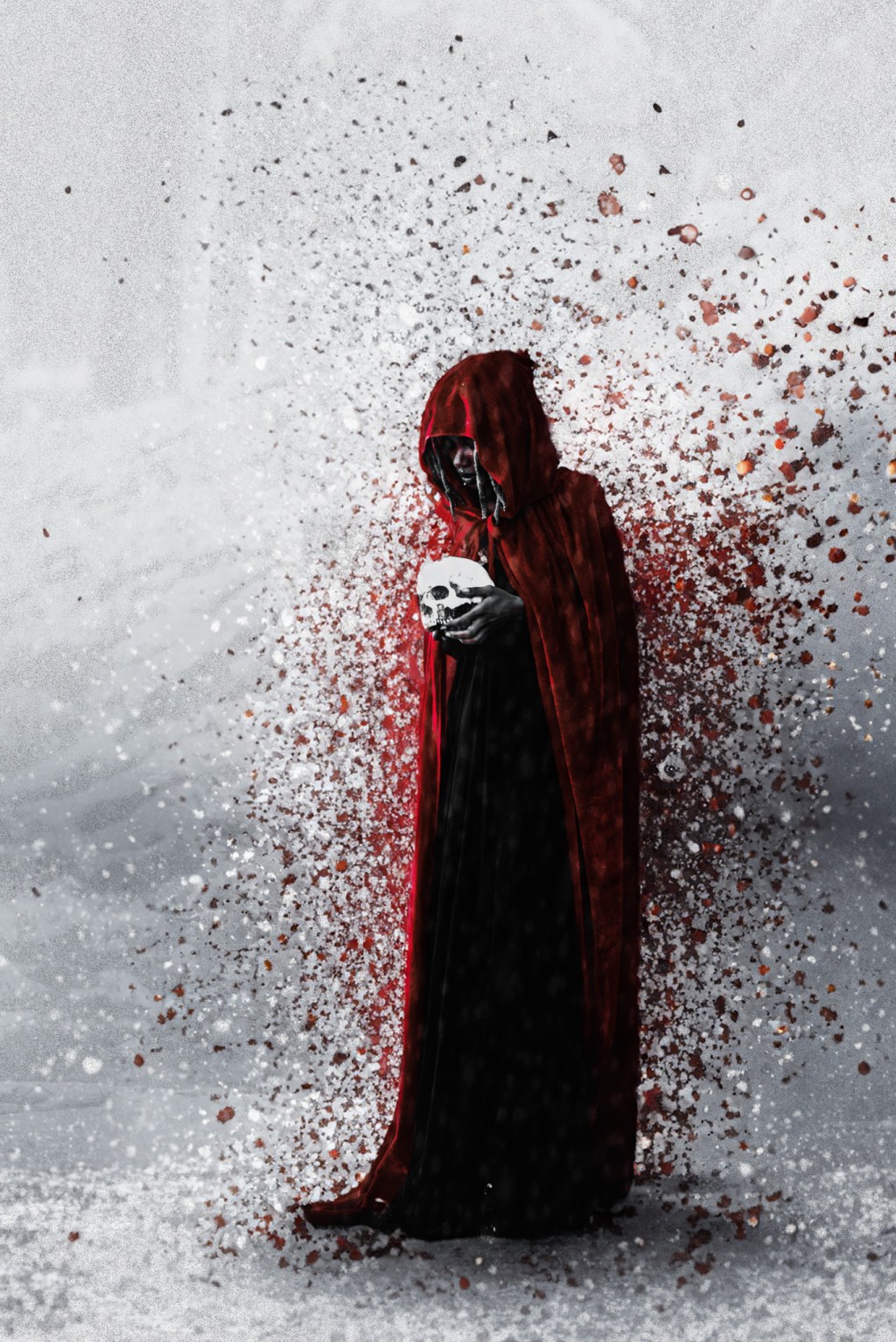
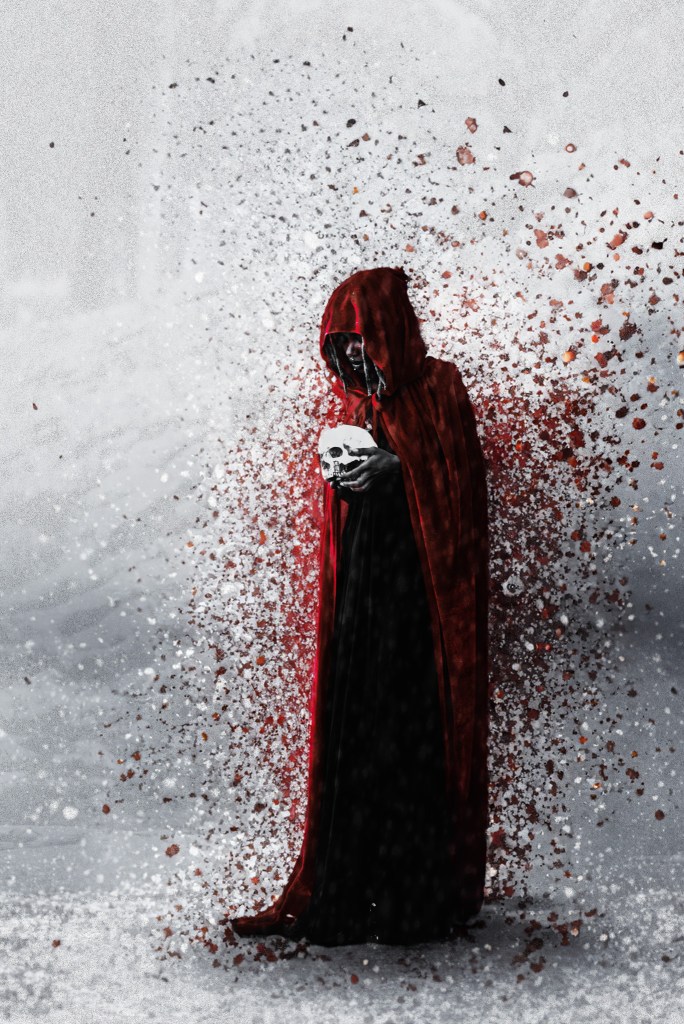
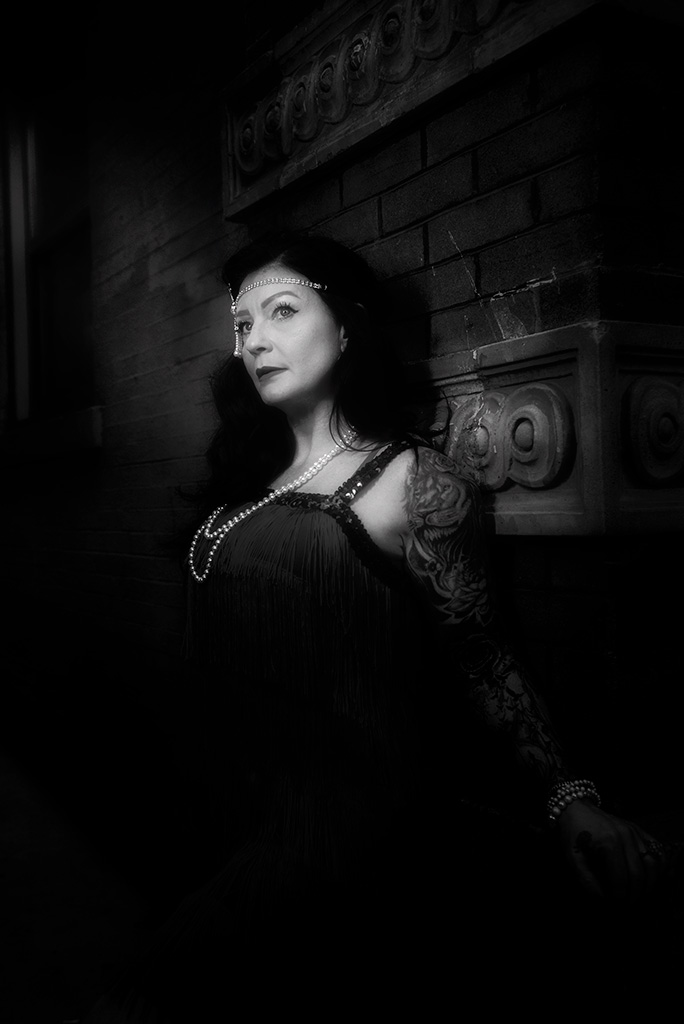
    The image above is the original edit from 2018 when the photograph was taken. Below is the 2025 version.

    The session was in mid-April, and it was a bit cool, with a gentle breeze cutting through the air, adding a layer of crispness to the atmosphere. It was shot in an industrial area filled with vibrant graffiti and winding alleyways that seemed to tell tales of their own. While I wasn’t taking meticulous notes of the precise emotions, feelings, and overall mood at the time, I vividly recall my desire to capture and convey a sense of cool, moody environment that was both captivating and slightly haunting. Fast forward seven years later, and through countless photography and Photoshop courses, along with a wealth of practice and inspiration from various artists, I think I may have actually learned how to convey what I had envisioned all those years ago, blending technique and artistry to bring that initial vision to life in a way I had only dreamed of at that time.

    My challenge to all artists, regardless of how long they have been creating their art or how much they believe they have learned, is to keep learning, growing, and challenging yourself to constantly expand your knowledge and skill set. Embrace the process of exploration, as each new experience provides an opportunity to refine your techniques and discover new perspectives. Engage with fellow creatives, share insights, and seek constructive feedback, for collaboration can often ignite inspiration and fuel innovation. Whether you are diving into a new medium, experimenting with different styles, or studying the works of masters, remember that the journey of artistic development is endless. By nurturing your curiosity and pushing your boundaries, you not only enhance your craft but also enrich your personal expression, ultimately leading to a more fulfilling artistic journey.

  • Finding your motivation

    Finding your motivation

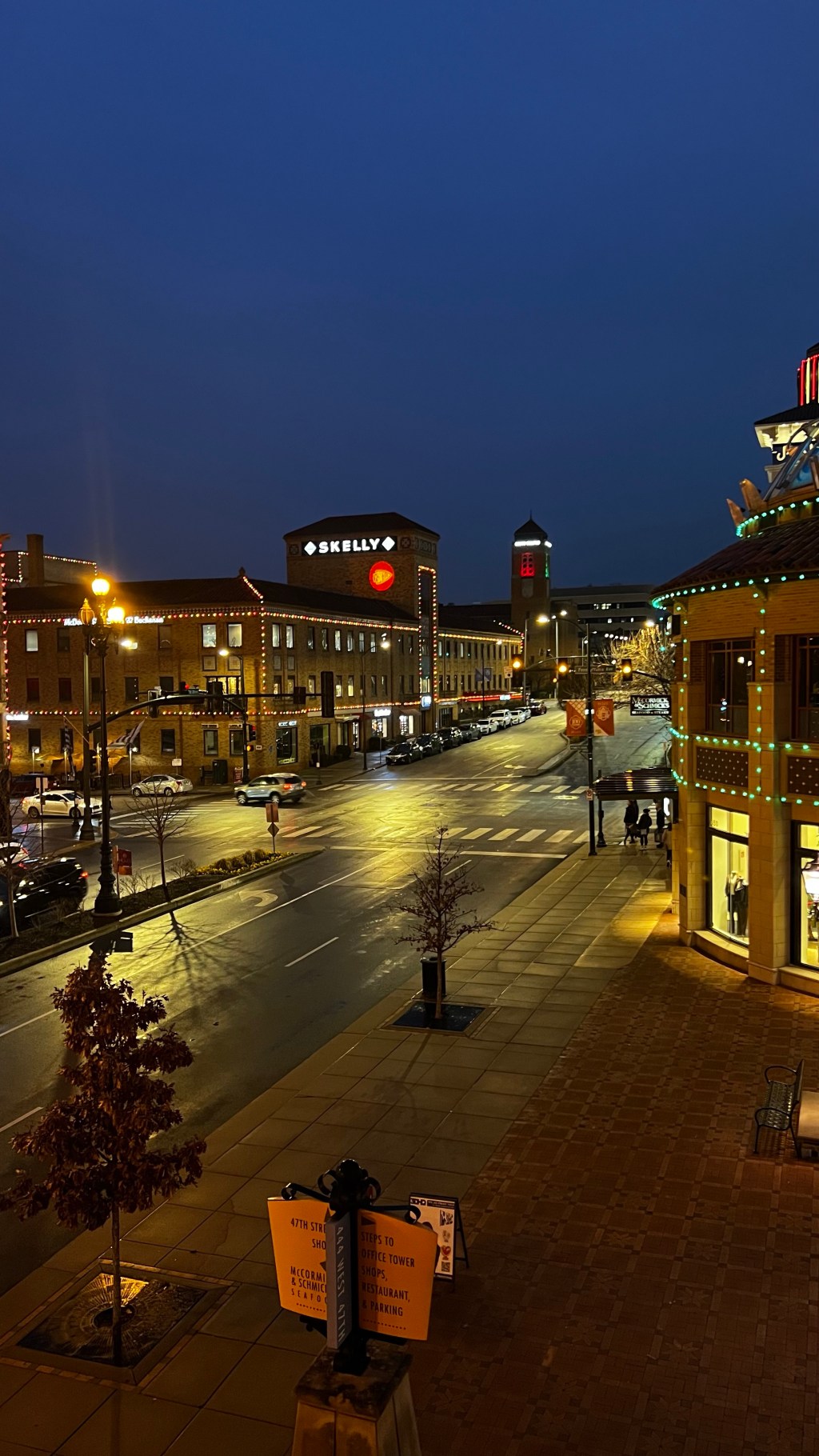
    This has been a challenge I have faced over the past couple of years. Recently, completed reading the book “Inner Excellence” by Jim Murphy, which stands out as one of the motivational and inspirational books I have ever encountered. One of the recommendations in book was to maintain a daily journal, documenting the events of the day, highlighting went well, identifying areas that went poorly or need improvement, and goals for the following day. So far I am just about a week into maintaining a handwritten journal, and it already had a significant positive impact. I feel more motivated to write and pursue my photography, even if it is simply an image with my cellphone like the photograph above.

    In doing this, I have found that I overly complicate things rather than simplifying the tasks at hand, which often leads to unnecessary stress and confusion. Instead of breaking down each task into manageable steps, I get caught up in the details and lose sight of the bigger picture. Along with this, I often allow the inner critic and past failures to rule my thoughts, creating a cycle of self-doubt and hesitation that prevents me from moving forward. This tendency to overthink not only hinders my productivity but also stifles my creativity, leaving me feeling overwhelmed and unfulfilled as I grapple with the expectations I place on myself. It’s a journey of learning to challenge these negative patterns and finding more constructive ways to approach my responsibilities.

    I hereby challenge you to try the same things if you are feeling uninspired or unmotivated. It very well could change your world, mindset, and creativity. Engaging in new experiences can open doors to fresh perspectives and innovative ideas that ignite your passion. Embrace the small steps of change, whether it’s a new hobby, exploring different art forms, or simply changing your daily routine. Each effort, no matter how insignificant it may seem, can lead to profound transformations, rejuvenating your spirit and encouraging your creative juices to flow. Remember, inspiration often hides in unexpected places, waiting for you to seek it out.

  • Flying by the seat of your pants!

    Flying by the seat of your pants!

    If you are like me, we have done this more times than we can count. You have a plan to grab your camera and head out on a walkabout to grab some photos, or a planned event that you want to document, but beyond that, you have little to no concept of what or how you want to accomplish your images. It often starts with a sense of excitement, the thrill of possibility that hangs in the air, yet as you step outside, you may find yourself overwhelmed by the myriad of choices before you. The vibrant colors of nature or the hustle and bustle of a city can be both inspiring and intimidating, leading to a moment of indecision. You might think about the stories you want to tell through your lens, the emotions you want to capture, and the unique perspectives you can showcase, yet the pressure to produce something truly remarkable can feel paralyzing. Embracing the spontaneity of the moment, however, can be where the magic happens; sometimes the best shots come when you least expect them, turning an ordinary walk into an extraordinary adventure of creativity.

    How then can we ensure that we get what we want or envision? While I’m not necessarily a gearhead, we must take into account what gear we need to accomplish our goal. The right tools can make a significant difference in the quality of our outcomes, whether it’s photography, writing, or any other creative endeavor. We also need to be able to employ our skills or be willing to be open-minded and work outside our so-called box. Being adaptable allows us to explore new techniques, learn from our experiences, and ultimately grow in our craft. I don’t know how many times I’ve done it myself, let alone how many times I’ve seen others do it, but so many times I’ve never changed my position when taking photos. You know, from a standing position, which can limit our perspective; often we need to get low or higher, to try different angles and viewpoints that can completely transform the narrative of our work. It’s essential to embrace these varied perspectives, as they can lead us to discover compositions we never thought possible. We need to become more creative, constantly pushing the boundaries of our imagination and allowing ourselves to experiment with the unfamiliar. By doing so, not only do we enhance our skills, but we also create more engaging and dynamic results that resonate on a deeper level with our audience.

    Let us get creative.

  • It isn’t always about you.

    It isn’t always about you.

    I have pondered this post for a couple of weeks now. In fact, I started to write it and gave it a title, then I stopped because it was going to be too much of a rant on new or beginning photographers and selling their services to customers. I ran through several wording styles in my head and then finally deleted the entire post this morning.

    The reason I wanted to start over was that I have been reading a book, Inner Excellence by Jim Murphy, and yesterday I came upon two quotes that resonated with me. The first was, “if all you see is chickens and chicken scratch, it doesn’t matter if you are an eagle; flying won’t be part of your world.” The second was, “expect nothing, prepare for anything.”

    These were very powerful messages for me, igniting a self-reflective journey. Instead of concerning myself with what others were doing or how they were marketing their photography services, I needed to focus on mastering my own mind. By doing so, I would subsequently empower myself to master my unique vision and skills in producing the art I truly want to create. My obsession with the perceived failures of others was clouding my judgment and inhibiting my own self-mastery.

    Rather than rant about this publicly, I realized there’s tremendous value in working to demonstrate the message I was attempting to relay to others. The true path to inspire and be of service to others lies in action rather than mere words or criticisms. By focusing on my inner growth and honing my skills, I could transform the frustrations I feel into motivation and clarity. In doing so, I pave the way to uplift others in their journeys, reminding them that personal excellence often stems from a place of introspection and self-awareness.

    This renewed perspective has encouraged me to cultivate a mindset where I expect nothing but prepare for anything. Embracing this principle allows me to navigate challenges without getting bogged down by the comparative metrics that often stifle creativity and joy in the craft. Each photographer’s journey is unique, and by staying true to my own path, I can create visuals that reflect my personal story, thus leaving space for authentic connections with others who appreciate my work. Through this reflection, I turn the quest for excellence into both a personal and collective endeavor, fostering a community where creativity thrives.

  • Pursuing photography as an art form, focusing on aesthetics and creative expression.

    Pursuing photography as an art form, focusing on aesthetics and creative expression.

    The Artistic Side of Clicking: Photography as a Creative Expression

    Photography, the art form that lets you capture a moment with the click of a button, has long been a medium for creative expression. It’s not just about snapping what you see; it’s about conveying a story, an emotion, or a perspective. It’s the difference between a picture that says, “I was here,” and one that says, “I felt this.”

    For those who pursue photography as an art form, it’s all about the aesthetics—the play of light and shadow, the composition of elements within the frame, and the colors that dance before the lens. It’s a pursuit that requires an eye for beauty in the mundane and the ability to see the world through a different lens—literally.

    But let’s be real, it’s also about looking cool with a fancy camera and pretending to adjust settings while you’re actually just pressing random buttons. It’s about the thrill of finding the perfect graffiti wall for your Instagram backdrop, or the quest for the most dramatic angle of your latte art.

    So, grab your camera, whether it’s a high-end DSLR, a vintage film relic, or just your trusty smartphone, and join the ranks of those who turn the ordinary into the extraordinary. Who knows, maybe your next snapshot could be the one that captures the heart of the art world, or at least earns you some solid likes on social media.

    Remember, in the world of artistic photography, every shot is a chance to make a statement. So make it loud, make it clear, or make it hilariously abstract—because in the end, it’s your vision through the viewfinder that counts. Happy shooting!

  • The Essence of Photography: Capturing Moments, Crafting Memories

    The Essence of Photography: Capturing Moments, Crafting Memories

    Photography is more than just a click of a button; it’s an art form that transcends time, emotion, and perspective. At its core, photography is the practice of capturing light, but in reality, it captures so much more. It encapsulates moments, memories, and emotions, preserving them for eternity. Let’s delve into the essence of photography and explore what makes this medium so profoundly impactful.

    The Art of Seeing

    Photography begins with seeing—really seeing. It’s about noticing the play of light and shadow, the harmony of colors, the intricacies of textures, and the expressions of life. A photographer’s eye is attuned to the details that others might overlook. This heightened awareness allows photographers to find beauty in the mundane and the extraordinary alike.

    Capturing Moments

    Life is a series of fleeting moments, each unique and unrepeatable. Photography has the power to freeze these moments, allowing us to revisit them long after they’ve passed. Whether it’s the joyous smile of a child, the serene beauty of a sunset, or the raw emotion of a street scene, photographs hold the essence of these experiences. They serve as time capsules, preserving the emotions and stories behind each frame.

    Storytelling Through Images

    A single photograph can tell a thousand stories. It can convey complex narratives, evoke deep emotions, and provoke thoughtful reflection. Photographers are storytellers, using their cameras as tools to communicate their vision of the world. Through composition, lighting, and subject matter, they create images that speak volumes without uttering a single word.

    The Intersection of Art and Technology

    Photography resides at the crossroads of art and technology. It demands technical proficiency with cameras and editing software, yet it also requires a creative vision and an artistic touch. The best photographers seamlessly blend these elements, using technology to enhance their artistic expression. From the early days of film to the digital revolution, photography continues to evolve, pushing the boundaries of what’s possible.

    The Emotional Connection

    Great photographs resonate on an emotional level. They connect with viewers, stirring feelings of nostalgia, joy, sadness, or wonder. This emotional connection is what makes photography so powerful. It’s not just about what we see in the image, but what we feel. A photograph can transport us to another time and place, evoking memories and emotions that are deeply personal.

    The Universality of Photography

    Photography is a universal language. It transcends cultural and linguistic barriers, allowing people from different backgrounds to connect and communicate. A powerful image can be understood and appreciated by anyone, regardless of where they come from. This universality makes photography a potent tool for social change, as it can highlight issues, raise awareness, and inspire action.

    Crafting Memories

    In the end, photography is about crafting memories. It’s about documenting the journey of life, capturing the milestones, and cherishing the small moments. Family photos, travel snapshots, candid shots of friends—these images become cherished keepsakes, telling the story of our lives. They remind us of where we’ve been, who we’ve loved, and what we’ve experienced.

    Conclusion

    The essence of photography lies in its ability to capture and convey the human experience. It’s an art form that blends technical skill with creative vision, creating images that resonate emotionally and transcend time. Whether you’re a professional photographer or an enthusiastic amateur, the magic of photography is within your grasp. So pick up your camera, open your eyes to the world around you, and start capturing the beauty, the moments, and the memories that define our lives.

  • Capturing Moments: The Art and Joy of Photography

    Capturing Moments: The Art and Joy of Photography

    Photography is more than just a hobby or profession; it’s a medium that allows us to freeze time and preserve moments that might otherwise be forgotten. Whether you’re a seasoned photographer or a novice just starting, the journey of capturing images is filled with endless opportunities for creativity and expression.

    The Essence of Photography

    At its core, photography is about storytelling. A single image can convey emotions, tell a story, or evoke memories. It’s about seeing the world through a unique lens and sharing your perspective with others. From the quiet beauty of a sunrise to the bustling energy of a city street, photographs can capture the essence of any scene.

    The Joy of Learning

    For beginners, photography might seem daunting with all its technical aspects—shutter speed, aperture, ISO, and composition. However, learning these elements is part of the joy. Experimenting with different settings and styles can be incredibly rewarding. Don’t be afraid to make mistakes; every click of the shutter is a step towards improving your craft.

    The Tools of the Trade

    While having a high-quality camera can enhance your photography, it’s not a necessity. Some of the most stunning images have been captured with smartphones. The key is to understand your equipment and how to use it to its full potential. Invest time in learning about lighting, angles, and framing your shots. Accessories like tripods, filters, and external flashes can also elevate your work.

    Finding Inspiration

    Inspiration for photography can come from anywhere. Nature, architecture, people, and even everyday objects can become subjects for your next photograph. Explore different genres such as portrait, landscape, macro, or street photography to find what resonates with you. Joining photography groups or online communities can also provide inspiration and feedback on your work.

    The Power of Post-Processing

    Post-processing is an integral part of modern photography. Tools like Adobe Lightroom and Photoshop allow photographers to enhance their images and bring their creative vision to life. Adjusting brightness, contrast, and color balance can transform a good photo into a great one. However, it’s essential to maintain a balance and avoid over-editing, which can detract from the natural beauty of the image.

    Conclusion

    Photography is a journey of continuous learning and exploration. It encourages us to see the world differently and appreciate the beauty in everyday moments. Whether you’re capturing the smile of a loved one, the grandeur of a landscape, or the vibrancy of city life, each photograph tells a story. So, grab your camera, venture out, and start capturing the world one frame at a time.

  • Creativity is dead only if we choose it to be dead.

    Creativity is dead only if we choose it to be dead.

    Creativity is not dead despite what others may think. Yes, there is a low bar set for entry into photography but the bar was lowered 123 years ago and the so-called masters didn’t let that hold them back. How do I get the bar was lowered 123 years ago? That was when Kodak released the Brownie camera. The camera meant for everyone. Since then photography has experienced a number of advances making taking photographs easier and faster.

    Just because it is easy and fast and nearly everyone owns a high quality camera doesn’t mean that creativity in photography is dead. The only thing stopping you from creating art. Just because it is so easy to share photography with the world and others just scroll past doesn’t stop you. Share. Inundate the world with your work and raise the bar for you.