Time and again I see and hear photographers say something similar to “but how much is Photoshop”? I then think about how the previous masters of photography were often on the cutting edge of the technology of their day. Often developing new processes, experimenting with new techniques and I haven’t read where other photographers of the their day say but what about the old ways.
Today, I can create music, movies, drawings, photographs using handheld devices such as my smartphone or tablet. What a wonderful time to be a creative working in visual or audio arts. Using modern technology one is rarely without equipment or supplies to create.
At the same time I can still utilize the old ways and create using film, paints, or musical instruments. The possibilities are endless and getting better. Don’t discount technology and the creative mind.
Something many photographers, especially those just starting out, often don’t take into account is the lighting of a subject. For me, it is all about the light. The term photography means “drawing with light”. Greek term photo translate to light and graph means draw. In fact we are actually recording reflected light on a light sensitive surface be it film or a digital sensor.
I rarely trust nature to provide the light I’m am envisioning. I may use something as simple as a reflector or as complex as strobes and light modifiers.
Learning to control the light is not as complicated as we often think it may be. Looking at the equipment may initially appear intimidating and overwhelming but surprisingly it is much easier than many believe.
Don’t be afraid to learn and if you want find someone who will help guide you through the process of learning about light and how to manipulate and control it.
Yesterday, I read a social media post on a well-known photography store asking followers what their what was the dream photography location. As you can imagine the vast majority were the iconic locations. Yosemite, Iceland, Patagonia, Antarctic, and so forth. This got me to thinking, all those are awesome places and I’d love to photograph them but are any my dream locations. My answer was no. I’m not sure of my dream location but I am pondering it as a result of the question.
My dream location isn’t going to be the iconic area that has been photographed ad nauseam.
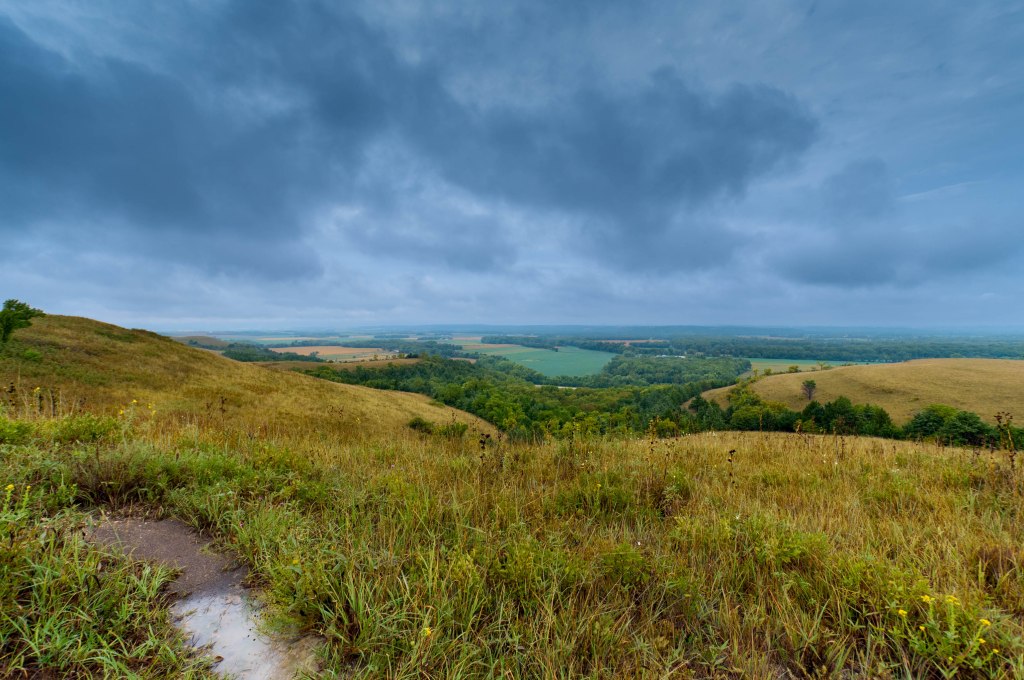
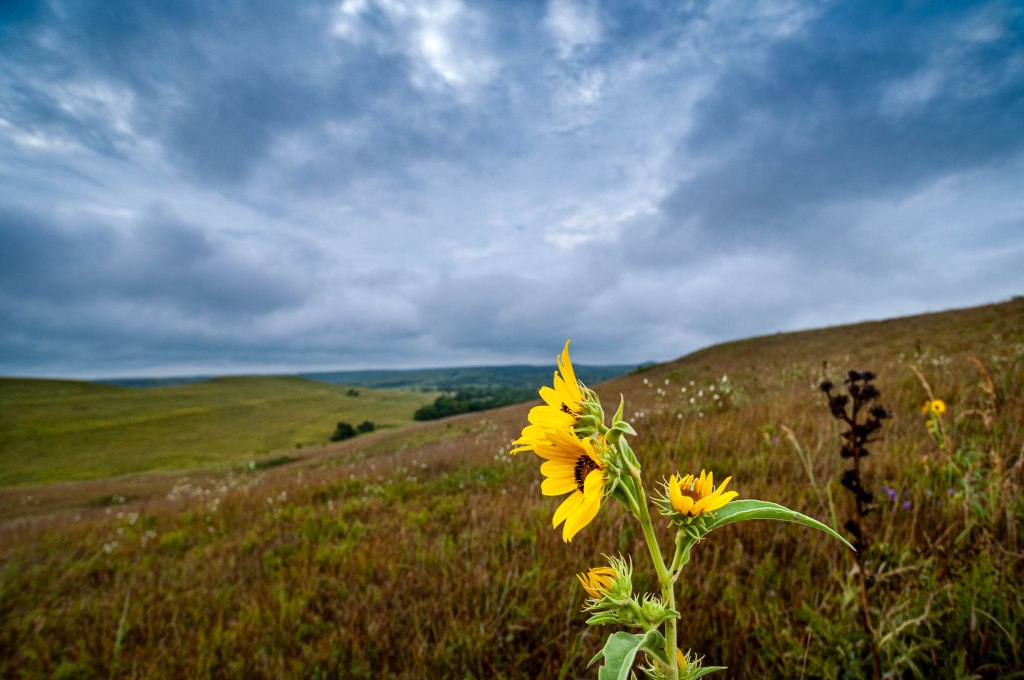
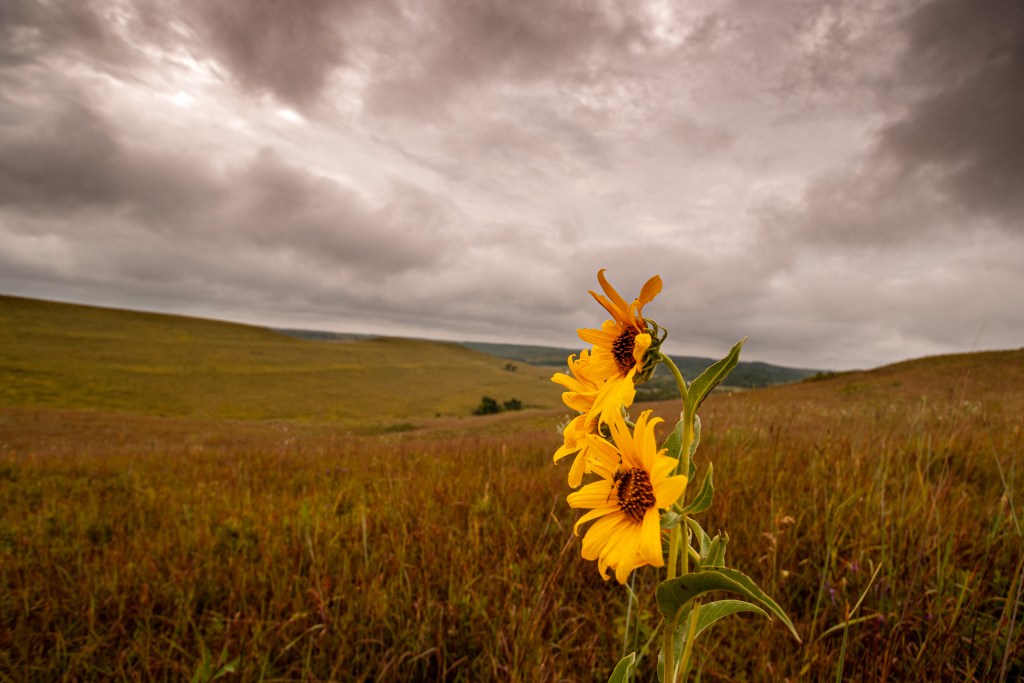
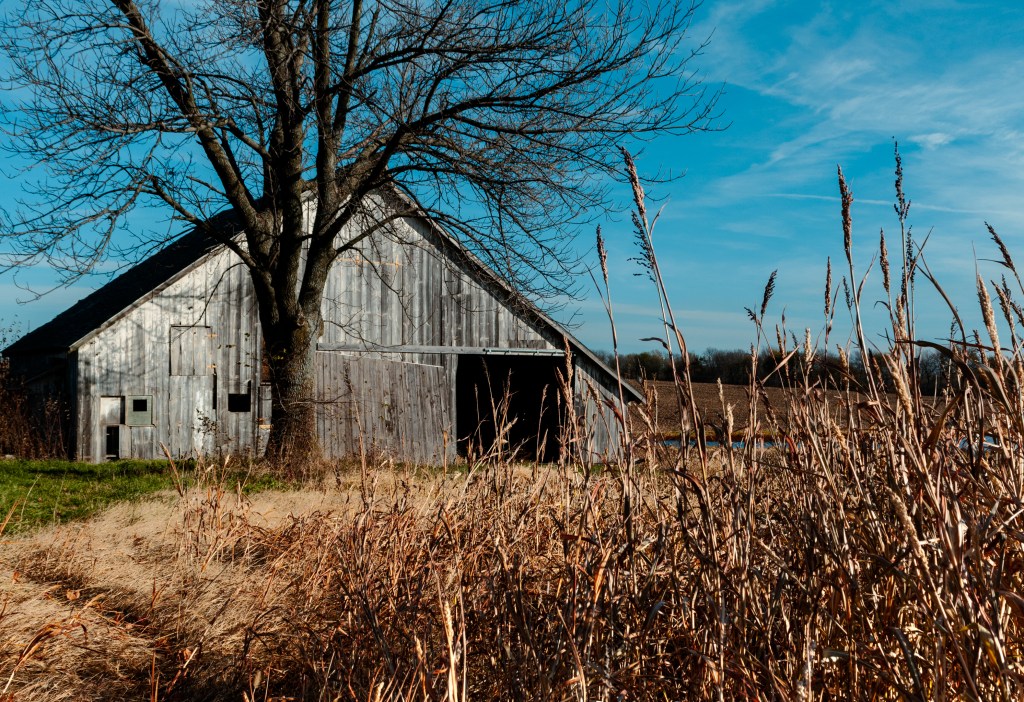
What about the back roads of Kansas, Missouri, or Nebraska? We rarely see the landscapes of those areas. We see loads of Yosemite, mountains, waterfalls, the ocean. We see lots of locations of what many of us think of as exotic.
All of this reminds me of a couple of trips. One my wife and I went to visit our son when he was stationed at Camp Lejeune. We were going to the beach one day. The bartender at the hotel where we were staying said she hadn’t been to the beach in years. The beach was only a mile away from our hotel. Then the time in Colorado where my wife was admiring a view of the mountains and the local said, “yeah it’s always there.”
My dream location is maybe my local area with time to spend just cruising the backroads finding what I can find.
One of the things I think about often is growing as an photographer. I frequently ask myself could you have created the same photograph 5 years ago? If I find myself saying yes I may not be growing as a photographer. Yesterday I heard a podcaster mention that some of the most iconic work from the masters of photography were created when they were over 50 or 60 years old.
Maybe there is still hope for me. August has been a very busy month for me with little opportunity to do photography things.
When planning or thinking about photography trips and locations we often think about going to the cliché locations. Places that have been photographed ad nauseam. Often we think of creating a copy of something someone else did before us. I’m in a mode of thinking about some of these types of trips and I am leaning more towards the lesser known places to create work that is more original.
I can art but that doesn’t mean I can envision art. It is much easier to photograph something or someone that already aesthetically looking. The true artist can see the aesthetic value of many ordinary everyday subjects. It is our vision to bring out the beauty in the ordinary. Look don’t just see.
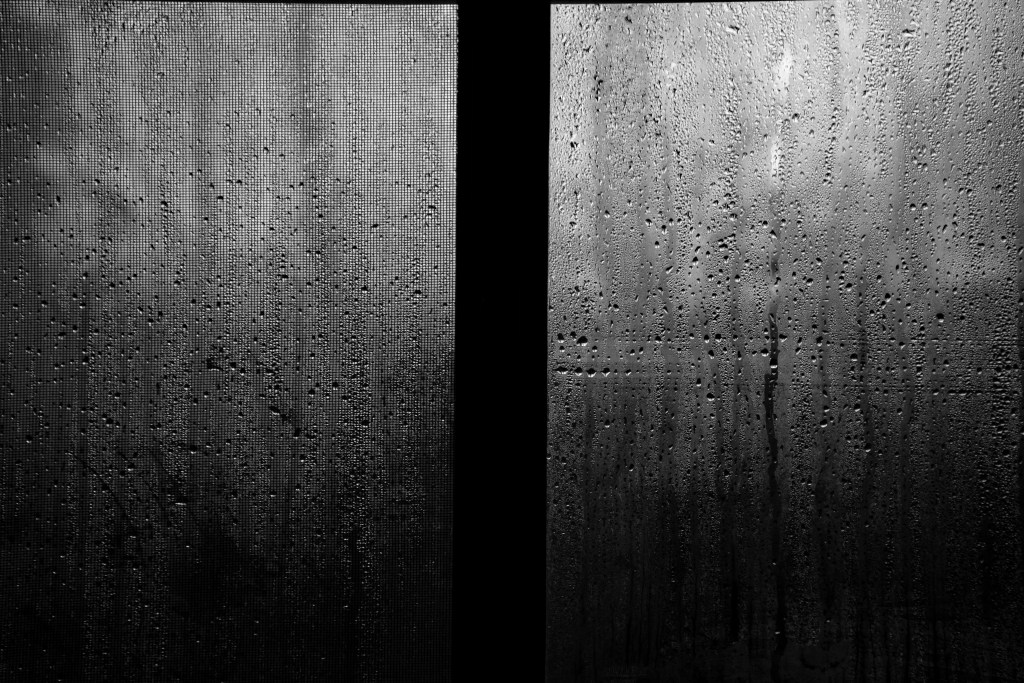
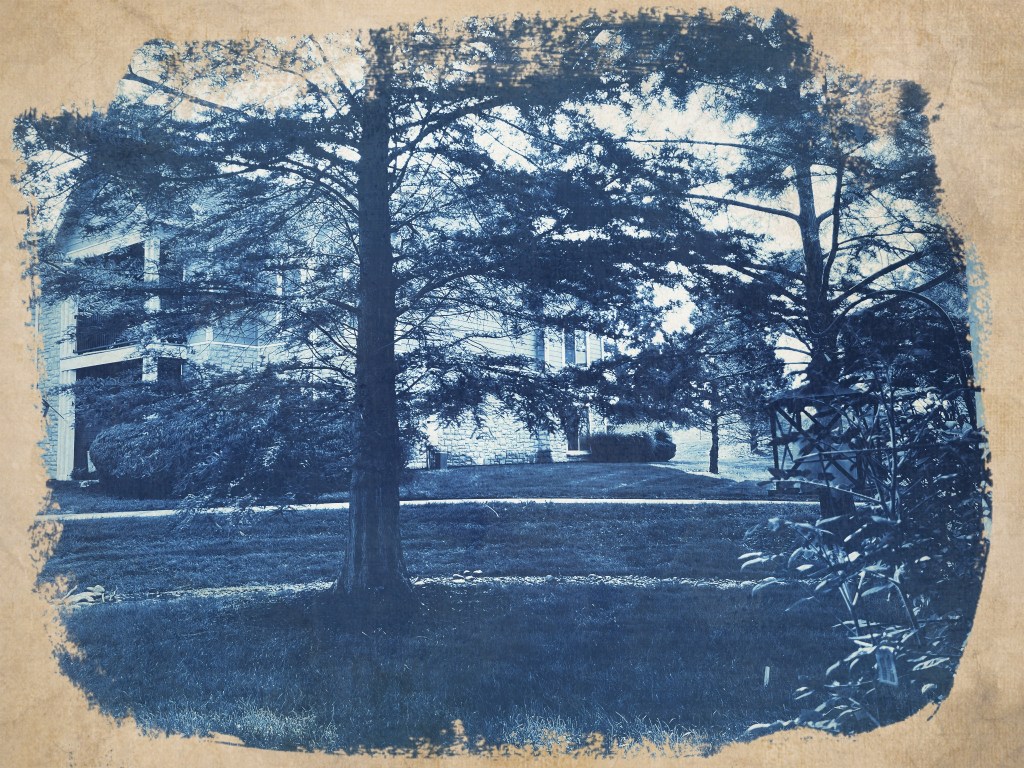
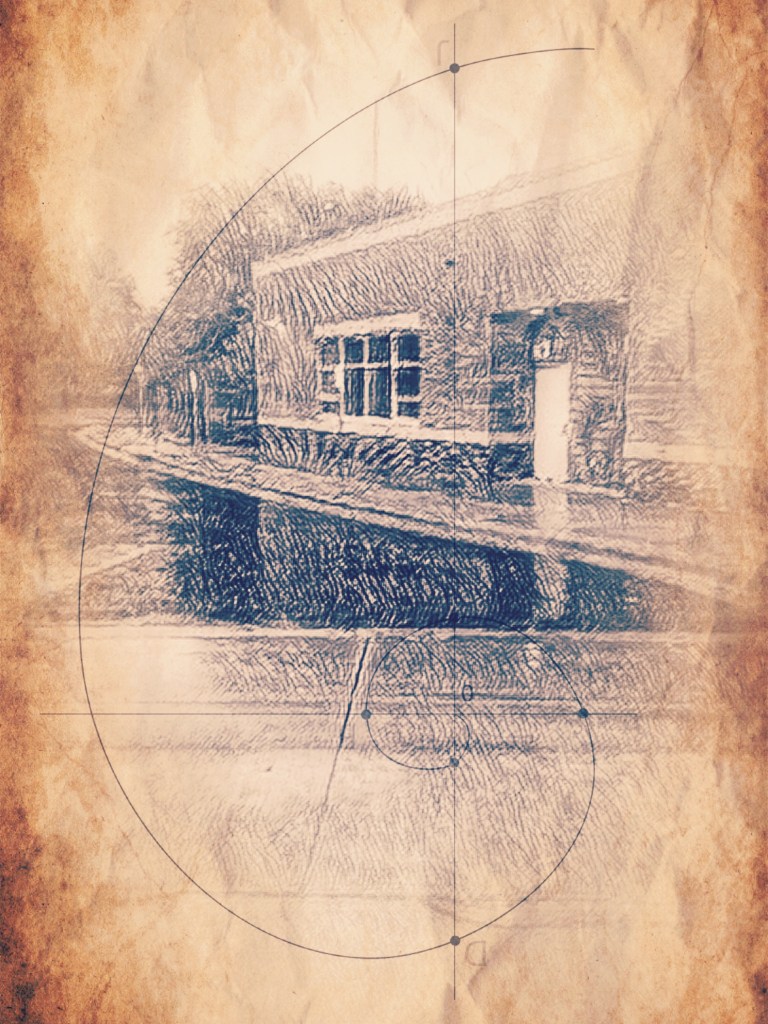
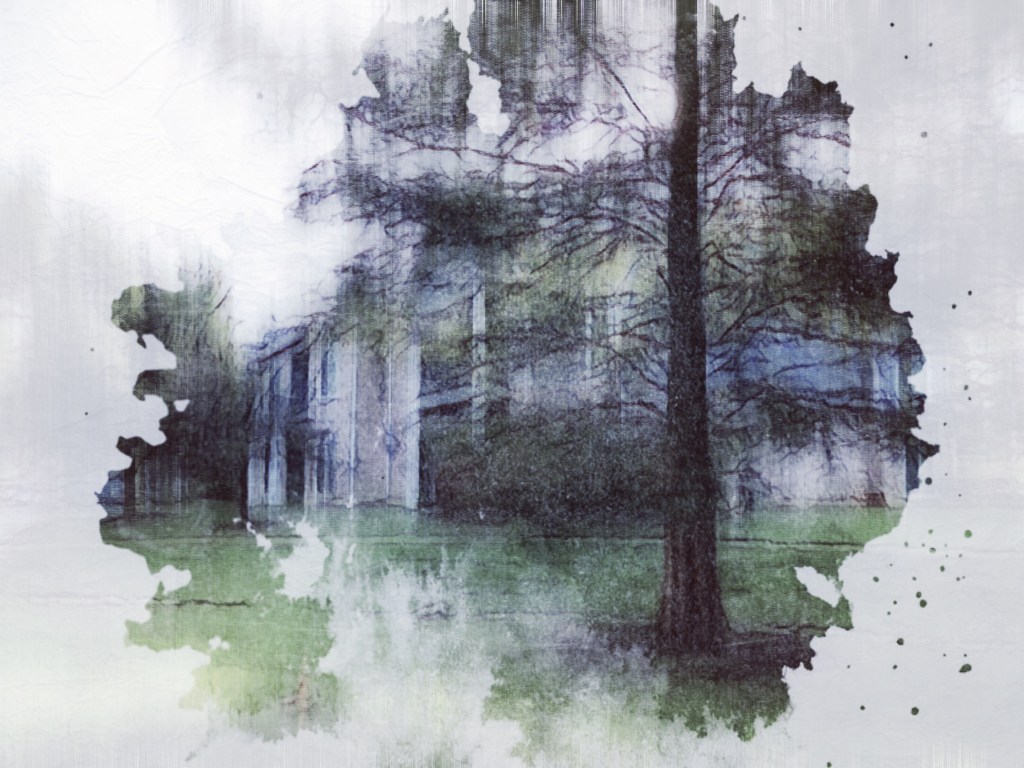
Months ago I downloaded an app for my iPhone called Ps Camera. Some of the filters you can get are very different. Some of the filters emulate analog film while others are quite interesting.
It is fun to play with and create some very unusual looks.
Photography doesn’t always have to be serious. It’s okay to use filters and apps. It’s okay to do cellphone photography. In fact, this entire blog post was written and created using my iPhone.
Art is art regardless of the media or method. Expand your method and mind. Create using all tools you can.
I touched on this topic a few days ago ( Has Photoshop Made It Too Easy ), but I really want to touch on this topic again. The topic is, does Photoshop or similar programs make it too easy to be creative?
I recently had a conversation with a friend about the use of editing techniques to change or add to a photograph. My friend is a very talented photographer and enjoys setting up creative sessions. We had discussed the use of Photoshop in some examples she showed me as she is learning how to utilize Photoshop more in post-processing. Later in the day she showed me some images and said she “made me feel like a lazy person not creating photographs”. I can understand that to a point.
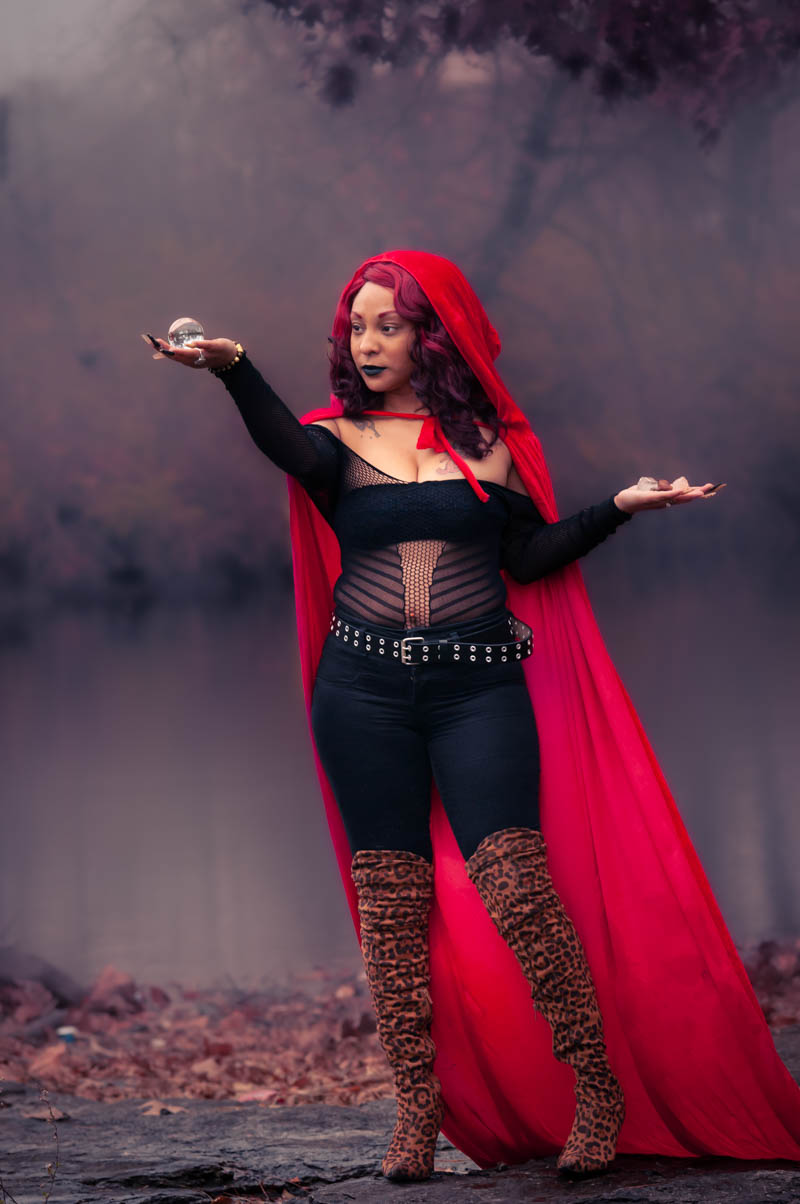
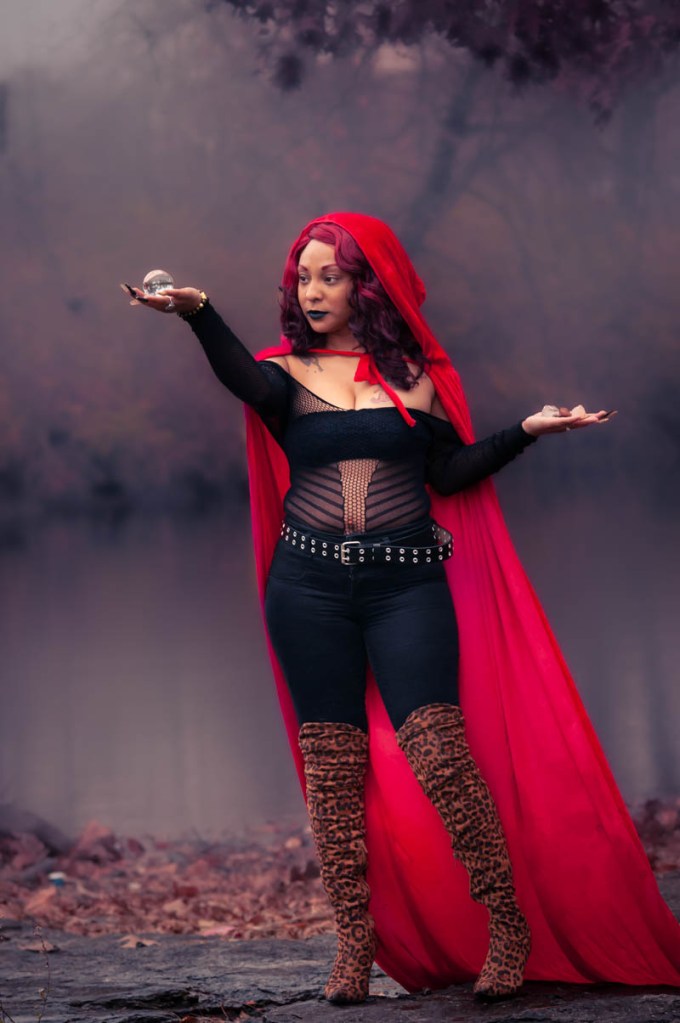
Like my friend, I enjoy putting together props, selecting a location, the lighting, and everything else, but there are sometimes I cannot select and control the weather or environmental conditions. I may actually visualize my subjects in a storm, pouring rain, night, sunset, sunrise, or any other of a multitude of environmental conditions. I can wait for such conditions but if I’m using a model or other person will they be available on, often, a moment’s notice? Do I really want to be out during a lightning storm? We may have to wait months for foggy conditions but will it be the right season? What if I envision other elements that may or may not be something that I could find with any regularity?
I don’t believe Photoshop and the use of post-processing makes one lazy. I believe that it actually encourages more creativity. The use of programs like Photoshop creates opportunities. We can still set up the props, the lighting, the locations, and all the other elements and further enhance our vision through editing. Photoshop doesn’t make you lazy it actually creates better creativity.

 Photographer Clay