
Tag: digital

  • The Essence of Photography: Capturing Moments, Crafting Memories

    The Essence of Photography: Capturing Moments, Crafting Memories

    Photography is more than just a click of a button; it’s an art form that transcends time, emotion, and perspective. At its core, photography is the practice of capturing light, but in reality, it captures so much more. It encapsulates moments, memories, and emotions, preserving them for eternity. Let’s delve into the essence of photography and explore what makes this medium so profoundly impactful.

    The Art of Seeing

    Photography begins with seeing—really seeing. It’s about noticing the play of light and shadow, the harmony of colors, the intricacies of textures, and the expressions of life. A photographer’s eye is attuned to the details that others might overlook. This heightened awareness allows photographers to find beauty in the mundane and the extraordinary alike.

    Capturing Moments

    Life is a series of fleeting moments, each unique and unrepeatable. Photography has the power to freeze these moments, allowing us to revisit them long after they’ve passed. Whether it’s the joyous smile of a child, the serene beauty of a sunset, or the raw emotion of a street scene, photographs hold the essence of these experiences. They serve as time capsules, preserving the emotions and stories behind each frame.

    Storytelling Through Images

    A single photograph can tell a thousand stories. It can convey complex narratives, evoke deep emotions, and provoke thoughtful reflection. Photographers are storytellers, using their cameras as tools to communicate their vision of the world. Through composition, lighting, and subject matter, they create images that speak volumes without uttering a single word.

    The Intersection of Art and Technology

    Photography resides at the crossroads of art and technology. It demands technical proficiency with cameras and editing software, yet it also requires a creative vision and an artistic touch. The best photographers seamlessly blend these elements, using technology to enhance their artistic expression. From the early days of film to the digital revolution, photography continues to evolve, pushing the boundaries of what’s possible.

    The Emotional Connection

    Great photographs resonate on an emotional level. They connect with viewers, stirring feelings of nostalgia, joy, sadness, or wonder. This emotional connection is what makes photography so powerful. It’s not just about what we see in the image, but what we feel. A photograph can transport us to another time and place, evoking memories and emotions that are deeply personal.

    The Universality of Photography

    Photography is a universal language. It transcends cultural and linguistic barriers, allowing people from different backgrounds to connect and communicate. A powerful image can be understood and appreciated by anyone, regardless of where they come from. This universality makes photography a potent tool for social change, as it can highlight issues, raise awareness, and inspire action.

    Crafting Memories

    In the end, photography is about crafting memories. It’s about documenting the journey of life, capturing the milestones, and cherishing the small moments. Family photos, travel snapshots, candid shots of friends—these images become cherished keepsakes, telling the story of our lives. They remind us of where we’ve been, who we’ve loved, and what we’ve experienced.

    Conclusion

    The essence of photography lies in its ability to capture and convey the human experience. It’s an art form that blends technical skill with creative vision, creating images that resonate emotionally and transcend time. Whether you’re a professional photographer or an enthusiastic amateur, the magic of photography is within your grasp. So pick up your camera, open your eyes to the world around you, and start capturing the beauty, the moments, and the memories that define our lives.

  • Some days you’re just out of ideas

    There are some days when you just run out of ideas. Creativity is down and you just zone out. Today is one of those days and it’s okay.

    Occasionally, you just have to remind yourself it’s okay to slow down and take a break. This is especially true for me right now as I am rapidly approaching a major life event, retiring from working for employers and going to start working for myself creating art.

    I see lots of artists and photographers who push themselves nearly everyday to create and so many times in the past I’ve seen people just like them burn out and stop completely.

    It is okay to not push yourself too hard. Give yourself time for yourself. Take a day off, better yet take a week off and recharge.

  • Technology and the creative mindset

    Time and again I see and hear photographers say something similar to “but how much is Photoshop”? I then think about how the previous masters of photography were often on the cutting edge of the technology of their day. Often developing new processes, experimenting with new techniques and I haven’t read where other photographers of the their day say but what about the old ways.

    Today, I can create music, movies, drawings, photographs using handheld devices such as my smartphone or tablet. What a wonderful time to be a creative working in visual or audio arts. Using modern technology one is rarely without equipment or supplies to create.

    At the same time I can still utilize the old ways and create using film, paints, or musical instruments. The possibilities are endless and getting better. Don’t discount technology and the creative mind.

  • Lighting is the most important part

    Something many photographers, especially those just starting out, often don’t take into account is the lighting of a subject. For me, it is all about the light. The term photography means “drawing with light”. Greek term photo translate to light and graph means draw. In fact we are actually recording reflected light on a light sensitive surface be it film or a digital sensor.

    I rarely trust nature to provide the light I’m am envisioning. I may use something as simple as a reflector or as complex as strobes and light modifiers.

    Learning to control the light is not as complicated as we often think it may be. Looking at the equipment may initially appear intimidating and overwhelming but surprisingly it is much easier than many believe.

    Don’t be afraid to learn and if you want find someone who will help guide you through the process of learning about light and how to manipulate and control it.

  • Where is your dream photography location?

    Where is your dream photography location?

    Yesterday, I read a social media post on a well-known photography store asking followers what their what was the dream photography location. As you can imagine the vast majority were the iconic locations. Yosemite, Iceland, Patagonia, Antarctic, and so forth. This got me to thinking, all those are awesome places and I’d love to photograph them but are any my dream locations. My answer was no. I’m not sure of my dream location but I am pondering it as a result of the question.

    My dream location isn’t going to be the iconic area that has been photographed ad nauseam.

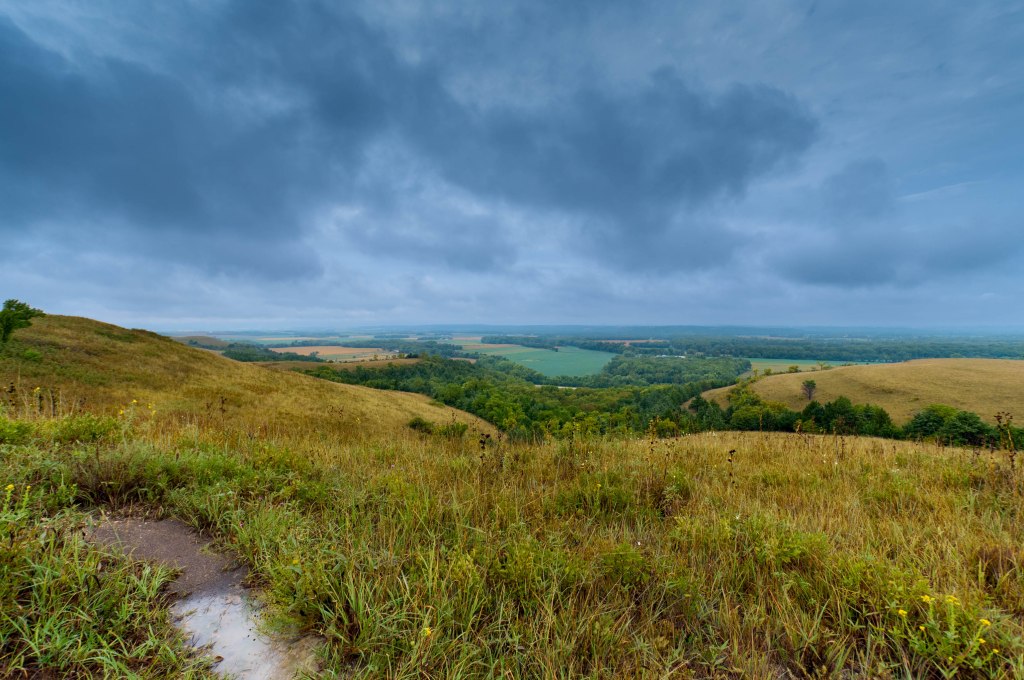
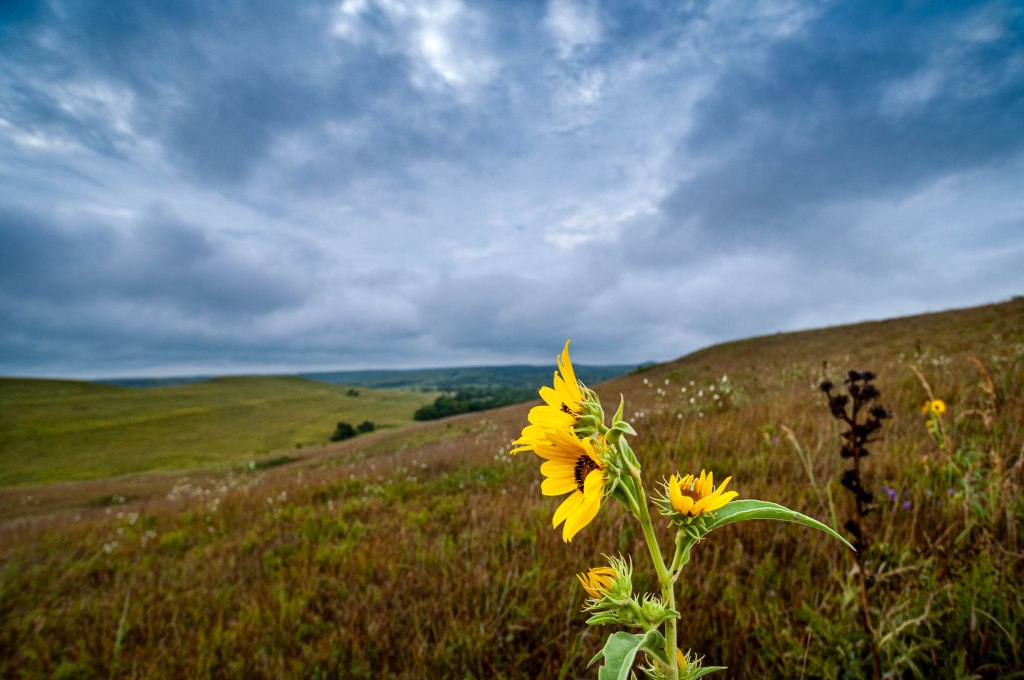
    What about the back roads of Kansas, Missouri, or Nebraska? We rarely see the landscapes of those areas. We see loads of Yosemite, mountains, waterfalls, the ocean. We see lots of locations of what many of us think of as exotic.

    All of this reminds me of a couple of trips. One my wife and I went to visit our son when he was stationed at Camp Lejeune. We were going to the beach one day. The bartender at the hotel where we were staying said she hadn’t been to the beach in years. The beach was only a mile away from our hotel. Then the time in Colorado where my wife was admiring a view of the mountains and the local said, “yeah it’s always there.”

    My dream location is maybe my local area with time to spend just cruising the backroads finding what I can find.

  • Growth as a photographer

    Growth as a photographer

    One of the things I think about often is growing as an photographer. I frequently ask myself could you have created the same photograph 5 years ago? If I find myself saying yes I may not be growing as a photographer. Yesterday I heard a podcaster mention that some of the most iconic work from the masters of photography were created when they were over 50 or 60 years old.

    Maybe there is still hope for me. August has been a very busy month for me with little opportunity to do photography things.

  • Cliché versus original

    When planning or thinking about photography trips and locations we often think about going to the cliché locations. Places that have been photographed ad nauseam. Often we think of creating a copy of something someone else did before us. I’m in a mode of thinking about some of these types of trips and I am leaning more towards the lesser known places to create work that is more original.

  • Seeing art versus envisioning art.

    Seeing art versus envisioning art.

    I can art but that doesn’t mean I can envision art. It is much easier to photograph something or someone that already aesthetically looking. The true artist can see the aesthetic value of many ordinary everyday subjects. It is our vision to bring out the beauty in the ordinary. Look don’t just see.

  • Photoshop Camera

    Photoshop Camera

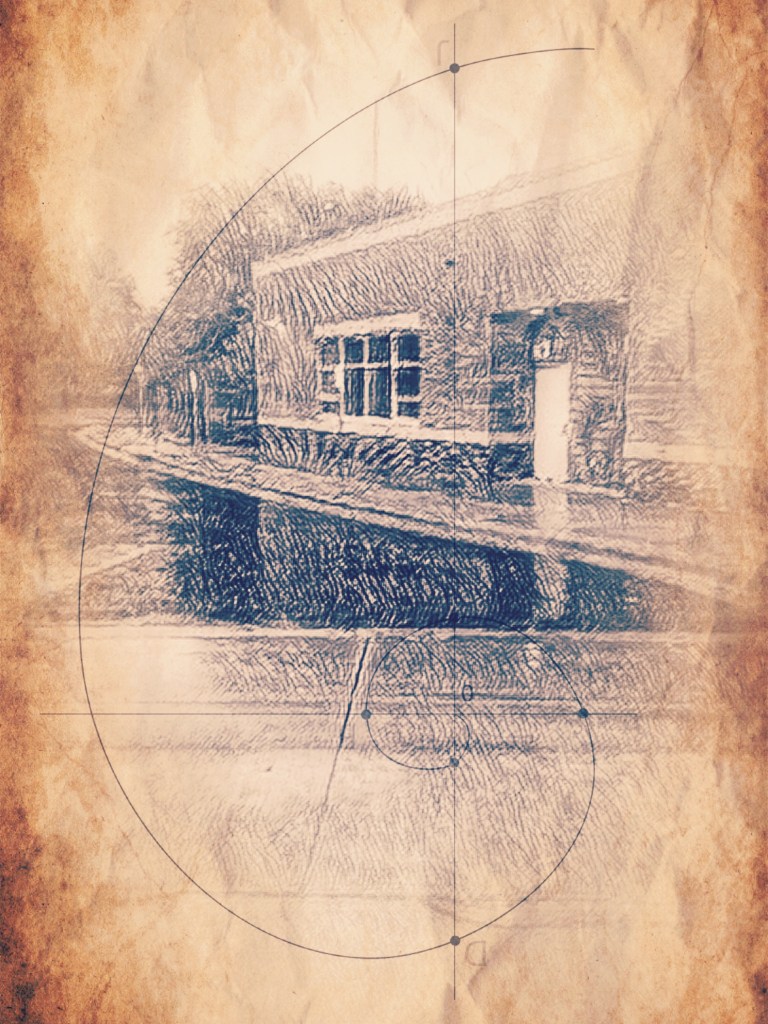
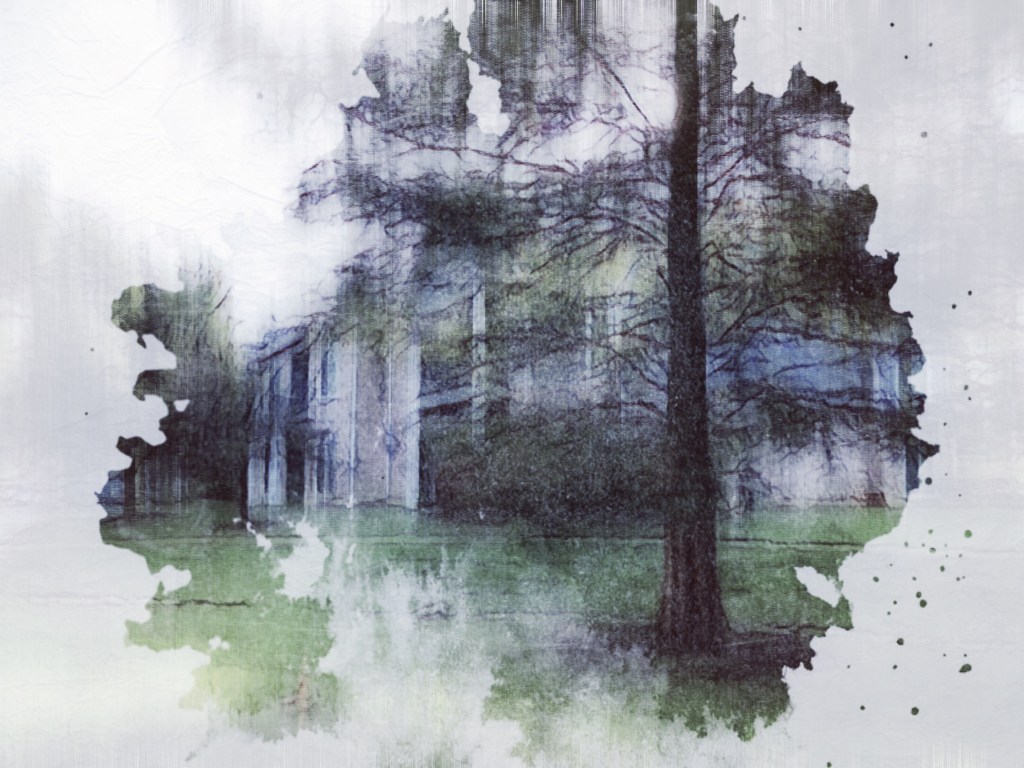
    Months ago I downloaded an app for my iPhone called Ps Camera. Some of the filters you can get are very different. Some of the filters emulate analog film while others are quite interesting.

    It is fun to play with and create some very unusual looks.

    Photography doesn’t always have to be serious. It’s okay to use filters and apps. It’s okay to do cellphone photography. In fact, this entire blog post was written and created using my iPhone.

    Art is art regardless of the media or method. Expand your method and mind. Create using all tools you can.

  • Some new old gear

    Some new old gear

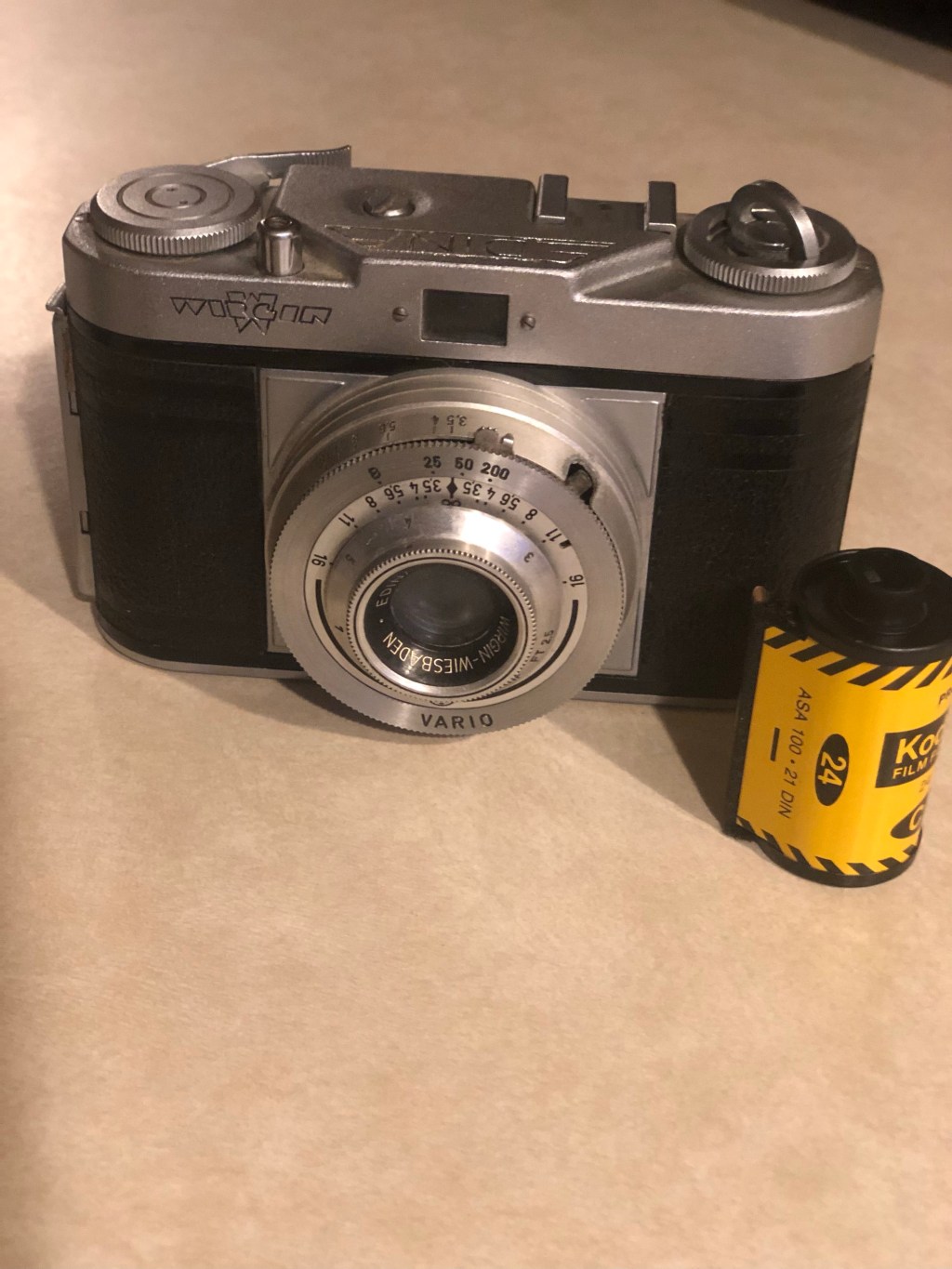
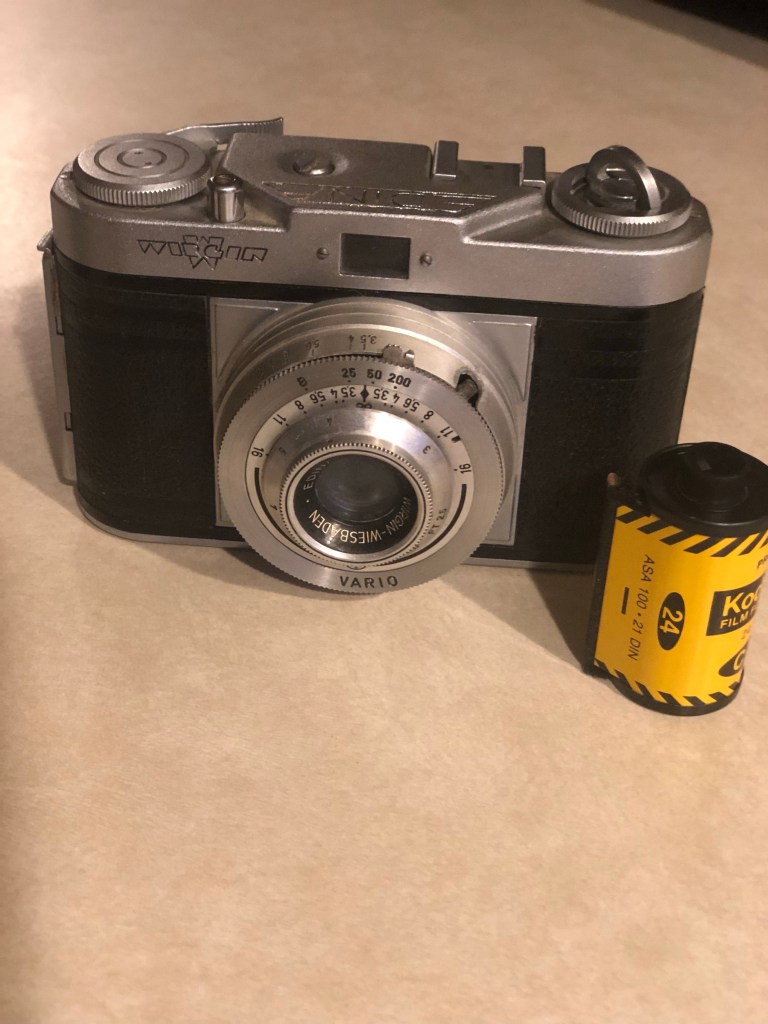
    I haven’t been in an antique store in a couple of years and the last time I was I wasn’t interested in any cameras. Yesterday I wandered into one and found two. The Wirgin Wiesbaden Edina and a Kodak DC 120 Zoom (1997 digital). The Wirgin Wiesbaden is a 1950s vintage 35mm film camera and it was loaded with film. The Kodak has a 10 mb memory card. Both cameras work. the display screen on the digital is not working properly but the camera works. I need to get the film developed out of curiosity. From what I can tell there doesn’t appear to be anything on the memory card but I will check when I get to my compact flash card reader.

    Yesterday I wrote about challenging myself with older gear well now I have two more pieces of older gear to try out.