A bold statement from a photographer who has spent over four decades behind the lens: you do not need to pack your bags and cross the country to create a masterpiece. I suspect many will disagree with this statement, insisting that true fine-art landscapes require a ticket to iconic mountains or famous canyons. I’m not sure that it is something I’m going to worry about, but I encourage all to think about what is resting right outside their door.
One of the reasons I bring this up is because I’ve noticed a trend where our local scenery is constantly overlooked. We get so caught up in planning the next grand excursion that we ignore the raw, rugged beauty of the Midwest. The rolling plains, the dense woodlands, and the way weather moves across the open sky offer an endless canvas for our work.
Take, for example, a subject right in our rural communities that is often dismissed as a purely industrial eyesore. I spent some time analyzing a complex of agricultural structures, and the image I’ve included here, which I’ve titled The texture of rugged.jpg, captures the scene. While many would just pass this by, the raw complexity of the massive corrugated storage silos, the sprawling Quonset-style shed, and the dizzying network of conveyors and legs that pierce the clear blue sky offer a perfect study in form and decay. I didn’t need to chase a waterfall or a red rock formation; I just had to look up.
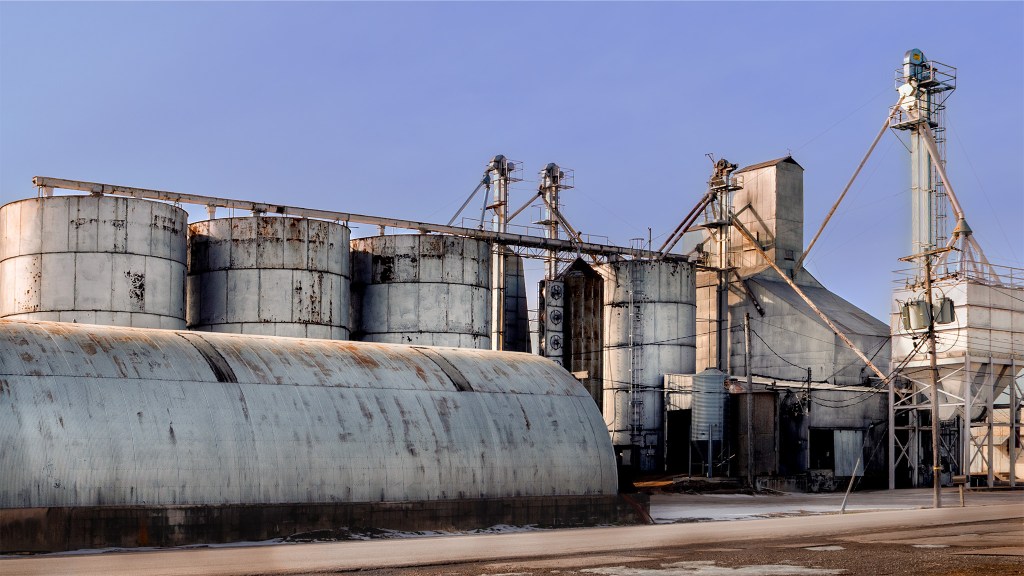
According to the in-camera light meter, the exposure for “The Weight of Weathered Steel “ was acceptable, but the original capture was somewhat flat, as industrial metal often is under a direct, harsh blue sky. However, when I incorporated my training and brought that file into Photoshop, utilizing tools like Blend If and my Dodge and Burn techniques, I was able to pull out the deep textures of the rust, the grime, and the structural complexity, rendering those elements as visible and tactile as they were to my eyes in that moment. I made the textures present and felt, turning a generic industrial scene into fine-art.
What is unfortunate is that there are those who believe a Midwest industrial or agricultural scene isn’t worth shooting unless it is universally recognized, or that extracting those deep tones and textures means the altered artwork is not worthy of being called a photograph. Typically, this isn’t an issue that overly concerns me. What concerns me is the lack of motivation to look deeper into the interconnected web of life, including our own human footprint and the stories in our decay, that surrounds us daily.
The philosophy of Mitakuye Oyasin reminds us that everything is related. When we fail to see the artistic potential in a massive grain storage complex or a quiet patch of prairie, the lack of motivation to understand and learn concerns me because I believe it stagnates the progression of art and photography. We don’t need a famous landmark to create authentic fine-art. Please, don’t stop exploring your own backyard, experimenting, and pushing the boundaries of your art and photography.
 Photographer Clay