Rediscovering the Ordinary: How Photography Turns the Mundane into Art
Introduction
Art has always been about seeing the world differently. While many rush past the everyday, artists pause, observe, and rediscover objects that most overlook: a bowl of fruit on a countertop, a forgotten keychain, a cracked tile in the kitchen, or a worn-out doorway. These seemingly trivial items become the raw material for creative expression, especially in photography, where the lens transforms the ordinary into something extraordinary.
The Artist’s Eye: Noticing What Others Miss
Artists possess a unique ability to notice the unnoticed. Where others see clutter or routine, artists see potential. A piece of fruit, for example, isn’t just a snack—it’s a study in color, texture, and light. A keychain isn’t merely a tool for organization; it’s a symbol of journeys, memories, and identity. Even a cracked tile, often dismissed as a flaw, can become a metaphor for imperfection and resilience.
This heightened awareness is not accidental. It’s cultivated through curiosity, patience, and a willingness to look beyond surface appearances. Artists train themselves to ask: What stories hide in plain sight? What beauty lies in the overlooked?
Photography: Elevating the Mundane
Photography is uniquely suited to this rediscovery. The camera’s frame isolates objects from their context, inviting viewers to see them anew. Through careful composition, lighting, and focus, photographers elevate the mundane—fruit, keychains, tiles—into subjects worthy of contemplation.
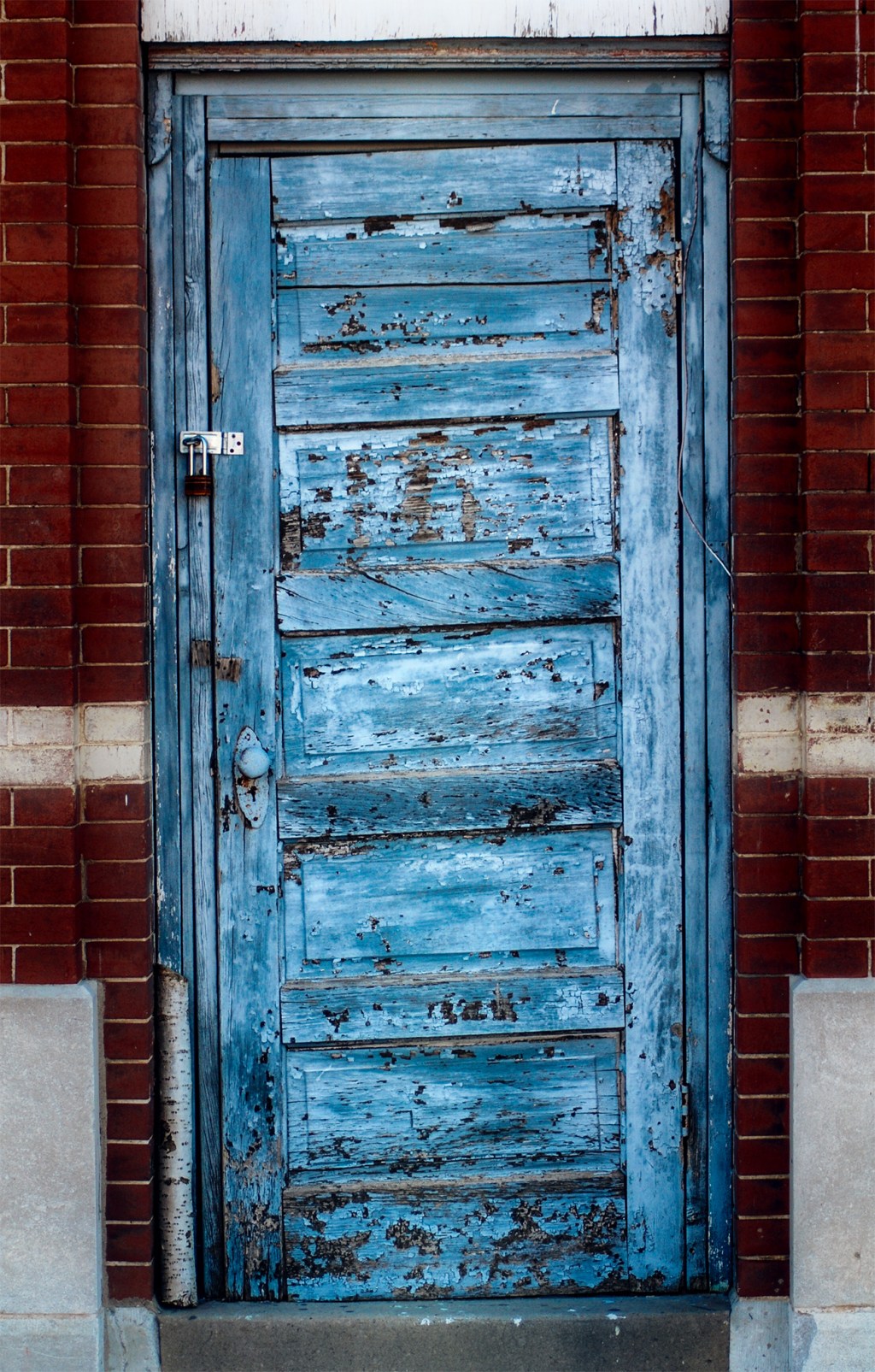
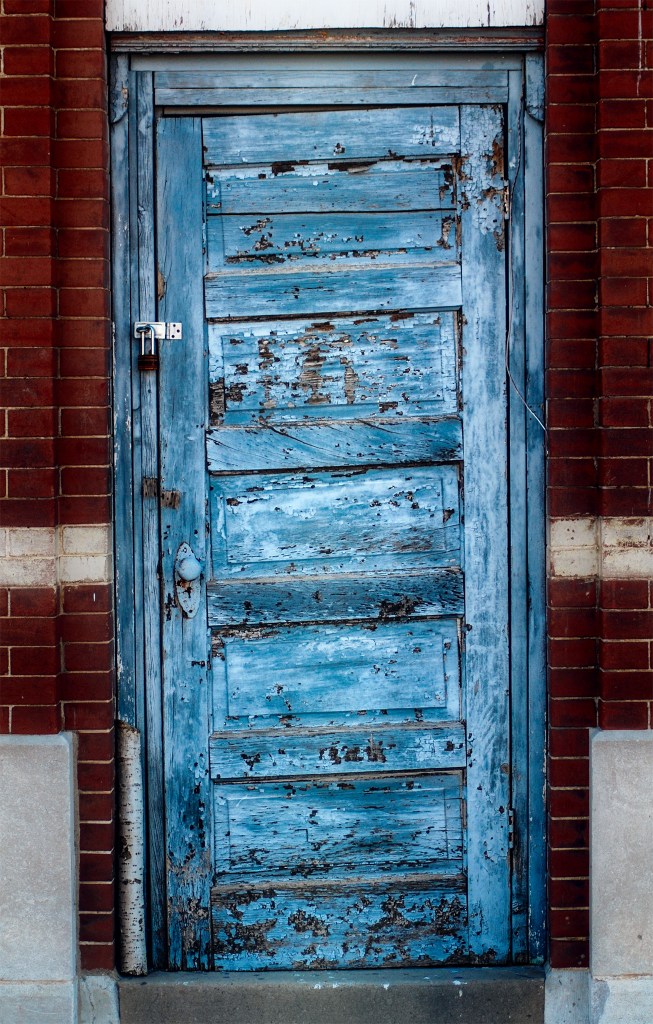
Consider the work of still life photographers. Their images of fruit on a countertop are not just records of groceries; they are meditations on abundance, decay, and the passage of time. A close-up of a keychain can evoke nostalgia, hinting at the places it’s been and the hands that have held it. The cracked tile, captured in detail, becomes a testament to the history of a home, the passage of feet, and the inevitability of change. A worn-out doorway causes one to wonder about the things or people who have passed through on their journeys.
Why the Mundane Matters
By focusing on the ordinary, artists and photographers remind us that beauty is everywhere. The mundane is not boring—it’s the foundation of daily life, rich with meaning and possibility. When we learn to see as artists do, we discover that every object, no matter how humble, has a story to tell.
This approach also democratizes art. You don’t need exotic locations or expensive materials to create something meaningful. Inspiration is as close as your kitchen counter or your pocket. The challenge—and the joy—is to notice, appreciate, and elevate what’s already around you.
Cinema taught framing. Poetry taught brevity. Painting taught color. Music taught rhythm. Photography borrows from everything.
Many photographers yearn for photography to be celebrated as a true art form; however, I would venture to guess that most do not immerse themselves in the vast worlds of art, cinema, poetry, or music. Instead, many, if not the majority, prefer to simply aim their cameras at a subject and press the shutter button. To truly create art, every element of the process must be infused with intention and thoughtfulness. The ultimate goal should be to captivate and engage the viewer, drawing them into the vision and emotion behind the lens.
Achieving success demands unwavering dedication. There are no shortcuts, no quick fixes, and certainly no ready-made solutions that can pave the way for you. It’s all about putting in the effort and commitment to make it happen!
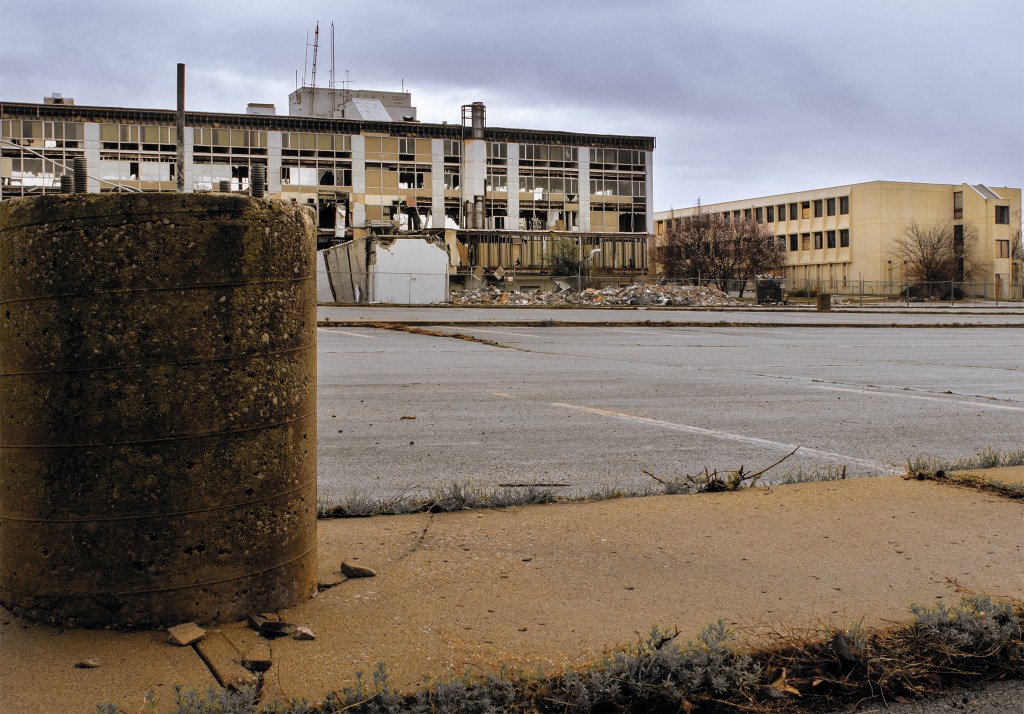
In a world saturated with visual noise, some photographs whisper instead of shouting. Empty rooms, fogged windows, and abandoned objects—these subjects speak quietly, inviting us to pause and linger. Silence in photography is not merely the absence of sound; it’s an artistic force that draws viewers into a contemplative space, allowing emotion and meaning to unfold slowly.
Silence in photography manifests in many forms. It can be the stillness of an empty room, the haze of a fogged window, or the quiet presence of an object left behind. These images don’t demand attention; they invite it. The viewer is encouraged to slow down, to notice subtle details—a shaft of light, the texture of peeling paint, the way shadows stretch across a floor.
Photographers like Robert Adams and Hiroshi Sugimoto have mastered this language of quiet. Their work often features vast, open spaces or minimalist compositions that evoke tranquility and contemplation. In these images, silence is not emptiness but fullness—a space where imagination and memory come alive.
In our fast-paced culture, silence is a rare commodity. Social media rewards images that are bold and immediate, but silent photographs resist this tempo. They slow the scroll, inviting viewers to linger and reflect. This pause is powerful: it deepens emotional attachment and allows for personal interpretation.
Silence also amplifies the emotional resonance of a photograph. By leaving room for the unknown, photographers encourage viewers to fill in the gaps with their own stories and memories. An abandoned chair in fading light might evoke nostalgia, loneliness, or peace, depending on who is looking.
Painters mix colors; photographers sculpt with light. I’ve learned that a scene isn’t interesting until the light touches it with purpose—soft at dawn, directional in winter, violent at noon. Learning Light is the gateway to artistic photography.
For a long time, I thought subjects carried the weight of a photograph. A dramatic landscape, an expressive face, an unusual moment—surely those were enough. But over time, I began to notice that the same subject could feel flat or profound depending entirely on how light arrived. The difference wasn’t the scene. It was the illumination.
Light gives form to emotion. Soft morning light doesn’t just reveal shapes; it forgives them. It smooths edges, lowers contrast, and invites contemplation. At dawn, the world feels like it’s speaking quietly, and photographs made then tend to whisper rather than shout. Shadows stretch gently, highlights are kind, and everything feels possible but unresolved.
Winter light is more disciplined. Lower in the sky, it arrives with intention, carving hard lines and clear separations. It’s honest, sometimes unforgiving, but incredibly descriptive. Faces gain character. Buildings gain weight. In winter, light behaves like a sculptor who knows exactly what to remove to reveal the form beneath.
Then there’s midday light—the one photographers are taught to avoid. Harsh, vertical, uncompromising. But even violent light has its uses. It flattens subtlety and replaces it with confrontation. Colors clash. Shadows become graphic. When used deliberately, noon light doesn’t tell gentle stories; it tells true ones. It demands confidence and clarity in composition because there’s nowhere to hide.
Learning light isn’t about memorizing rules. It’s about recognition. Noticing how it changes across seasons, hours, and spaces. Seeing how it interacts with surfaces, how it wraps, bounces, absorbs, or disappears entirely. It’s understanding that light is never neutral—it always carries mood.
The camera records whatever light you give it. Artistic photography begins when you choose which light to work with, and when to step back and wait for it to arrive. Once you understand that, you stop chasing subjects and start collaborating with illumination.
Because in the end, photography isn’t about capturing things. It’s about shaping light into meaning.
Photography does not start with the sound of the shutter—it begins much earlier, in the quiet attentiveness of the eyes. This process is subtle and intuitive, as the eyes become attuned to the play of light, the contours of shapes, the patterns of rhythm, and the layers of meaning in the world around us. Long before a picture is made, there is a fleeting instant when something ordinary suddenly stands out, beckoning for attention and recognition.
This critical moment is often easy to overlook. It can pass unnoticed as a single breath. Our lives are filled with distractions and constant movement, often too rapid for the world’s subtle harmonies to reveal themselves. However, when I intentionally slow down—truly slow down—I discover just how generous the world can be. Light, when given time, tells its own compelling stories. A simple gesture from a stranger becomes a narrative in itself. A puddle can unexpectedly reflect a sky. In these moments, what once seemed mundane arranges itself into a compelling frame, with or without my conscious effort.
For me, this act of looking without expectation marks the true beginning of photography. It is about seeing without immediately reaching for the camera, allowing myself to feel the scene before attempting to capture it.
The Role of Attention
In conversations about photography, attention is often overlooked. Discussions tend to focus on technical aspects—lenses, sensors, megapixels, film stocks, and dynamic range. Yet, attention is what truly shapes an image, long before any of these tools come into play. It governs what is included in the frame and what is left out. It determines our patience and tells us when to lift the camera or when to wait just a little longer.
Attention is also informed by memory. Each time I recognize a particular scene—a certain quality of light or a familiar angle—I am not just reacting to the present moment. I am engaging with every photograph I have ever admired, every painting that captivated me, and every street I have explored with my camera ready. Vision in photography is cumulative, built through repetition and experience.
No two photographers standing side by side will ever create the same image. The camera itself is indifferent to meaning; it is only concerned with exposure. Meaning arises from what each photographer chooses to notice and value.
Cameras Preserve; They Don’t Create
There is a common misconception that cameras are responsible for making images. In reality, cameras do not possess curiosity or discernment. They cannot decide what is important. Instead, cameras serve as vessels, recording only what we have already learned to see. They are technical, reliable, and precise, but entirely dependent on the quality of attention we bring to them.
This is why a novice photographer, even with the best equipment available, may still feel unsatisfied with the results. The expectation that a camera can supply vision is misguided. No lens can teach someone what to care about, and no autofocus can substitute for intuition. Technology may enhance what exists, but it cannot generate vision on its own.
On the other hand, some of my most cherished photographs were taken with simple or outdated cameras—gear that would not impress anyone reading a list of specifications. These cameras belonged to photographers who spent years developing their ability to see. In these cases, it was not the tool that made the image, but the act of seeing itself.
Learning to See
The process of learning to see is not glamorous, nor does it always resemble what most people think of as photography. It is about noticing how fog can blur the edges of objects, how streetlights create glowing halos at night, and how people reveal genuine emotion in the subtle spaces between facial expressions. It involves understanding how shadows define shapes, how colors evoke moods, and how symmetry and asymmetry affect the feel of an image.
Sometimes, learning to see means deliberately walking without taking photographs. Leaving the camera in the bag trains the eye to observe without the immediate reward of making a picture, making the act of seeing itself the primary experience rather than a mere prelude to shooting.
At other times, it means looking through the viewfinder without pressing the shutter, waiting patiently to understand what the scene wishes to become. Often, the difference between a good photograph and a truly great one is just a few extra seconds of attentive stillness.
Slowness as Practice
Practicing slowness is a form of respect for the world. It acknowledges that the world does not perform on demand. Light moves according to its own rules. People will not always pose at convenient moments. The weather is indifferent to our hopes for dramatic skies.
The most compelling photographs do not feel as though they were hunted down—they feel as though they were discovered and encountered.
To truly encounter a photograph, I must allow the world to arrange itself in its own time. The camera can correct exposure after the fact, but it cannot correct impatience.
The Photograph That Already Exists
With experience, I have come to believe that the best photographs already exist in the world before the shutter closes. The photographer’s task is not to force a composition onto the world, but to recognize the composition that is already present—to see the photograph as it forms, and simply choose the moment to preserve it.
When this happens, creating a photograph feels less like imposing my will and more like coming to an agreement with what is in front of me.
Looking, Seeing, Shooting
Shooting comes after seeing, and seeing comes after looking. The real craft lies in looking—not merely glancing, but engaging with curiosity, stillness, and humility. The camera is just the final stage, a brief confirmation that true seeing has taken place.
Photography is more than the act of capturing images; it is the ongoing practice of learning how to look. Over time, the world seems to offer more and more, not because it has changed, but because we have.
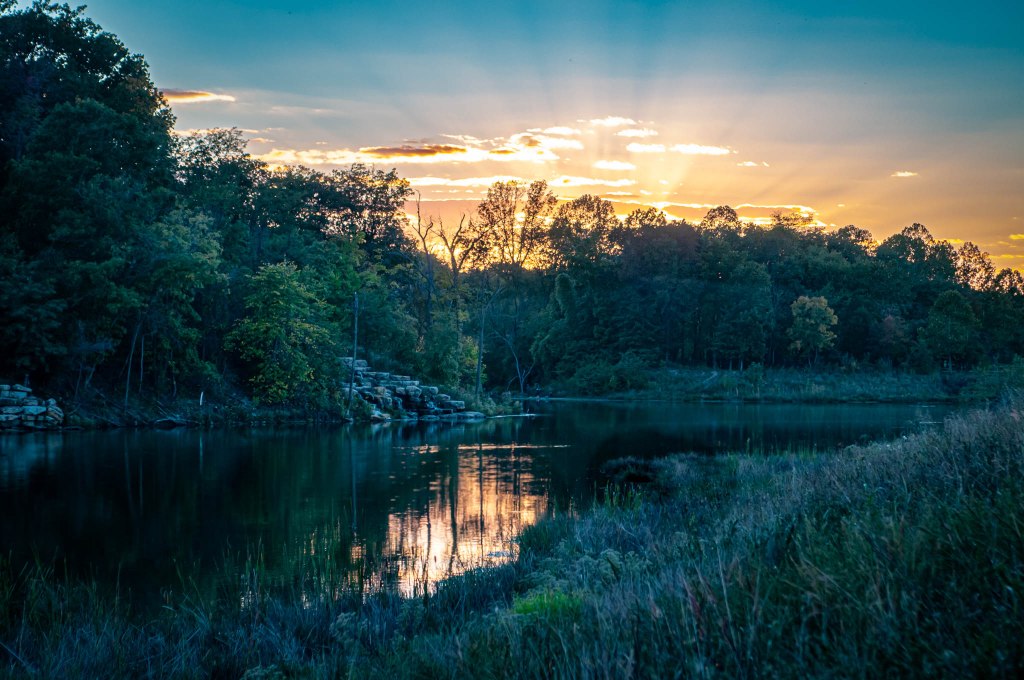
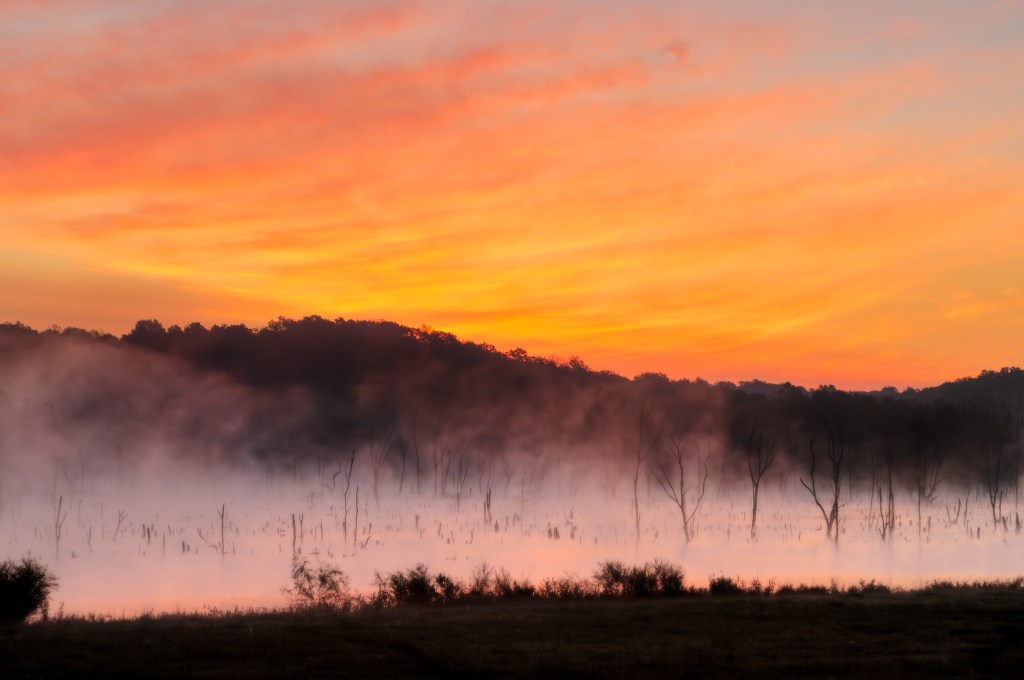
There’s a light that stays with me—not bright, not golden, just quiet, almost shy. I noticed it one morning, spilling slowly across the field near my favorite path. It wasn’t perfect, it wasn’t dramatic, but it held a kind of stillness that made me pause.
I waited, holding my camera lightly, not to capture the world perfectly but to capture how it felt. Shadows stretching, mist curling, the air so soft it seemed to hum. The photograph is just a memory pressed onto pixels, but the feeling lingers far longer than the image.
Sometimes, light isn’t about illumination. It’s about the pause it creates, the thought it sparks, and the quiet recognition that this moment—however ordinary—is enough.
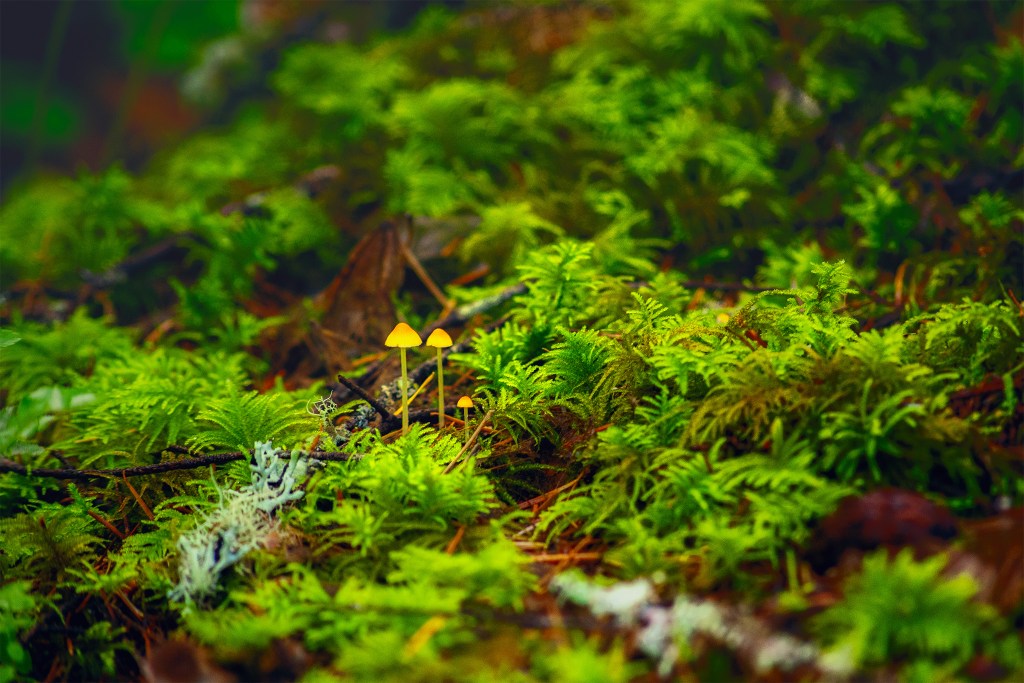
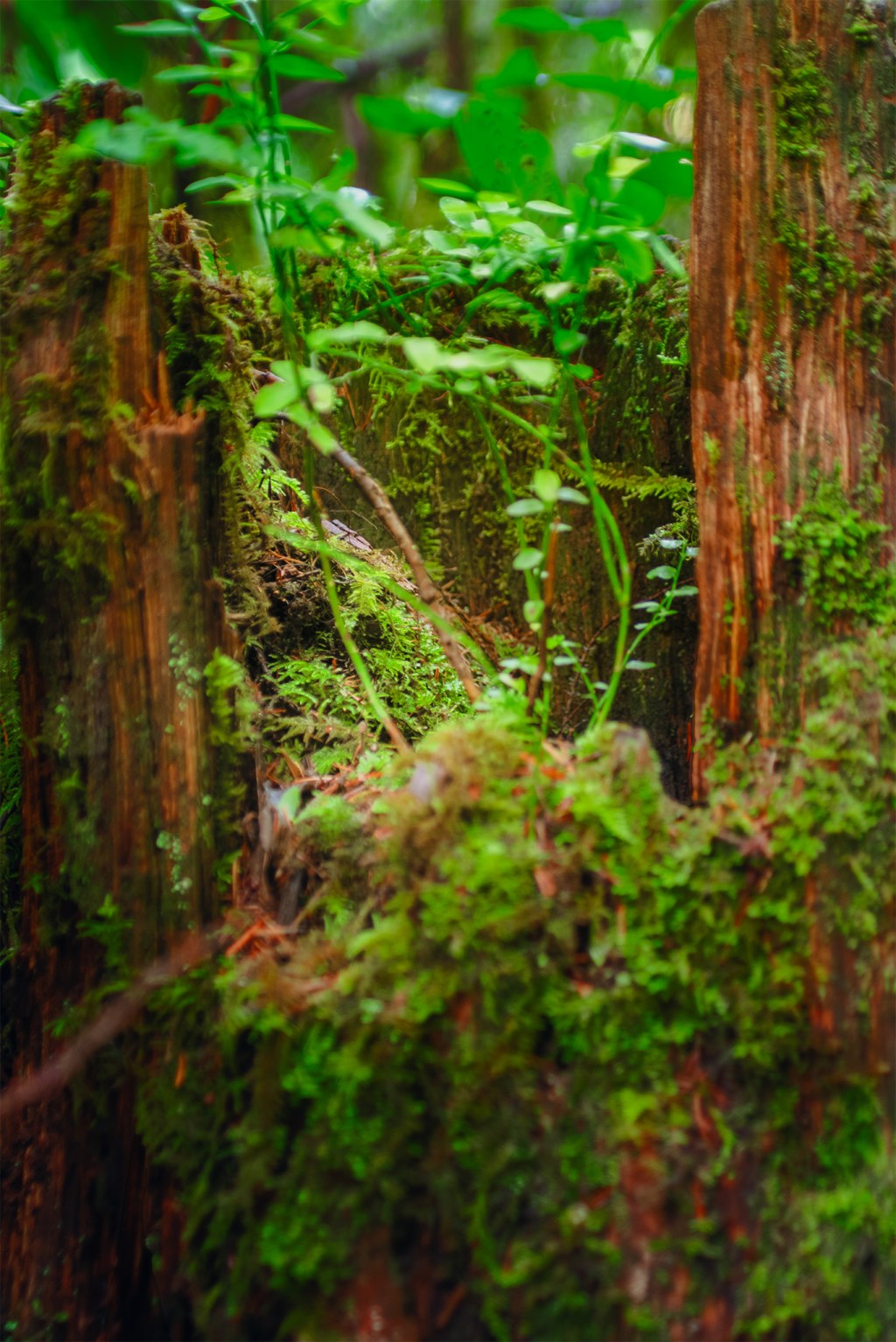
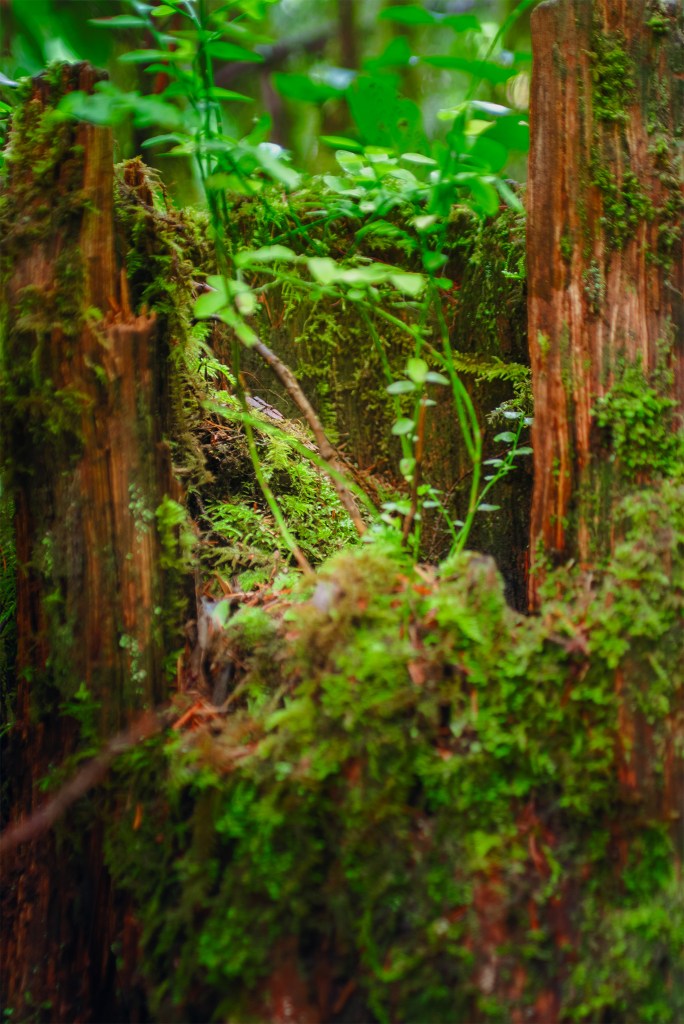
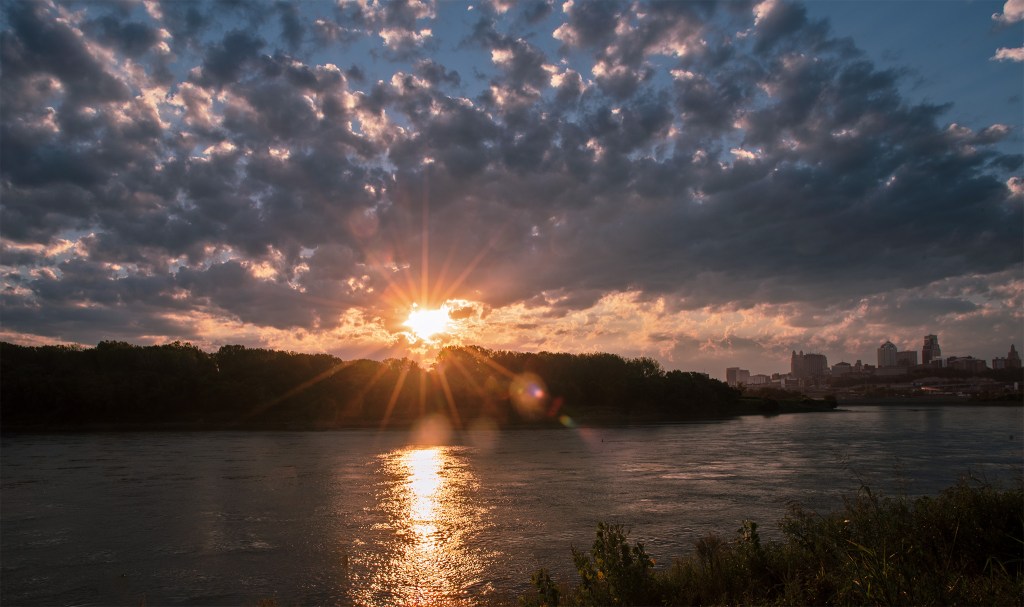
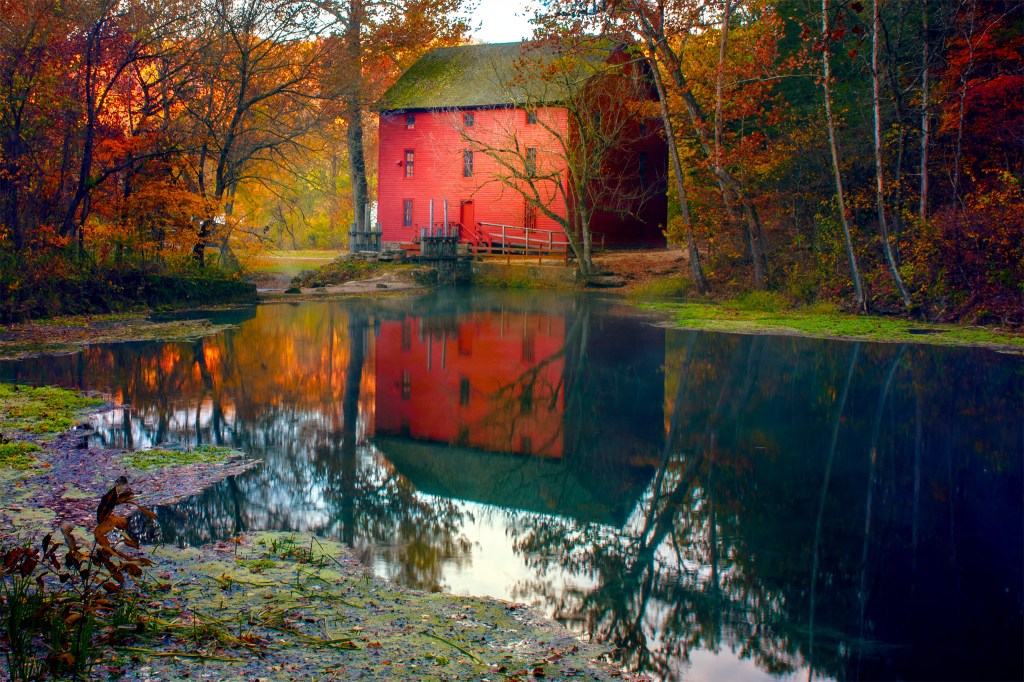
As we enter 2026, I’m reminded that new beginnings often arise from the past, much like vibrant growth that springs from decaying trees in the depths of the forest. Sometimes, it takes a moment of reflection to truly appreciate the beauty surrounding us.
With this in mind, I aspire to inspire others through my captivating photography and deep passion for sharing the vibrant beauty of my world with you..
Let us take this journey together and grow both as artists and people, nurturing our creativity while exploring the depths of our souls. As we navigate through the complexities of life, let us do what we can to help others and to make life a bit more enjoyable, spreading kindness and compassion along the way. Together, we can uplift one another, share our experiences, and create a community where everyone feels valued and inspired to reach their full potential. Through our collective efforts, we can cultivate an environment that not only fosters artistic expression but also enriches the human experience, making the world a brighter place for all.
Today is January 1, 2026, and I’m embracing the start of a new year with confidence. Last year brought significant challenges that I successfully overcame. By the end of the year, I connected with a community of like-minded artists who inspired me and actively pushed me toward greater artistic growth. I’m ready to continue this journey with determination.
While today’s image isn’t an overly spectacular one, it is representative of a new beginning. I invite you to join me in the journey of 2026 and move towards your goals.
I made a decision last night while I was enjoying a cognac sitting in my recliner, watching our newly adopted rescue dog sleeping next to my wife while we were watching a television show. That decision was to get back to doing what you do, which involves writing this blog, playing my video games, and my photographic art. This past year has been a wild ride that I won’t go into details about, except for learning you don’t know what you don’t know. I used to hate that expression!
A couple of things have helped bring my understanding of the words: you don’t know what you don’t know. Firstly, I have learned so much about bringing my vision forward in creating the final image I imagined when I took a photo. My goal was to create something that would engage the viewer, even if that viewer is just myself.
My deeper understanding of life has evolved through a series of events over the past year. I underwent radiation therapy for cancer, which was a significant challenge. During this time, I also learned more about creating photographic art than I ever imagined, thanks to the guidance of my mentor and the support of like-minded individuals and my family. Additionally, I adopted a rescue dog, which has brought unexpected joy and companionship into my life and also taught me that we don’t always know about the challenges and past that many people have experienced.
It is with these insights in both my mind and heart that I will move forward to helping myself become more compassionate towards others and passionate about my art. Additionally, I will use those traits to help others with their journeys, understanding that I don’t always have to know their stories or history, but just to be there to support them as they ask.
Through this blog and my art, I aim to achieve some of this through regular entries. These entries may not always focus on art or photography, but may also include life lessons I have learned or experienced.
There! I said the quiet part out loud. Yep, I’m putting the blame on ourselves. The problems vary, we think we know it all, we know nothing, we need better equipment, we need better subjects/locations, and on and on.
What we really need is to always be open to learning, exploring, changing, and growing. We need to stay hungry to learn as we did when we first got started. We need to stop comparing ourselves to others and create for ourselves and to get in tune with our emotions, memories, experiences, and creativity. We need to get out of our shadowy mind lost in the fog.
I believe I am on a path to that very goal. I’ve found, for me, a fantastic inspiration and as a result, found a wonderful group of like minded photographers, that push each other to move foward. I don’t even mind sharing the name of the inspiration, f64 Acadmeny Elite. The man behind this site is Blake Rudis and I have known him for years, however, I didn’t subscripe to his site until 15 months ago. In that time, I have learned more about myself as a photographic artist than I did in all the 30+ years prior, and I feel like I’m just getting started. As a result of this I have connections all across the United States and, in fact, the world. My skills have grown and yet I feel like I have so much more to learn.
My challenge to photographers who want to take their photography to the highest level to search out what is holding you back. I also invite you to check out Blake’s YouTube channel f64 Academy . This will give you a taste of what he teaches, these videos are merely the tip of the iceberg in what you will learn as a subscriber to his site. I am sharing this with you all because this has truly helped me and I want to share what I found to get my passion back with others.


 Photographer Clay