Tag: fine art

  • Learn the rules like a pro so you can break them like an artist

    Learn the rules like a pro so you can break them like an artist

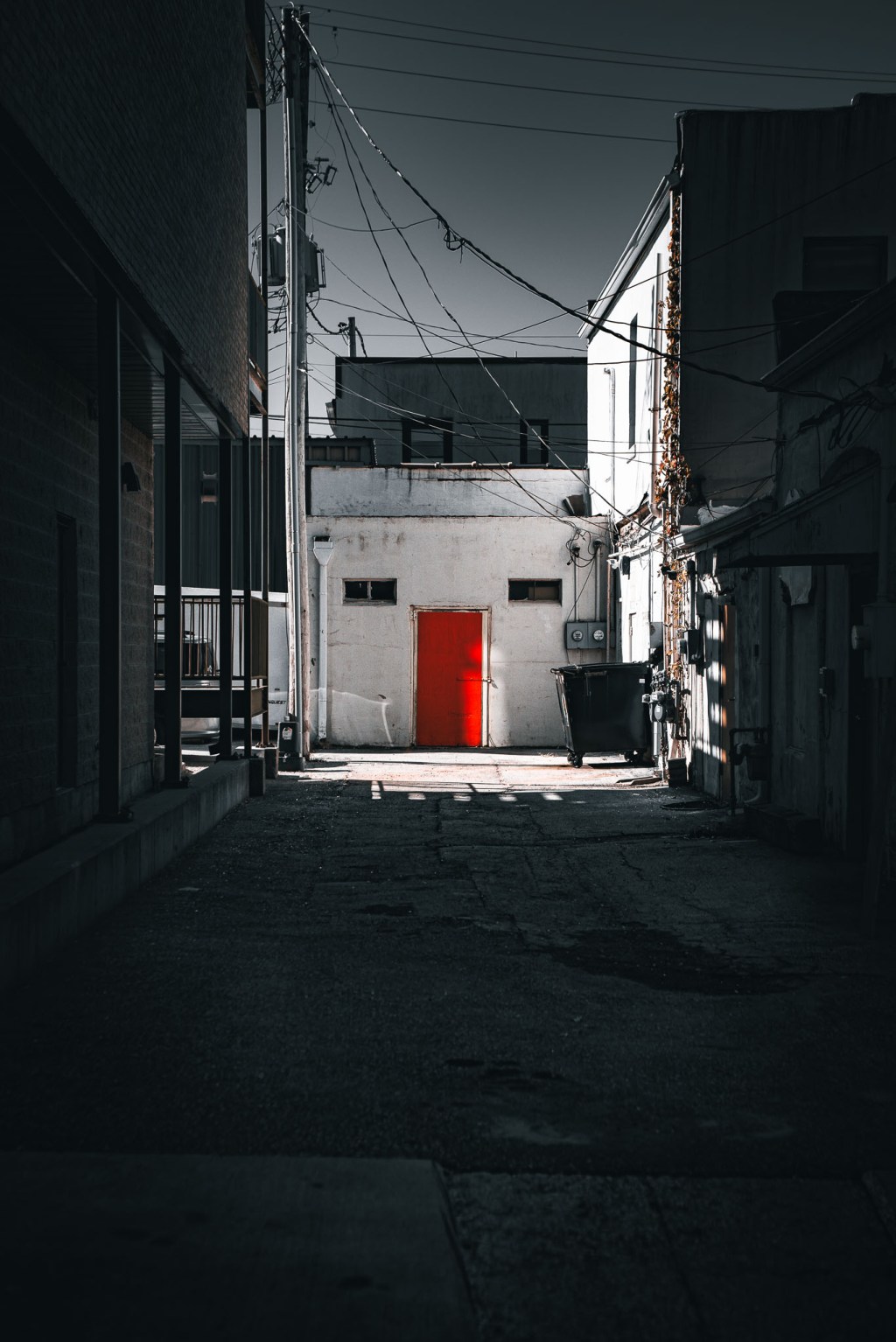
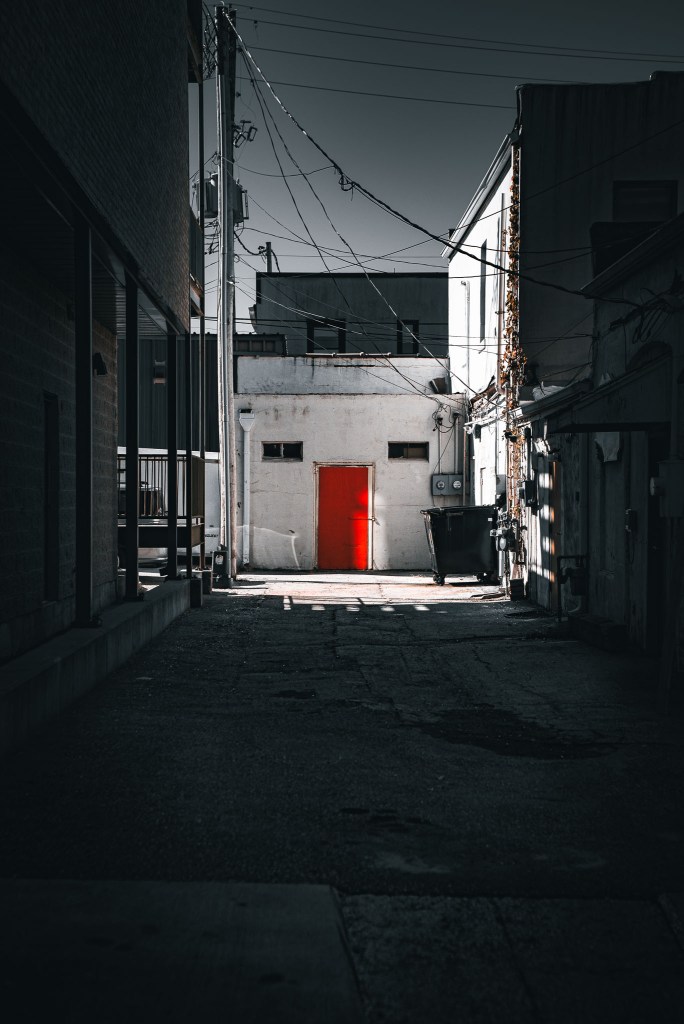
    I’ll be a bit philosophical this morning. Learn the rules like a pro so you can break them like an artist – Pablo Picasso is often quoted as saying. Pablo Picasso went through many different art styles and movements in his lifetime. As photographic artists, we should take the same path of working in different styles. We may have to walk down the dark alleyway to reach the door of success, but then that door of success may lead us to another path where the light leads us away from the established route.

    My journey as a photographer is to progress beyond merely copying the world around me but to explore both my vision and to take those who view my works to places that may not exist in reality but often exist in our minds.

    Even when I am photographing people I prefer to photograph the soul rather than merely the face as noted by Dragan Tapshanov who is quoted as saying, “Photography is about capturing souls, not smiles”. For this very reason, I spend a lot of time browsing through the works of others on a variety of photography and art sites.

    I believe people, places, and things all have a story. My goal as an artist is to bring the story I envision during my interaction with the people, places, and things I encounter.

  • Bad photography

    Bad photography

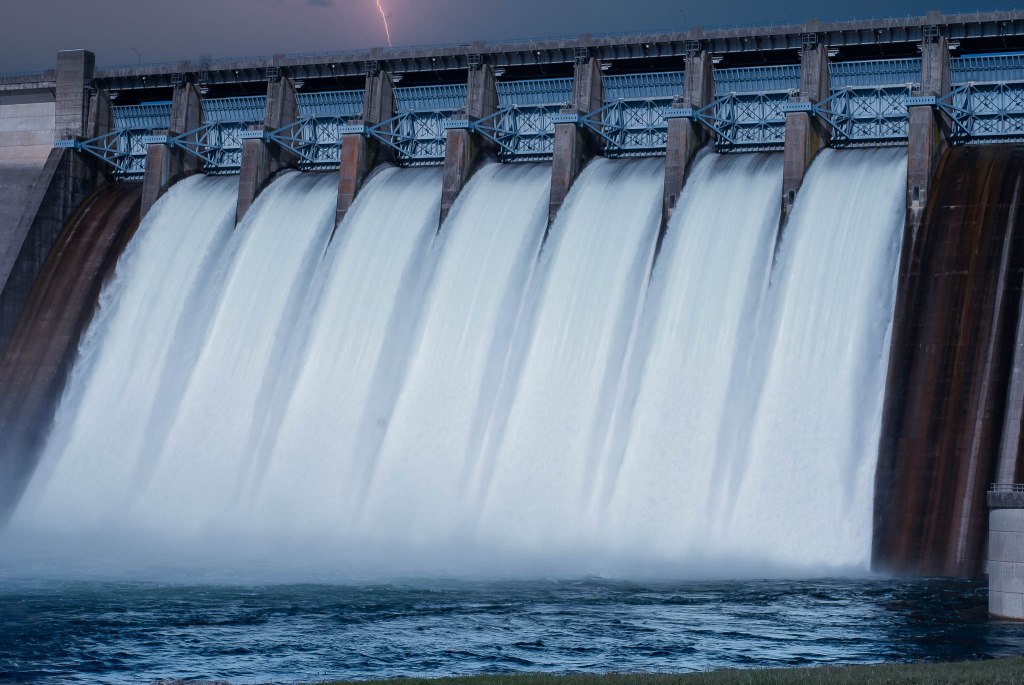
    Have you ever gone through your catalog of photographs and thought, “Wow these suck!”? That was my thoughts this morning. I was going through my catalog of photos in an effort to get my thoughts on what to write about this morning. I went through some older photographs and found some that just absolutely sucked. I don’t mean a little bit, these were horrible. The featured photograph was not one of them. Granted some of them were quite old but nonetheless they were awful.

    I’m certain that most of us have thought the same thing. I also know that my photography may not be considered suitable by the standards of others. We all have different styles and preferences when it comes to art and photography. What is important is that we are satisfied with where we are today and have the mindset to continue learning, improving, and growing as artists and photographers.

    I challenge each of us to objectively look at our past work and our current work and then make a conscious effort to improve. Join me in this challenge and together we can create the photographs and art we can be proud to show the world.

  • Is it too easy to be an artist?

    Is it too easy to be an artist?

    Is it becoming too easy to be a photographic artist? With all the advances in camera and software technology, it seems as if we can just point, click, and develop our way with little effort. Many would probably say yes it is becoming too easy. Not me. I believe all these advances allow us, the photographic artists more time to create work rather than spend time learning to do it the old-fashioned way. I also believe all the new advances have opened the door to creativity for many more allowing for new concepts and ideas to evolve.

    The ability to capture and process our art should become easier and we should allow more creatives to come into the world of art. Things like Photoshop and digital cameras didn’t kill the industry. The semi-closed system of photography and the egotism of many photographers in the past did that. Why not allow the common person the ability to show off their creative ideas.

  • It’s never too late to create

    It’s never too late to create

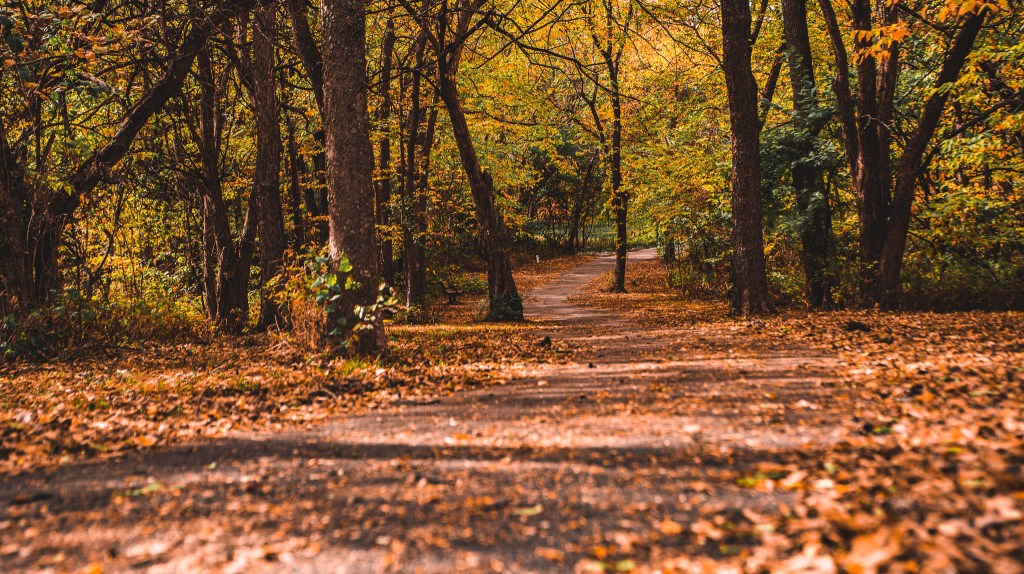
    Autumn is a fantastic time of the year for photography. It is full of color. Unfortunately, for me, it is too short. It often seems like once the leaves begin to turn within days they are gone, especially when you have to work your regular day job. I’m fortunate that come this time next year I won’t have that problem. This time next year I will be working on creating art whenever I want and wherever I can.

    I admire those who work full-time and still dedicate lots of time to creating art. You are the artists that inspire me and keep me motivated. My goal is to get others motivated and improve their skills. While I may be retiring from full-time employment I have no intention to stop working. My work will just change and it will be in creating art, writing, and sharing my continued journey with photography. It’s never too late to start.

  • Sharing the knowledge

    Sharing the knowledge

    This is something I have always believed in, sharing knowledge. I’ve spent years learning to get better at photography and creating art. Many times it was a struggle. Sometimes the battle to improve was due to not having others share their knowledge. They guarded their expertise as some top-level trade secret even though they were hobbyist photographers or, at least, not making vast sums of money. Some of these same people had “secret” locations, you know locations that they didn’t believe anyone else knew about. I’m just not that type of person. I enjoy helping others learn. I enjoy helping others create. Not only does it help that person but I believe it helps me learn and improve as well. Sharing knowledge and teaching keeps me fresh and up-to-date on a topic. It also often provides interaction and I end up learning a bit from those I’m helping.

    This has also helped me by being able to meet a wide array of people who are also interested in creating art. This wide array of creative people has helped shape and expand my world views.

    This entire idea of helping others learn and working with others to create art will soon expand more than I have done in the past. Let’s build and learn together!

  • Impressed by technology

    Impressed by technology

    Last night, I was taking my dog out for his last potty visit before bedtime and I noticed the clouds of an impending storm were beginning to move in. Granted I wasn’t able to see them very well as it was dark outside. I took this photograph with my smartphone. This is a 1/5 second exposure and handheld. I’m impressed.

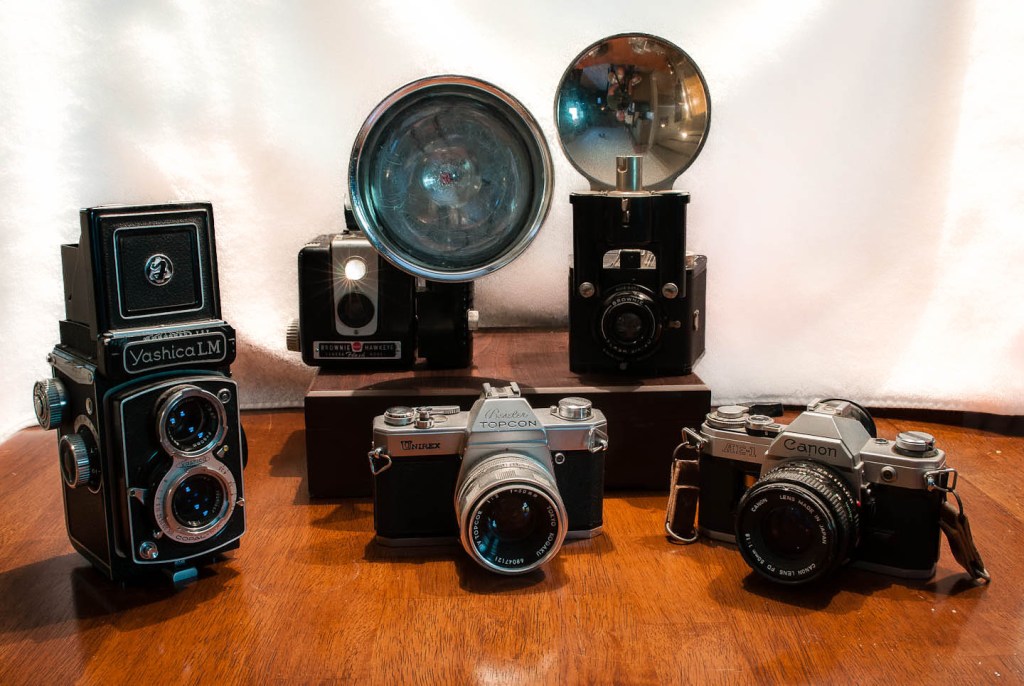
    I guess a bit of background also helps. My first computer was a Commodore 64 I bought in 1982-83. My first 35 mm camera was a Canon AE-1 at roughly the same time. The computer was a thing of marvel at the time as far as home computers as was the camera since it had an auto-aperture setting. All I had to do was pick the shutter speed and focus.

    As we have moved along, I have adopted new technology as quickly as I could afford to do so. A couple of years ago I built my own home workstation from parts I selected individually.

    I embrace new versions of programs and software. I’ve even been a beta tester of software as well as having written user manuals for programs. In other words, I’m a long-time nerdy geek and I still get impressed with the technology.

    How does all this relate to art and photography? I use technology to create my vision and my art. I also employ much old technology, such as film. I don’t like to have my creative choices limited by boundaries. I like to push my boundaries and see just how far I can go hoping to explore new techniques and abilities. I look forward to each new version of programs and advances in computing technology.

    To truly become an artist I believe we must constantly learn and explore and this often requires us to embrace technological advances all while keeping the old traditions alive and blending them together.

  • Reality versus vision

    Reality versus vision

    So many photographers get caught up in reality. To me, they are basically using their cameras as copy machines. Striving to make an exact copy of a scene. Sometimes it works, and many times it does not. It all depends upon the moment and the vision of the photographer, more so if you are like me, a photographic artist.

    A couple of weeks ago I photographed a session at a haunted house. The session started at 10 AM and went on most of the day. There were photographers and models/actors still around when I left at about 8 PM. The problem? It was daylight and a bright day at that. Not really the scene for gremlins, ghouls, zombies, and monsters. In order to fulfill the vision reality had to be altered.

    Take the photograph above, for example. It is fitting for the setting, at least to me. We have a possessed nun interacting with a zombie. The original, reality-based photograph, not so much.

    The original, reality, doesn’t have the same feel as the altered reality version. First of all, for me, the zombie doesn’t look real ( I know zombies aren’t real). Second, that house, isn’t what most of our imaginations envision for a zombie scene.

    Another example is the ceremony in the cathedral. The altered reality version versus the reality version.

    There certainly is a lot you can do with lighting and camera settings but again, those are altering reality in a different way.

    The mere act of taking a photograph we alter reality. We alter reality by the choices we make in setting up the shot. We alter reality by the lens and aperture we choose. We alter reality by freezing a fraction of a second into the reproduction of a subject or scene. We alter reality by the media we use to capture that moment. For me, I don’t always let the reality of the scene limit my vision of how the emotion of the scene or subject felt to me. My goal as an artist is to bring you into the moment of time and the place I was at the moment I photographed it, just as a painter would do with their paintings. For me, it’s art not a Xerox copy.

  • Suburban natural beauty

    Suburban natural beauty

    I live in a very suburban neighborhood. Lots of houses, wide streets, strip malls, and traffic.

    Even though I live in the suburbs, I can always find nature to photograph.

    Even along busy roadways. So many times we don’t stop to really look. We are often too busy on our cell phones or chatting with others that we fail to see nature around us. Take a look, see and enjoy nature, no matter where you live.

  • Film versus digital debates still rage on

    Film versus digital debates still rage on

    There are “debates” that just go on and on and on, never ceasing and nothing new to add to the debate. The same old arguments and the same old opinions. One of those is the film versus digital debate. I don’t get it. So you really love film, fantastic use film. In the end, one isn’t any better than the other. In fact, they are more similar than most would want to believe.

    We are capturing reflected light onto a light-sensitive surface. But the grain you say. Yes, film has grain. To that I say and for each brand and type of film the grain is slightly different, so what. With digital, there is noise similar to grain yet a bit different. The noise can be reduced or it can be added during development.

    I shoot both film and digital but I get tired of the film-only snobs that for whatever reason feel the need to “look down their noses” at the digital photography world. Digital photography isn’t new any longer nor is it going away. In the end, it doesn’t matter. The only thing that matters is the final result. Results matter more than how we got there. How we got there is a matter of personal preference. If you prefer one method over another it doesn’t make the other any less valid.

  • Artificial Intelligence and the artist

    Artificial Intelligence and the artist

    Artificial intelligence or AI is being built into photo editing programs more and more. Additionally, this AI is getting smarter, faster, and more intelligent. While the software may never be able to read my mind to completely fulfill my vision it certainly speeds up the process.

    New releases came out yesterday for Photoshop and Lightroom. With each new release of these programs in recent years, I am more and more impressed. Selections are faster and easier to make. The programs are doing a better job of recognizing faces, and now they can recognize facial features. Where this helps me is that often the software can help me make selections of people, objects, or backgrounds more quickly.

    Lightroom AI made all these masks from an adaptive preset. I’m impressed. I know that Adobe isn’t the only photo editing software developer utilizing AI technology but their software is what I have used for years. While there may be some people who believe that it’s getting to “easy” to edit. I say, awesome. Let’s utilize technology and give everyone the opportunity to do this work.