We’ve all probably heard the phrase, “change is inevitable”. It doesn’t matter if it is involving our creativity, job, or personal lives. Change happens whether we embrace it or not.
I’m mentioning this because Adobe just released some new features to Photoshop, Lightroom, and Lightroom Classic, yet I continue to see people who still use very outdated versions of those programs. It’s quite fascinating to observe this phenomenon, especially as the advancements in technology and software can greatly enhance one’s creative process. I know that as these programs have added new features over the years, my workflow has transformed in ways that are both efficient and inspiring; for the better, in my mind. Tasks that used to be very time consuming, such as retouching images or organizing photo libraries, have become nearly instantaneous, allowing more time for creativity and exploration. This isn’t just about software and updates, though. This is about embracing change and growth in your photographic vision and skills, recognizing the power of modern tools to elevate your artistry, and taking the initiative to stay current in an ever-evolving field. By adopting the latest features and methods, photographers can continually refine their craft, push their boundaries, and ultimately, produce work that is more compelling and impactful.
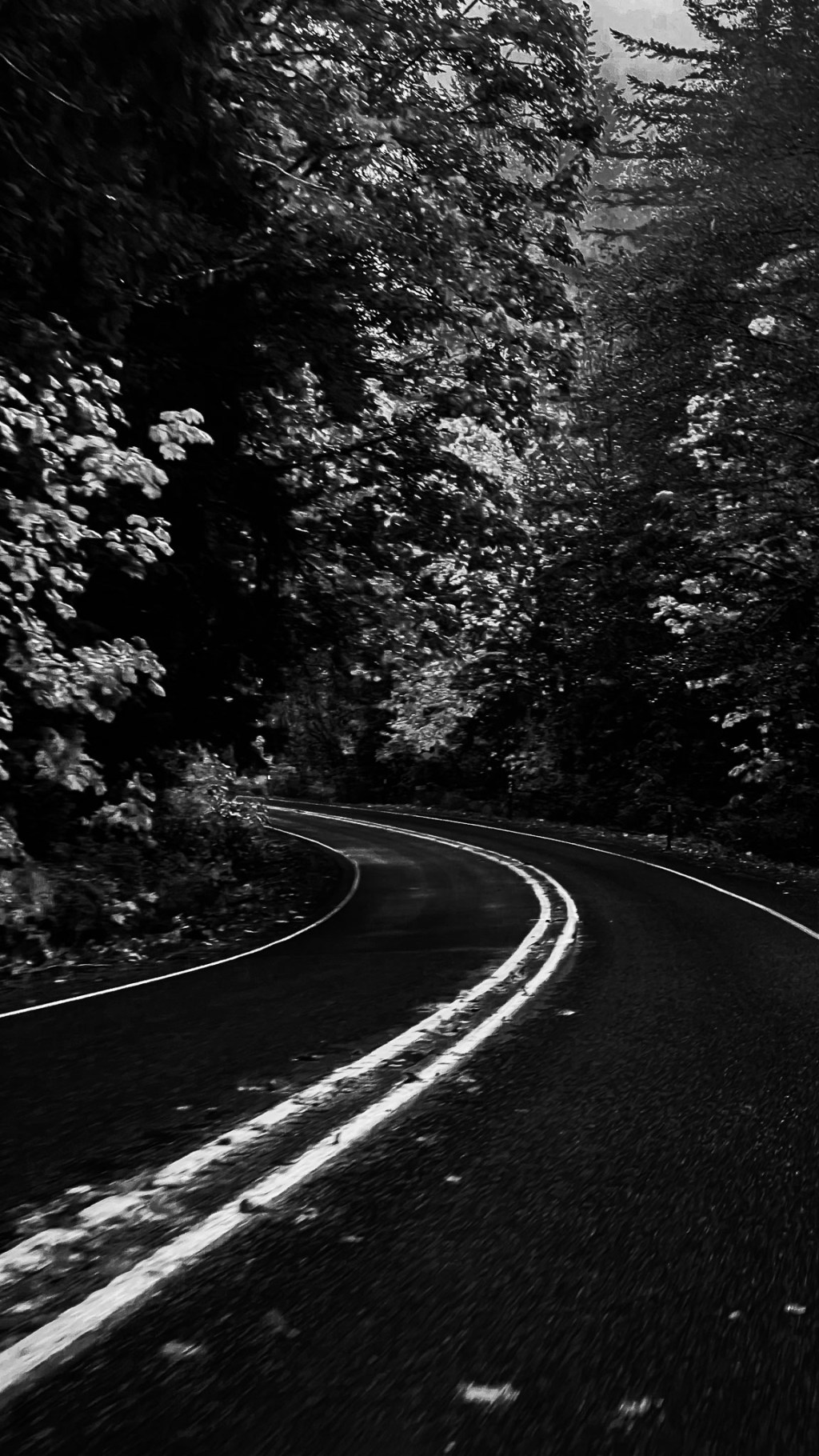
This has been a challenge I have faced over the past couple of years. Recently, completed reading the book “Inner Excellence” by Jim Murphy, which stands out as one of the motivational and inspirational books I have ever encountered. One of the recommendations in book was to maintain a daily journal, documenting the events of the day, highlighting went well, identifying areas that went poorly or need improvement, and goals for the following day. So far I am just about a week into maintaining a handwritten journal, and it already had a significant positive impact. I feel more motivated to write and pursue my photography, even if it is simply an image with my cellphone like the photograph above.
In doing this, I have found that I overly complicate things rather than simplifying the tasks at hand, which often leads to unnecessary stress and confusion. Instead of breaking down each task into manageable steps, I get caught up in the details and lose sight of the bigger picture. Along with this, I often allow the inner critic and past failures to rule my thoughts, creating a cycle of self-doubt and hesitation that prevents me from moving forward. This tendency to overthink not only hinders my productivity but also stifles my creativity, leaving me feeling overwhelmed and unfulfilled as I grapple with the expectations I place on myself. It’s a journey of learning to challenge these negative patterns and finding more constructive ways to approach my responsibilities.
I hereby challenge you to try the same things if you are feeling uninspired or unmotivated. It very well could change your world, mindset, and creativity. Engaging in new experiences can open doors to fresh perspectives and innovative ideas that ignite your passion. Embrace the small steps of change, whether it’s a new hobby, exploring different art forms, or simply changing your daily routine. Each effort, no matter how insignificant it may seem, can lead to profound transformations, rejuvenating your spirit and encouraging your creative juices to flow. Remember, inspiration often hides in unexpected places, waiting for you to seek it out.
In previous posts I’ve discussed how we often lack planning when we go out on a photographic adventure (Flying by the seat of your pants). How much planning and thought is too much? That, my friends, is a question to ponder.
I’ve been guilty of overthinking a photo outing or shoot and ended up with subpar results. It is often very easy to overthink the creation of art as well as to under plan. The balance between spontaneity and preparation can be delicate, and striking that balance is crucial to achieving great photographs.
On one hand, overthinking can stifle creativity. When we become too focused on the technical aspects or potential outcomes, we risk losing touch with the emotional and spontaneous elements that make photography an art form. For example, in some of my earlier outings, I meticulously planned every shot, analyzing the lighting, angles, and even potential subjects. While this may seem beneficial, it often led to stiff and lifeless images that lacked the spirit I was aiming to capture.
On the flip side, under-planning can lead to missed opportunities. Without some level of preparation, we may find ourselves unprepared to connect with our subjects or to capture the right moment when it arises. It is essential to have a general idea of the location, what gear to bring, and the kind of shots we want to achieve.
In essence, a successful photographic adventure requires a balance of planning and a willingness to embrace the unforeseen. Perhaps the key is to set a foundational plan while staying open to the spontaneous moments that can transform an ordinary outing into something extraordinary. It’s in this blend of thoughtfulness and freedom where we might find our most authentic and compelling work.
For the past month or so, my desktop computer has been experiencing a frustrating memory management issue, which has resulted in the machine unexpectedly rebooting at the most inconvenient times. It has been particularly exasperating, especially when I was immersed in gaming sessions or processing photographs, where any interruption could ruin my focus and waste valuable time. A couple of days ago, feeling a wave of hope despite my frustrations, I decided to perform a diagnostic test to pinpoint the source of these disruptions, and I learned that there was indeed a serious problem with the computer memory. Unlike my typical luck with tech mishaps, fortune smiled upon me, as I discovered a fantastic sale on memory modules just when I needed it the most. Seizing the opportunity, I was able to double the memory from 32 Gb to an impressive 64 Gb for less than $100. Since upgrading, I have put my system through its paces with early tests using Photoshop and similar resource-intensive programs, and I have noticed a significant improvement in speed and responsiveness. The once annoying crashes have become a thing of the past, allowing me to work efficiently and enjoy my gaming without interruption, truly transforming my computing experience.
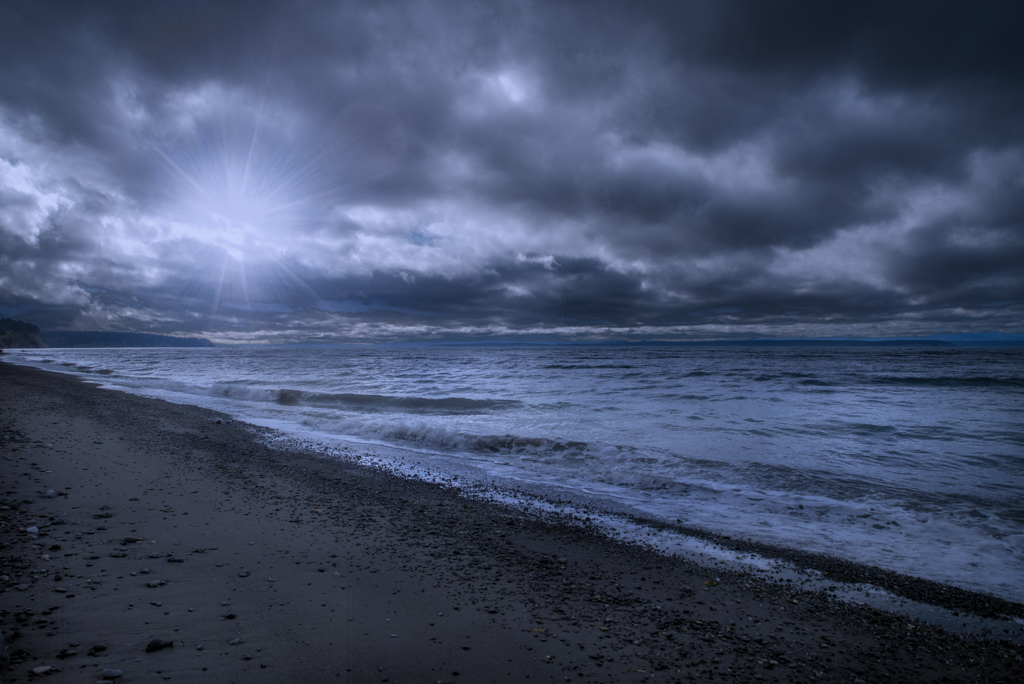
Sometimes in the middle of a storm a ray of light comes through showing you the path to move towards.
If you are like me, we have done this more times than we can count. You have a plan to grab your camera and head out on a walkabout to grab some photos, or a planned event that you want to document, but beyond that, you have little to no concept of what or how you want to accomplish your images. It often starts with a sense of excitement, the thrill of possibility that hangs in the air, yet as you step outside, you may find yourself overwhelmed by the myriad of choices before you. The vibrant colors of nature or the hustle and bustle of a city can be both inspiring and intimidating, leading to a moment of indecision. You might think about the stories you want to tell through your lens, the emotions you want to capture, and the unique perspectives you can showcase, yet the pressure to produce something truly remarkable can feel paralyzing. Embracing the spontaneity of the moment, however, can be where the magic happens; sometimes the best shots come when you least expect them, turning an ordinary walk into an extraordinary adventure of creativity.
How then can we ensure that we get what we want or envision? While I’m not necessarily a gearhead, we must take into account what gear we need to accomplish our goal. The right tools can make a significant difference in the quality of our outcomes, whether it’s photography, writing, or any other creative endeavor. We also need to be able to employ our skills or be willing to be open-minded and work outside our so-called box. Being adaptable allows us to explore new techniques, learn from our experiences, and ultimately grow in our craft. I don’t know how many times I’ve done it myself, let alone how many times I’ve seen others do it, but so many times I’ve never changed my position when taking photos. You know, from a standing position, which can limit our perspective; often we need to get low or higher, to try different angles and viewpoints that can completely transform the narrative of our work. It’s essential to embrace these varied perspectives, as they can lead us to discover compositions we never thought possible. We need to become more creative, constantly pushing the boundaries of our imagination and allowing ourselves to experiment with the unfamiliar. By doing so, not only do we enhance our skills, but we also create more engaging and dynamic results that resonate on a deeper level with our audience.
I seemingly lost my motivation a couple of years ago when we were in the process of moving and beginning to travel. For the past year, I have been looking for a way to get my motivation back. I’ve been trying too hard. It is like looking for happiness. You can’t find it, happiness finds you. It is like the old country music song, “Looking for love in all the wrong places“
What I have found is that the motivation and inspiration is there I’m just wanting it to be extraordinary whereas what I really need is to find the ordinary and make it extraordinary. Art, inspiration, and motivation are all around us. To coin another old adage, I couldn’t find the forest because of the trees.
I’m not saying I’m back to where I was, that will never happen because I’m not that same person. As time moves forward we must move with it. We can’t stay in one place forever, that is why we have the ability to move. Unlike a tree or plant that is stuck in one spot we have the ability to move forward.
I have pondered this post for a couple of weeks now. In fact, I started to write it and gave it a title, then I stopped because it was going to be too much of a rant on new or beginning photographers and selling their services to customers. I ran through several wording styles in my head and then finally deleted the entire post this morning.
The reason I wanted to start over was that I have been reading a book, Inner Excellence by Jim Murphy, and yesterday I came upon two quotes that resonated with me. The first was, “if all you see is chickens and chicken scratch, it doesn’t matter if you are an eagle; flying won’t be part of your world.” The second was, “expect nothing, prepare for anything.”
These were very powerful messages for me, igniting a self-reflective journey. Instead of concerning myself with what others were doing or how they were marketing their photography services, I needed to focus on mastering my own mind. By doing so, I would subsequently empower myself to master my unique vision and skills in producing the art I truly want to create. My obsession with the perceived failures of others was clouding my judgment and inhibiting my own self-mastery.
Rather than rant about this publicly, I realized there’s tremendous value in working to demonstrate the message I was attempting to relay to others. The true path to inspire and be of service to others lies in action rather than mere words or criticisms. By focusing on my inner growth and honing my skills, I could transform the frustrations I feel into motivation and clarity. In doing so, I pave the way to uplift others in their journeys, reminding them that personal excellence often stems from a place of introspection and self-awareness.
This renewed perspective has encouraged me to cultivate a mindset where I expect nothing but prepare for anything. Embracing this principle allows me to navigate challenges without getting bogged down by the comparative metrics that often stifle creativity and joy in the craft. Each photographer’s journey is unique, and by staying true to my own path, I can create visuals that reflect my personal story, thus leaving space for authentic connections with others who appreciate my work. Through this reflection, I turn the quest for excellence into both a personal and collective endeavor, fostering a community where creativity thrives.
I am entertained on nearly a daily basis at some of the comments I see made throughout the internet. So many times, I see comments that profess to be facts but are merely an opinion. I will give you that an opinion can be a nearly a fact but only after some designation that the opinion is given by an expert in the particular field for which they are expressing an opinion.
Recently I expressed some thoughts on a question in a photography forum where a member asked a question about laptops versus desktop computers and which was “better”. Wow! What a can of worms that opened up. Most of the replies were merely opinions, nothing wrong with that, a few attempted to make their opinion a fact, with clearly biased information. I could tell where the anti-laptop person was going from the very first line of their “opinion”, “Laptops are crap for editing”. Well, that may have been the case a few years ago, but times have changed.
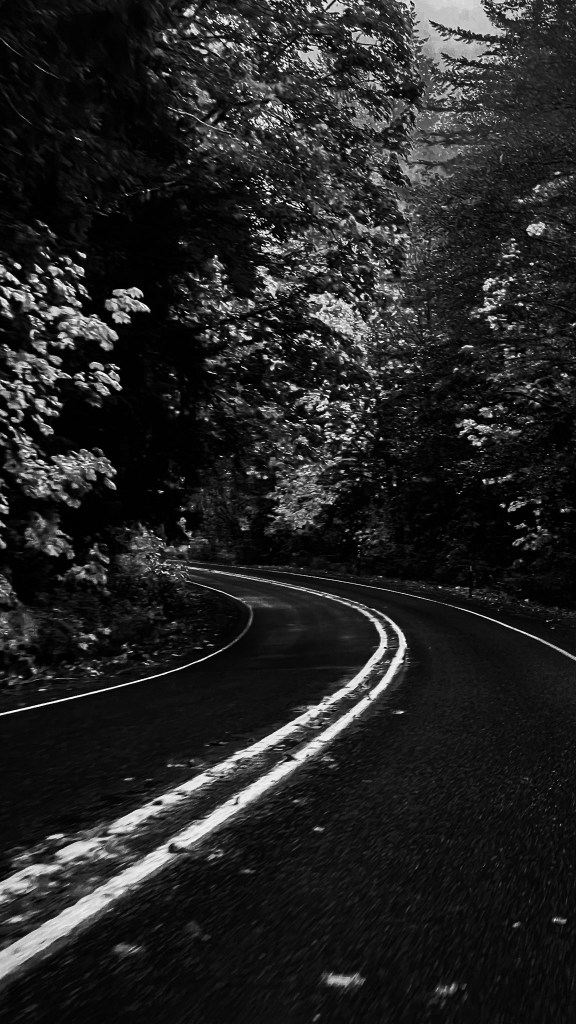
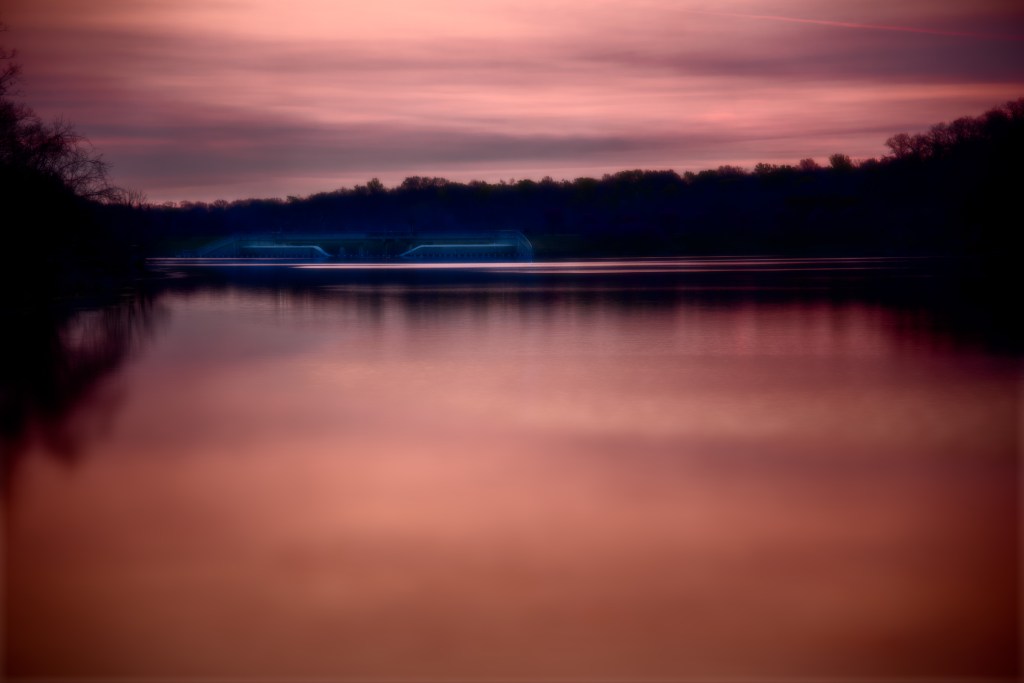
I use both a laptop and a desktop. The quality of my output is the same on both computers. I’ve used Mac based systems and Windows based systems. Looking at the image above can you tell if it were edited on a laptop or desktop?
The problem, as I see it, is that so many times new photographers or artists can easily be confused by these “so-called” experts. I should add that the person who stated that laptops were crap in a photography forum had no examples of their photography, no links to examples, and provided no evidence or facts to support their claim.
There has been a lot of discussion on artificial intelligence and “generative fill” tools (which utilize A.I.) in the past year or so. Many tout the potential abuses, or how these tools will do away with creativity of human artists while other talk of the potential benefit of these tools. I don’t believe these tools are evil, in fact, I believe quite the opposite. These tools are wonderful.
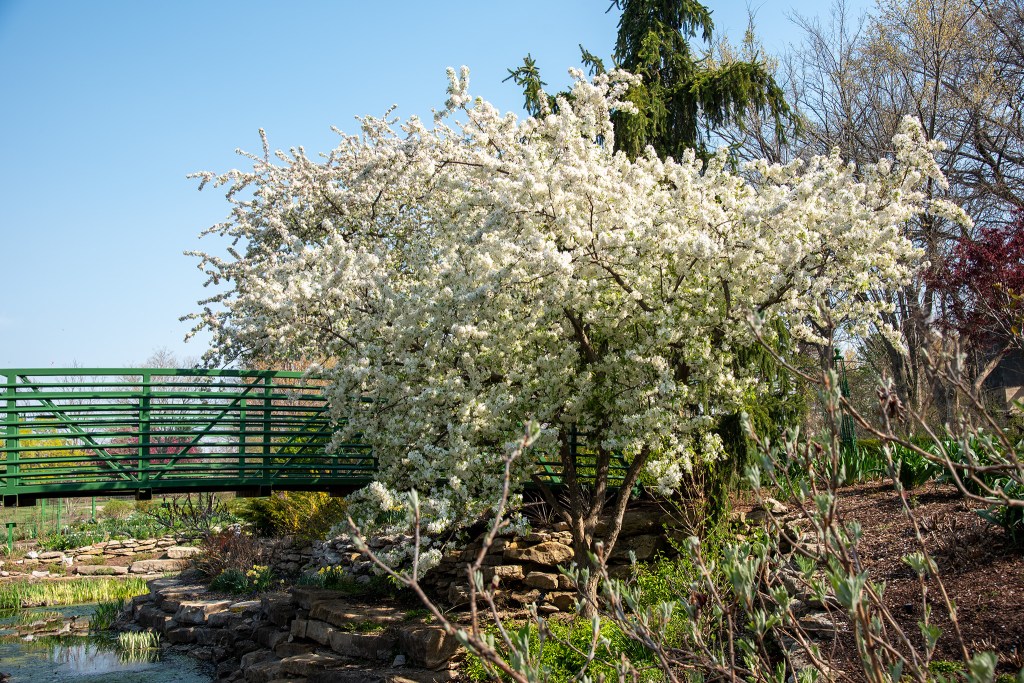
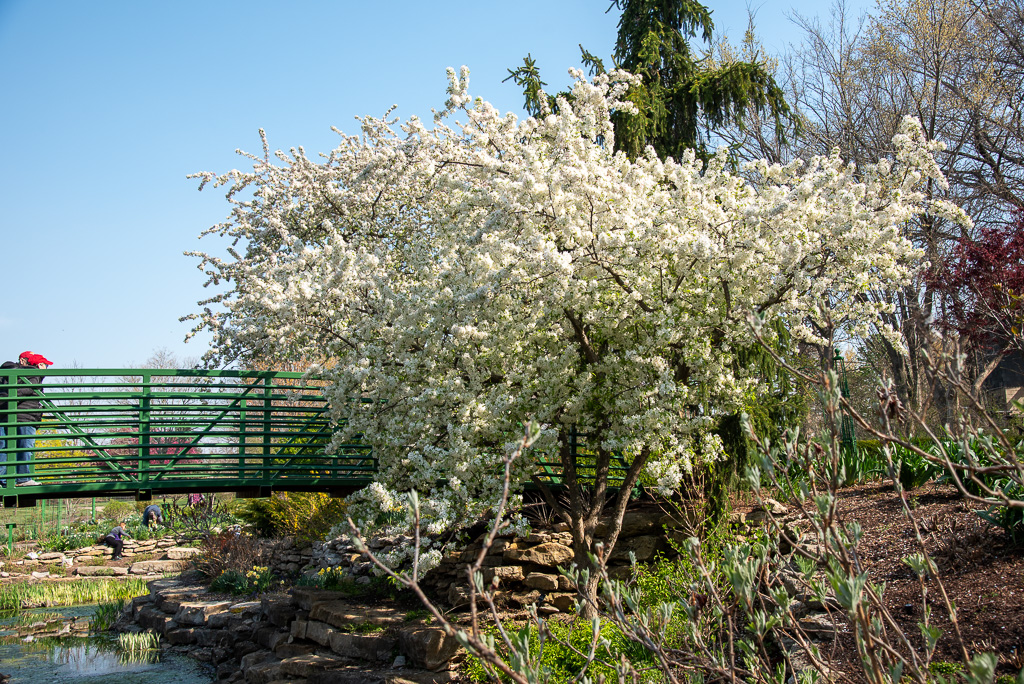
I’ll give you a couple of examples. First let’s examine the photograph above. What a lovely scene. Springtime with trees and flowers blooming at a local botanical garden. The problem was there were a lot of other people there and attempting to get a photograph of this scene without people was nearly impossible as seen in the photograph below.
While some may say that it is reality that these places have people but when I look at a scene like this with my own eyes, I often have a tendency to exclude the people in my “mind’s eye”.
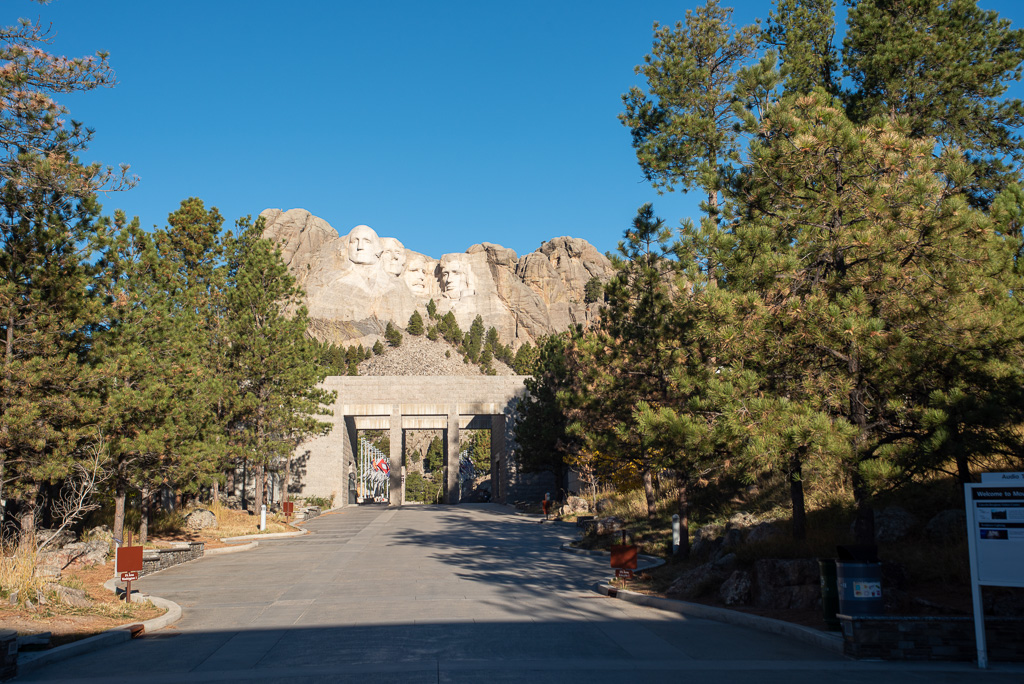
Another example. Have you ever been to a tourist attraction such as Mount Rushmore and attempt to take a photograph without people? It is more challenging that the local botanical garden.
With these artificial intelligence and generative fill tools it is just a matter of moments and viola, gone!
It’s not about recreating reality, it is about bringing my vision and how I saw things with my own eyes. The people in both of these examples did not add to the story I was attempting to relate. The story I was wishing to convey was about the grandeur and beauty of the scenes not about the crowds or how people interact with these scenes.
In 1994 during an interview Helen Frankenthaler stated, “There are no rules, that is one thing I say about every medium, every picture . . . that is how art is born, that is how breakthroughs happen. Go against the rules or ignore the rules, that is what invention is about.” This is often a concept photographers fail to recognize. A bit over 3 years ago I wrote a similar post, “Why are some photographers obsessed with reality“.
I spend a lot of time following photographers who create beyond the conventional boundaries of photography. They take a photograph and then employ a variety of techniques and processes that transform ordinary images into extraordinary pieces of art. Many of these photographers are formally trained fine artists, equipped with a robust understanding of composition, color theory, and the emotional impact of visual storytelling. Yet, when you step into photography forums, attend club meetings, or view exhibitions, it often becomes evident that a significant portion of the work you encounter leans heavily towards depicting reality, rather than exploring the abstract or the imaginative aspects of art.
I don’t mean to belittle or denigrate the work or style of those photographers who are committed to documenting the world as it is. Their ability to capture poignant moments, raw emotions, and the beauty of everyday life is undeniably valuable. However, it is important to recognize that there exists another facet of photography where practitioners embrace a more experimental approach. When many photographers who favor traditional styles encounter the work of those who push the envelope—using alternate processing methods or innovative techniques—they sometimes struggle to appreciate the art in what they perceive as mere manipulation.
For me, photography transcends mere documentation; it is about art and the creative possibilities it offers. Sometimes, I find satisfaction in the images I can capture almost directly in camera, taking advantage of natural light and composition to tell a story. Other times, I delve into the realm of post-production, where I harness software and tools to craft an alternative reality that reflects my vision and imagination. This back-and-forth between capturing reality and creating art is a dance that I cherish deeply, as it reveals the multifaceted nature of what photography can be.
There is undoubtedly room for all forms of artistic expression within the realm of photography. Whether one chooses to document life as it unfolds or to transform reality into a vibrant tapestry of imagination, each approach has its place and significance. The diversity in style and technique is a testament to the richness of photography as an art form, encouraging dialogue, inspiration, and growth among practitioners and audiences alike. In this ever-evolving landscape, every photographer contributes to a larger conversation about creativity and vision, fostering an environment where art continues to flourish in all its myriad forms.





 Photographer Clay