Yesterday, I read a quote that reads, “The photograph should be more interesting or more beautiful than what was photographed”. This is the secret to great photography. This is why I say post-processing is a must. If you shoot film and don’t develop your own this can be challenging as you have little control over processing times or print making. Fear not though, there is a way. Scan the negatives and then import them into your favorite photo editing software and now you have control over contrast, burning, dodging, and much more.
My belief is that I create a scene to look as I envision it in my mind. Create art, don’t merely photograph.
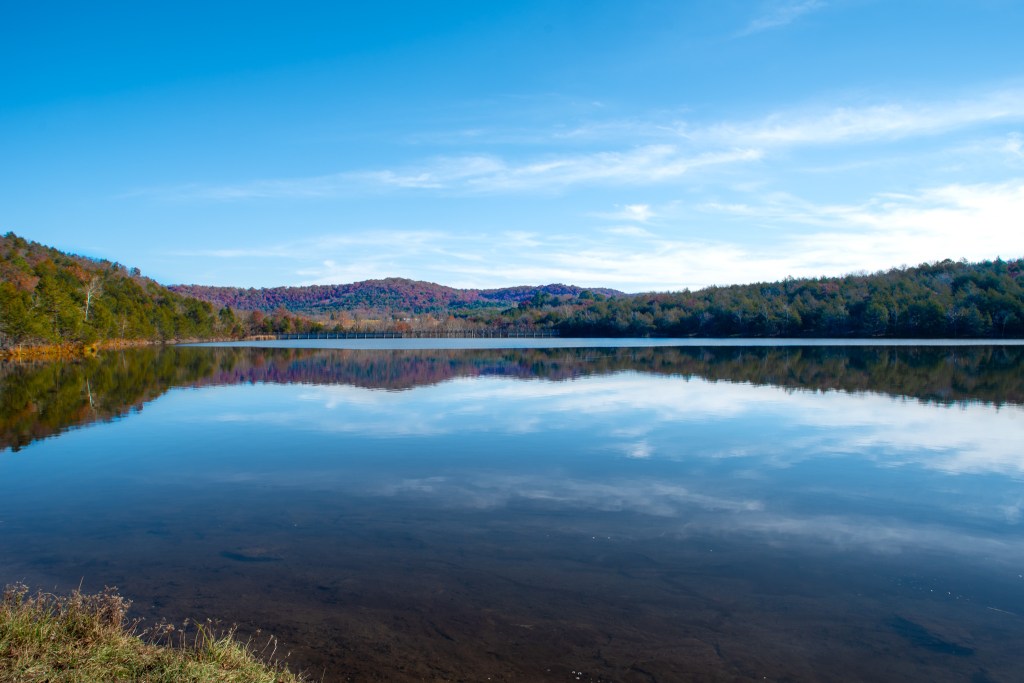
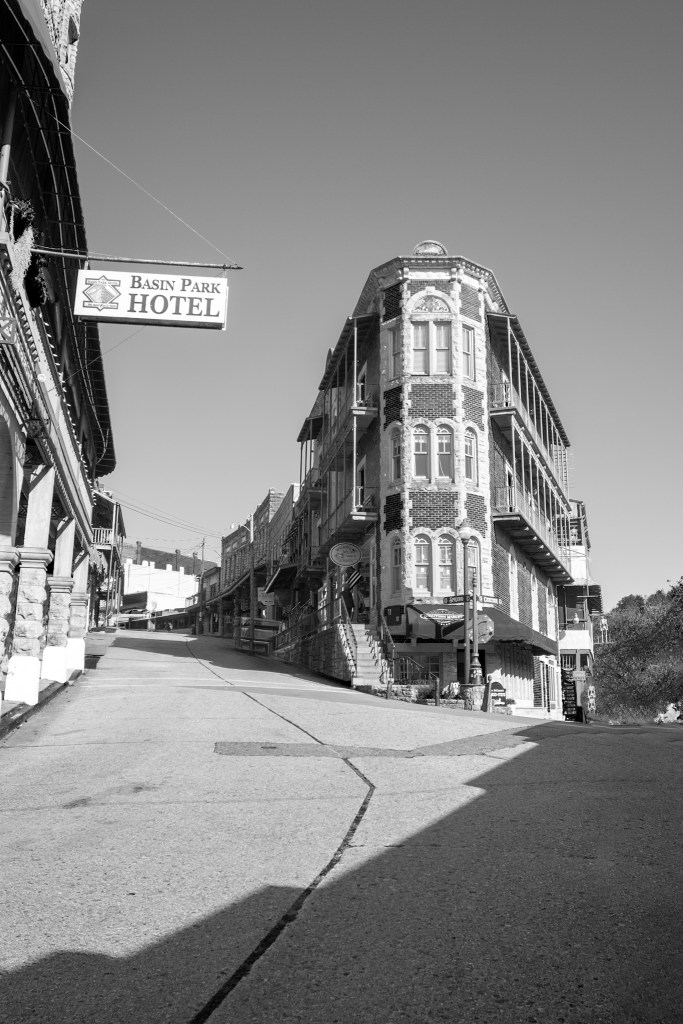
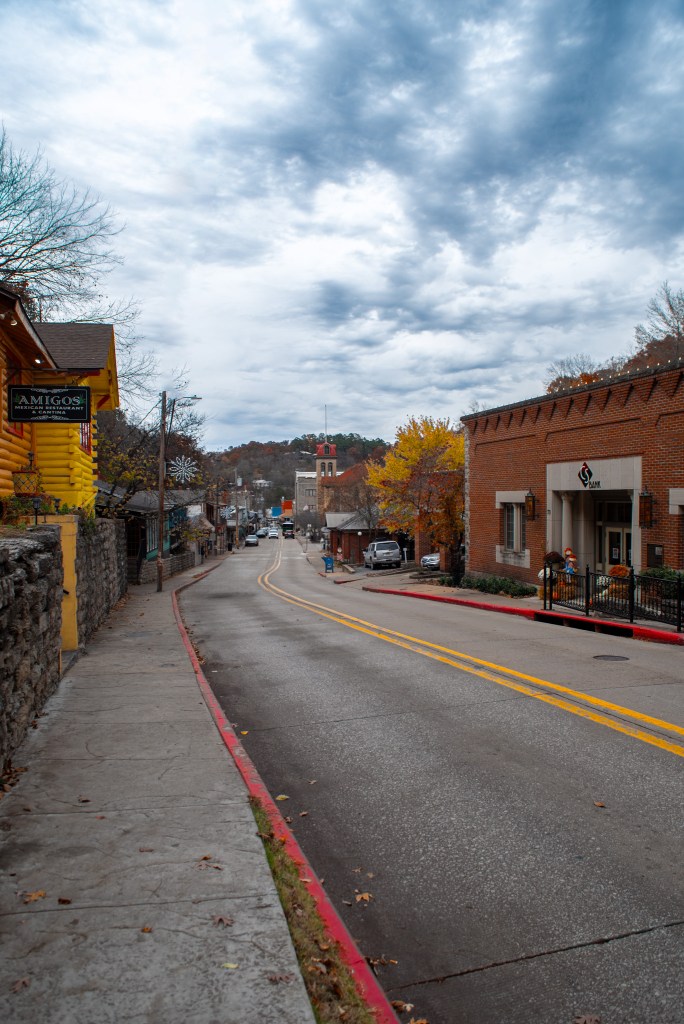
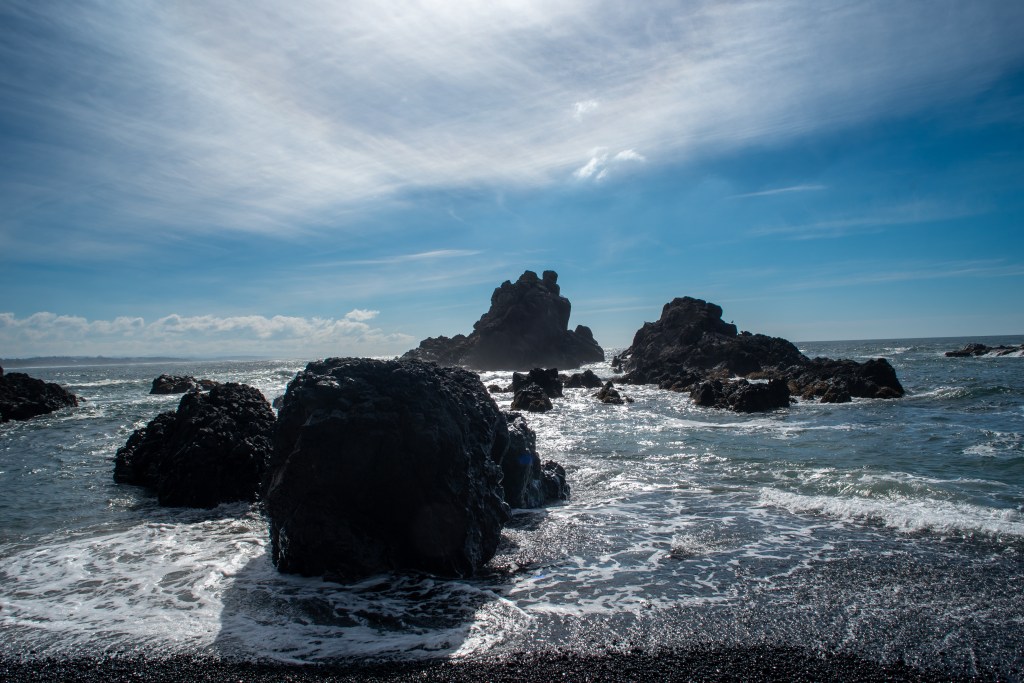
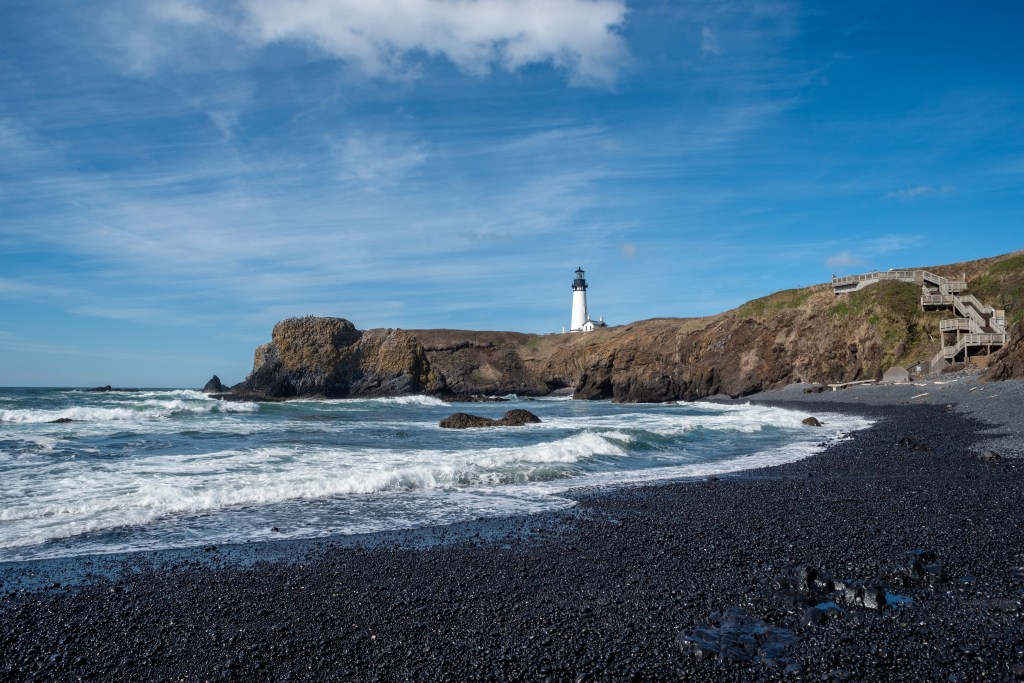
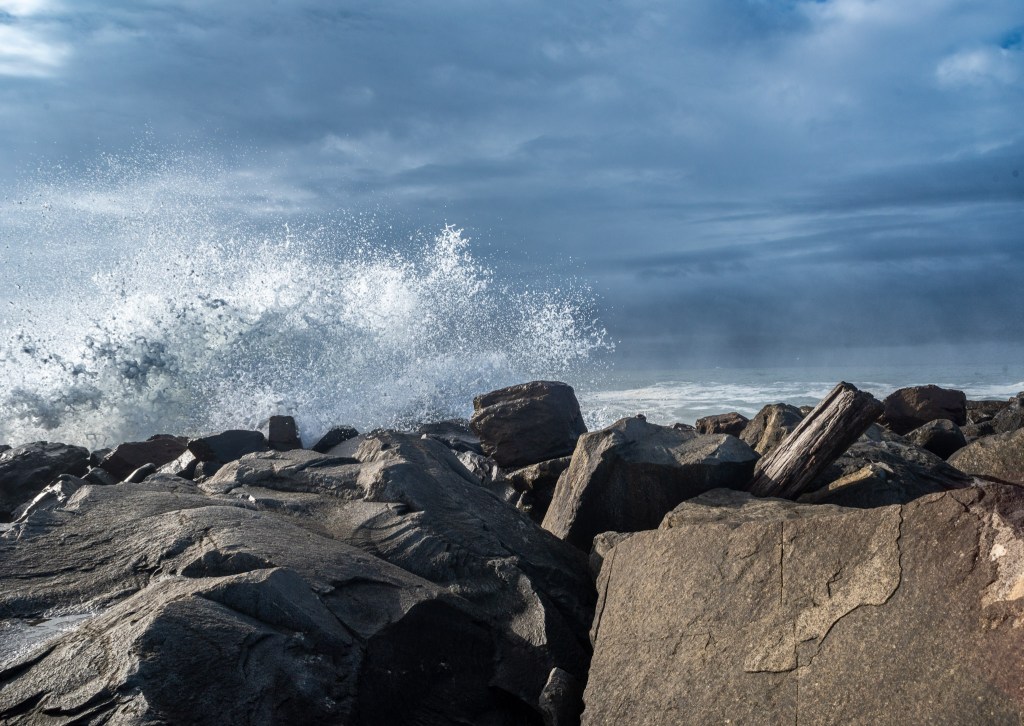
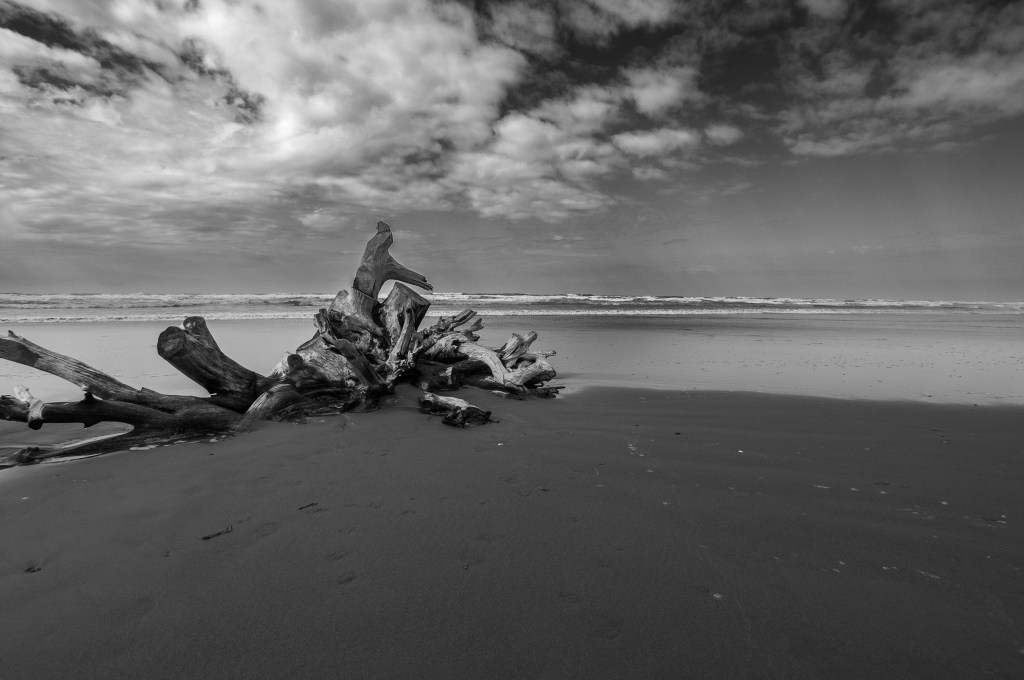
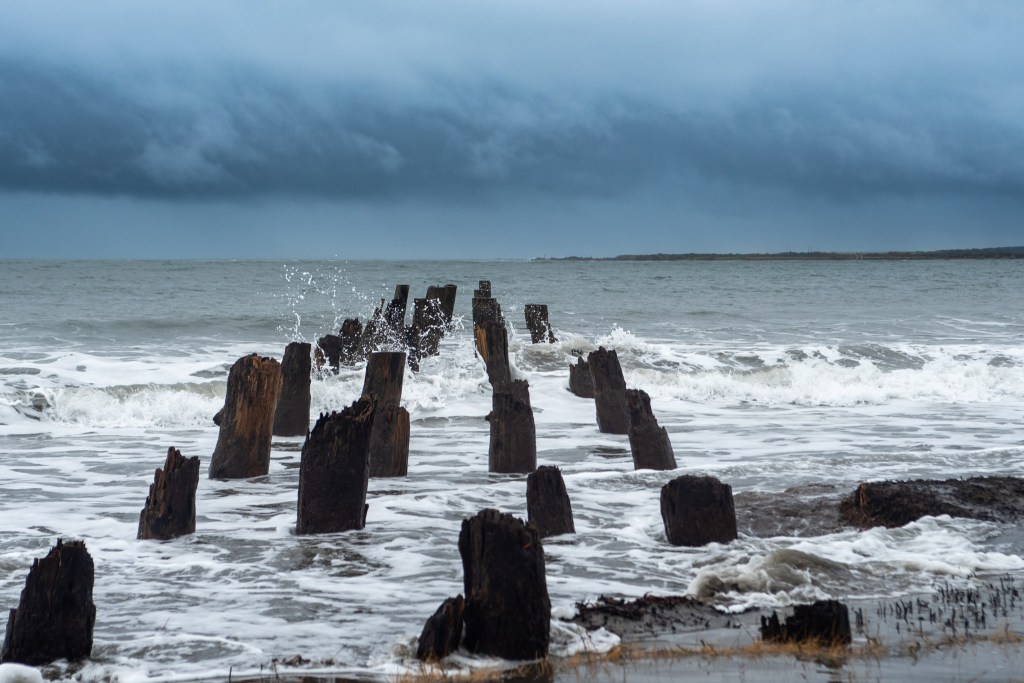
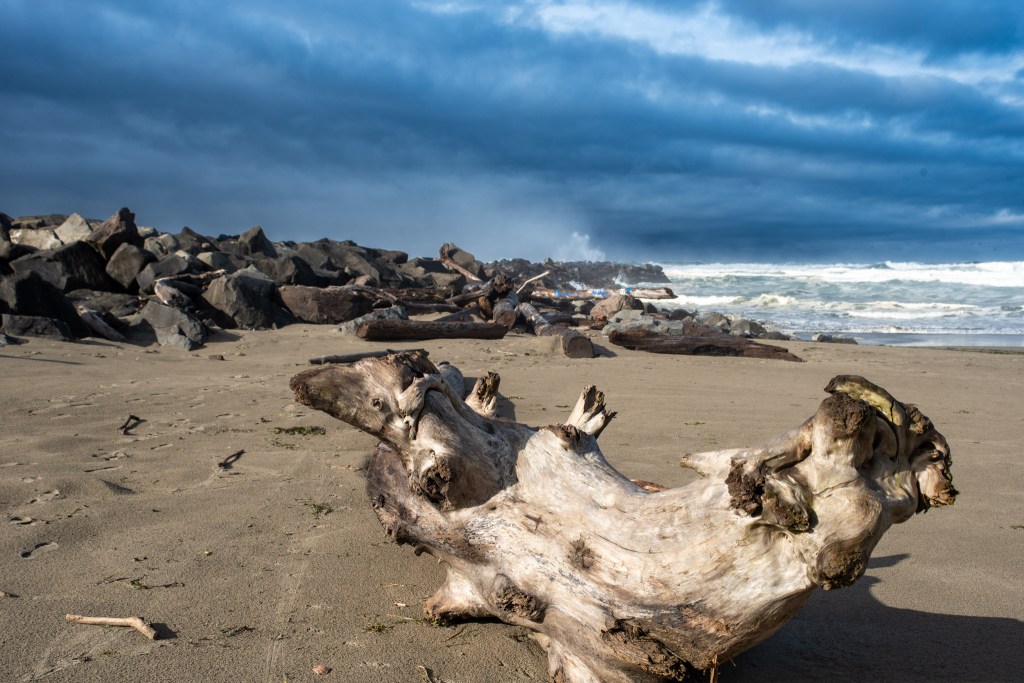
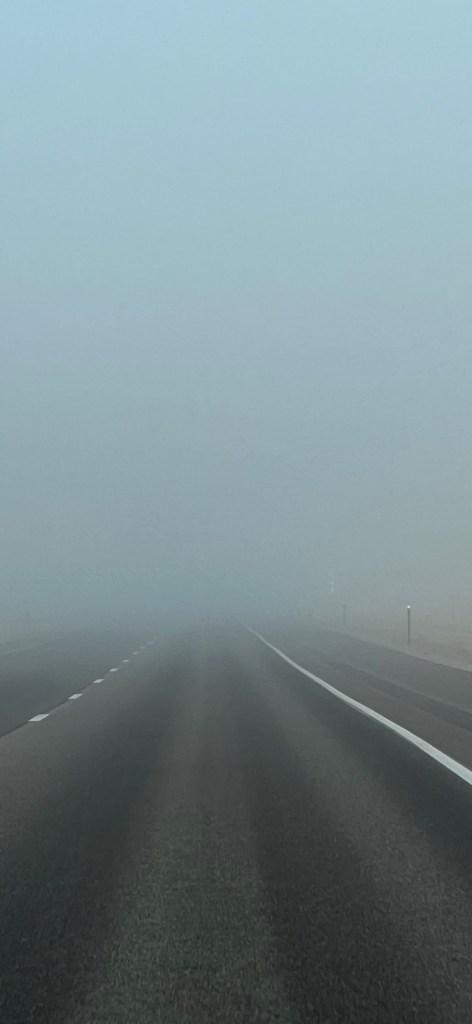
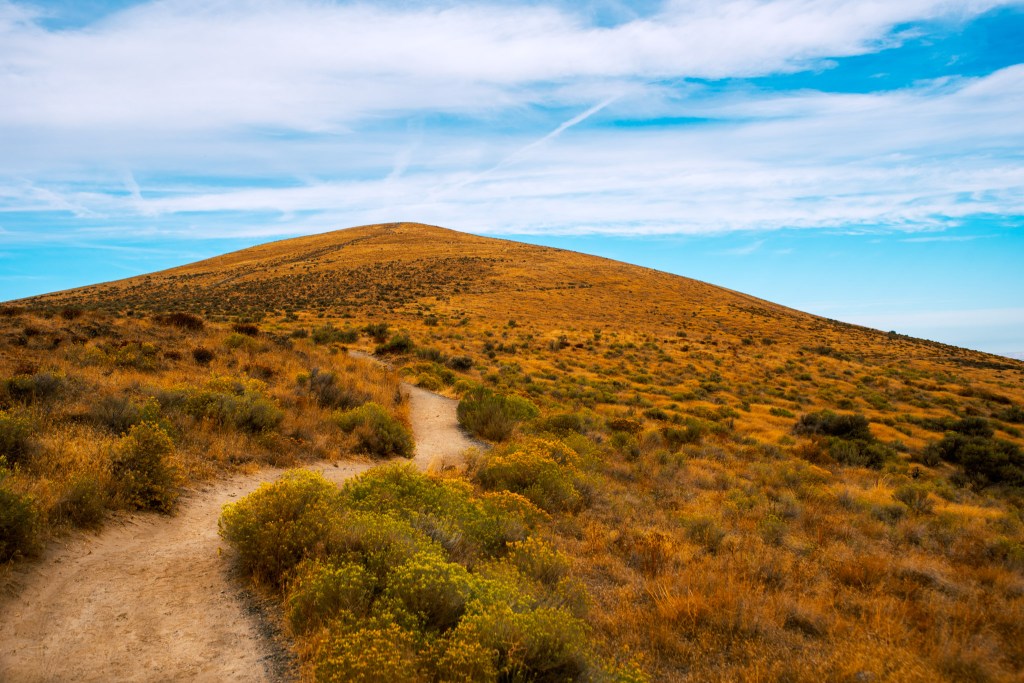
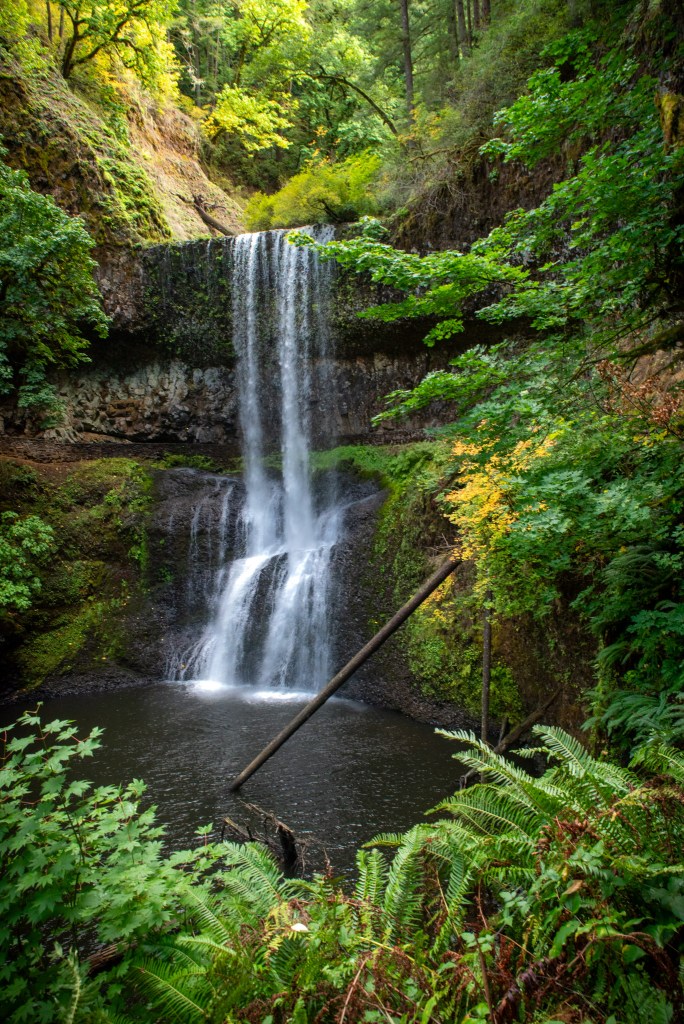
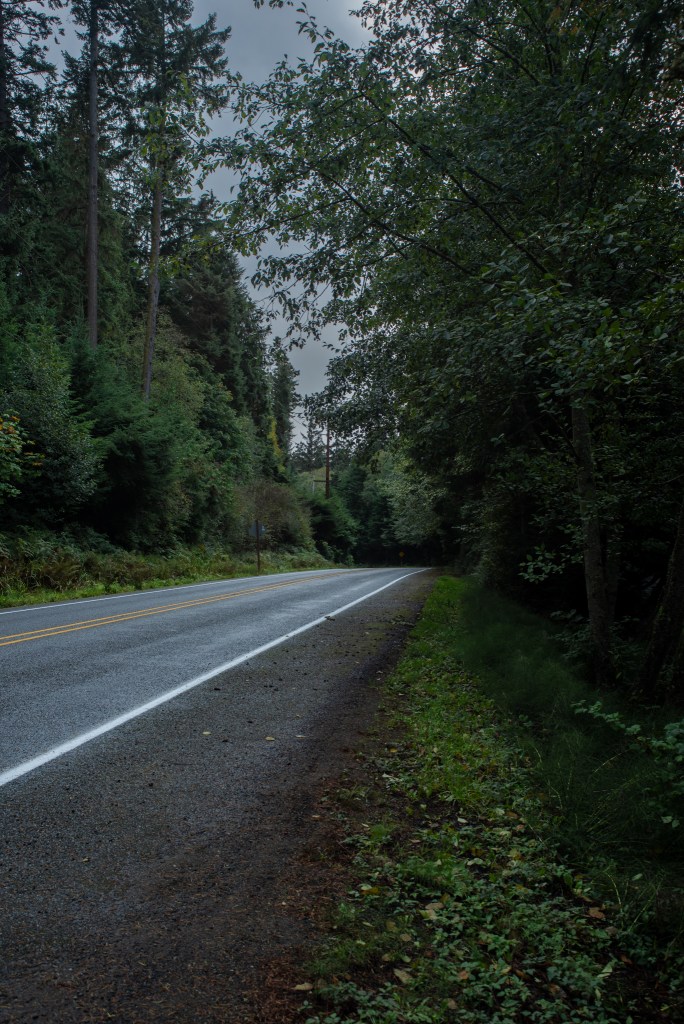
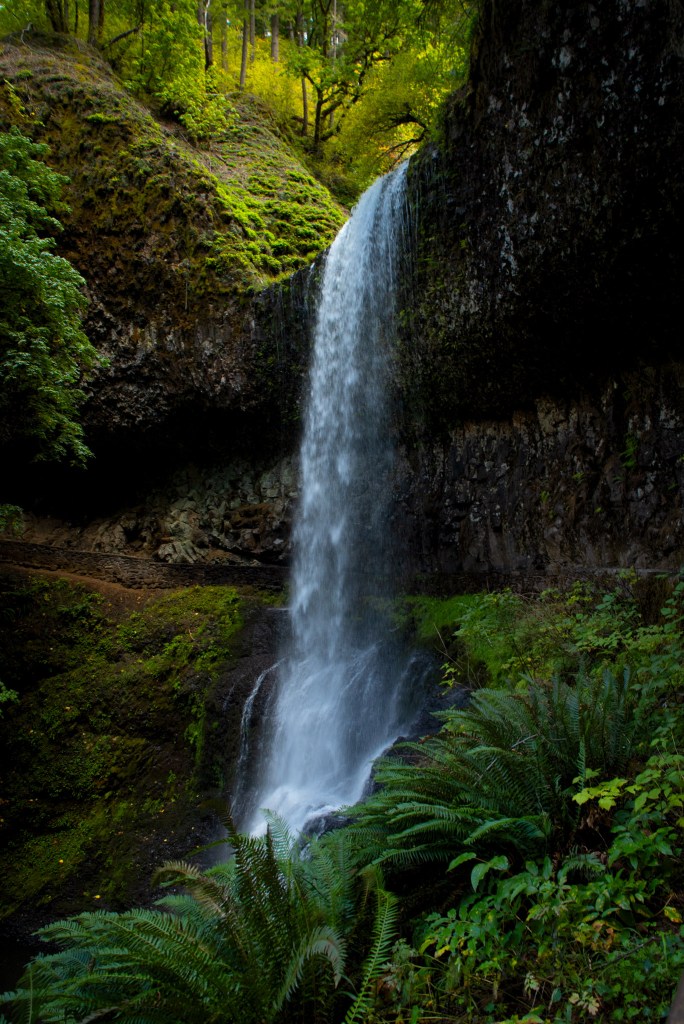
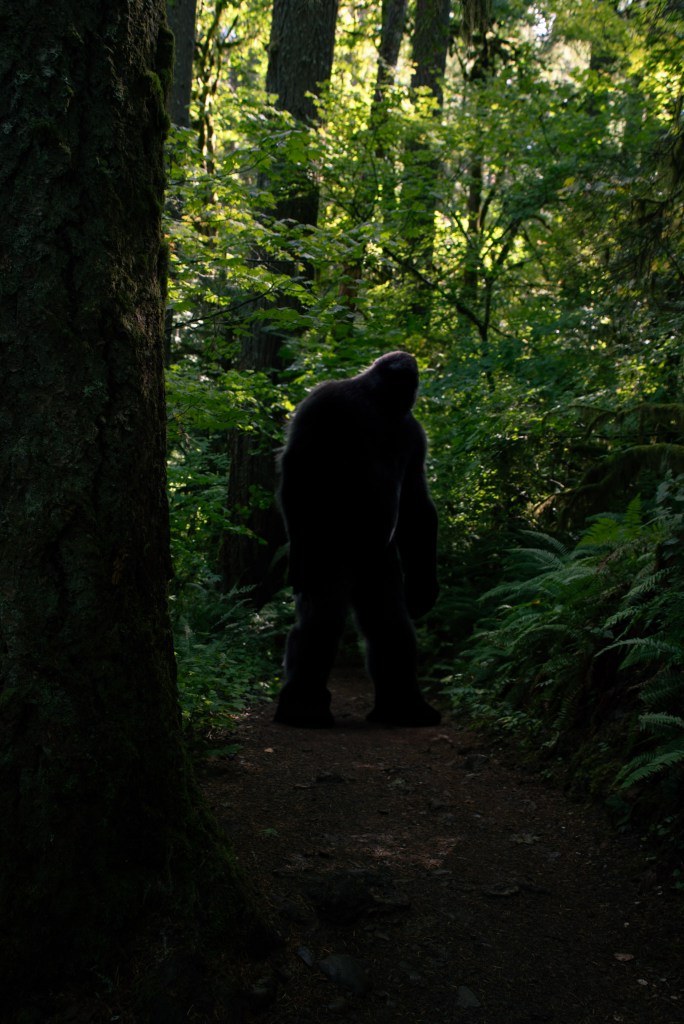
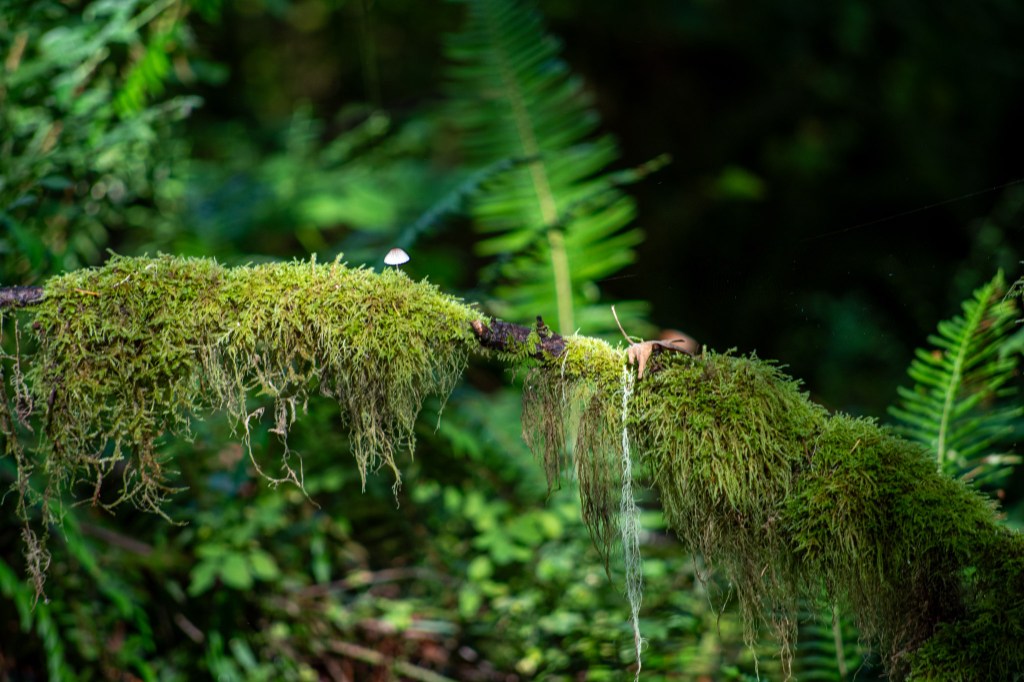
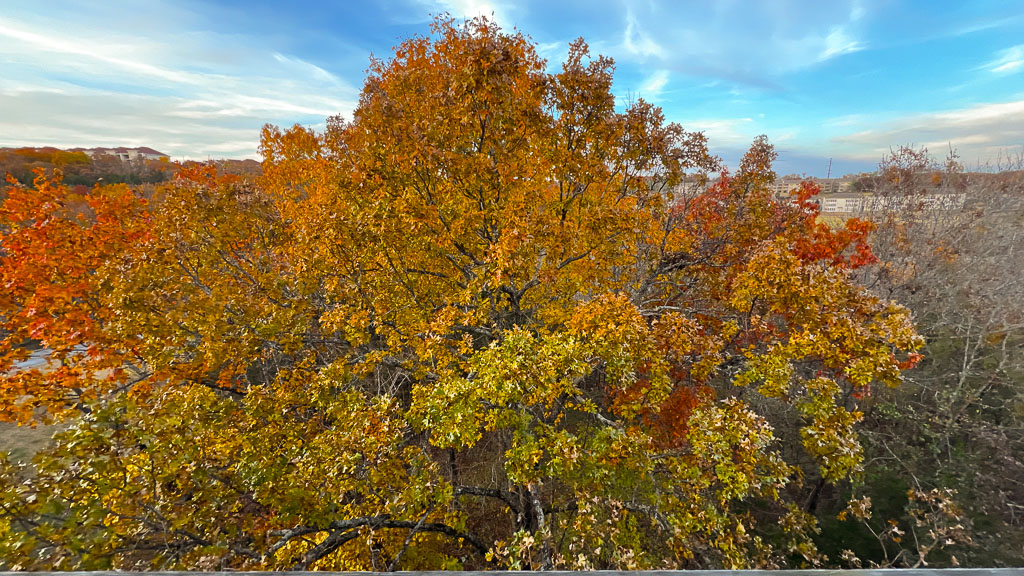
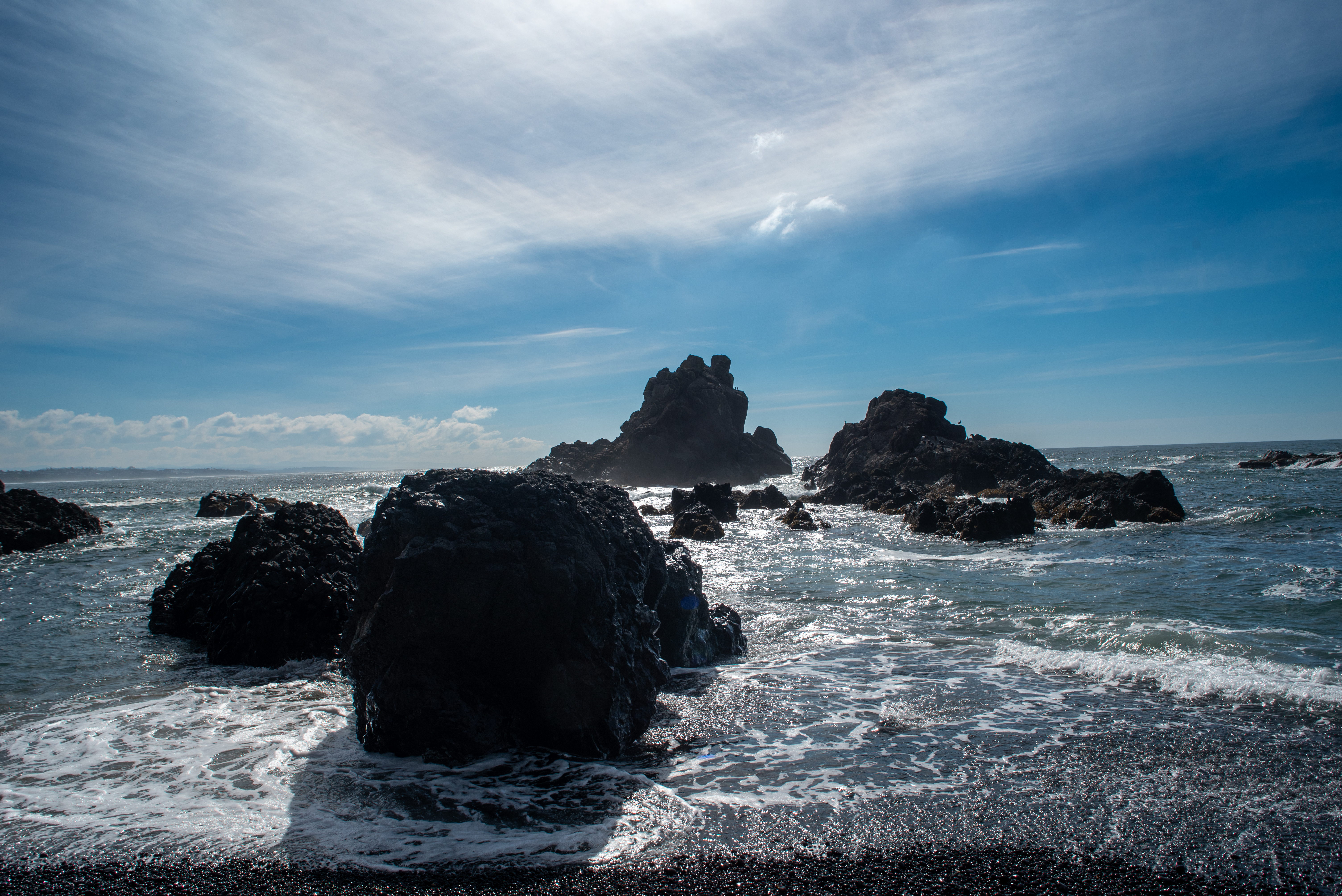
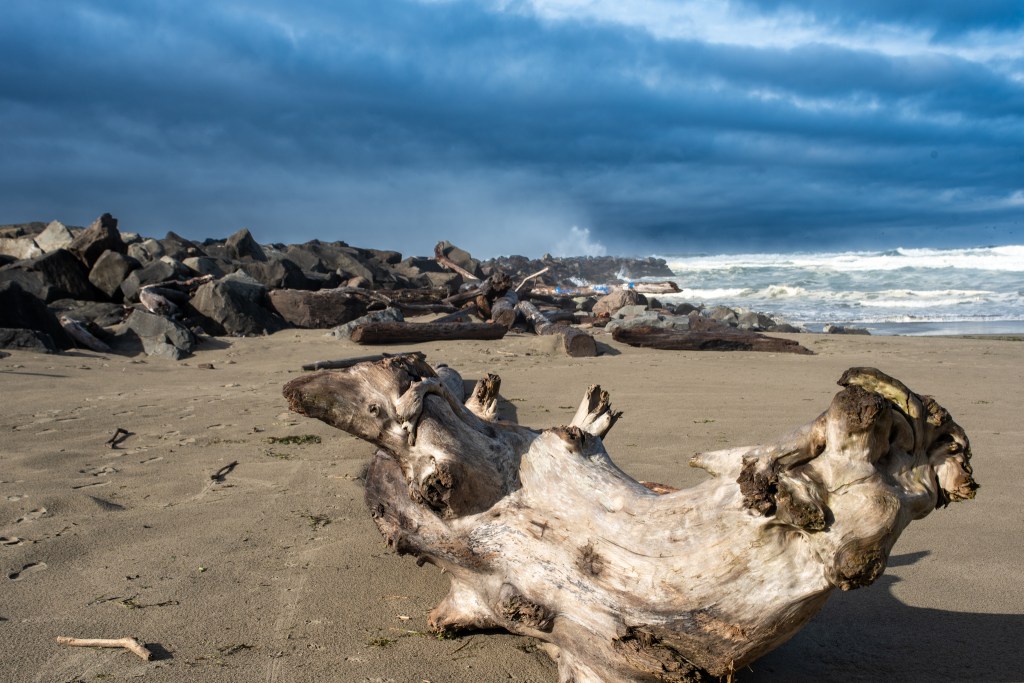
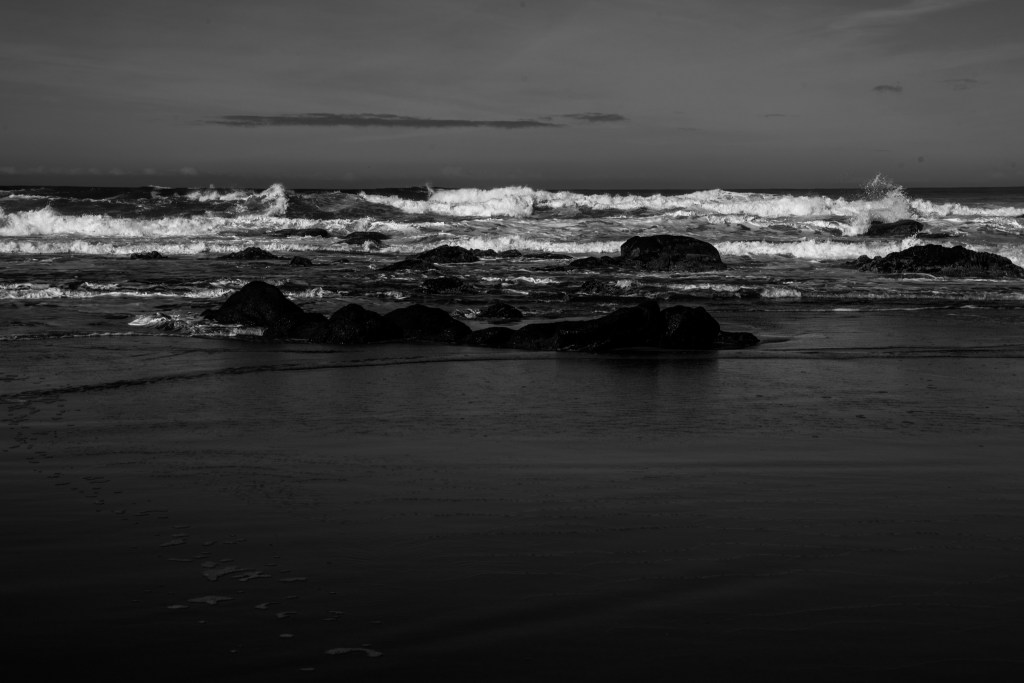
In the past 10 weeks I have travelled nearly 7,000 miles going from Kansas City to the Pacific Northwest and down into northern Arkansas. I have lived in a variety of motels and Airbnb’s ranging from houses to apartments. I have photographed places and sites without a guide except the internet. I’ve met a wide variety of people along the way. Sit back and enjoy some of the sites I have seen during my travels.
It is easy to just point your camera and push the button however I believe it is also easy to do a bit more and create the vision you want. We all view a scene a bit differently. I typically envision bold saturated color. I also have a tendency to eliminate distractions in my mind. The camera, on the other hand, is ruthlessly accurate. Today’s lenses are ruthlessly sharp. By the same token, photo editing software has become much more powerful and easier to use.
Ansel Adams once said; “You don’t take a photograph, you make it.” If you have ever studied Ansel Adams, he was meticulous at setting up to expose the negative. He was even more meticulous in the darkroom at developing the negative and then the print. Become your version of Ansel Adams, meticulously set up the scene, adjust the focus and camera settings to capture the best image you can to create your vision. Notice I said to capture the best image you can to create your vision. This may mean a different exposure than what your camera suggests. You may want details in highlights and shadows so you work to ensure both can be captured or you may not want details in those areas.
Once you have your starting point then take your image to your darkroom, or lightroom for digital images, and tweak the image to fulfill your vision. Envision what you want and then work to create it.
I see people talk about this all the time but, in my most humble opinion, there is no such thing as “getting it right in the camera”. First of all, what is a “proper exposure”? Many would argue that a proper exposure is where there are no blown highlights or lost detail in the shadows. To that I say have you ever looked at a scene and some of it was too bright and other areas too dark. Secondarily, the image must be processed first, or we cannot see it. Even with film, we must process the film in a solution of chemicals to create a negative, or in the case of slide film a positive. The mere choice of chemicals and processing methods alters what was captured in camera. When we discuss digital images, the image must be processed from the collection of 1’s and 0’s. Finally, there is the vision of the photographer. How one photographer views a scene may be very different than another.
I love it when I hear people say this especially when they are “photographers”, or in my mind “fauxtographers”. Cloudy days are the best. I have never found a bad day for photography. Each day is a new opportunity to capture wonderful scenes and subjects. I may have to vary my technique a bit, but it can be done.
Along the same train of thought many of photographers will complain about the light being too harsh and won’t photograph midday. Just like anything else, you merely adjust your technique. Why limit yourself to only a few hours a day? Fortunately, I have photography friends that also believe there are no really bad days for photography or bad times of the day. Go for it! Expand your skills to allow you to photograph whenever and wherever you are.
There is often the train of thought that every photograph a photographer takes has to be an award-winning orgasm causing awe-inspiring image. Well, it doesn’t. Not every photograph has to be innovative, inspiring, or breath taking. To believe that everything has to be awe-inspiring, award winning, and innovative would be overwhelming even for the best photographer.
Certainly, we as artists, strive to bring our emotions and feelings to life in our work for the viewer to enjoy but why can’t that viewer just be yourself? If others enjoy your work, it is even better. I believe far too many photographers believe that photographs have to inspire others rather than themselves. Take photographs you enjoy as the artist while pushing yourself to higher goals. Don’t do it to please others, do it to please yourself.
I also believe that there are times when we should just sit back and take in the view. Sit the camera down and just enjoy a scene with our own eyes.
Photography has become easier than ever thanks to advancements in technology. Here are a few reasons why taking photos has become more accessible:
Smartphone Cameras: Most smartphones nowadays come with high-quality built-in cameras. This means you don’t need to carry a separate camera to capture memorable moments. Just grab your phone, and you’re ready to snap photos anytime, anywhere.
Auto Mode: Modern cameras, including smartphone cameras, feature intelligent auto mode settings. These settings analyze the scene and adjust the camera’s parameters automatically, ensuring that most photos turn out well-exposed and focused.
Instant Preview: With digital photography, you can instantly preview your shots on the camera’s LCD screen or smartphone display. This allows you to review and retake photos if necessary, so you can ensure you capture the perfect image.
Editing Software: Powerful photo editing software, often available on smartphones or as separate applications, make it easy to enhance and refine your photos. Adjusting exposure, color, and cropping can be done with a few simple taps, allowing you to achieve professional-looking results.
Online Sharing: In the age of social media, sharing your photos has never been easier. Platforms like Instagram, Facebook, and Flickr allow you to share your images with friends, family, and a wider audience, instantly and effortlessly.
Learning composition in photography can be an exciting and rewarding journey. While it may seem daunting at first, there are several techniques and guidelines that can help you understand and improve your composition skills. Here are a few tips to make the process easier:
Rule of Thirds: One of the fundamental principles of composition is the rule of thirds. Imagine dividing your frame into a grid of nine equal parts by drawing two horizontal and two vertical lines. When composing your shot, try placing key elements of interest along these lines or at their intersections. This simple technique can lead to more balanced and visually appealing photographs.
Leading Lines: Look for leading lines in your scene, such as roads, paths, or even natural elements like rivers or tree branches. These lines can draw the viewer’s eye into the image, creating a sense of depth and guiding their gaze towards your main subject.
Framing: Use elements within the scene to frame your subject. This could be anything from doorways and windows to tree branches or arches. Framing adds a sense of context and can help draw attention to your subject while creating a more visually interesting composition.
Symmetry and Patterns: Seek symmetry or patterns in your composition. Symmetrical compositions can create a sense of balance, while patterns can add a repetitive element that is visually pleasing. Look for reflections, geometric shapes, or any repeating elements that can enhance your composition.
Negative Space: Don’t be afraid of empty or negative space in your photographs. Negative space refers to the empty areas in your frame that surround the main subject. Leaving some breathing room around your subject can create a sense of simplicity, elegance, and emphasize your subject’s importance.
Remember, practice is key when it comes to learning composition in photography. Experiment with different techniques, break the rules, and develop your own unique style. As you continue to study, analyze, and appreciate the work of photographers you admire, you will gradually develop an intuitive sense of composition. So, embrace the journey and enjoy capturing outstanding photos!
I continue to see photographers complain that photography has become “too easy”. Granted it is not a huge number of photographers, but they appear to be highly vocal in photography forums. Photography doesn’t have to be difficult. Let me say that louder for the people in the back, “PHOTOGRAPHY DOESN’T HAVE TO BE DIFFICULT!”. Additionally, photography doesn’t mean you have to use the most expensive and newest gear. You can create fantastic photographs using virtually any camera.
We see this everywhere. The experts, particularly photographers, are all trying to sell us stuff. They all have “products” to “make it easier” and “create the same look and feel” they are known for. They range from presets to plugins. It seems as if few want to be creative on their own, they want to copy the look of someone else.
On top of that if you listen to the experts, nearly all of them want you to buy their products or products that “support them”. I realize they have to make money, but it doesn’t seem as if it is about photography any longer but rather about the “bottom line”.
Has it become that the only way you can succeed is by becoming like the “experts” and buying their stuff? Is creativity dead?
Change often causes people stress, especially when it comes to some photographers. I see many of those photographers every day. A new tool comes out, be it a camera feature, software tool, or whatever else and photography is dead. “Real photographers don’t need that!” Digital photography killed “real photography”. I don’t believe any of those statements, but I see them nearly every day.
The current technology that is often the brunt of criticism today is artificial intelligence. Many fear that it, artificial intelligence will replace them. Maybe it will maybe it won’t but what I have found is that the way artificial intelligence is currently positioned in my workflow in photography is the mundane tasks are faster and less tedious. Things that used to take significantly longer can now take mere moments to accomplish. This frees up time to be more productive and creative. Without change we are forever stuck in the past.




 Photographer Clay