Tag: nature

  • Learning to See Relationships Instead of Subjects

    Learning to See Relationships Instead of Subjects

    “The photograph begins long before the shutter is pressed. It begins the moment we stop looking for subjects and start seeing relationships.”

    Between Light and Storm


    For many years, I believed photography was about finding interesting subjects.

    If someone had asked what I enjoyed photographing, I would have answered with a familiar list: mountains, waterfalls, old barns, winding roads, weathered fences, and the occasional solitary tree standing beneath an expansive sky. Like many photographers, I assumed the quality of my work depended largely on the quality of the places I could find. If I could stand before something extraordinary, surely an extraordinary photograph would follow.

    There was some truth in that belief. It encouraged me to explore, to rise before dawn, and to wander through landscapes that stirred my imagination. Those experiences shaped me as a photographer, and I wouldn’t trade them for anything. Yet, as the years passed, I noticed something I couldn’t explain. Some photographs made in spectacular places left me strangely unmoved, while others, created in the most ordinary settings, stayed with me long after I had packed away the camera.

    The camera had faithfully recorded every detail, but it had not always recorded the experience. Eventually, I began to suspect that I had been asking the wrong question. Each time I arrived somewhere new, I found myself wondering, What should I photograph? It seemed like a perfectly reasonable question, but it quietly encouraged me to think of the landscape as a collection of separate objects waiting to be arranged inside a frame.

    The longer I photograph, the more convinced I become that nature doesn’t work that way.

    One of the ideas that has gradually reshaped my way of seeing comes from the Lakota expression Mitákuye Oyás’iŋ—”All My Relations.” It is often understood as a reminder that all life is connected, but I have come to believe it also describes the landscapes we photograph. Nothing stands alone. A tree owes its shape to years of prevailing wind. Its roots follow unseen water beneath the prairie. Birds find shelter among its branches. Passing storms, changing seasons, and shifting light continually redefine its character. Even the photographer standing quietly nearby becomes part of the relationship simply by choosing to be present.

    Once that thought settled into my mind, it became difficult to look at a landscape the way I once had. I realized I wasn’t really interested in photographing a tree, a stream, or a distant ridge. What held my attention was the conversation taking place among them. The tree mattered because of the light that reached it, the weather that surrounded it, the grasses moving at its feet, and the memories the scene awakened within me. The subject had not disappeared, but it no longer stood alone.

    I remember standing before a solitary tree one morning in September. At first, it seemed almost too ordinary to deserve a photograph. Had I been driving, I might never have stopped. But something encouraged me to remain where I was instead of reaching immediately for my camera. As the minutes passed, I noticed the wind moving through the tall grass before it reached the leaves. Passing storm clouds moved behind the tree, alternately revealing and concealing the distant horizon. The first sunlight caught one side of the trunk while the opposite side remained cool and quiet. Somewhere beyond the field, meadowlarks announced the beginning of the day. None of those things demanded attention by themselves, but together they created an experience that felt complete.

    The longer I stood there, the more I realized I wasn’t really looking at a tree. I was witnessing a relationship.

    If the wind had been absent, the scene would have felt different. If the clouds had already passed, the light would have told another story. Had I arrived an hour later, it would have become an entirely different morning. Even my own memories influenced what I found meaningful. The photograph was never waiting inside the tree itself. It existed within the relationships that surrounded it.

    Looking back, I think this is where many photographers unknowingly reach a plateau. We become skilled at recognizing subjects, yet overlook the relationships that give those subjects meaning. We travel farther in search of dramatic scenery, invest in better equipment, and refine our technical skills, believing the next improvement will come from something we can acquire. Those things certainly matter, but none of them can teach us to pay attention. Attention grows slowly. It is cultivated through patience, curiosity, and a willingness to remain with a scene long after our first impression has passed.

    That realization has quietly changed the way I compose a photograph. I still think about balance, rhythm, and light, but they no longer feel like isolated techniques. Composition has become less about arranging objects within a frame and more about revealing relationships that already exist. Light no longer simply illuminates a subject; it reveals how every element depends upon every other. Empty space becomes a place where the eye can rest before continuing its journey. Contrast is no longer just a technical adjustment. It becomes a way of strengthening one relationship while allowing another to recede into silence.

    Perhaps this is why two photographers can stand shoulder to shoulder, using identical cameras and photographing the same landscape, yet return home with entirely different images. They are not simply making different compositional choices. They are noticing different relationships. One may be drawn to the conversation between light and stone. Another may see the quiet tension between approaching weather and a solitary tree. Neither photograph is more truthful than the other. Each reveals what its maker considered worthy of attention.

    These days, when I arrive somewhere with my camera, I try to begin with a different question.

    Not What should I photograph?

    Instead, I ask, If everything here is connected, what relationship is asking to be seen?

    Sometimes the answer comes quickly. More often, it arrives only after I have stood quietly for several minutes, watching the light change, listening to the sounds around me, and allowing my expectations to fade into the background. Those moments have become some of the most meaningful parts of photography. Even on the days when I return home without making a single exposure, I rarely feel that my time has been wasted. Learning to notice is never wasted.

    I still photograph mountains, old barns, winding roads, and solitary trees. Those subjects have changed very little over the years. What has changed is the way I hope to see them. I am less interested now in the object standing before my lens than in the countless relationships that allow it to exist—the light that reveals it, the weather that shapes it, the passage of time that transforms it, and the memories it awakens within me.

    If Mitákuye Oyás’iŋ teaches that everything is connected, then perhaps the photographer’s task is not simply to record what stands before the camera. Perhaps our task is to reveal those connections in a way that allows others to see them as well.

    The longer I practice photography, the more I believe that is what every meaningful photograph attempts to do.

    Not simply to show us what was there.

    But to remind us that nothing, and no one, truly stands alone.

  • Beyond the Lens: A 40-Year Journey from Rulebook to Reality

    Beyond the Lens: A 40-Year Journey from Rulebook to Reality

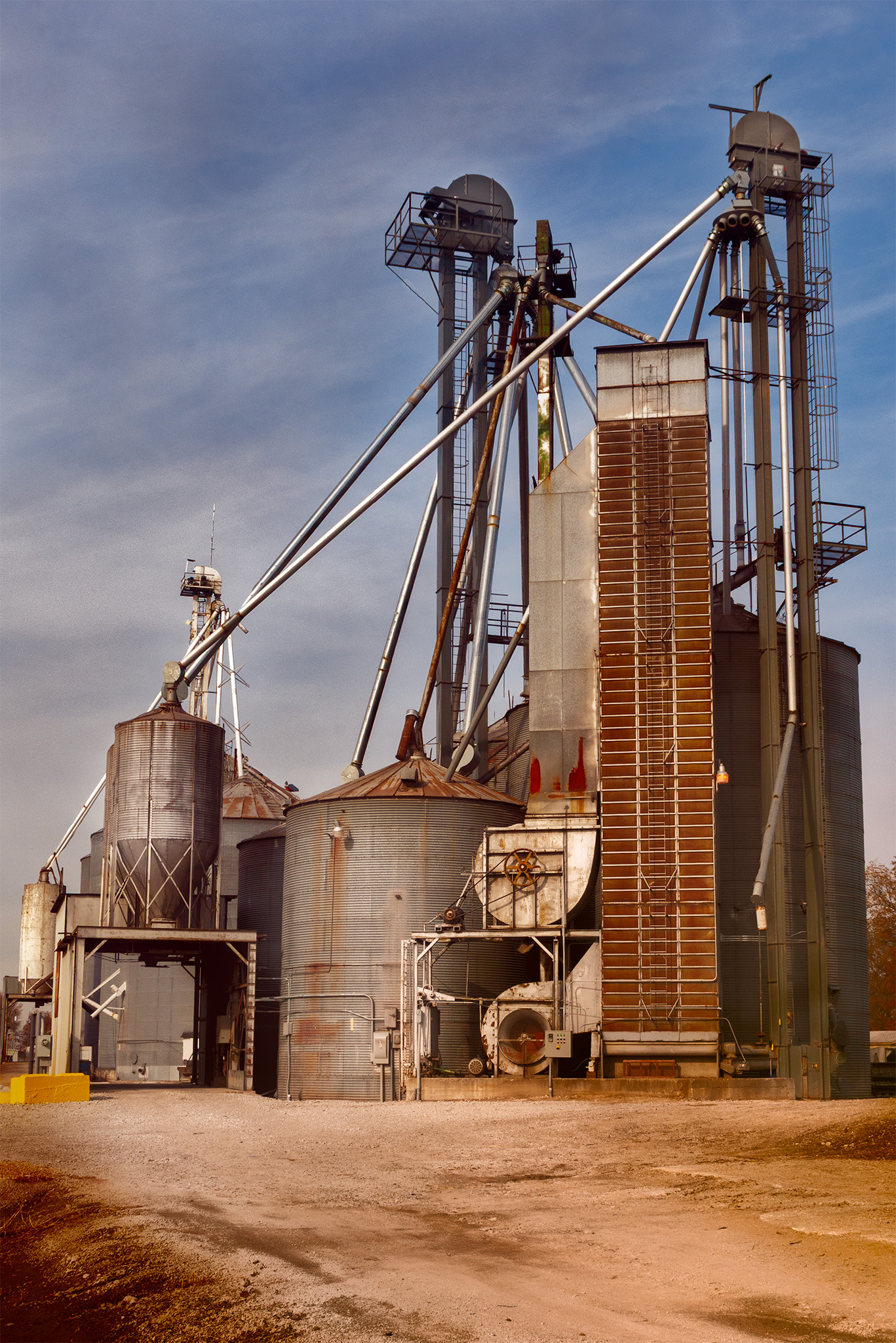
    In The towers watching over the land, I explore the quiet dignity and unexpected beauty of industrial agricultural structures. Captured from a commanding low angle, these steel giants shed their purely functional purpose to become silent, imposing sentinels. Their intricate network of silos and elevators stands as a testament to human endeavor, presiding over the rural landscape and guarding the harvest. Through a warm, slightly weathered filmic perspective, I invite viewers to find reverence in these utilitarian monuments that loom over the land they serve.

    For over four decades, the camera and I operated on a strict, unspoken agreement. Beginning with a 35mm film camera in 1982 and navigating the leap into the digital realm in 2005, I spent countless hours mastering the mechanics. I operated as an image analyst, relying heavily on mathematical logic to calculate the perfect exposure, the precise depth of field, and the flawless composition. I knew the rules inside and out. The camera was my objective tool, and I was its devoted technician.

    But mastering the rules is only half the journey; true artistry begins when you learn how to transcend them.

    My time immersed in the f64 Elite community sparked a profound shift in my paradigm. I realized that a technically perfect photograph can still be emotionally hollow. The goal was no longer to simply capture a high volume of sharp frames or perfectly execute a formula. Transitioning into fine-art landscape photography demanded something much more vulnerable: deep, deliberate intentionality.

    Now, before I even release the shutter, I stop to breathe. I plan the shot with the same analytical precision as before, but I leave room for the soul of the landscape to speak. When I step onto a location, my mental notes extend far beyond light and shadow. I focus on the ambient sounds—the rustle of dry grass or the distant rhythm of water. I take in the sharp, cool scent of the morning air or the damp earth after a rain. I tune into the emotional resonance of that exact moment in time.

    This sensory awareness is now woven directly into the mathematical logic of the shot. It is the vital ingredient that transforms a static digital negative into a living, breathing piece of fine art.

    My ultimate goal is for you to step into that landscape with me. When you look at my work, I don’t just want you to see what I saw; I want you to feel the chill of the air, hear the quiet rhythm of the scene, and experience the profound stillness of the moment, exactly as I did.

    This transition from technician to photographic artist is a continuous, evolving journey, and it’s one I want to share with you. I am currently pouring this newfound intentionality into an upcoming coffee table book that curates these very moments. Soon, I will also be launching a podcast to dive deeper into the nuances of this creative process and the mindset required to truly see the world.

    I invite you to join me as we explore the landscape not just as it looks, but exactly as it feels.

  • The greatest challenge to photographers are themselves.

    The greatest challenge to photographers are themselves.

    There! I said the quiet part out loud. Yep, I’m putting the blame on ourselves. The problems vary, we think we know it all, we know nothing, we need better equipment, we need better subjects/locations, and on and on.

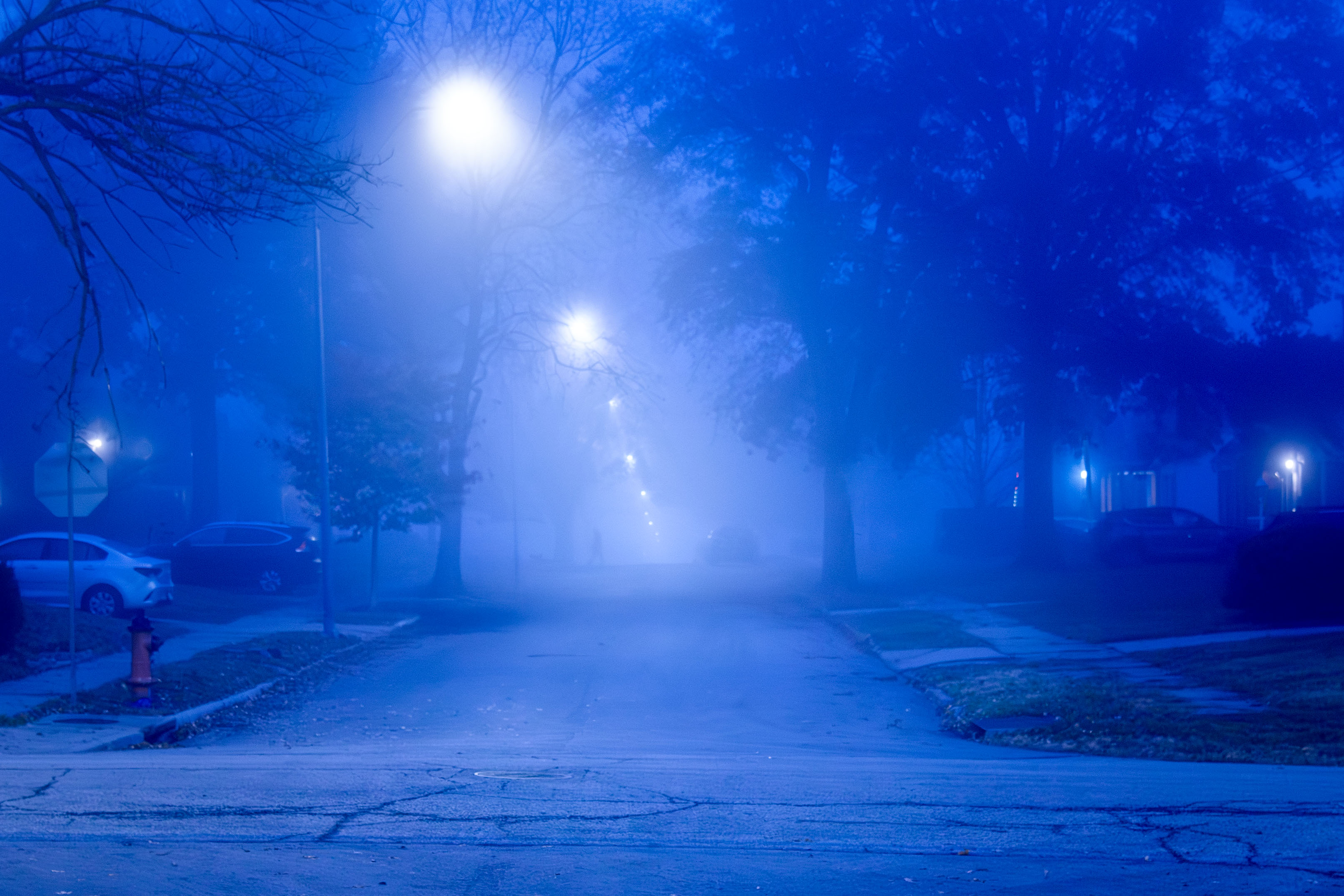
    What we really need is to always be open to learning, exploring, changing, and growing. We need to stay hungry to learn as we did when we first got started. We need to stop comparing ourselves to others and create for ourselves and to get in tune with our emotions, memories, experiences, and creativity. We need to get out of our shadowy mind lost in the fog.

    I believe I am on a path to that very goal. I’ve found, for me, a fantastic inspiration and as a result, found a wonderful group of like minded photographers, that push each other to move foward. I don’t even mind sharing the name of the inspiration, f64 Acadmeny Elite. The man behind this site is Blake Rudis and I have known him for years, however, I didn’t subscripe to his site until 15 months ago. In that time, I have learned more about myself as a photographic artist than I did in all the 30+ years prior, and I feel like I’m just getting started. As a result of this I have connections all across the United States and, in fact, the world. My skills have grown and yet I feel like I have so much more to learn.

    My challenge to photographers who want to take their photography to the highest level to search out what is holding you back. I also invite you to check out Blake’s YouTube channel f64 Academy . This will give you a taste of what he teaches, these videos are merely the tip of the iceberg in what you will learn as a subscriber to his site. I am sharing this with you all because this has truly helped me and I want to share what I found to get my passion back with others.

  • Sometimes photographers make me sad

    Sometimes photographers make me sad

    Sometimes, I find myself engulfed in a deep, reflective sadness when I consider the journeys of photographers, rather than just the images they create. My heart goes out especially to those who engage these individuals, as their stories often run deeper than the photographs reveal. This article aims not to criticize photographers but to gently remind them of the profound connections and emotions behind their art, and the experience of others.

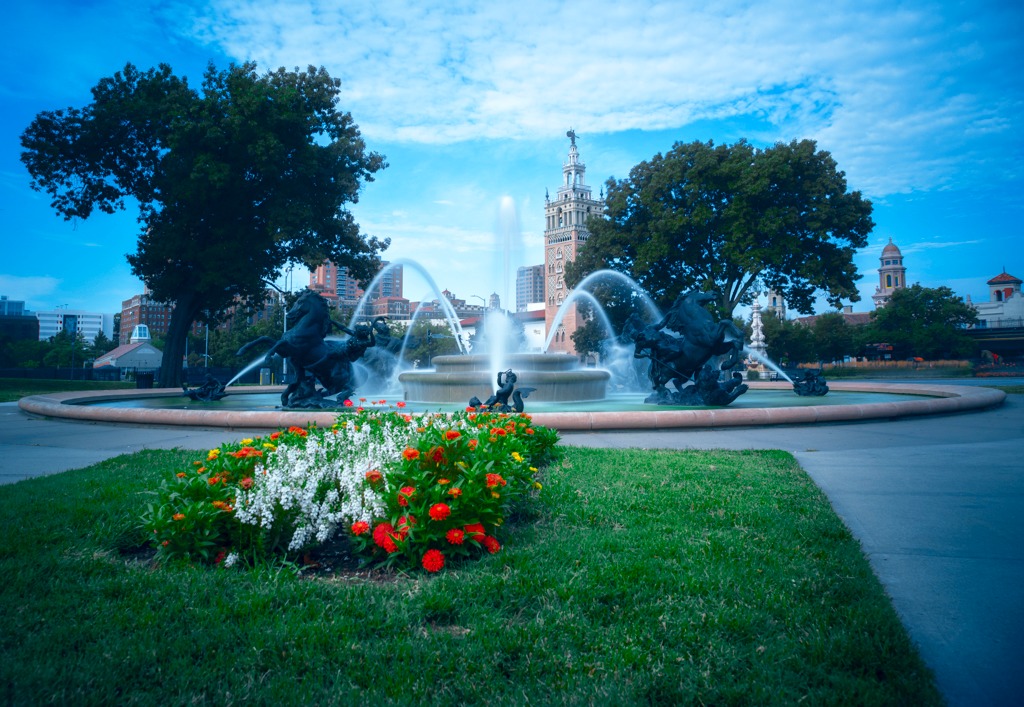
    Two days ago, another photographer and I ventured out for some landscape photography, while my companion was busy working on a cinematography school project. As we immersed ourselves in the beauty of our city’s iconic area, we encountered a few fellow photographers. We had settled in a spot often regarded as the “money shot” for this location, and it brought us joy to share this incredible space with the first photographer we met. Just then, I noticed a group that seemed to be a wedding party, adding a touch of magic to the scene.

    The second group was quite large, consisting of a dozen or more people. The photographer arrived with just a camera, which was surprising given the circumstances. It was a bright, early summer morning, and the sun was quite intense. Unfortunately, the wedding photographer positioned the group with the glaring sun in their eyes, aiming for a view of the fountain behind them. However, that backdrop included a lot of traffic, signs, and signals that would distract from the special moment. As we were wrapping up at our prime location, we kindly offered it to them. It seemed the photographer may not have fully appreciated our gesture, as we didn’t suggest avoiding the bright sunlight that caused squinting and harsh shadows; we simply made our spot available, hoping it would enhance their session.

    My companion and I share a deep passion for both landscape and portrait photography, and we’ve learned through experience that it’s easy to make similar mistakes. This is why I often feel a sense of sadness for both the photographer and the group in situations like these. I kindly ask that you don’t take offense when others offer gentle guidance, as they genuinely intend to help and support your session without trying to take control.

  • Photographers and artists that stop learning are failing

    Photographers and artists that stop learning are failing

    A bold statement from an old photographer that has decided to continue to learn and grow in order to become more creative and artistic. I suspect many will disagree with this statement but I’m not sure that it is something I’m going to worry about, but I encourage all to think about.

    One of the reasons I bring this up is because I haven’t written in a couple of weeks. I’ve been busy between a short trip, some out of town guests, working with an upgraded tool in Photoshop and taking a Photoshop course.

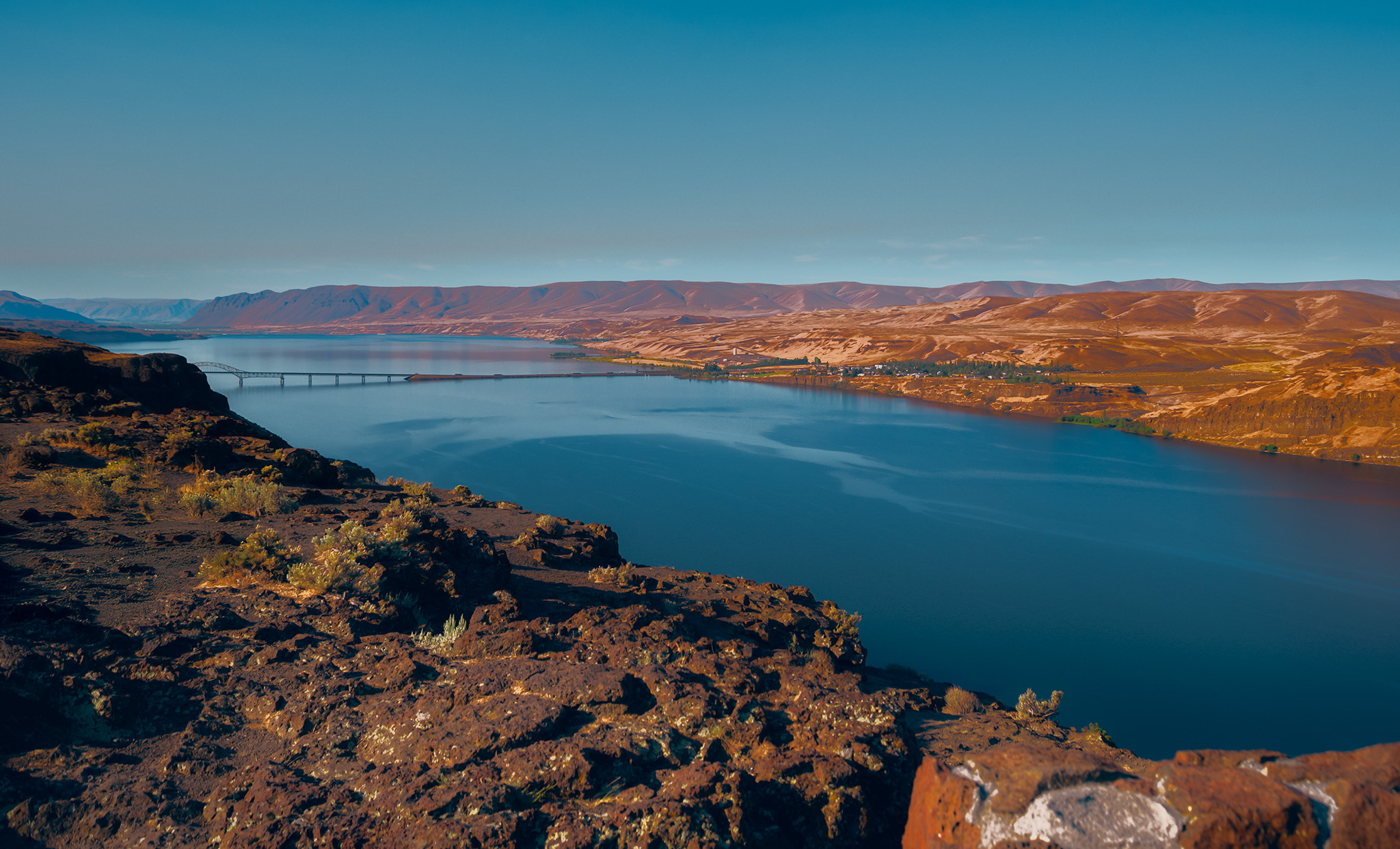
    The photograph that I have included in this post was taken a year ago while I was driving back from the Pacific Northwest. I pulled off the highway at a scenic overlook of the Columbia River. In this part of Washington State there had been some wildfires resulting in smoke in the air. This scene also had some faint clouds in the air. According to the in-camera light meter the exposure was within the acceptable range, however, when I viewed the photograph, the smoke was barely visible, and the clouds were practically invisible. When I incorporated the training and through the use of a upgraded tool those elements were as visible as they were to my eyes.

    What is unfortunate is that there are those who believe that some of the techniques I utilized render my photograph-altered artwork is not worthy of being called a photograph. Typically, this isn’t an issue that overly concerns me. What concerns is the lack of understanding and the lack of motivation by others to learn and grow. The lack of motivation to understand and learn concerns me because I believe it stagnates the progression of art and photography. Please, don’t stop learning, experimenting, pushing the boundaries of your art and photography.

  • If only I had time

    If only I had time

    In 2011, I retired for the first time and found ample time for my photography. Initially, I returned to work because I desired something to occupy my time. I began with a part-time job but soon transitioned to full-time. Since then, I have held two more positions, each demanding more of my time. Despite this, I was able to find time for both photography and writing. I retired permanently just over two years ago, and now it appears I have little time or perhaps interest in my writing and diminished passion for photography.

    What I have found intriguing is that with more free time, I seem to have less of it. It’s a paradox that many can relate to: the idea that freedom can sometimes feel constricting. Although my interest in both activities has not waned, I often find myself making excuses to postpone them. Instead, I have developed a keen interest in computer gaming, an avenue I had previously set aside. I once believed my writing and photography skills provided an escape from societal drama, but I have come to realize that I have replaced those activities with computer gaming, immersing myself in digital worlds where I can forget my worries and responsibilities.

    In the midst of this shift, I received news about a somewhat serious medical condition that, while correctable, will require a considerable amount of my time and energy. Furthermore, it will necessitate significant changes within my family dynamics. Although these changes are destined for the better, each new development has served as a distraction from the things I once cherished.

    However, with the arrival of warmer temperatures, I am determined to reconnect with the outside world and embark on a photography journey. Spring and summer offer such vibrant opportunities for capturing the beauty of nature and the life around me. I believe this endeavor will not only reignite my passion for photography but also encourage me to write more in this blog. My goal is to bring you all along with me on this journey, sharing my experiences and discoveries as I step back into the sunlight.

    I sincerely hope that you, my readers, will feel inspired to share your own art and words as we move forward together. Let’s embark on this creative exploration and support one another in rejuvenating our artistic spirits. The shared journey promises to not only enrich our lives but also create a community of like-minded individuals eager to express their passions once again.

  • Is great photography dying?

    Is great photography dying?

    In previous years, it was much easier to find high-quality photographs online. However, in the past couple of years, locating great photographs has become increasingly challenging. I won’t mention the name of the website, but one I have frequented for years is now inundated with snapshots and often AI-generated images.

    I know that I am capable of taking photographs that would not be classified by many as great. I know I’m capable of generating snapshot-style photographs. I have been known to generate images using A.I.

    What is beginning to be a bit of a concern, for me, is that the search for great photographs is becoming more challenging.

    It doesn’t matter to me what equipment is used to create wonderful photographs, I am more concerned about photographs that generate emotion, and evoke a feeling of art, rather than merely pointing a camera at a scene and pressing the button.

    Ansel Adams said, “You don’t take a photograph, you make a photograph”. Which, to me, means that the content and execution were deliberate and planned.