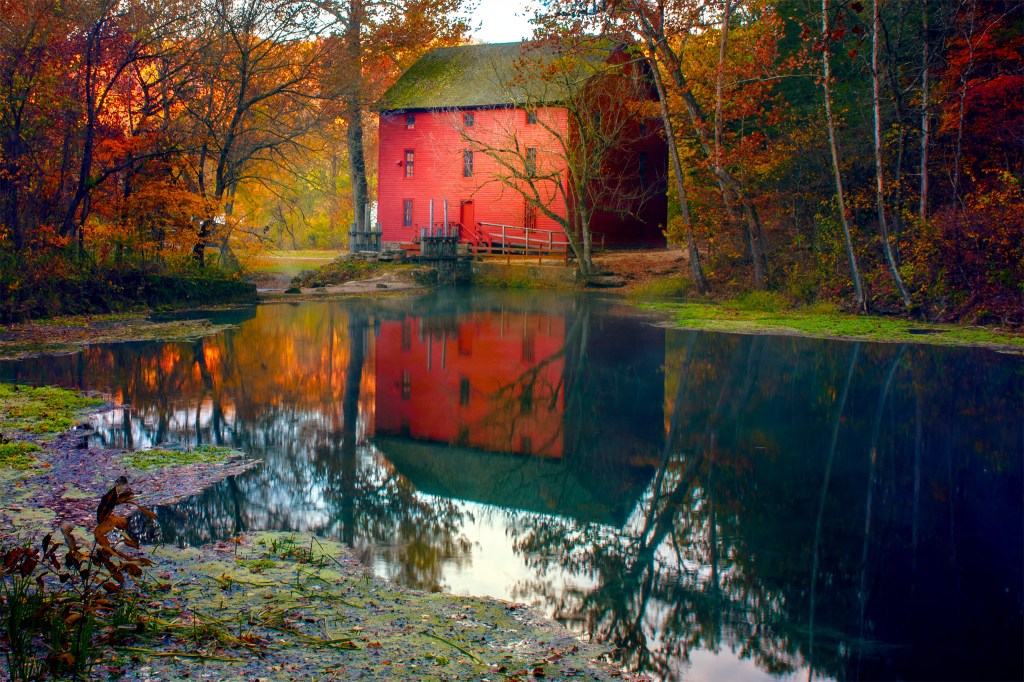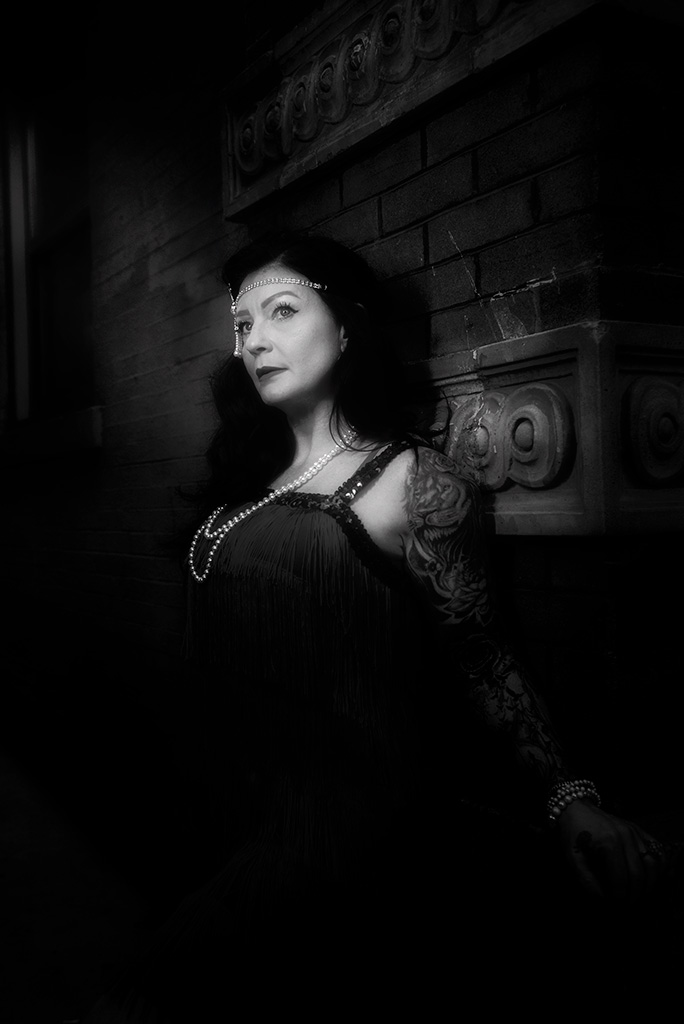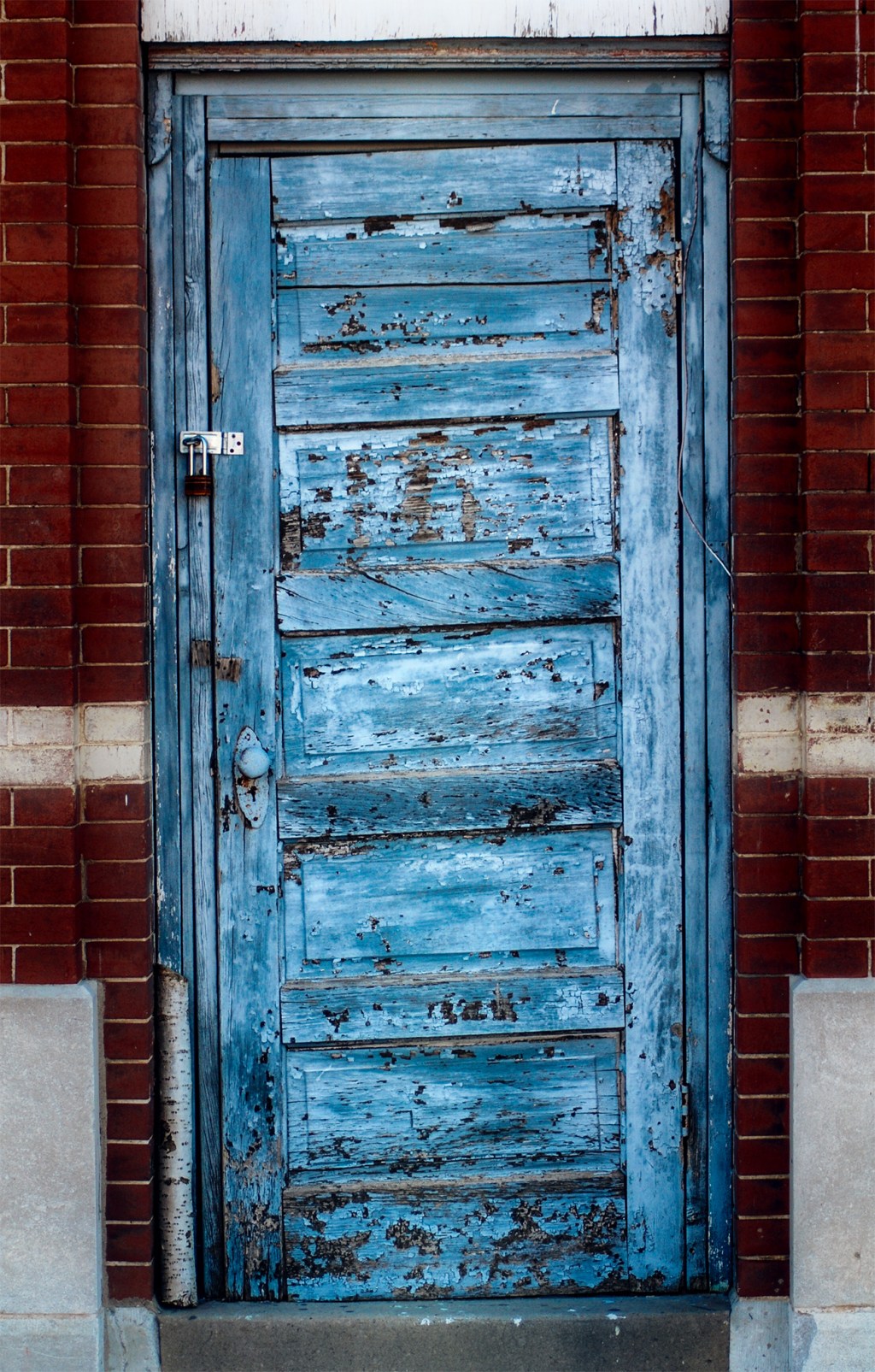
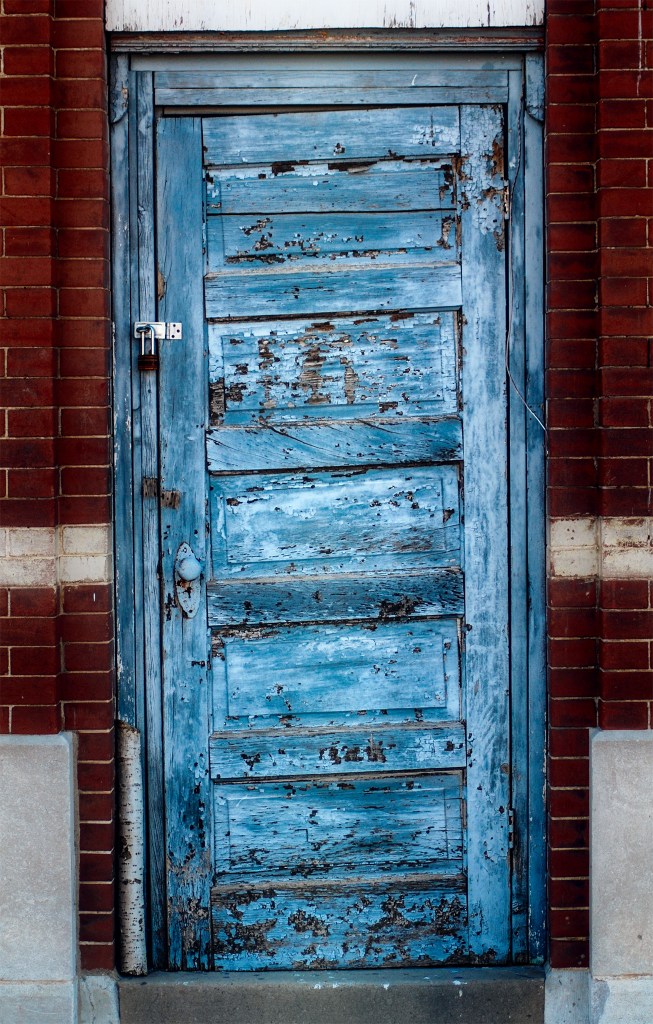
I made a decision last night while I was enjoying a cognac sitting in my recliner, watching our newly adopted rescue dog sleeping next to my wife while we were watching a television show. That decision was to get back to doing what you do, which involves writing this blog, playing my video games, and my photographic art. This past year has been a wild ride that I won’t go into details about, except for learning you don’t know what you don’t know. I used to hate that expression!
A couple of things have helped bring my understanding of the words: you don’t know what you don’t know. Firstly, I have learned so much about bringing my vision forward in creating the final image I imagined when I took a photo. My goal was to create something that would engage the viewer, even if that viewer is just myself.
My deeper understanding of life has evolved through a series of events over the past year. I underwent radiation therapy for cancer, which was a significant challenge. During this time, I also learned more about creating photographic art than I ever imagined, thanks to the guidance of my mentor and the support of like-minded individuals and my family. Additionally, I adopted a rescue dog, which has brought unexpected joy and companionship into my life and also taught me that we don’t always know about the challenges and past that many people have experienced.
It is with these insights in both my mind and heart that I will move forward to helping myself become more compassionate towards others and passionate about my art. Additionally, I will use those traits to help others with their journeys, understanding that I don’t always have to know their stories or history, but just to be there to support them as they ask.
Through this blog and my art, I aim to achieve some of this through regular entries. These entries may not always focus on art or photography, but may also include life lessons I have learned or experienced.
This is more of an update on why I haven’t been writing lately. I have been actively engaged in working on my artistic vision. That may sound cliché; however, I have always been of the belief that if you could create the image you create today five years ago, you are not growing as an artist. Growth is essential in any creative field, and without it, we risk stagnation, losing the spark that inspires us to express ourselves.
For my journey, I have found a mentor who not only shows you how but also explains why. This dynamic has opened up new avenues for my understanding of art. I have included training in color theory, composition, and various techniques that push my creative boundaries. It is all about understanding and thinking like an artist, exploring the depths of creativity, and developing a personal style that feels authentic.
While I may use a camera, I consider myself an artist. It is not merely a tool for capturing images but a means of expressing my artistic vision. As such, I realize not all my artworks will appeal to everyone. To me, it isn’t about validation from others but rather about expressing my connection with my subject. This could be anything from a breathtaking landscape to the intricate details of an insect, or even any other inanimate object that catches my eye. Each piece I create serves as a bridge between my inner world and the external reality.
If you are a creator of art, in whatever genre you follow, allow yourself to let go. Immerse yourself in your emotions and thoughts, and get in touch with how you feel about your subject matter. Understand that the relationship you forge with your work is a personal one, and your unique viewpoint can shine through, even if that viewer is only yourself. Embrace this journey of self-discovery, and let your artistic voice be heard, regardless of the audience’s opinions. In this way, you cultivate both your skills and your identity as an artist, allowing your work to evolve organically and authentically over time.
I asked ChatGPT; Is art really subjective or are there certain conditions that should be met for a work to be classified as art, This is the response I got.
The question of whether art is subjective or if there are certain conditions that should be met for a work to be classified as art is a long-standing debate in the philosophy of aesthetics
. Many people instinctively lean towards subjectivity, viewing art as an individual’s unique response to a piece. However, this perspective also raises questions: if art is purely subjective, how can we have discussions about whether certain works are “good” or “bad”? Why are some pieces displayed in museums and celebrated for centuries, while others are disregarded?
The case for subjectivity
Personal Interpretation: Viewers bring their own experiences, emotions, and cultural backgrounds to their appreciation of art, leading to diverse interpretations.
Emotional Response: Art’s power often lies in its ability to evoke emotional responses, and these emotions are inherently personal.
Shifting Tastes: What one generation deems artistic may be seen differently by another, highlighting the dynamic nature of cultural trends and individual preferences.
Arguments for objective criteria
Skill and Technique: Creating art often involves technical proficiency, whether it’s mastering painting techniques, composing music, or crafting compelling narratives. These skills can be objectively evaluated.
Composition and Principles of Design: Art often adheres to established principles like balance, proportion, and rhythm, which can be analyzed and judged independently of individual taste. The Massachusetts College of Art and Design (MassArt) identifies seven elements of art and seven principles of art.
Artistic Context and Intent: Understanding the artist’s intentions, the historical context, and the artistic traditions surrounding a piece can provide a more informed basis for appreciation and analysis.
Enduring Value: The fact that certain works are consistently recognized and valued across cultures and generations suggests some degree of inherent merit beyond fleeting trends.
Artworld Institutions: Galleries, museums, critics, and art historians play a role in shaping and defining what counts as art through their selections, exhibitions, and discourse.
Hybrid perspectives
Many thinkers now advocate for a more nuanced approach, recognizing both subjective and objective aspects of art. Art, at its core, involves a human creation intended to evoke a worthwhile experience, be it through emotional power, beauty, or the conveyance of complex meanings. While individual enjoyment is deeply personal, objective analysis of elements like technical skill, composition, and historical context can inform and enrich our appreciation, according to the website thewritingpost.com.
This is, to me, the real meat and potatoes, so to speak.
In conclusion, art is not solely subjective, nor is it entirely bound by rigid objective criteria. It exists in a dynamic interplay between the creator, the creation, and the audience, where personal interpretation meets with a framework of established artistic principles and traditions.
If a work fails to ignite a vibrant interplay between the creator and the audience, it falls woefully short of its potential. Like many others, I have fervently battled with the art of creation, grappling with the complexities of expressing my vision, despite the countless hours I have devoted to studying art and photography. It wasn’t until the past 6 months or so that I came to realize this. Often, we fall in love with a creation of ours not because it is good but rather because we have a personal connection to it. The problem, I see, is whether the audience has a connection. This is often the failure. As artists, we must become aware of our emotions and then learn to communicate those emotions to our audience.