I spend a lot of time reading photography forums, maybe too much sometimes, and it never fails that I find a debate on editing. While there are several different types, they fall into three basic categories, purists who don’t like much or any post-processing, the “I don’t really care crowd”, and those, like me, “the anything-goes-crowd”. The group that seems to be the most passionate is the purists.
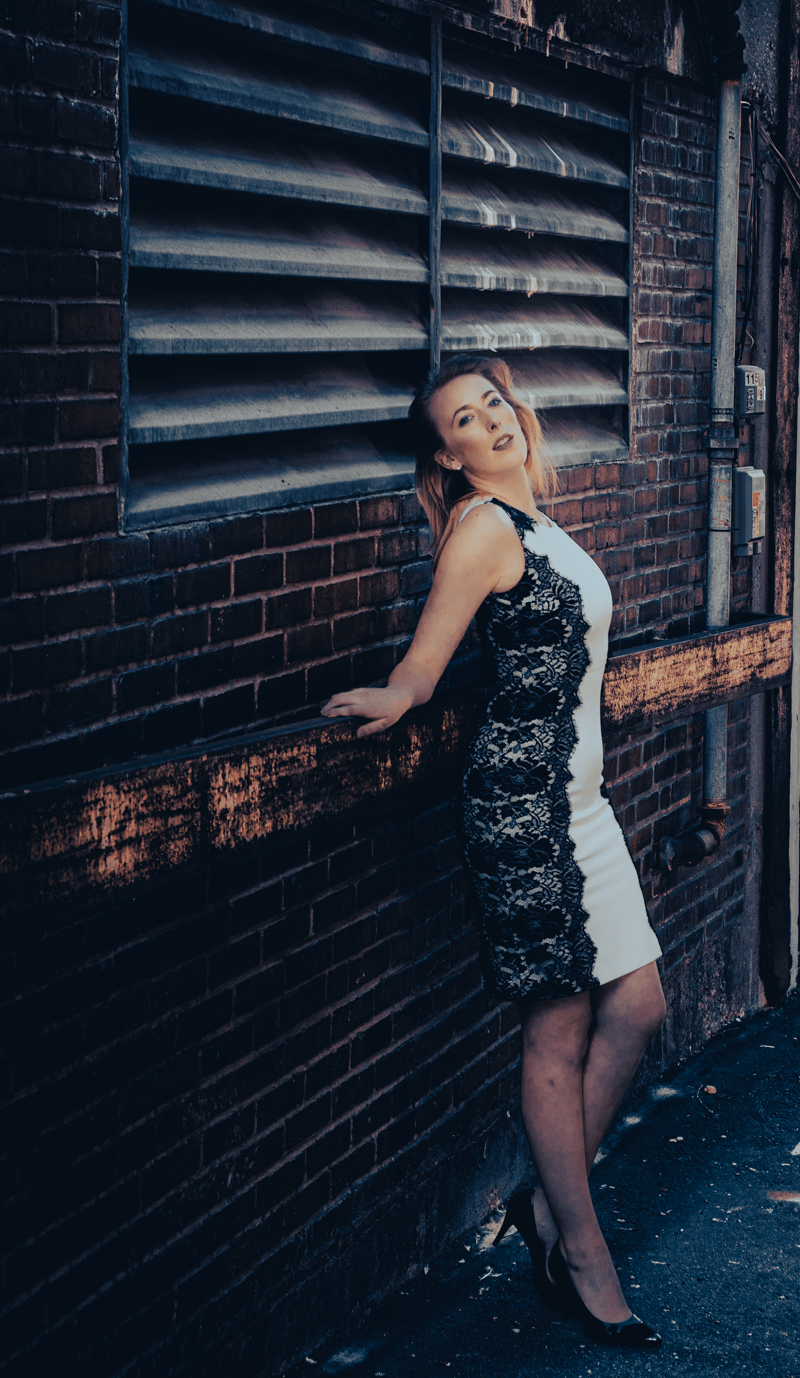
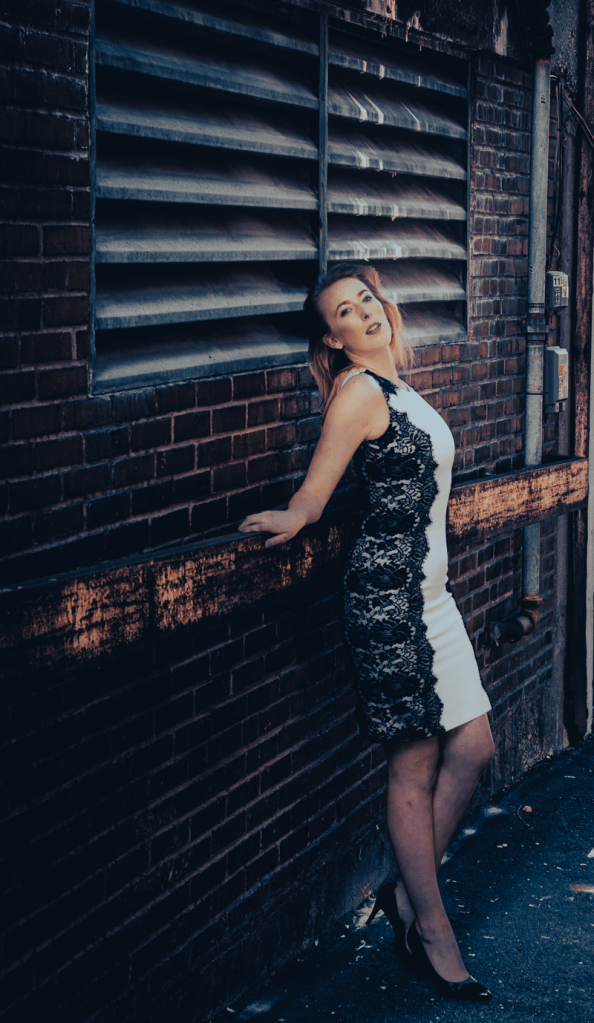
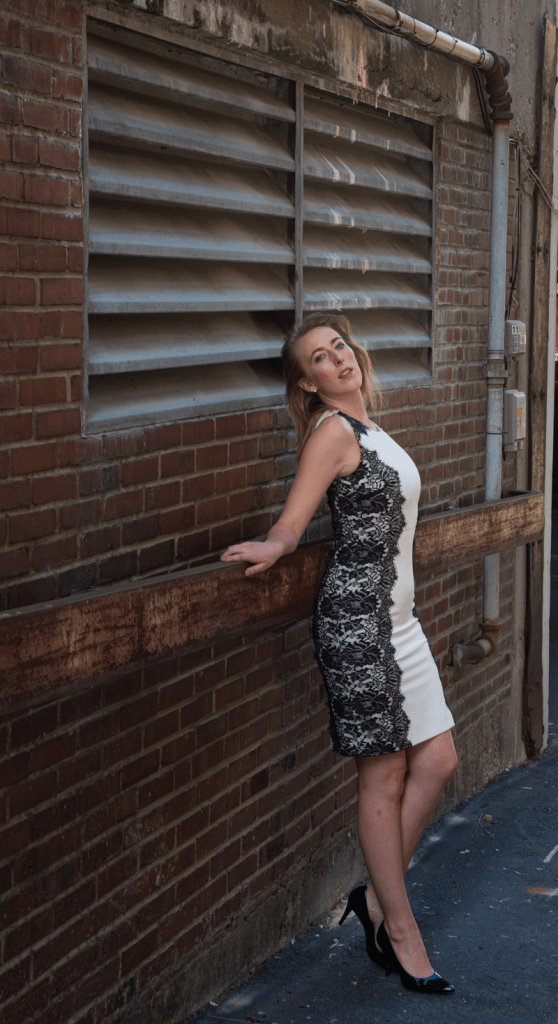
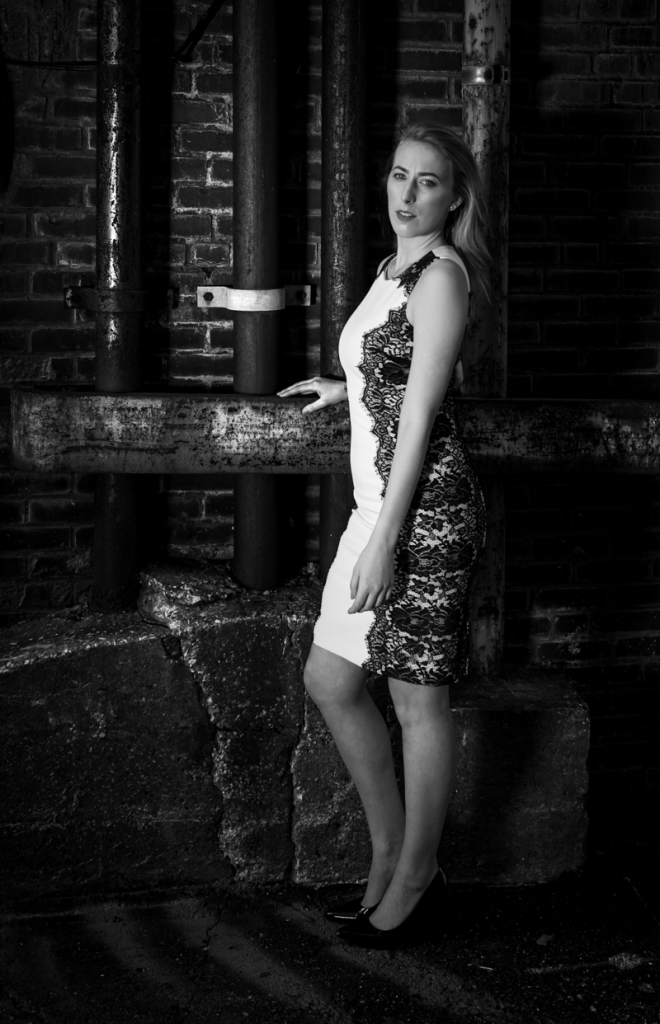
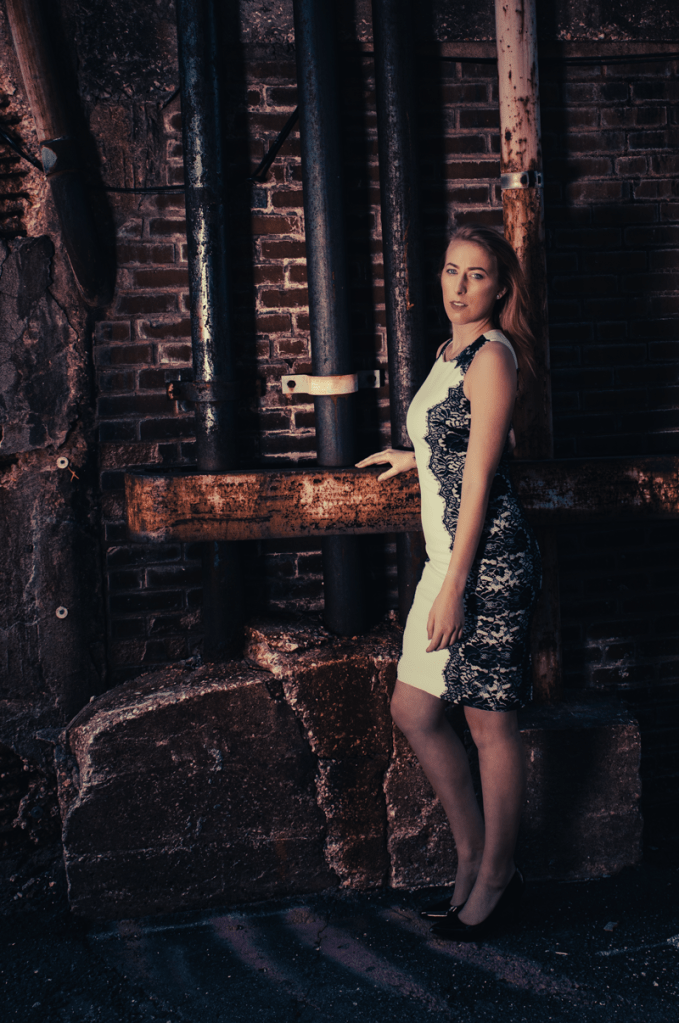
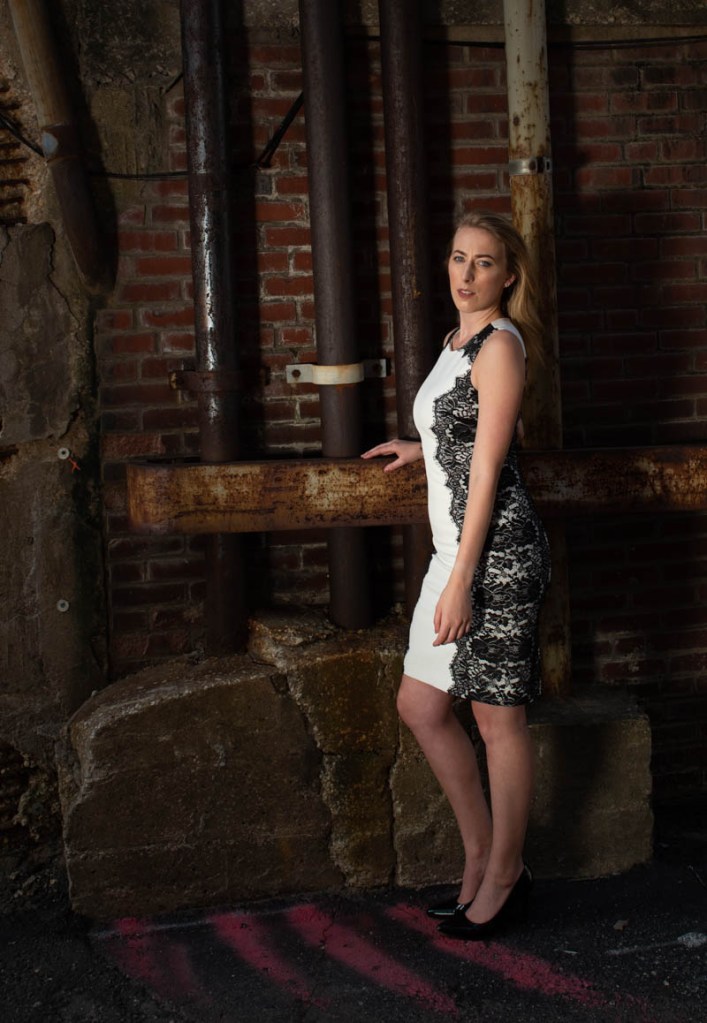
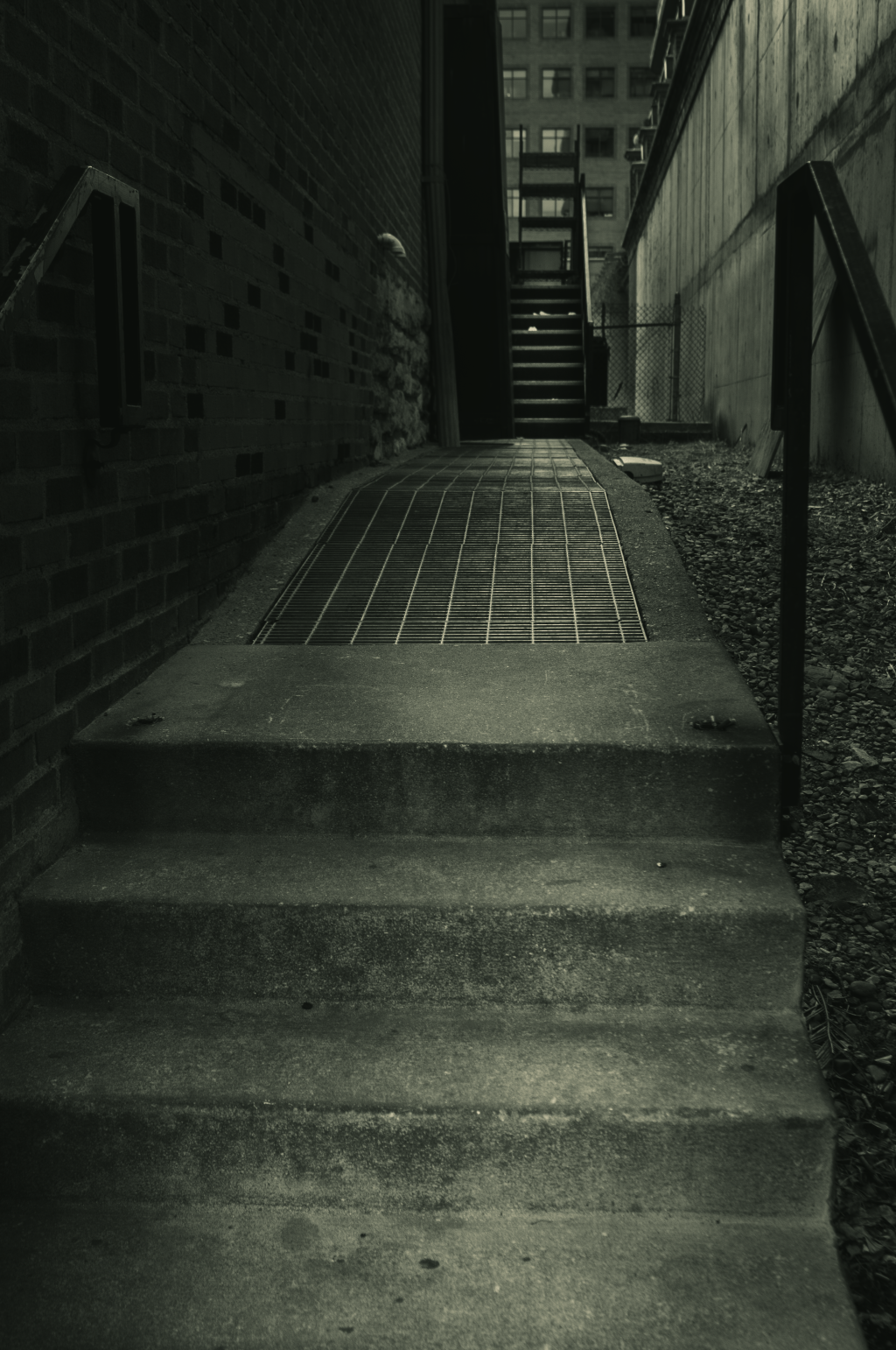
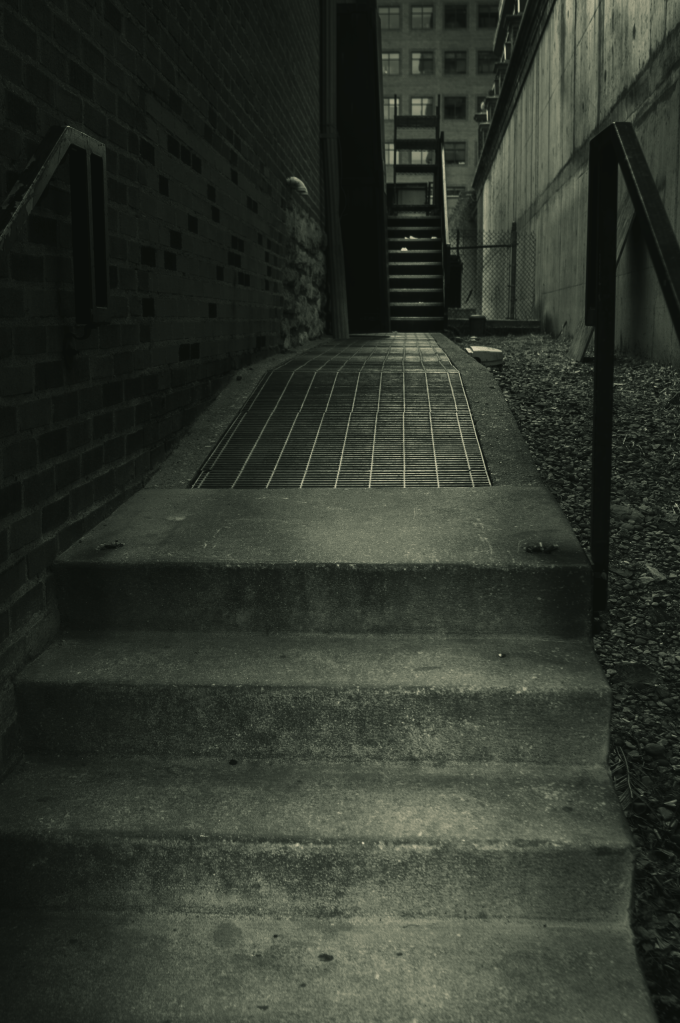
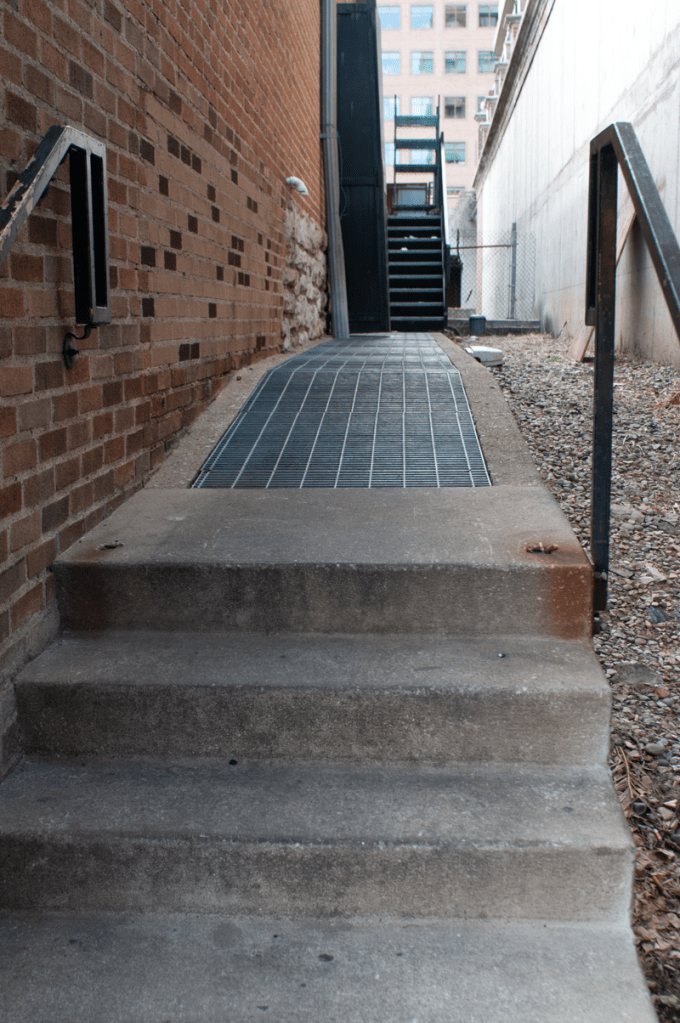
I am working towards becoming a fine art photographer, thus I use the term photographic artist. I’m not sure I have made it yet, but I’m working on getting my style(s) down. I am quite passionate about my stance on the use of post-processing. I don’t let the fear of reality or changing reality stand in my way. Let’s take a look at the photograph above in its original form.
I love photographing alleyways, but I’m often not in them when the scene looks the way I envision it because sometimes they are in bad neighborhoods where I don’t want to be at night.
Don’t let the neigh sayers keep you from your vision. I rarely let others know just how much I may have altered a scene because it really isn’t important. What is important is that I created the art that I envisioned. Work your magic, create your art, and don’t listen to those who want to discourage you. Make magic, make art.
How seriously do you take your photography? Let’s face it, photography is an expensive hobby but does expensive gear show you take your photography seriously? I see a lot of photographers who profess their obsession with photography but yet they aren’t willing to invest in the one thing that will take their photography to new heights. I’m not talking about upgrading cameras or lenses. I’m not talking about buying the latest greatest craze. I’m not talking about using this computer or that one nor film versus digital. What I’m talking about is investing in yourself. I don’t give two hoots and a holler what kind of equipment you use or the media.
What do I mean when I say invest in yourself? I mean invest in your know-how, not necessarily paying for an education. I mean by reading, doing, studying, experimenting. I mean getting yourself into the mindset of an artist. I mean knowing when to just savor the moment and let the photograph go, when to take a camera and when to leave the camera at home. Investing in yourself also means self-care. Take a break if you need it. I’ve seen so many photographers burn themselves out, sell their stuff and never come back. Investing in yourself means don’t buy the presets or add-ons to your programs of choice but learning to build the style yourself.
Invest in your photographs by writing a short story about the scene or subject. Give your photographs titles. I always wondered why a photograph hanging in a gallery was titled “untitled”. Was the photographer/artist too lazy? Did the scene/subject not really mean much to the photographer? Was it something that the photographer rejected and someone, later on, discover it?
I’m guilty of these things as well so I’m telling myself to invest in myself. I’ve been negligent in not titling photographs. I’ve been guilty of not writing a story about a scene or subject. I’ve been guilty of letting the photograph go, or obsessing about the latest and greatest new gadget. Let us obsess over what really matters with our art, ourselves, and each other as artists.
When is good enough actually good enough? Do your photographs and artwork have to be perfect, or as close to perfect as is possible? Why or why not?
We often see this sort of discussion in terms of detail and sharpness. There is a group that believes photographs need to be “tack sharp” with all the minor details recorded. It also appears this mindset is growing amongst photographers but is it really necessary to be “tack sharp” and highly detailed? In some photographs that amount of detail and sharpness may be necessary but not in everything.
Sharp focus and detail are wonderful but they can also be a curse.
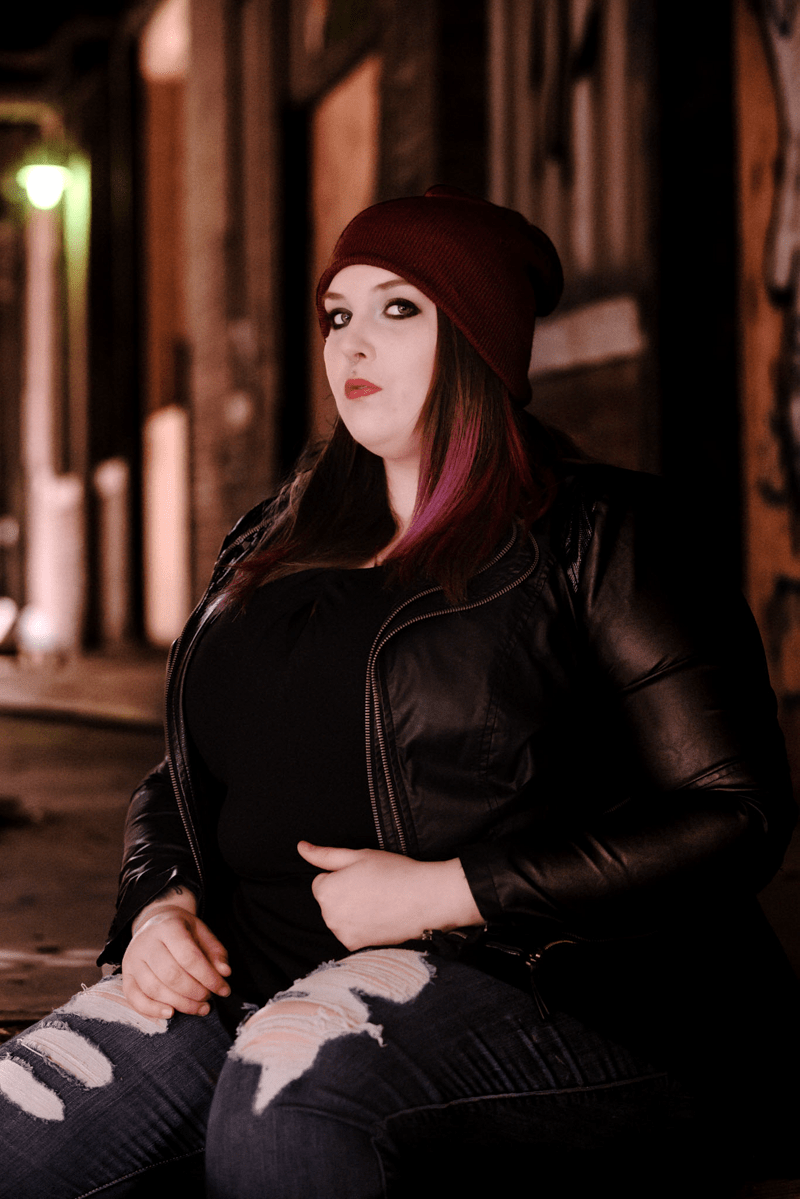
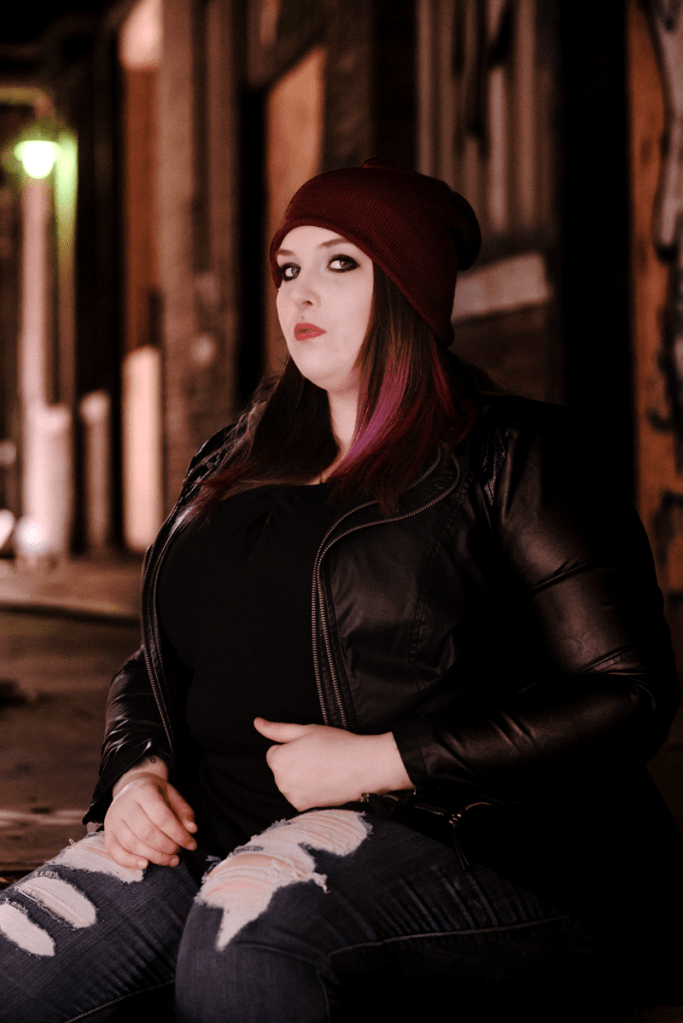
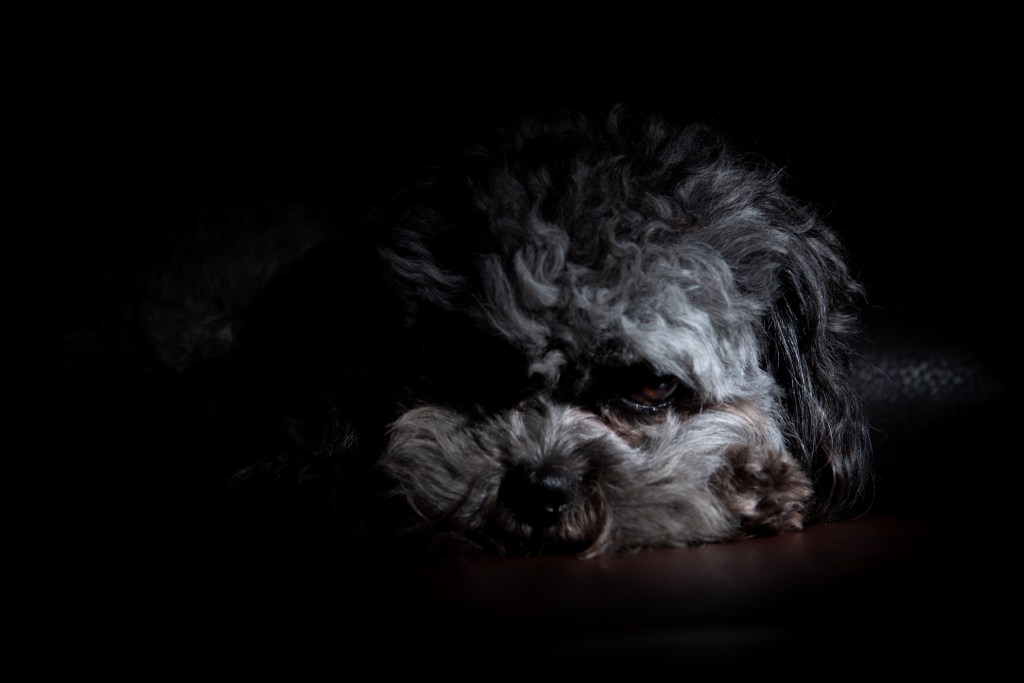
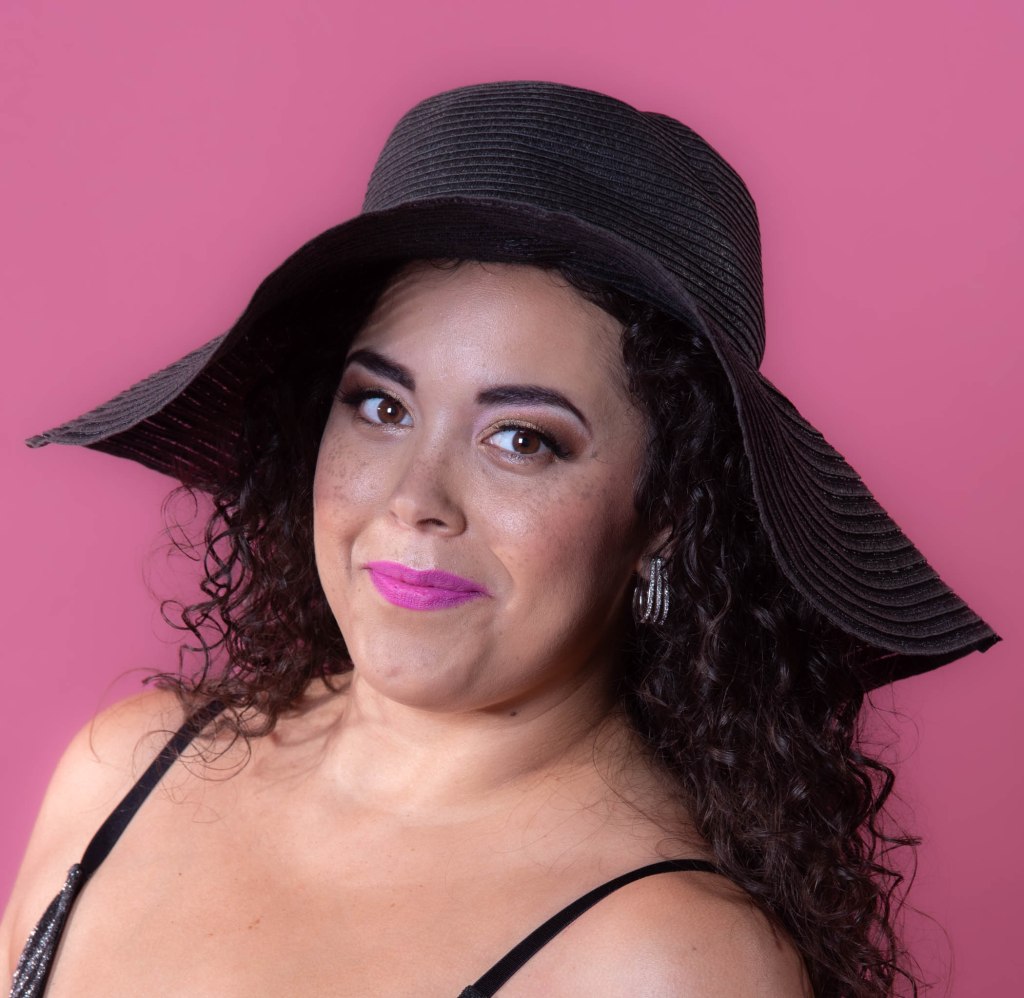
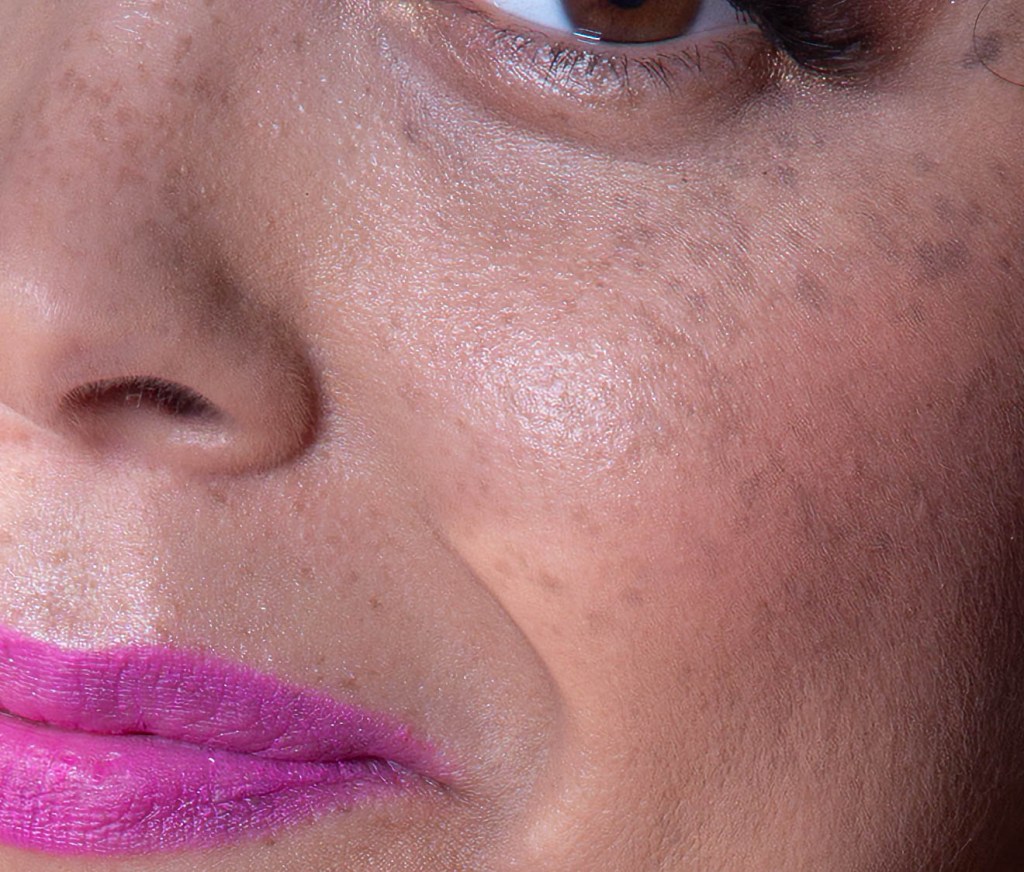
Super sharp lenses that can render all the minor details will show everything ruthlessly. Every skin pore, every bit of hair and blemish. Trust me on this one, the resulting image above is softened a LOT compared to the actual image on my computer screen.
My goal as an artist is to give enough sharpness and detail to convey the message I wish to without giving the viewer distractions or useless or unnecessary details. Back in the “olden” days, we used to use a variety of tools to give a soft look to images and this was before lenses and digital sensors were capable of rendering the level of sharp focus and detail as they can today. What changed? Was it that we were now able to achieve this level of detail and show off the quality of our equipment. Has photography become so narcissistic that we as photographers and artists have to show off the quality of our equipment rather than our artistic skills and creativity? Maybe we should obsess over the art rather than the gear and how “tack sharp” it can reproduce every minor detail. We don’t have to be scientists so we can study skin pores, tree bark, or insect shells and antenna. We don’t expect the same level of sharpness and detail from painters.
I’m not going to give up my quality equipment, not just yet, but I don’t obsess over the rendering of sharpness or detail. I, in fact, often soften a photograph in post-processing while developing the final version of my artwork. Let us lead the way to obsess over the art rather than the forensic science level sharpness and detail. Learn to convey your message using less rather than more. Remember the old adage, “less is sometimes more.”
I believe landscape photography is the most challenging genre of photography. People are easy to photograph. Almost anyone can make a decent photograph of a person. The subject in a photograph is easily established. The main point of interest in a photograph of a person can be more easily established. A landscape is much more challenging.
I know, there are rules of landscape photography, diagonal lines, geometric shapes, the rule of thirds, and framing.
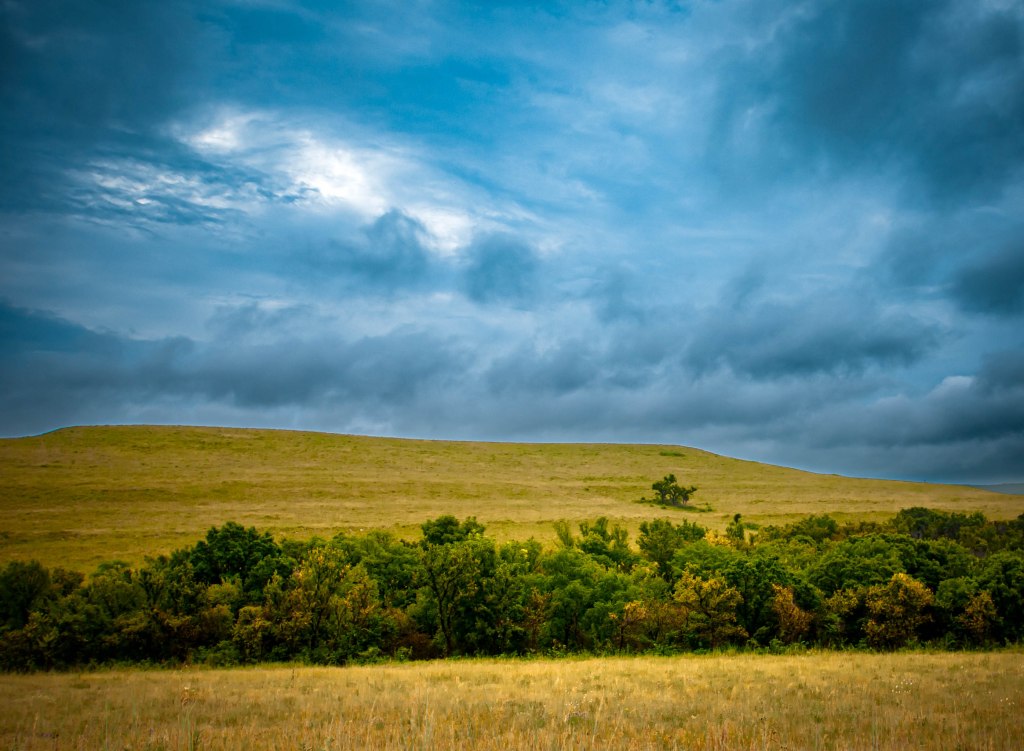
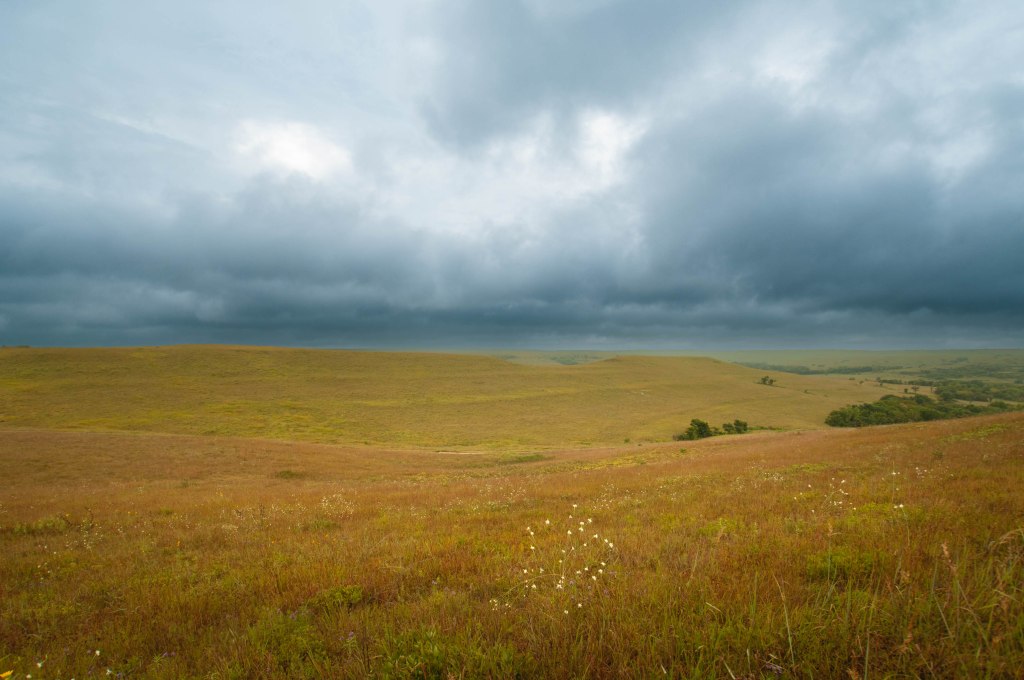
Then you get areas like the photograph below with wide-open spaces and few elements except sky and grass.
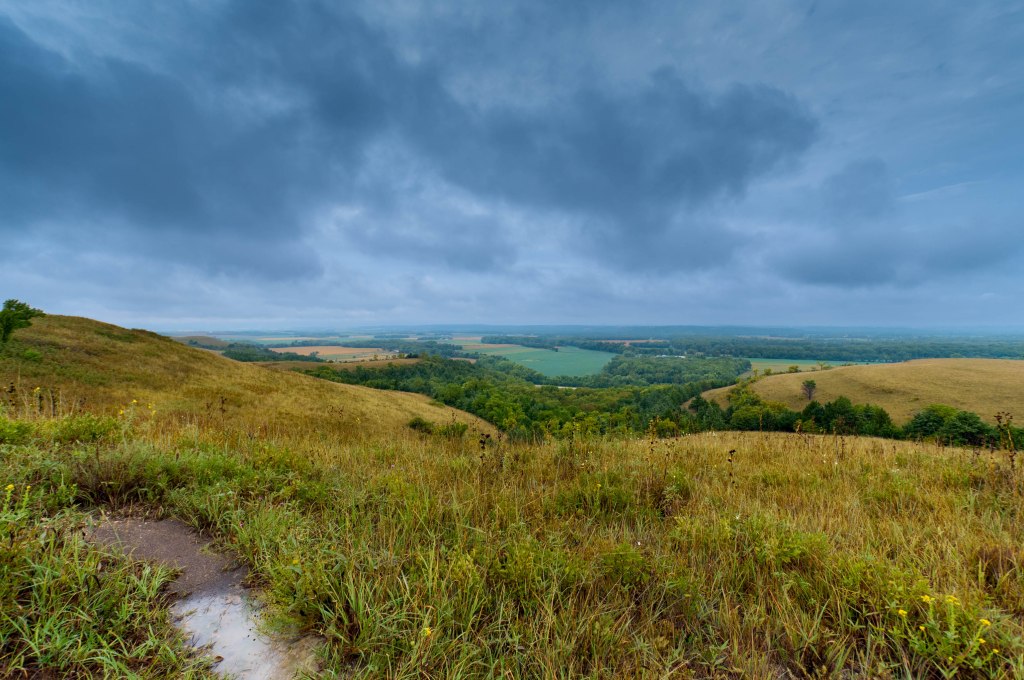
If you want a real challenge, wander about and look for landscape compositions in places with wide-open spaces with few trees, rocks, mountains, or waterfalls. There is beauty in these places and you will notice that beauty there but to bring that beauty to life in a photograph is a challenge.
Why do I do it? I know, it is a cryptic question and title. No, I’m not attempting to do a clickbait title. It is a real question and it pertains to a couple of different actions.
First, why do I do it, as “it” pertains to photography? For me, there are probably many reasons but I will say the most important is that photography gives me a venue to express myself artistically. I enjoy getting a final product. Something that both myself and others think is interesting, compelling, an object of beauty, emotional, or thought-provoking. I spend countless hours reading, studying, experimenting with, and practicing my photography skills. It is one of my life obsessions. Photography is something I can become very compassionate about.
The other “it” to which I refer is this blog. There are days I get disillusioned with the few views I get, but then I remember I started this because the blog and writing are an extension of my photography. I also have a few readers that are very regular and occasionally I hit a chord with them. As an example, last night I received a message from a reader that consisted of a link to an article. The link was to an article, Postmodernism in photography. You can find the article here. The reader and friend said the article reminded them of some of my posts on straight photography. This is wonderful to me because it shows me that the size of the audience doesn’t always matter as long as I can make some connection. I am fortunate that I have a few readers of this blog who have made a connection and that is what keeps me going.
This is why I do “it”. I’m sure you all have your reasons and may, from time to time, ask yourself why do you keep going because it doesn’t seem like anyone is paying attention or is interested. It doesn’t matter how big your audience is, keep plugging away. Sometimes, you may not know who or how you’re making connections. You may be surprised. Keep creating your art, your writing, and sharing your creative ideas and concepts with the world. You may be the motivation others need or want.
Who decides your work is art? Is it you, the artist? Is it your audience? Is it an art curator? Is your work not art unless it is or has been displayed in a gallery? Who decides?
There are those who argue that art is what the artist decides. If an artist creates something with intent, it is the intentions of the artist that make something art. There are those who argue that it is the audience, the viewers of the work whose decision makes something is art. If they don’t determine the work to be art, then it doesn’t matter the intentions of the artist. There are those who say it is the powers that be, critics, journalists, curators, gallery owners because they are the trained and educated eyes.
For me, it is a combination of at least two of those groups. Certainly, the artist has a play in it, but what about people like Vivian Maier? She probably never intended her work to be considered art and yet today her work is displayed big name galleries. In Vivian Maier’s case, it is the “powers that be” and the audience who decided.
Since not all of us will ever have our work displayed in the big name art galleries, it comes down to our intentions as an artist and our audience. The size of our audience is often irrelevant as long as it extends beyond ourselves.
Certainly we should listen to the powers that be, the critics, the curators, and the gallery owners as they may help us to grow and mature our art, just as our audience. Without the outside influence and views of others we do not grow and mature as artists. Listen to your audience and the critics to grow your art into the masterpieces you dream about.
Yesterday’s blog may have confused some people, but to me, that is sometimes a good thing as it leads to a discussion. For me, there are three general categories of photography; fine art photography, representational photography, and commercial.
Fine art photography is created in line with the vision of the photographer as an artist to convey a message, emotion, or idea. Representational photography is to create a visual account of a subject or event representing objective reality. Commercial photography is to sell products or services.
I strive to practice fine art photography the vast majority of the time. Yes, I can occasionally delve into representational photography or even commercial photography, but my goal and intentions are to create fine art. That is my passion. That is why I don’t take hundreds or thousands of photographs per month. I wish to convey a message, emotion, or idea with my photography. I become bored with just taking a photograph to objectively represent a subject or scene.
I am a photographic artist, practicing fine art photography. For me, it is more of a challenge to engage your audience than merely being representational. Set a challenge for yourself. Follow your path.
Labels and titles, we all love them and hate them. Many love putting those inititials behind or in front their name, PhD, CEO, DC, VP, PA, the list just keeps growing. We also like to get creative with job names, Chief Sanitation Engineer. We go to the coffee shop and order a coffee from a barista, literally a “barman/barmaid”, but barista sounds so much better, to us. So why do I refer to myself as a photographic artist?
I use the term photographic artist a lot. I refer to you all, my audience, as photographic artists, I call myself a photographic artist. Why not just say photographer? For me, there is a difference. Both take photographs but in my way of thinking for different reasons.
When I have told people I am a photographer one of the first things they ask, “do you do weddings?”. Often the first thing many non-photography people think of when they hear photographer is you’re a wedding photographer. No, I don’t do weddings.
I adopted the term photographic artist because I work towards creating art with my photography not a Xerox copy of a scene or subject. For me, the term photographer describes one who takes photograph that may or may not be art, portraits, commerical, product, architecture, journalistic, or artistically. I use photographic artist just as a person uses photojournalist. The term photographic artist narrows down my range a bit to define my intent to create something artistic, even a portrait.
My goal is to get more photographers to join me in the creation of art through the use of photography. Follow along with me and become the photographic artist you want to become.
Photography is the only art form where some people require the artwork to represent reality. People don’t worry about reality in a painting. The artist can paint a scene as they imagine it or perceive it. The same goes for drawing or sculpture.
There are some forms of photography that must be as close to reality as is possible. Forensic and photojournalism, even though journalism as a whole has taken a hit due to both perceived and real bias or alteration of facts, but anything else, especially, fine art photography it should be left to the freedom of the artist.
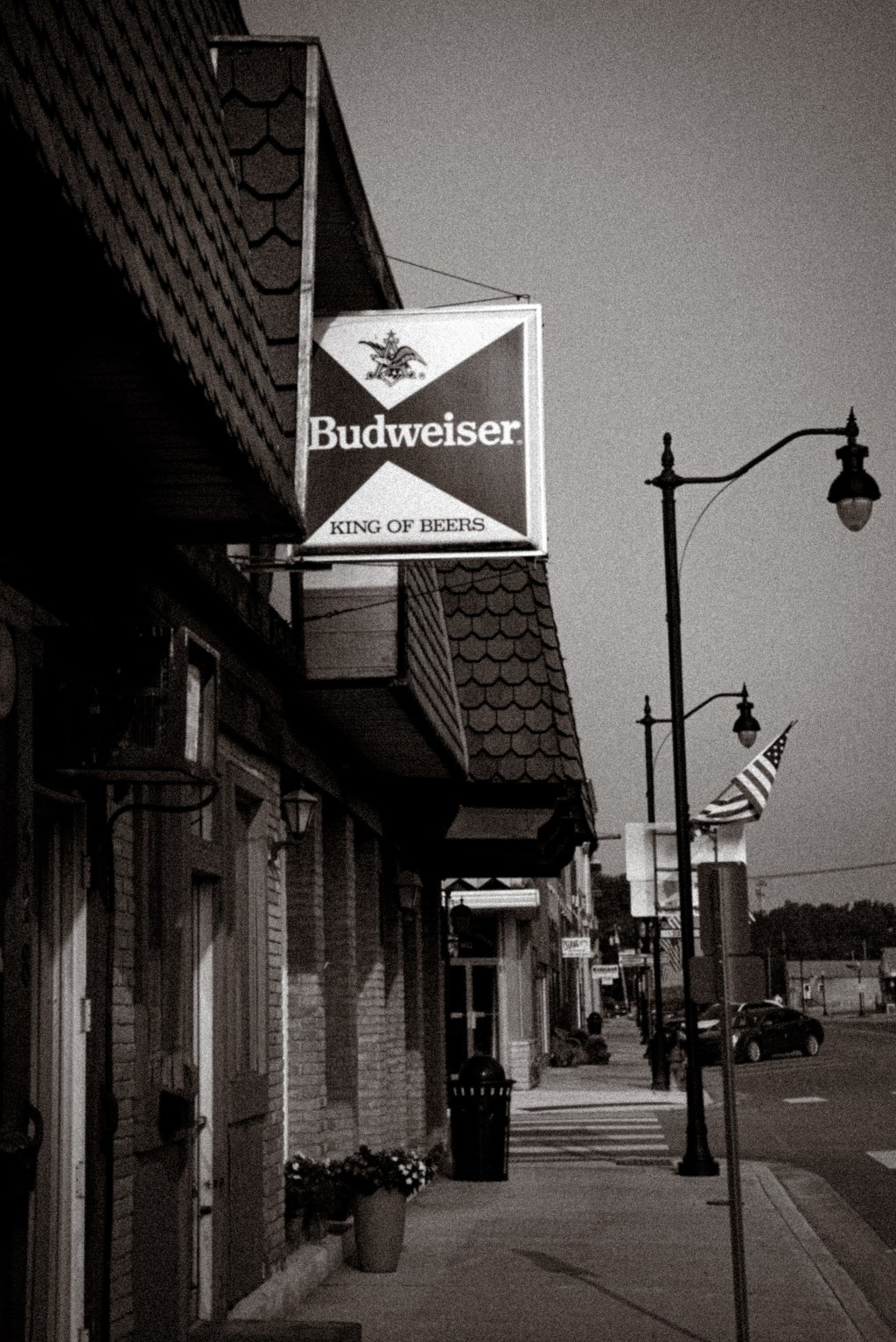
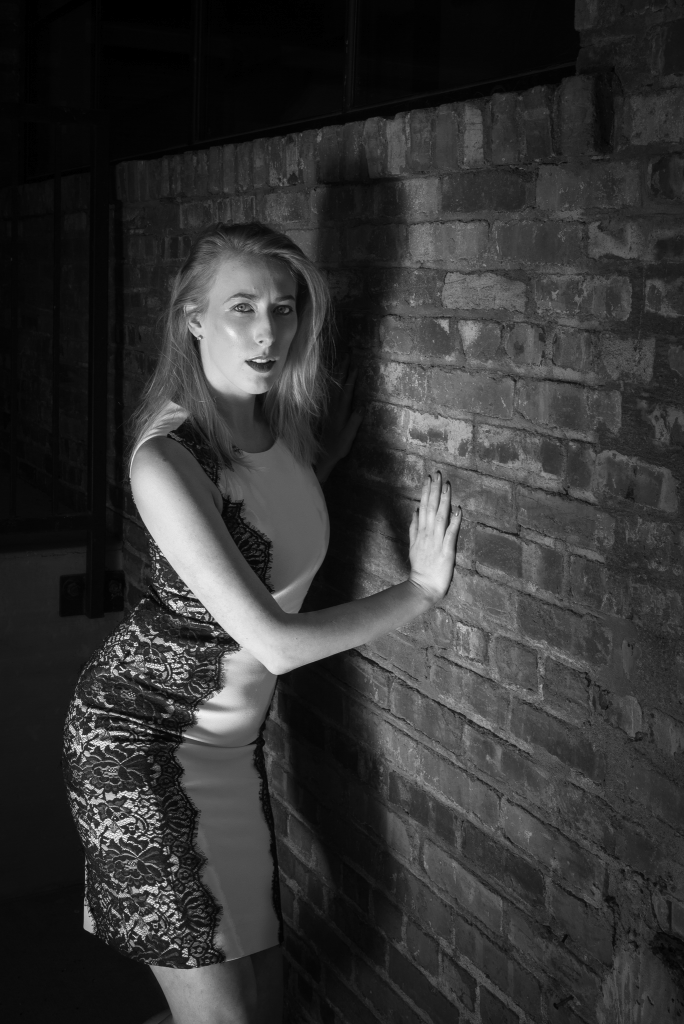
Let’s take a look at the image above and put it to the reality test. First, the vast majority of the world’s human population does not see in black and white. So immediately the image above fails the reality test. Okay, you say we can give that a pass. Below is what the scene looked like in actual reality.
This photograph was taken on the east side of a building at 1:40 PM in mid October. This was an alleyway in downtown Kansas City, on a bright sunny day. Off to the camera left is an assistant holding a large reflector. to light the subject. This is what the scene looked like in reality. Not nearly as interesting as the final image. With a little bit of creative light metering and the use of post-processing I was able to get the image below.
So, if this was my intent for a fine art photograph is this okay? Most people would agree it is fine, we’re “allowed” to do this level of manipulation.
How about the next image?
When we look at a scene like this we don’t see the smooth flowing water, but again we call that permissible.
The image above has the sky replaced, a “ghost” added, lots of dodging and burning. Now some would say we’re going too far that “we’ve altered reality”.
The image above versus the original below.
Now we have really gone too far for some. The final image is totally altered reality.
As a photographic artist to hell with reality and what the purists say. My goal is to create art as I wish. If you like it fine, if you don’t not my problem. Don’t let others stop you from creating your art. Don’t worry about altering reality. Make your art, that is where the real freedom comes as an artist.
I’ve discussed this topic in the past but I believe it needs to be revisited from time to time. Photography is one of the few art forms where we have a divide in mindsets over the process of creating a photograph. The divide is between post-processing and no post-processing, the anti-Photoshop snobs. (Note: I use the term Photoshop noun for Adobe Photoshop or any program that is similar.)
Why anti-Photoshop photographers are snobs
This may be a question you ask when I choose to call the anti-Photoshop photographers snobs, so I’ll explain my choice of words. Dictionary.com defines a snob as; 2. a person who believes himself or herself an expert or connoisseur in a given field and is condescending toward or disdainful of those who hold other opinions or have different tastes regarding this field:
If the discussion comes up between the pro-Photoshop photographer and the anti-Photoshop photographer we often get to the “I get it right in the camera” comment. This is just another way imply that the pro-Photoshop photograper is always just “fixing” an image because they got it wrong. To me, the photographer that says this clearly doesn’t understand photography, film or digital. These people never really worked a darkroom with dodging, burning, pushing/pulloing film, or any of the other advanced darkroom techniques.
The great master, Ansel Adams wrote a three book series, The Camera, The Negative, and The Print. Two of the three books are solely dedicated acheiving the final printed image, or 2/3s of the process of creating an image. Two thirds!
The goal isn’t to “get it right in the camera”
The anti-Photoshop crowd that argues they “get it right in the camera” don’t realize the goal isn’t to “get it right” because what is right? Who decides what is “right”?
Film and digital photography both have limits on the dynamic range they can record. Our eyes have a dynamic range of 21 stops of light. Typically, the best our cameras can do is about 15 stops of light, so I have to make a decision on what is “right” and with knowledge can split the difference if I want and bring back those stops I’ve lost.
Another issue. We see selectively. Have you ever taken a photograph and when you looked at the image later on see something you didn’t see at the time? I have. The best example I can remember was a nighttime photograph of a train station. I setup my tripod, camera, cable release, composed the composition, took the shot. When I got home and began to go through the evenings images, I realized the photograph I just knew was going to be the perfect photograph of the train station at night, I see something on one of the stations window frames. I zoom in, it’s a soda cup. I didn’t see it before when I took the shot.
I have seen very few, and I mean very few “straight out of the camera”, “I got it right in camera” images that I would say are fantastic.
The real reason for anti-post-processing
I can’t help but believe the real reason why these anti-post-processing people are sometimes so adamant about their hatred for Photoshop is it is a self-defense mechanism. They don’t know how to do it, they don’t want to admit they don’t understand something, so it is wrong and I am better because I don’t have to do it.
The bottom line
If you are like me and do post-processing using Photshop/Lightroom/or anything similar don’t worry abou the haters. They’re just envious of our ability to perform tasks they cannot perform or understand. Do your thing. Take your photographs and process away, we are the true photographic artists.