My intent when I write my blog posts is to, hopefully, prompt thought about our craft. Rarely do I write to provide instructions on how to create better photographs but rather to stimulate our minds to follow a path of creating art. I consider my daily ramble “photography food for thought”. Hopefully you will continue to follow along and we can generate conversation about the “food”. As long as the conversation is stimulating and thought provoking, I welcome comments about my daily ramble. I like to believe that together we can work towards creating more engaging photographic art.
For me, my photographs are never “good enough”. I am constantly working to improve my technique. I often go back and rework older photos or reshoot an older theme in another way hoping to improve on it. I’ve reworked and reshot more photographs of mine than I can count. It is all about improving, not just snapping and posting.
Some would say we all have our own style or “hey I am making money”. If you’re not growing and improving as a photographer, you are destined to fail in my opinion.
So many times, photographers are overly obsessed with copying or recording reality, but what is reality? Is it the way nature truly exists or is it constructed in our minds. If you’re inclined to read article to help understand this phenomenon, go here.
This visual interpretation of reality truly comes into play with our visual art, photography. What some see as reality may be quite different than what others see as reality. This is why I have become a huge fan of post-processing my images. In many cases it may be extremely difficult, if not impossible, to remove distractions from a scene. Sure, I could take time and move trash, trim the brush and leaves but then the light may be different. If we set up additional light sources, we have altered reality. If we setup a backdrop, we have altered reality.
In my view of the world, I see light, shadow, and vibrant colors when looking at a scene to photograph. In my reality, the camera does not always record the scene the way I viewed it at the time, therefore, I must re-create the scene in post-processing. Is it altering reality or is it bringing my reality back for others to view? I like to believe it to be the latter.
I read an article that had an embedded video which featured two photographers discussing social media viewers of their work. The title of the article was “No one cares about your photography. (And that is okay), find the article here . What I thought was interesting was I didn’t get that thought watching the video. Just because you may not get the comments or “likes” on photographs which you share on social media as you do others does not mean that “no one cares”.
To me, art is meant to be shared and viewed by others. If we go to an art museum there, for the most part, isn’t a spot or location where we can post our “likes” or comments but that doesn’t mean we don’t care.
If we don’t share our work outside of our “circle of friends” we continue to live in a closed environment and may never grow or progress as artists. It isn’t that we are interested in producing work to please others but rather may gather information that helps us produce better work and grow.
So, are we wasting our time sharing our work when seemingly no one comments or gives us likes? I don’t think so. I do my photography for me to share with others. If only a handful of people like it that is fine, whether or not they say they like it or not is also fine.
Yesterday, I read a quote that reads, “The photograph should be more interesting or more beautiful than what was photographed”. This is the secret to great photography. This is why I say post-processing is a must. If you shoot film and don’t develop your own this can be challenging as you have little control over processing times or print making. Fear not though, there is a way. Scan the negatives and then import them into your favorite photo editing software and now you have control over contrast, burning, dodging, and much more.
My belief is that I create a scene to look as I envision it in my mind. Create art, don’t merely photograph.
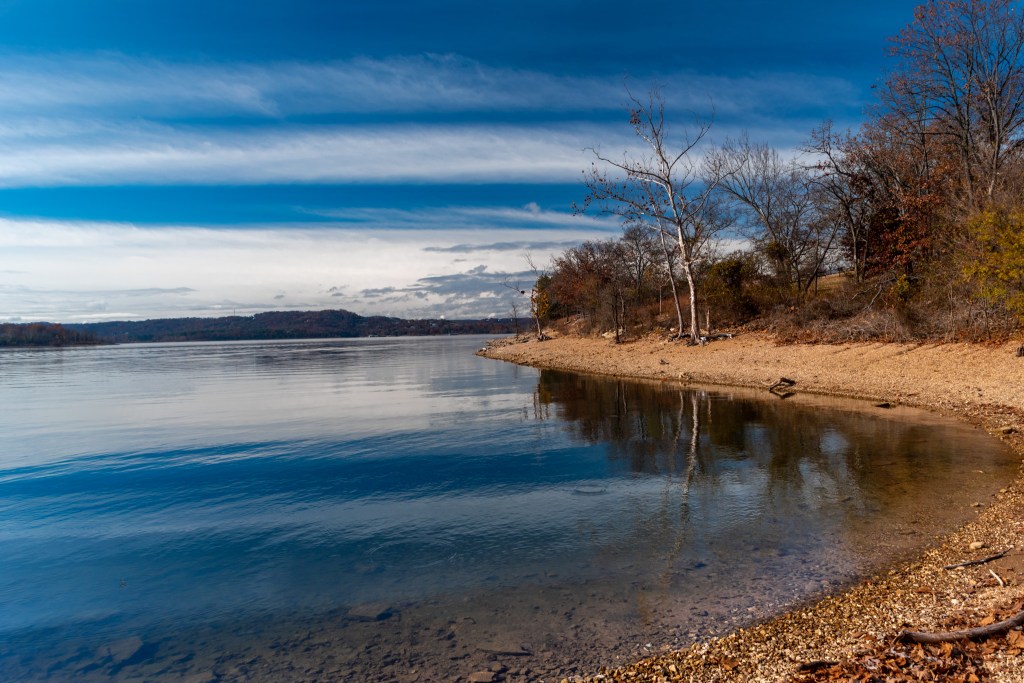
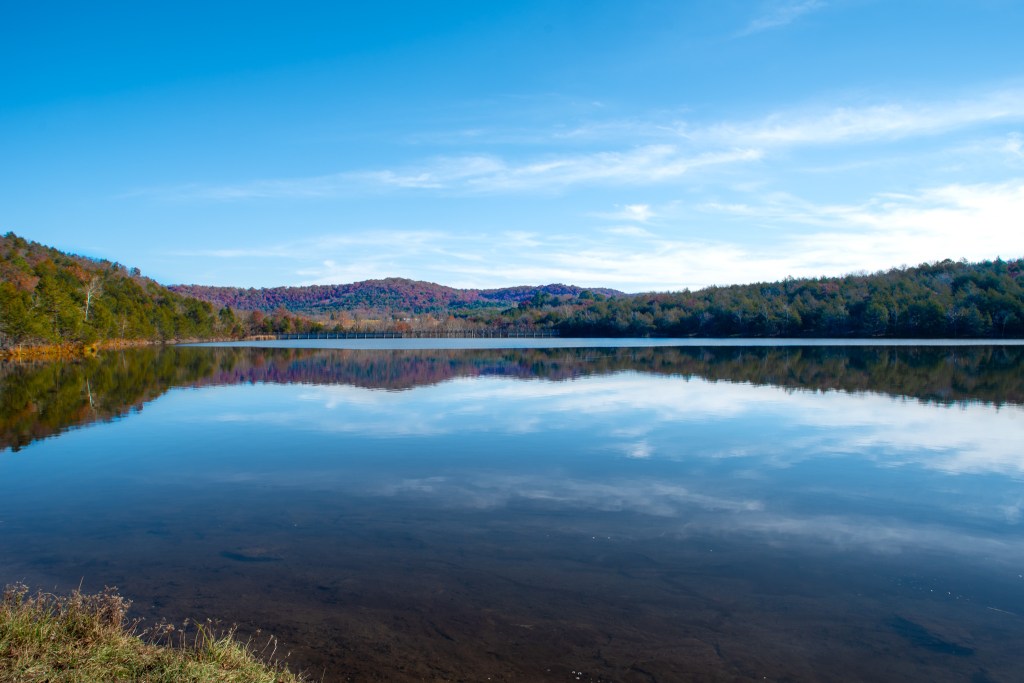
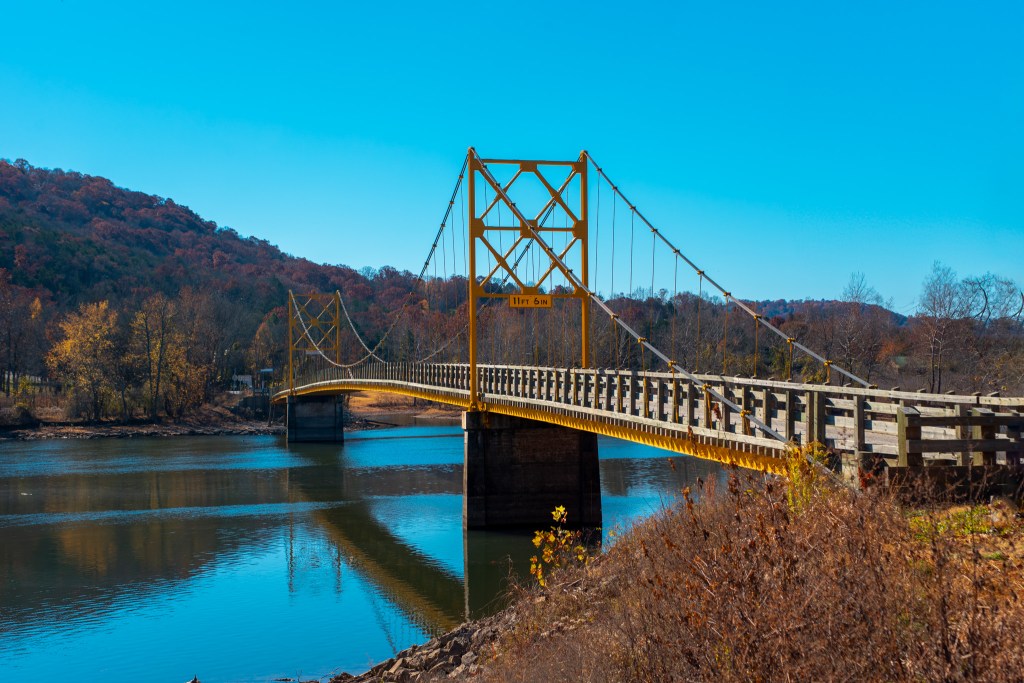
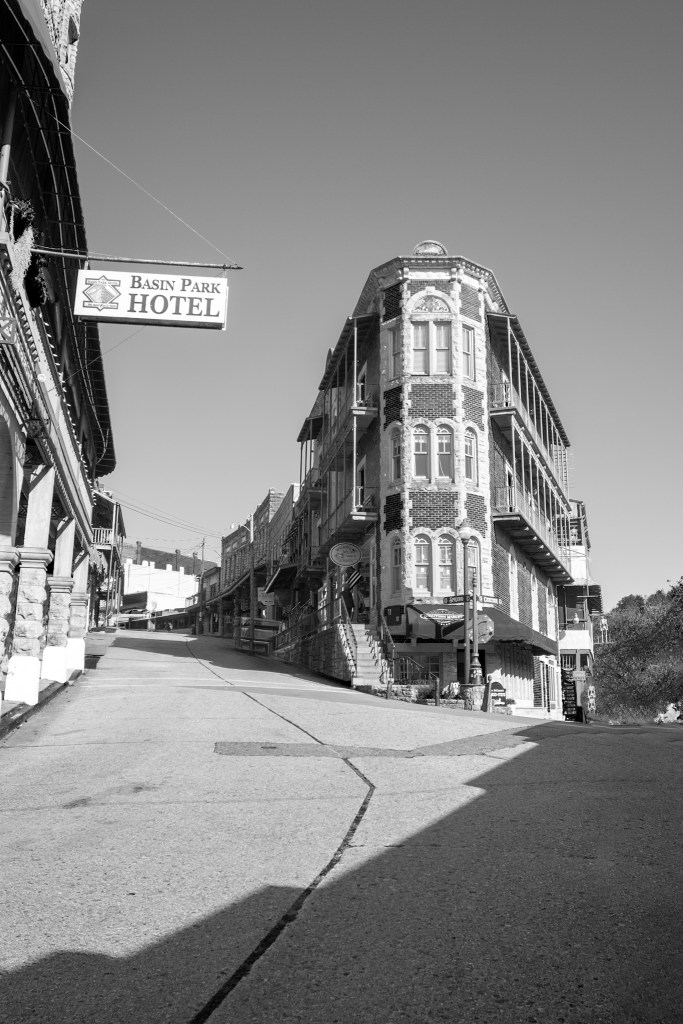
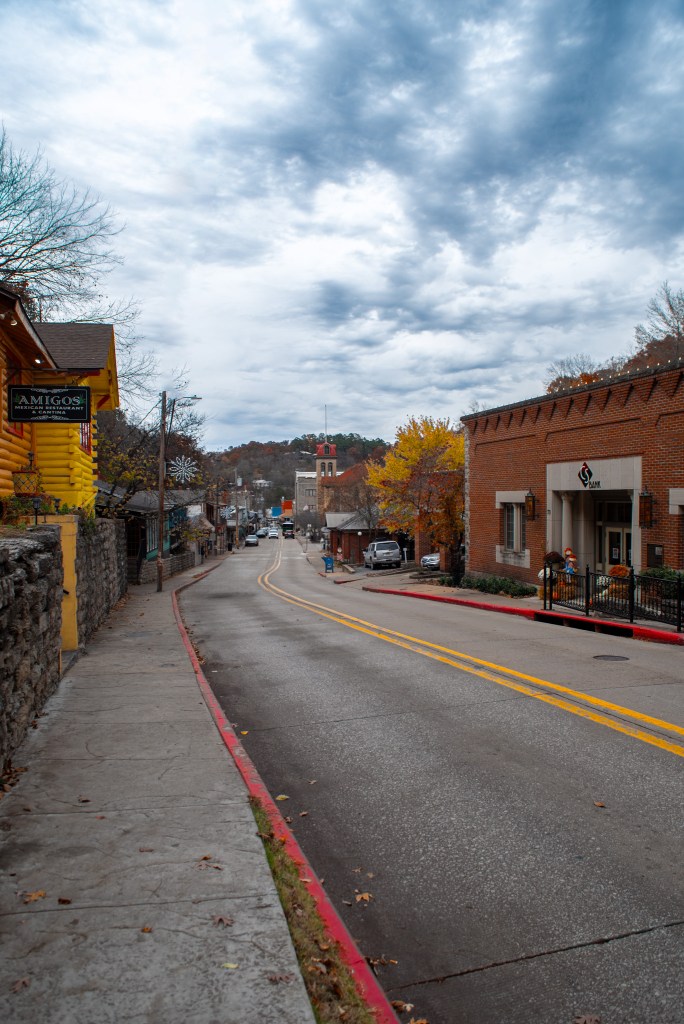
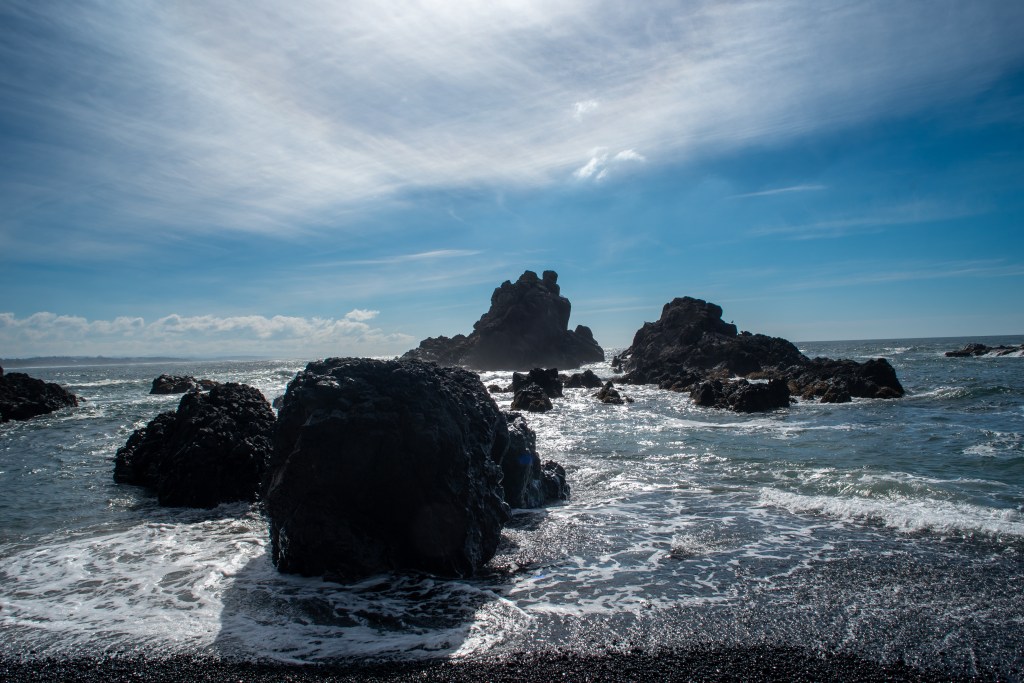
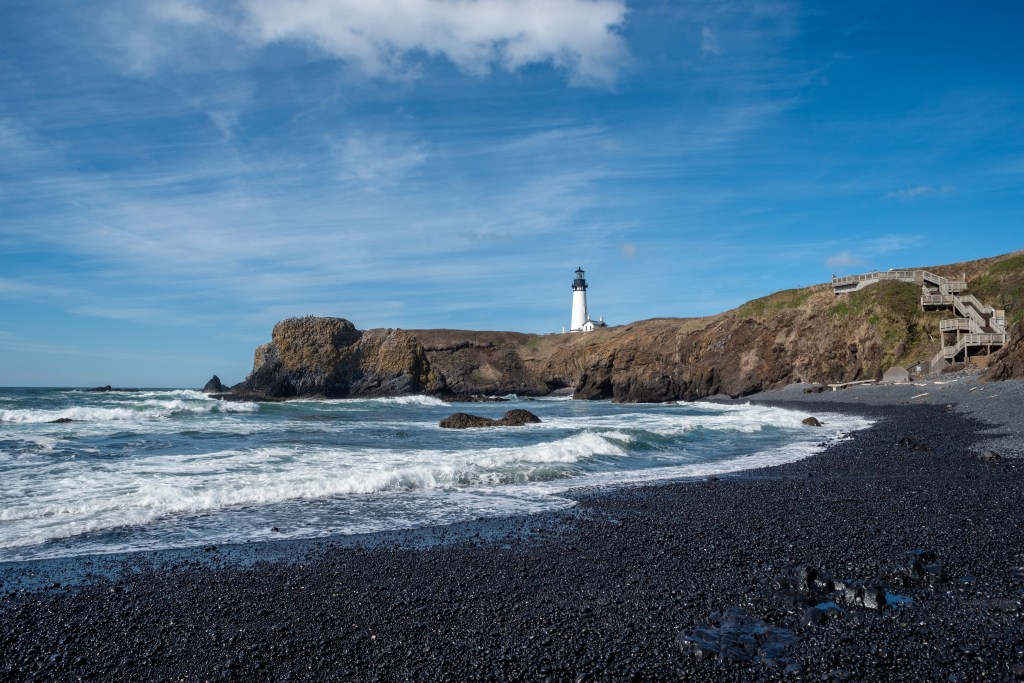
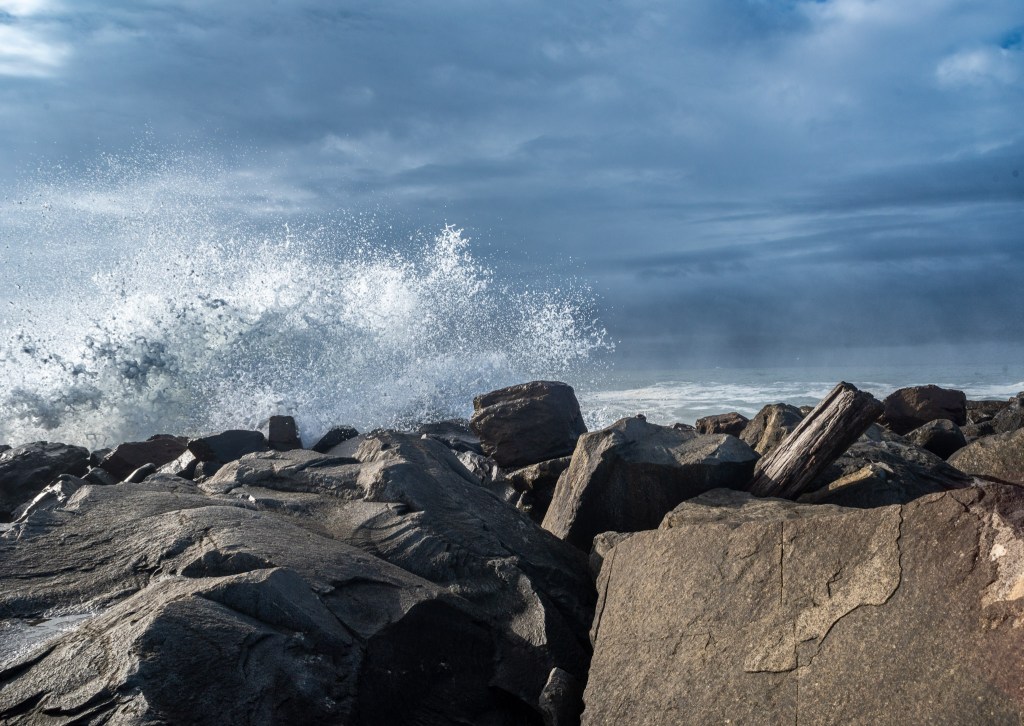
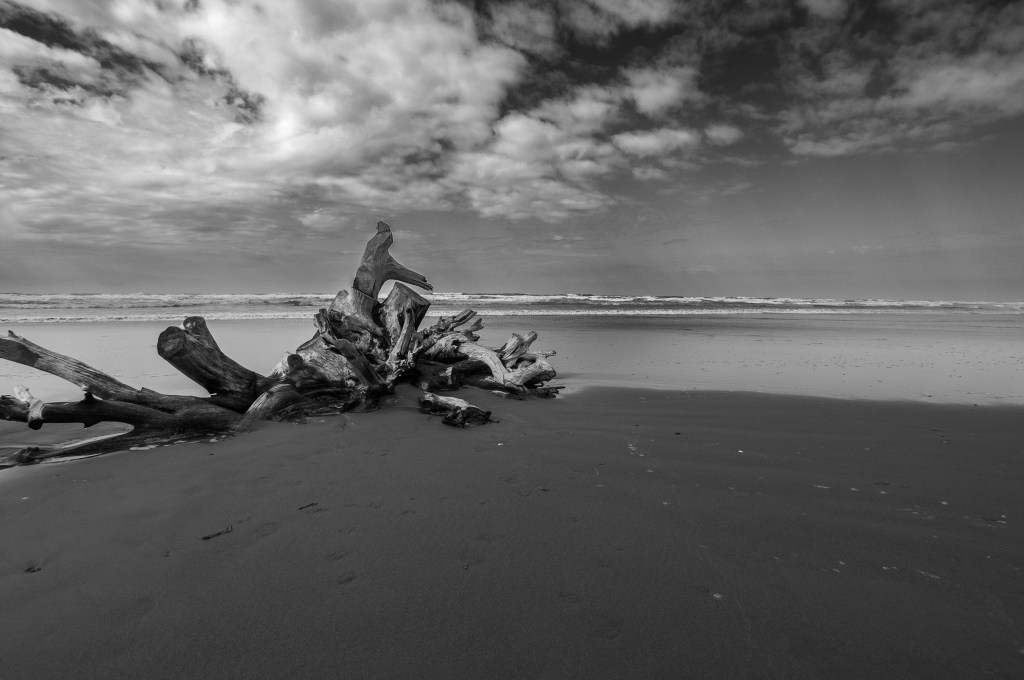
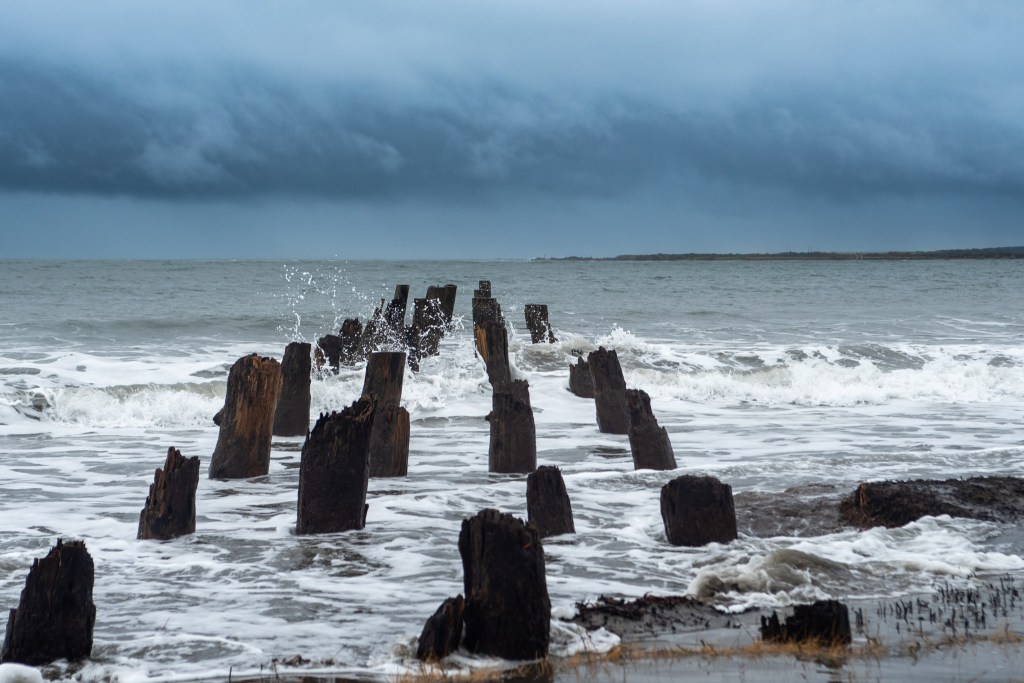
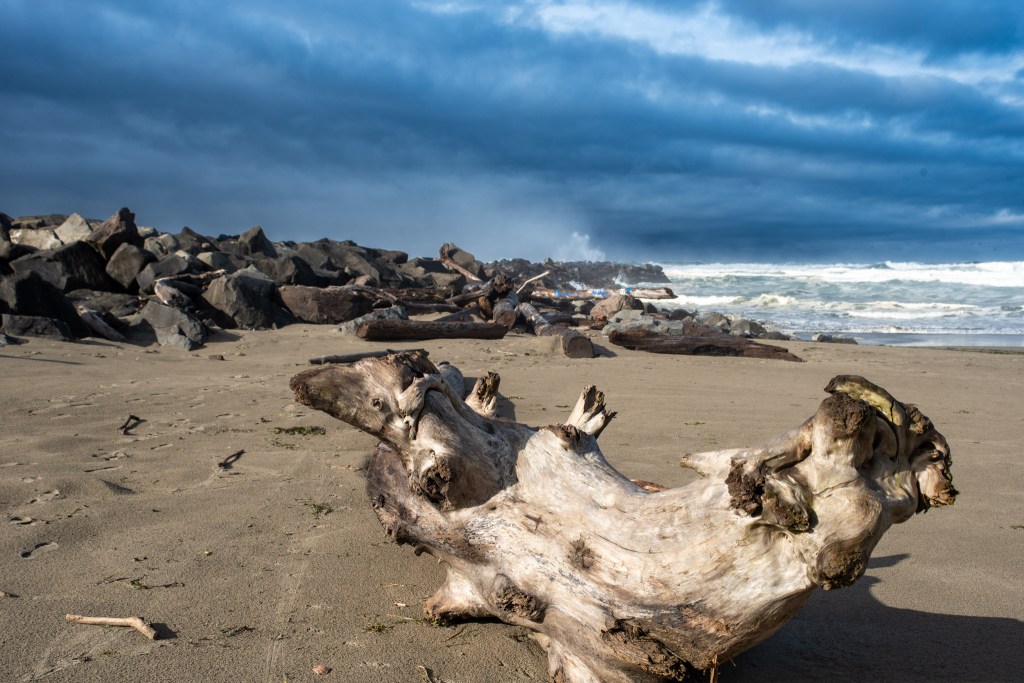
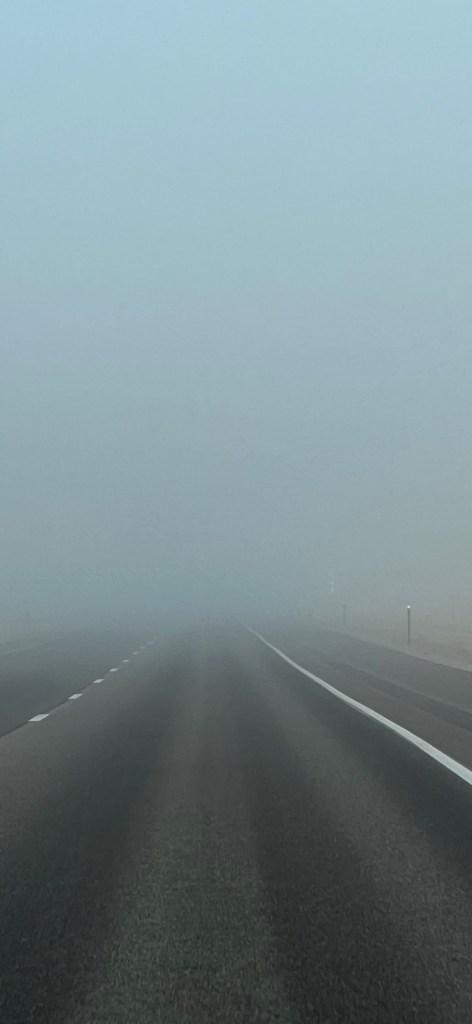
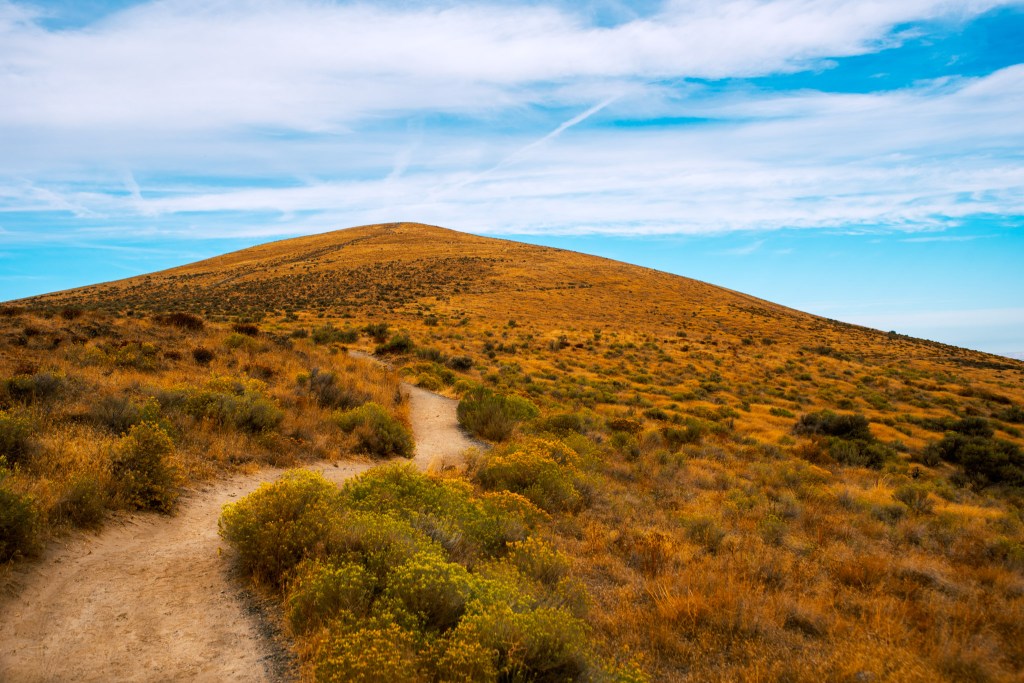
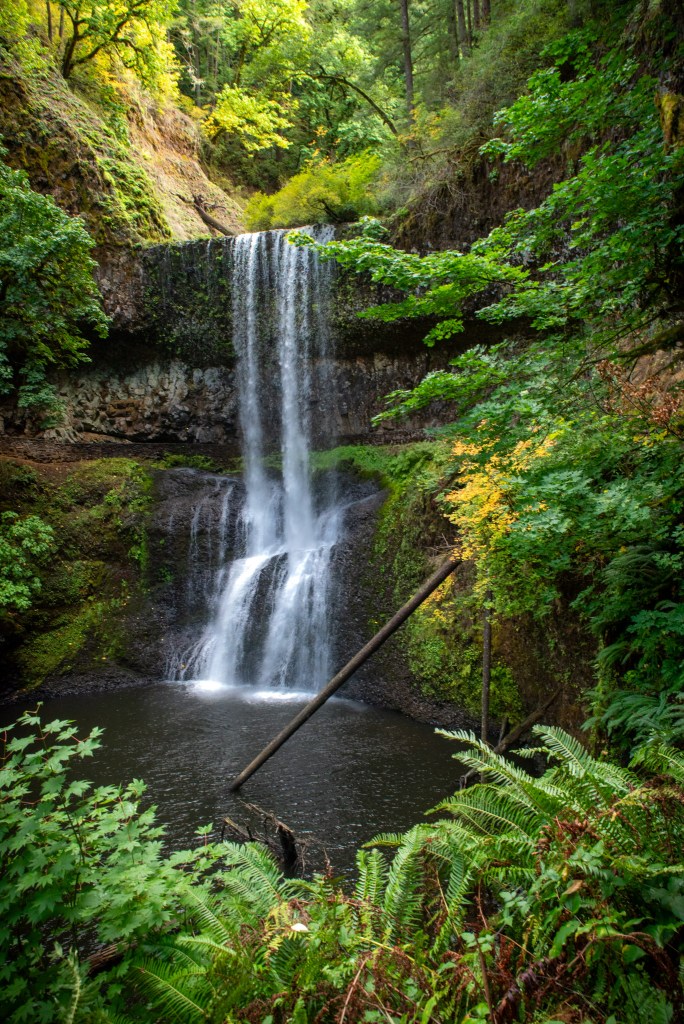
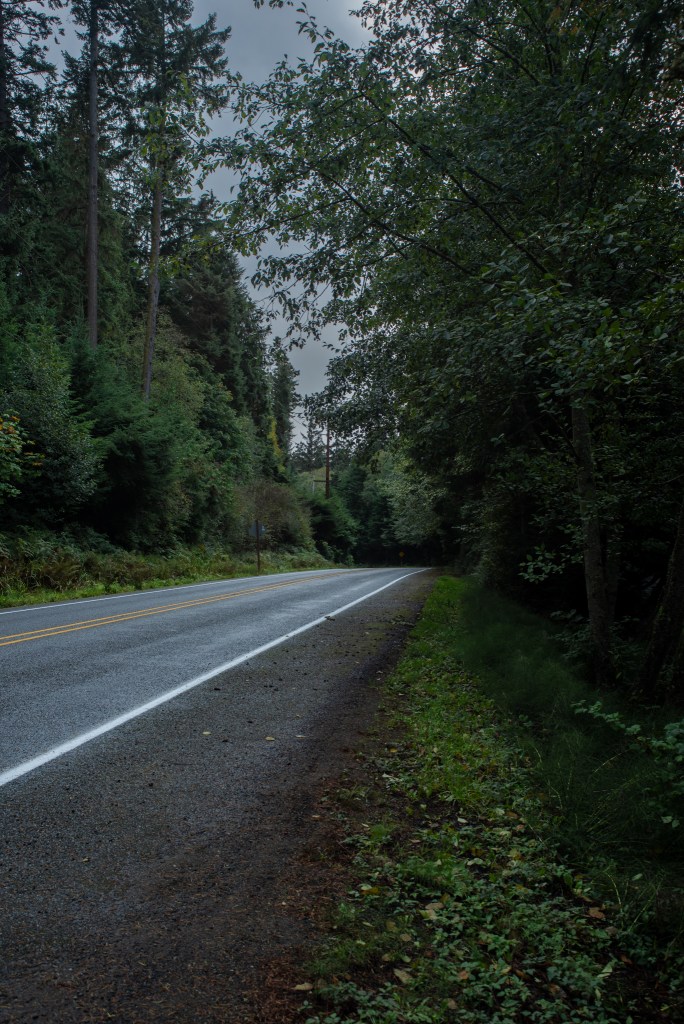
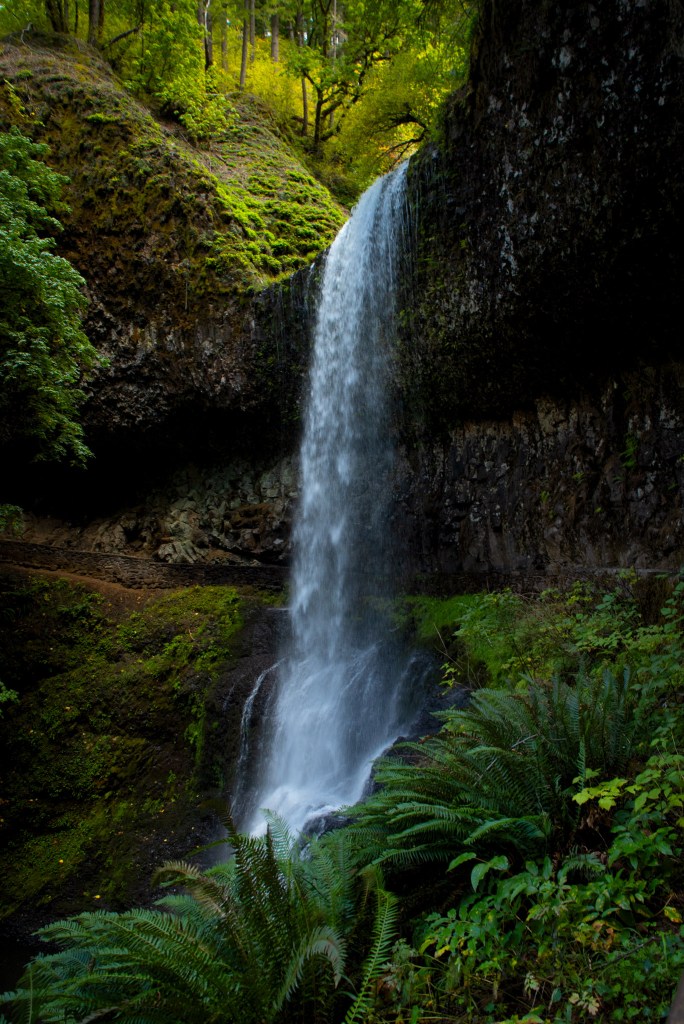
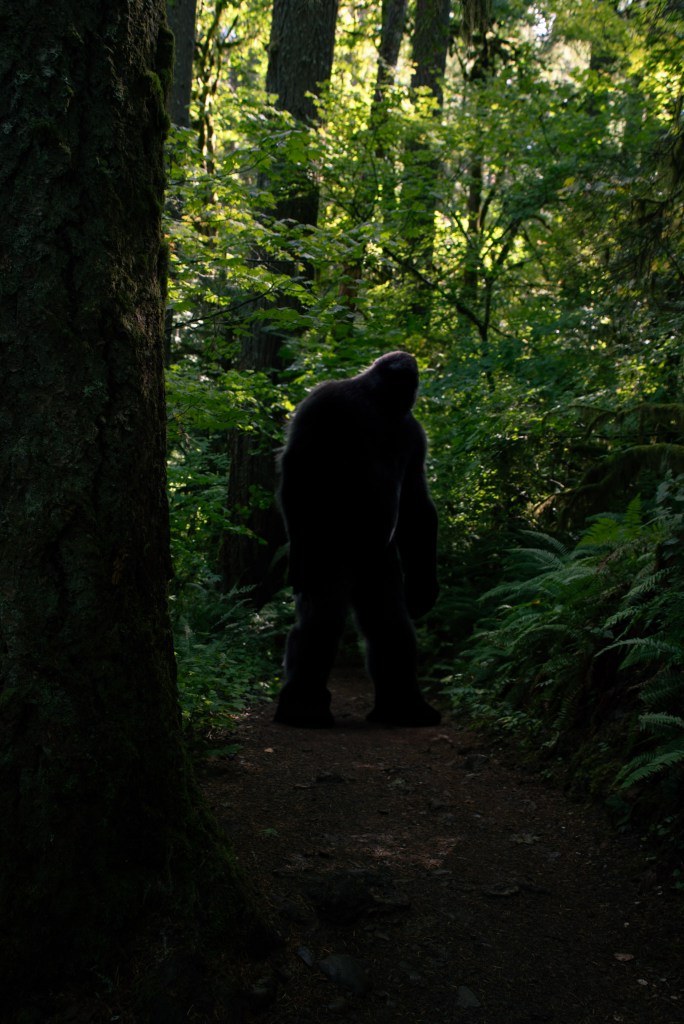
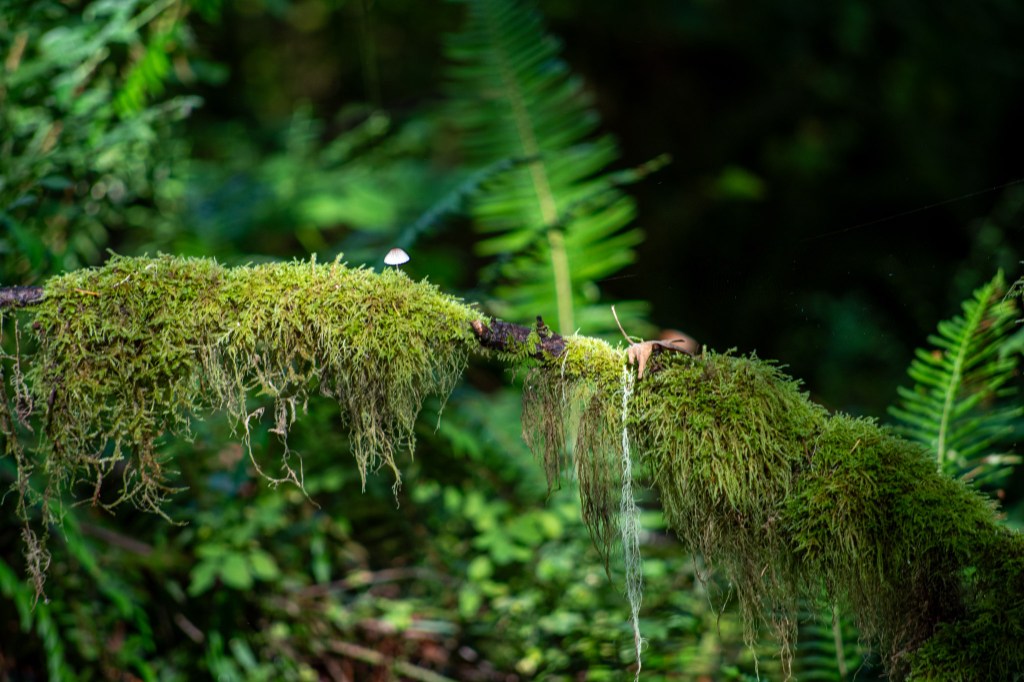
In the past 10 weeks I have travelled nearly 7,000 miles going from Kansas City to the Pacific Northwest and down into northern Arkansas. I have lived in a variety of motels and Airbnb’s ranging from houses to apartments. I have photographed places and sites without a guide except the internet. I’ve met a wide variety of people along the way. Sit back and enjoy some of the sites I have seen during my travels.
It is easy to just point your camera and push the button however I believe it is also easy to do a bit more and create the vision you want. We all view a scene a bit differently. I typically envision bold saturated color. I also have a tendency to eliminate distractions in my mind. The camera, on the other hand, is ruthlessly accurate. Today’s lenses are ruthlessly sharp. By the same token, photo editing software has become much more powerful and easier to use.
Ansel Adams once said; “You don’t take a photograph, you make it.” If you have ever studied Ansel Adams, he was meticulous at setting up to expose the negative. He was even more meticulous in the darkroom at developing the negative and then the print. Become your version of Ansel Adams, meticulously set up the scene, adjust the focus and camera settings to capture the best image you can to create your vision. Notice I said to capture the best image you can to create your vision. This may mean a different exposure than what your camera suggests. You may want details in highlights and shadows so you work to ensure both can be captured or you may not want details in those areas.
Once you have your starting point then take your image to your darkroom, or lightroom for digital images, and tweak the image to fulfill your vision. Envision what you want and then work to create it.
I see people talk about this all the time but, in my most humble opinion, there is no such thing as “getting it right in the camera”. First of all, what is a “proper exposure”? Many would argue that a proper exposure is where there are no blown highlights or lost detail in the shadows. To that I say have you ever looked at a scene and some of it was too bright and other areas too dark. Secondarily, the image must be processed first, or we cannot see it. Even with film, we must process the film in a solution of chemicals to create a negative, or in the case of slide film a positive. The mere choice of chemicals and processing methods alters what was captured in camera. When we discuss digital images, the image must be processed from the collection of 1’s and 0’s. Finally, there is the vision of the photographer. How one photographer views a scene may be very different than another.
I love it when I hear people say this especially when they are “photographers”, or in my mind “fauxtographers”. Cloudy days are the best. I have never found a bad day for photography. Each day is a new opportunity to capture wonderful scenes and subjects. I may have to vary my technique a bit, but it can be done.
Along the same train of thought many of photographers will complain about the light being too harsh and won’t photograph midday. Just like anything else, you merely adjust your technique. Why limit yourself to only a few hours a day? Fortunately, I have photography friends that also believe there are no really bad days for photography or bad times of the day. Go for it! Expand your skills to allow you to photograph whenever and wherever you are.
There is often the train of thought that every photograph a photographer takes has to be an award-winning orgasm causing awe-inspiring image. Well, it doesn’t. Not every photograph has to be innovative, inspiring, or breath taking. To believe that everything has to be awe-inspiring, award winning, and innovative would be overwhelming even for the best photographer.
Certainly, we as artists, strive to bring our emotions and feelings to life in our work for the viewer to enjoy but why can’t that viewer just be yourself? If others enjoy your work, it is even better. I believe far too many photographers believe that photographs have to inspire others rather than themselves. Take photographs you enjoy as the artist while pushing yourself to higher goals. Don’t do it to please others, do it to please yourself.
I also believe that there are times when we should just sit back and take in the view. Sit the camera down and just enjoy a scene with our own eyes.





 Photographer Clay