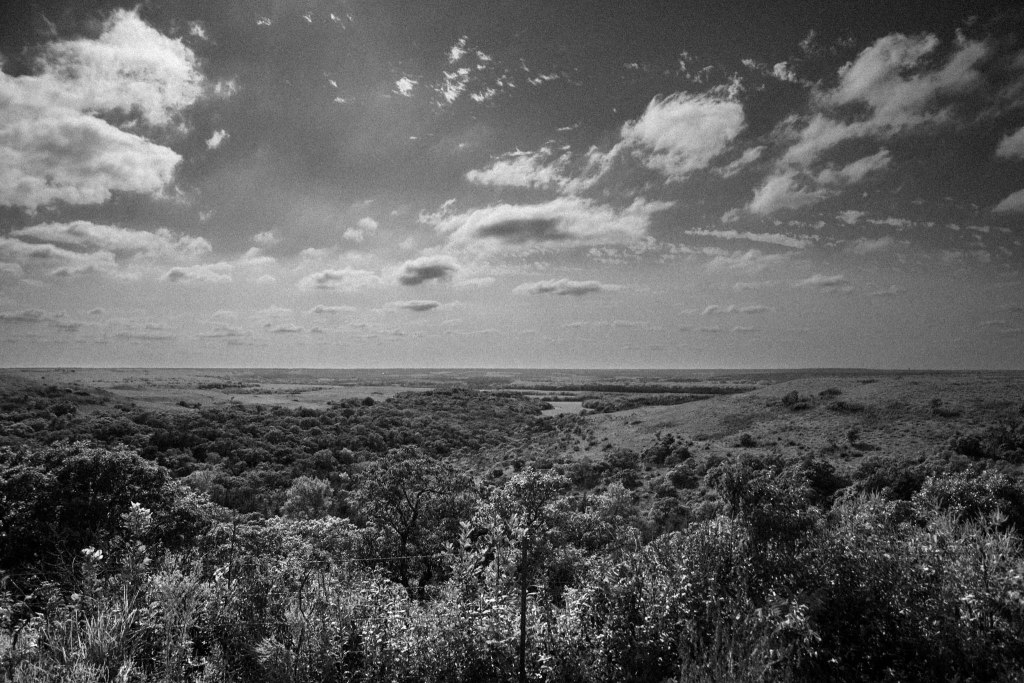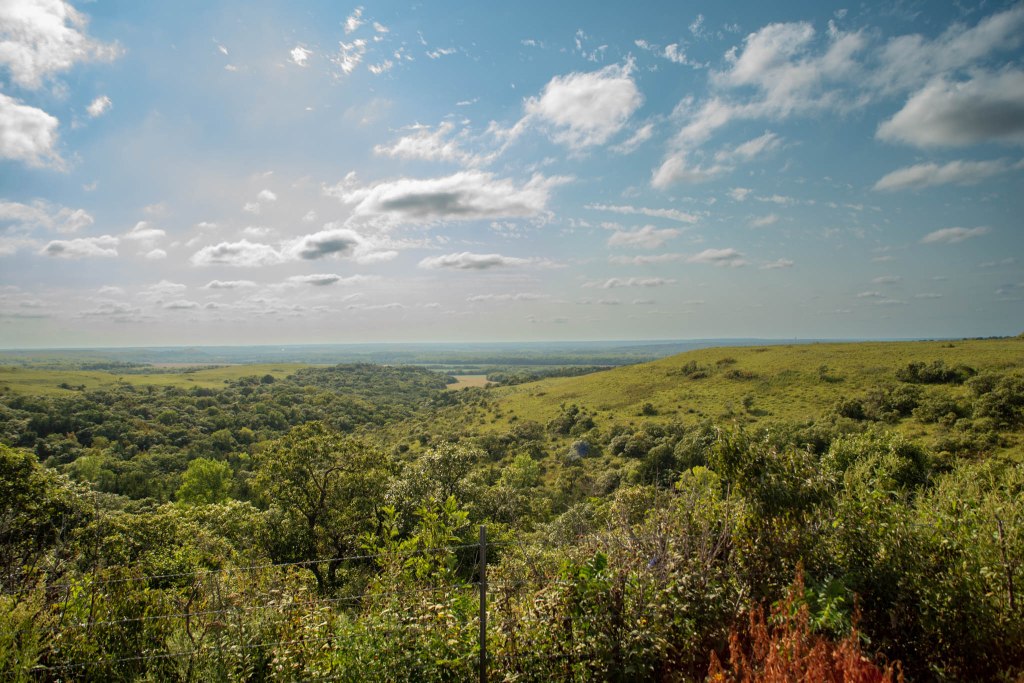
We went on a weekend trip to enjoy some quiet time, wine, and photography. During this trip my challenge to myself was to use my 16 year old Nikon D80 and it’s matching 16 year old 50 mm f/1.8 lens.
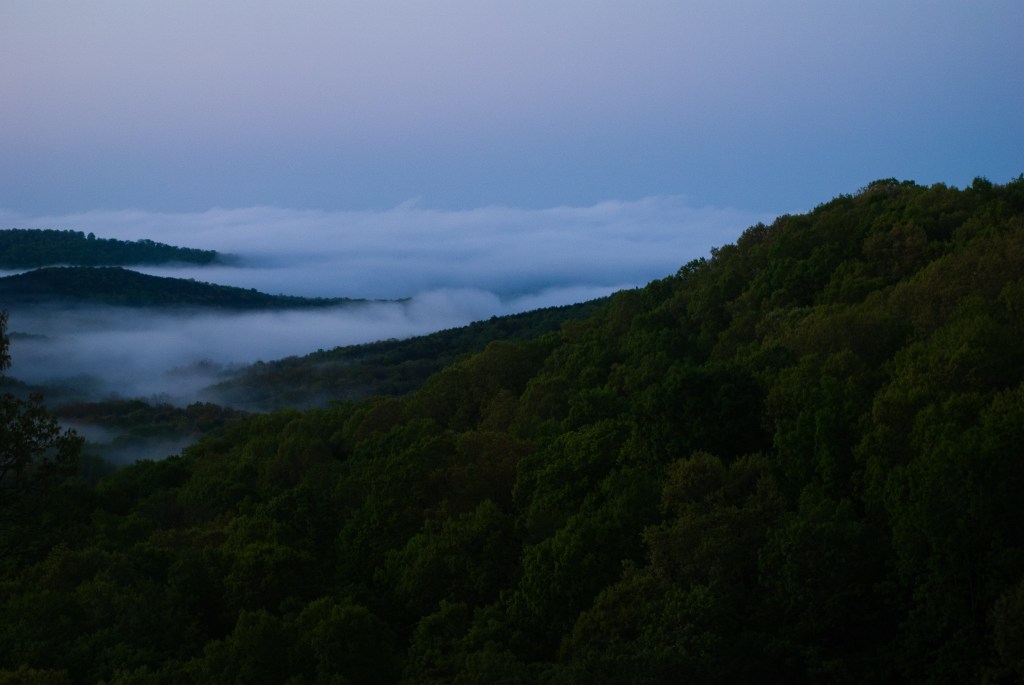
The featured photo was taken with just that, taken at sunrise (even on my off time I wake early). The room we rented over a wine bistro overlooks a lake. Early morning fog settled over the lake. The D80 is still a capable camera.
Don’t let others convince you that you have to have the best newest gear to create quality work. I am sure if I was using my 40 year old Canon AE-1 and film I could have created the same shot. Oh yeah, as a side note this was only very very slightly edited in Lightroom (not Lightroom CC ).
Let’s get out there and create beautiful photos and art!
Yesterday, I wrote about a post on a social media site stating how much gear matters. Originally, I didn’t even look at the person who wrote the post photographs, but eventually, I couldn’t help myself. I looked and I must say I wasn’t impressed. In my way of thinking, if you’re going to go out in the world and boast about how quality gear makes a difference you should have top-quality work.
We should let our work represent our skills, not our gear. Our photography gear serves merely as tools. We don’t need an expensive camera and lens to create quality work. What we do need is know-how.
I’ve set up a challenge for myself this weekend. I’m going to take my 16-year-old Nikon D80 and my $100 (I think it was $90 when I bought it in 2006) 50mm f/1.8 lens and create some quality photographs just to demonstrate to myself that it isn’t about gear but about results. Hopefully, I will be able to share the results with you all.
I don’t intend this to be a rant but rather a challenge to us to let our work speak for us rather than our tools. The tools we use are just that, tools. Our skill, our vision, and our resulting art are what matter.
Don’t let gear hold you back. I’ve seen high-quality photographs and videos shot with an iPhone.
The was a debate in a recent Nikon camera social media group. The debate began when a member wrote a post about people should stop saying gear doesn’t matter because it does. I didn’t look at any of his photos, didn’t need to. The only comment I made was, “No photographer is as good as the simplest camera – Edward Steichen”. For those who may not be familiar with Edward Steichen, he is often credited with elevating photography into an art form. Edward Steichen is one of my favorite past photography masters and I agree with his quote.
Gear doesn’t matter for the most part. A great photograph can be created with the simplest of cameras. A great photograph is created by the skill and vision of the photographer just like a great meal can be prepared on almost any stove in any type of pot and pan.
Just because you use the top-of-the-line, newest, latest greatest photographic equipment doesn’t mean you will be able to create great photographs. I have known photographers who owned all the best equipment and their photographs absolutely sucked!
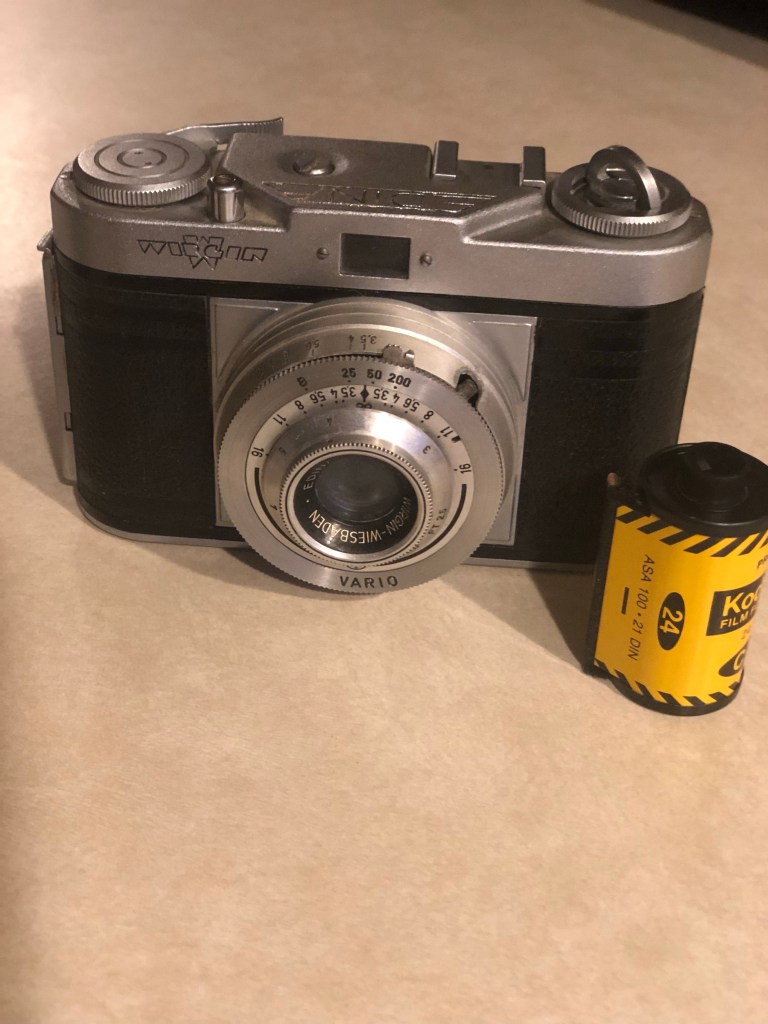
There may be times when the gear is important. Maybe. For the vast majority of photographers, especially hobbyists, Our gear doesn’t really make a difference. I still own and use a Nikon D80 which is now 16 years old. I can put my $100 50 mm lens on it and create very good photographs. At the same time, I can take my newest full-frame camera and my 70-200mm f/2.8 lens and create crap. Don’t let people tell you that to create great photographs you need the best equipment or the latest technology. Photography, like many hobbies, can be a money pit. Create your art with your gear. If you want better gear and can afford it, that is great. If you can’t afford the latest and greatest, don’t fret. Show them you can create great work and outperform them.
Recently the topic of one-click filters came up. You know the presets or plugins for photo editing software, Instagram style. A podcaster I was listening to was of the opinion that he wasn’t sure about them and somewhat indicated he believed they are ruining photography. I’m not so sure.
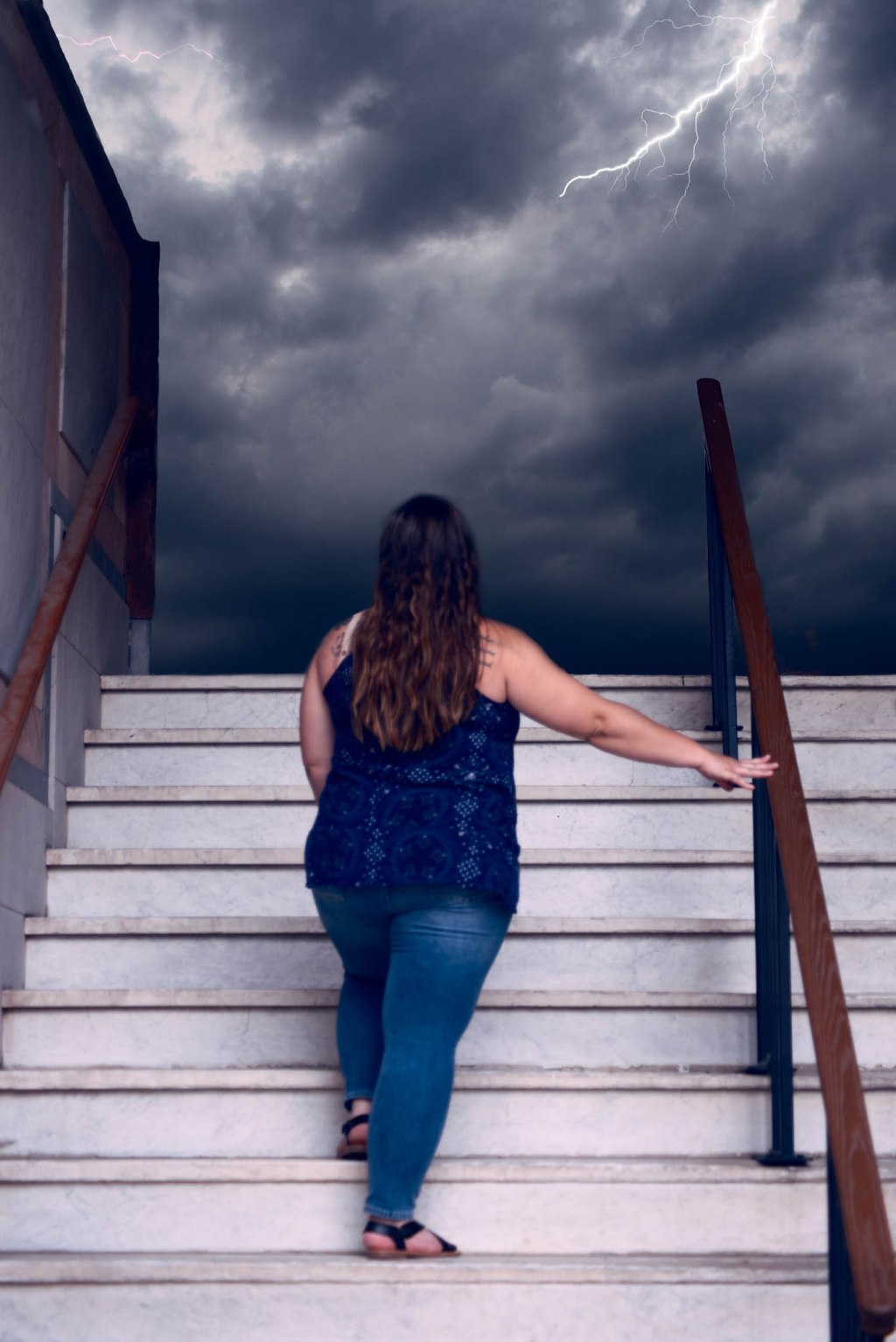
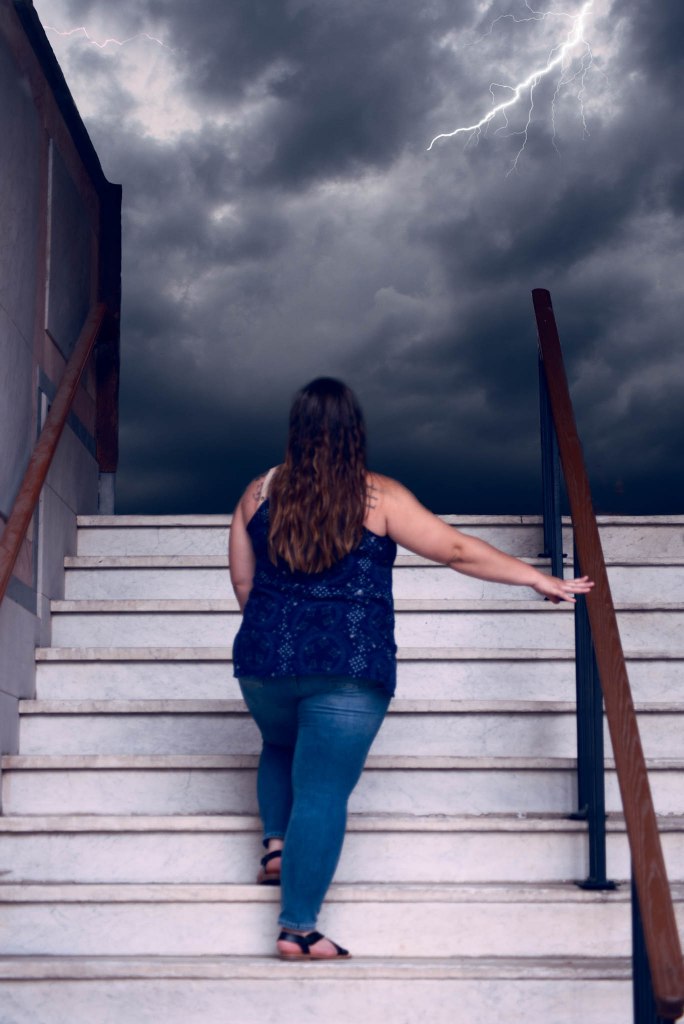
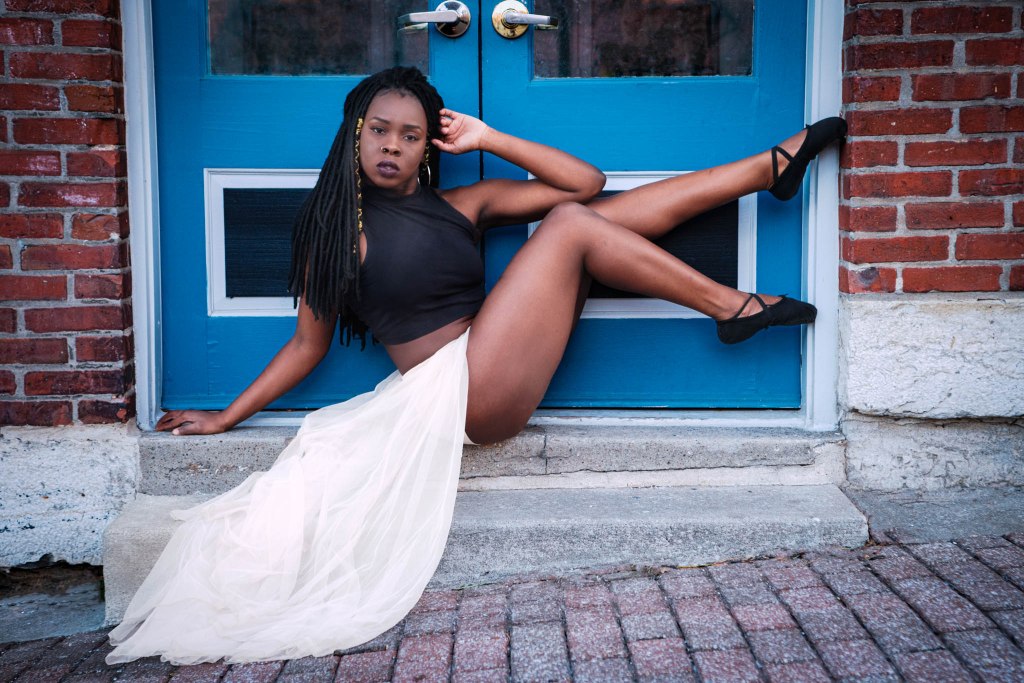
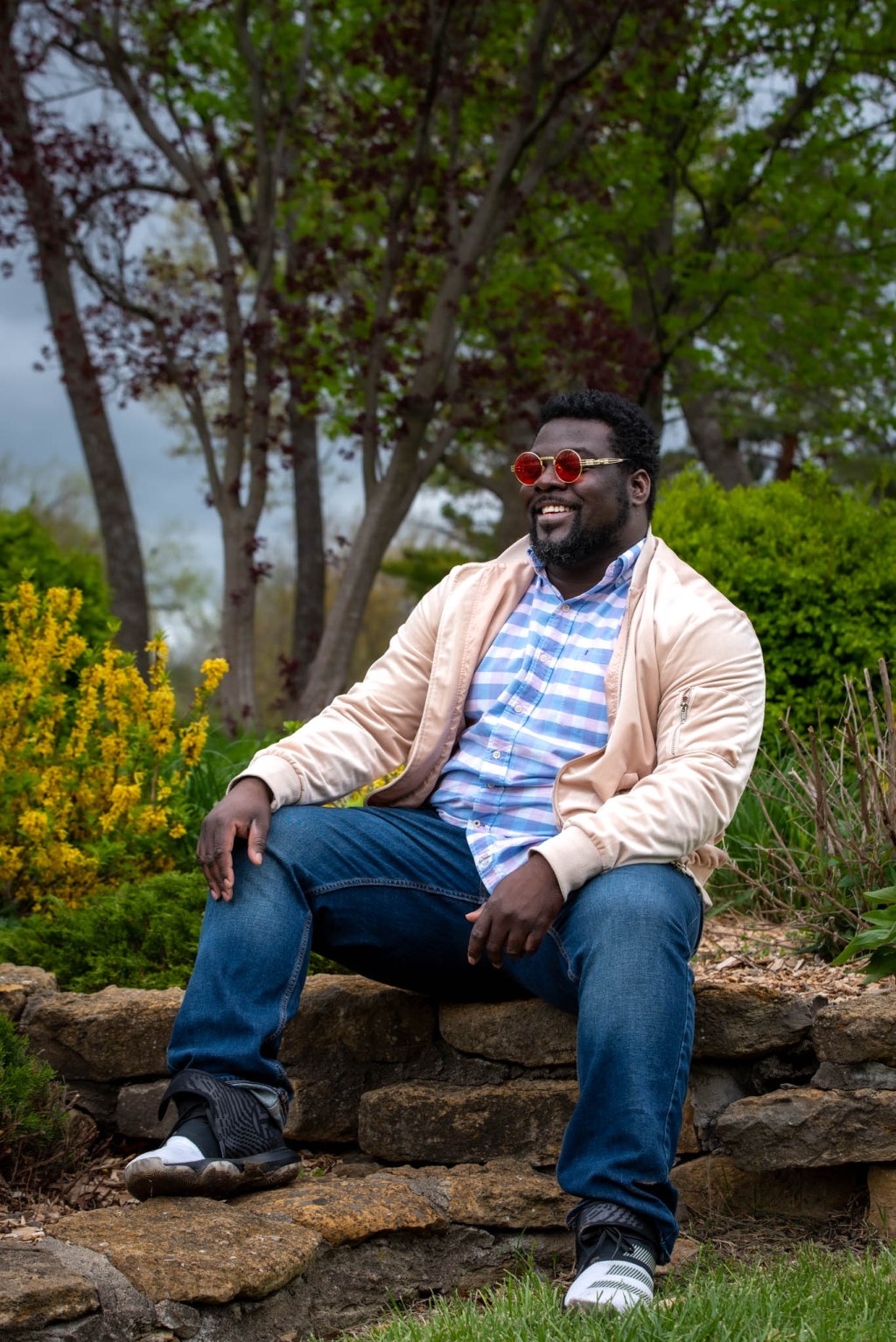
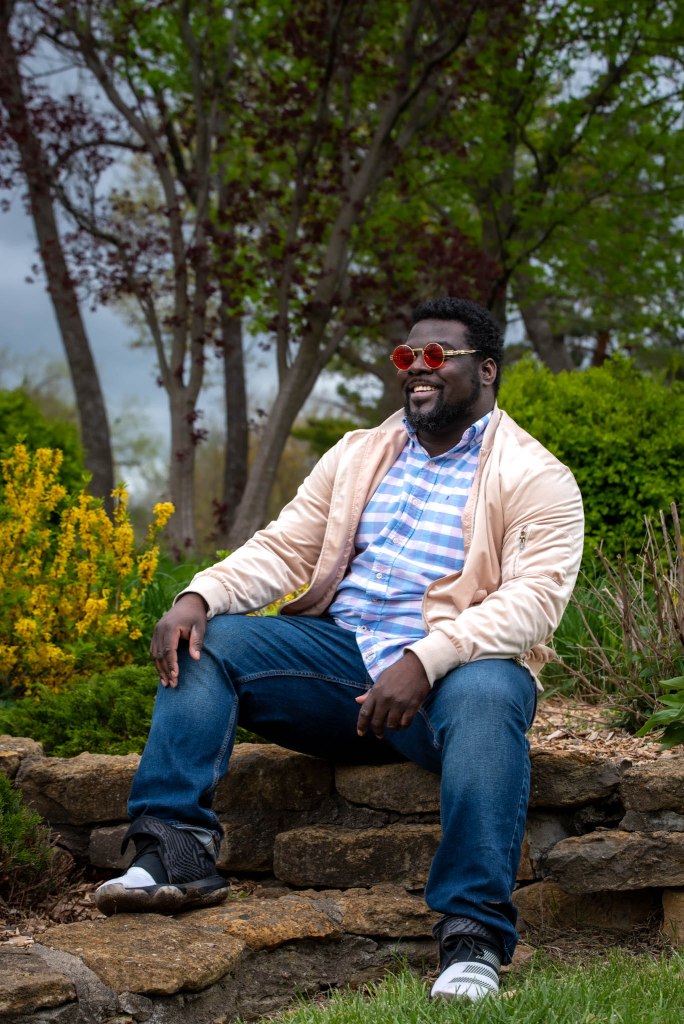
The featured photograph of Dominique I shot recently. Dominique was one of my models for a day. The day we shot these photos was very unique in that it was super windy, the day started off with blue skies and big white puffy clouds but soon dark heavy storm clouds moved in. It was way too windy to set up a light and softbox I had brought unless I had an assistant, which I didn’t. In addition, my model had a dark complexion. Enter Lightroom.
One click on auto tone, and the photo was 90% complete. Lightroom adjusted white balance, exposure, highlights, shadows, white and black points, and saturation/vibrance. Now with the masking tools, a couple more clicks and some minor adjustments on specific areas are done. Two minutes. I will admit that despite all the lighting challenges I believed I encountered there wasn’t too much editing really needed.
I like using presets and these one-click filters even though I don’t use them as one-click and done. Maybe we think of these in the wrong way. One click to set the base and then you use the power of your tools to adjust it. The software and A.I. are getting very good. Why not learn to use them. It may get us away from the computer and out in the field more frequently.
Let me start off by saying I don’t believe I’m a great photographer, I’m still a work in progress. That being said, I believe I’m a much better photographer than I was five years ago.
I recently read, well I’ll admit skimmed, an article about this topic (I did save it so I could go back and read it more thoroughly). One of the first things the author of the article suggested was to take photographs every day. As though practice makes perfect. He then went on to say that a 365 project was a good way. If you’re not familiar with a 365 project it is where you take a photograph every day for a year. I’ve tried this and they are difficult. It isn’t difficult to take a photograph every day what is often difficult is to take a quality photograph every day. I’m not sold on 365 projects.
I don’t disagree that to become a great photographer you must do something photographically every day. I just don’t know that it has to be taking an actual photograph every day. I mean would a cell phone photograph count as well? Probably for some of us. (Note: I’ve changed my stance on cell phone photographs but that may be a topic for a future ramble.) I think we can count on studying the photographs of others, reading about photography-related topics, and the basic study of things art and photography-related. It all builds towards our knowledge and skills as a photographer.
I haven’t done many photographs in the past couple of years. I have 404 photographs in my Lightroom catalog that were taken in 2021. So far, I have 126 photographs I have taken in 2022. I know that is a pathetic number, for 2022 especially since I took 93 of those at one photo session. My goal is to increase that number, dramatically and to work to ensure they are quality photographs. I can tell that I have become a bit rusty in some of my skills but I have honed other skills. My post-processing skills have improved. Now it is time to combine the two.
The bottom line is this. I don’t think we need to take a photograph every day, but I do believe we need to take photographs often. More than once a week, but we need to make sure all our skills keep up with our mechanics of taking an actual photograph. Let’s get out there and do some art making.
Do you ever go out on a photo session and when you sit down to review the images you get that, ho-hum, boring thought? I do. Over the weekend I set up a photo session with two models and another photographer. The models were wonderful. The area we choose was good but I just wasn’t overly thrilled about my results.
One problem, for me, is that it was the first time in months I have worked with photographing people. The day was very windy and I wasn’t really able to set up an off-camera flash and softbox. While the light became very soft due to many clouds suddenly appearing I didn’t feel the weather worked with the location. The location was a nice suburban park with a lake. The night before it had rained, a lot. Everything was wet and muddy, swampy areas were in many places.
I’ll make the photographs work and they’re probably better than I’m giving them credit for. My thoughts are I need to get out more and do more. I”m out of practice. It’s my fault. The session was hastily put together without any common theme or concept. I was at a location I never photographed before. I didn’t do my usual homework and plan, which I always find a must when working with models.
I had a wild hair idea yesterday. I thought I would check to see what kinds of photographs I had stored on an external hard drive. I moved a lot of files onto an external hard drive when I was working on a laptop because of limited storage. I have found many photographs I forgot I had taken. Many of these places no longer exist. The buildings may still be standing but the businesses are long gone.
All this has made me wonder about all the thousands of photographs that are taken each day that may never be viewed again after the initial use. What memories and bits of history will soon fade.
This adventure also reminded me just how bad some of my post-processing was years ago. Thinking and seeing how I processed images in the past and how awful I think some of them are now causes me to think about how I and my photography will progress in the future.
I even found one of my photography life lessons. Look at the details or you may miss a drink cup.
It was a fun and oftentimes entertaining exercise going through many of my older photographs, which are now once again part of my active catalog of photographs. I may actually follow through on a project I have had planned for the past couple of years but just never completed.
In the past few years, I’ve begun to really watch movies and television shows closely. I do so for a very simple but important reason. It trains me to see the fine details. Movies and television shows that are well done typically get all the fine details to fit together. I can’t begin to count the number of times I have taken a photograph only to discover I missed something in the frame that was a distraction from my main subject. It isn’t quite as bad as finding my thumb in the corner, although when I use an ultrawide lens I often have to pay attention to my feet.
To me, photography has become about the details. The details can, as I have come to believe, can make or break a successful photograph.
We’ve all probably heard it at some point or another. Either you’ve been told this or heard it in talking about someone else. “You (They) really have the eye.” Often it is spoken about as if it isn’t something that you can learn but rather something you or someone else has been born with. It is often like others are talking about something that is a natural talent.
I’m not convinced there is such a thing as “natural talent”. I believe talent is something that is developed in us as we progress and are groomed. There are something things with our bodies that may do better with size. It would be difficult for a 4’6″ 90-pound person to become a defensive end in the National Football League, but let’s talk about being a photographer and artist.
I believe, given the desire to learn anyone can do this. I don’t mean to make the skill sound cheap or easy but rather the skills needed to become a good photographer and the ability to produce fantastic art can be taught and learned. It is all a matter of dedication, learning to see, and operating the equipment.
Like many of you, I have a daytime job. My 9-5 so to speak (although mine is more of a 6:30am-3pm gig). During my daytime job, I spend a lot of time around children. Children see almost every minor detail of things, or so it would appear. They will ask questions or point out details in the smallest of things. At the same time, I can miss a drink cup on a window ledge of what I think is going to be a wonderful nighttime photograph of a small train station (true story). Another thing I notice about children, especially younger children is their imagination and creativity. Virtually every one of us had those when we were young children. It’s just a matter of releasing that imagination and creativity again.
Open up your inner child to let your creativity and imagination flow again. It’s not as hard as we have made ourselves believe.
I follow a few of the current big names in photography on social media. Some are actually “friends” on a well-known social media platform. It’s interesting to see some of the things many of these people share on their personal social media accounts. Most, are just like us. They have concerns about things going on in the world, they share their photography journeys and trips. I’ve only found one, at least so far, that was an egotistical, condescending, and “I know better than everyone” type person (At least the way I interpreted their posts). I know we all have our days when we go out on a rant and need to vent. I’ve done it before and this post may be one of those in a sort of way. I had to stop following that person. They just were depressing and I was afraid they were going to eventually lead me down that dark path.
I know I’m not a big name in photography. I’m not sure I want to be one, but I try to leave us thinking about how we can make our photography better and how we can help others with their art. It’s about leading a positive lifestyle. We all have those days when the glass is half empty rather than half full. Most of us do our photography as a way to create art, relieve stress, get out, and express ourselves. One of my goals with this blog is to motivate and inspire others. As a result of that, I am motivated and inspired. Life is too short to live with a constant chip on our shoulders.
I am always on the lookout for people to follow on social media that are positive influences. We all know the world can be a tough and difficult place but we don’t need others to constantly drag us down that path. We need others to bring us to our happy place. To inspire us to create our art. With all that said, let’s motivate and inspire not only ourselves but the world around us.
Be the flower to brighten a day or even a moment in the lives of others and you’ll be surprised that by doing so your day or moment becomes better and we can show that by the art we create.