Tag: quality

  • Sometimes photographers make me sad

    Sometimes photographers make me sad

    Sometimes, I find myself engulfed in a deep, reflective sadness when I consider the journeys of photographers, rather than just the images they create. My heart goes out especially to those who engage these individuals, as their stories often run deeper than the photographs reveal. This article aims not to criticize photographers but to gently remind them of the profound connections and emotions behind their art, and the experience of others.

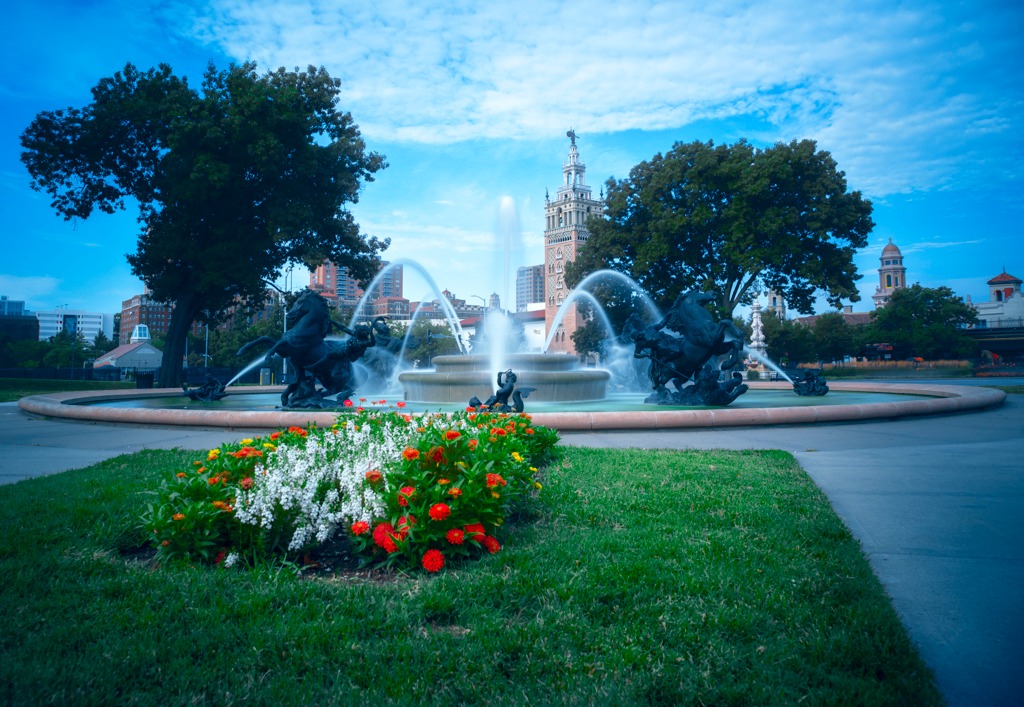
    Two days ago, another photographer and I ventured out for some landscape photography, while my companion was busy working on a cinematography school project. As we immersed ourselves in the beauty of our city’s iconic area, we encountered a few fellow photographers. We had settled in a spot often regarded as the “money shot” for this location, and it brought us joy to share this incredible space with the first photographer we met. Just then, I noticed a group that seemed to be a wedding party, adding a touch of magic to the scene.

    The second group was quite large, consisting of a dozen or more people. The photographer arrived with just a camera, which was surprising given the circumstances. It was a bright, early summer morning, and the sun was quite intense. Unfortunately, the wedding photographer positioned the group with the glaring sun in their eyes, aiming for a view of the fountain behind them. However, that backdrop included a lot of traffic, signs, and signals that would distract from the special moment. As we were wrapping up at our prime location, we kindly offered it to them. It seemed the photographer may not have fully appreciated our gesture, as we didn’t suggest avoiding the bright sunlight that caused squinting and harsh shadows; we simply made our spot available, hoping it would enhance their session.

    My companion and I share a deep passion for both landscape and portrait photography, and we’ve learned through experience that it’s easy to make similar mistakes. This is why I often feel a sense of sadness for both the photographer and the group in situations like these. I kindly ask that you don’t take offense when others offer gentle guidance, as they genuinely intend to help and support your session without trying to take control.
  • Photographers and artists that stop learning are failing

    Photographers and artists that stop learning are failing

    A bold statement from an old photographer that has decided to continue to learn and grow in order to become more creative and artistic. I suspect many will disagree with this statement but I’m not sure that it is something I’m going to worry about, but I encourage all to think about.

    One of the reasons I bring this up is because I haven’t written in a couple of weeks. I’ve been busy between a short trip, some out of town guests, working with an upgraded tool in Photoshop and taking a Photoshop course.

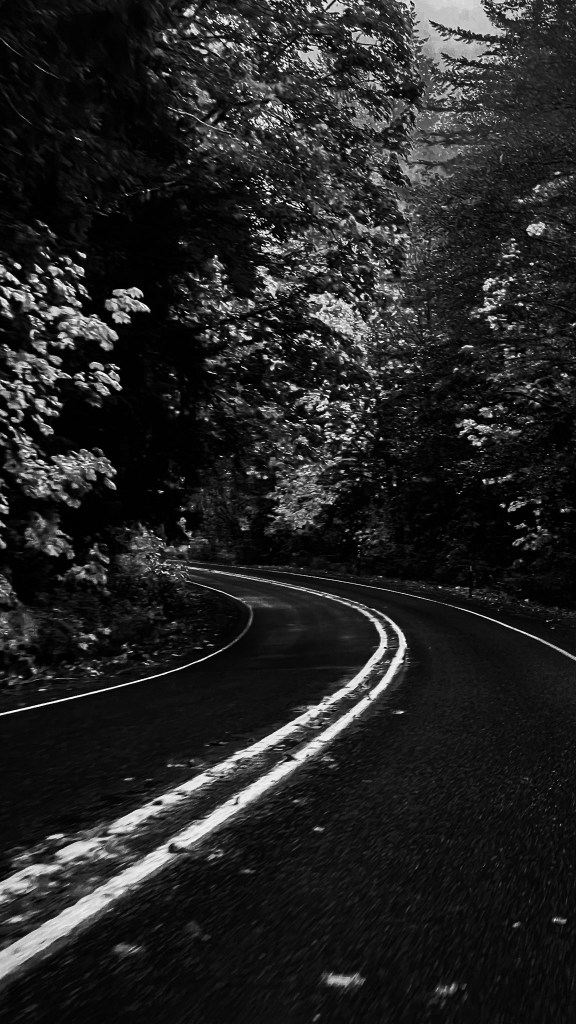
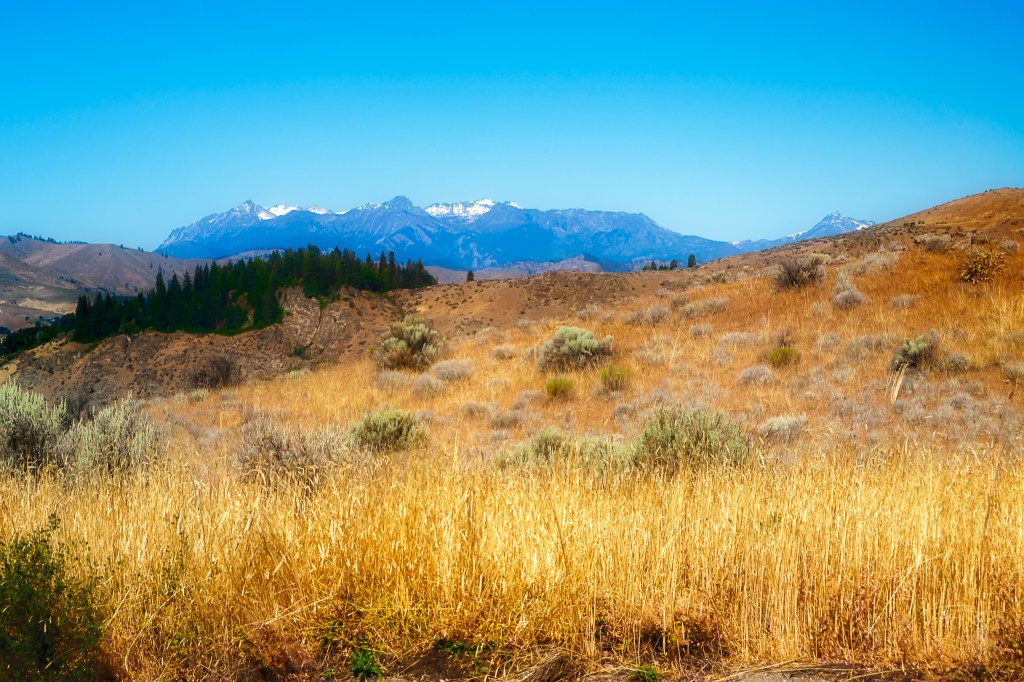
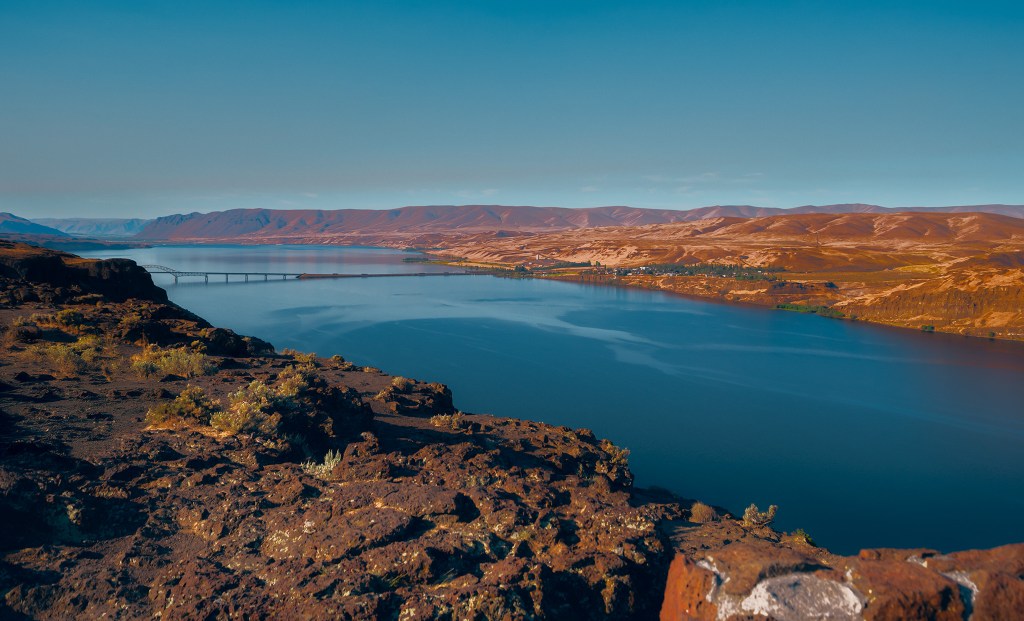
    The photograph that I have included in this post was taken a year ago while I was driving back from the Pacific Northwest. I pulled off the highway at a scenic overlook of the Columbia River. In this part of Washington State there had been some wildfires resulting in smoke in the air. This scene also had some faint clouds in the air. According to the in-camera light meter the exposure was within the acceptable range, however, when I viewed the photograph, the smoke was barely visible, and the clouds were practically invisible. When I incorporated the training and through the use of a upgraded tool those elements were as visible as they were to my eyes.

    What is unfortunate is that there are those who believe that some of the techniques I utilized render my photograph-altered artwork is not worthy of being called a photograph. Typically, this isn’t an issue that overly concerns me. What concerns is the lack of understanding and the lack of motivation by others to learn and grow. The lack of motivation to understand and learn concerns me because I believe it stagnates the progression of art and photography. Please, don’t stop learning, experimenting, pushing the boundaries of your art and photography.

  • Motivating yourself as an artist

    Motivating yourself as an artist

    I seemingly lost my motivation a couple of years ago when we were in the process of moving and beginning to travel. For the past year, I have been looking for a way to get my motivation back. I’ve been trying too hard. It is like looking for happiness. You can’t find it, happiness finds you. It is like the old country music song, “Looking for love in all the wrong places

    What I have found is that the motivation and inspiration is there I’m just wanting it to be extraordinary whereas what I really need is to find the ordinary and make it extraordinary. Art, inspiration, and motivation are all around us. To coin another old adage, I couldn’t find the forest because of the trees.

    I’m not saying I’m back to where I was, that will never happen because I’m not that same person. As time moves forward we must move with it. We can’t stay in one place forever, that is why we have the ability to move. Unlike a tree or plant that is stuck in one spot we have the ability to move forward.

  • It isn’t always about you.

    It isn’t always about you.

    I have pondered this post for a couple of weeks now. In fact, I started to write it and gave it a title, then I stopped because it was going to be too much of a rant on new or beginning photographers and selling their services to customers. I ran through several wording styles in my head and then finally deleted the entire post this morning.

    The reason I wanted to start over was that I have been reading a book, Inner Excellence by Jim Murphy, and yesterday I came upon two quotes that resonated with me. The first was, “if all you see is chickens and chicken scratch, it doesn’t matter if you are an eagle; flying won’t be part of your world.” The second was, “expect nothing, prepare for anything.”

    These were very powerful messages for me, igniting a self-reflective journey. Instead of concerning myself with what others were doing or how they were marketing their photography services, I needed to focus on mastering my own mind. By doing so, I would subsequently empower myself to master my unique vision and skills in producing the art I truly want to create. My obsession with the perceived failures of others was clouding my judgment and inhibiting my own self-mastery.

    Rather than rant about this publicly, I realized there’s tremendous value in working to demonstrate the message I was attempting to relay to others. The true path to inspire and be of service to others lies in action rather than mere words or criticisms. By focusing on my inner growth and honing my skills, I could transform the frustrations I feel into motivation and clarity. In doing so, I pave the way to uplift others in their journeys, reminding them that personal excellence often stems from a place of introspection and self-awareness.

    This renewed perspective has encouraged me to cultivate a mindset where I expect nothing but prepare for anything. Embracing this principle allows me to navigate challenges without getting bogged down by the comparative metrics that often stifle creativity and joy in the craft. Each photographer’s journey is unique, and by staying true to my own path, I can create visuals that reflect my personal story, thus leaving space for authentic connections with others who appreciate my work. Through this reflection, I turn the quest for excellence into both a personal and collective endeavor, fostering a community where creativity thrives.

  • Photography is a great way to share your thoughts and emotions.

    Photography is a great way to share your thoughts and emotions.

    As artists it is often very difficult to not let out moods, thoughts, and emotions reflect in our work. As a result, I don’t try to not let those emotions not influence my work.

    Lately, I have been feeling very discouraged and somewhat angry at things that are happening around us. Not things in my personal life but rather things I see that affect many others and will eventually affect me.

    This post isn’t about debating about beliefs and emotions but rather that we can use our photography as a window into ourselves. We can inspire others, we can show others that we too are being affected and they are not alone or that we care about them.

    We don’t always have to look at the world through the so-called rose-colored glasses. The world can be beautiful and inspiring but it can also be cold, heartless and depressing.

  • Photography My Way – A Journey of Expression and Discovery

    Photography My Way – A Journey of Expression and Discovery

    Photography My Way: A Journey of Expression and Discovery

    Photography is a powerful medium of expression that allows us to capture moments, emotions, and the world around us. It’s a personal journey that can be both exhilarating and daunting. As photographers, we often find ourselves in a tug-of-war between our creative vision and the vulnerability of exposing our inner thoughts through our work.

    For many, photography is not just about taking pictures; it’s a form of self-expression that conveys our unique perspective on life. It’s a silent language that speaks volumes about who we are, what we value, and how we see the world. The reluctance to share our photography can stem from a fear of judgment or criticism, or perhaps it’s the intimate connection we feel with our creations that makes them feel so personal.

    Embracing the personal aspect of photography can lead to a deeper understanding of ourselves and our craft. It’s about recognizing that each photo we take is a reflection of our emotions, experiences, and growth as artists. Whether it’s the play of light in a landscape or the candid moment of a street scene, our photographs tell a story that is uniquely ours.

    So, if you find yourself hesitant to express your feelings about your photography, remember that it’s a natural part of the creative process. It’s okay to be protective of your work, but also consider the possibility that sharing it could open doors to new perspectives, constructive feedback, and a shared experience with others who appreciate the art of photography.

    In the end, photography is a journey of discovery, not just of the world we aim to capture, but also of ourselves. It’s a continuous learning experience where each shot can teach us something new. So, take a deep breath, embrace your hesitations, and let your photography speak for itself. Who knows? You might just inspire someone else to embark on their own photographic adventure.

  • As an artist don’t let others take your color and creativity away!

    As an artist don’t let others take your color and creativity away!

    Artistic creativity is a unique and personal attribute that defines the essence of an artist’s work. It’s the spark that ignites the imagination, leading to the creation of something truly original and impactful. Whether it’s through photography, painting, writing, music, or any other form of expression, it’s important to hold onto that creative spirit. It’s what sets one apart in a world of repetition and imitation. So, cherish your artistic vision, nurture it, and let it flourish, for it’s your contribution to the tapestry of human expression. Remember, true creativity lies within and should never be overshadowed by the influence of others. We so often see others attempting to impose their artistic style upon us rather than offering inspiration and insight into their interpretation of art. It’s the individual’s perspective and interpretation that make art so diverse and extraordinary.

  • Make a photograph rather than take a photograph

    Make a photograph rather than take a photograph

    Many of you may be familiar with the Ansel Adams quote; “You don’t take a photograph you make it”. I would argue that many people take photographs rather than make them. I’ve heard many people discuss a picture as “straight out of the camera” and hold it up as a badge of honor. To be brutally honest the majority of the time the picture sucks. I’m certain that many people will be offended by that statement or tell me I’m rude for making such a statement. I’m not by any stretch of the imagination an expert or produce the greatest photographs consistently however I understand that and strive to learn and improve. In fact, I recently faced a reality of my own: I have become lazy and begun to accept mediocrity in my photography.

    I’ve had the opportunity to visit some stunning places over the past year, but I’ve realized that I often rushed through taking photographs and found myself wandering aimlessly. I would see a beautiful scene, point my camera, and press the button without much thought. However, when I reviewed the photographs, I was frequently disappointed. I have only myself to blame as I have most of the tools needed to do better.

    Lately, I’ve been training with a highly skilled photographer and educator, whose expertise surpasses mine by leaps and bounds. I’ve dedicated significant time to mastering various techniques aimed at enriching the viewer’s experience when admiring my photographs. We don’t improve by continuing to do the same thing over and again unless we are willing to open our minds to change and new ideas.

    Challenge yourself and begin to expand your knowledge and skills. Experiment and test out new techniques. Become the artist you want to be by challenging yourself to grow and learn. If you don’t you will be left behind.

  • Photographers are lazy!

    Photographers are lazy!

    Photographers, including myself, often struggle with procrastination and motivation. Let’s work on overcoming these challenges together!

    A couple of weeks ago, I watched a webinar on techniques and tools to use in Photoshop. This webinar inspired me to invest in the full course and tools, which I rarely do. As a result of this purchase and a follow-up membership to a website with additional resources, I have come to the conclusion that we are simply lazy and don’t put forth the effort that we should. Ansel Adams said, “You don’t take a photograph, you make it”. There have been numerous other famous photographers who essentially said the same thing just worded slightly differently. Yet when we go out we often just point and shoot in a willy-nilly fashion. “Oh, that is cool! as we turn and take a photo before moving onward. I’ve done and witnessed other photographers do exactly the same thing. We have all the tools with our modern cameras and built-in meters, auto-focusing, and so forth. We have access to digital tools such as Photoshop. The science of even darkroom materials has improved vastly over time yet we jump in spray and pray coming home from a day of shooting with hundreds of photos, those shooting digital. Then, if you are like me, you start to browse through them, finding only a handful that are worthy.

    Lately, I’ve been reflecting on the amount of time and effort I put into my recent photo session. I spent hours taking pictures, but I’m questioning how much effort I truly put into each individual photo. I have powerful post-processing tools at my disposal, but I’ve come to realize that I often just rely on the “auto” function and make a few minor adjustments before considering the job done.

    Lately, I’ve been looking through my collection of photographs from over the years and I’ve been wondering whether I had a specific message, emotion, or story in mind when I took them. I’m questioning whether I had a vision or plan for my photos, or if I simply aimed my camera at a scene and clicked the button. Additionally, I’m reflecting on whether I truly utilize and comprehend the tools I use for photography.

    I’ve been into photography since the 1980s. I took a long photography course at one point, but I’ve been feeling unmotivated to improve lately. Although I know I can produce good work, I’ve become lazy. Recently, I got a wake-up call that made me realize I still have a long way to go and it is time to start that journey again!

  • The Essence of Photography: Capturing Moments, Crafting Memories

    The Essence of Photography: Capturing Moments, Crafting Memories

    Photography is more than just a click of a button; it’s an art form that transcends time, emotion, and perspective. At its core, photography is the practice of capturing light, but in reality, it captures so much more. It encapsulates moments, memories, and emotions, preserving them for eternity. Let’s delve into the essence of photography and explore what makes this medium so profoundly impactful.

    The Art of Seeing

    Photography begins with seeing—really seeing. It’s about noticing the play of light and shadow, the harmony of colors, the intricacies of textures, and the expressions of life. A photographer’s eye is attuned to the details that others might overlook. This heightened awareness allows photographers to find beauty in the mundane and the extraordinary alike.

    Capturing Moments

    Life is a series of fleeting moments, each unique and unrepeatable. Photography has the power to freeze these moments, allowing us to revisit them long after they’ve passed. Whether it’s the joyous smile of a child, the serene beauty of a sunset, or the raw emotion of a street scene, photographs hold the essence of these experiences. They serve as time capsules, preserving the emotions and stories behind each frame.

    Storytelling Through Images

    A single photograph can tell a thousand stories. It can convey complex narratives, evoke deep emotions, and provoke thoughtful reflection. Photographers are storytellers, using their cameras as tools to communicate their vision of the world. Through composition, lighting, and subject matter, they create images that speak volumes without uttering a single word.

    The Intersection of Art and Technology

    Photography resides at the crossroads of art and technology. It demands technical proficiency with cameras and editing software, yet it also requires a creative vision and an artistic touch. The best photographers seamlessly blend these elements, using technology to enhance their artistic expression. From the early days of film to the digital revolution, photography continues to evolve, pushing the boundaries of what’s possible.

    The Emotional Connection

    Great photographs resonate on an emotional level. They connect with viewers, stirring feelings of nostalgia, joy, sadness, or wonder. This emotional connection is what makes photography so powerful. It’s not just about what we see in the image, but what we feel. A photograph can transport us to another time and place, evoking memories and emotions that are deeply personal.

    The Universality of Photography

    Photography is a universal language. It transcends cultural and linguistic barriers, allowing people from different backgrounds to connect and communicate. A powerful image can be understood and appreciated by anyone, regardless of where they come from. This universality makes photography a potent tool for social change, as it can highlight issues, raise awareness, and inspire action.

    Crafting Memories

    In the end, photography is about crafting memories. It’s about documenting the journey of life, capturing the milestones, and cherishing the small moments. Family photos, travel snapshots, candid shots of friends—these images become cherished keepsakes, telling the story of our lives. They remind us of where we’ve been, who we’ve loved, and what we’ve experienced.

    Conclusion

    The essence of photography lies in its ability to capture and convey the human experience. It’s an art form that blends technical skill with creative vision, creating images that resonate emotionally and transcend time. Whether you’re a professional photographer or an enthusiastic amateur, the magic of photography is within your grasp. So pick up your camera, open your eyes to the world around you, and start capturing the beauty, the moments, and the memories that define our lives.