Tag: quality

  • Let’s stop debating what photography is real

    Let’s stop debating what photography is real

    It’s been a while since I’ve seen this debate and mostly because I don’t frequent forums where the topic comes up often, but all photography is real photography. It makes no difference what type of camera was used or whether it was on film or digital. Let’s face it, at one-time glass plates or a thin piece of metal were used as the media to record the image.

    Current smartphones have cameras that are quite capable. It’s just a matter of learning how to control the features of the camera. The smartphone camera uses virtually the same technology as a dedicated digital camera.

    I would venture to guess that most of us have a smartphone with a camera. I know there are times, as in many times, that my smartphone is the only device that I have to use to take a photograph. My iPhone X has a 12-megapixel sensor. I may not be able to make large prints from an image but it is quite capable.

    I don’t intend to give up using my dedicated Nikon digital SLR cameras any time soon, but I do believe it is time to stop the debate about smartphone photography not being “real photography”. Learn to use all your gear, which includes your smartphone camera because sometimes it may be all you have to capture a marvelous scene.

  • Taking photos of the mundane

    Taking photos of the mundane

    A few years ago another photographer said to me, “It’s easy to take a pretty picture of a flower, it’s already pretty.” I’m not sure I would go quite that far, but it has some truth as I think back on the statement. Are we just about making pretty pictures of pretty subjects? I certainly hope not.

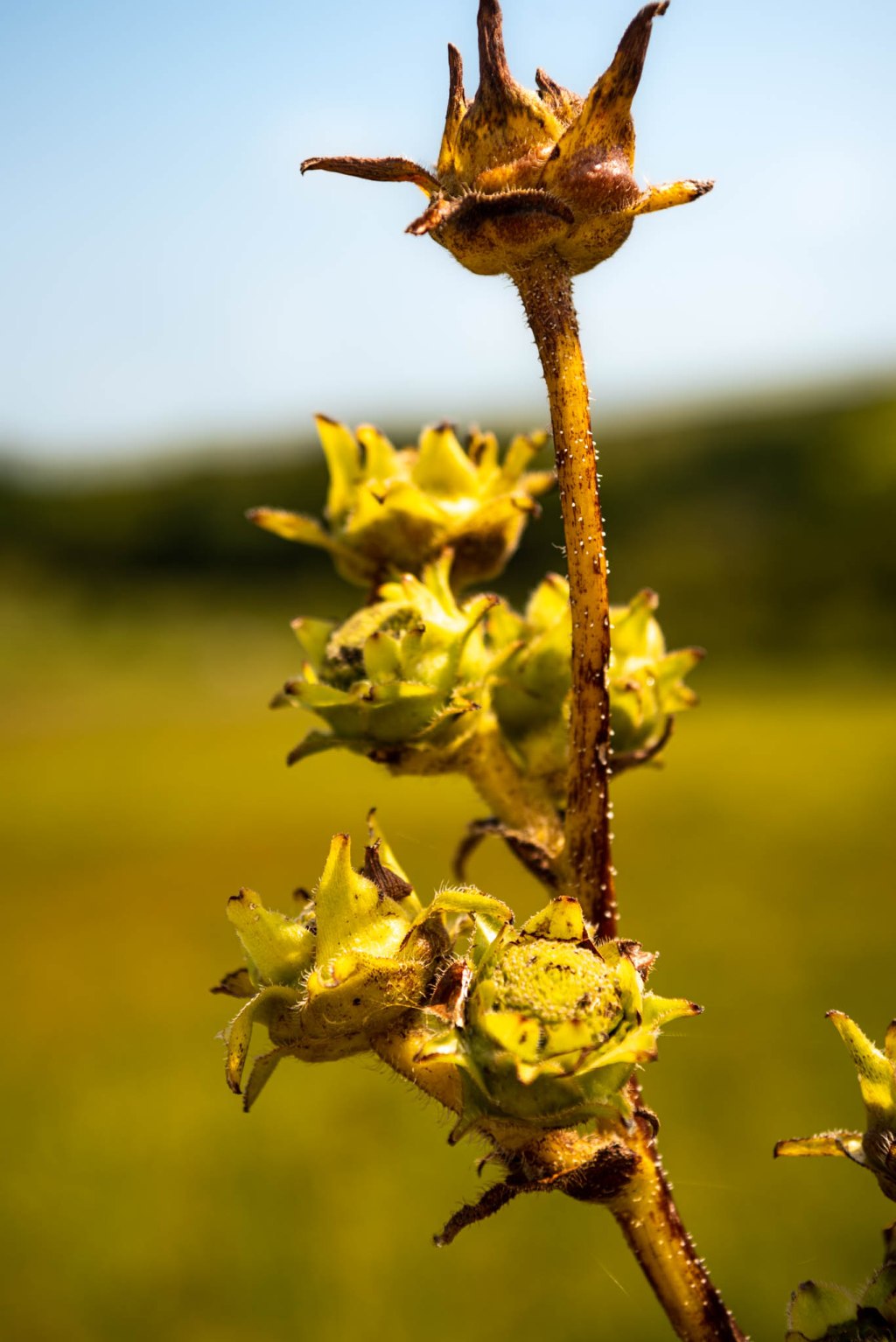
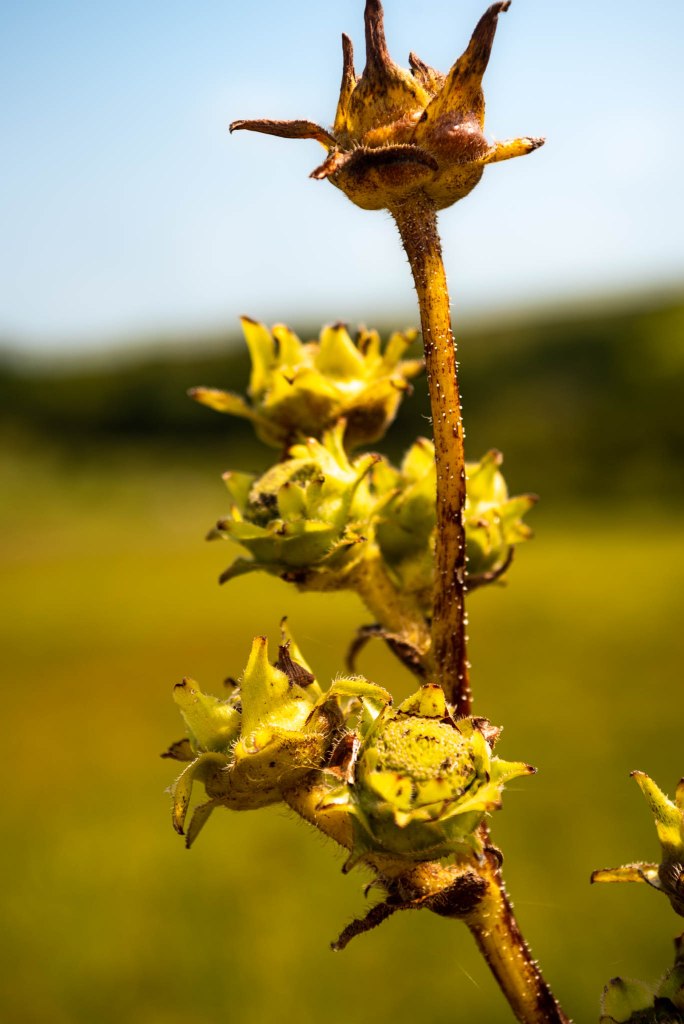
    I’m not sure what the plant is in the featured photograph, but it isn’t pretty by most flower standards. I saw this plant wandering along a trail in the Flint Hills last September. Many of the plants in the Flints Hills look rugged like this. The open prairie is a harsh environment for plants, I’d guess. I was drawn to this because it was rugged-looking and had many textures.

    I’ve heard photographers talk about going out on a photographic excursion. They are waiting for the perfect light, the golden hour, or the blue hour. They are looking for pretty subjects, in pretty light, on a pretty day. I try to not limit myself to just those subjects and just those hours. I often work to make a decent photograph of the mundane. Making decent photographic art with a mundane subject in mundane lighting on a mundane day is much more challenging. Can’t we find beauty and art in the mundane? I think so. Don’t limit yourself to only pretty subjects, in pretty light, on a pretty day. Look for interesting ways to capture the mundane.

  • Black and White photography isn’t just to fix things.

    Black and White photography isn’t just to fix things.

    So many times I see people suggest converting a photograph to black and white as a way to “fix the noise” of a high ISO digital photograph and it always makes me roll my eyes. Black and white photography isn’t for “fixing” a noisy photograph. There are what I would think to be valid reasons to convert a digital photograph to black and white. One of which would be because you want the look of black and white as an artist.

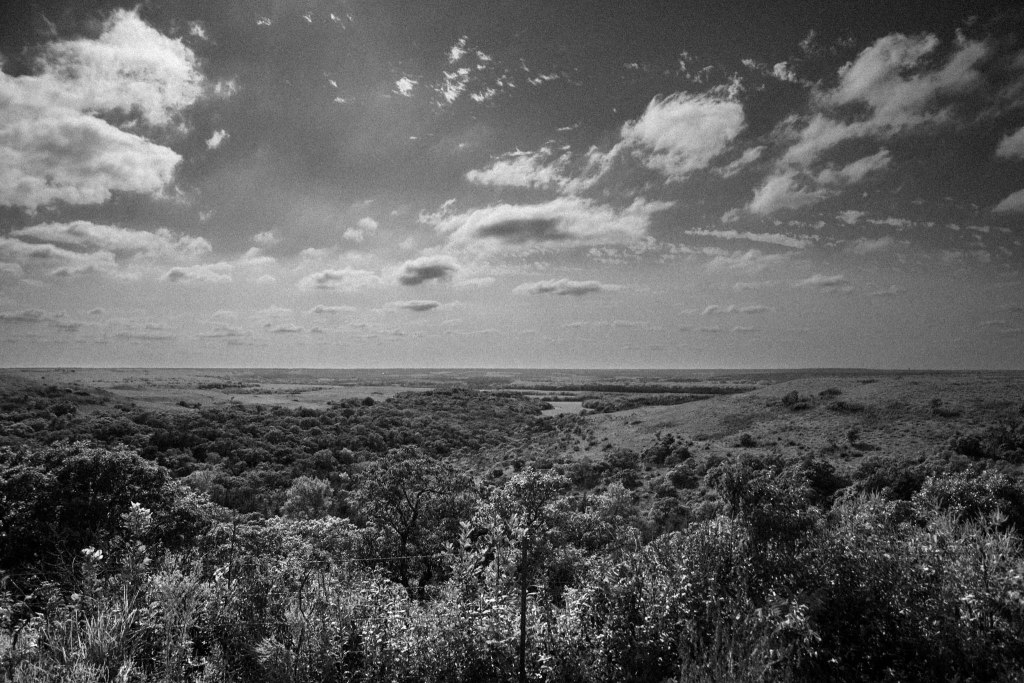
    Black and white photography, to me, is an artistic statement. I believe that sometimes, the color gets in the way of the subject. The scene in the featured photo is just an example of that, to me. To me, in this particular scene, the color was a distraction,

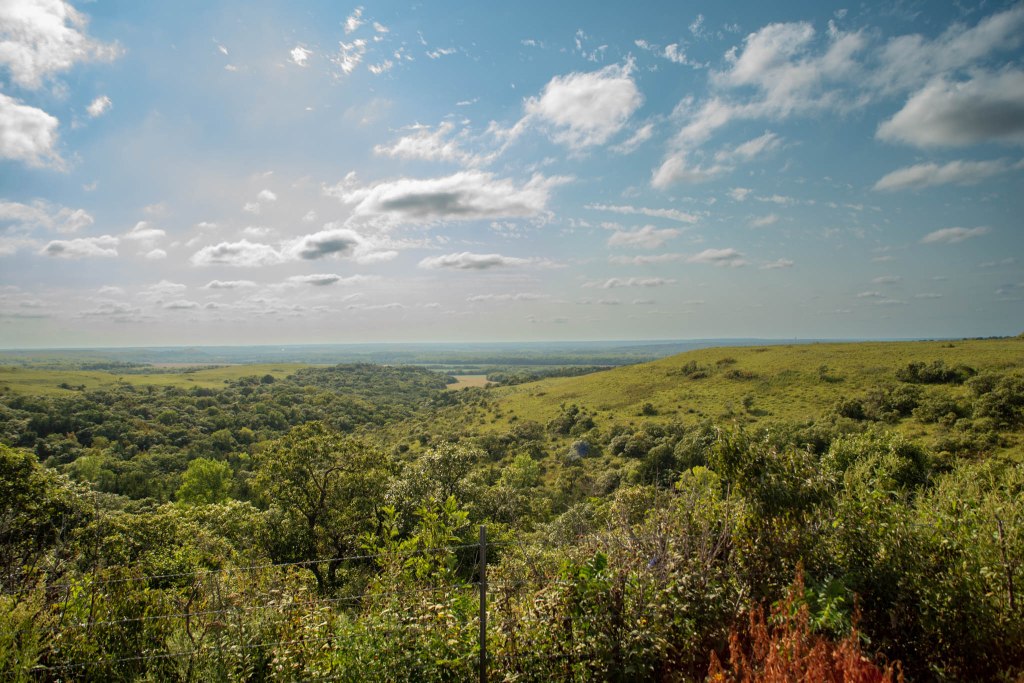
    One of the problems I had when I was photographing the Flint Hills was finding a composition. Looking at the views was amazing in person. You could see for miles and miles but often in a photograph, the scene appeared uninteresting unlike what it appeared like in person.

    Choose to create black and white photographs for artistic reasons, not fixing things. Use black and white to create and enhance the story. Use black and white to show the soul of your scene.

  • Rise to meet your photographic challenges

    Rise to meet your photographic challenges

    After a getaway weekend, I am feeling revived. It had been a while since we were able to get away from home for some relaxation. I took camera equipment but decided I was going to use an older entry-level camera and lens as a personal challenge. I have yet to download the photographs I took but I feel like they are successful. Sometimes, those weekend getaways are what is needed to recharge.

    Now that I’m recharged, it is time to rise and meet my photographic challenges. My photographic challenges are to take more photographs and hone my editing skills. They also include participating more in the group challenges that we run in a social media group I’m a part of.

    Set challenges for yourself. By challenging yourself you grow as a photographer and artist. Don’t be discouraged even if you failed the challenge, in the beginning, keep working on it. As the old adage goes, Rome wasn’t built in a day.

  • Some new old gear

    Some new old gear

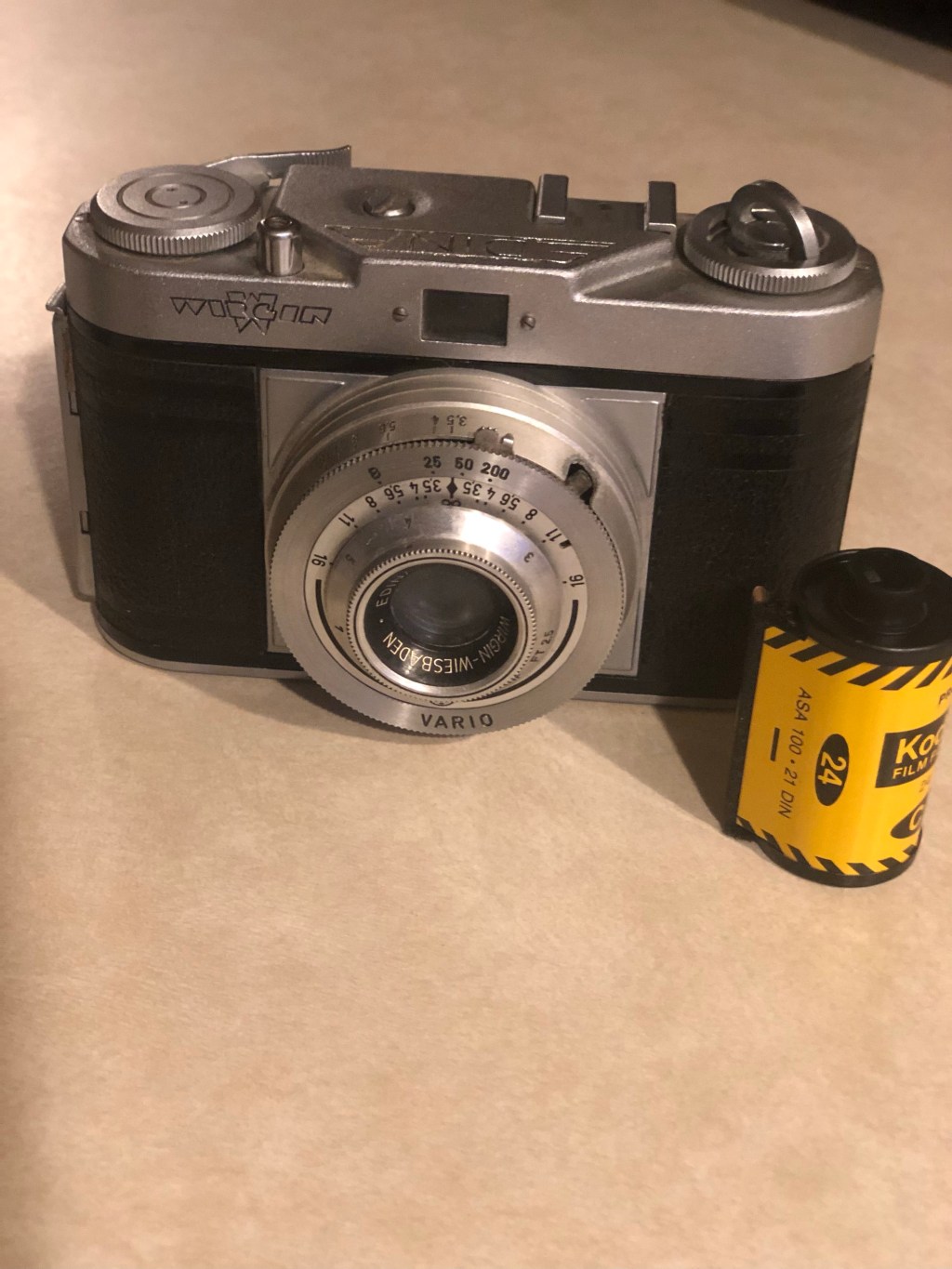
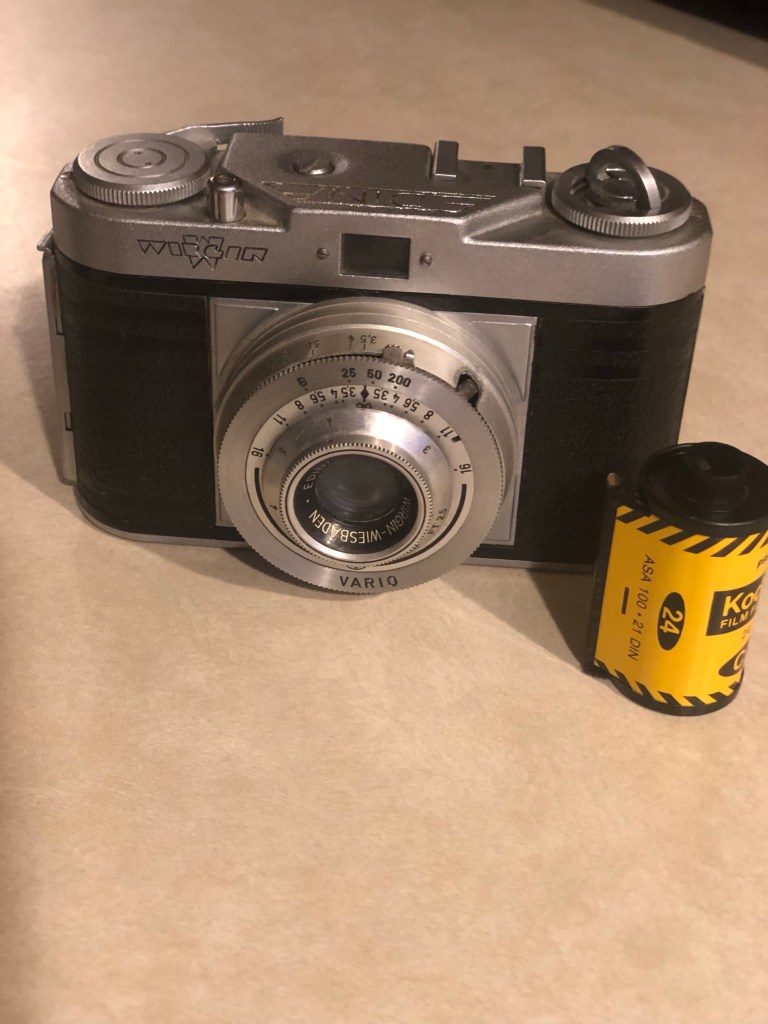
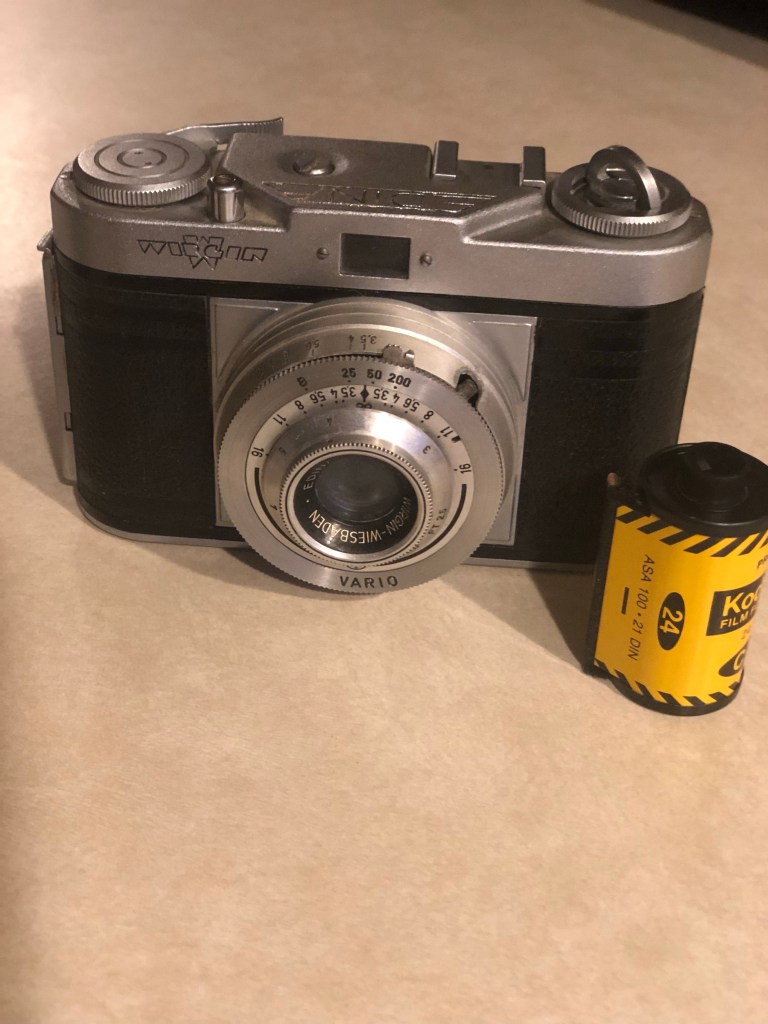
    I haven’t been in an antique store in a couple of years and the last time I was I wasn’t interested in any cameras. Yesterday I wandered into one and found two. The Wirgin Wiesbaden Edina and a Kodak DC 120 Zoom (1997 digital). The Wirgin Wiesbaden is a 1950s vintage 35mm film camera and it was loaded with film. The Kodak has a 10 mb memory card. Both cameras work. the display screen on the digital is not working properly but the camera works. I need to get the film developed out of curiosity. From what I can tell there doesn’t appear to be anything on the memory card but I will check when I get to my compact flash card reader.

    Yesterday I wrote about challenging myself with older gear well now I have two more pieces of older gear to try out.

  • Challenging myself with older gear

    Challenging myself with older gear

    We went on a weekend trip to enjoy some quiet time, wine, and photography. During this trip my challenge to myself was to use my 16 year old Nikon D80 and it’s matching 16 year old 50 mm f/1.8 lens.

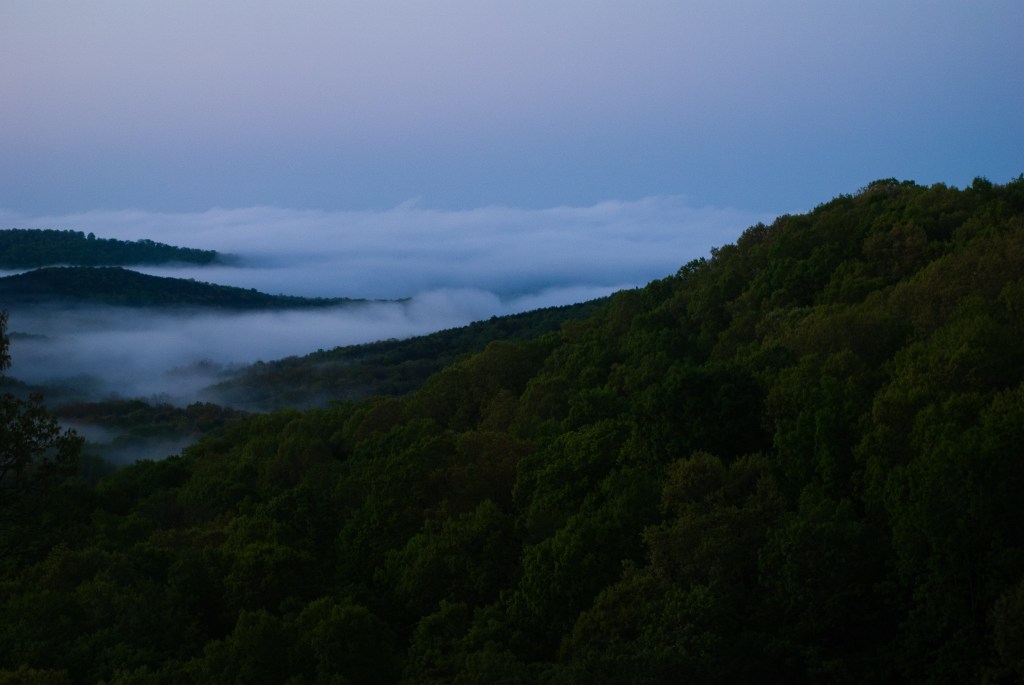
    The featured photo was taken with just that, taken at sunrise (even on my off time I wake early). The room we rented over a wine bistro overlooks a lake. Early morning fog settled over the lake. The D80 is still a capable camera.

    Don’t let others convince you that you have to have the best newest gear to create quality work. I am sure if I was using my 40 year old Canon AE-1 and film I could have created the same shot. Oh yeah, as a side note this was only very very slightly edited in Lightroom (not Lightroom CC ).

    Let’s get out there and create beautiful photos and art!

  • The proof is in the work

    The proof is in the work

    Yesterday, I wrote about a post on a social media site stating how much gear matters. Originally, I didn’t even look at the person who wrote the post photographs, but eventually, I couldn’t help myself. I looked and I must say I wasn’t impressed. In my way of thinking, if you’re going to go out in the world and boast about how quality gear makes a difference you should have top-quality work.

    We should let our work represent our skills, not our gear. Our photography gear serves merely as tools. We don’t need an expensive camera and lens to create quality work. What we do need is know-how.

    I’ve set up a challenge for myself this weekend. I’m going to take my 16-year-old Nikon D80 and my $100 (I think it was $90 when I bought it in 2006) 50mm f/1.8 lens and create some quality photographs just to demonstrate to myself that it isn’t about gear but about results. Hopefully, I will be able to share the results with you all.

    I don’t intend this to be a rant but rather a challenge to us to let our work speak for us rather than our tools. The tools we use are just that, tools. Our skill, our vision, and our resulting art are what matter.

    Don’t let gear hold you back. I’ve seen high-quality photographs and videos shot with an iPhone.

  • Gear doesn’t matter until it does.

    Gear doesn’t matter until it does.

    The was a debate in a recent Nikon camera social media group. The debate began when a member wrote a post about people should stop saying gear doesn’t matter because it does. I didn’t look at any of his photos, didn’t need to. The only comment I made was, “No photographer is as good as the simplest camera – Edward Steichen”. For those who may not be familiar with Edward Steichen, he is often credited with elevating photography into an art form. Edward Steichen is one of my favorite past photography masters and I agree with his quote.

    Gear doesn’t matter for the most part. A great photograph can be created with the simplest of cameras. A great photograph is created by the skill and vision of the photographer just like a great meal can be prepared on almost any stove in any type of pot and pan.

    Just because you use the top-of-the-line, newest, latest greatest photographic equipment doesn’t mean you will be able to create great photographs. I have known photographers who owned all the best equipment and their photographs absolutely sucked!

    There may be times when the gear is important. Maybe. For the vast majority of photographers, especially hobbyists, Our gear doesn’t really make a difference. I still own and use a Nikon D80 which is now 16 years old. I can put my $100 50 mm lens on it and create very good photographs. At the same time, I can take my newest full-frame camera and my 70-200mm f/2.8 lens and create crap. Don’t let people tell you that to create great photographs you need the best equipment or the latest technology. Photography, like many hobbies, can be a money pit. Create your art with your gear. If you want better gear and can afford it, that is great. If you can’t afford the latest and greatest, don’t fret. Show them you can create great work and outperform them.

  • One click photo filters.

    One click photo filters.

    Recently the topic of one-click filters came up. You know the presets or plugins for photo editing software, Instagram style. A podcaster I was listening to was of the opinion that he wasn’t sure about them and somewhat indicated he believed they are ruining photography. I’m not so sure.

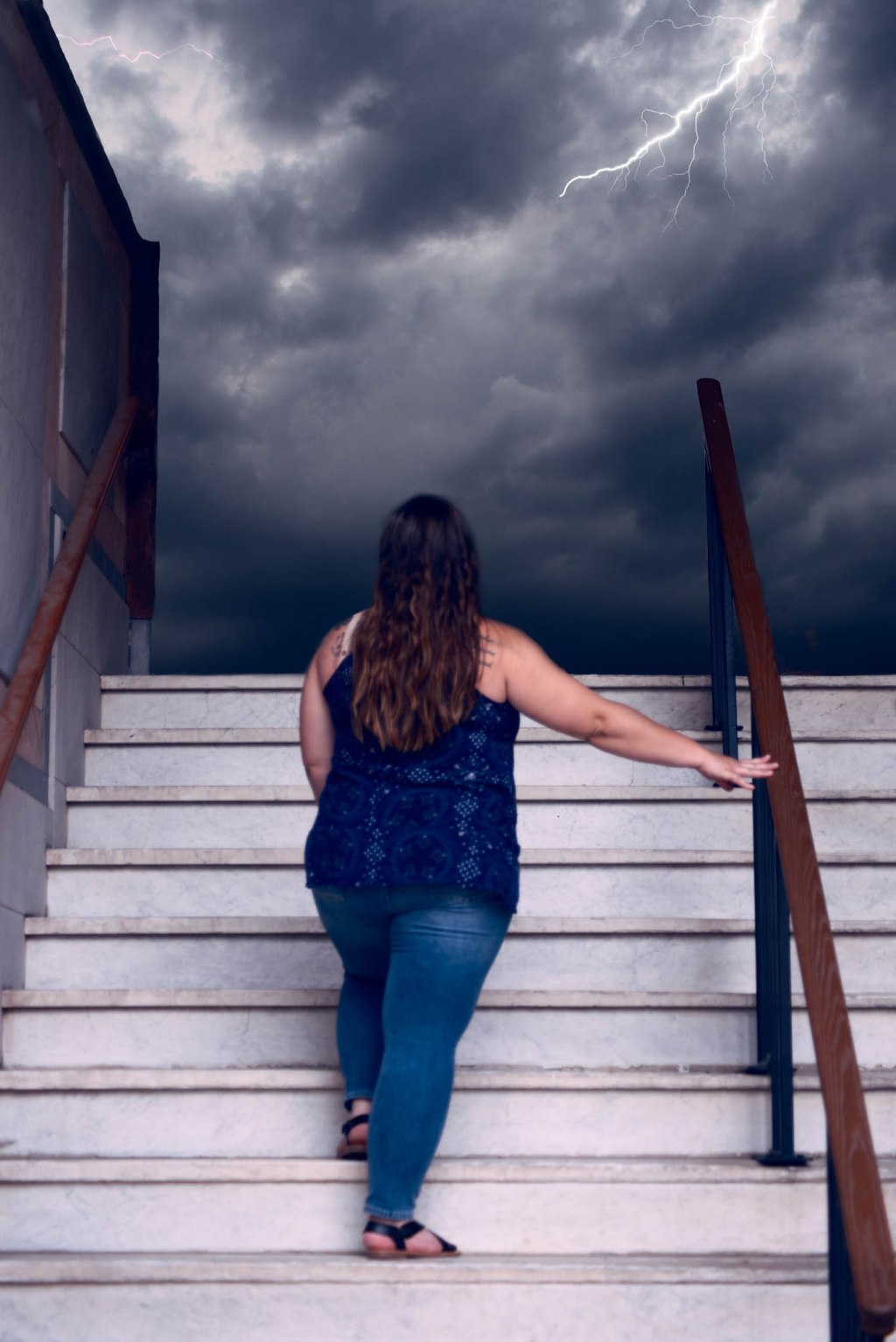
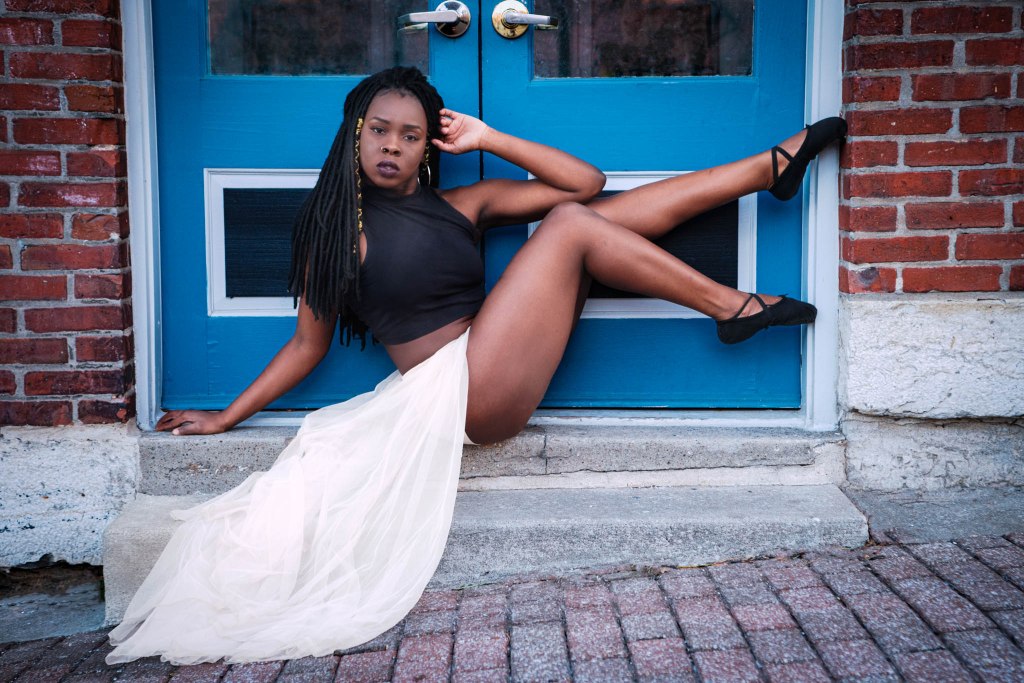
    The featured photograph of Dominique I shot recently. Dominique was one of my models for a day. The day we shot these photos was very unique in that it was super windy, the day started off with blue skies and big white puffy clouds but soon dark heavy storm clouds moved in. It was way too windy to set up a light and softbox I had brought unless I had an assistant, which I didn’t. In addition, my model had a dark complexion. Enter Lightroom.

    One click on auto tone, and the photo was 90% complete. Lightroom adjusted white balance, exposure, highlights, shadows, white and black points, and saturation/vibrance. Now with the masking tools, a couple more clicks and some minor adjustments on specific areas are done. Two minutes. I will admit that despite all the lighting challenges I believed I encountered there wasn’t too much editing really needed.

    I like using presets and these one-click filters even though I don’t use them as one-click and done. Maybe we think of these in the wrong way. One click to set the base and then you use the power of your tools to adjust it. The software and A.I. are getting very good. Why not learn to use them. It may get us away from the computer and out in the field more frequently.

  • Becoming a great photographer

    Becoming a great photographer

    Let me start off by saying I don’t believe I’m a great photographer, I’m still a work in progress. That being said, I believe I’m a much better photographer than I was five years ago.

    I recently read, well I’ll admit skimmed, an article about this topic (I did save it so I could go back and read it more thoroughly). One of the first things the author of the article suggested was to take photographs every day. As though practice makes perfect. He then went on to say that a 365 project was a good way. If you’re not familiar with a 365 project it is where you take a photograph every day for a year. I’ve tried this and they are difficult. It isn’t difficult to take a photograph every day what is often difficult is to take a quality photograph every day. I’m not sold on 365 projects.

    I don’t disagree that to become a great photographer you must do something photographically every day. I just don’t know that it has to be taking an actual photograph every day. I mean would a cell phone photograph count as well? Probably for some of us. (Note: I’ve changed my stance on cell phone photographs but that may be a topic for a future ramble.) I think we can count on studying the photographs of others, reading about photography-related topics, and the basic study of things art and photography-related. It all builds towards our knowledge and skills as a photographer.

    I haven’t done many photographs in the past couple of years. I have 404 photographs in my Lightroom catalog that were taken in 2021. So far, I have 126 photographs I have taken in 2022. I know that is a pathetic number, for 2022 especially since I took 93 of those at one photo session. My goal is to increase that number, dramatically and to work to ensure they are quality photographs. I can tell that I have become a bit rusty in some of my skills but I have honed other skills. My post-processing skills have improved. Now it is time to combine the two.

    The bottom line is this. I don’t think we need to take a photograph every day, but I do believe we need to take photographs often. More than once a week, but we need to make sure all our skills keep up with our mechanics of taking an actual photograph. Let’s get out there and do some art making.