Tag: quality

  • Black and White photography for a reason

    Black and White photography for a reason

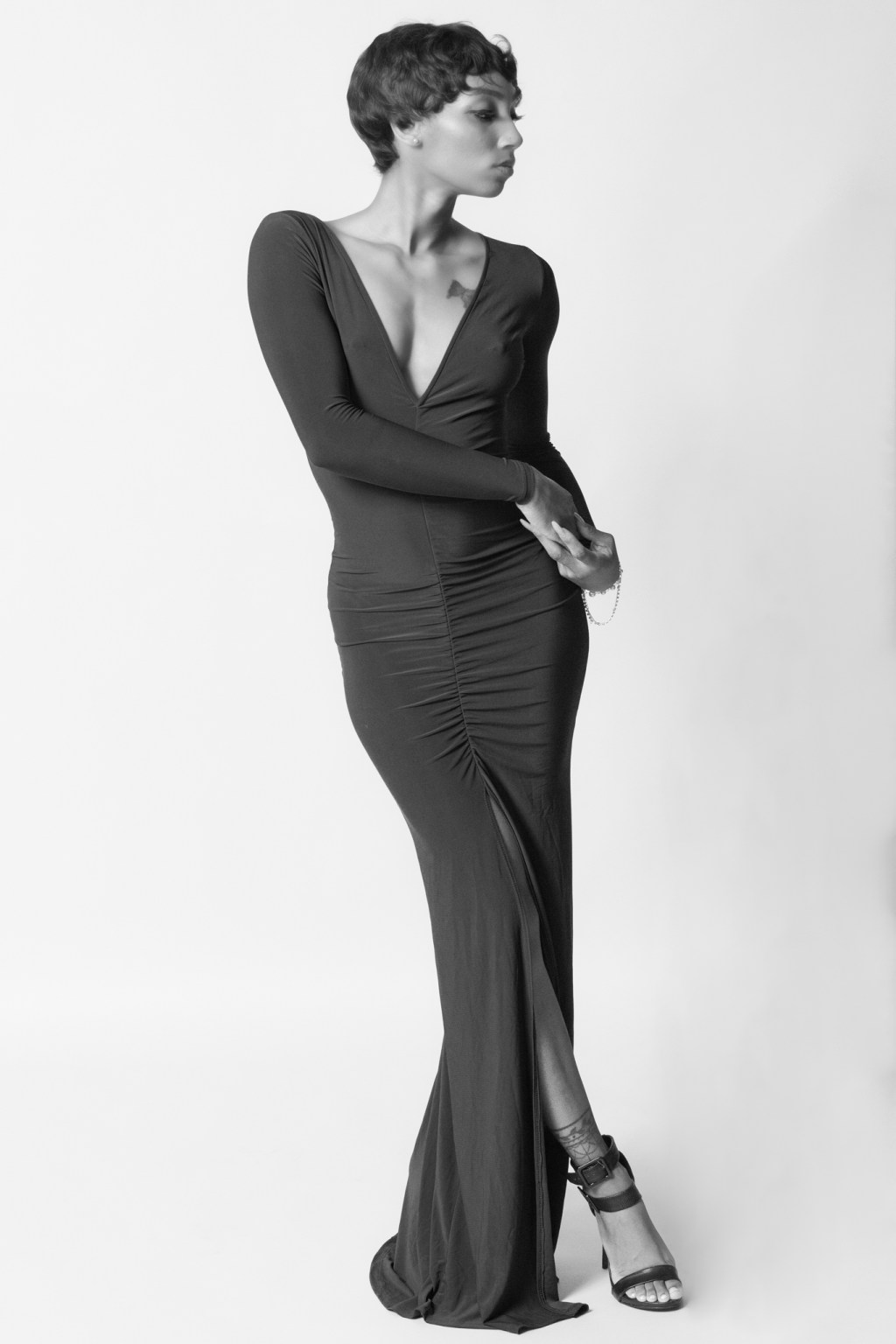
    The first color photograph was developed in 1861 but color photographs didn’t become the dominant form of photography until the 1970s. So most of us took black and white photographs because that was all we had available. Back in the days of my darkroom, I didn’t develop my own color photographs as it was much more involved and required equipment and chemicals specifically for developing color film. Times and temperatures needed to be much more tightly controlled. Fast forward to today. Color photography is the dominant style, but I do still like a nicely done black and white photograph.

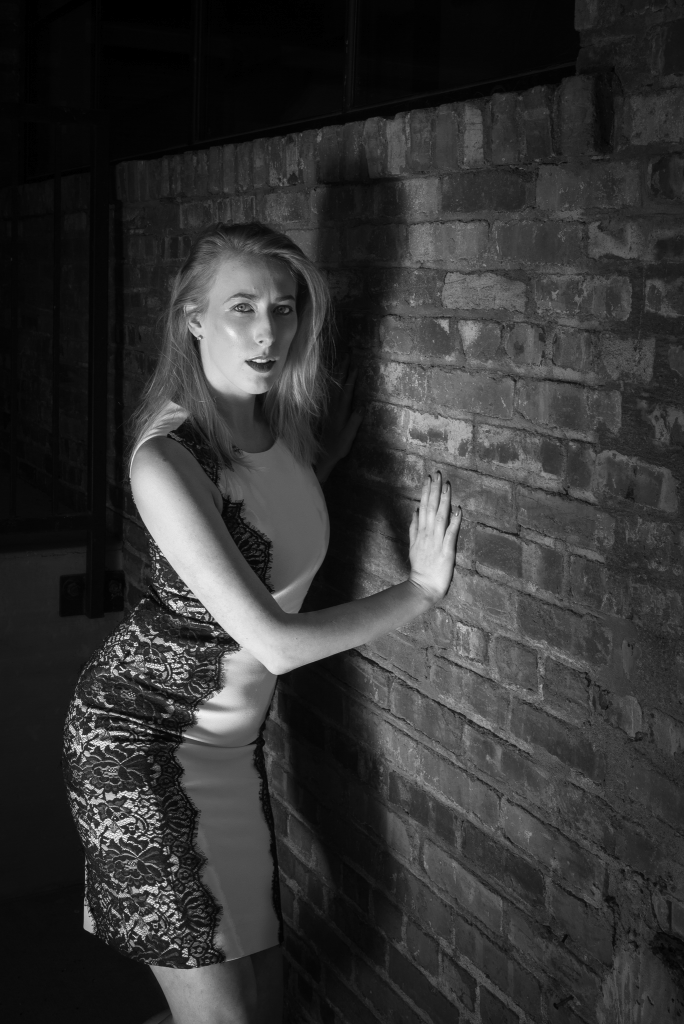
    I see photographs far too often talk about converting an image to black and white because they had to use high ISO settings, or just because they want to be “creative”, but they merely throw on a preset or some filter and think voila! To me, it takes more than that. Colors are converted to tones of grey. For me, I don’t convert to a black and white just because or as a way to “fix” an image with lots of noise due to high ISOs. Doing so, to me, makes it like a black and white image is something less than its color counterpart. There is a reason why masters did so much dodging and burning on their black and white photographs. It’s about tonal range and contrast.

    I feel like the color gets in the way of the story in some photographs which leads me to do a black and white version. Think about it next time you want to do a black and white photograph. Learn to do more than just slapping a filter or preset on an image. Do the black and white conversion the justice you do your color images. Convert the image with a purpose.

  • Why Ansel Adams was a master

    Why Ansel Adams was a master

    I could list dozens of reasons why Ansel Adams was a master of photography, but the single biggest reason I believe he was a master is that he was not afraid of post-processing. He spent hours in the darkroom getting the best possible print to match his vision of a scene. He was meticulous in both the exposure of the negative, its development, and the final print. I seriously doubt the majority of us are as meticulous. We go out and point and snap. Yeah, I know we have some tools that he didn’t have, we have autofocus, we have built-in light meters, blah, blah, blah. But are you really using these tools to their fullest? Probably not, and in fact, I would say most times, absolutely not.

    Thinking about how haphazard I have come to depend on technology to instantly give me the results I think I want I have decided that I need to slow down, and set up my photographs and truly utilize the tools I have available.

  • You’re not as good as your camera

    You’re not as good as your camera

    Edward Steichen once said, “No photographer is as good as the simplest camera”. Edward Steichen died in 1973. The first digital camera was created in 1975. It was the size of a printer, weighed 4 kg, used 16 batteries, and recorded images on a digital cassette tape. The first mass-produced autofocus camera was the Konica C35 AF which came to market in 1977. Why all this history? In Edward Steichen’s time cameras were much more simple than today’s modern cameras. So if no photographer is as good as the simplest camera in Edward Steichen’s time we’re not even close nowadays.

    We obsess over gear. We talk about all the features and high ISOs, about the video capabilities of our still cameras, The ability to use more than one memory card where we can store thousands of photographs. We talk about the clarity of the electronic viewfinders, and the sharpness of the lenses with the modern coatings.

    What we should be obsessing over is our ability to take photographs. I watch photographers when they are out doing their thing. They see something point the camera snap the picture and hope for the best. They don’t meter the light, examine the subject, check their position, set up the focus. Yeah, I know, there is a meter in the camera, there is autofocus, but how are they metering, what are they metering, what are they focusing on, why? So many photographers also never leave the standing position. Stand, snap, move, stand snap.

    I think I can do better. I think you can do better. Let’s start to obsess over results rather than gear. Let’s start to plan our shots, do a better job at metering the light, controlling the focus, making sure we have the best perspective, study our subject. Let’s work to get closer to the ability of our gear.

  • Do you really want to improve your photograph?

    Do you really want to improve your photograph?

    Do you really want to improve your photography? If not do you think your photography is the best it can be? If you do what have you done recently to improve? These may seem like simple questions but I believe if we really dig and ponder they aren’t necessarily simple. For instance, if I say yes, I really want to improve my photography but I haven’t done anything to improve then maybe I don’t really want to get better. If I say no, I don’t want to improve my photography because it is the best it can be then am I saying it is the best, or am I not capable of improving?

    Maybe it’s just me but I always want to improve. While I may not have shared many new images doesn’t mean that I’m not shooting photographs. A good number of things I photograph are never intended to be anything more than experimenting or testing. I read loads of articles and listen to photography podcasts. I study photographs of others. I don’t want to copy another photographer’s style but may use bits and pieces of many styles to build my own.

    There are many great photographers nowadays. We have loads of resources available at the tips of our fingers. We have access to vast amounts of knowledge and experience in photography and we have technology built into our modern cameras that the masters of the past could only dream about.

    I hope everyone really wants to improve their photography and if you haven’t already actively done something to improve your photography, start today. Let’s grow and improve together!

    .

  • Sometimes less is more

    Sometimes less is more

    I see this more often with wedding and portrait photographers but it exists in all genres where we or our clients believe the photographer must take hundreds or thousands of photographs during a session. Once those hundreds or thousands are taken the vast majority must be great. I have tried to understand when, why, and how this trend began. At the same time, I photographers say to go back to film to learn to be a better photographer because you’re limited in the number of photographs you can take, yet many of these same photographers provide massive numbers of photographs for their sessions.

    I used to loath the term, less is more. I have always thought to deliver a finished product that is better than expected but I have come to better understand what often the expression means, at least to me. It’s not always the quantity of delivering more but delivering less of a higher quality. When we attempt to pack too much into a session, we often become sloppy and careless. This can include any photography we are doing. By setting a goal of coming away with hundreds or thousands of photographs maybe we would be better served by slowing down, limiting our numbers, working to obtain the best exposure, best composition, best subject. As an artist, we shouldn’t be concerned with mass production but quality art.