Tag: quality

  • Keep climbing to improve your art

    Keep climbing to improve your art

    As we gain years of experience we often lull ourselves into a false sense of security, knowledge, and achievement causing us to believe we don’t need to learn more or push ourselves to further hone our craft as photographers and artists. Nothing could be further from the truth. We must, and I repeat must, continue to push ourselves to gain further knowledge, and skills, and push the boundaries of creativity.

    Without continuing to push ourselves to learn new skills and techniques or failing to push our creative boundaries we can become stale and ordinary. We need to stop fighting against new tools or techniques and learn about and utilize their advantages and disadvantages. As photographic artists if those who came before us stopped working to learn more and develop new technology and techniques, we would still be producing images as Nicéphore Niépce.

    Push yourself to learn to embrace new ideas and techniques. Push yourself to learn new technology and tools. Push your boundaries of creativity. You may surprise yourself with what you can create once you open up to these advancements.

  • Photographer versus Artist

    Photographer versus Artist

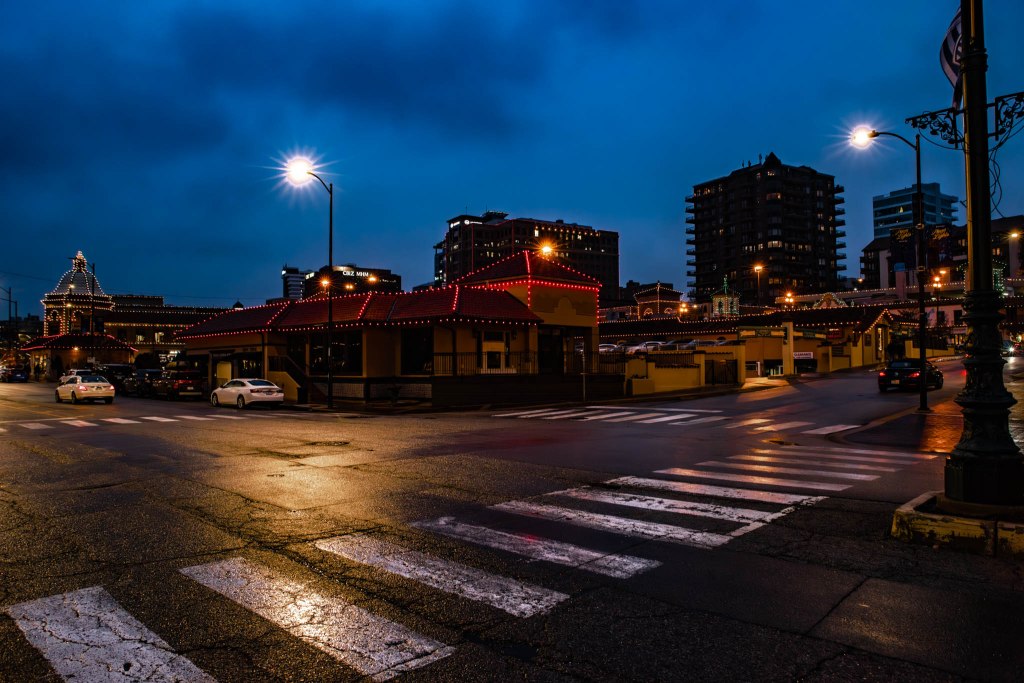
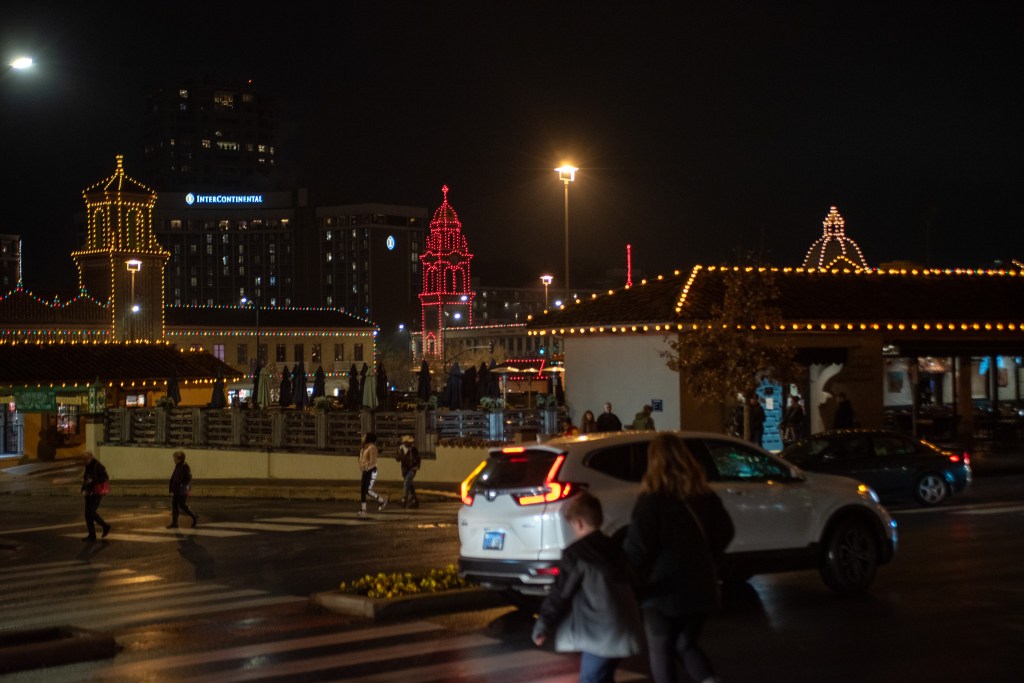
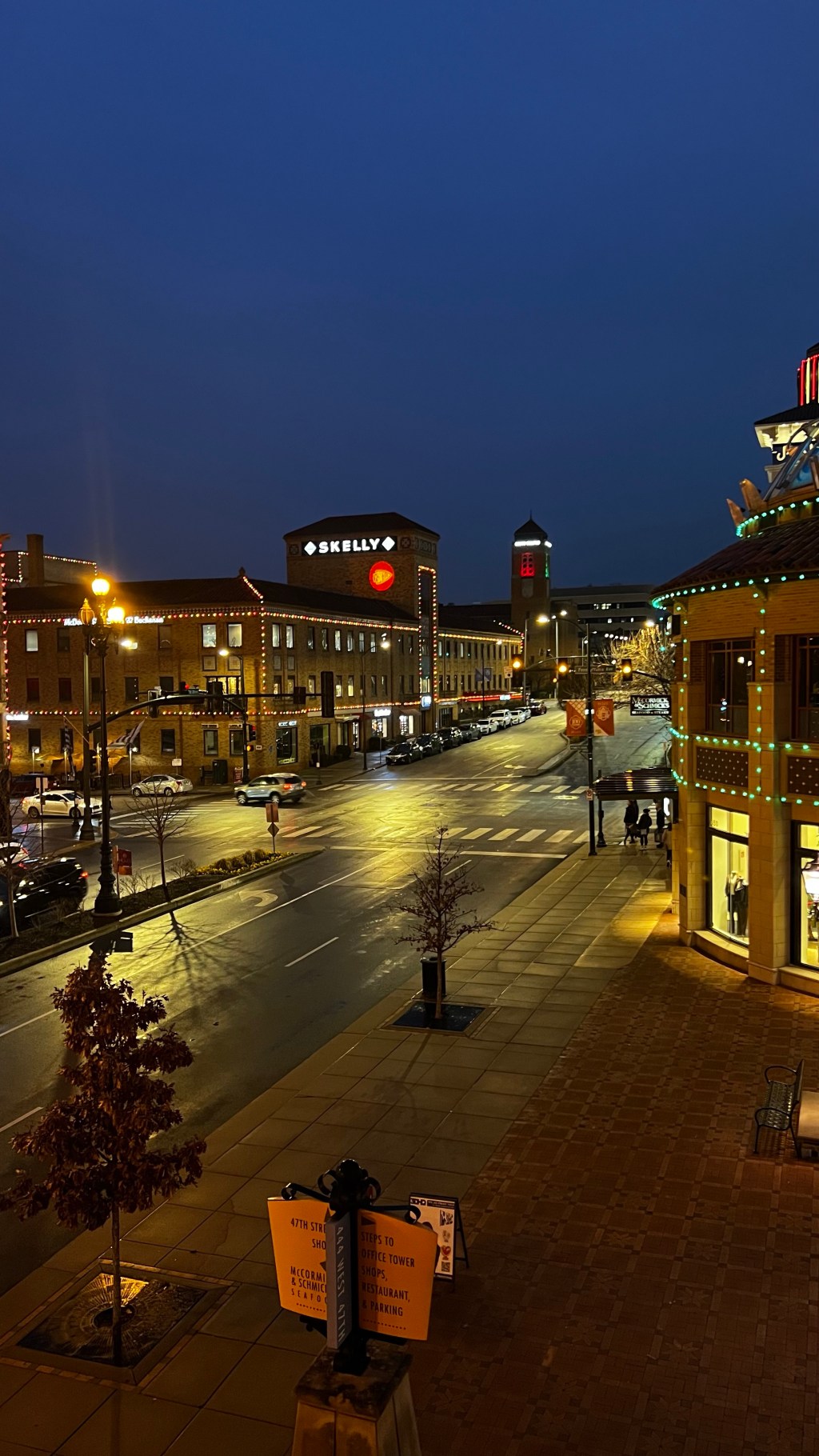
    It has become more apparent to me that I am not a photographer, but rather an artist who uses a camera. The difference is that I work to create a photograph more than just take a photograph. While I strive to get the best result at the time I take the initial photograph it is not complete until I work it. For me, it is important to recognize that camera is ruthless. It sees and records everything. In many instances we can include or exclude elements we want but then there are times we have little to no control what may be in a scene. Let’s take the image above as an example. 

    I won’t say the image was “heavily” manipulated but it was manipulated more than just basic edits such as saturation, and sharpening. There were reflections caused by lights and the wet pavement I found distracting. There were also some street signs, and other distractions that I could not have otherwise eliminated at the time I took the photograph. For me, it is about creating a piece rather than just recording it. 

  • The value of post-processing

    The value of post-processing

    It appears to me that the discussion of post-processing images is never-ending. It also appears to me that those who are against the use of tools such as Photoshop/Lightroom, or similar programs, are because of their lack of skills and ability. Post-processing isn’t always about “fixing” a photograph. It isn’t about a photographer not planning or utilizing the camera and equipment properly. The camera, cannot see as I see. 

    Post-production has existed as long, or nearly as long, as photography itself. In the past, we selected films based on how we wanted to render color, contrast, and tones. If we were good we also learned how to further enhance those qualities in our chemical darkroom using dodging and burning, unsharp masks, development times and chemicals, the selection of papers, and more development. Today’s tools take us even further without exposure to chemicals and smells. As nostalgic as those things may be. 

    To become a good or great photographer it is necessary, in my mind, to understand and utilize ALL THE TOOLS which include how to post-process the images. 

  • Changes leads to progress

    Changes leads to progress

    My last post on the blog was several weeks ago. This wasn’t intentional but I was in the midst of some changes. I moved to a new place and was in the middle of getting everything moved, set up, arranged, and organized. This was one of the changes that was planned months ago when we (my wife and I) started a new journey. The journey included moving out of our former home, putting much of our belongings into storage, and traveling for several months. The plan included returning for the holidays but what we found was we love to travel but we also missed having a home base where we could return from our travels and have our own stuff. 

    During our stay with family during the holidays we began shopping for a new place to live permanently.  During the first part of December, we found a place, however, it was not going to be ready until January 5, 2024. On the 14th of January, 2024 we got all our belongings moved into the new house which is in an area more urban than we have ever lived. Now I have a room dedicated as a home office and photography room. 

    Changes, such as those I have just described above are very stressful and exciting at the same time. At the same time, change leads to progress. While it may not appear like it at times to progress change needs to happen. We are witnessing changes in the creative world as well with the advancement of artificial intelligence and creating or developing art using artificial intelligence and computers. 

    Many, unfortunately, see it as the death of human creativity. I see it as just another advancement. As we grow as an artist it makes sense, to me, that we allow artificial intelligence to do mundane time-intensive tasks while maintaining creative control over the artificial intelligence. Failing to do so will, eventually, cause us to lag behind others and lose our edge. 

  • AI and photography aren’t a bad thing.

    AI and photography aren’t a bad thing.

    Artificial intelligence (AI) has greatly influenced the field of photography, bringing about significant advancements and transforming the way we capture and enhance photos. Here are some ways in which AI has revolutionized photography:

    1. Image Recognition: Thanks to AI algorithms, images can now be analyzed to identify objects, scenes, and even emotions. This allows for automatic tagging, categorization, and quick searching through photo libraries.
    2. Automatic Settings: AI-powered cameras can intelligently adjust settings like exposure, focus, and white balance based on the analysis of the scene. This means that photographers can capture great photos without having to manually make those adjustments.
    3. Image Enhancement: AI algorithms excel at enhancing photos by reducing noise, improving sharpness, and adjusting colors. Through deep learning, these algorithms continuously improve by learning from vast amounts of data, resulting in visually impressive enhancements.
    4. Face Detection and Recognition: With AI, accurate face detection and recognition is now possible in photos. This enables features like autofocus on faces, automatic tagging of individuals, and smart organization based on people present in the photos.
    5. Style Transfer: AI algorithms can apply various artistic styles to photos, giving them the appearance of paintings or imitating the styles of renowned photographers. This opens up new avenues for creative expression and experimentation.
    6. Photo Restoration: Using AI algorithms, old and damaged photos can be restored and repaired with ease. Scratches, stains, and noise can be removed, and missing parts can be intelligently recreated by leveraging deep learning and extensive training data.
    7. Automatic Photo Organization: AI-powered photo management software can cleverly organize photos based on factors such as location, date, and content. This simplifies searching, browsing, and reliving cherished memories.
    8. Intelligent Photo Editing: AI-driven editing tools offer advanced functionalities like object removal, automated retouching, and even generating realistic backgrounds. These tools streamline the editing process and save time for photographers.

    With ongoing advancements, AI technology continues to evolve and integrate further with photography, enhancing the way we capture, edit, and appreciate visual moments.

  • Combining A.I. and photography

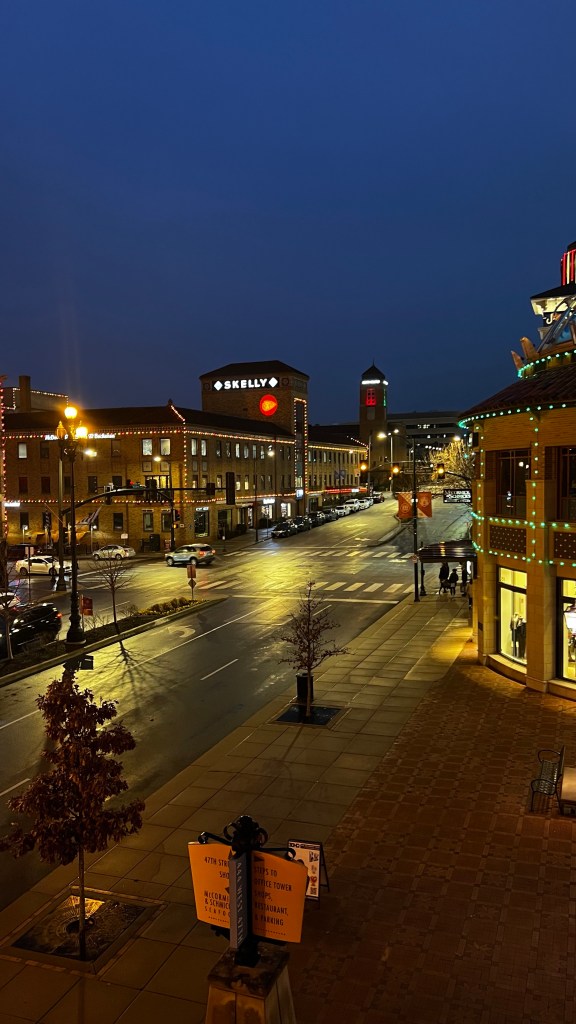
    Much has been written lately about artificial intelligence, specifically generative fill in Photoshop, and creating photographic art. Some in support of artificial intelligence and generative fill and others against. My thoughts are I am in support of artificial intelligence and photography. I work to create the images I want when I want. Let’s talk about the “featured image” (above). I took the image at roughly 6:30 PM on a Saturday night. The street was busy with cars and the sidewalk was packed with people, as see below.

    This is reality, but for me there are many distractions. Sure, I could have waited until much later or got up very early and had a better chance to get the shot with no cars or people, but I could also have used generative fill and artificial intelligence to remove those distractions to create the shot I wanted. Additionally, had I waited the wet pavement may have dried and not allow the reflections I wanted. The generative fill and artificial intelligence will, most likely, continue to improve making its use better but for now I believe it is quite usable.

  • Creativity is dead only if we choose it to be dead.

    Creativity is dead only if we choose it to be dead.

    Creativity is not dead despite what others may think. Yes, there is a low bar set for entry into photography but the bar was lowered 123 years ago and the so-called masters didn’t let that hold them back. How do I get the bar was lowered 123 years ago? That was when Kodak released the Brownie camera. The camera meant for everyone. Since then photography has experienced a number of advances making taking photographs easier and faster.

    Just because it is easy and fast and nearly everyone owns a high quality camera doesn’t mean that creativity in photography is dead. The only thing stopping you from creating art. Just because it is so easy to share photography with the world and others just scroll past doesn’t stop you. Share. Inundate the world with your work and raise the bar for you.

  • Is it about art or likes?

    Is our photography really about art or are we just in it for likes? Is it about creating quality or generating a dollar? For me, it often appears as if we convince ourselves it is about art and quality yet we succumb to the will of likes and/or money.

    Rarely, have I taken a photograph that I felt like it was the best that could be done. I am almost always on the hunt to do better. This can be both a problem and a blessing. I constantly strive to get better results but at the same time, I become bored with subjects, lighting, areas, etc. I see many more flaws in my photographs than ever before, such as chromatic aberrations, focus that is too sharp, focus that is too soft, too much or too little color saturation, too much or too little light or too many dark shadows. But then put a beautiful model or cute child/pet/animal and get lots of likes yet put in the work and produce a good photograph of a mundane subject and the proverbial sound of crickets.

    It all may boil down to the speed of life around us where we are all in a hurry to get the destination even if we don’t know where the destination is and don’t have time to stop and appreciate what surrounds us, to enjoy art and interpret the story of the piece.

  • Photography is easy, good photography is hard, and photographic art is even more difficult.

    A couple of weeks ago I wrote about how photography has become easier than ever and touted the ways and benefits. I was a bit wrong. Yes, photography has become easier, and for the most, it is a good thing, for the most part. What is difficult is to take good photographs and harder yet to create art. No, to me, just because you claim a piece to be a work of art doesn’t make it so. Just because it is easy to take a photograph doesn’t make you ready to become a professional photographer.

    I also believe we have, at times, become too nice for fear of offending others. It has become easy to give a thumbs-up, heart emoji, or type “nice photo” on what may be a mediocre, at best, photograph. “We all have different likes”, I get it but that has become an excuse for giving the aforementioned thumbs-up, heart emoji, or typing “nice”. Our attempts to not discourage others has evolved into praising poor or mediocre work, in my opinion.

    Some might say I’ve become a grumpy old photographer who believes everyone has to pay their dues, well I’ll tell you that is far from the truth. I believe the best way to encourage beginning photographers is to help them learn and progress not give them a participation trophy. Sometimes the truth is harsh.

  • Art versus journalism

    This is one of those never-ending debates in photography. Should photography be considered art or journalistic documentary? Can it be both? Can a person practice both? I typically consider myself more of an artist. I don’t let reality hold me back. I love to create. I work to get what I consider the best starting point and then do my editing. This often involves bracketing shots, working exposure, composition, focus points, and depth of field. For me, it is all about the art with an occasional documentary look.

    Even photos I take and share that look more like documentary style are altered. My reality is often much different than others. I work to re-create how a scene or subject looked in my mind, disregarding distractions such as leaves or branches that are “out of place” to my eye.

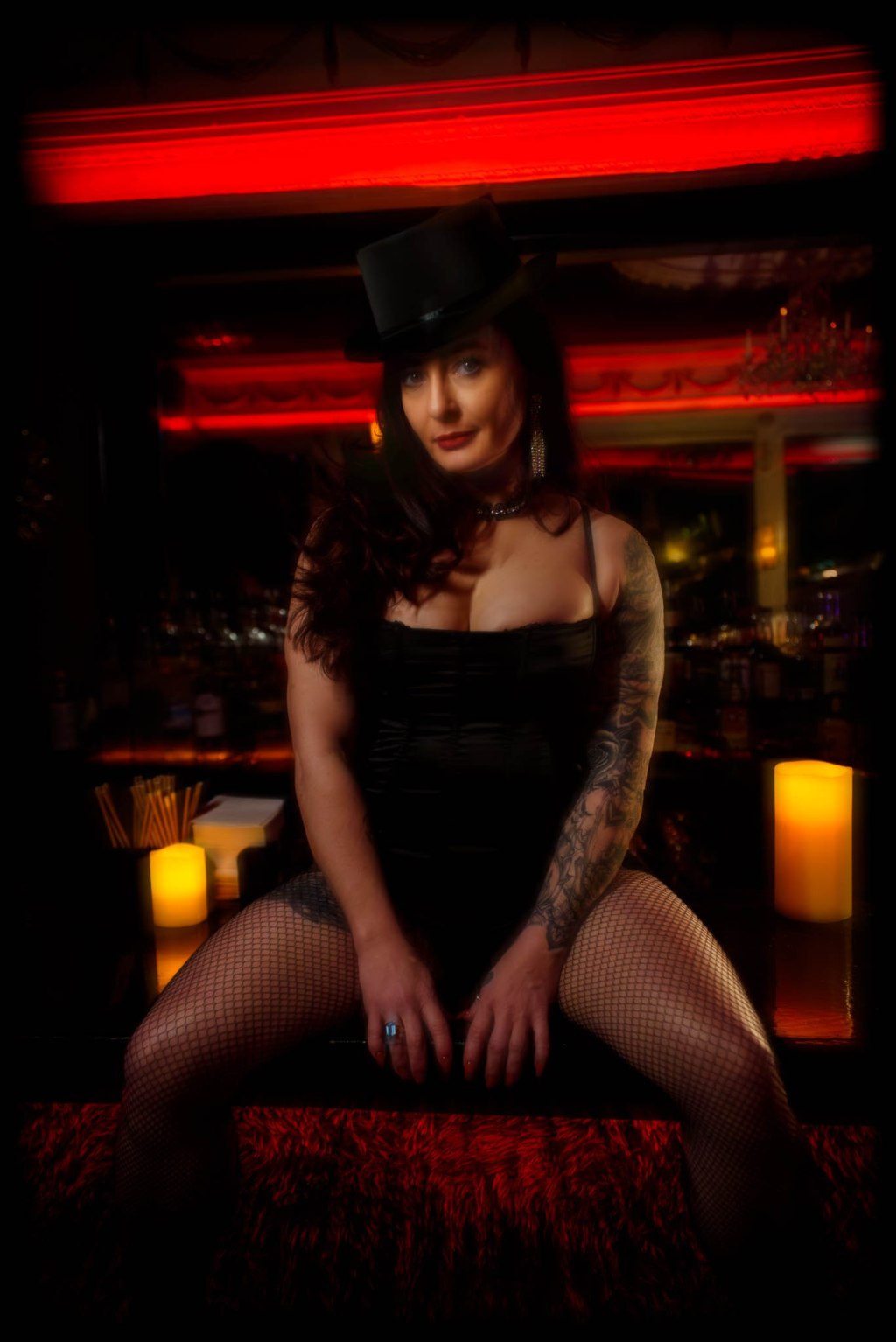
    This mindset even applies to photographing people. I look for dramatic lighting but I am not beyond making the light more dramatic in my post-processing.

    For me, it is about vision and emotion rather than merely recording a scene.