Photographic style, something that confuses many people. I did a bit of research this morning on photographic style and even the “talking heads”, or at least people who profess to be “experts” were confused. Most of the articles I found talked about genres of photography rather than “style”. Even more confusing is how to find “your style”. Can you even find “your style”? If you can, can you really find your style if you never go outside your “comfort zone” with techniques, processing, and compositions? If you never, go wild, how do you know that isn’t “your style?” Is “your style” just copying someone else? If so, is that really your style?
So many questions and few answers. Let me hear your thoughts on photographic style.
My intent when I write my blog posts is to, hopefully, prompt thought about our craft. Rarely do I write to provide instructions on how to create better photographs but rather to stimulate our minds to follow a path of creating art. I consider my daily ramble “photography food for thought”. Hopefully you will continue to follow along and we can generate conversation about the “food”. As long as the conversation is stimulating and thought provoking, I welcome comments about my daily ramble. I like to believe that together we can work towards creating more engaging photographic art.
Yesterday, I read a quote that reads, “The photograph should be more interesting or more beautiful than what was photographed”. This is the secret to great photography. This is why I say post-processing is a must. If you shoot film and don’t develop your own this can be challenging as you have little control over processing times or print making. Fear not though, there is a way. Scan the negatives and then import them into your favorite photo editing software and now you have control over contrast, burning, dodging, and much more.
My belief is that I create a scene to look as I envision it in my mind. Create art, don’t merely photograph.
It is easy to just point your camera and push the button however I believe it is also easy to do a bit more and create the vision you want. We all view a scene a bit differently. I typically envision bold saturated color. I also have a tendency to eliminate distractions in my mind. The camera, on the other hand, is ruthlessly accurate. Today’s lenses are ruthlessly sharp. By the same token, photo editing software has become much more powerful and easier to use.
Ansel Adams once said; “You don’t take a photograph, you make it.” If you have ever studied Ansel Adams, he was meticulous at setting up to expose the negative. He was even more meticulous in the darkroom at developing the negative and then the print. Become your version of Ansel Adams, meticulously set up the scene, adjust the focus and camera settings to capture the best image you can to create your vision. Notice I said to capture the best image you can to create your vision. This may mean a different exposure than what your camera suggests. You may want details in highlights and shadows so you work to ensure both can be captured or you may not want details in those areas.
Once you have your starting point then take your image to your darkroom, or lightroom for digital images, and tweak the image to fulfill your vision. Envision what you want and then work to create it.
I see people talk about this all the time but, in my most humble opinion, there is no such thing as “getting it right in the camera”. First of all, what is a “proper exposure”? Many would argue that a proper exposure is where there are no blown highlights or lost detail in the shadows. To that I say have you ever looked at a scene and some of it was too bright and other areas too dark. Secondarily, the image must be processed first, or we cannot see it. Even with film, we must process the film in a solution of chemicals to create a negative, or in the case of slide film a positive. The mere choice of chemicals and processing methods alters what was captured in camera. When we discuss digital images, the image must be processed from the collection of 1’s and 0’s. Finally, there is the vision of the photographer. How one photographer views a scene may be very different than another.
Photography has become easier than ever thanks to advancements in technology. Here are a few reasons why taking photos has become more accessible:
Smartphone Cameras: Most smartphones nowadays come with high-quality built-in cameras. This means you don’t need to carry a separate camera to capture memorable moments. Just grab your phone, and you’re ready to snap photos anytime, anywhere.
Auto Mode: Modern cameras, including smartphone cameras, feature intelligent auto mode settings. These settings analyze the scene and adjust the camera’s parameters automatically, ensuring that most photos turn out well-exposed and focused.
Instant Preview: With digital photography, you can instantly preview your shots on the camera’s LCD screen or smartphone display. This allows you to review and retake photos if necessary, so you can ensure you capture the perfect image.
Editing Software: Powerful photo editing software, often available on smartphones or as separate applications, make it easy to enhance and refine your photos. Adjusting exposure, color, and cropping can be done with a few simple taps, allowing you to achieve professional-looking results.
Online Sharing: In the age of social media, sharing your photos has never been easier. Platforms like Instagram, Facebook, and Flickr allow you to share your images with friends, family, and a wider audience, instantly and effortlessly.
Learning composition in photography can be an exciting and rewarding journey. While it may seem daunting at first, there are several techniques and guidelines that can help you understand and improve your composition skills. Here are a few tips to make the process easier:
Rule of Thirds: One of the fundamental principles of composition is the rule of thirds. Imagine dividing your frame into a grid of nine equal parts by drawing two horizontal and two vertical lines. When composing your shot, try placing key elements of interest along these lines or at their intersections. This simple technique can lead to more balanced and visually appealing photographs.
Leading Lines: Look for leading lines in your scene, such as roads, paths, or even natural elements like rivers or tree branches. These lines can draw the viewer’s eye into the image, creating a sense of depth and guiding their gaze towards your main subject.
Framing: Use elements within the scene to frame your subject. This could be anything from doorways and windows to tree branches or arches. Framing adds a sense of context and can help draw attention to your subject while creating a more visually interesting composition.
Symmetry and Patterns: Seek symmetry or patterns in your composition. Symmetrical compositions can create a sense of balance, while patterns can add a repetitive element that is visually pleasing. Look for reflections, geometric shapes, or any repeating elements that can enhance your composition.
Negative Space: Don’t be afraid of empty or negative space in your photographs. Negative space refers to the empty areas in your frame that surround the main subject. Leaving some breathing room around your subject can create a sense of simplicity, elegance, and emphasize your subject’s importance.
Remember, practice is key when it comes to learning composition in photography. Experiment with different techniques, break the rules, and develop your own unique style. As you continue to study, analyze, and appreciate the work of photographers you admire, you will gradually develop an intuitive sense of composition. So, embrace the journey and enjoy capturing outstanding photos!
I continue to see photographers complain that photography has become “too easy”. Granted it is not a huge number of photographers, but they appear to be highly vocal in photography forums. Photography doesn’t have to be difficult. Let me say that louder for the people in the back, “PHOTOGRAPHY DOESN’T HAVE TO BE DIFFICULT!”. Additionally, photography doesn’t mean you have to use the most expensive and newest gear. You can create fantastic photographs using virtually any camera.
On September 14, 2023, I began a series of journeys. We first headed to Washington state from Kansas. The journey to Washington was a three-day drive, at least how we do it. My idea was to start a photography project and document the drive as well as our experiences upon our arrival at the various places we visited.
Photographs I got. The writing, not so much. I even have the ability to write via a mobile device. My excuse? I was out of my routine.
While I was working a 40-hour work week I had a routine. Up at 4 AM, make coffee, sit down at my desk and write while drinking my coffee. Once I retired, I did not keep the same routine. I got up whenever I wanted made coffee and then nothing. When I started the journey, my routine was even worse. When we were driving to our initial destinations we were up early, had coffee on the road or a quick breakfast then drive. If I was driving obviously no writing, but as a passenger I often became distracted. When we arrived at destinations, I reverted back to my non-routine of I had “established” after retiring.
I know it is all about priorities and I let other things, such as sitting around and spending too much time on social media become a priority. Now, I need to re-establish my previous routine of writing on a daily basis.
Photographers and photographic artists both work with capturing images, but there are notable differences between the two.
A photographer is someone who captures moments and events through the lens of a camera. They focus on technical aspects such as lighting, composition, and framing to produce visually appealing and accurate representations of subjects. Photographers often work in various genres such as landscape, portrait, fashion, or documentary photography. Their primary goal is to capture and convey a specific moment or story.
On the other hand, a photographic artist goes beyond simply capturing a moment. They use photography as a medium for artistic expression and storytelling. Photographic artists employ their creativity and imagination to produce images that convey emotions, concepts, or abstract ideas. They experiment with various techniques, such as manipulation, multiple exposures, or the use of unconventional subject matter to create unique and thought-provoking visual narratives.
While photographers primarily focus on the technical aspects of image capture, photographic artists delve into the realm of artistic interpretation and conceptualization. They may incorporate elements of other art forms, such as painting, sculpture, or digital editing, to enhance their visual creations.
In summary, photographers capture moments and events, aiming for accuracy and appealing visuals, while photographic artists use photography as a means of artistic expression and storytelling, exploring creativity and pushing the boundaries of visual representation.
As a photographer, it’s essential to always maintain your principles. Don’t compromise your values or artistic vision just to please others. Stay true to yourself and your unique style. Remember that photography is not just about capturing pretty pictures, it’s about telling a story and conveying emotions. So, don’t be afraid to take risks and experiment with new techniques. But always stay true to your principles and let them guide your creative process. This will make your work more meaningful and earn you respect and admiration from your audience.



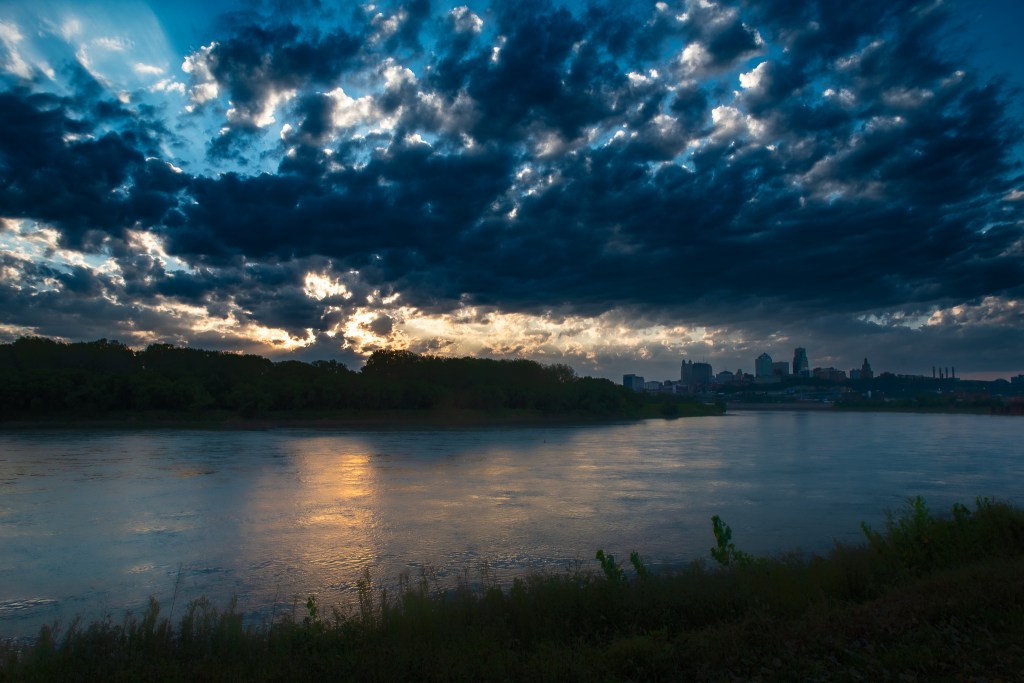
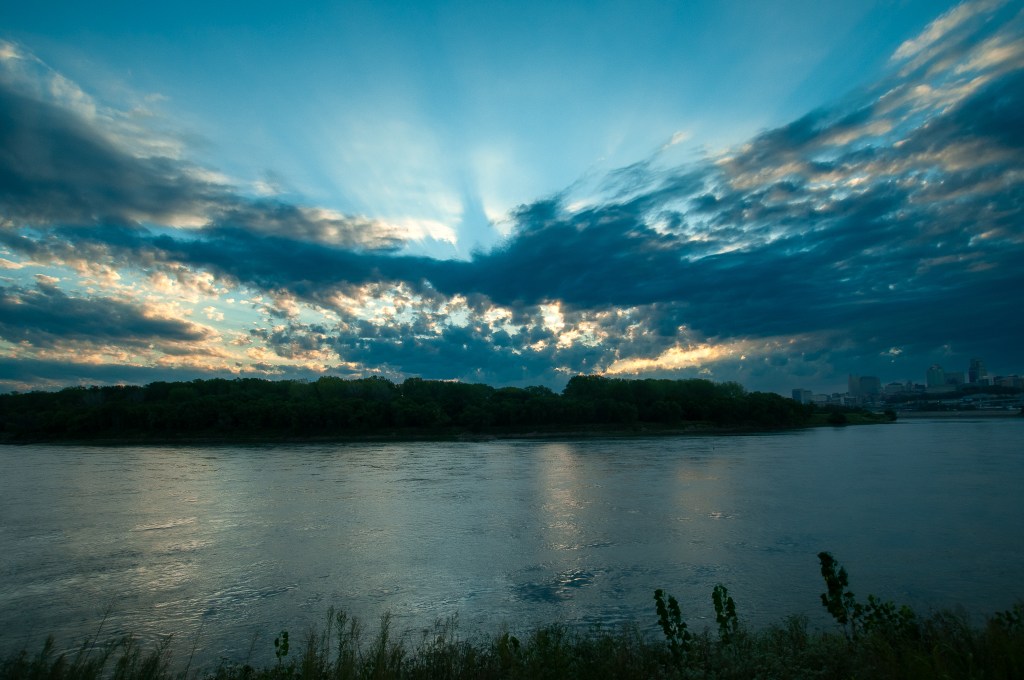
 Photographer Clay