Tag: teach

  • Black and white photography is my favorite

    Black and white photography is my favorite

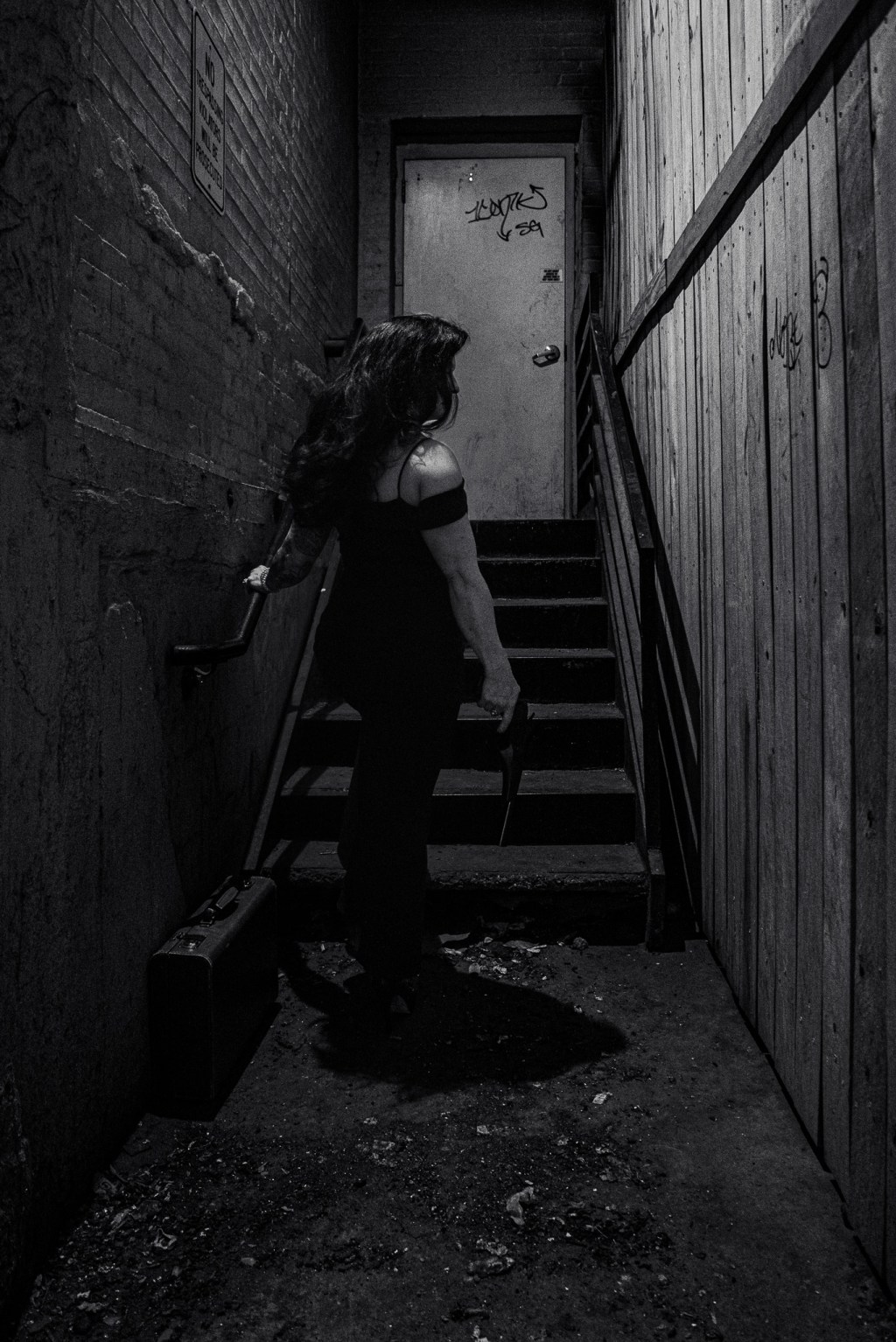
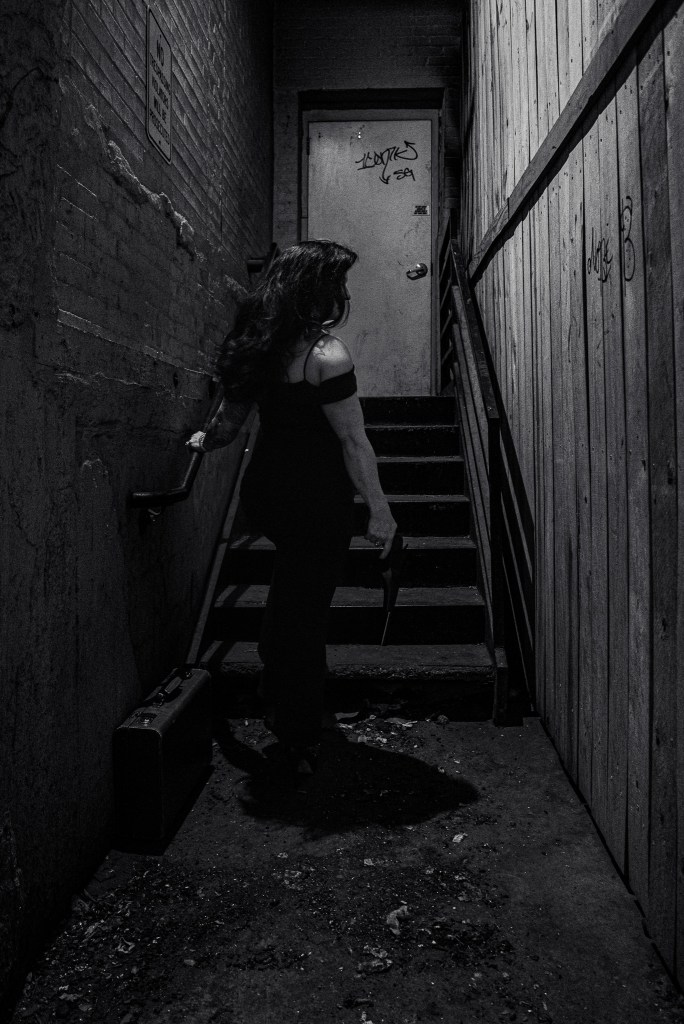
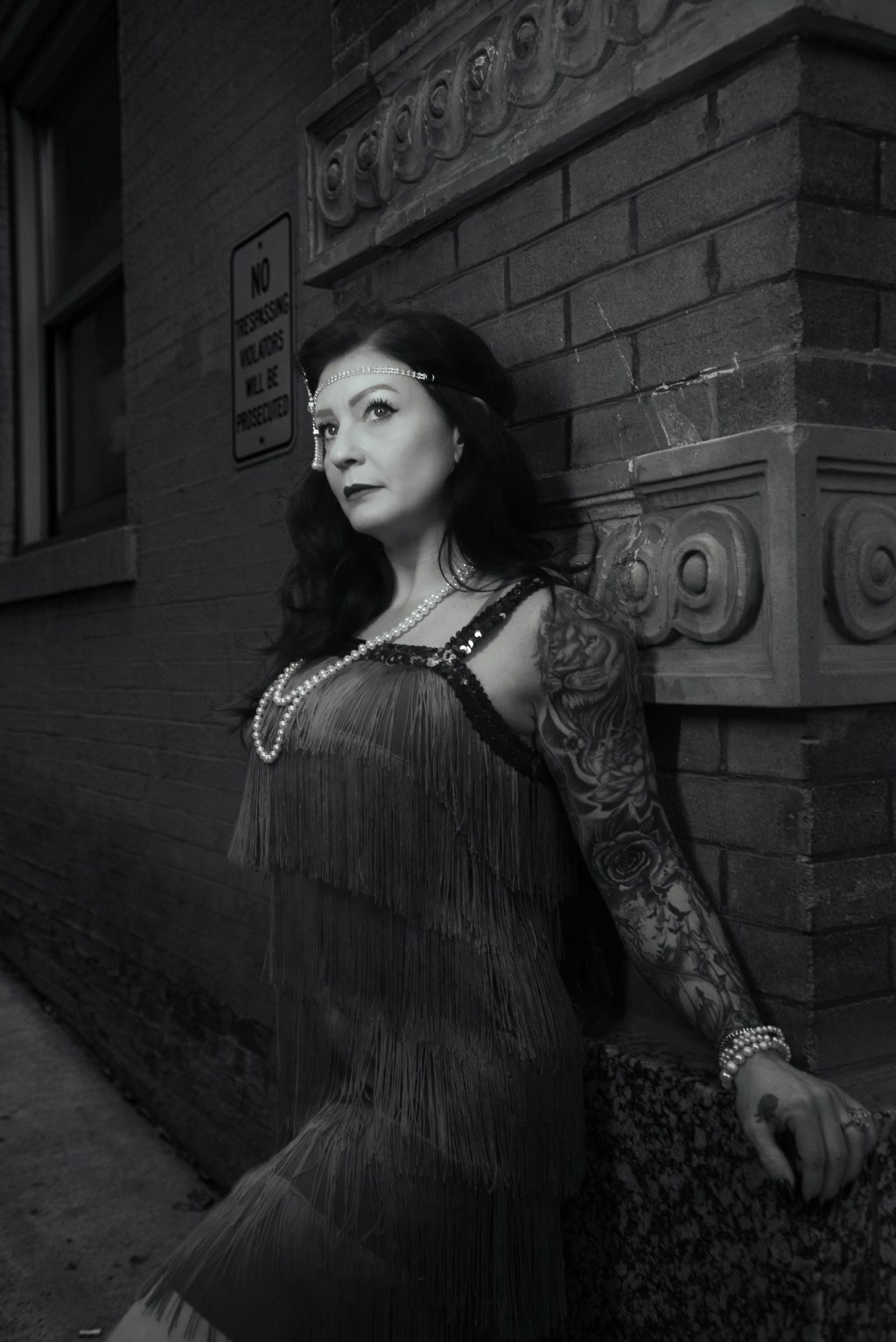
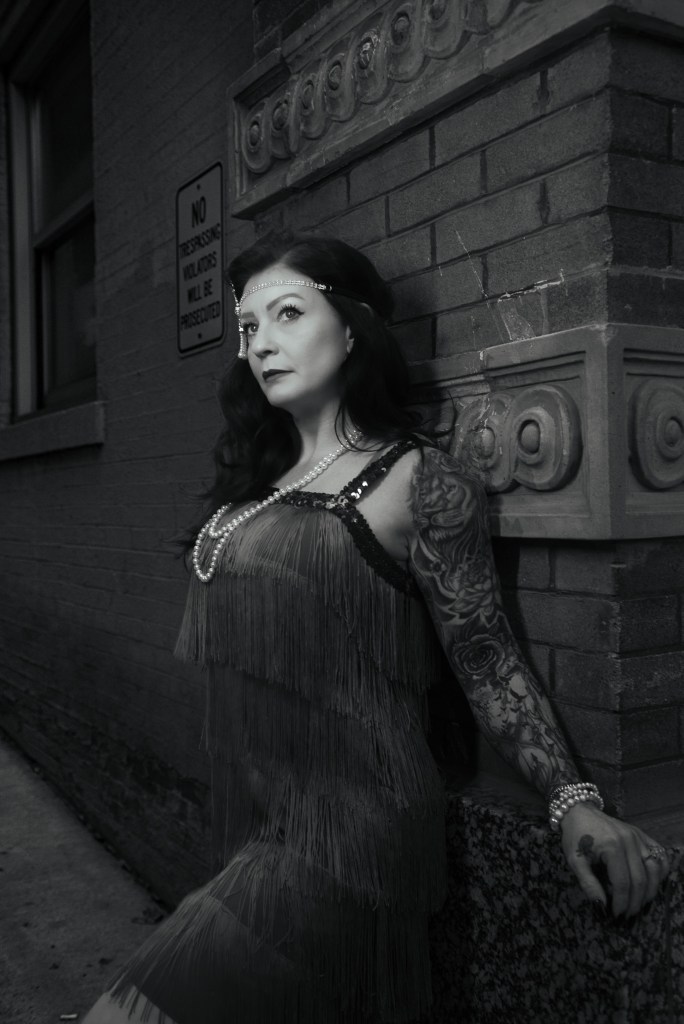
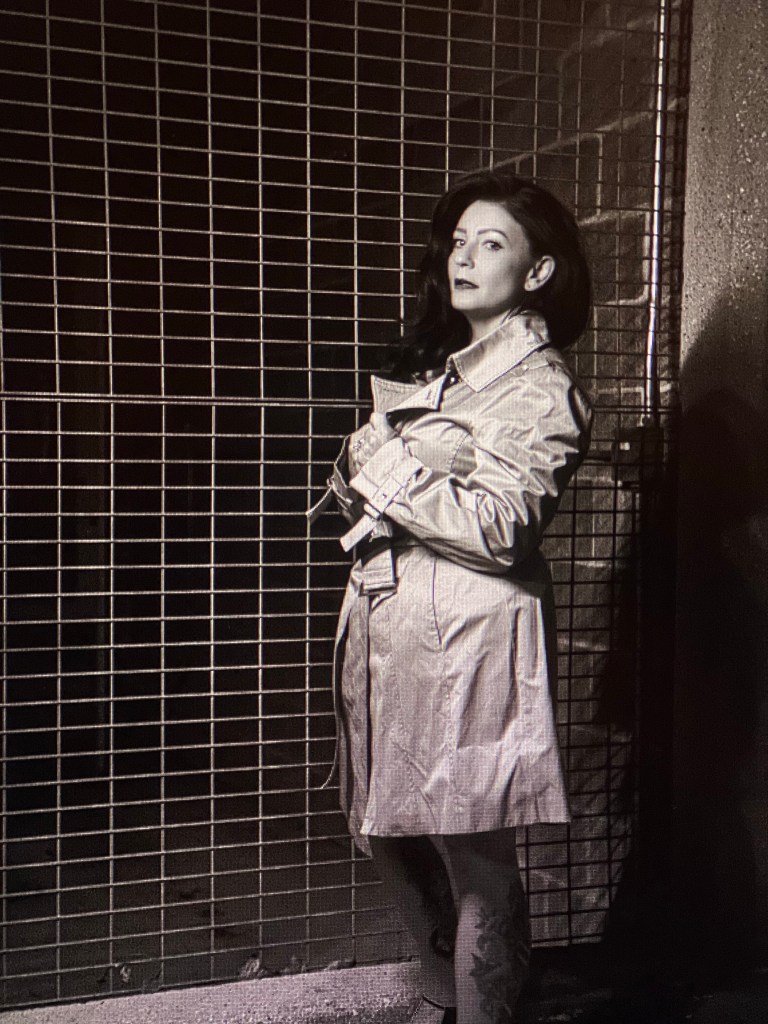
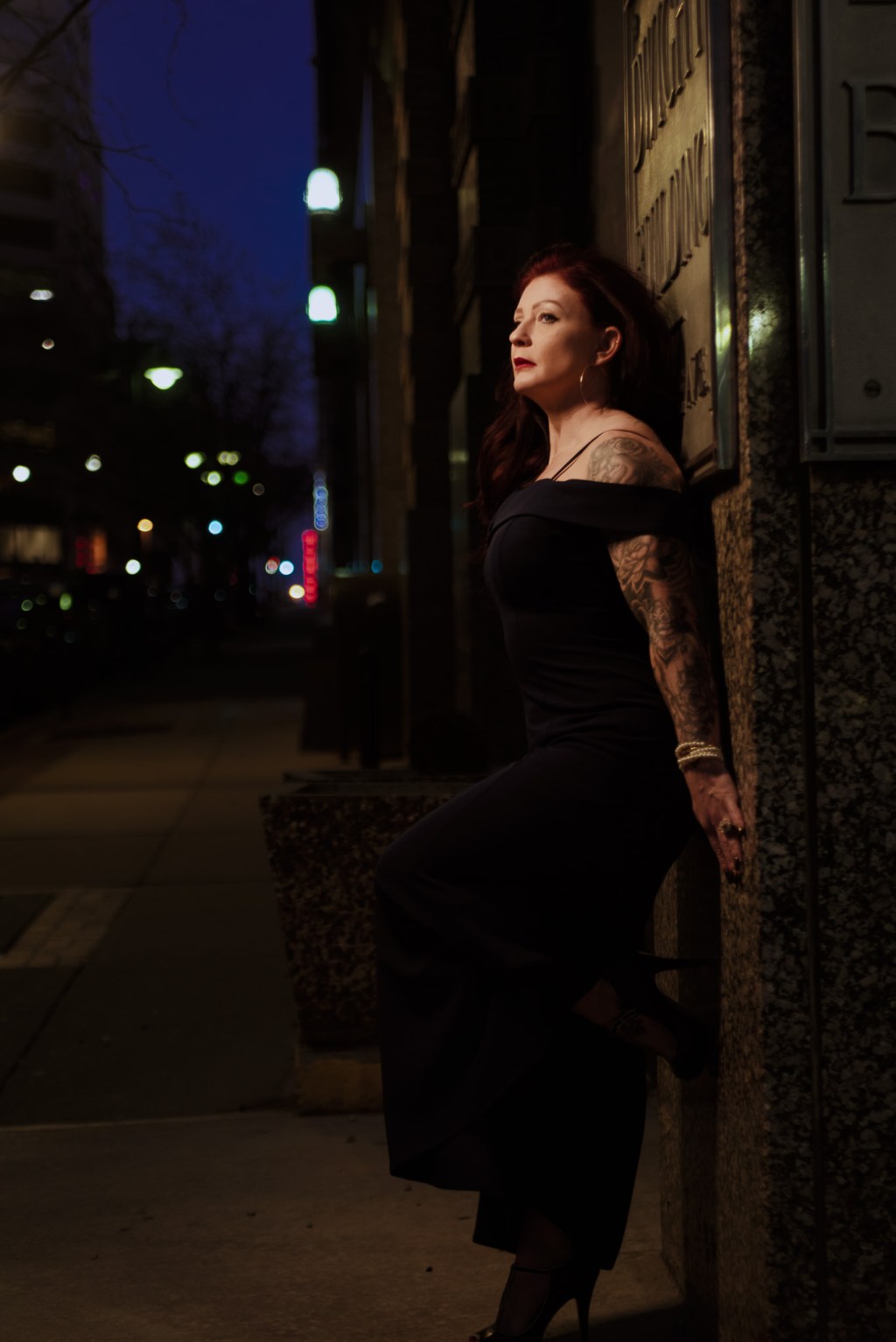
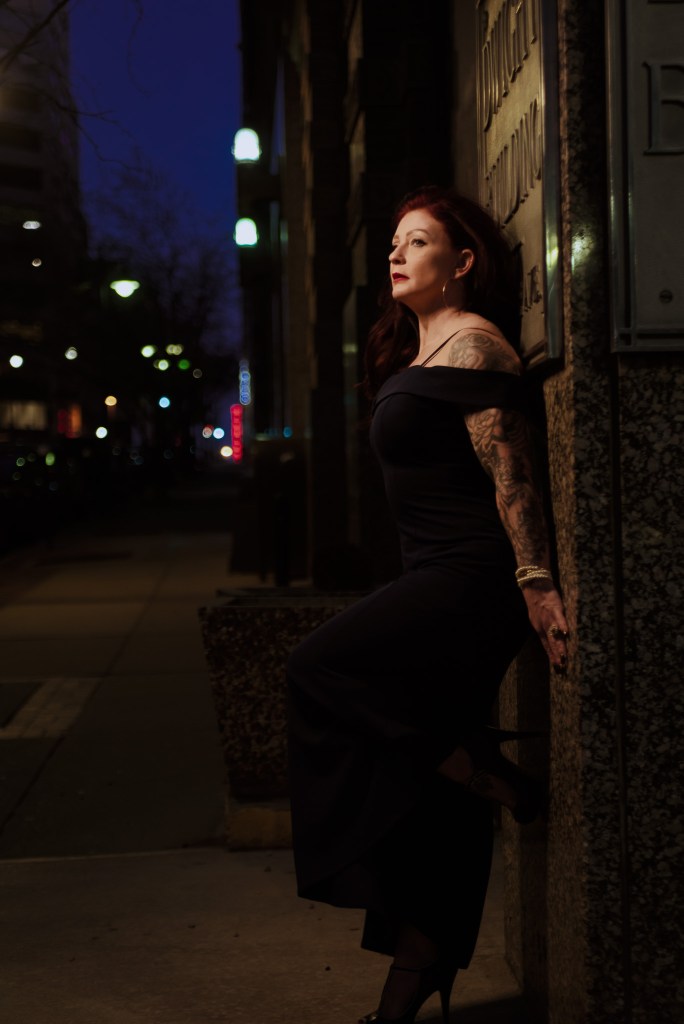
    Last Friday I had a film noir style photo shoot planned. The model I was photographing is one of my favorites. I arrived about an hour before she did to do some final location scouting. As always with digital photography the originals were all color and were converted to black and white in post-processing.

    Black and white photography is one of my favorites because I feel I get to photograph the person’s soul rather than their clothes. For me, color sometimes gets in the way.

  • I’m spoiled by technology

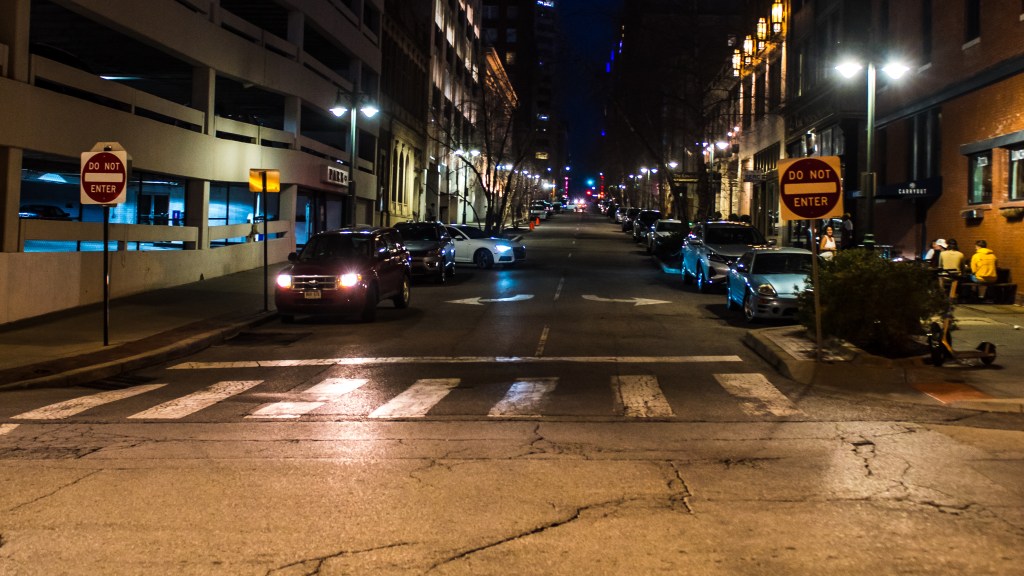
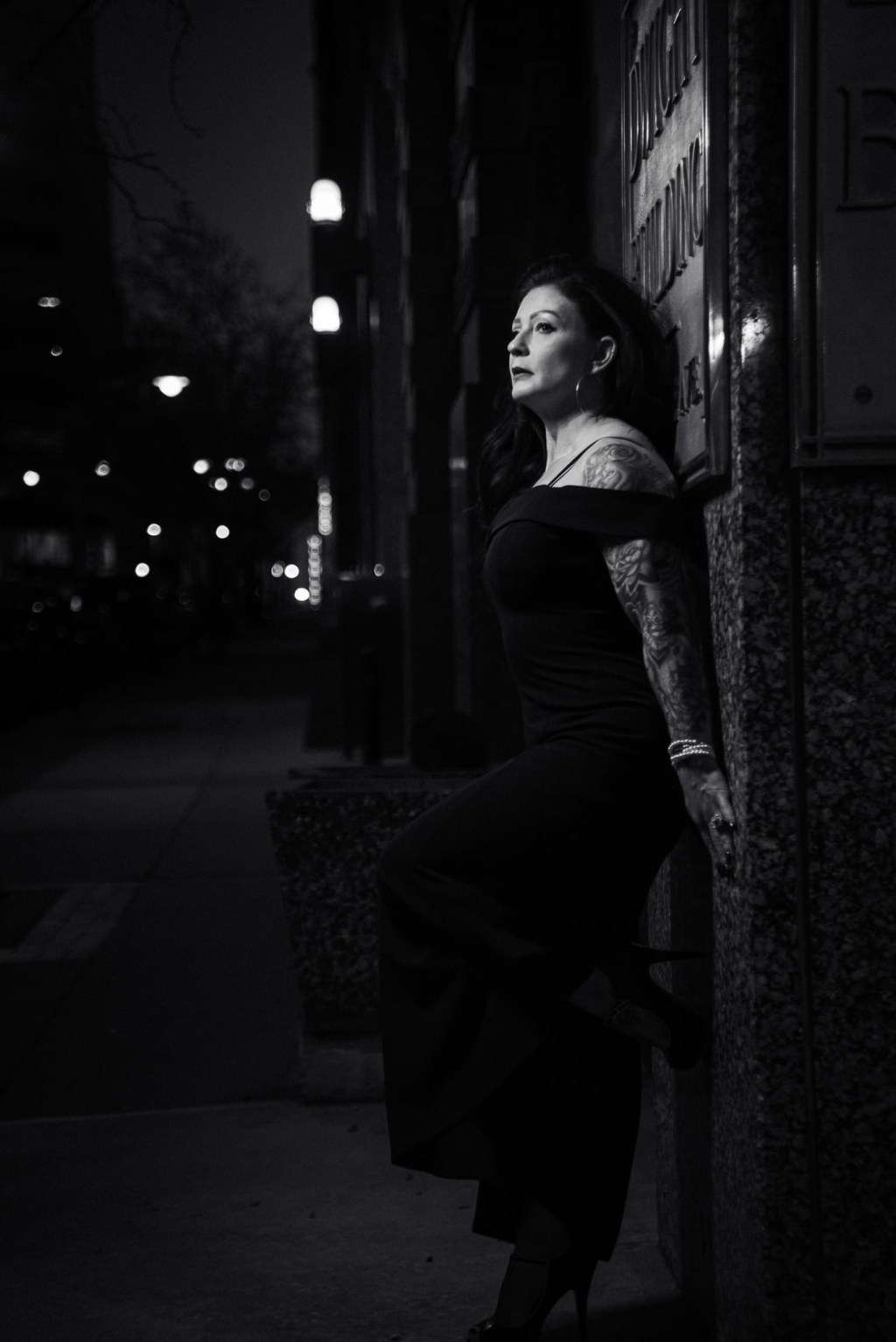
    Last night I had an amazing photography session in downtown Kansas City. I get up this morning to do some edits and write my blog only to find out I have no internet or cable tv service. Ugh! Whatever will I do?

    To compensate a bit I took a screenshot of one of my photos and no writing this entry via my cellphone since I do still have cellular service. If needed I could do a cellular hotspot but I’m not really setup for it. I’m just spoiled by stuff just working. I guess my idea of roughing it is a Holiday Inn Express.

  • I was once a gear snob

    I was once a gear snob

    I hate to admit it but I do believe that is true. I used to be a gear snob, despite my writings and words that may have indicated otherwise. Why do I say this? I say this because I just bought a lens that is, at least, 23 years old AND spent only $140 on it. I bought the lens to use in place of my expensive 70-200 f/2.8 lens. The lens I bought is a Nikon 70-210 f/4-5.6 lens. This may not mean much to you all but suffice it to say the lens was manufactured somewhere between 1993 and 2000. It isn’t as fast as current “pro” lenses nor does it have all the fancy lens coatings all the things I used to think were necessary despite what I would often say.

    I don’t mean this post to be a review of gear but rather that it isn’t always about how much something costs or how new it is. Photography is about photographs, not gear. Quality can be achieved through many different options. It is about using the tools you have to achieve. Don’t be a gear snob, be a quality photography snob. You don’t even have to impress anyone other than yourself.

  • How has technology changed photography

    How has technology changed photography

    Daily writing prompt
    How has technology changed your job?

    This morning I’m following the daily writing prompt from WordPress (sort of), which was “How has technology changed your job”.

    Photography is and isn’t my job. I mean I don’t typically get paid for my work and I don’t have a boss. Photography is really a hobby for me especially since I retired and don’t have a job. That being said, technology has made significant changes to photography. Photography has always been somewhat about technology. Back in the beginning days of photography, it was about using science to create permanent copies of a scene or subject. As time progressed photography became more about art.

    Photography has progressed to use digital “film”, the emulsion film still exists, and the use of computer technology, and now artificial intelligence (A.I.) has come into play. Some worry that A.I. will ultimately replace photography. I look at it as just another step not to replace photography but rather to enhance it.

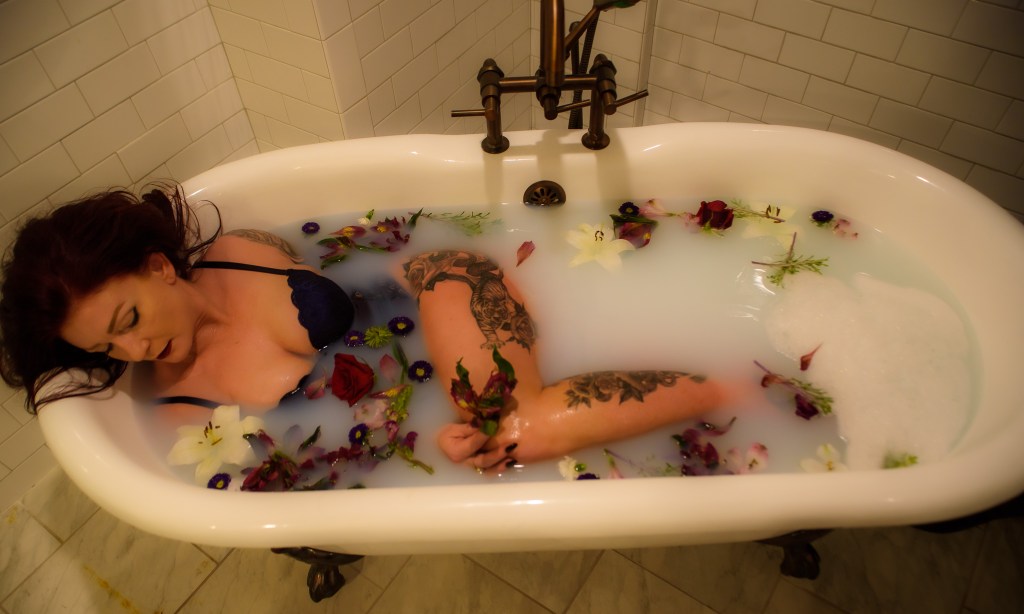
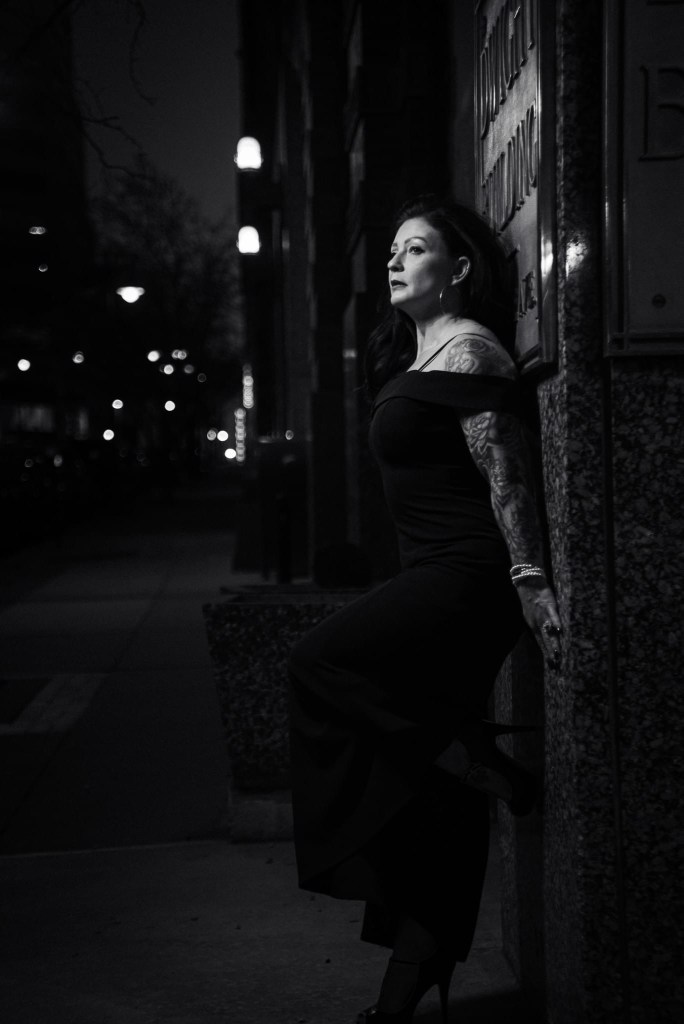
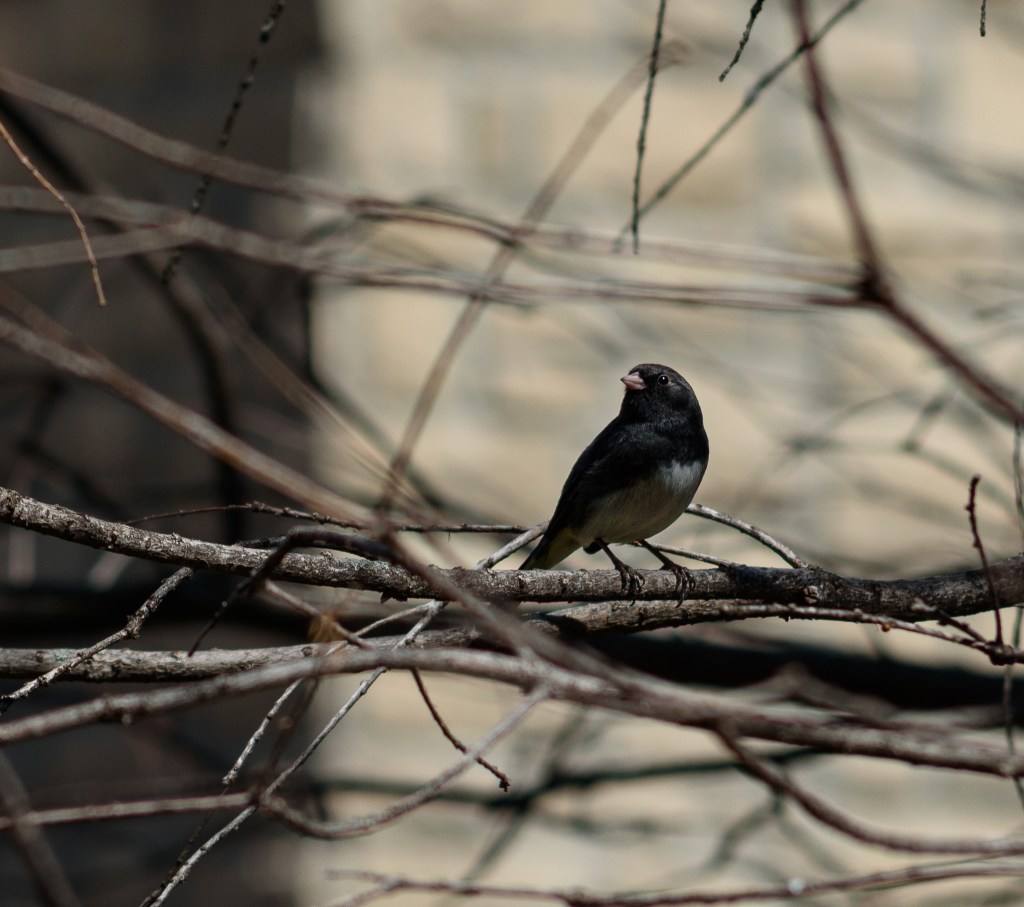
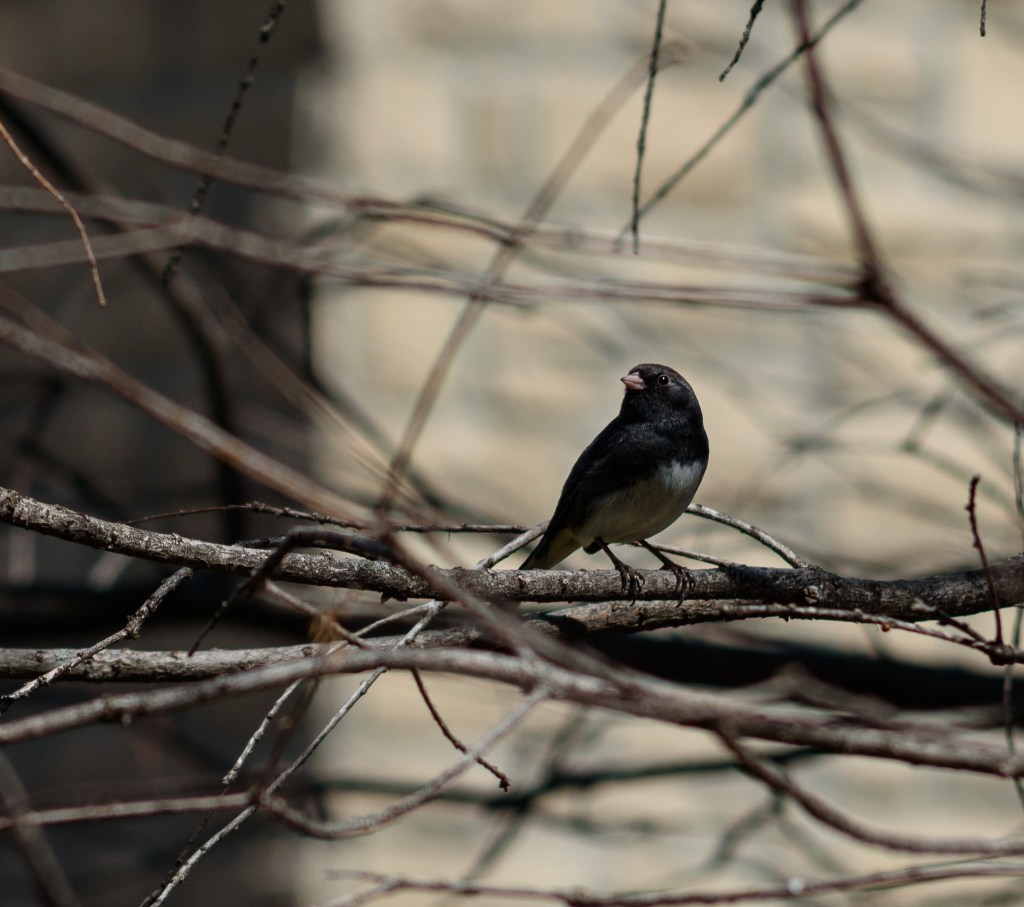
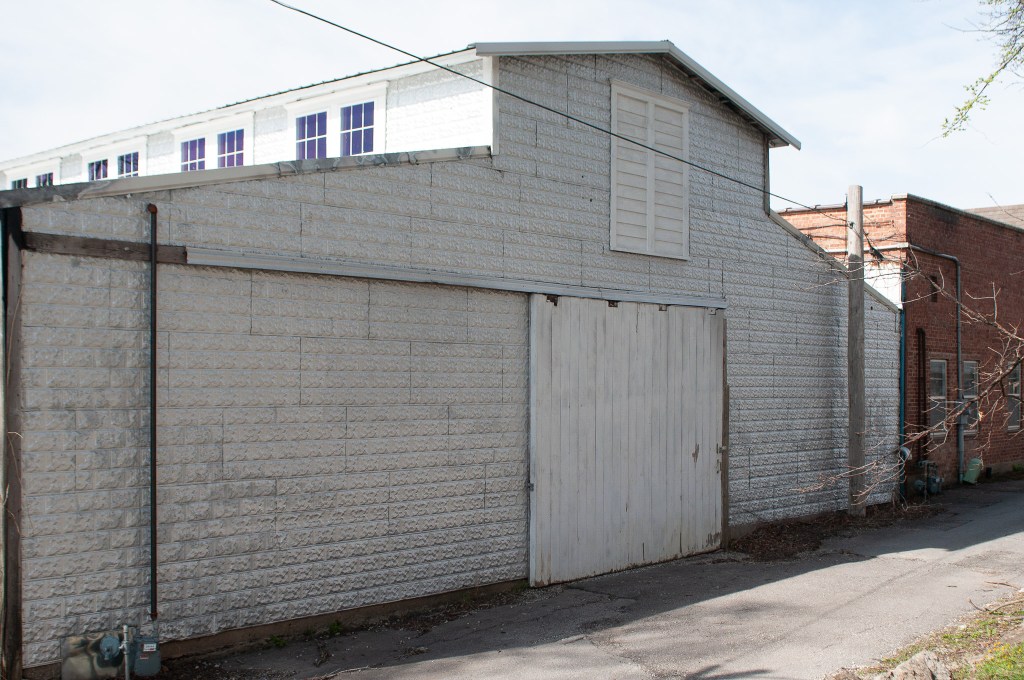
    Let’s take a quick look at the featured photograph. The featured photo looked like the photo below after I took it.

    Through the use of a computer and software to make a few adjustments I was able to go from the photo above to create the final version as seen below.

    While we were able to make these adjustments back in the “old days” of film and the darkroom it may have taken a few hours to achieve what I was able to do in a matter of a couple of minutes.

    There are those that would argue that it has become “too easy” but isn’t that the point? As technology advances tasks should become easier, not harder. Shouldn’t technology allow us to do more and not less?

    I’m all for the changes technology has had in photography and I can’t wait to see what comes next. For me, it is an exciting time.

  • On some photography days, things don’t work out

    On some photography days, things don’t work out

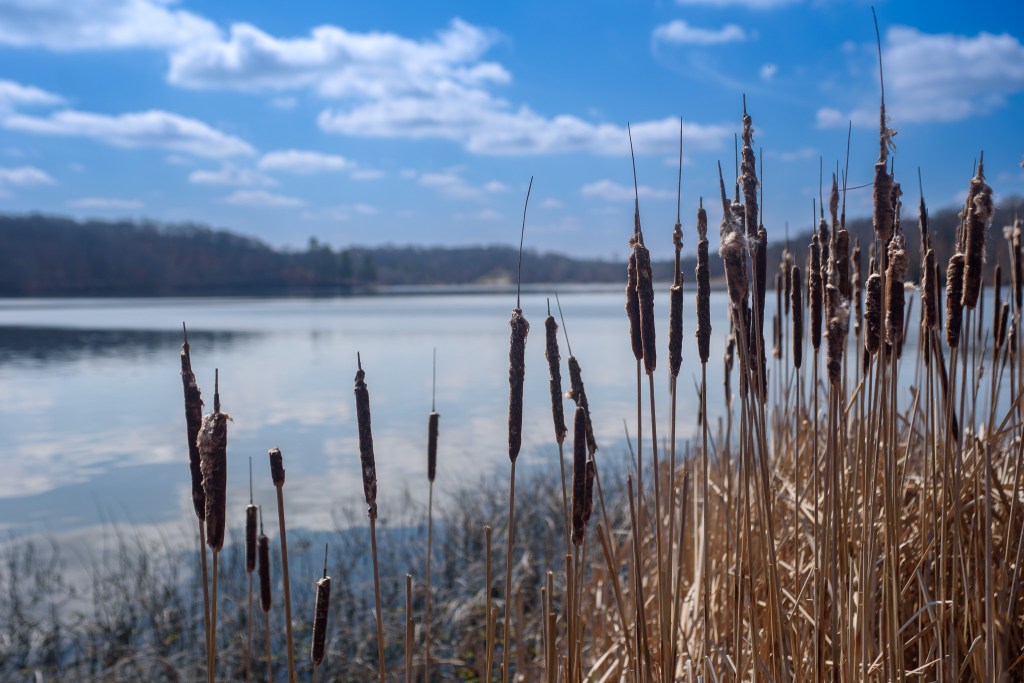
    I went for a short outing yesterday to try and get some photographs. It was reasonably nice weather, not too cool and it finally wasn’t raining and muddy. I went to a nearby lake. This lake I haven’t been to in years. During the outing, I only took 19 photographs. There isn’t really anything wrong with the 19 pictures except they just don’t seem very interesting, at least to me. The plus side is that I did get out and get some practice. I even used a circular polarizing filter that I had not used in a couple of years.

    As far as the photographs it didn’t work out but as far as the outing and the practice it was fine.

  • My greatest photography challenge

    My greatest photography challenge

    A few years ago, I had a photographer say to me that anyone can take a good photograph of a flower. His thought was that a flower, in and of itself, was beautiful and therefore, it was impossible to take a bad photograph of a beautiful subject. At the time, I really didn’t believe this but I didn’t debate him about the topic. Over the years, I have seen terrible photographs of flowers. I’ve seen horrible photographs of beautiful or handsome people. I have seen fantastic photographs of subjects that were less than beautiful or handsome. On top of that, modern equipment and software, especially with “built-in” filters and presets, it is easier to create “artistic” styles, but does that mean the result is beautiful?

    I love modern gear. I love modern software and filters, presets, and such. I have nothing against altering reality. I have nothing against attempting to copy reality, although that is often not my style. Those things don’t pose a challenge to me.

    My greatest photographic challenge is not a genre. It is not a location or session. My greatest photographic challenge is not software or editing. My greatest photographic challenge is not a time of day, weather, or season of the year. My greatest photographic challenge is me. I pose the greatest photographic challenge to myself. How? I pose the greatest photographic challenge by my not clearing my mind of preconceived notions and ideas. Often I find I have already decided in my mind what I want to do at a session before I even arrive at the location. I don’t think it is bad to have concepts in mind but do not open your mind to what is possible once you arrive at the location is a horrible mistake. Even if I have been to a location hundreds of times, I haven’t been there today. The weather may be different, the sky may be different, and I may be different. Over the next steps of my photographic journey, one of my goals is to open my mind and eyes to what is possible and work to not miss an opportunity that may never present itself again. Likewise, I challenge you all, don’t get locked into a style, genre, or preconceptions of what you want to photograph and how. Open your mind to the possibility of something you didn’t think about. Look at subjects and the environment in ways you haven’t thought about before.

  • Photography lessons relearned

    Photography lessons relearned

    Yesterday I participated in a photo session dedicated to dealing with grief and while I took a lot of equipment I foolishly didn’t use what I should have to ensure quality photographs. I had intended to do some double exposures and multiple exposures to combine in Photoshop to resemble ghostly apparitions so I brought a tripod. What I forgot, was the tripod collar for my heavy 70-200 f/2.8 lens, so mounting the camera with that lens to the tripod was out of the question. Even at that, I didn’t mount the camera to the tripod even when I used another lens. Needless to say, this rendered most of those images unusable. The couple I was able to save required a significant amount of post-processing work.

    Lessons learned:

    1. Slow down. I’ve talked about this concept in the past but I still fail to do this frequently. Why? I haven’t a clue. I get distracted and start to hurry along even when there isn’t a need. Often it may be that I feel like I’m in competition with others at the photo session (there were three of us as photographers with one model).
    2. Use your gear. I have a decent amount of equipment. Things like neutral density filters, tripods, light meters, gray cards, remote triggers, speedlights, etc. I bring these things but rarely use them in recent times.
    3. Think! Along with all the equipment I have I’ve been trained through an actual school in addition to the school of “hard knocks” and yet I still make mistakes.

    All that being said, the outing wasn’t a failure. I was able to get multiple photographs that were quite usable. The outing also served as an important reminder to use my knowledge and gear more effectively. I reminded myself to slow down and plan the shots. Sometimes we have to re-learn the basics. Yesterday was a day to remind me of the basics.

  • Better late than never

    Better late than never

    Normally, I write my blog entry first thing in the morning. Today, I had a photo session that was set up for a couple of weeks. A photographer friend recently lost a dear friend and wanted a way to deal with the loss. We all discussed a “grief” photo session. We met at a cemetery that has some very old graves and some elaborate mausoleums and crypts. The weather even somewhat cooperated. It was overcast and a bit cool but it provided good soft light.

    As you may have learned if you’ve followed my blog for a while, I’m not typically one that renders photographs to reality and will expose and process my images to fit a particular mood or concept.

    While many may find the style I chose to be dark and depressing I believe they are more than that. While they are dark they express the sense of loss most of us feel at the death of a friend, family member, or loved one. This is something I intend to make a longer-term project. It’s always better late than never.

  • Create art not carbon copies

    Create art not carbon copies

    I’ve written about this before, but I believe it bears repeating. My goal is to create art not a carbon copy of my subject.

    After listening to a podcast, I started to think about this topic again today. The podcaster talked about William Mortenson and the “war waged against him” by members of Group f/64. If you’re not familiar with Group f/64 click here. The exciting thing is that even the “straight photography” of the members of Group f/64 were not true depictions of their subjects.

    Let’s face it, as photographers we alter reality through the equipment we choose. We alter reality through the aperture we choose, through the lens, and through the media we choose.

    For me, the greater challenge is to create art, not a carbon copy. I can create a carbon copy by using my cell phone. The art I create can even change from day to day, maybe even in a matter of hours, and is influenced by my mindset. For me, creating art is giving others a view into my soul and thoughts. I believe once you set yourself free to create art rather than a carbon copy you may never go back. Give it a try, experiment, play, test, and try new things. Creating art, for me, is much more rewarding.

  • Why photography

    Why photography

    Why did I choose photography over many other hobbies and artistic pursuits? It is often a question that I don’t have much of an answer to. Like many others, we took photographs of trips and special events (birthdays, Christmas, etc.). Then in the early 1980’s I received a camera, a Canon AE-1, as a gift. At first, I bought the film, and once the roll was completed I took it to one of the 1-hour photo stores. Eventually, I got into developing my own black-and-white film. It was a bit technical and a bit artistic, and being somewhat of a geek and nerd I liked the technology of it all. As a kid and into early adulthood, I was a huge fan of sci-fi and drawing. I enjoyed technology, yeah I was one of those kids who had a “scientific” calculator I carried around the school.

    I watched Star Trek (I’ve still got my Star Fleet Manual somewhere) and learned to use a slide rule along with the calculator. I somehow changed paths and went into a completely different field of work and spent most of my adult life in a field that was far from geeky nerdy. It seemed like the photography thing was going to get me back into that lifestyle since most of the people I knew who had cameras and darkrooms were nerds.

    In the early 2000’s I switched to digital cameras but was still pretty much a “reality” based photographer. I mean I did experiment with post-processing but worked to “keep it real”.

    I then retired for the first time. I began a real photography school. That changed things for me. The coursework forced me into different genres of photography. I had assignments to produce work that I would have never tried otherwise. It opened my eyes and mind to becoming more creative and not necessarily attempting to replicate reality.

    For me, photography gives me the freedom to go from reality to surrealism. It allows me to explore the world around me and then create new visions if I so choose. I can create artwork at home or on the road. I can set up a scene inside or wander the city and countryside. I’m not limited to producing my work at a table or easel. Photography can be instantaneous or a longer process. Photography is both magic and science which as a geek and nerd fulfills that need and also feeds my artistic side of me by allowing me to create whatever I can imagine.

    Why did you choose photography, I would love to hear your story.