Tag: teach

  • Sometimes you need a break

    Sometimes you need a break

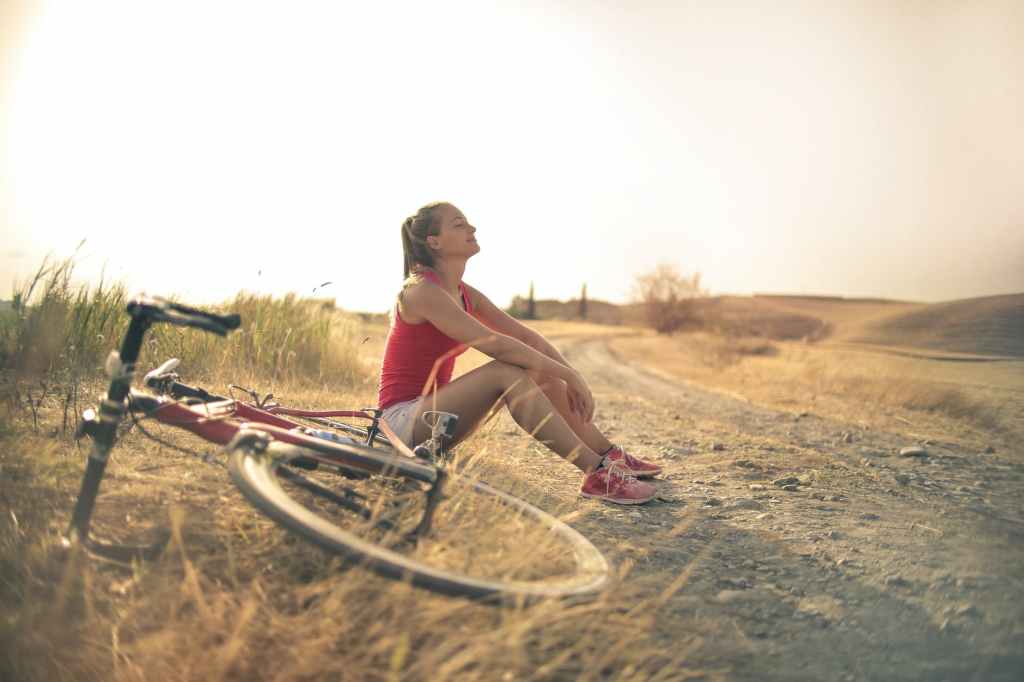
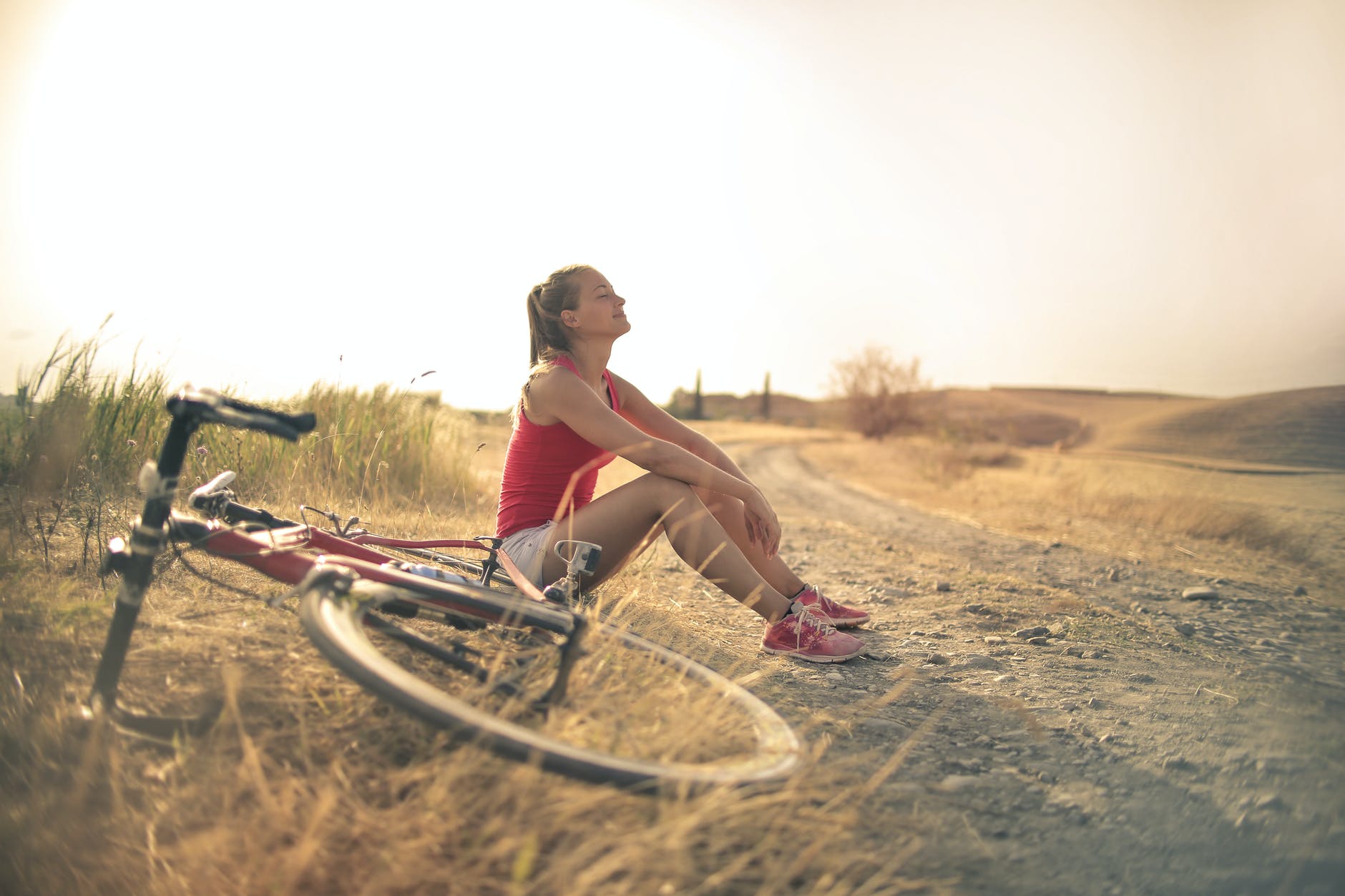
    Photo by Andrea Piacquadio on Pexels.com

    Many of you may have noticed that I skipped yesterday’s blog post. Then again, maybe no one noticed. Either way is fine. I decided I needed a break. Writing this blog has been an interesting challenge for me. I have written something every day, now minus two for the past 6 months, 4 on this site. Yesterday, I was completely dry, I sat in front of my computer screen for an hour and nothing came to mind. So, I finally decided it was time for a break.

    This is how my photography has been for the past several months. I have felt like I was repeating my photographic work. Work I had done before and was just photographing the same things over and again. It was time for a break. No matter what your endeavor is it is important to take a break every once in a while. It will refresh your creative mind, at least it has mine.

    Now that we are rapidly approaching spring, at least in the northern hemisphere, it is time for a rebirth. Break time is over, and it is time to begin once more.
  • Showing your art to the world

    Showing your art to the world

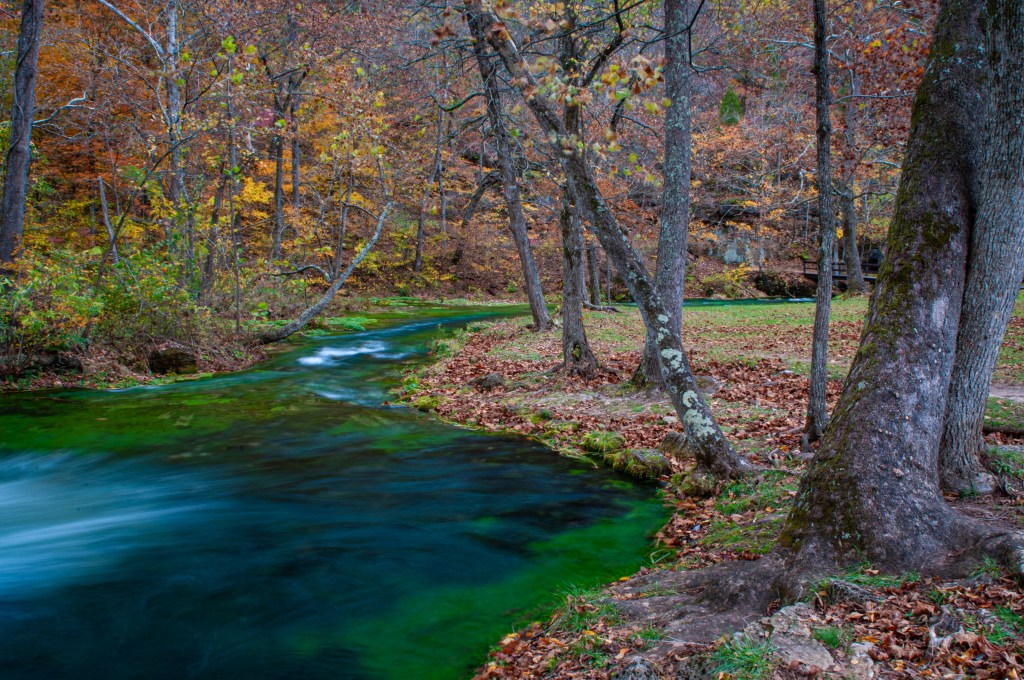
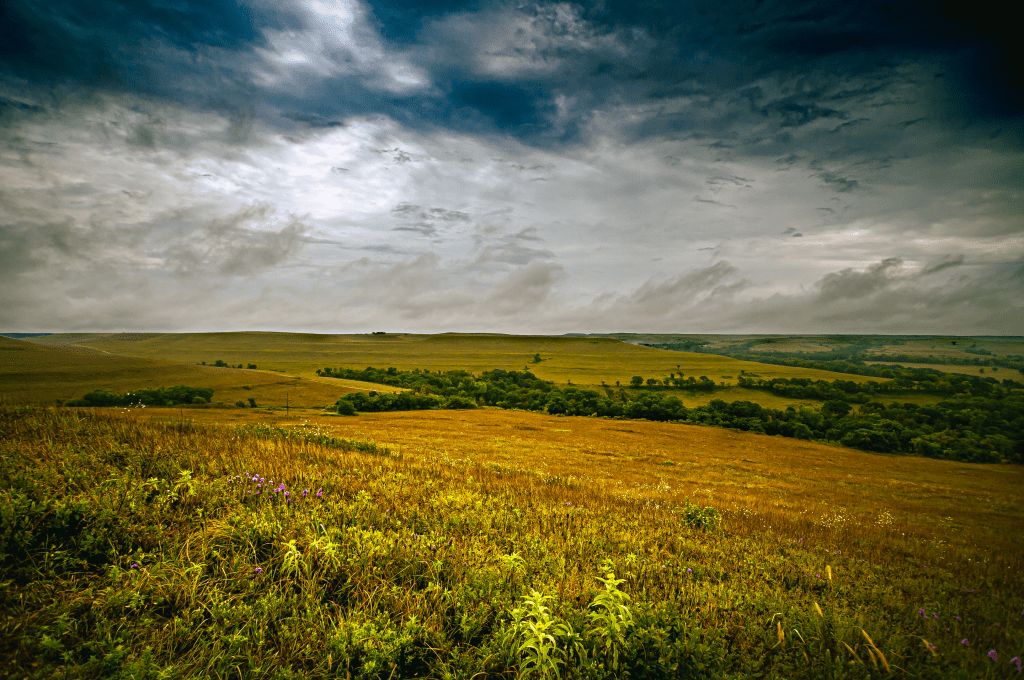
    Do you show the world your photographic art? How do you show it? Where do you show it? There is a multitude of options from social media platforms to prints. the method you choose can widely limit how many people actually see your work. Is it even important to you to have others see your art?

    I know I have written this before, but social media platforms can be dark places to display your work if you are easily offended or discouraged, especially for new and beginning photographic artists. The world of social media is full of people who thrive on trolling others and insult not only their work but the artists. But, social media isn’t all bad. There are groups that exist that are very supportive of members both new and experienced. Typically, these are smaller in size.

    If you choose a web hosting service, the problem exists of driving traffic to your site for the world to discover your work. with literally millions of photographers, and billions of photographs the chances of people discovering your art could be the proverbial needle in a haystack.

    If you choose to print and display your work in your house or even a local gallery the traffic of potential viewers can be greatly limited.

    You also have the option of multiple methods of showing the world your work. through social media, a website, and through prints.

    Unlike photographers of decades past, we have available to us a vast array of methods of showing the world our art. Get your work out there, show the world what you create.

  • Why Ansel Adams was a master

    Why Ansel Adams was a master

    I could list dozens of reasons why Ansel Adams was a master of photography, but the single biggest reason I believe he was a master is that he was not afraid of post-processing. He spent hours in the darkroom getting the best possible print to match his vision of a scene. He was meticulous in both the exposure of the negative, its development, and the final print. I seriously doubt the majority of us are as meticulous. We go out and point and snap. Yeah, I know we have some tools that he didn’t have, we have autofocus, we have built-in light meters, blah, blah, blah. But are you really using these tools to their fullest? Probably not, and in fact, I would say most times, absolutely not.

    Thinking about how haphazard I have come to depend on technology to instantly give me the results I think I want I have decided that I need to slow down, and set up my photographs and truly utilize the tools I have available.

  • You’re not as good as your camera

    You’re not as good as your camera

    Edward Steichen once said, “No photographer is as good as the simplest camera”. Edward Steichen died in 1973. The first digital camera was created in 1975. It was the size of a printer, weighed 4 kg, used 16 batteries, and recorded images on a digital cassette tape. The first mass-produced autofocus camera was the Konica C35 AF which came to market in 1977. Why all this history? In Edward Steichen’s time cameras were much more simple than today’s modern cameras. So if no photographer is as good as the simplest camera in Edward Steichen’s time we’re not even close nowadays.

    We obsess over gear. We talk about all the features and high ISOs, about the video capabilities of our still cameras, The ability to use more than one memory card where we can store thousands of photographs. We talk about the clarity of the electronic viewfinders, and the sharpness of the lenses with the modern coatings.

    What we should be obsessing over is our ability to take photographs. I watch photographers when they are out doing their thing. They see something point the camera snap the picture and hope for the best. They don’t meter the light, examine the subject, check their position, set up the focus. Yeah, I know, there is a meter in the camera, there is autofocus, but how are they metering, what are they metering, what are they focusing on, why? So many photographers also never leave the standing position. Stand, snap, move, stand snap.

    I think I can do better. I think you can do better. Let’s start to obsess over results rather than gear. Let’s start to plan our shots, do a better job at metering the light, controlling the focus, making sure we have the best perspective, study our subject. Let’s work to get closer to the ability of our gear.

  • Do you really want to improve your photograph?

    Do you really want to improve your photograph?

    Do you really want to improve your photography? If not do you think your photography is the best it can be? If you do what have you done recently to improve? These may seem like simple questions but I believe if we really dig and ponder they aren’t necessarily simple. For instance, if I say yes, I really want to improve my photography but I haven’t done anything to improve then maybe I don’t really want to get better. If I say no, I don’t want to improve my photography because it is the best it can be then am I saying it is the best, or am I not capable of improving?

    Maybe it’s just me but I always want to improve. While I may not have shared many new images doesn’t mean that I’m not shooting photographs. A good number of things I photograph are never intended to be anything more than experimenting or testing. I read loads of articles and listen to photography podcasts. I study photographs of others. I don’t want to copy another photographer’s style but may use bits and pieces of many styles to build my own.

    There are many great photographers nowadays. We have loads of resources available at the tips of our fingers. We have access to vast amounts of knowledge and experience in photography and we have technology built into our modern cameras that the masters of the past could only dream about.

    I hope everyone really wants to improve their photography and if you haven’t already actively done something to improve your photography, start today. Let’s grow and improve together!

    .

  • What’s the best?

    What is the best [ insert name of a piece of gear ] for [ insert photographic activity ]? I see these questions asked every single day. Do you know what I rarely see? I rarely see the question asked what is the best way for me to learn. When you do see that question asked the vast majority of answers are based on watching YouTube videos. I have nothing against YouTube or video learning. There are some great videos on photographic subjects but is it the best way to learn? I don’t think so and I’ll explain why.

    Watching a video to teach photography my lighting conditions may be entirely different than those of the video. To me, it is like knowing the shutter speed, aperture, ISO, focal length used to take a photo. It only tells part of the equation. Knowing these things doesn’t tell me anything about lighting conditions. If it was cloudy, how cloudy, if it were sunny how sunny.

    Another issue is there is no interaction between the student and the instructor. What if I have a question? I could leave a comment, or send an email but will it be seen and replied to? If it is seen and replied to when, how long? Then what if I have a follow-up question?

    In my way of thinking, the why is just as important as the how. I’ve watched hundreds, if not thousands, of videos on photography and photography techniques and I rarely see the instructor talk about the why. The videos are primarily focused on the how.

    We all learn differently, but human interaction is a very important part of learning. The interaction of the teacher and student or mentor and mentee. I finished my photography classes years ago and was fortunate to have a very helpful instructor. I have also been fortunate to be surrounded by photography friends that are very good. The knowledge of good photography is more important than the gear. The best knowledge comes from a variety of sources which includes working side by side with a good or even better a great photographer.

  • Never work for free

    Never work for free

    Never work for free. Never work for cheap. Yes, I’ve done both and I’ve had some good and some bad experiences but I can tell you the negative experience has far outweighed the good. Here is an example of what I mean

    There’s a lady who’s been wanting me to do a FREE newborn shoot (I’m new at it) for her daughter but my kids have been terribly sick and we’ve had to reschedule a few times and now my son got into a massive accident and she sent this really mean message tonight and I sent her a picture of the car just stating that you know I’ve been having a tough time and she’s being really rough on me about it and rescheduling on her a few times.. Just not sure what to do.. I told her I’d do it Wednesday but I’m in no condition to do it.. I know my work won’t be good and I’m just depressed and don’t know what to say to her.

    From a recent Facebook post I read

    I see these posts or their sister posts about doing a cheap photography session virtually every day and they are all very similar.

    I know there are concepts of “trade for” where the photographer and the “client” work together with neither charging because they are exchanging services. I don’t consider that work for free. I also understand that some would consider the example above could be a trade for because the photographer may be able to use this as practice blah, blah, blah. But, you get into the problem of cheap customers will always be cheap customers, free customers will always be free customers. I tried the business of photography once in a half-assed way, but I wasn’t ready to be in business. I was horrible at collecting the money even though I always requested half upfront I rarely collected it and then had the experience of slow payers. The customers never got the product until the bill was paid but most of those I allowed to not pay upfront went months without an order of the finished product or payment.

    The other concept I hear about where you work for free is to provide photography for a charity. Here is what I have learned about that. Charities, even those that are 501C3 charities have budgets to pay for some services such as printing, mailing, telephones, electricity, etc. I’ve researched some of the biggest name charities and all the big names pay huge sums of money to public relations and advertising agencies. To me, if I want to support a charity with photography I will donate money to the charity and request that to be used to pay a photographer.

    I realize this post may irritate a few, it may even make some angry with me but think about the potential problems you can get before you work for free. For me, I’m not doing it anymore and I warn others to not work for free or for cheap.

  • Five simple tips to great photography

    Five simple tips to great photography

    Five simple tips to take great photographs. I see these types of headlines, or something very similar to the every single day. Then you get into the article and they say the same things every other article says about photography. Learn exposure, get closer, blah, blah blah. Simple right? Well maybe but maybe not. I’ve taught people just beginning photography. When I teach a beginner, I go out with them to help guide them. What sounds simple isn’t always so simple. I read a lot of these articles, or watch online videos that are similar, just to see if they have some “magic” technique. I haven’t found one yet. To me, this is becoming the problem I see with photography. This has become the way to learn photography and what we’re getting is everyone is taking the same photographs. They all look like everyone else’s photographs.

    When I have taught beginner photography the first thing I mention is that I don’t want to make them a copy of me. I want them to find their own style(s). I’ll teach the concepts and let them explore. Online instruction is fine in some cases, but to depend upon a video to teach as the only source often leads to confusion and failure. What if you have a question? You don’t have an instructor, if you send an email or post a comment you may, eventually, get an answer.

    If you really want to get better at photography find a real class or mentor that you can have real interactions with and help guide you personally. I feel like today we are losing personal interactions in hopes of fast and easy. Fast and easy is rarely good and far more often not even close the great.