Tag: teach

  • Words I loath in photography

    Words I loath in photography

    The specific words for me are – “pics,” “bokeh,” “tog,” and the phrase “fix in [insert name of program]” – hold different meanings and connotations for different individuals. Understandably, certain terms within the photography community can evoke strong feelings or interpretations. For instance, “bokeh” refers to the aesthetic quality of the blur produced in the out-of-focus parts of an image. While it’s a technical term, it’s also become somewhat of a buzzword in photography discussions.

    Similarly, the abbreviation “tog” for a photographer and the casual term “pics” might come across as overly informal to some. In contrast, others may see them as part of the ever-evolving language of the digital age. Additionally, the phrase “fix in [insert name of program]” could be a shorthand way of referring to the post-processing stage of photography, where editing software is used to refine and enhance images.

    It’s intriguing how language and terminology can shape our perceptions, and it’s not uncommon for certain words or expressions to carry various associations for different people. It’s clear that, for me, these particular words may either appear as a lack of understanding or as diminishing the skill and artistry of photographers. My perspective, hopefully, sheds light on the complexities of language and how it intersects with my passions and interests.
  • Reclaiming motivation

    Reclaiming motivation

    The road to reclaiming your motivation to create can be long and arduous. In September of 2023, we moved from where we had lived for 7 years. Our previous home, with its familiar surroundings and comfortable spaces, held countless memories and moments of inspiration. The decision to move was not easy and adjusting to a new environment proved challenging. As the days passed, the longing for the familiar creativity-inducing atmosphere grew stronger, but the unfamiliarity seemed to stifle the creative flow. However, amidst the struggles, small sparks of motivation began to appear. Exploring the new neighborhood, discovering local art, and meeting creative individuals slowly reignited the passion for creating. It was a gradual process, but with patience and perseverance, the joy and inspiration for creating was rediscovered. The journey was indeed long and challenging, but it ultimately led to a newfound appreciation for the creative process and the resilience to overcome obstacles.

    The return of spring and the upcoming summer season infuse me with renewed inspiration. The warmer weather and longer days are awakening my creative spirit, beckoning me to venture outdoors and reconnect with the world around me. As the world outside bursts into vibrant color and life, I feel drawn to capture these moments and translate them into creative expressions. This transition into a new season ignites a sense of rejuvenation within me, allowing my creativity to flourish once more.

  • Two basic types of photographers

    Two basic types of photographers

    In my opinion, there are two main types of photographers – documenters and creators. There isn’t anything wrong with either type of photography. Nearly all of us started out as documenters. Some of us moved into creators. I am no exception.

    I must confess that my early creations were truly dreadful. In fact, during my photography school days, I was almost crushed by the weight of my instructor’s first critiques. I vividly remember submitting my very first project for critique and feeling utterly exposed as I waited to hear the feedback. It was a moment of realization that I had ample room for improvement, and it would have been so easy to dismiss the suggestions from the instructor. However, deep down, I knew that I wouldn’t progress or truly grow as an artist unless I wholeheartedly took them into consideration.

    Despite having close to 40 years of experience in photography, I still find myself occasionally missing the mark. It’s a humbling truth that I have come to accept. Upon reflecting on these moments, I recognize that most often it is due to my own lack of meticulous planning and technical execution. These aspects are just as crucial to the art of photography as the creative vision itself, and it’s a perpetual challenge that I strive to overcome with each new project.

    But through these challenges, I’ve come to appreciate that it’s all part of the artistic journey. It’s a constant evolution, and the learning never truly stops. Embracing both the successes and the setbacks has ultimately shaped me into the photographer that I am today, and I look forward to continuing this enriching pursuit for years to come.

  • Change happens with or without you.

    Change happens with or without you.

    It is said that the tide and time wait for no one. Just like the tide and time change happens. Change happens to our photography as well. New tools and techniques become available. One of the latest changes is the proliferation of artificial intelligence (hereafter referred to as AI) in the art world. Some are fearful of the seemingly sudden proliferation of AI others seemingly embrace it, while a third group is wary. Think of the spot healing brush which was introduced to Photoshop in 2005. Then we got content aware fill in 2010. Both of these utilize some concepts of AI. Think of the spot healing brush which was introduced to Photoshop in 2005. Then we got content aware fill in 2010. Both of these utilize some concepts of AI.

    I am more in the group that is embracing the implementation of AI in programs such as Photoshop. The introduction of generative fill and AI in Photoshop, Lightroom, and similar programs has streamlined my photography. They save me time by allowing me to remove distractions, add elements to help tell a story or create emotion, and create my photographs.

    For me, my photography is about creating art. My art may not be the proverbial “everyone’s cup of tea” but it isn’t meant to be so. My art is meant for me; if others enjoy it, I’m pleased. My point is that art and specifically photography have changed with time. Maybe we should work with change and help guide it over time rather than fight it.

  • Photographers are a difficult bunch.

    Photographers are a difficult bunch.

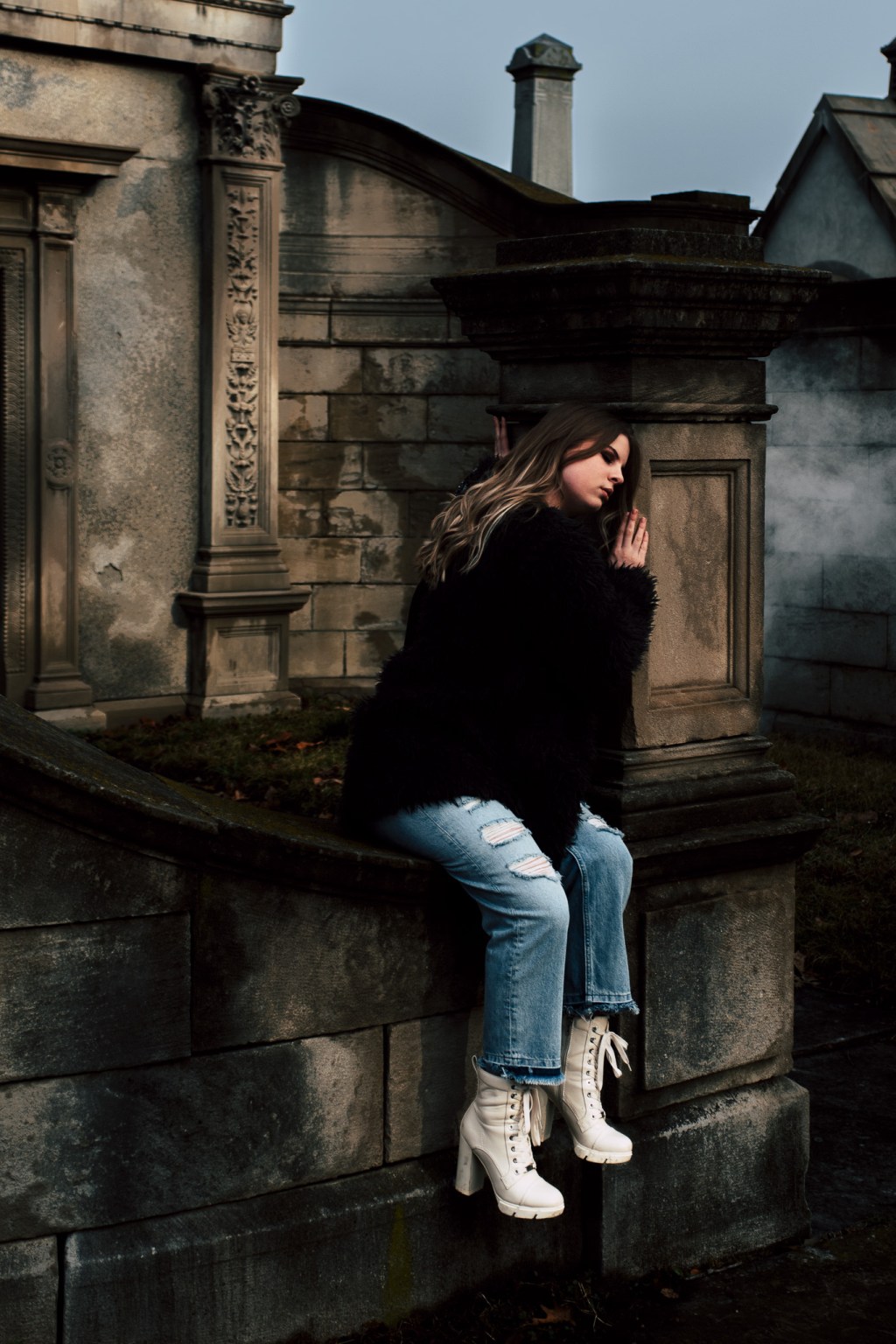
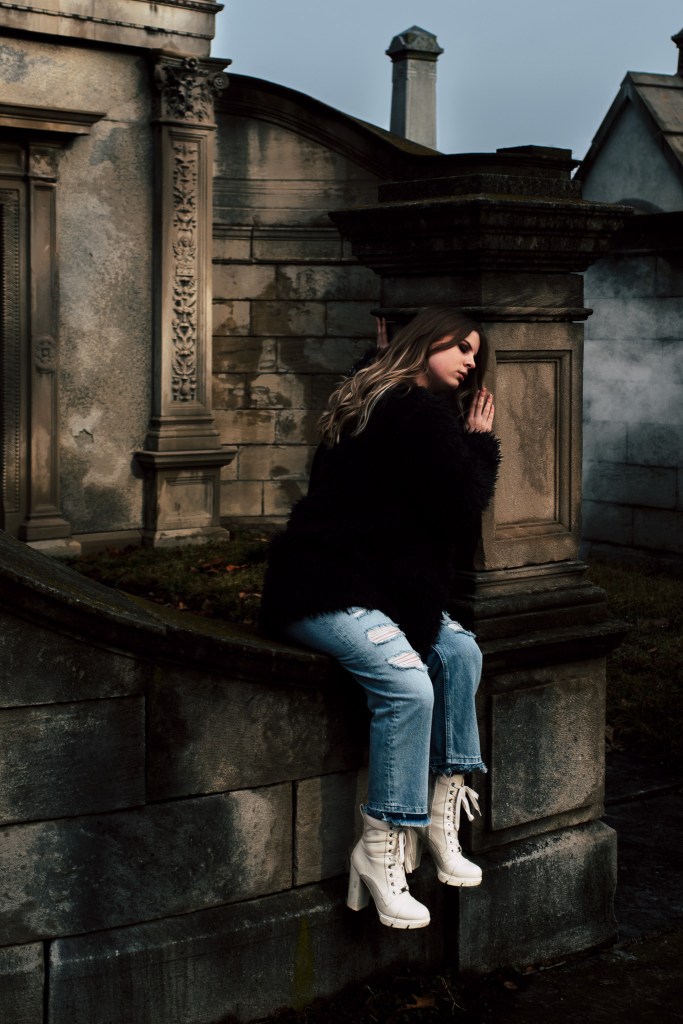
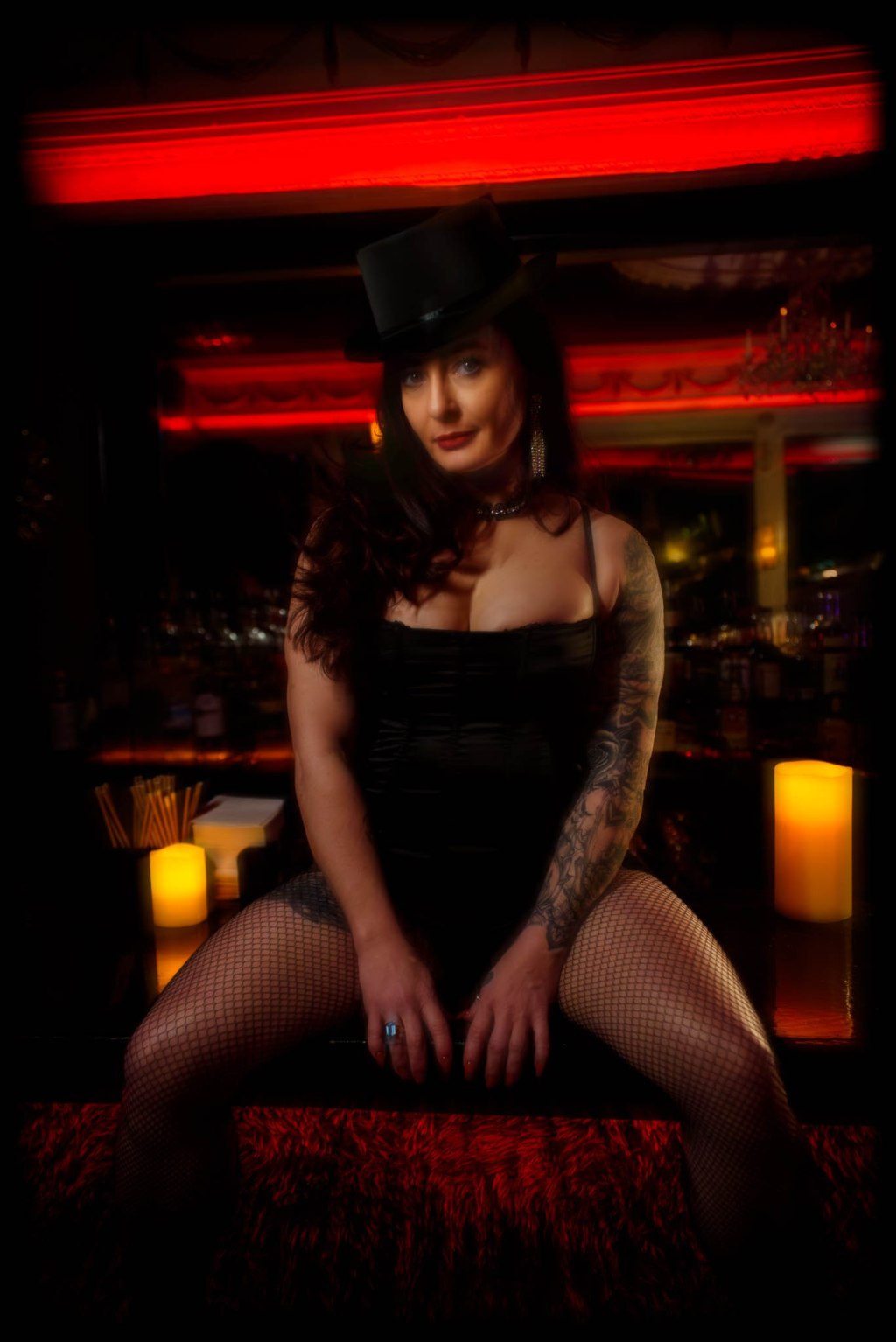
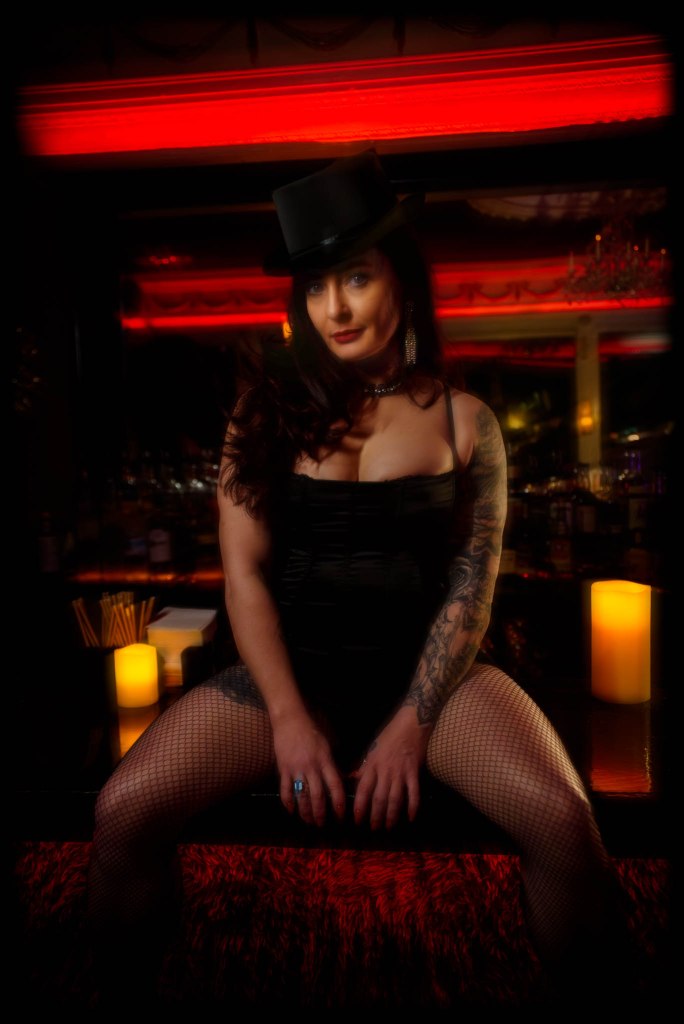
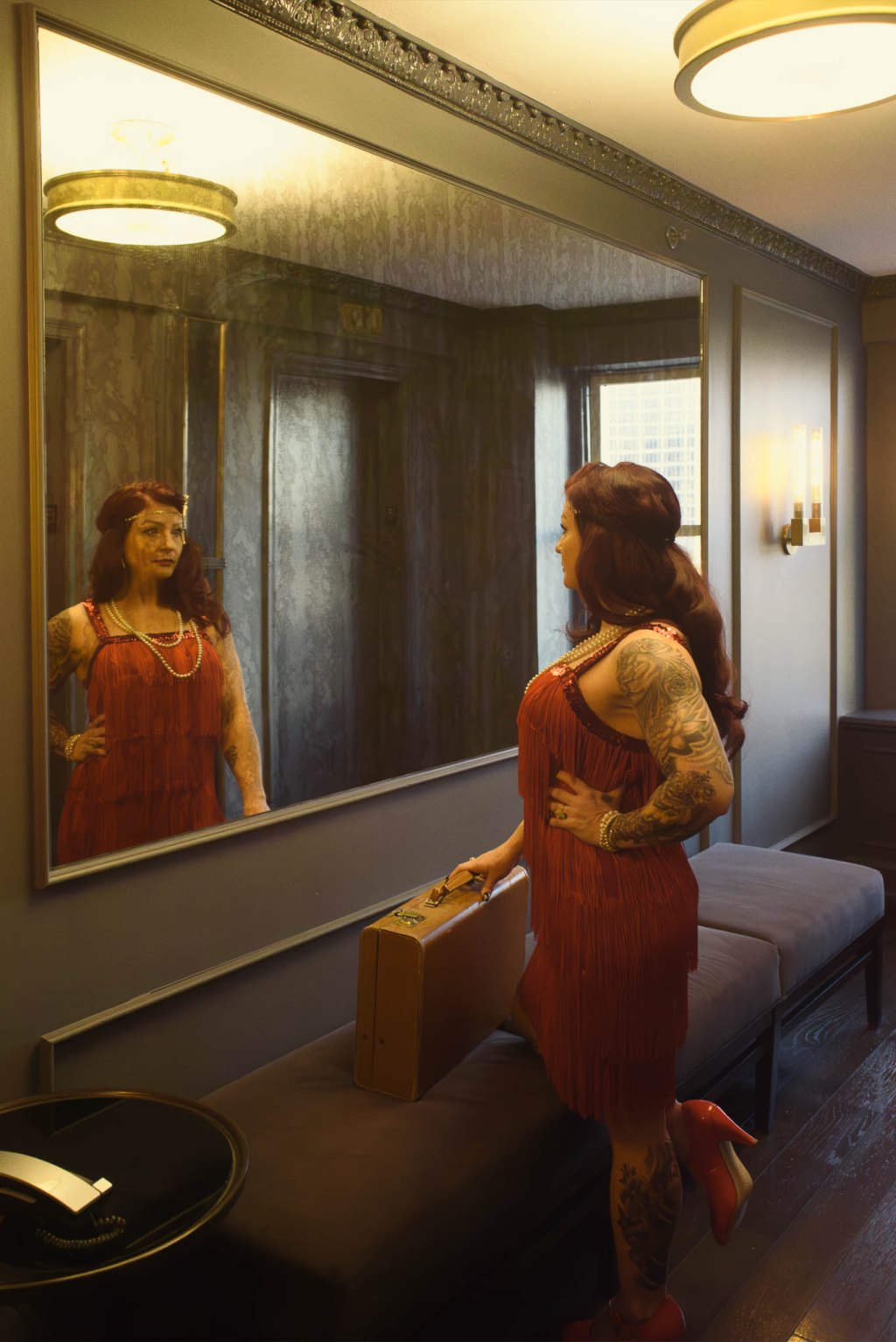
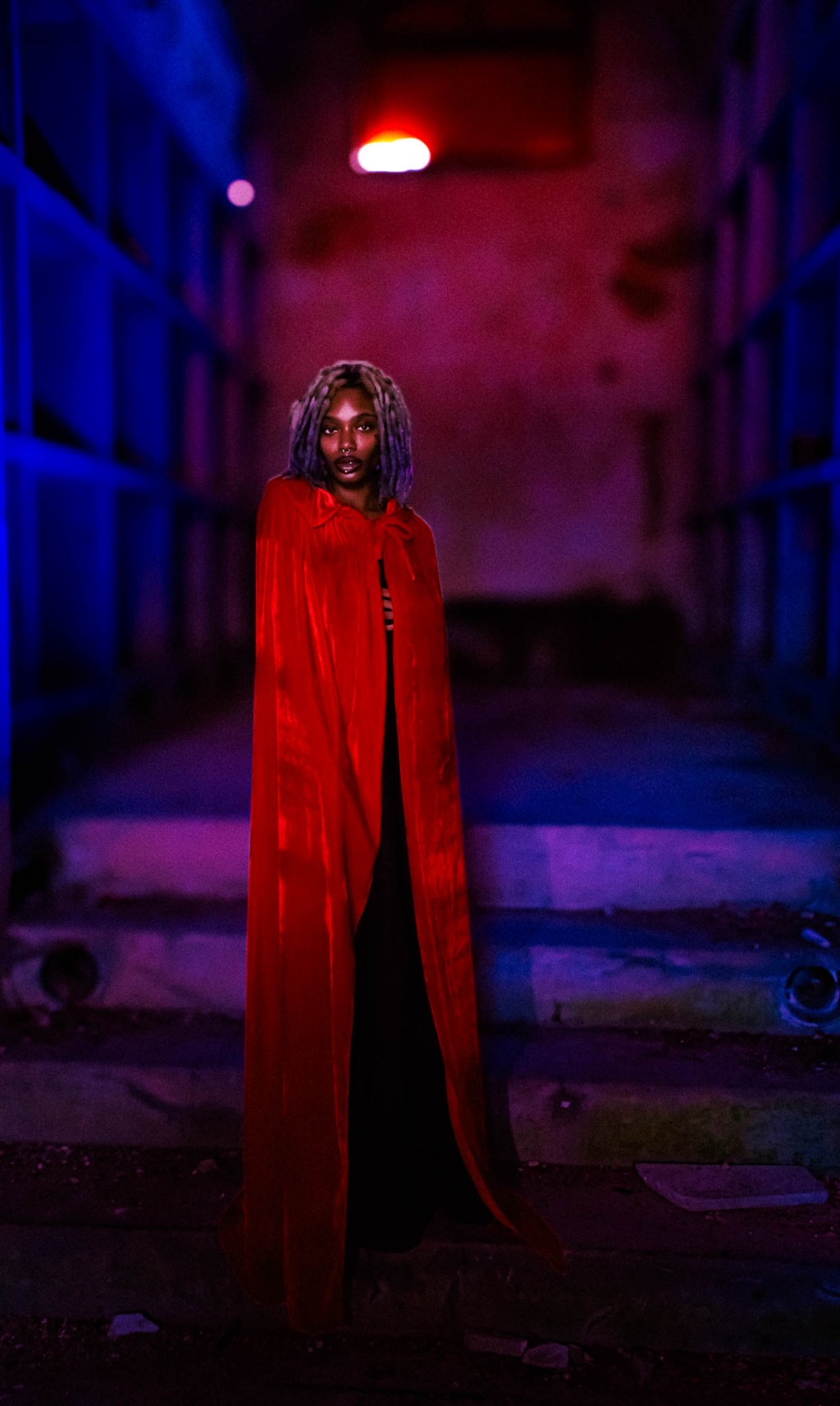
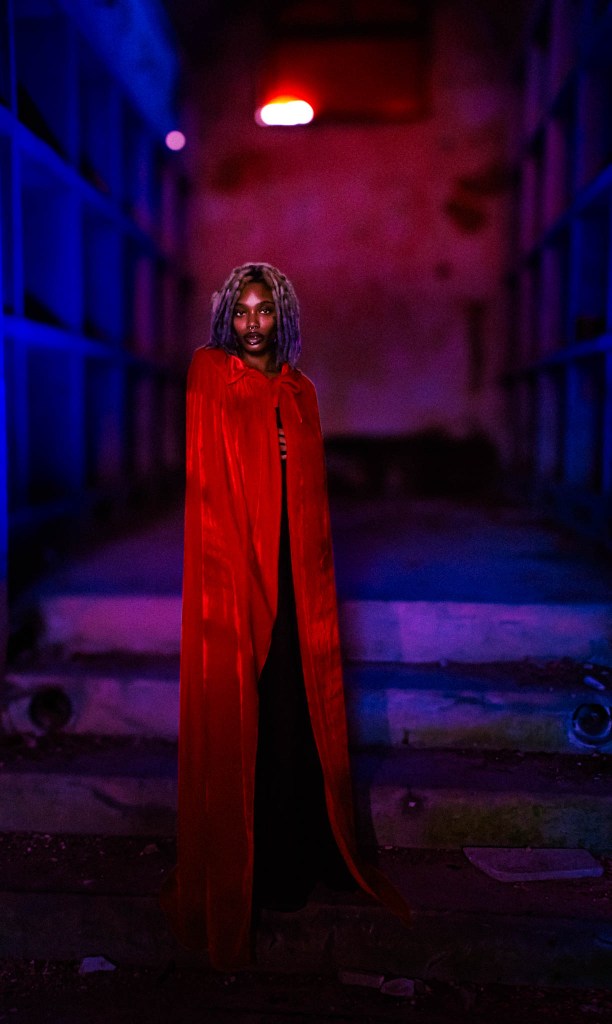
    Shot at ISO 12,800

    Many photographers complain about noisy photographs but relish the idea of film grain. I know many will say but the grain is film is different than digital noise. Many photographers also brag about the sharpness of their lens then spend time softening faces and skin because the lens was able to capture each skin pore, fine hair, and blemish.

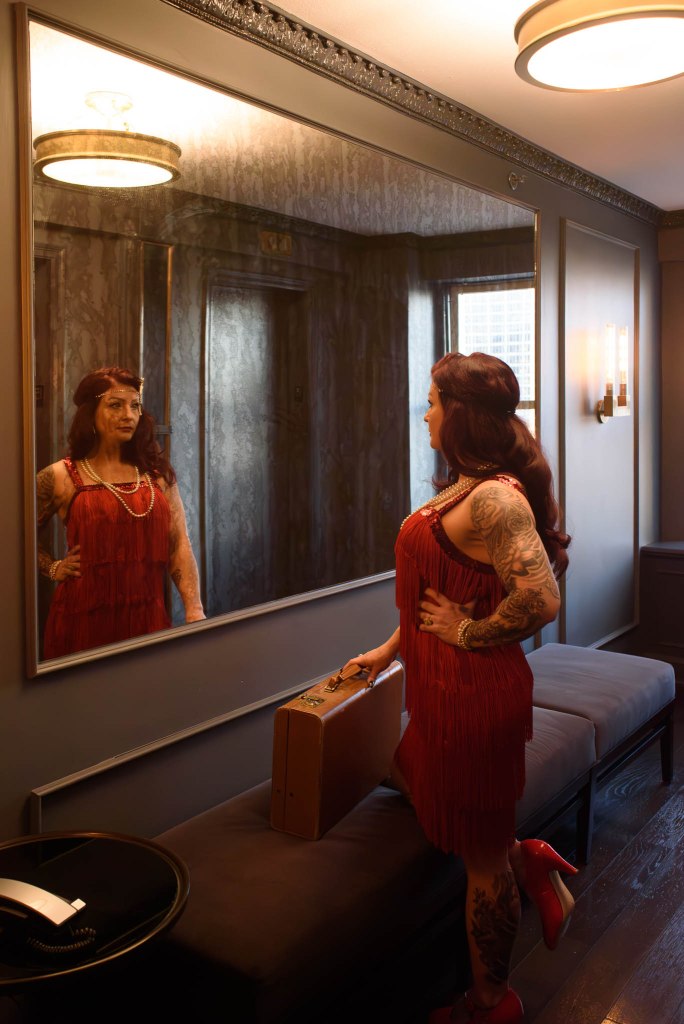
    Noise reduction software

    We spend money on noise reduction software then complain about how “cold” the image looks. Many photographers complain about photo manipulation and the use of software to post-process the images and often at the same time praise some of the old masters who spent more time in the darkroom manipulating their images or tout the works of artists like Frank Ockenfels while screaming composites are not photographs.

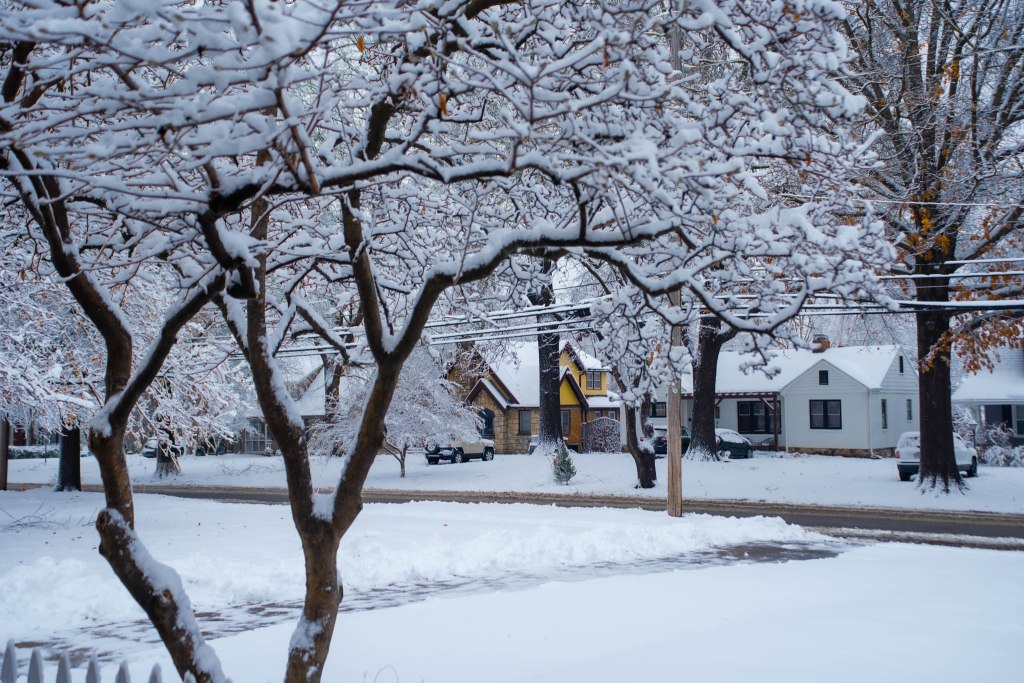
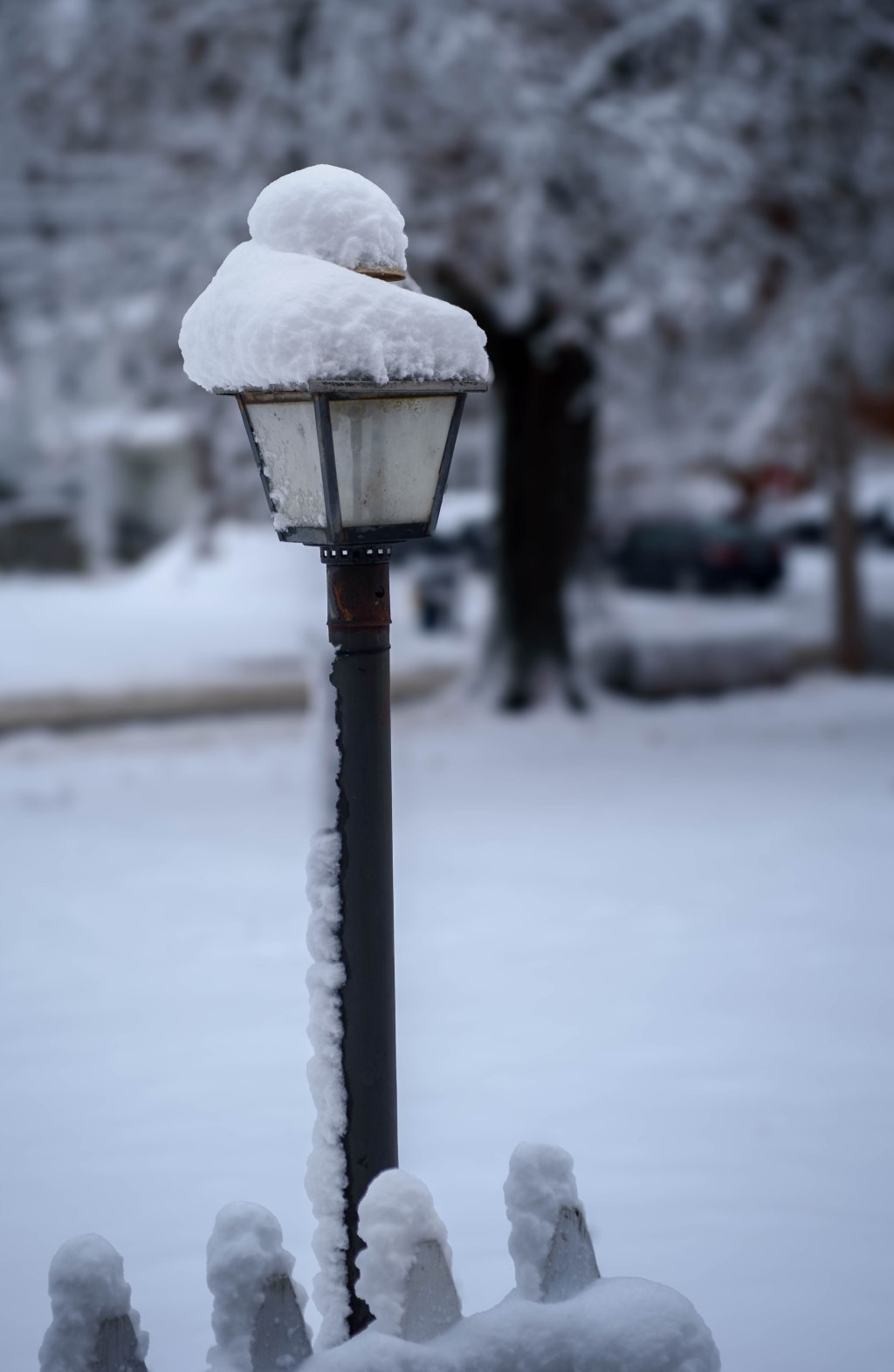
    I have been of the mindset that sometimes you must embrace the digital noise when photographing your subject. The photos in this article were shot at ISO 12,800. For people like me who started in 35mm film days ISO 12,800 was absolutely unheard of. We struggled in low-light situations with our ISO 800 film and often manual flash.

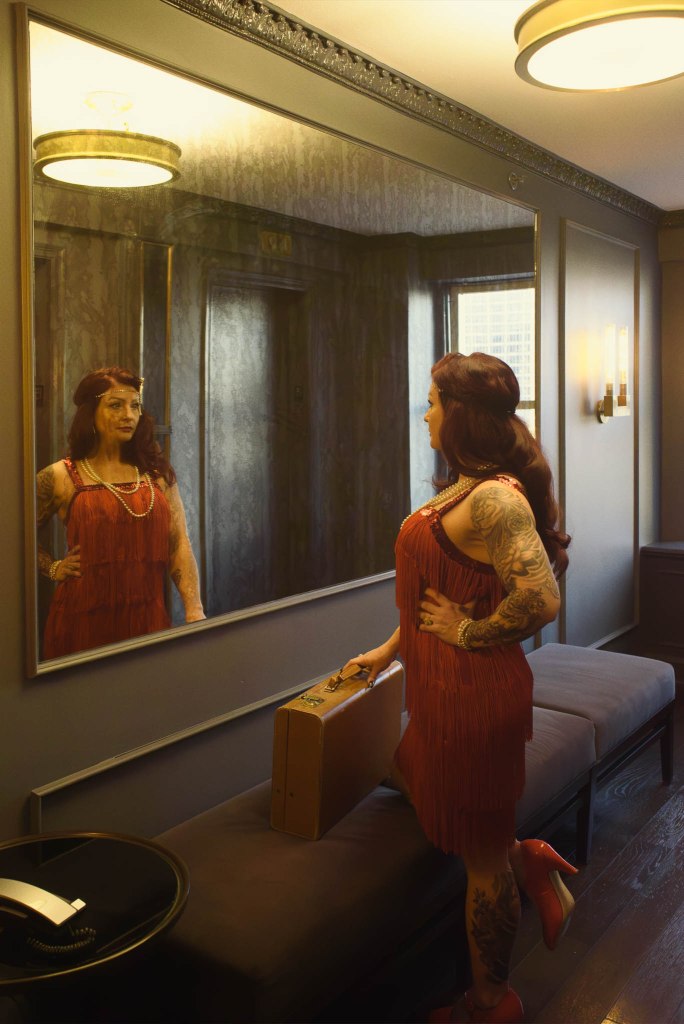
    Film look filter to emulate analog film grain

    Digital photographers also employ the use of software to emulate the look of analog films.

    If often appears to me, we are continually in search for the elusive big foot of photography. We don’t want noise or grain, but we don’t want the cold lifeless feel of digital photography, nor do we want to do photographic manipulation or to be restricted to only a few shots that we can load into our film cameras and the cost and time to develop the film. Are we looking too hard for the perfect photograph rather than telling a story or creating art with our photographs?

    To me, we need to work harder at telling stories and creating art rather than worrying about all the other nonsense. Create your art and photographs to tell your story rather than worrying about the elusive “perfect photograph”.

  • Keep climbing to improve your art

    Keep climbing to improve your art

    As we gain years of experience we often lull ourselves into a false sense of security, knowledge, and achievement causing us to believe we don’t need to learn more or push ourselves to further hone our craft as photographers and artists. Nothing could be further from the truth. We must, and I repeat must, continue to push ourselves to gain further knowledge, and skills, and push the boundaries of creativity.

    Without continuing to push ourselves to learn new skills and techniques or failing to push our creative boundaries we can become stale and ordinary. We need to stop fighting against new tools or techniques and learn about and utilize their advantages and disadvantages. As photographic artists if those who came before us stopped working to learn more and develop new technology and techniques, we would still be producing images as Nicéphore Niépce.

    Push yourself to learn to embrace new ideas and techniques. Push yourself to learn new technology and tools. Push your boundaries of creativity. You may surprise yourself with what you can create once you open up to these advancements.

  • Photographer versus Artist

    Photographer versus Artist

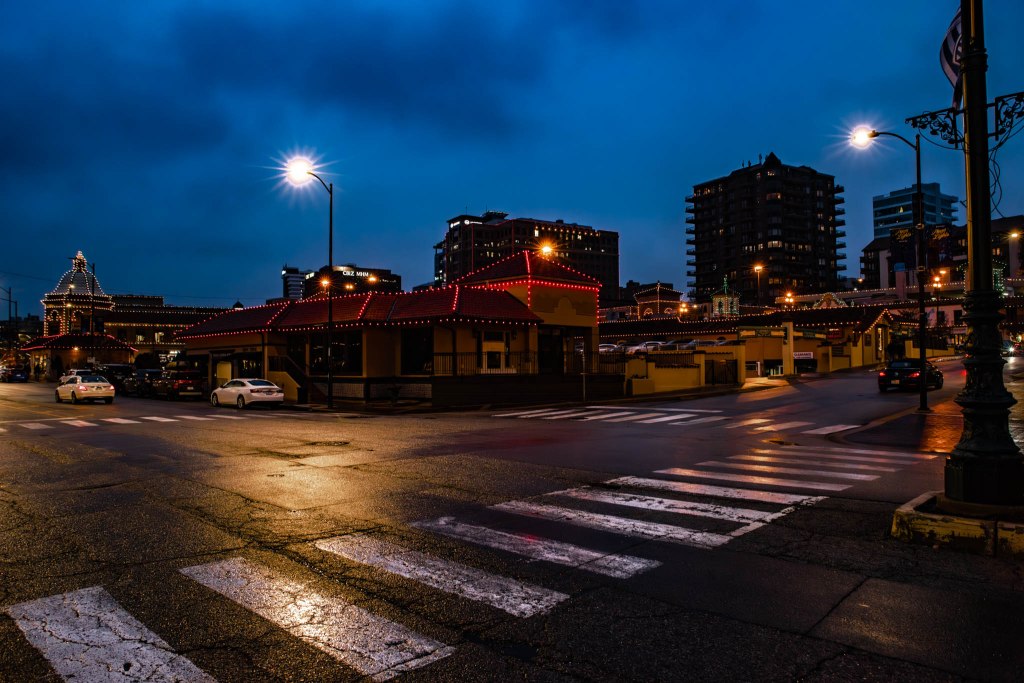
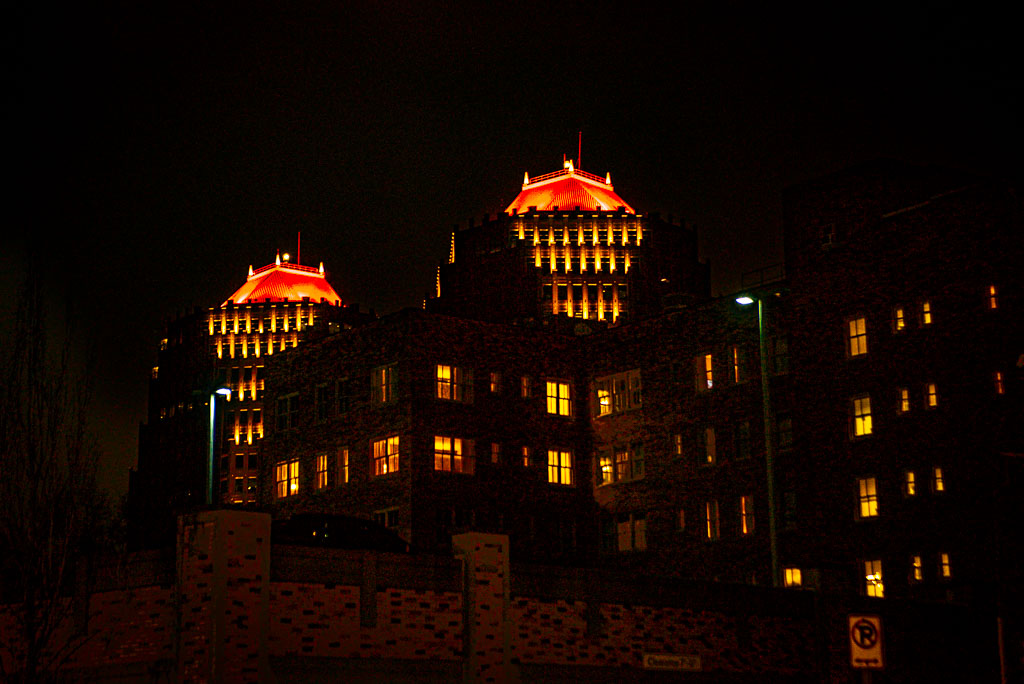
    It has become more apparent to me that I am not a photographer, but rather an artist who uses a camera. The difference is that I work to create a photograph more than just take a photograph. While I strive to get the best result at the time I take the initial photograph it is not complete until I work it. For me, it is important to recognize that camera is ruthless. It sees and records everything. In many instances we can include or exclude elements we want but then there are times we have little to no control what may be in a scene. Let’s take the image above as an example. 

    I won’t say the image was “heavily” manipulated but it was manipulated more than just basic edits such as saturation, and sharpening. There were reflections caused by lights and the wet pavement I found distracting. There were also some street signs, and other distractions that I could not have otherwise eliminated at the time I took the photograph. For me, it is about creating a piece rather than just recording it. 

  • The value of post-processing

    The value of post-processing

    It appears to me that the discussion of post-processing images is never-ending. It also appears to me that those who are against the use of tools such as Photoshop/Lightroom, or similar programs, are because of their lack of skills and ability. Post-processing isn’t always about “fixing” a photograph. It isn’t about a photographer not planning or utilizing the camera and equipment properly. The camera, cannot see as I see. 

    Post-production has existed as long, or nearly as long, as photography itself. In the past, we selected films based on how we wanted to render color, contrast, and tones. If we were good we also learned how to further enhance those qualities in our chemical darkroom using dodging and burning, unsharp masks, development times and chemicals, the selection of papers, and more development. Today’s tools take us even further without exposure to chemicals and smells. As nostalgic as those things may be. 

    To become a good or great photographer it is necessary, in my mind, to understand and utilize ALL THE TOOLS which include how to post-process the images. 

  • Changes leads to progress

    Changes leads to progress

    My last post on the blog was several weeks ago. This wasn’t intentional but I was in the midst of some changes. I moved to a new place and was in the middle of getting everything moved, set up, arranged, and organized. This was one of the changes that was planned months ago when we (my wife and I) started a new journey. The journey included moving out of our former home, putting much of our belongings into storage, and traveling for several months. The plan included returning for the holidays but what we found was we love to travel but we also missed having a home base where we could return from our travels and have our own stuff. 

    During our stay with family during the holidays we began shopping for a new place to live permanently.  During the first part of December, we found a place, however, it was not going to be ready until January 5, 2024. On the 14th of January, 2024 we got all our belongings moved into the new house which is in an area more urban than we have ever lived. Now I have a room dedicated as a home office and photography room. 

    Changes, such as those I have just described above are very stressful and exciting at the same time. At the same time, change leads to progress. While it may not appear like it at times to progress change needs to happen. We are witnessing changes in the creative world as well with the advancement of artificial intelligence and creating or developing art using artificial intelligence and computers. 

    Many, unfortunately, see it as the death of human creativity. I see it as just another advancement. As we grow as an artist it makes sense, to me, that we allow artificial intelligence to do mundane time-intensive tasks while maintaining creative control over the artificial intelligence. Failing to do so will, eventually, cause us to lag behind others and lose our edge. 

  • Never stop moving and learning!

    Never stop moving and learning!

    I recently set a reminder to watch a live video talking about the myths of Lightroom by one of the few “talking heads” of photo editing I follow. I missed the live video unfortunately. A few days after the live broadcast I remembered the video and found the recorded version. Some of the myths I knew about and knew they were wrong and much to my surprise I learned some things I still believed. I have since reconsidered my entire workflow and process. By rethinking my entire workflow, I believe I have uncovered another creative resource. This resource gives me access to an entire community of creatives just like me. Allowing me to gather ideas and concepts that far exceed my circle of social media friends.

    This has reminded me to never stop moving and learning. When we stay still and stop exposing ourselves to other people and influences, we become static and eventually become boring, uninteresting, and outdated.