I made a decision last night while I was enjoying a cognac sitting in my recliner, watching our newly adopted rescue dog sleeping next to my wife while we were watching a television show. That decision was to get back to doing what you do, which involves writing this blog, playing my video games, and my photographic art. This past year has been a wild ride that I won’t go into details about, except for learning you don’t know what you don’t know. I used to hate that expression!
A couple of things have helped bring my understanding of the words: you don’t know what you don’t know. Firstly, I have learned so much about bringing my vision forward in creating the final image I imagined when I took a photo. My goal was to create something that would engage the viewer, even if that viewer is just myself.
My deeper understanding of life has evolved through a series of events over the past year. I underwent radiation therapy for cancer, which was a significant challenge. During this time, I also learned more about creating photographic art than I ever imagined, thanks to the guidance of my mentor and the support of like-minded individuals and my family. Additionally, I adopted a rescue dog, which has brought unexpected joy and companionship into my life and also taught me that we don’t always know about the challenges and past that many people have experienced.
It is with these insights in both my mind and heart that I will move forward to helping myself become more compassionate towards others and passionate about my art. Additionally, I will use those traits to help others with their journeys, understanding that I don’t always have to know their stories or history, but just to be there to support them as they ask.
Through this blog and my art, I aim to achieve some of this through regular entries. These entries may not always focus on art or photography, but may also include life lessons I have learned or experienced.
This is more of an update on why I haven’t been writing lately. I have been actively engaged in working on my artistic vision. That may sound cliché; however, I have always been of the belief that if you could create the image you create today five years ago, you are not growing as an artist. Growth is essential in any creative field, and without it, we risk stagnation, losing the spark that inspires us to express ourselves.
For my journey, I have found a mentor who not only shows you how but also explains why. This dynamic has opened up new avenues for my understanding of art. I have included training in color theory, composition, and various techniques that push my creative boundaries. It is all about understanding and thinking like an artist, exploring the depths of creativity, and developing a personal style that feels authentic.
While I may use a camera, I consider myself an artist. It is not merely a tool for capturing images but a means of expressing my artistic vision. As such, I realize not all my artworks will appeal to everyone. To me, it isn’t about validation from others but rather about expressing my connection with my subject. This could be anything from a breathtaking landscape to the intricate details of an insect, or even any other inanimate object that catches my eye. Each piece I create serves as a bridge between my inner world and the external reality.
If you are a creator of art, in whatever genre you follow, allow yourself to let go. Immerse yourself in your emotions and thoughts, and get in touch with how you feel about your subject matter. Understand that the relationship you forge with your work is a personal one, and your unique viewpoint can shine through, even if that viewer is only yourself. Embrace this journey of self-discovery, and let your artistic voice be heard, regardless of the audience’s opinions. In this way, you cultivate both your skills and your identity as an artist, allowing your work to evolve organically and authentically over time.
I asked ChatGPT; Is art really subjective or are there certain conditions that should be met for a work to be classified as art, This is the response I got.
The question of whether art is subjective or if there are certain conditions that should be met for a work to be classified as art is a long-standing debate in the philosophy of aesthetics
. Many people instinctively lean towards subjectivity, viewing art as an individual’s unique response to a piece. However, this perspective also raises questions: if art is purely subjective, how can we have discussions about whether certain works are “good” or “bad”? Why are some pieces displayed in museums and celebrated for centuries, while others are disregarded?
The case for subjectivity
Personal Interpretation: Viewers bring their own experiences, emotions, and cultural backgrounds to their appreciation of art, leading to diverse interpretations.
Emotional Response: Art’s power often lies in its ability to evoke emotional responses, and these emotions are inherently personal.
Shifting Tastes: What one generation deems artistic may be seen differently by another, highlighting the dynamic nature of cultural trends and individual preferences.
Arguments for objective criteria
Skill and Technique: Creating art often involves technical proficiency, whether it’s mastering painting techniques, composing music, or crafting compelling narratives. These skills can be objectively evaluated.
Composition and Principles of Design: Art often adheres to established principles like balance, proportion, and rhythm, which can be analyzed and judged independently of individual taste. The Massachusetts College of Art and Design (MassArt) identifies seven elements of art and seven principles of art.
Artistic Context and Intent: Understanding the artist’s intentions, the historical context, and the artistic traditions surrounding a piece can provide a more informed basis for appreciation and analysis.
Enduring Value: The fact that certain works are consistently recognized and valued across cultures and generations suggests some degree of inherent merit beyond fleeting trends.
Artworld Institutions: Galleries, museums, critics, and art historians play a role in shaping and defining what counts as art through their selections, exhibitions, and discourse.
Hybrid perspectives
Many thinkers now advocate for a more nuanced approach, recognizing both subjective and objective aspects of art. Art, at its core, involves a human creation intended to evoke a worthwhile experience, be it through emotional power, beauty, or the conveyance of complex meanings. While individual enjoyment is deeply personal, objective analysis of elements like technical skill, composition, and historical context can inform and enrich our appreciation, according to the website thewritingpost.com.
This is, to me, the real meat and potatoes, so to speak.
In conclusion, art is not solely subjective, nor is it entirely bound by rigid objective criteria. It exists in a dynamic interplay between the creator, the creation, and the audience, where personal interpretation meets with a framework of established artistic principles and traditions.
If a work fails to ignite a vibrant interplay between the creator and the audience, it falls woefully short of its potential. Like many others, I have fervently battled with the art of creation, grappling with the complexities of expressing my vision, despite the countless hours I have devoted to studying art and photography. It wasn’t until the past 6 months or so that I came to realize this. Often, we fall in love with a creation of ours not because it is good but rather because we have a personal connection to it. The problem, I see, is whether the audience has a connection. This is often the failure. As artists, we must become aware of our emotions and then learn to communicate those emotions to our audience.
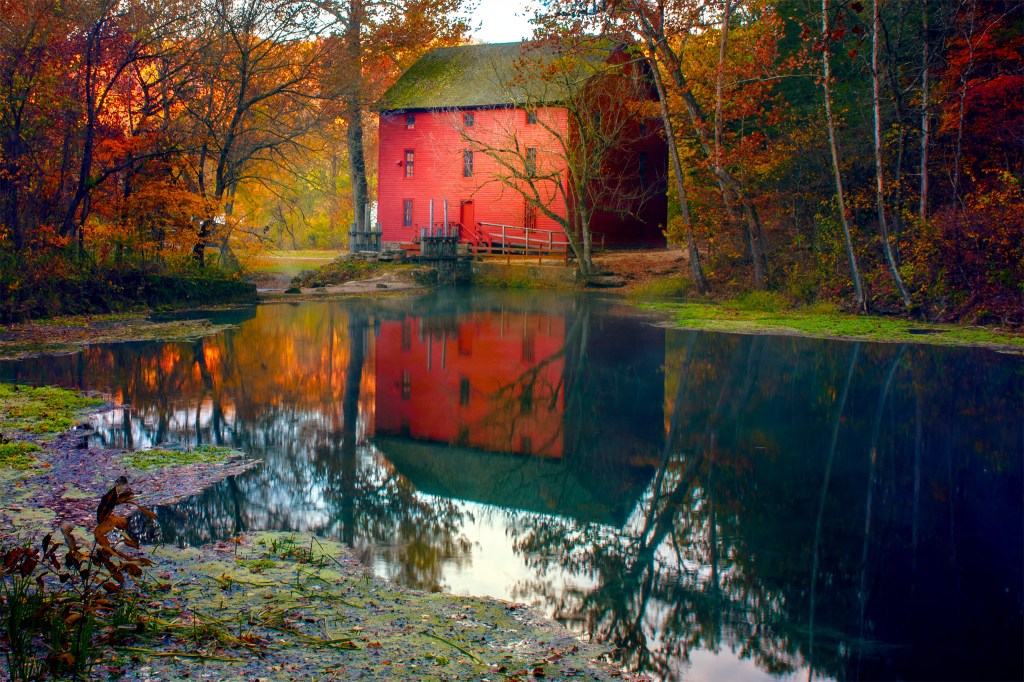
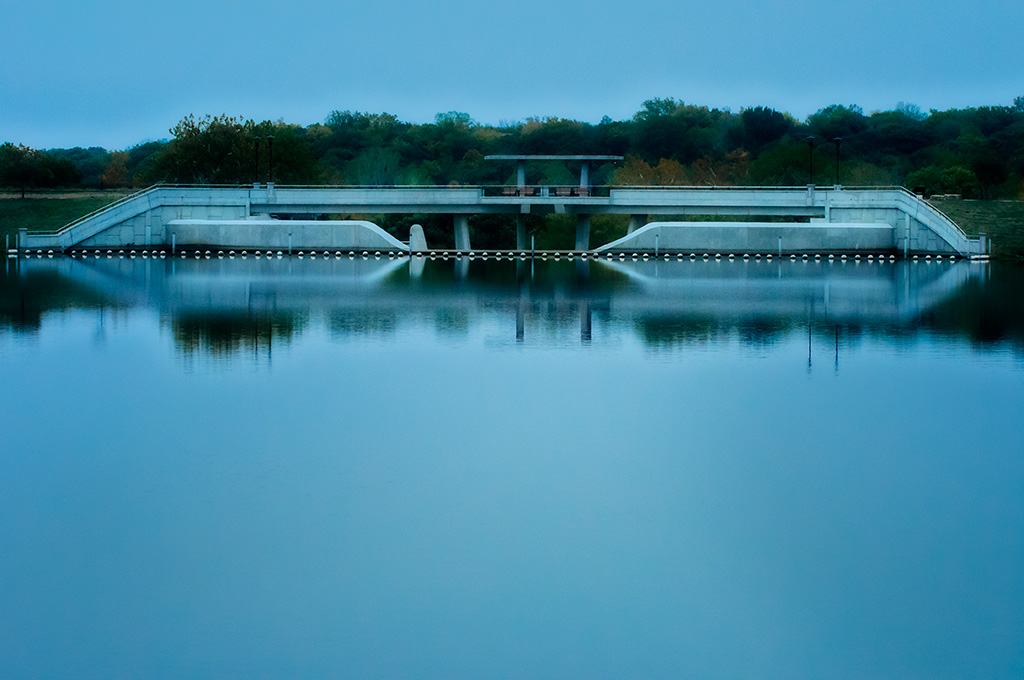
This has been a challenge I have faced over the past couple of years. Recently, completed reading the book “Inner Excellence” by Jim Murphy, which stands out as one of the motivational and inspirational books I have ever encountered. One of the recommendations in book was to maintain a daily journal, documenting the events of the day, highlighting went well, identifying areas that went poorly or need improvement, and goals for the following day. So far I am just about a week into maintaining a handwritten journal, and it already had a significant positive impact. I feel more motivated to write and pursue my photography, even if it is simply an image with my cellphone like the photograph above.
In doing this, I have found that I overly complicate things rather than simplifying the tasks at hand, which often leads to unnecessary stress and confusion. Instead of breaking down each task into manageable steps, I get caught up in the details and lose sight of the bigger picture. Along with this, I often allow the inner critic and past failures to rule my thoughts, creating a cycle of self-doubt and hesitation that prevents me from moving forward. This tendency to overthink not only hinders my productivity but also stifles my creativity, leaving me feeling overwhelmed and unfulfilled as I grapple with the expectations I place on myself. It’s a journey of learning to challenge these negative patterns and finding more constructive ways to approach my responsibilities.
I hereby challenge you to try the same things if you are feeling uninspired or unmotivated. It very well could change your world, mindset, and creativity. Engaging in new experiences can open doors to fresh perspectives and innovative ideas that ignite your passion. Embrace the small steps of change, whether it’s a new hobby, exploring different art forms, or simply changing your daily routine. Each effort, no matter how insignificant it may seem, can lead to profound transformations, rejuvenating your spirit and encouraging your creative juices to flow. Remember, inspiration often hides in unexpected places, waiting for you to seek it out.
If you are like me, we have done this more times than we can count. You have a plan to grab your camera and head out on a walkabout to grab some photos, or a planned event that you want to document, but beyond that, you have little to no concept of what or how you want to accomplish your images. It often starts with a sense of excitement, the thrill of possibility that hangs in the air, yet as you step outside, you may find yourself overwhelmed by the myriad of choices before you. The vibrant colors of nature or the hustle and bustle of a city can be both inspiring and intimidating, leading to a moment of indecision. You might think about the stories you want to tell through your lens, the emotions you want to capture, and the unique perspectives you can showcase, yet the pressure to produce something truly remarkable can feel paralyzing. Embracing the spontaneity of the moment, however, can be where the magic happens; sometimes the best shots come when you least expect them, turning an ordinary walk into an extraordinary adventure of creativity.
How then can we ensure that we get what we want or envision? While I’m not necessarily a gearhead, we must take into account what gear we need to accomplish our goal. The right tools can make a significant difference in the quality of our outcomes, whether it’s photography, writing, or any other creative endeavor. We also need to be able to employ our skills or be willing to be open-minded and work outside our so-called box. Being adaptable allows us to explore new techniques, learn from our experiences, and ultimately grow in our craft. I don’t know how many times I’ve done it myself, let alone how many times I’ve seen others do it, but so many times I’ve never changed my position when taking photos. You know, from a standing position, which can limit our perspective; often we need to get low or higher, to try different angles and viewpoints that can completely transform the narrative of our work. It’s essential to embrace these varied perspectives, as they can lead us to discover compositions we never thought possible. We need to become more creative, constantly pushing the boundaries of our imagination and allowing ourselves to experiment with the unfamiliar. By doing so, not only do we enhance our skills, but we also create more engaging and dynamic results that resonate on a deeper level with our audience.
In 2011, I retired for the first time and found ample time for my photography. Initially, I returned to work because I desired something to occupy my time. I began with a part-time job but soon transitioned to full-time. Since then, I have held two more positions, each demanding more of my time. Despite this, I was able to find time for both photography and writing. I retired permanently just over two years ago, and now it appears I have little time or perhaps interest in my writing and diminished passion for photography.
What I have found intriguing is that with more free time, I seem to have less of it. It’s a paradox that many can relate to: the idea that freedom can sometimes feel constricting. Although my interest in both activities has not waned, I often find myself making excuses to postpone them. Instead, I have developed a keen interest in computer gaming, an avenue I had previously set aside. I once believed my writing and photography skills provided an escape from societal drama, but I have come to realize that I have replaced those activities with computer gaming, immersing myself in digital worlds where I can forget my worries and responsibilities.
In the midst of this shift, I received news about a somewhat serious medical condition that, while correctable, will require a considerable amount of my time and energy. Furthermore, it will necessitate significant changes within my family dynamics. Although these changes are destined for the better, each new development has served as a distraction from the things I once cherished.
However, with the arrival of warmer temperatures, I am determined to reconnect with the outside world and embark on a photography journey. Spring and summer offer such vibrant opportunities for capturing the beauty of nature and the life around me. I believe this endeavor will not only reignite my passion for photography but also encourage me to write more in this blog. My goal is to bring you all along with me on this journey, sharing my experiences and discoveries as I step back into the sunlight.
I sincerely hope that you, my readers, will feel inspired to share your own art and words as we move forward together. Let’s embark on this creative exploration and support one another in rejuvenating our artistic spirits. The shared journey promises to not only enrich our lives but also create a community of like-minded individuals eager to express their passions once again.


 Photographer Clay