Tag: camera

  • The Next Chapter in Photography’s Evolution

    The Next Chapter in Photography’s Evolution

    Photography has never stood still.

    From the earliest days of glass plates and darkrooms to digital sensors, Photoshop, and now artificial intelligence, photography has been a continual journey of innovation, experimentation, and creative discovery. Yet with every new advancement comes a familiar chorus of voices claiming that the latest technology is somehow “ruining” photography.

    But history tells a different story.

    In the mid-1980s, I discovered my passion for photography long before Photoshop existed. Back then, photographers worked with film, chemicals, enlargers, and a collection of creative filters that helped shape their artistic vision. When Photoshop arrived in 1990, it was available only on Macintosh computers, and even after it became available for Windows in 1994, few hobbyists I knew were using it. The photographic world continued to evolve, and so did we.

    In 2005, I embraced digital photography and began processing my images on a computer. Looking back, many of those early edits make me cringe. They were far from masterpieces. Yet every mistake taught me something valuable. Every poorly processed image became a stepping stone toward growth. Progress rarely looks perfect in the moment.

    Then, in 2010, I made the leap into Photoshop despite its intimidating price tag of more than $800. It was around that time that I began hearing the criticism that digital photography was somehow destroying “real” photography. The complaints were loud, passionate, and remarkably familiar.

    Today, sixteen years later, the conversation has simply shifted. Artificial intelligence has become the newest target. Some claim it is stealing photography’s soul. Others insist it is the beginning of the end for artistic expression.

    I disagree.

    Technology has never been the enemy of creativity. It is merely a tool. Photoshop did not diminish photography, and artificial intelligence will not diminish it either. For me, both have become valuable parts of the creative process, helping streamline technical tasks and allowing more time to focus on what truly matters: vision, expression, and storytelling.

    What gives a photograph meaning has never been the software, the camera, or the process. It has always been the artist behind it.

    Ironically, the rise of AI has also sparked renewed interest in film photography. That’s wonderful. Every photographer should pursue the medium that inspires them most. But let’s not confuse process with authenticity. Some argue that film brings us closer to reality, while digital and AI move us further away. The truth is that photography has never been a perfect representation of reality.

    Reality is an illusion shaped by countless choices.

    The lens we select, the focal length we use, the moment we press the shutter, the exposure settings we choose, the colors we emphasize, and the way an image is displayed all influence what the viewer ultimately sees. Whether working with film, digital sensors, darkroom techniques, Photoshop, or AI, every photograph is an interpretation rather than a duplication of reality.

    And that is exactly what makes photography art.

    So instead of spending our time debating what is ruining photography, perhaps we should focus on what has always made photography extraordinary: the ability to communicate ideas, evoke emotion, and inspire others.

    The future of photography does not belong to those who resist change. It belongs to those who embrace possibility.

    Create the image only you can create.

    Learn the new tools. Master the old ones. Experiment fearlessly. Take risks. Make mistakes. Grow from them. Continue refining your vision and expanding your voice as an artist.

    The greatest photographers have never been defined by the technology available to them. They have been defined by their willingness to see differently, think differently, and create something meaningful regardless of the tools in their hands.

    Photography’s soul has never lived in a camera, a roll of film, a darkroom, a computer, or an algorithm.

    Its soul lives in the imagination, curiosity, and passion of the artist.

    And no technology can ever take that away.
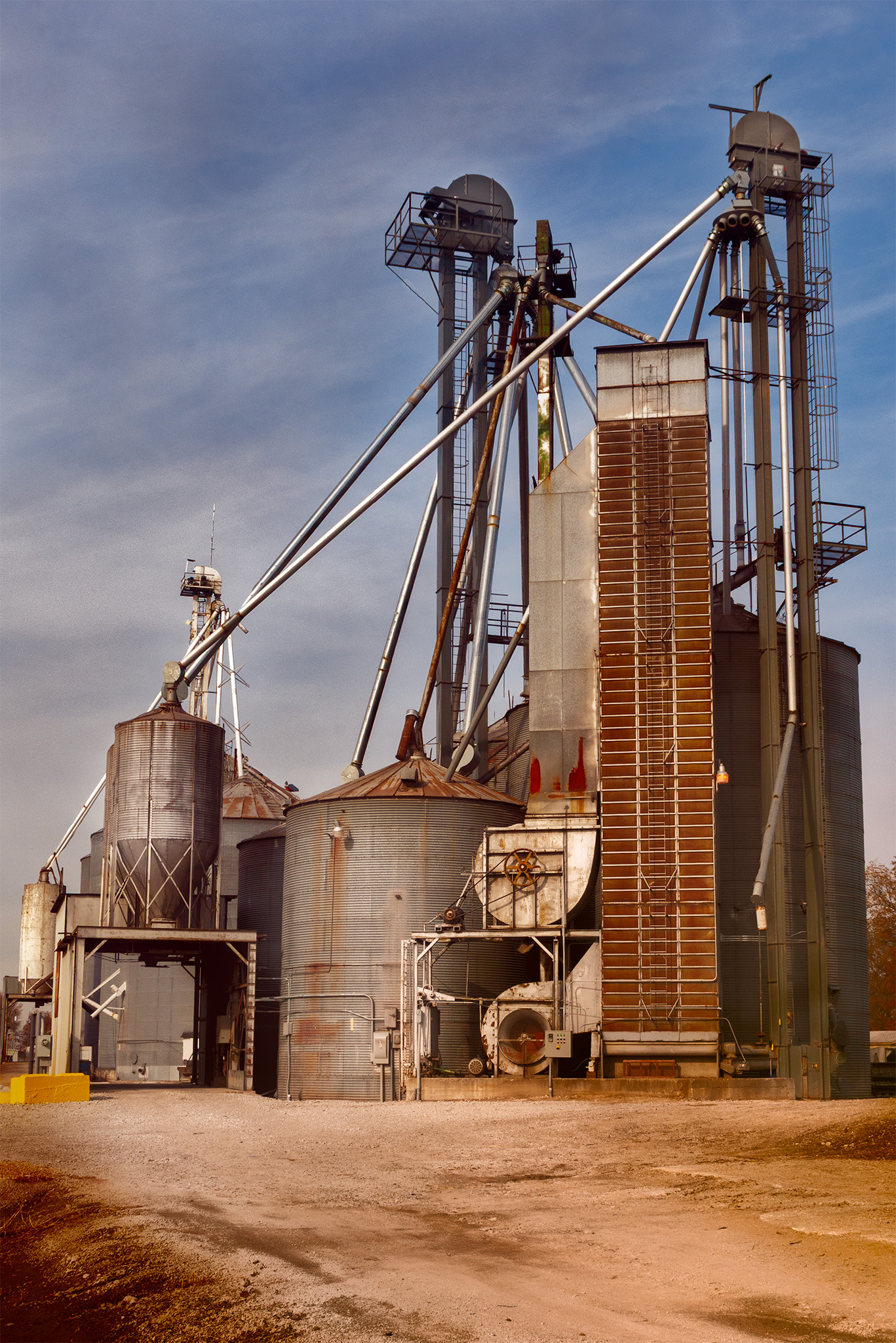
  • Beyond the Lens: A 40-Year Journey from Rulebook to Reality

    Beyond the Lens: A 40-Year Journey from Rulebook to Reality

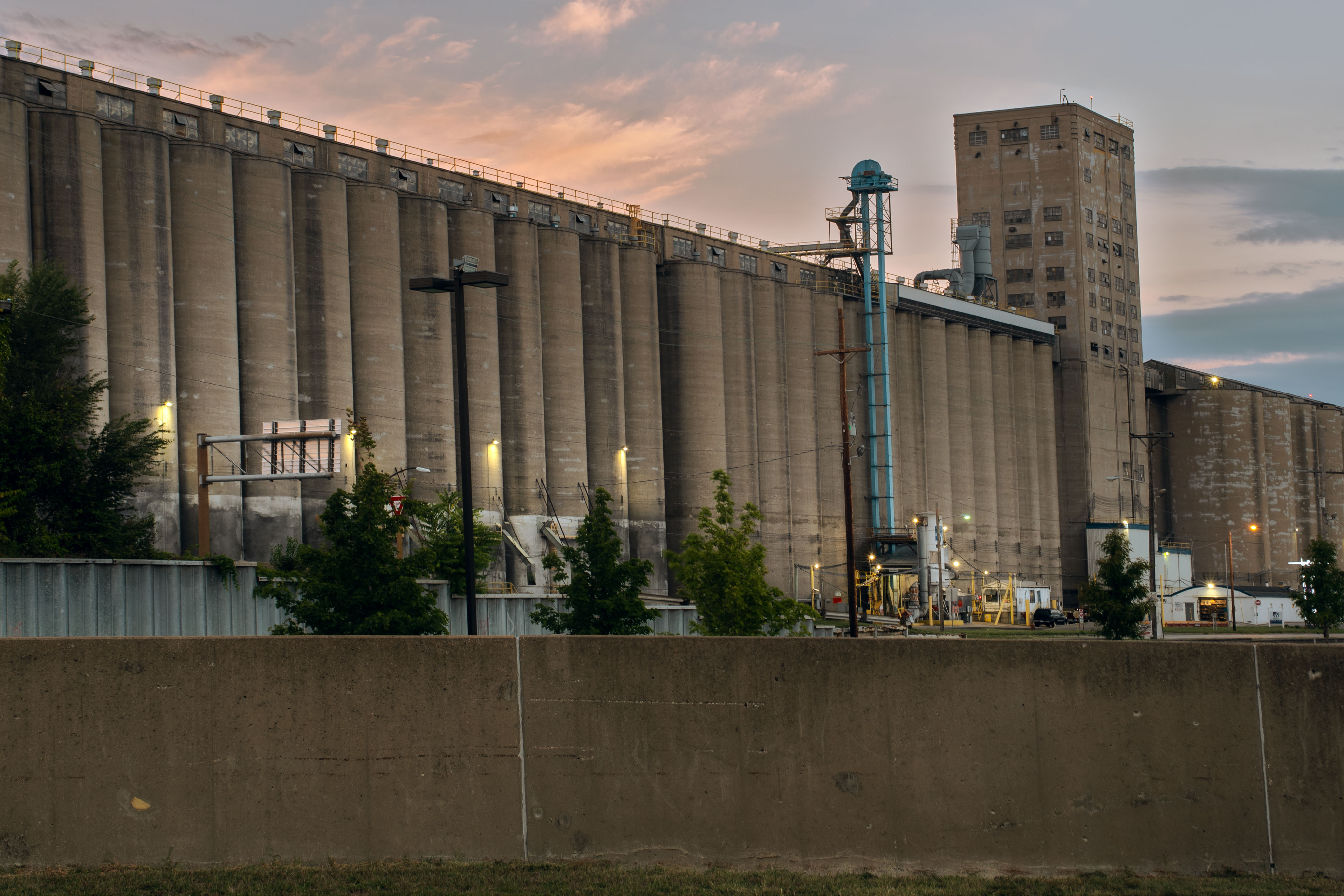
    In The towers watching over the land, I explore the quiet dignity and unexpected beauty of industrial agricultural structures. Captured from a commanding low angle, these steel giants shed their purely functional purpose to become silent, imposing sentinels. Their intricate network of silos and elevators stands as a testament to human endeavor, presiding over the rural landscape and guarding the harvest. Through a warm, slightly weathered filmic perspective, I invite viewers to find reverence in these utilitarian monuments that loom over the land they serve.

    For over four decades, the camera and I operated on a strict, unspoken agreement. Beginning with a 35mm film camera in 1982 and navigating the leap into the digital realm in 2005, I spent countless hours mastering the mechanics. I operated as an image analyst, relying heavily on mathematical logic to calculate the perfect exposure, the precise depth of field, and the flawless composition. I knew the rules inside and out. The camera was my objective tool, and I was its devoted technician.

    But mastering the rules is only half the journey; true artistry begins when you learn how to transcend them.

    My time immersed in the f64 Elite community sparked a profound shift in my paradigm. I realized that a technically perfect photograph can still be emotionally hollow. The goal was no longer to simply capture a high volume of sharp frames or perfectly execute a formula. Transitioning into fine-art landscape photography demanded something much more vulnerable: deep, deliberate intentionality.

    Now, before I even release the shutter, I stop to breathe. I plan the shot with the same analytical precision as before, but I leave room for the soul of the landscape to speak. When I step onto a location, my mental notes extend far beyond light and shadow. I focus on the ambient sounds—the rustle of dry grass or the distant rhythm of water. I take in the sharp, cool scent of the morning air or the damp earth after a rain. I tune into the emotional resonance of that exact moment in time.

    This sensory awareness is now woven directly into the mathematical logic of the shot. It is the vital ingredient that transforms a static digital negative into a living, breathing piece of fine art.

    My ultimate goal is for you to step into that landscape with me. When you look at my work, I don’t just want you to see what I saw; I want you to feel the chill of the air, hear the quiet rhythm of the scene, and experience the profound stillness of the moment, exactly as I did.

    This transition from technician to photographic artist is a continuous, evolving journey, and it’s one I want to share with you. I am currently pouring this newfound intentionality into an upcoming coffee table book that curates these very moments. Soon, I will also be launching a podcast to dive deeper into the nuances of this creative process and the mindset required to truly see the world.

    I invite you to join me as we explore the landscape not just as it looks, but exactly as it feels.

  • Beyond the Lens: Making the Leap from Photographer to Photographic Artist

    Beyond the Lens: Making the Leap from Photographer to Photographic Artist

    There is a distinct, almost magical milestone in every photographer’s journey. It happens when the mechanics of the camera—the holy trinity of aperture, shutter speed, and ISO—finally become second nature. You no longer have to think about how to expose an image properly; your hands just know what to do.

    But once you conquer the technical mountain, a new, far more daunting peak reveals itself. You realize that capturing a technically perfect image isn’t the same as creating a meaningful one. This is the chasm between being a photographer and becoming a photographic artist.

    Here is how to stop simply taking pictures and start making art.

    The Trap of Technical Perfection

    We live in a golden age of camera technology. Modern sensors are incredible, autofocus is practically telepathic, and lenses are sharper than ever. It is easier than ever to take a “good” photo. But a sharp, well-exposed photo of a boring subject is still a boring photo.

    Being a photographer means you understand the light and the machine. Being an artist means you understand yourself. An artist doesn’t just document what is in front of the lens; they project what is inside their mind onto the sensor. Technical perfection is a tool, not the final destination.

    From “Taking” to “Making”

    Ansel Adams famously said, “You don’t take a photograph, you make it.” This subtle shift in vocabulary represents a massive shift in mindset.

    • The Photographer arrives at a beautiful landscape, points the camera, and records what is there.

    • The Artist arrives, studies the light, considers the mood they want to convey, decides what to leave out of the frame, and waits for the exact moment the elements align with their internal vision.

    Making a photograph requires intentionality. Before you press the shutter, ask yourself: Why am I taking this? What do I want the viewer to feel? If you don’t have an answer, put the camera down and keep looking.

    Developing Your Visual Voice

    Your visual voice is the thread that ties all your work together. It’s what makes someone look at an uncredited image and say, “I know who shot that.” Finding this voice doesn’t happen overnight, but you can actively cultivate it:

    • Consume art beyond photography: Study paintings, watch classic cinema, read poetry, and listen to music. Notice how other mediums handle composition, pacing, and emotion.

    • Curate ruthlessly: We all take bad photos. The difference is that artists only show their best ones. Curating your work forces you to identify what you actually like about your own photography.

    • Embrace limitations: Shoot with one focal length for a month. Limit yourself to black and white. Constraints breed creativity by forcing you to see the world differently, rather than relying on the crutch of endless options.

    Emotion Over Rules

    The Rule of Thirds, leading lines, and the golden ratio are excellent training wheels. But once you know the rules, you have to know when to break them to serve the narrative.

    Sometimes, a blurry, grainy, awkwardly cropped photo captures the raw, kinetic energy of a moment far better than a pristine, sharply focused one. An artist prioritizes the emotional truth of the image over the rigid rules of composition. If the image makes the viewer feel something, it is successful.

    The Journey Inward

    Ultimately, the transition from photographer to photographic artist isn’t about buying a better camera or mastering a new editing technique in Lightroom. It is a journey inward. It requires vulnerability. It requires you to have a perspective on the world and the courage to share it.

    Your camera is just a box that lets in light. The art doesn’t come from the box; it comes from the person standing behind it. Stop worrying about capturing the world exactly as it is, and start showing us the world exactly as you see it.

  • The Changing Approach to Photographic Excellence

    The Changing Approach to Photographic Excellence

    There was a time when photographic excellence was inseparable from patience.

    For much of the 20th century, masters of the craft built their reputations not only behind the camera but in the darkroom, an environment that demanded discipline, precision, and a willingness to engage deeply with the medium. Each print was not merely produced; it was constructed. Exposure, contrast, dodging, burning, every decision was deliberate. The process itself became an extension of the artist’s vision.

    This approach required more than technical proficiency. It demanded endurance, restraint, and an almost obsessive commitment to refinement. The final image was the culmination of hours, sometimes days, of iterative work. Excellence was not assumed; it was earned through repetition and critical evaluation.

    From Craft to Convenience

    Fast forward to today, and the landscape has shifted dramatically.

    Digital technology has democratized photography in extraordinary ways. Powerful editing tools are widely accessible, workflows are streamlined, and the barriers to entry are lower than ever. These are, by most measures, positive developments. More people can create, experiment, and share their work with a global audience.

    However, alongside these advancements, a noticeable shift in mindset has emerged.

    Many contemporary photographers now prioritize efficiency over depth. Editing is often approached as a quick step rather than a critical phase of artistic development. One-click presets, automated enhancements, and AI-assisted tools have become standard practice. While these tools are undeniably useful, they can also foster a reliance on convenience at the expense of intentionality.

    The result is a growing tension between speed and craft.

    The Illusion of Effortless Excellence

    There’s a subtle but important misconception at play: the idea that high-level results should come quickly.

    When photographers limit their editing time to just a few minutes or rely entirely on automated solutions, they may achieve technically acceptable images. But fine-art photography has never been about “acceptable.” It’s about nuance, interpretation, and emotional resonance.

    The darkroom era made one thing clear: excellence is rarely efficient.

    Today’s tools can accelerate workflows, but they cannot replace the need for critical thinking. They cannot substitute for the iterative process of refining an image until it aligns with the artist’s intent. When that process is skipped or minimized, the final work often lacks depth, not because of a lack of talent, but because of a lack of engagement. Let me say that again for the people in the back: When that process is skipped or minimized, the final work often lacks depth, not because of a lack of talent, but because of a lack of engagement.

    Reclaiming the Process

    This isn’t an argument against modern technology. In fact, digital tools offer unprecedented control and creative flexibility. The issue is not the tools themselves, but how they are used.

    Photographers seeking to elevate their work might consider revisiting some of the principles that defined earlier generations:

    • Intentional editing: Approach post-processing as a creative act, not a checkbox.
    • Time investment: Allow images to evolve through multiple passes rather than settling for quick results.
    • Critical evaluation: Develop the habit of analyzing what works—and what doesn’t—at a granular level.
    • Restraint: Avoid over-reliance on presets; instead, build adjustments from the ground up when possible.

    These practices don’t require abandoning efficiency. They require rebalancing priorities.

    Excellence Still Demands Commitment

    The tools have changed. The pace has changed. But the underlying principle remains constant:

    Photographic excellence is the product of deliberate effort.

    The darkroom may no longer be a physical space for most photographers, but its philosophy still holds relevance. The willingness to slow down, to engage deeply with an image, and to refine it beyond the obvious, that is where meaningful work emerges.

    In a culture that increasingly values speed, choosing to invest time and care into your process becomes a differentiator. It signals not just technical ability, but artistic intent.

    And ultimately, that’s what separates a photograph from a finished piece of art.

  • The Quiet Friction: Why Innovators in Photographic Art and Education Often Walk Alone

    Innovation in photographic art rarely looks dramatic from the outside. There’s no lab explosion, no sudden invention moment. Instead, it’s slow, internal, and often invisible — a shift in how a photograph communicates rather than how it’s made. And for those pushing this evolution, especially photographic artists and educators, the struggle is less about cameras or technique and more about resistance — cultural, institutional, and psychological.

    The Problem With Innovation in Photography

    Photography is uniquely resistant to innovation because it sits between documentation and expression. When photographers innovate, they often challenge assumptions people didn’t realize they were making:

    • That sharpness equals quality
    • That subject equals meaning
    • That rules equal composition
    • That realism equals truth

    Innovators disrupt these beliefs. They may soften focus intentionally, obscure the subject, flatten depth, or remove traditional compositional anchors. The result is often misunderstood — not because it lacks intention, but because it requires viewers to participate differently.

    Innovation in photography asks the audience to feel before they identify. That is uncomfortable for many viewers trained to decode rather than experience.

    The Innovator’s Isolation

    Photographic innovators frequently face a paradox: the more original their work becomes, the less immediately understood it is. This creates a quiet isolation.

    They may hear:

    • “What am I supposed to be looking at?”
    • “It’s technically good, but what’s the subject?”
    • “Why is it out of focus?”
    • “This feels unfinished.”
    • “This is AI.”
    • “This is overprocessed and not realistic.”

    These reactions reveal an expectation that photography should behave predictably. Innovation breaks predictability. And when predictability disappears, viewers often assume something is wrong instead of something is new.

    This friction is emotional, not just professional. Innovators begin to question themselves:

    • Am I overthinking?
    • Am I losing clarity?
    • Am I making mistakes?
    • Is this actually meaningful?

    The hardest part is that innovation often looks like failure during its early stages.

    The Double Burden of Photographic Art Educators

    Photographic art educators who are innovators carry an additional weight. They are not only developing new visual language — they are trying to teach it.

    This is significantly harder than teaching fundamentals.

    Teaching exposure, focus, and rule-of-thirds is straightforward. Teaching emotional structure, visual tension, ambiguity, and narrative suggestion is abstract. Students often want formulas, but innovation resists formulas.

    Educators face pushback like:

    • “Just tell me where to put the subject.”
    • “What settings should I use?”
    • “What’s the correct composition?”
    • “How do I make it look professional?”
    • “Can’t you just make a preset?”

    Innovative educators must instead say:

    • There isn’t one subject.
    • The tension is the point.
    • The frame creates the meaning.
    • The photograph is a question, not an answer.
    • Guide your viewer into the image.
    • Think like an artist.

    This can frustrate students who are still building confidence. The educator becomes misunderstood — seen as vague, philosophical, or even impractical — when in reality they are teaching at a deeper structural level.

    The Lag Between Innovation and Acceptance

    History shows that photographic innovation is rarely embraced immediately. New visual languages need time to develop shared understanding. What initially looks strange becomes influential later.

    But innovators live in the gap — the period before acceptance.

    During this time:

    • Their work may not sell
    • Their teaching may confuse
    • Their peers may not relate
    • Their audience may shrink

    This is the cost of originality.

    Why Innovation Still Matters

    Despite the struggle, innovation in photographic art is essential. Without it, photography becomes repetitive — technically refined but emotionally stagnant. Innovation expands what photographs can do:

    • Move beyond description into suggestion
    • Replace clarity with atmosphere
    • Turn subjects into symbols
    • Use space as narrative
    • Use tone as emotion

    Innovators remind us that photography isn’t just about what we see — it’s about how we experience seeing.

    The Quiet Courage of Innovators

    Perhaps the defining trait of photographic innovators and educators is not creativity, but endurance. They continue refining ideas that aren’t widely validated. They teach concepts that don’t have simple answers. They produce work that asks viewers to slow down in a fast-scrolling world.

    They work in ambiguity.

    And while recognition may come later — or not at all — innovation reshapes the language of photography in subtle ways. Students absorb it. Viewers adapt to it. Other artists build on it.

    Eventually, what once felt confusing becomes normal.

    And a new innovator begins pushing the boundaries again.

    That is the cycle.

    And it has always depended on those willing to create before they are understood.

  • Editing as Interpretation: Translating Vision into Art

    Editing as Interpretation: Translating Vision into Art

    Embracing Editing as a Bold and Essential Creative Act

    In the world of photography, editing is often misunderstood and underestimated. Some might suggest that transforming images in post-production is taking the easy way out, but this couldn’t be further from the truth. Editing is not about covering up mistakes; it’s about courageously interpreting your vision. Much like a translator breathing new life into a story, editing empowers you to turn a simple capture into a piece of art that truly represents your creative spirit.

    Think of RAW files as the digital equivalent of film negatives: full of hidden potential, quietly awaiting your imagination and skill. Shooting in RAW gives you a canvas brimming with possibility, not just data. Each adjustment you make, whether refining color, balancing light, or perfecting detail, is a confident step toward realizing your unique point of view. The final image is a triumph of artistic intent over technical limitation, a testament to your voice as a creator.

    Every choice in the editing process, every tweak and transformation, serves to translate what you saw, felt, and envisioned into something powerful that others can experience. Editing isn’t about hiding behind software; it’s about bravely sharing your perspective, making each photograph honest, expressive, and unmistakably yours. It’s the difference between a forgotten draft and a masterpiece that inspires.

    So, whenever you sit down to edit your photos, remember: you are not cheating. You are seizing the opportunity to interpret, to translate the untold story within your RAW files into a visual language that belongs to you alone. Instead of just recording what was in front of the lens, you are creating something that reflects your artistry, your passion, and your vision. Editing is your superpower, wield it boldly, and let your art inspire the world!

  • Learning to See: The Foundations of Photography

    Seeing Before Shooting

    Photography does not start with the sound of the shutter—it begins much earlier, in the quiet attentiveness of the eyes. This process is subtle and intuitive, as the eyes become attuned to the play of light, the contours of shapes, the patterns of rhythm, and the layers of meaning in the world around us. Long before a picture is made, there is a fleeting instant when something ordinary suddenly stands out, beckoning for attention and recognition.

    This critical moment is often easy to overlook. It can pass unnoticed as a single breath. Our lives are filled with distractions and constant movement, often too rapid for the world’s subtle harmonies to reveal themselves. However, when I intentionally slow down—truly slow down—I discover just how generous the world can be. Light, when given time, tells its own compelling stories. A simple gesture from a stranger becomes a narrative in itself. A puddle can unexpectedly reflect a sky. In these moments, what once seemed mundane arranges itself into a compelling frame, with or without my conscious effort.

    For me, this act of looking without expectation marks the true beginning of photography. It is about seeing without immediately reaching for the camera, allowing myself to feel the scene before attempting to capture it.

    The Role of Attention

    In conversations about photography, attention is often overlooked. Discussions tend to focus on technical aspects—lenses, sensors, megapixels, film stocks, and dynamic range. Yet, attention is what truly shapes an image, long before any of these tools come into play. It governs what is included in the frame and what is left out. It determines our patience and tells us when to lift the camera or when to wait just a little longer.

    Attention is also informed by memory. Each time I recognize a particular scene—a certain quality of light or a familiar angle—I am not just reacting to the present moment. I am engaging with every photograph I have ever admired, every painting that captivated me, and every street I have explored with my camera ready. Vision in photography is cumulative, built through repetition and experience.

    No two photographers standing side by side will ever create the same image. The camera itself is indifferent to meaning; it is only concerned with exposure. Meaning arises from what each photographer chooses to notice and value.

    Cameras Preserve; They Don’t Create

    There is a common misconception that cameras are responsible for making images. In reality, cameras do not possess curiosity or discernment. They cannot decide what is important. Instead, cameras serve as vessels, recording only what we have already learned to see. They are technical, reliable, and precise, but entirely dependent on the quality of attention we bring to them.

    This is why a novice photographer, even with the best equipment available, may still feel unsatisfied with the results. The expectation that a camera can supply vision is misguided. No lens can teach someone what to care about, and no autofocus can substitute for intuition. Technology may enhance what exists, but it cannot generate vision on its own.

    On the other hand, some of my most cherished photographs were taken with simple or outdated cameras—gear that would not impress anyone reading a list of specifications. These cameras belonged to photographers who spent years developing their ability to see. In these cases, it was not the tool that made the image, but the act of seeing itself.

    Learning to See

    The process of learning to see is not glamorous, nor does it always resemble what most people think of as photography. It is about noticing how fog can blur the edges of objects, how streetlights create glowing halos at night, and how people reveal genuine emotion in the subtle spaces between facial expressions. It involves understanding how shadows define shapes, how colors evoke moods, and how symmetry and asymmetry affect the feel of an image.

    Sometimes, learning to see means deliberately walking without taking photographs. Leaving the camera in the bag trains the eye to observe without the immediate reward of making a picture, making the act of seeing itself the primary experience rather than a mere prelude to shooting.

    At other times, it means looking through the viewfinder without pressing the shutter, waiting patiently to understand what the scene wishes to become. Often, the difference between a good photograph and a truly great one is just a few extra seconds of attentive stillness.

    Slowness as Practice

    Practicing slowness is a form of respect for the world. It acknowledges that the world does not perform on demand. Light moves according to its own rules. People will not always pose at convenient moments. The weather is indifferent to our hopes for dramatic skies.

    The most compelling photographs do not feel as though they were hunted down—they feel as though they were discovered and encountered.

    To truly encounter a photograph, I must allow the world to arrange itself in its own time. The camera can correct exposure after the fact, but it cannot correct impatience.

    The Photograph That Already Exists

    With experience, I have come to believe that the best photographs already exist in the world before the shutter closes. The photographer’s task is not to force a composition onto the world, but to recognize the composition that is already present—to see the photograph as it forms, and simply choose the moment to preserve it.

    When this happens, creating a photograph feels less like imposing my will and more like coming to an agreement with what is in front of me.

    Looking, Seeing, Shooting

    Shooting comes after seeing, and seeing comes after looking. The real craft lies in looking—not merely glancing, but engaging with curiosity, stillness, and humility. The camera is just the final stage, a brief confirmation that true seeing has taken place.

    Photography is more than the act of capturing images; it is the ongoing practice of learning how to look. Over time, the world seems to offer more and more, not because it has changed, but because we have.

  • There are no rules!

    There are no rules!

    In 1994 during an interview Helen Frankenthaler stated, “There are no rules, that is one thing I say about every medium, every picture . . .  that is how art is born, that is how breakthroughs happen. Go against the rules or ignore the rules, that is what invention is about.” This is often a concept photographers fail to recognize. A bit over 3 years ago I wrote a similar post, “Why are some photographers obsessed with reality“.

    I spend a lot of time following photographers who create beyond the conventional boundaries of photography. They take a photograph and then employ a variety of techniques and processes that transform ordinary images into extraordinary pieces of art. Many of these photographers are formally trained fine artists, equipped with a robust understanding of composition, color theory, and the emotional impact of visual storytelling. Yet, when you step into photography forums, attend club meetings, or view exhibitions, it often becomes evident that a significant portion of the work you encounter leans heavily towards depicting reality, rather than exploring the abstract or the imaginative aspects of art.

    I don’t mean to belittle or denigrate the work or style of those photographers who are committed to documenting the world as it is. Their ability to capture poignant moments, raw emotions, and the beauty of everyday life is undeniably valuable. However, it is important to recognize that there exists another facet of photography where practitioners embrace a more experimental approach. When many photographers who favor traditional styles encounter the work of those who push the envelope—using alternate processing methods or innovative techniques—they sometimes struggle to appreciate the art in what they perceive as mere manipulation.

    For me, photography transcends mere documentation; it is about art and the creative possibilities it offers. Sometimes, I find satisfaction in the images I can capture almost directly in camera, taking advantage of natural light and composition to tell a story. Other times, I delve into the realm of post-production, where I harness software and tools to craft an alternative reality that reflects my vision and imagination. This back-and-forth between capturing reality and creating art is a dance that I cherish deeply, as it reveals the multifaceted nature of what photography can be.

    There is undoubtedly room for all forms of artistic expression within the realm of photography. Whether one chooses to document life as it unfolds or to transform reality into a vibrant tapestry of imagination, each approach has its place and significance. The diversity in style and technique is a testament to the richness of photography as an art form, encouraging dialogue, inspiration, and growth among practitioners and audiences alike. In this ever-evolving landscape, every photographer contributes to a larger conversation about creativity and vision, fostering an environment where art continues to flourish in all its myriad forms.

  • Creating Photographic Art: Capturing Life Through the Lens

    Creating Photographic Art: Capturing Life Through the Lens

    Hey there, fellow photography enthusiasts! Today, let’s dive into the fascinating world of creating photographic art. Whether you’re picking up the camera for the first time or you’re a seasoned pro looking for some fresh inspiration, there’s always something new to explore in the realm of photography.

    Finding Your Style

    First things first, let’s talk about finding your own unique style. It’s super easy to get caught up in what others are doing—especially with social media showcasing stunning visuals every minute of the day. Instead of chasing trends, take some time to reflect on what truly resonates with you. Is it vibrant colors or moody shadows? Do you love portraits or landscapes? Experimenting with different techniques can help you pinpoint what makes your heart sing. So, get out there and try new things until you discover your groove!

    Mastering Composition

    Once you have an idea of your style, let’s tackle composition. This is where the magic happens! The rule of thirds is a classic starting point: imagine your frame divided into nine equal parts, and place your subject at the intersections of these lines. But don’t stop there! Break the rules when it feels right. Sometimes the most captivating images come from off-center compositions or unexpected angles. Just remember to keep your audience’s eyes moving across the frame!

    Playing with Light

    Now, let’s chat about one of the most crucial elements of photography—light. The difference between a mediocre shot and a breathtaking one often comes down to how you use light. Golden hour? Yes, please! That soft, warm glow adds a magical touch to any photo. But don’t shy away from experimenting in harsh midday sun or using artificial lighting to set the mood. The key is to understand how light interacts with your subject, and to leverage it to enhance your storytelling.

    Telling a Story

    Speaking of storytelling, every photograph has a story to tell. Whether it’s an intimate portrait or a vast landscape, think about what you want your audience to feel. What emotions are you trying to evoke? Consider adding elements to your compositions that contribute to the narrative—like including people in urban settings or capturing details in nature. The more you think about storytelling, the more depth your photographic art will have.

    Post-Processing: The Final Touch

    Finally, let’s not forget about post-processing—this is where you can really make your images pop! Editing isn’t about changing the reality but enhancing it. Simple adjustments like contrast, saturation, and cropping can take your photo from good to stunning. There are tons of editing tools out there, so find one that suits your style and start experimenting.


    Creating photographic art is an ongoing journey of exploration and expression. The best part? There are no hard and fast rules! So grab your camera, step outside, and let your creativity flow. I can’t wait to see the amazing art you create!

    Happy shooting, everyone! Feel free to share your thoughts and experiences in the comments—let’s keep this conversation going. 🌟

    Until next time.

  • Learn to fail before you learn to succeed

    Learn to fail before you learn to succeed

    Failure is not the opposite of art—it is its canvas.

    For every breathtaking image captured through the lens, there are countless missed shots, blurry frames, and moments of frustration. Photography, like any craft, is a journey where failure plays a pivotal role in shaping success. Here’s why you should embrace failure as a photographer and use it as your stepping stone to greatness.

    The Lessons Hidden in Failure

    Each “mistake” in photography is a lesson waiting to be learned:

    1. Out of Focus, but Full of Potential The first time you try to capture a subject in motion, you may end up with an unintentional blur. Instead of seeing it as a failure, look closer—does the motion blur tell a story? Failure often nudges you toward creative possibilities you hadn’t considered.
    2. Bad Light, Good Insight Shooting in harsh sunlight or dim interiors can result in overexposed or grainy images. These challenges push you to experiment with lighting techniques, from golden hour shooting to creative use of reflectors and strobes.
    3. Missed Composition, Nailed Vision A poorly framed shot feels disheartening, but it forces you to think about perspective, leading lines, and balance. Over time, failures refine your instinct for what makes a frame compelling.

    Why Failure is Essential in Photography

    1. It Builds Your Skillset Every misstep leads you to explore manual settings, understand the technicalities of your gear, and master the art of post-processing.
    2. It Sharpens Your Eye The more “bad” photos you take, the better your eye becomes at spotting the extraordinary in the ordinary. Failure teaches you to see what you previously overlooked.
    3. It Fosters Resilience Photography isn’t just about capturing a perfect moment—it’s about perseverance. Nature photographers might wait hours for the right light or moment. Portrait photographers often adjust endlessly for expression and mood. Each failure strengthens your resolve to keep clicking.

    Famous Photographers Who Failed First

    • Ansel Adams didn’t always capture landscapes with the precision we associate with him today. Early in his career, Adams struggled with balancing light in black-and-white photography, which led him to invent the Zone System, a revolutionary method for managing tonal range.
    • Dorothea Lange faced criticism for her emotional documentary work during the Great Depression. Yet her so-called “failures” reshaped photojournalism by placing human vulnerability at its heart.

    Tips to Embrace Failure as a Photographer

    1. Experiment Boldly Try new techniques, angles, and settings, even if they might not work. Innovation often arises from risk.
    2. Review Your Work Don’t delete your “bad” shots immediately. Analyze them. What went wrong? What went right?
    3. Welcome Feedback Join photography communities, share your work, and listen to constructive criticism. Every critique is a chance to grow.
    4. Keep Shooting Progress is in the practice. Every shot, good or bad, contributes to your growth.

    Fear of Photoshop and editing.

    I see lots of photographs every day from a wide variety of photographers, some professional and some amateurs. What I see far too often are photographs that look like every other photographer. A photograph of a beautiful colorful bird that looks like everyone else’s photogCraph of the same beautiful colorful bird.

    We often fear standing out to be different either by use of creative techniques, creative processes, or creative post processing.

    1. Creative techniques Experiment with new or different (at least to you) camera techniques. Things like shallow depth of field, deep depth of field, break the so-called “rules” of composition.
    2. Photoshop and editing When I say Photoshop I mean actual Photoshop or Photoshop like programs. I see so many photographers that just do very basic or no post-processing, often stating something similar to “real photographers don’t need that, get it right in camera”. My thoughts is “what is right”.
    3. Guide your viewer Painters create art by guiding the viewer through the painting. Similarly, as a photographer we should guide our viewers through the image and allow our subject matter to stand out.

    Failure in photography is not a barrier—it’s a rite of passage. Each misstep teaches you more about your craft, your vision, and even yourself. So, the next time you review your memory card and find more misses than hits, remember this: every failure brings you closer to capturing the image you’ve always dreamed of.

    What lessons have your photographic “failures” taught you lately? Keep clicking—you’re on your way to success. 📸