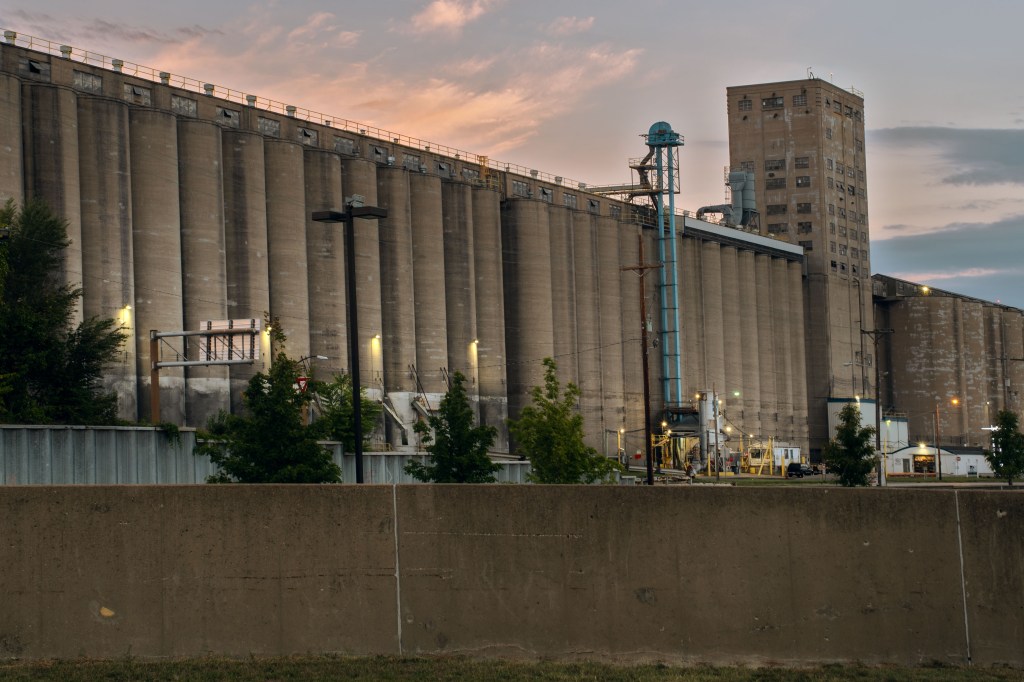
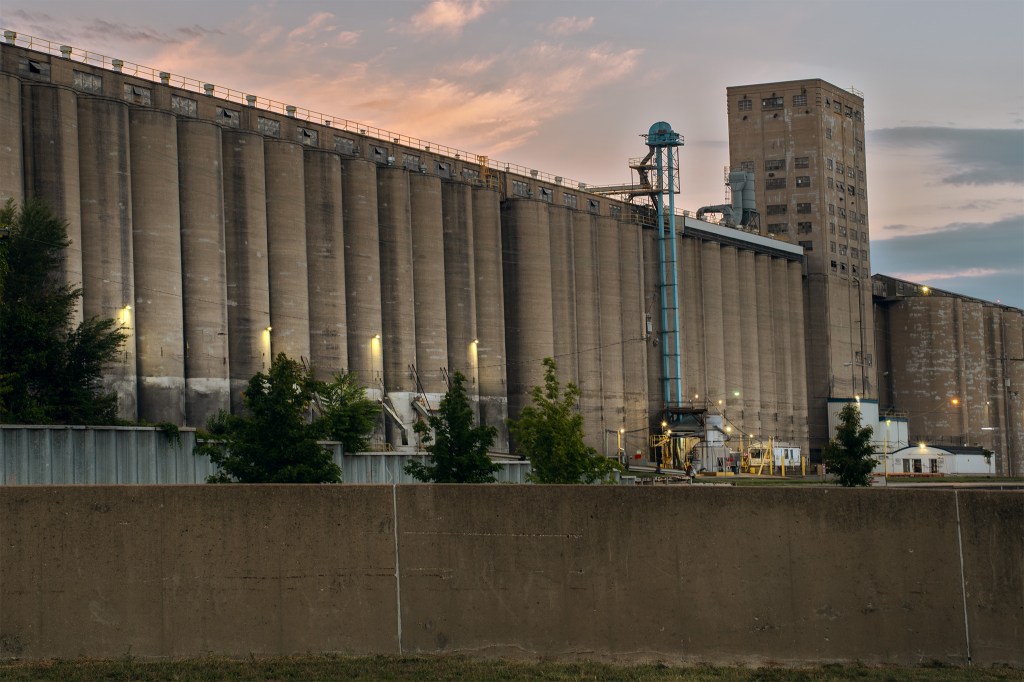
Photography has never stood still.
From the earliest days of glass plates and darkrooms to digital sensors, Photoshop, and now artificial intelligence, photography has been a continual journey of innovation, experimentation, and creative discovery. Yet with every new advancement comes a familiar chorus of voices claiming that the latest technology is somehow “ruining” photography.
But history tells a different story.
In the mid-1980s, I discovered my passion for photography long before Photoshop existed. Back then, photographers worked with film, chemicals, enlargers, and a collection of creative filters that helped shape their artistic vision. When Photoshop arrived in 1990, it was available only on Macintosh computers, and even after it became available for Windows in 1994, few hobbyists I knew were using it. The photographic world continued to evolve, and so did we.
In 2005, I embraced digital photography and began processing my images on a computer. Looking back, many of those early edits make me cringe. They were far from masterpieces. Yet every mistake taught me something valuable. Every poorly processed image became a stepping stone toward growth. Progress rarely looks perfect in the moment.
Then, in 2010, I made the leap into Photoshop despite its intimidating price tag of more than $800. It was around that time that I began hearing the criticism that digital photography was somehow destroying “real” photography. The complaints were loud, passionate, and remarkably familiar.
Today, sixteen years later, the conversation has simply shifted. Artificial intelligence has become the newest target. Some claim it is stealing photography’s soul. Others insist it is the beginning of the end for artistic expression.
I disagree.
Technology has never been the enemy of creativity. It is merely a tool. Photoshop did not diminish photography, and artificial intelligence will not diminish it either. For me, both have become valuable parts of the creative process, helping streamline technical tasks and allowing more time to focus on what truly matters: vision, expression, and storytelling.
What gives a photograph meaning has never been the software, the camera, or the process. It has always been the artist behind it.
Ironically, the rise of AI has also sparked renewed interest in film photography. That’s wonderful. Every photographer should pursue the medium that inspires them most. But let’s not confuse process with authenticity. Some argue that film brings us closer to reality, while digital and AI move us further away. The truth is that photography has never been a perfect representation of reality.
Reality is an illusion shaped by countless choices.
The lens we select, the focal length we use, the moment we press the shutter, the exposure settings we choose, the colors we emphasize, and the way an image is displayed all influence what the viewer ultimately sees. Whether working with film, digital sensors, darkroom techniques, Photoshop, or AI, every photograph is an interpretation rather than a duplication of reality.
And that is exactly what makes photography art.
So instead of spending our time debating what is ruining photography, perhaps we should focus on what has always made photography extraordinary: the ability to communicate ideas, evoke emotion, and inspire others.
The future of photography does not belong to those who resist change. It belongs to those who embrace possibility.
Create the image only you can create.
Learn the new tools. Master the old ones. Experiment fearlessly. Take risks. Make mistakes. Grow from them. Continue refining your vision and expanding your voice as an artist.
The greatest photographers have never been defined by the technology available to them. They have been defined by their willingness to see differently, think differently, and create something meaningful regardless of the tools in their hands.
Photography’s soul has never lived in a camera, a roll of film, a darkroom, a computer, or an algorithm.
Its soul lives in the imagination, curiosity, and passion of the artist.
And no technology can ever take that away.
 Photographer Clay
Leave a comment