Tag: Photographer

I’m a photographer

  • Learning to See Relationships Instead of Subjects

    Learning to See Relationships Instead of Subjects

    “The photograph begins long before the shutter is pressed. It begins the moment we stop looking for subjects and start seeing relationships.”

    Between Light and Storm


    For many years, I believed photography was about finding interesting subjects.

    If someone had asked what I enjoyed photographing, I would have answered with a familiar list: mountains, waterfalls, old barns, winding roads, weathered fences, and the occasional solitary tree standing beneath an expansive sky. Like many photographers, I assumed the quality of my work depended largely on the quality of the places I could find. If I could stand before something extraordinary, surely an extraordinary photograph would follow.

    There was some truth in that belief. It encouraged me to explore, to rise before dawn, and to wander through landscapes that stirred my imagination. Those experiences shaped me as a photographer, and I wouldn’t trade them for anything. Yet, as the years passed, I noticed something I couldn’t explain. Some photographs made in spectacular places left me strangely unmoved, while others, created in the most ordinary settings, stayed with me long after I had packed away the camera.

    The camera had faithfully recorded every detail, but it had not always recorded the experience. Eventually, I began to suspect that I had been asking the wrong question. Each time I arrived somewhere new, I found myself wondering, What should I photograph? It seemed like a perfectly reasonable question, but it quietly encouraged me to think of the landscape as a collection of separate objects waiting to be arranged inside a frame.

    The longer I photograph, the more convinced I become that nature doesn’t work that way.

    One of the ideas that has gradually reshaped my way of seeing comes from the Lakota expression Mitákuye Oyás’iŋ—”All My Relations.” It is often understood as a reminder that all life is connected, but I have come to believe it also describes the landscapes we photograph. Nothing stands alone. A tree owes its shape to years of prevailing wind. Its roots follow unseen water beneath the prairie. Birds find shelter among its branches. Passing storms, changing seasons, and shifting light continually redefine its character. Even the photographer standing quietly nearby becomes part of the relationship simply by choosing to be present.

    Once that thought settled into my mind, it became difficult to look at a landscape the way I once had. I realized I wasn’t really interested in photographing a tree, a stream, or a distant ridge. What held my attention was the conversation taking place among them. The tree mattered because of the light that reached it, the weather that surrounded it, the grasses moving at its feet, and the memories the scene awakened within me. The subject had not disappeared, but it no longer stood alone.

    I remember standing before a solitary tree one morning in September. At first, it seemed almost too ordinary to deserve a photograph. Had I been driving, I might never have stopped. But something encouraged me to remain where I was instead of reaching immediately for my camera. As the minutes passed, I noticed the wind moving through the tall grass before it reached the leaves. Passing storm clouds moved behind the tree, alternately revealing and concealing the distant horizon. The first sunlight caught one side of the trunk while the opposite side remained cool and quiet. Somewhere beyond the field, meadowlarks announced the beginning of the day. None of those things demanded attention by themselves, but together they created an experience that felt complete.

    The longer I stood there, the more I realized I wasn’t really looking at a tree. I was witnessing a relationship.

    If the wind had been absent, the scene would have felt different. If the clouds had already passed, the light would have told another story. Had I arrived an hour later, it would have become an entirely different morning. Even my own memories influenced what I found meaningful. The photograph was never waiting inside the tree itself. It existed within the relationships that surrounded it.

    Looking back, I think this is where many photographers unknowingly reach a plateau. We become skilled at recognizing subjects, yet overlook the relationships that give those subjects meaning. We travel farther in search of dramatic scenery, invest in better equipment, and refine our technical skills, believing the next improvement will come from something we can acquire. Those things certainly matter, but none of them can teach us to pay attention. Attention grows slowly. It is cultivated through patience, curiosity, and a willingness to remain with a scene long after our first impression has passed.

    That realization has quietly changed the way I compose a photograph. I still think about balance, rhythm, and light, but they no longer feel like isolated techniques. Composition has become less about arranging objects within a frame and more about revealing relationships that already exist. Light no longer simply illuminates a subject; it reveals how every element depends upon every other. Empty space becomes a place where the eye can rest before continuing its journey. Contrast is no longer just a technical adjustment. It becomes a way of strengthening one relationship while allowing another to recede into silence.

    Perhaps this is why two photographers can stand shoulder to shoulder, using identical cameras and photographing the same landscape, yet return home with entirely different images. They are not simply making different compositional choices. They are noticing different relationships. One may be drawn to the conversation between light and stone. Another may see the quiet tension between approaching weather and a solitary tree. Neither photograph is more truthful than the other. Each reveals what its maker considered worthy of attention.

    These days, when I arrive somewhere with my camera, I try to begin with a different question.

    Not What should I photograph?

    Instead, I ask, If everything here is connected, what relationship is asking to be seen?

    Sometimes the answer comes quickly. More often, it arrives only after I have stood quietly for several minutes, watching the light change, listening to the sounds around me, and allowing my expectations to fade into the background. Those moments have become some of the most meaningful parts of photography. Even on the days when I return home without making a single exposure, I rarely feel that my time has been wasted. Learning to notice is never wasted.

    I still photograph mountains, old barns, winding roads, and solitary trees. Those subjects have changed very little over the years. What has changed is the way I hope to see them. I am less interested now in the object standing before my lens than in the countless relationships that allow it to exist—the light that reveals it, the weather that shapes it, the passage of time that transforms it, and the memories it awakens within me.

    If Mitákuye Oyás’iŋ teaches that everything is connected, then perhaps the photographer’s task is not simply to record what stands before the camera. Perhaps our task is to reveal those connections in a way that allows others to see them as well.

    The longer I practice photography, the more I believe that is what every meaningful photograph attempts to do.

    Not simply to show us what was there.

    But to remind us that nothing, and no one, truly stands alone.


  • Outgrowing the Viewfinder: My Awkward Leap from Photographer to Artist

    Outgrowing the Viewfinder: My Awkward Leap from Photographer to Artist

    Let’s talk about the exact moment you realize you’ve been doing something for four decades, only to discover you are basically a newborn baby holding a very expensive piece of glass.

    Since the 35mm film days of the early ’80s, I thought I was the undisputed master of my domain. You point, you focus, you panic about the exposure, and you click.

    I treated the “Rule of Thirds” like it was a federal law. If a horizon line accidentally crept into the dead center of my frame, I fully expected the Photography Police to kick down my door and confiscate my lenses.

    But then came my creative crisis. I didn’t want to just be a photographer anymore. I wanted to be an Artist.

    I thought this just meant I needed to start wearing a black turtleneck, sighing heavily, and drinking artisanal espresso.

    I was wrong. It meant rewiring a brain that had spent 40 years worshipping technical perfection.

    Suddenly, I had to understand deep, mystical concepts like “tones” and “color separation.”

    Color separation? For forty years, I thought that was just how you kept your white socks from turning pink in the washing machine.

    Now, instead of simply taking a nice, sharp picture of a rusty old truck, I’m standing in a ditch for an hour, squinting at the shadows, trying to feel their “emotional weight” and “tonal harmony.” My neighbors definitely think I’ve lost my mind.

    And don’t even get me started on composing a shot without the “rules.”

    Ignoring those comfortable grids and mathematical leading lines felt like trying to ride a unicycle blindfolded. My inner perfectionist was constantly screaming, “Put the subject on the intersecting grid line, you absolute madman!”

    There were scraped knees, bruised egos, and a lot of photos that looked less like high art and more like accidental pocket dials.

    But you know what? Surviving that awkward, messy transition has been the most liberating experience of my life.

    When you stop obsessing over the mathematical perfection of a snapshot, you start actually seeing the world. You see how light, texture, and beautiful chaos all dance together.

    Sure, rewiring a 40-year-old habit is a comical struggle. I still occasionally catch myself sweating over a perfectly straight horizon line and a textbook histogram.

    But the reward on the other side of that struggle is pure magic.

    If you are out there feeling stuck behind your lens, give yourself permission to be a bumbling beginner again. Break those technical rules you’ve been clutching like a safety blanket.

    Embrace the beautiful, confusing mess of it all. You might just finally meet the artist who has been hiding behind your camera this whole time.

  • Finding the Art in Our Own Backyard

    Finding the Art in Our Own Backyard

    A bold statement from a photographer who has spent over four decades behind the lens: you do not need to pack your bags and cross the country to create a masterpiece. I suspect many will disagree with this statement, insisting that true fine-art landscapes require a ticket to iconic mountains or famous canyons. I’m not sure that it is something I’m going to worry about, but I encourage all to think about what is resting right outside their door.

    One of the reasons I bring this up is because I’ve noticed a trend where our local scenery is constantly overlooked. We get so caught up in planning the next grand excursion that we ignore the raw, rugged beauty of the Midwest. The rolling plains, the dense woodlands, and the way weather moves across the open sky offer an endless canvas for our work.

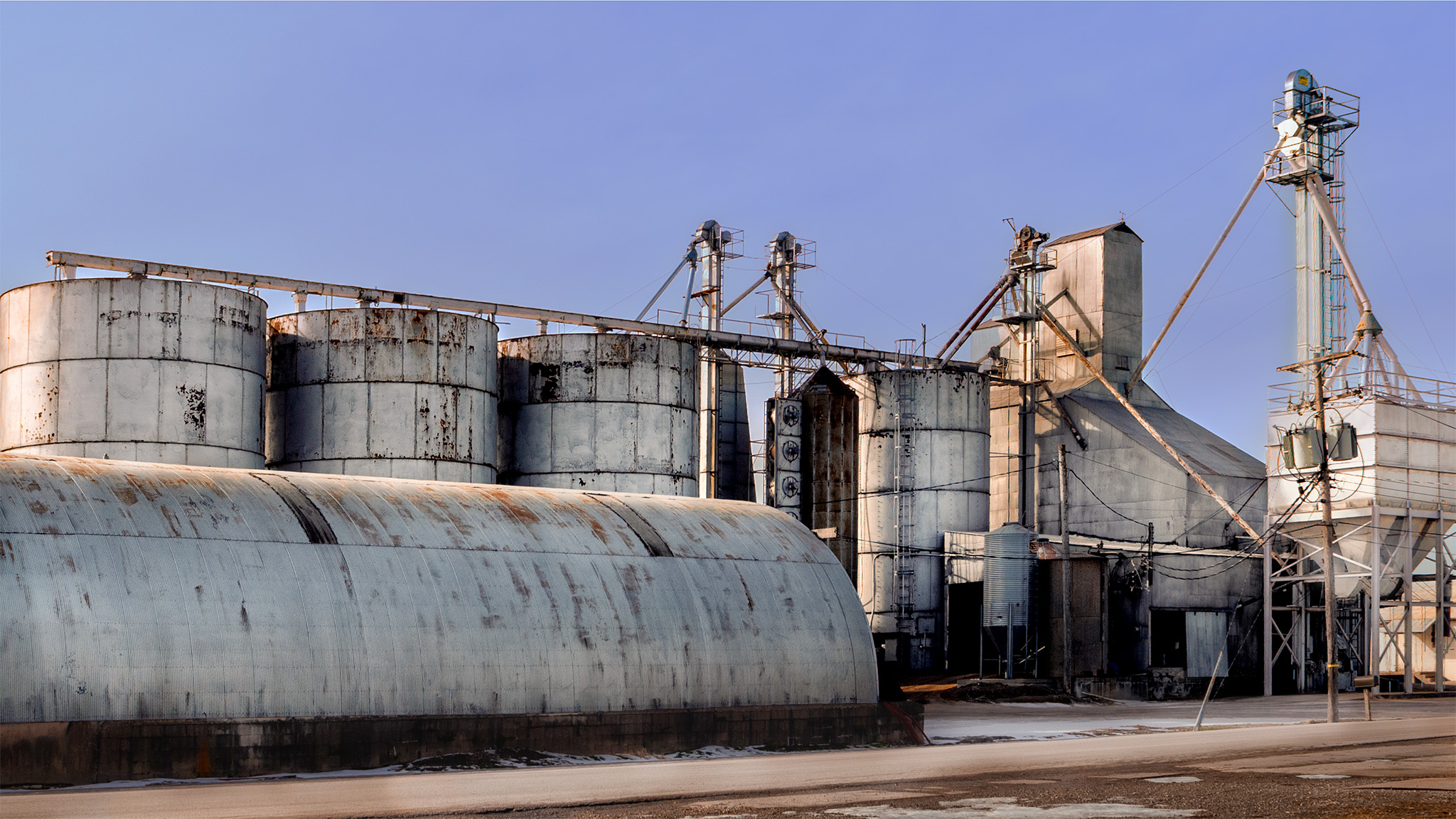
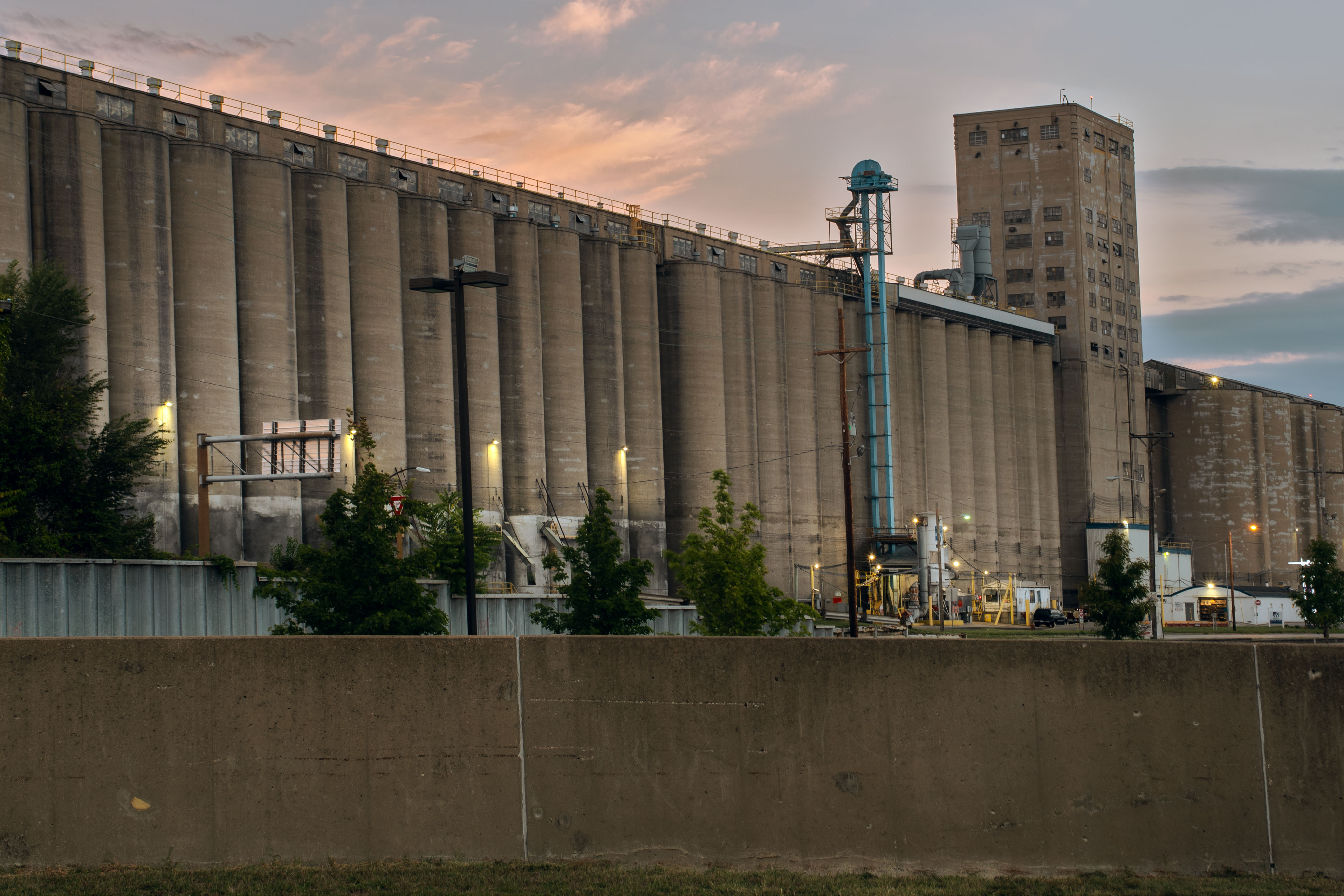
    Take, for example, a subject right in our rural communities that is often dismissed as a purely industrial eyesore. I spent some time analyzing a complex of agricultural structures, and the image I’ve included here, which I’ve titled The texture of rugged.jpg, captures the scene. While many would just pass this by, the raw complexity of the massive corrugated storage silos, the sprawling Quonset-style shed, and the dizzying network of conveyors and legs that pierce the clear blue sky offer a perfect study in form and decay. I didn’t need to chase a waterfall or a red rock formation; I just had to look up.

    The Weight of Weathered Steel

    According to the in-camera light meter, the exposure for “The Weight of Weathered Steel “ was acceptable, but the original capture was somewhat flat, as industrial metal often is under a direct, harsh blue sky. However, when I incorporated my training and brought that file into Photoshop, utilizing tools like Blend If and my Dodge and Burn techniques, I was able to pull out the deep textures of the rust, the grime, and the structural complexity, rendering those elements as visible and tactile as they were to my eyes in that moment. I made the textures present and felt, turning a generic industrial scene into fine-art.

    What is unfortunate is that there are those who believe a Midwest industrial or agricultural scene isn’t worth shooting unless it is universally recognized, or that extracting those deep tones and textures means the altered artwork is not worthy of being called a photograph. Typically, this isn’t an issue that overly concerns me. What concerns me is the lack of motivation to look deeper into the interconnected web of life, including our own human footprint and the stories in our decay, that surrounds us daily.

    The philosophy of Mitakuye Oyasin reminds us that everything is related. When we fail to see the artistic potential in a massive grain storage complex or a quiet patch of prairie, the lack of motivation to understand and learn concerns me because I believe it stagnates the progression of art and photography. We don’t need a famous landmark to create authentic fine-art. Please, don’t stop exploring your own backyard, experimenting, and pushing the boundaries of your art and photography.

  • The Next Chapter in Photography’s Evolution

    The Next Chapter in Photography’s Evolution

    Photography has never stood still.

    From the earliest days of glass plates and darkrooms to digital sensors, Photoshop, and now artificial intelligence, photography has been a continual journey of innovation, experimentation, and creative discovery. Yet with every new advancement comes a familiar chorus of voices claiming that the latest technology is somehow “ruining” photography.

    But history tells a different story.

    In the mid-1980s, I discovered my passion for photography long before Photoshop existed. Back then, photographers worked with film, chemicals, enlargers, and a collection of creative filters that helped shape their artistic vision. When Photoshop arrived in 1990, it was available only on Macintosh computers, and even after it became available for Windows in 1994, few hobbyists I knew were using it. The photographic world continued to evolve, and so did we.

    In 2005, I embraced digital photography and began processing my images on a computer. Looking back, many of those early edits make me cringe. They were far from masterpieces. Yet every mistake taught me something valuable. Every poorly processed image became a stepping stone toward growth. Progress rarely looks perfect in the moment.

    Then, in 2010, I made the leap into Photoshop despite its intimidating price tag of more than $800. It was around that time that I began hearing the criticism that digital photography was somehow destroying “real” photography. The complaints were loud, passionate, and remarkably familiar.

    Today, sixteen years later, the conversation has simply shifted. Artificial intelligence has become the newest target. Some claim it is stealing photography’s soul. Others insist it is the beginning of the end for artistic expression.

    I disagree.

    Technology has never been the enemy of creativity. It is merely a tool. Photoshop did not diminish photography, and artificial intelligence will not diminish it either. For me, both have become valuable parts of the creative process, helping streamline technical tasks and allowing more time to focus on what truly matters: vision, expression, and storytelling.

    What gives a photograph meaning has never been the software, the camera, or the process. It has always been the artist behind it.

    Ironically, the rise of AI has also sparked renewed interest in film photography. That’s wonderful. Every photographer should pursue the medium that inspires them most. But let’s not confuse process with authenticity. Some argue that film brings us closer to reality, while digital and AI move us further away. The truth is that photography has never been a perfect representation of reality.

    Reality is an illusion shaped by countless choices.

    The lens we select, the focal length we use, the moment we press the shutter, the exposure settings we choose, the colors we emphasize, and the way an image is displayed all influence what the viewer ultimately sees. Whether working with film, digital sensors, darkroom techniques, Photoshop, or AI, every photograph is an interpretation rather than a duplication of reality.

    And that is exactly what makes photography art.

    So instead of spending our time debating what is ruining photography, perhaps we should focus on what has always made photography extraordinary: the ability to communicate ideas, evoke emotion, and inspire others.

    The future of photography does not belong to those who resist change. It belongs to those who embrace possibility.

    Create the image only you can create.

    Learn the new tools. Master the old ones. Experiment fearlessly. Take risks. Make mistakes. Grow from them. Continue refining your vision and expanding your voice as an artist.

    The greatest photographers have never been defined by the technology available to them. They have been defined by their willingness to see differently, think differently, and create something meaningful regardless of the tools in their hands.

    Photography’s soul has never lived in a camera, a roll of film, a darkroom, a computer, or an algorithm.

    Its soul lives in the imagination, curiosity, and passion of the artist.

    And no technology can ever take that away.

  • The Threshold of Becoming

    The Threshold of Becoming

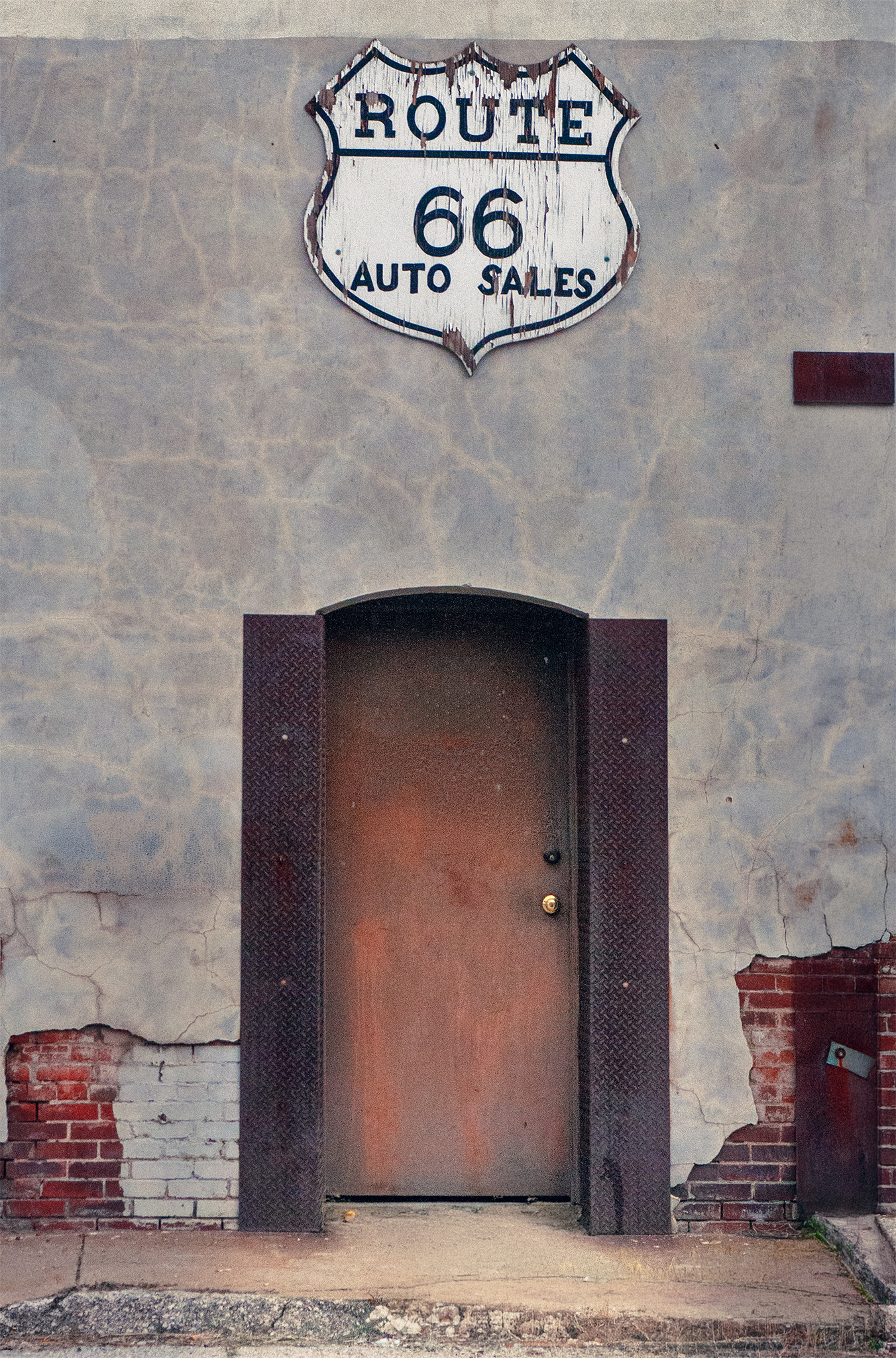
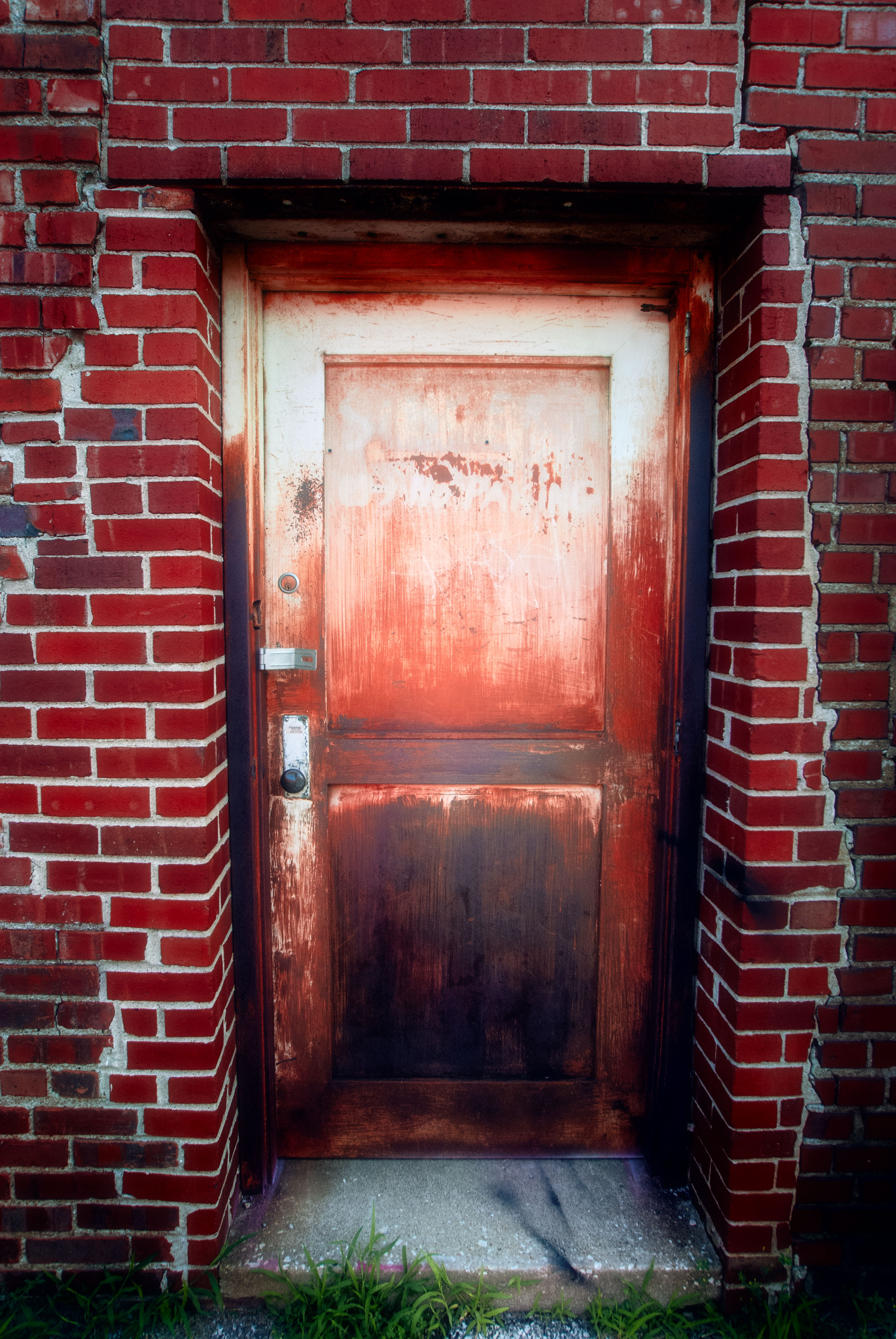
    An ancient, weathered door framed by rigid red brick stands before us, heavy with a layer of time, rust, and fading paint. Looking at it, you can almost feel the physical weight of the wood and iron. It carries the visible scars of its history, yet it remains firmly shut, holding back whatever secrets lie on the other side.

    This is more than an industrial relic. It is a visual manifestation of a profound creative crossroads, a place I call The Threshold of Becoming.

    For many of us, our journey starts with a camera and a dedication to the craft. We learn the rules of exposure, the mechanics of light, and the technical dance of post-processing. We become competent photographers, adept at documenting the world exactly as it appears to our eyes. There is comfort in that technical precision; it gives us a predictable framework to operate within.

    But a day comes when the technical execution feels complete, yet the soul feels empty. You look at a pristine image and realize it captures everything on the surface but nothing of what you actually felt when standing there.

    That is the exact moment you find yourself standing before this weathered door.

    Stepping through it means transitioning from a mere photographer who records external reality to an artist who expresses internal truth. It means believing that our eyes only see a fraction of what is truly present. To become an artist, you must infuse your work with your own emotions, your own history, and your own shadows. You must challenge the viewer not just to look at a scene, but to look deeper, to feel the resonance of what is hidden beneath the surface.

    Moving from the certainty of a technician into the vulnerability of an artist is terrifying. It is a deliberate step forward into a vast, uncharted unknown.

    When you decide to create fine art, you abandon the safe harbor of “correctness.” There are no definitive rulebooks for how much shadow is too much, or how deeply a texture should bite into a highlight to evoke a sense of weathering and resilience. You have to rely entirely on your internal compass, trusting that the emotional weight you pour into the deep crimsons and heavy shadows of your work will successfully connect with the soul of another person.

    The door in this image is worn, stained, and imperfect. Becoming an artist is no different. It requires us to embrace our own imperfections, our own scars, and our unique ways of seeing the world. It asks us to stand at the threshold, look at the beautiful, chaotic mystery of the creative unknown, and turn the handle anyway.

    If you are standing at that boundary today, feeling the pull of something deeper but hesitating at the door, take the step. The transition is heavy, and the path ahead is unseen, but it is the only way to discover who you are truly meant to become.

  • The Power in Your Hands

    The Power in Your Hands

    King of the Screen: How Social Media Empowers Us—And Isolates Us

    Social media is the ultimate double-edged sword of our modern era, a dynamic arena where we constantly balance connection with chaos, and truth with noise. It opens the doors to a global audience, inviting in the brilliant, the challenging, and everything in between. Yes, it gives us a platform to share our deepest thoughts, but it also creates a landscape where offense is easily found.

    So why do we step into the arena anyway?

    Think back to the days before the internet, when showcasing creative work meant holding physical prints and slides. Back then, a photographer’s art was quiet, seen only by an immediate circle of family and friends. The world was small, and so was our reach.

    Today, everything has changed. We have an unprecedented universe of platforms to launch our work, our ideas, and our grandest concepts into the world. You have this very blog, a dedicated space to speak your truth and share your vision.

    Of course, this digital frontier comes with risks. It takes courage to stand in the light when trolls and cynics hide in the shadows of keyboard courage, saying things online they would never dare utter face-to-face.

    While it would appear that the internet is a horrible place and social media is a big contributor to hatred and drama, it is also a powerful engine for expanding our world, our ideas, our creativity, and our inspiration. It may feel nearly impossible to fully avoid the drama and hate online, but I, for one, am not ready to give it up. I choose to rise above the noise, consciously work to stay out of the drama, and actively seek out positive, meaningful interactions with the world.

    Don’t let the noise drown out your signal. The world needs more authentic voices, more art, and more passion. Your work deserves to be seen, your thoughts deserve to be heard, and your creative courage is exactly how we shift the digital world toward something better. Keep sharing, keep creating, and never let the fear of a critic keep you from your calling.

  • Finding Beauty in the Rust: What an Old Machine Taught Me About Time

    Finding Beauty in the Rust: What an Old Machine Taught Me About Time

    Look closely at the image above. What do you see? At first glance, it’s just a piece of discarded machinery—a forgotten micrometer dial, caked in rust and tucked away in the corner of an old workshop. It is a relic of an industrial past, an object that has long outlived its practical usefulness.

    But if you linger for a moment, something incredible happens. The rust ceases to look like decay and begins to look like a canvas.

    Lately, I’ve been thinking a lot about our obsession with the new, the polished, and the perfect. We live in a world of sleek glass screens and smooth plastic finishes. In our rush toward tomorrow, we rarely stop to look at the textured, gritty history that got us here. This photograph forced me to slow down and appreciate the profound beauty hidden in things that have been weathered by time.

    The Contrast of Precision and Chaos

    There is a beautiful irony captured in this frame. This dial was engineered for absolute precision. Every tick mark, every stamped number—100, 200, 300—was designed to measure down to the tiniest fraction of a millimeter. It represents human logic, order, and control.

    Yet, nature always wins in the end.

    The vibrant, fiery orange rust crawling across the teal metal is a chaotic force. It doesn’t care about perfect measurements or industrial efficiency. It follows its own slow, relentless timeline. Seeing the rigid geometry of the dial juxtaposed with the organic, textured decay of oxidation creates a striking visual poetry.

    Stories Etched in Steel

    Every scratch on that knurled knob tells a story. How many hands turned that dial? What were they building? The machinery of the past required grit, muscle, and a deep connection between the craftsman and the tool.

    When we look at objects like this, we aren’t just looking at metal; we are looking at a quiet monument to human labor. The wear and tear isn’t damage—it’s a badge of honor. It is evidence of a life fully lived and a job thoroughly done.

    “True beauty doesn’t ask for attention. It waits quietly in the corners of the world for someone to slow down enough to notice.”

    The Takeaway for Creators

    As creators, photographers, and thinkers, there is a powerful lesson to be found in the rust. We often put immense pressure on ourselves to produce work that is flawless, modern, and instantly appealing.

    But perfection can be sterile.

    Sometimes, the most compelling stories are found in the imperfections. The cracks, the fading paint, and the weathered edges are where character resides.

    The next time you are out with your camera—or just out for a walk—look past the shiny and the new. Seek out the things that have stood the test of time, the objects that carry the weight of history on their surfaces. You might just find that the most inspiring masterpieces are the ones nature is slowly reclaiming.

  • Beyond the Lens: A 40-Year Journey from Rulebook to Reality

    Beyond the Lens: A 40-Year Journey from Rulebook to Reality

    In The towers watching over the land, I explore the quiet dignity and unexpected beauty of industrial agricultural structures. Captured from a commanding low angle, these steel giants shed their purely functional purpose to become silent, imposing sentinels. Their intricate network of silos and elevators stands as a testament to human endeavor, presiding over the rural landscape and guarding the harvest. Through a warm, slightly weathered filmic perspective, I invite viewers to find reverence in these utilitarian monuments that loom over the land they serve.

    For over four decades, the camera and I operated on a strict, unspoken agreement. Beginning with a 35mm film camera in 1982 and navigating the leap into the digital realm in 2005, I spent countless hours mastering the mechanics. I operated as an image analyst, relying heavily on mathematical logic to calculate the perfect exposure, the precise depth of field, and the flawless composition. I knew the rules inside and out. The camera was my objective tool, and I was its devoted technician.

    But mastering the rules is only half the journey; true artistry begins when you learn how to transcend them.

    My time immersed in the f64 Elite community sparked a profound shift in my paradigm. I realized that a technically perfect photograph can still be emotionally hollow. The goal was no longer to simply capture a high volume of sharp frames or perfectly execute a formula. Transitioning into fine-art landscape photography demanded something much more vulnerable: deep, deliberate intentionality.

    Now, before I even release the shutter, I stop to breathe. I plan the shot with the same analytical precision as before, but I leave room for the soul of the landscape to speak. When I step onto a location, my mental notes extend far beyond light and shadow. I focus on the ambient sounds—the rustle of dry grass or the distant rhythm of water. I take in the sharp, cool scent of the morning air or the damp earth after a rain. I tune into the emotional resonance of that exact moment in time.

    This sensory awareness is now woven directly into the mathematical logic of the shot. It is the vital ingredient that transforms a static digital negative into a living, breathing piece of fine art.

    My ultimate goal is for you to step into that landscape with me. When you look at my work, I don’t just want you to see what I saw; I want you to feel the chill of the air, hear the quiet rhythm of the scene, and experience the profound stillness of the moment, exactly as I did.

    This transition from technician to photographic artist is a continuous, evolving journey, and it’s one I want to share with you. I am currently pouring this newfound intentionality into an upcoming coffee table book that curates these very moments. Soon, I will also be launching a podcast to dive deeper into the nuances of this creative process and the mindset required to truly see the world.

    I invite you to join me as we explore the landscape not just as it looks, but exactly as it feels.

  • The Evolution of Vision: From Capturing Moments to Creating Art

    The Evolution of Vision: From Capturing Moments to Creating Art

    The Introduction: A Shift in Perspective

    True artistic evolution rarely hinges on a single, lightning-bolt photograph. For me, the profound shift in perspective came from rooting myself in a community of dedicated creators and finding a guiding voice. That journey began when I connected with my mentor, Blake Rudis of f.64 Elite. Despite having navigated Photoshop for over a decade, his guidance exposed a humbling truth: I had only been scratching the surface of my digital darkroom. Infinite scrolling through bite-sized video tutorials can teach you quick tricks, but it cannot cultivate your voice or give you a true framework for your art. The real paradigm shift—the moment the blinders came off—ignited during the Discovering Your Vision course. It was there that I stopped merely operating software and finally began to see the boundless potential of my own work.

    A camera doesn’t make art; the person holding it does. Today’s post is about a massive paradigm shift in my creative life. I’m pulling back the curtain on how I evolved from being a photographer who captures scenes into an artist who uses a camera to deliberately build and craft my art.

    My journey didn’t start yesterday. It began in 1982 with the mechanical click of a 35mm film camera. I spent years steeped in the slow magic of the darkroom before boldly leaping into the digital frontier in 2005. For over four decades, I have relentlessly pursued technical mastery—internalizing the nuances of shutter speeds, dialing in exact apertures, and studying the rigid rules of composition. But those 40 years of rigorous study weren’t just about learning the mechanics of a machine; they were about building an unshakeable foundation so I could finally set my artistry free.

    The Transition

    Immersed in the Discovering Your Vision coursework and fueled by the insights of my mentor and a close-knit group of fellow artists, I experienced a true paradigm shift. The revelation was striking: the conventional rules I had relied on for decades were simply too vague. They lacked the deliberate, structural intention needed to truly anchor a viewer’s attention. I recognized that to elevate my work into fine art, I had to abandon abstract guidelines. Instead, I needed to become the architect of the image—intentionally directing the viewer’s gaze to the exact moments of light, shadow, and emotion I wanted them to experience.

    The coursework at f.64 Elite ignited a crucial shift in my approach: I stopped chasing quantity and started demanding intentionality. I realized that making impactful art requires stepping out with a deliberate, yet adaptable, plan. It is about so much more than what the lens sees. It is about actively tuning into your own inner landscape—recording your mindset, honoring your emotions, and absorbing the symphony of sounds and smells around you, so you can weave those rich, sensory memories directly into the fabric of your final piece.

    Becoming a Fine-Art Photographic Artist

    I have come to realize that ascending to the level of a fine-art photographic artist requires pouring your very soul and vision into the work. It is no longer about merely “fixing” technical flaws in post-production; it is about translating the raw emotion of a landscape and extending a profound invitation to the viewer. I want them to stand where I stood, to feel the atmosphere, and to experience the awe of that exact moment. The digital file we capture is nothing more than a modern-day negative—a starting point. Transforming that raw data into a finished masterpiece requires a deliberate plan for the emotional journey you want your audience to take. Ultimately, the greatest transformation happens within: it is the empowering, mental shift of shedding the title of “photographer” and bravely stepping into your true identity as an artist.

    The journey ahead and your call to action

    As my artistic voice has matured, I find myself drawn back to projects I began years ago. These past works were never abandoned; they were simply waiting for me to catch up to my own aspirations. Now equipped with the ability to truly tap into my vision—to weave my raw emotions into the frame and connect deeply with the viewer—I can finally transform those early captures into the art I always knew they could be. This newfound clarity is the compass for both my reimagined past and my unwritten future.

    I invite you to walk this path with me. Follow my journey here and on my upcoming podcast, but more importantly, let this be the moment you step into your own potential. Join me, awaken the artist within, unleash your untapped talent, and boldly create the art you have always dreamed of.

  • Beyond the Shutter: The Evolution from Photographer to Photographic Artist

    There is a distinct, quiet threshold we cross in our creative lives. For years, we operate as enthusiastic collectors of moments. We learn the exposure triangle, we obsess over sharpness, and we chase the golden hour with a relentless, almost mechanical precision. We are photographers. We document what is in front of us.

    But then, the paradigm shifts. You stop clicking the shutter merely to record a scene, and you start pressing it to express a feeling. You realize that the camera is no longer a tool for documentation, but an instrument for translation.

    This is the journey of becoming a photographic artist.

    The Foundation: Where Routine Meets Vision

    The transition doesn’t happen by accident, and it rarely happens overnight. It requires creating the space for inspiration to take root. Often, the most profound artistic breakthroughs don’t come from chaotic bursts of inspiration, but from disciplined structure. When we establish dedicated routines, we actually fuel our creativity—removing the daily friction so the mind is entirely free to explore, analyze, and create.

    With that mental space secured, the shift from photographer to artist ultimately comes down to mastering a triad of artistic vision: cultivating the right mindset, deepening our awareness in the field, and honoring the memory of how a scene truly felt.

    Shifting the Mindset: From Looking to Seeing

    As a photographer, the mindset is often technical: How do I expose this correctly? As an artist, the mindset is intentional: What am I trying to say?

    When you stand before a sweeping landscape, the goal is no longer to capture the vista exactly as an optical sensor dictates. You begin to project your own internal landscape onto the physical one. You stop letting the environment dictate the image and start dictating how the environment serves your vision.

    Deepening Awareness: The Power of Contrast and Shadow

    With this new mindset comes a heightened awareness. A photographer looks for perfect, even light. An artist looks for mood, narrative, and tension.

    You begin to realize that what you choose to obscure is just as important as what you choose to illuminate. You might find yourself drawn to high-contrast lighting, intentionally letting details fall away into deep, heavy shadows to evoke mystery or emotional weight. The landscape becomes a canvas of tones and gradients, where the interplay of light and dark tells a story that a flat, “perfectly exposed” image never could.

    Honoring the Memory: The Role of the Image Analyst

    Perhaps the most significant realization on this journey happens long after you’ve left the field.

    For the photographer, post-processing is a task used to “fix” an image. For the artist, the digital darkroom is where the image is truly born. You step into the role of an image analyst, dissecting the raw file not for its factual accuracy, but for its emotional potential.

    The goal is no longer to replicate the scene as it objectively existed, but to honor the memory of how it felt to stand there. Dodging, burning, and sculpting the light become deliberate, painterly strokes. You manipulate the contrast and guide the viewer’s eye, ensuring that the final, fine-art piece resonates with the exact atmosphere you envisioned when you first composed the shot.

    The Journey Continues

    Realizing you are a photographic artist is incredibly liberating, but it is also daunting. It strips away the safety net of technical perfection. An image can no longer be judged simply on whether it is sharp or well-lit; it must be judged on whether it makes the viewer feel.

    It is a lifelong pursuit of aligning what you see with who you are. And once you cross that threshold, you can never look through a viewfinder the same way again.

    What was the specific “turning point” image or experience that first made you realize your own work was shifting from documentation to fine art?