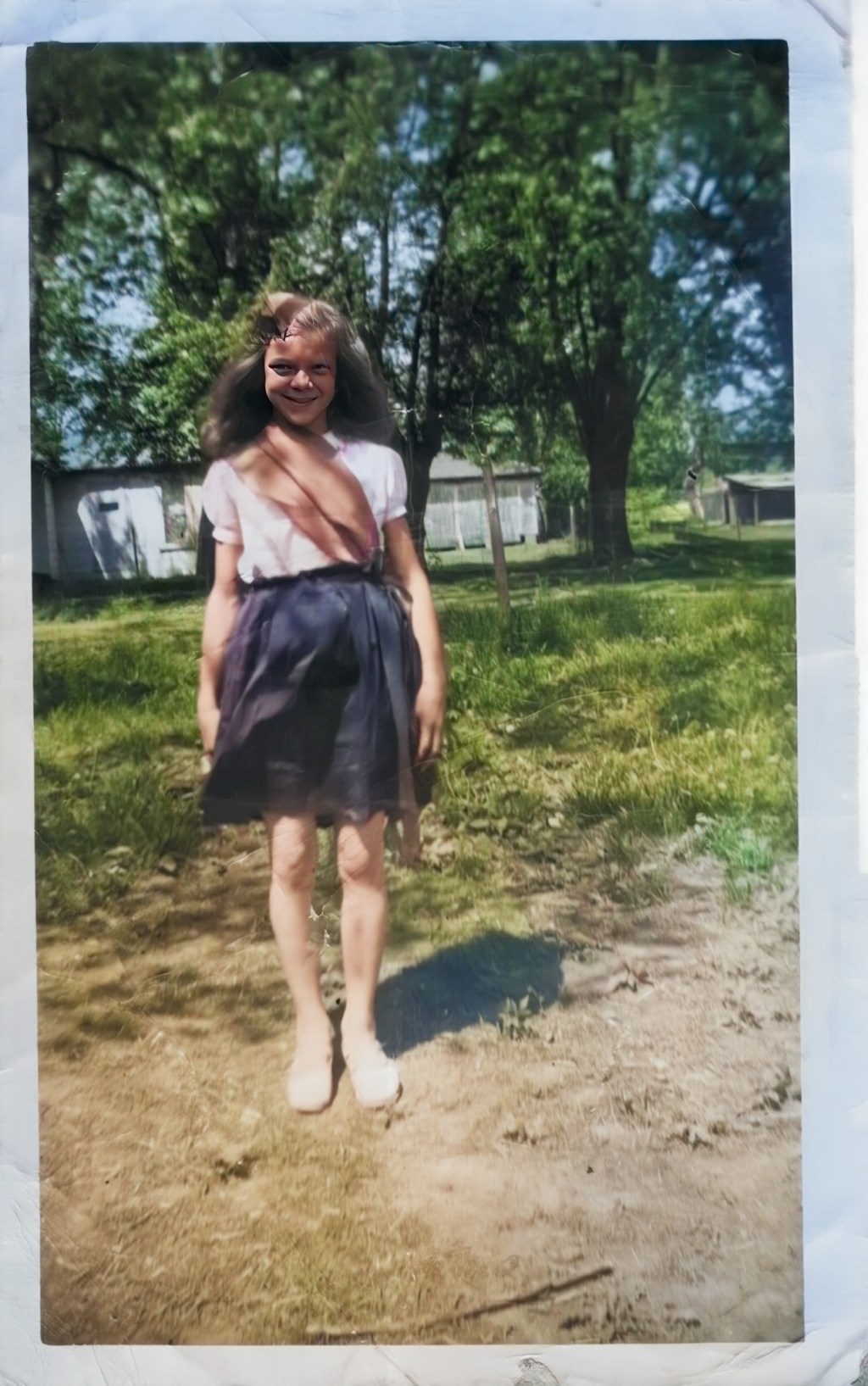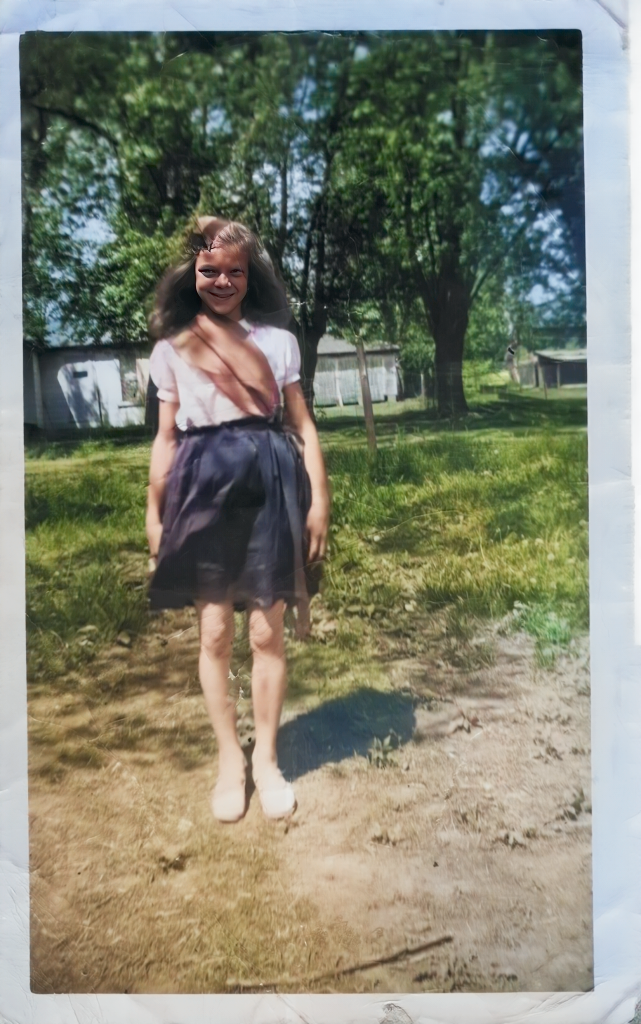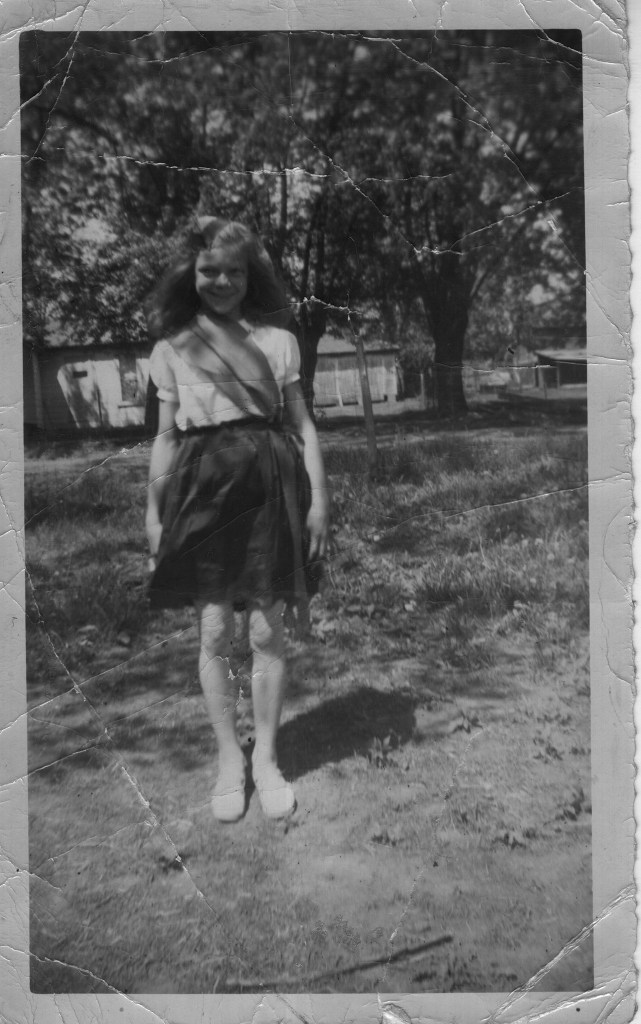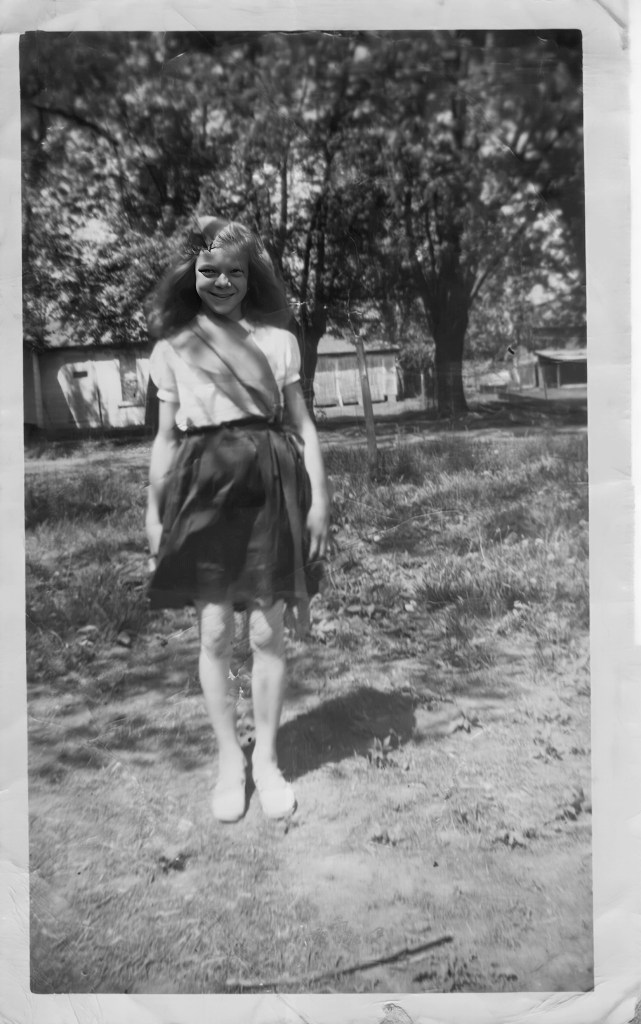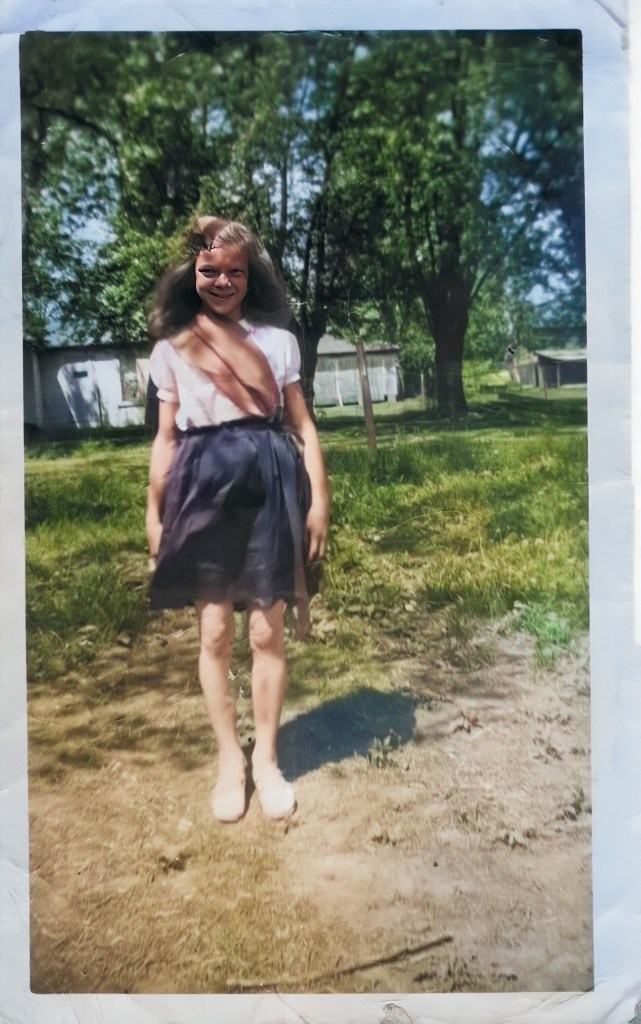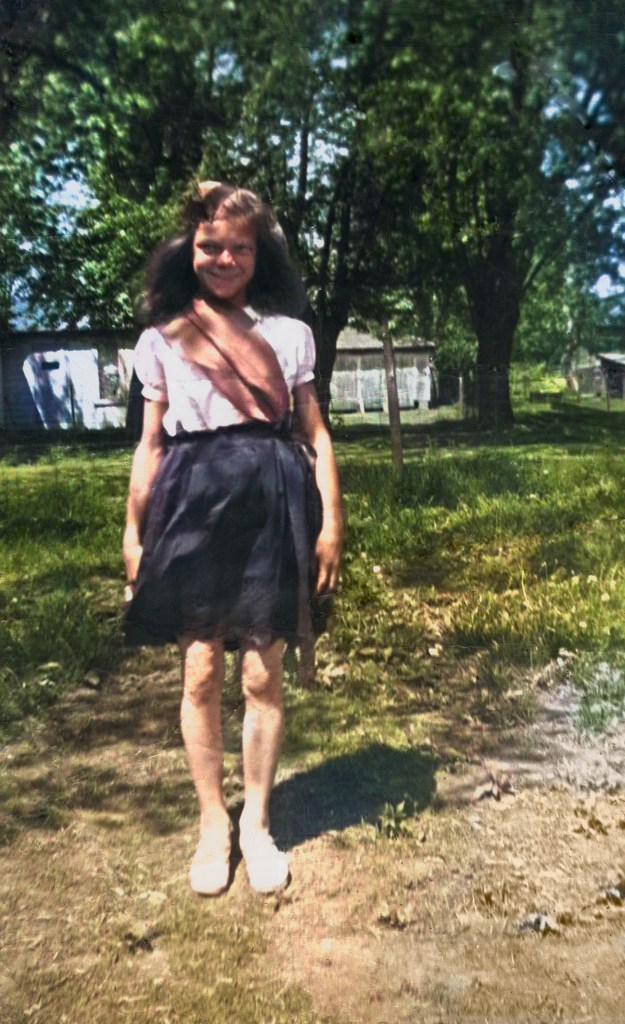
I must say I’m impressed and people who restore photographs may soon find business slowing. I began working with a public beta of Adobe Photoshop. Amongst the beta features is a feature called “Photo Restoration”. The photo restoration feature can make corrections that can take a couple of hours to do manually nearly instant and do a remarkable job.
The Original photographAI restored before colorizedAI restored after colorizationManually restored using Photoshop tools and colorized
As you can see by reviewing the above photos the A.I. (artificial intelligence) filter does a good job and saved a couple of hours of work.
At this point, I haven’t used the AI filter to restore a photograph that has pieces missing but I’ll try that soon.
Is all this stuff becoming “too easy”? Maybe, but not for me I’m looking forward to it.
Just taking a picture with your camera doesn’t make you an artist. You have to have a vision, you have to move your audience to feel the scene.
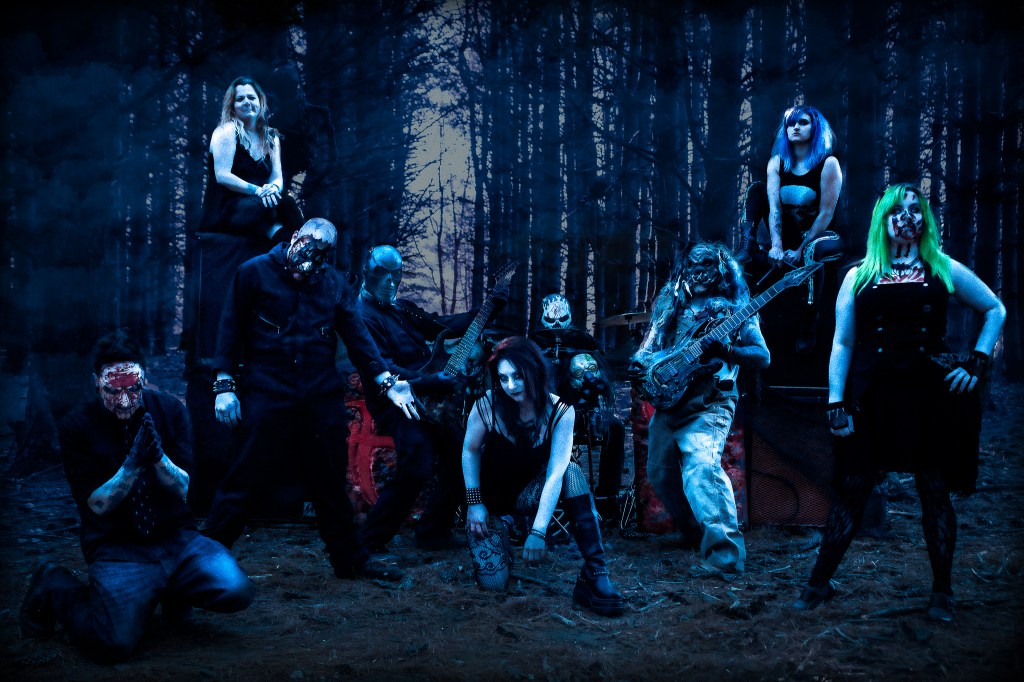
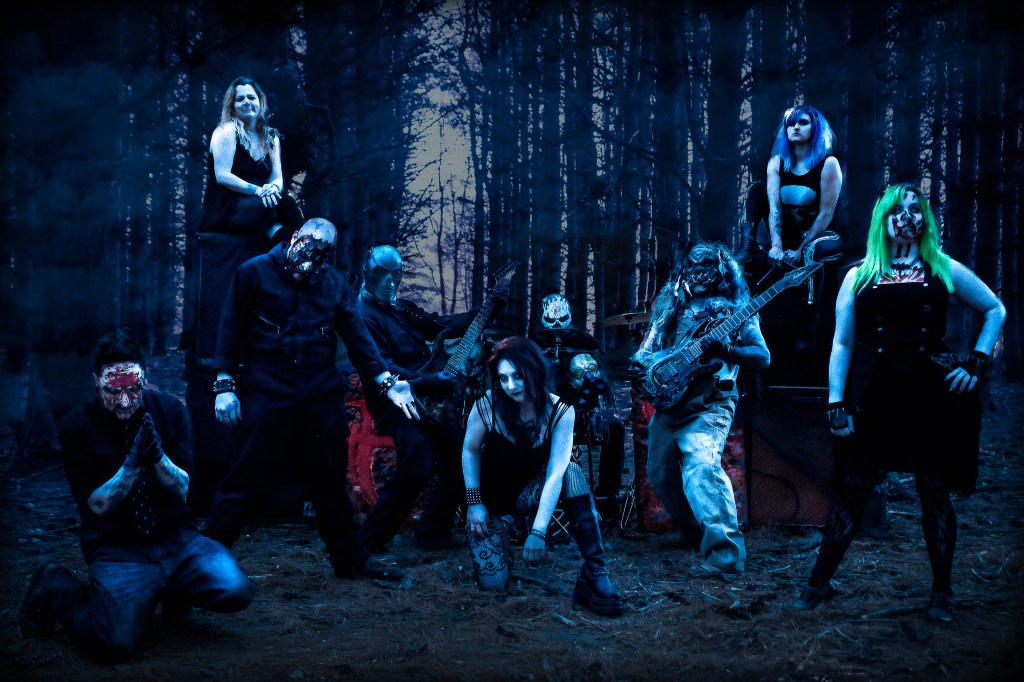
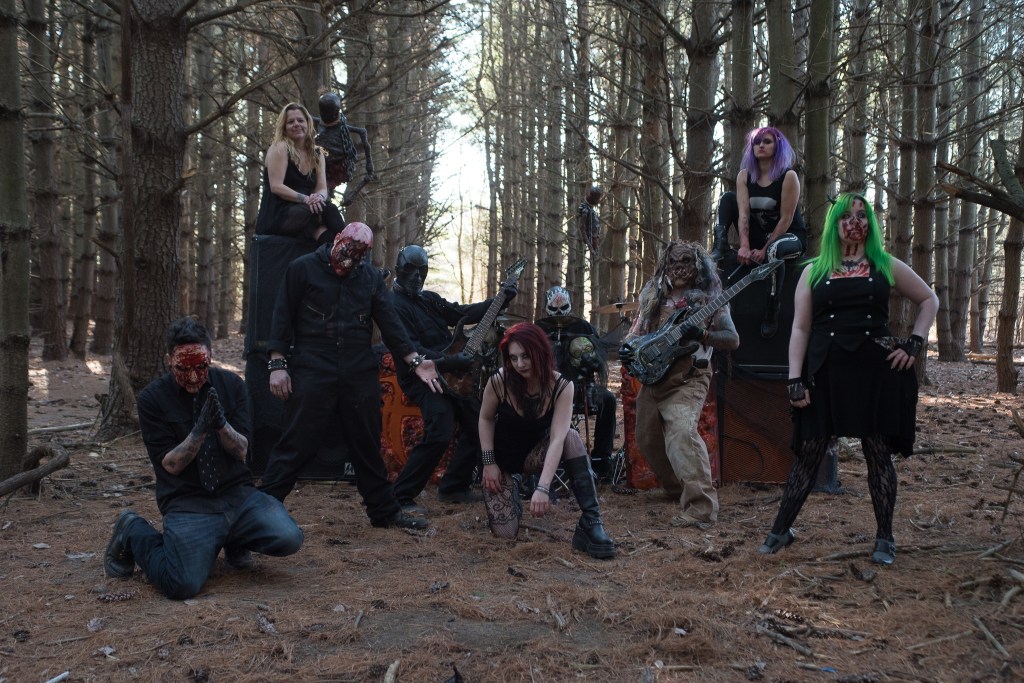
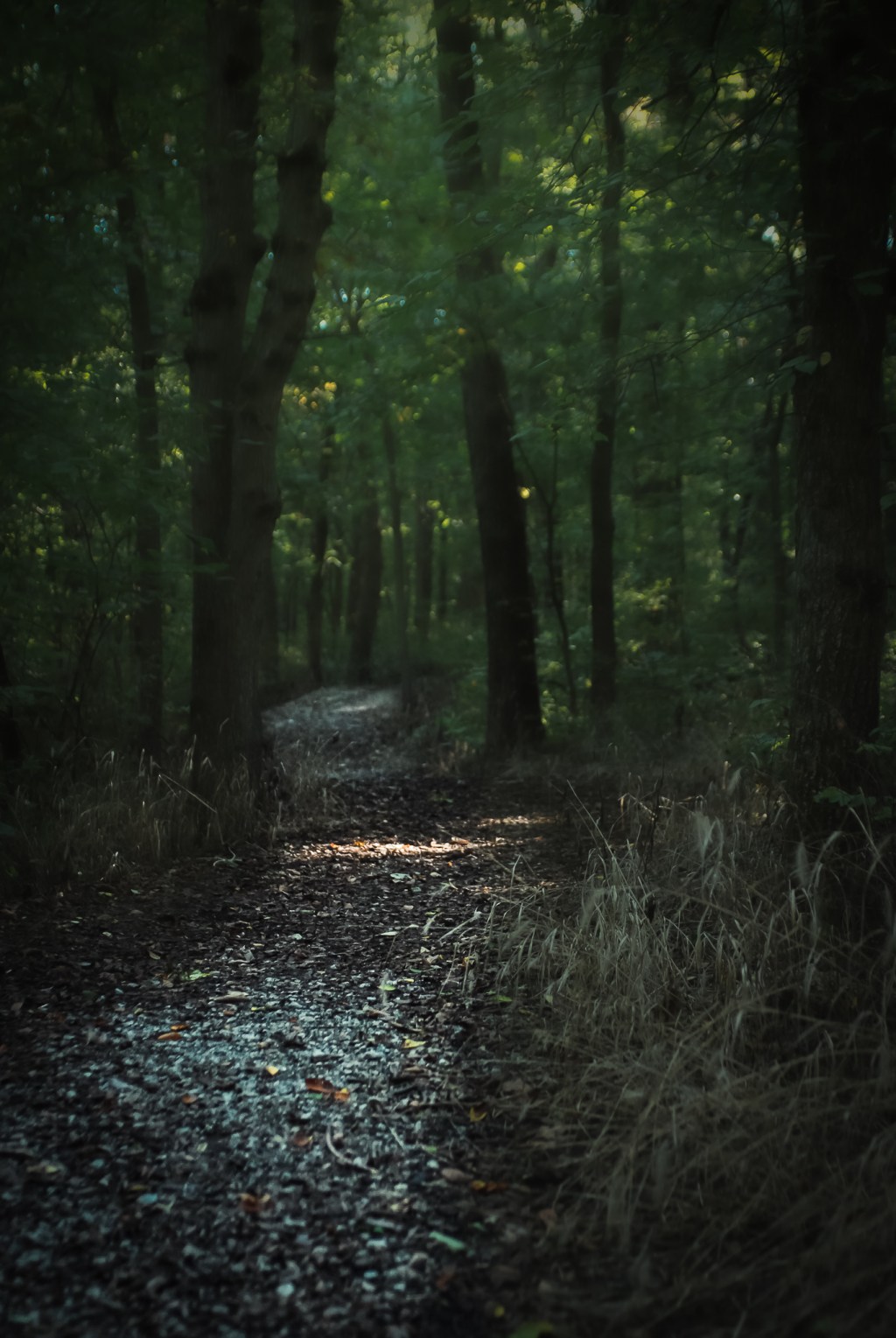
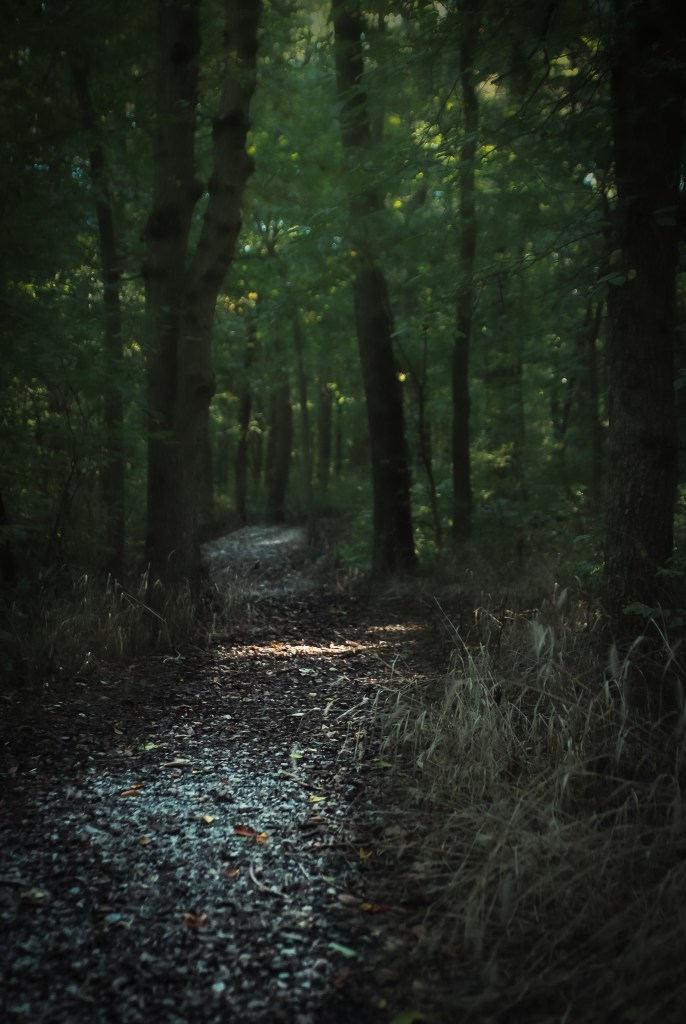
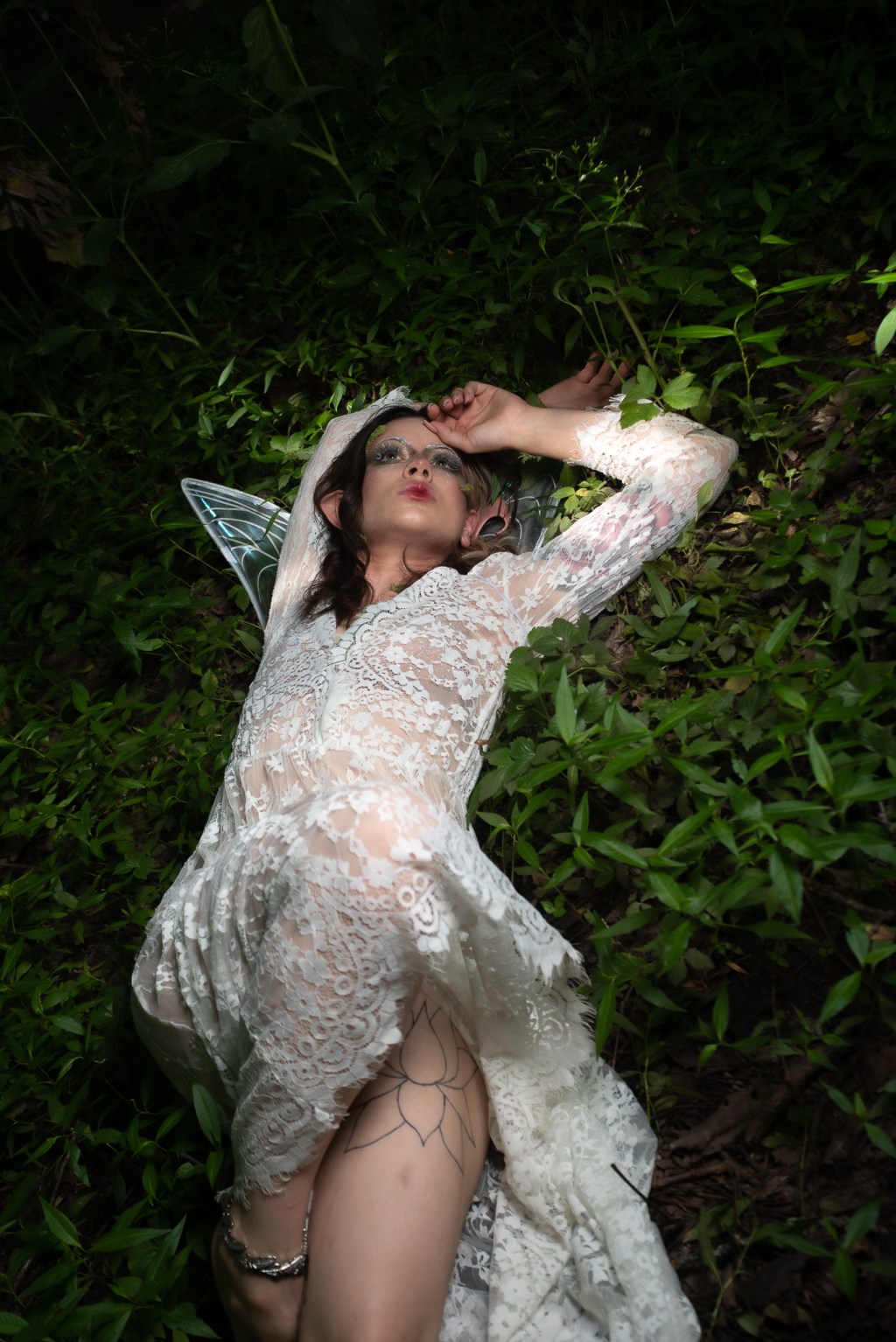
The photograph above is just a picture. I saw a band, in the woods and took a picture of the same. It doesn’t speak nearly as well as the one below.
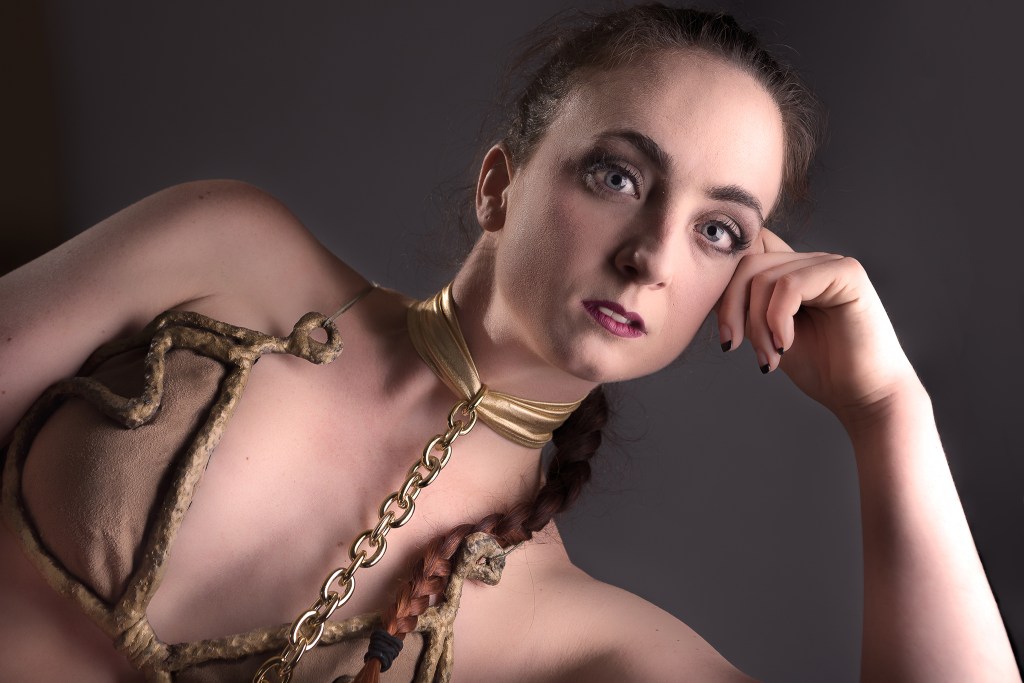
This even applies to photographs that don’t require this level of processing.
The photograph above versus the one below
For me, it is the difference between a snapshot and a photograph. Use creativity to give images emotion. Get your audience involved and feel the scene.
I learned something new a few days ago. If you are an Adobe Creative Cloud member you also get access to beta applications. These beta applications have features that aren’t available in the full releases. I have worked with beta applications in the past, which can be fun and troublesome. This weekend, I will give some of the beta applications a run when I’ll have time to explore them in more detail. Keep in mind, that these are public beta applications so there isn’t a risk of divulging any “secrets”. This leads me to today’s topic, playing as a photographic artist.
Not everything has to be a serious attempt to create art. Sometimes you have to play. Just like the old saying goes, “All work and no play makes Jack a dull boy”.
To somewhat quote Yoda from the movie Star Wars The Empire Strikes Back, to become a successful artist, just like a Jedi knight or anything else, requires a deep commitment. You must commit a lot of time and energy to become an artist. When becoming a photographic artist there is not only the commitment of time and energy but one of money to be able to buy the equipment. The dedication to looking at the world and revealing to others how you see it.
The deep commitment comes from being able to see beyond looking. Creating photographic art is more than pointing the camera at a subject or scene and pushing a button. Creating photographic art is about seeing beyond using your vision and imagination. It is about letting the world see what is inside your mind.
I made that commitment once and let it slip, possibly enticed by the “dark side”, but I’m now finding my way back. While there may not be many “Jedi masters” I have found my search for the “force” of art continues. The quest begins this week to get back on the path of an artist and to once again make a deep commitment to creating art as an artist.
Do you, we, just copy the work we see of others, or are we original artists? I don’t even mean copying the work of others intentionally but subconsciously copying the work of others. I often like to think of myself as an original artist but am I truly? I suspect we are all influenced by the work we see, especially if we like the work.
Just this morning, I read a blog article sent to me by a friend. It was titled “Brain and Eye Photography” and can be found here. This article got me to think about this topic even more so. Are we unduly influenced by what we see and how we see it? Do we change by seeing more photography or by seeing less photography?
I guess one of the reasons I have never bought presets for Adobe Lightroom is that I edit each image individually. While this sounds great it makes it difficult to get consistency when putting together projects where you want to have a consistent style.
I know I have mentioned it in the past but I feel it bears mentioning again. One of the features of Adobe Lightroom (not Adobe Lightroom Classic) that I have found I really like is the “remix” and discover features. This feature takes you to the “cloud” and lets you see how others see the same photograph when developed in Adobe Lightroom. I find looking at these to be truly inspiring and hopefully become more creative and original.
If you have followed my blog for any bit of time you may have gathered I further develop all my photographs in my digital darkroom using a variety of products and techniques. I do this because I don’t believe a digital photograph is ready until then. While my chemical darkroom techniques were very simple back in my film days the choice of the film I used did make a difference. It wasn’t because I couldn’t learn advanced darkroom techniques but I had limited opportunity to learn more advanced techniques.
When digital came along I was able to experiment more. The only thing I lost was a bit of time and used a bit of electricity. No waste of chemicals, film, or photographic paper. If a technique failed, start over.
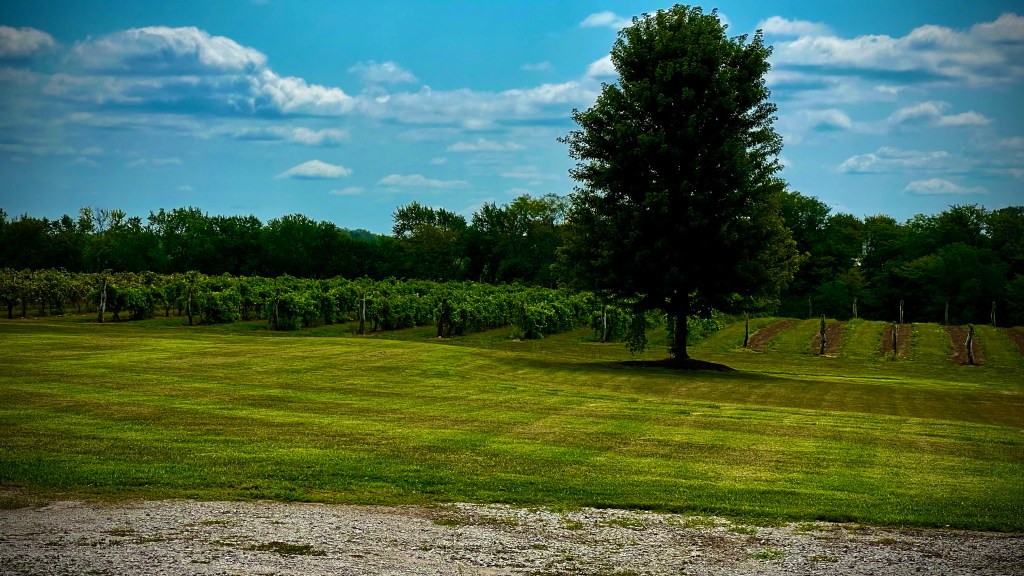
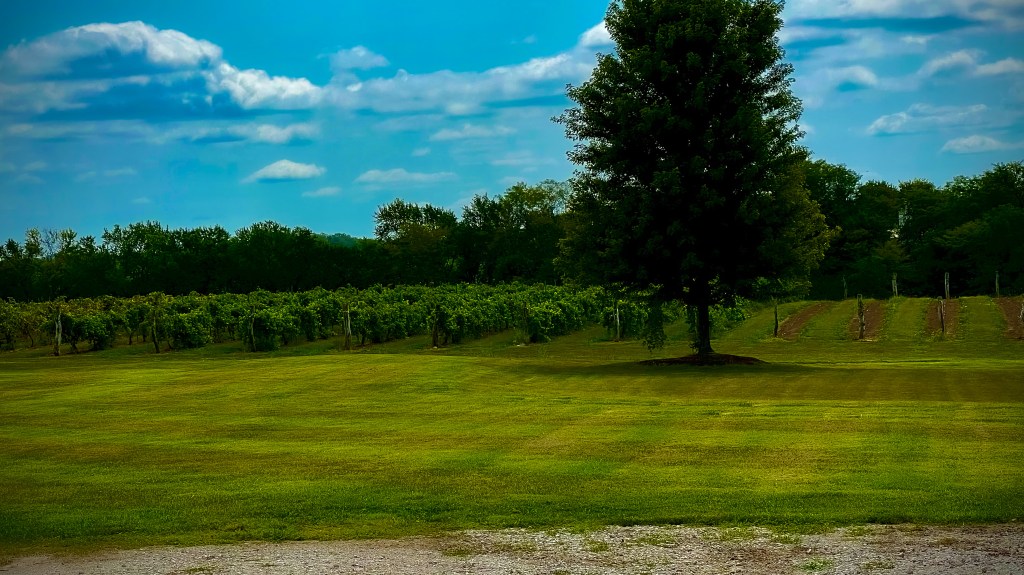
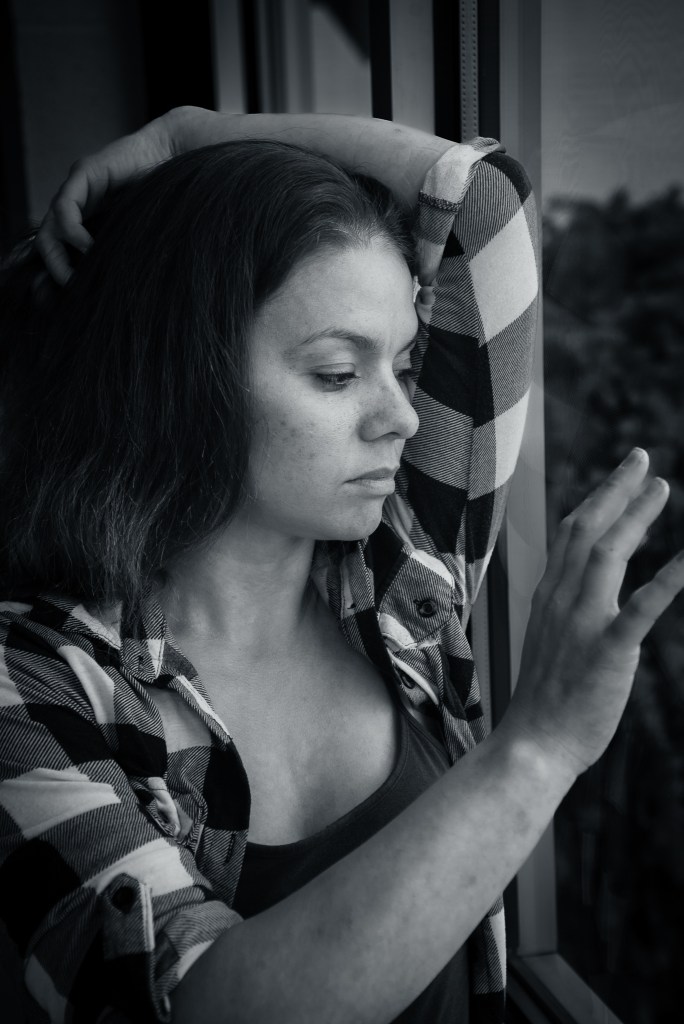
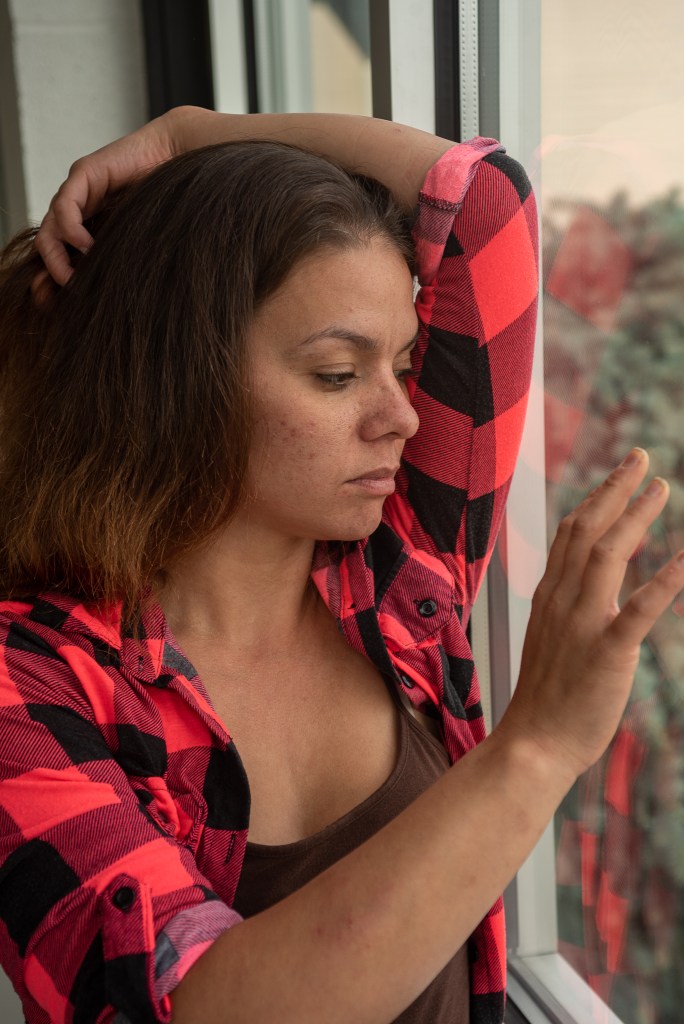
Even with simple changes in color tone, you can change the entire look and feel of a scene.
The same scene from the same image developed slightly differently gives us a completely different message by its look and feel.
If you don’t embrace the modern digital darkroom, now is the time to give it a try. You may be surprised at how it changes your art.
I’ve always heard and read about creating photo projects. Despite everything, I have heard and read about I never really got around to completing a project. I changed that today. I completed a photo project and I can say it has really inspired me to start more projects. Each of these images was very carefully selected and developed. I wanted each to have a similar look and feel. If you haven’t really tried a project, give it a chance. It very well may inspire you as it has me. Now to decide on what the next project will become.
I often miss nighttime photography. In recent years it has become increasingly difficult for me to do much of it. It is mostly due to my schedule. I have to be at work very early in the morning so I end up going to bed very early. Often in the summertime, it is before it is really dark outside. Another challenge is finding photo buddies to go out with because there are often unsavory types out during the darkness.
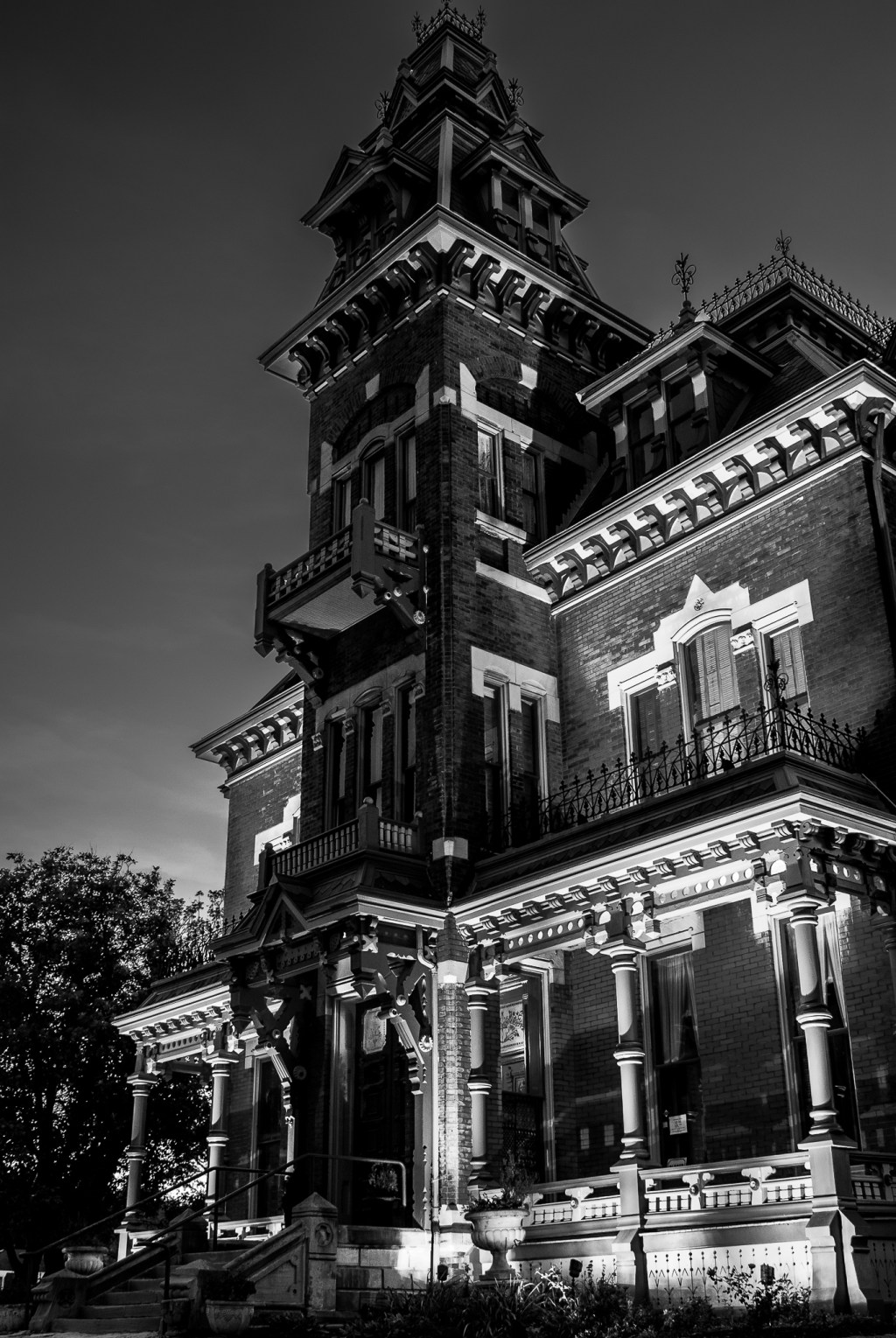
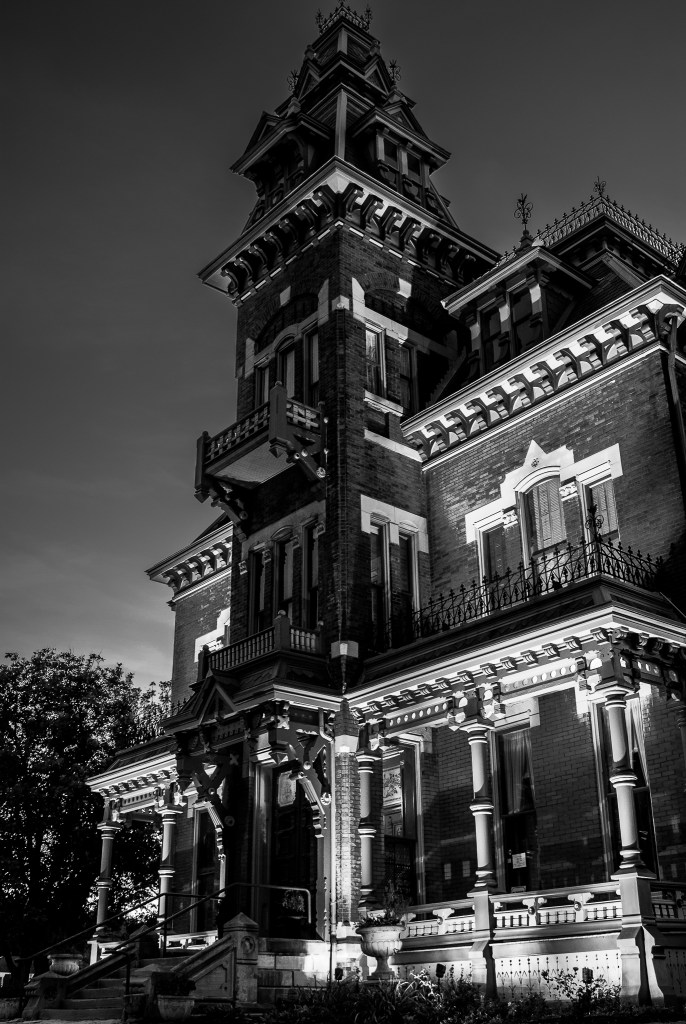
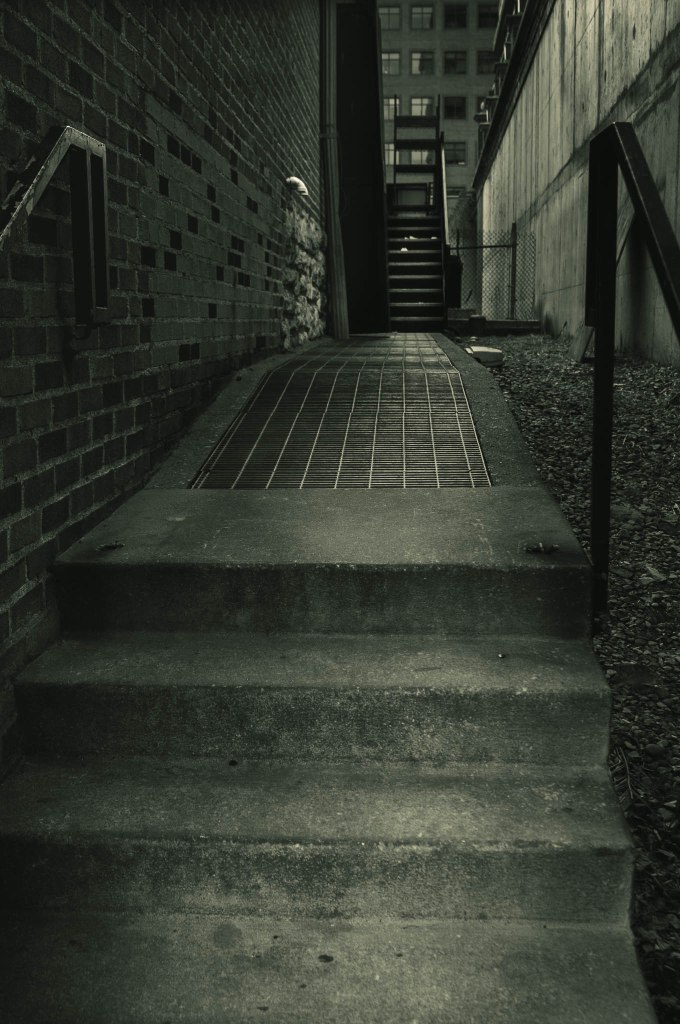
One of the reasons I love nighttime photography is the dramatic light.
Scenes that appear ordinary during the day become mysterious at night. One of my goals for the near future is to get back into nighttime photography.
Especially when it is late at night the quiet adds to the mysterious feel of the area leading me to some creative ideas.
Yesterday, I read a story about a current well-known “big name” photographer who took the portrait of a recently appointed U.S. Supreme Court justice. The article covered how many people were critical of how the portraits turned out. There were many who thought the portraits were poorly lit. Mind you, this well-known photographer is often known for their ability to light subjects. This got me to thinking that just because a professional took a photograph doesn’t mean that it is good.
A professional means they earn their living doing a particular thing, not that they are good. We have come to believe that a professional means the level of their work is better than that of a non-professional. Even the dictionary is confused by the term amateur which defines the term as; “a person who engages in a pursuit, especially a sport, on an unpaid rather than a professional basis” and “a person who is incompetent or inept at a particular activity”. The word amateur was defined as “one who has a taste for some art, study, or pursuit but does not practice it,” in the past. Through time, we have come to associate the word amateur to mean something that is not as good.
I recently joined a photography club. The club is filled with people who have fine art degrees and vast amounts of experience, often as photographers or in photography-related areas. While their work is wonderful it isn’t necessarily better than my work or work I’ve seen others with much less education and experience.
I can say that I don’t follow many modern-day professional or “well-known” photographers. Why? I don’t follow many of them because I don’t think that it properly influences my creative vision. Like Admiral Akbar said in the movie Star Wars Return of the Jedi, “It’s a trap”. It’s a trap to become overly influenced by well-known photographers. Many haven’t progressed their work or updated their styles in years. Many of those I see attained a particular level and are now just coasting along on their “name”. My theory is “always seek to improve and change”.
My greatest photography challenge is myself. It isn’t a lack of creativity, it isn’t a lack of inspiration, but often it is a lack of motivation. Lately, I can find a thousand and one things that draw my attention away. Yesterday, I was totally remiss and didn’t write a blog entry. Besides going to work at my so-called “9-5” I came home sat down and just vegetated. My excuse? Well, this month we had our young grandsons (5 and 7-year-olds) every weekend and then for 8 days. While I loved the time with them I must admit I’m not used to all the activities. While this may be an “excuse” for this month I’ve found other reasons prior.
I don’t mean that I don’t do photographic things, I just haven’t taken many “new” photographs. It’s too hot, it’s too cold, I’m too tired, or any other little “excuse”. So, my challenge to myself this week is to take some damn pictures. The procrastination must end. (Just a little kick in the seat of the pants to me). If you have had this same problem lately, join me in getting something done. It doesn’t have to be fancy or complex. A simple still-life or snapshot of a bird, squirrel, or flower in your own yard.