Tag: learn

  • The power of post-processing your photographs

    The power of post-processing your photographs

    I’m going to mention Ansel Adams again. Ansel Adams wrote a book series, “The Camera”, “The Negative”, and “The Print”. These books discuss Ansel’s process of making photographs. These are about film photography since they were first published in 1978. Something I want you to notice, two of the three books are about the process of making photographs after the click of the shutter. In other words, 2/3rds of Ansel Adams’s process was post-processing. Two-Thirds!

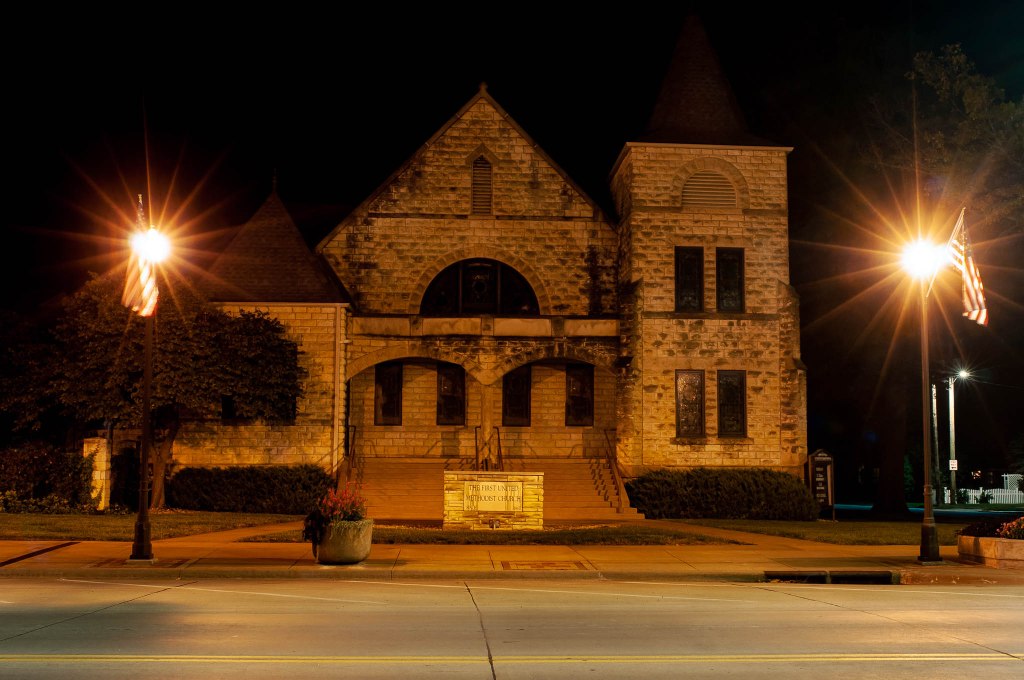
    Last fall, A friend and I were on a photography weekend in the plains of Kansas. Coming back from doing some Milky Way photographs we stopped to photograph some night shots of the small town where we were staying. I thought a church was an excellent subject. I got my camera and tripod set up and took a couple of photographs, but a problem hindered showing the subject as I envisioned.
    There was an ugly, no parking street sign, there were some weird reflections in the windows, and the street light towards the back of the church was a very different color temperature. Plus the top of the building was in the shadows due to the ambient lighting.

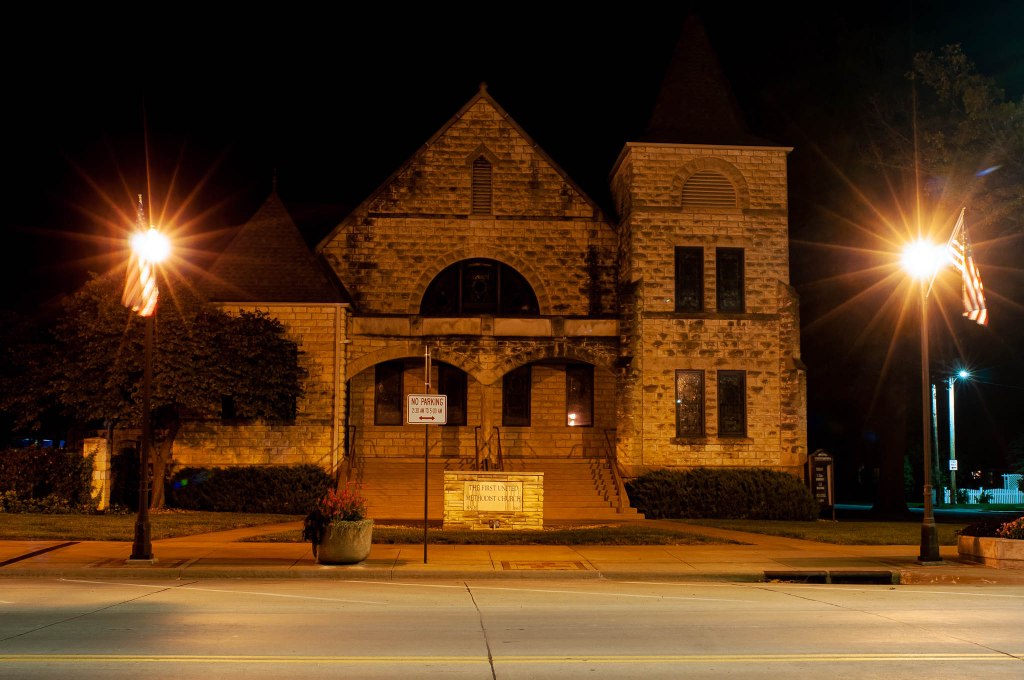
    While it was possible back in the late 1970s to remove objects from prints I find it much easier to do today with Photoshop. I could also adjust the color temperature of the light, remove some of the weird reflections, and adjust the shadows and highlights (dodge and burn if you will).

    The sign is gone, the weird reflections are gone, the color temperature of the light in the background is better, the shadows and highlights are adjusted, and a bit of street sweeping to clean up some debris in the street. This is how I envisioned representing this church.

    Short of vandalizing the sign, I would not have been able to get this photograph without the power of post-processing and the use of Photoshop. I would not have been able to adjust the shadows and highlights or probably the color temperature of the light in the background.

    Did I alter reality? I don’t think so because here is the funny thing. When I looked at this building and this scene with my eyes, I could easily look past those issues. My brain processed the scene as I wanted to envision it.

    As you proceed on your photographic journey, remember the Ansel Adams books, “The Camera, The Negative, and The Print.” Much work is done through post-processing, not because you made a mistake but because of the limitations of our mechanical equipment to capture what our eyes and brain envision.
  • You don’t take a photograph, you make it

    You don’t take a photograph, you make it

    Today, I am going to borrow a quote from Ansel Adams, “You don’t take a photograph, you make it.” Far too often I forget this concept. I point my camera at something I want to photograph and click the button. Sometimes it works, other times it is mediocre at best. But, even the mediocre photographs I can work with and develop into something much better, at least to me and the story or concept I wished to convey.

    Ansel Adams, was meticulous when he set up his camera to photograph something. He was even more meticulous when he began developing the image. I certainly don’t profess to be anywhere nearly as meticulous or good as Ansel Adams but I have often taken an image from mediocre to good or even very good with some digital darkroom work. I’ve taken some good images from good to an even higher level. This is why I always believe in post-processing. The process of making a photograph doesn’t stop after the shutter clicks. That is just the beginning.

    Make your photographs, don’t just take them. Plan them, work them, massage them, and take your time. Just like a good meal, making photographs is planned. Use your vision both setting up to take images and then continue that vision with your darkroom work. Even re-visit some of those mediocre images and apply some post-processing. You make surprise yourself with some hidden gems.

  • Art is subjective but?

    Art is subjective but?

    We’ve always heard that art is subjective, but is it really that subjective that almost anything can be art? One dictionary defines art as; “the expression or application of human creative skill and imagination, typically in a visual form such as painting or sculpture, producing works to be appreciated primarily for their beauty or emotional power.” While it appears this gives us a definition it is really open to what is beauty and emotional power. Can a photograph of a band be art? Maybe but not necessarily. For me, art is something more personal.

    I like to think of myself as a photographic artist. Does that mean every time I go out with my camera and take photographs I’m creating art? No, absolutely not. Sometimes, I go out and take pictures that may be considered documentary style.

    The photograph above I would not call art. In a different location maybe. Just because we may call ourselves artists doesn’t mean everything we create is art. I don’t want the burden placed upon myself that I must create art from everything I do with a camera. It’s too much to expect of myself.

    Be creative, but don’t put too much pressure on yourself that you must make an award winner out of everything you do. It’s okay to just take pictures or whatever your creative outlet may be without having to create art.

  • Creating art versus taking pictures

    Creating art versus taking pictures

    Is there a difference between creating art and taking pictures? In my way of thinking absolutely! While the concept of what is art is subjective there are commonalities we all have that make something art. Merriam-Webster defines art as: “the conscious use of skill and creative imagination, especially in the production of aesthetic objects”. Let me repeat that for the people in the back, “the conscious use of skill AND creative imagination, especially in the production of aesthetic objects”.

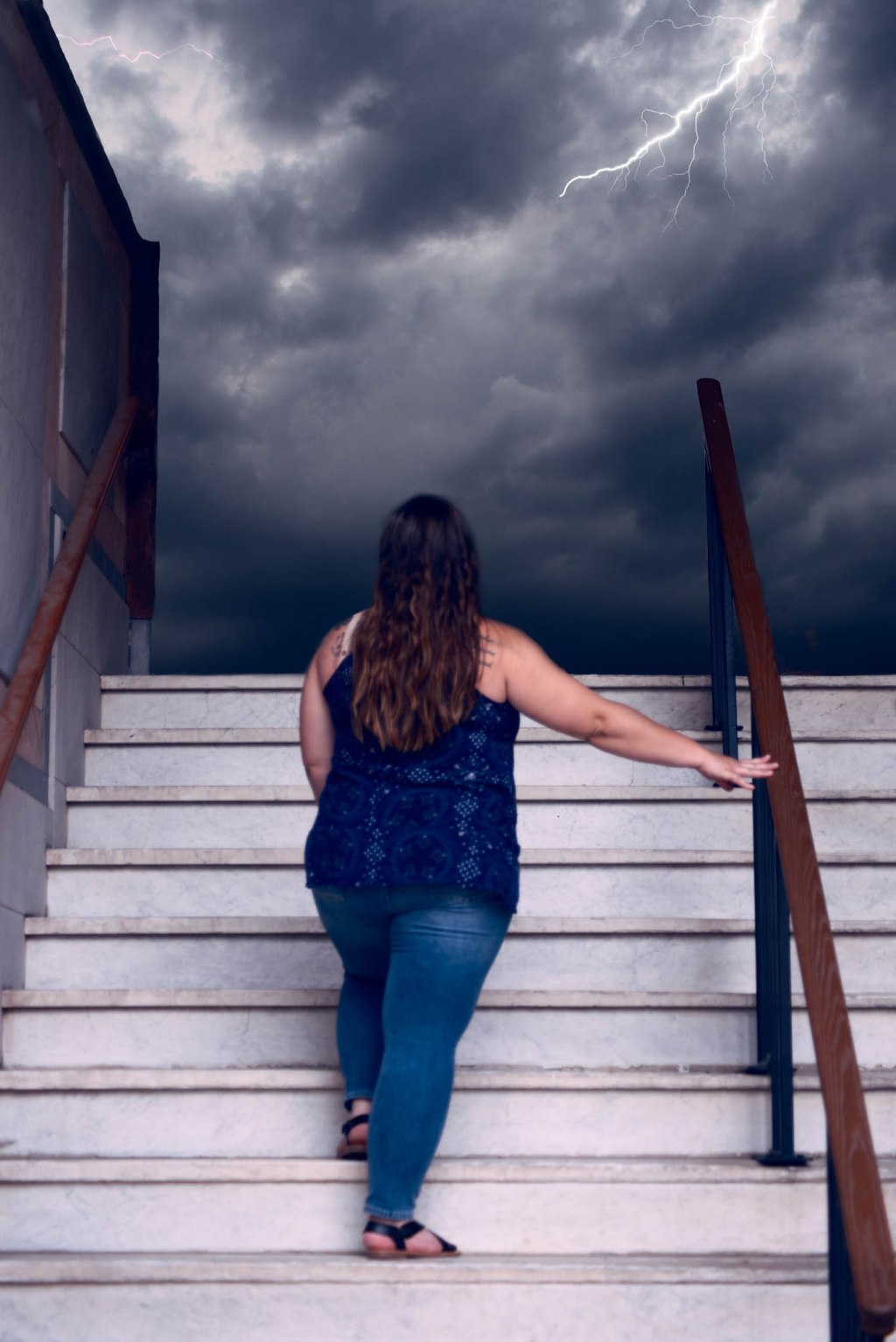
    The reason this topic comes up again with me is that, once again, I saw a huge debate in a photography forum that started with the topic of sky replacements in Photoshop. The person who started this conversation dislikes the sky replacement and said that essentially if you used such a thing you no longer had a photograph but “digital art”. YAWN! Here we go again. This topic has been debated ad nauseam. If you don’t like a tool don’t use it! It is really that simple. At the same time, don’t belittle the work of another.

    One of the things I thought about while reading this dissensus was, that it must be great to be able to stay at a location or revisit it often enough and on a moment’s notice to get a photograph of said subject with a sky that perfectly matches your vision. We’re not all on assignment from National Geographic that we get paid to sit and wait for weeks, or even months to be able to get that one particular moment in time. Hells bells, for that matter I don’t even give care if it is total fantasy.

    If you ever walk around an art museum, you know the place with paintings, sculptures, and often photographs, you will probably find art that isn’t quite to your liking. That is fine. If every piece of a photograph I use is a photograph, then it is a photograph.

    I’m not creating snap-shot photography. I work to create artful photographs. If that means I have to use multiple tools, including sky replacement in Photoshop so be it. Create your work your way.

    Oh, by the way, just so that you know, I didn’t engage in this dissensus, aside from reading bit and pieces. It isn’t worth my time. I would rather be creating and debating a dead topic.

  • Will our digital photo files become unusable?

    Will our digital photo files become unusable?

    P000378 – 1/2/2002

    I recently bought a Kodak DC120 Zoom. The camera contained a 10 MB compact flash card. Yes, 10 megabytes. The camera stored the files in a .kdc format. Apparently, this format was older than a newer version of Kodak Easy Share format so I didn’t have any programs that would read the files. I did find an online site that will convert the files to a modern format.

    This all leads me to wonder, how long in the future will our digital files no longer be supported? The jpg format has been around since 1992 and is still a standard file format, although more and more often we are told to use the png file format due to its lossless compression. It’s interesting to consider, at least to me. Will anyone even want our digital files far into the future?

    One solution would be to make prints, but if you’re like me I have boxes of old prints and negatives that I rarely, and I mean rarely get into. Will all our work be lost? For me, it is something to think about.

  • Has photography become a race for gear?

    Has photography become a race for gear?

    If you follow practically any photography forum you will often see conversations about photographic gear. Often the conversation is about the latest and greatest gear available or about upgrading gear. Photography has always been about gear to some extent. Let’s face it, you have to have a camera of some sort, but it seems as if photography has become more and more about a race for gear. My newest camera body is now 8 years old. My next most used camera body is 11 years old. They both still perform well. I have yet to find something that these cameras don’t have that holds me back.

    I think photographic gear is awesome. I love looking at photographic gear. I love looking at quality photographs more though. I often believe people are searching for a way to make their photography better without having to work and learn. If I buy this new thing my photography will be better.

    To me, it is about learning, experimenting, seeing, envisioning, and then somewhat about gear. Don’t let the quest for gear cloud your growth as an artist.

  • Let’s stop debating what photography is real

    Let’s stop debating what photography is real

    It’s been a while since I’ve seen this debate and mostly because I don’t frequent forums where the topic comes up often, but all photography is real photography. It makes no difference what type of camera was used or whether it was on film or digital. Let’s face it, at one-time glass plates or a thin piece of metal were used as the media to record the image.

    Current smartphones have cameras that are quite capable. It’s just a matter of learning how to control the features of the camera. The smartphone camera uses virtually the same technology as a dedicated digital camera.

    I would venture to guess that most of us have a smartphone with a camera. I know there are times, as in many times, that my smartphone is the only device that I have to use to take a photograph. My iPhone X has a 12-megapixel sensor. I may not be able to make large prints from an image but it is quite capable.

    I don’t intend to give up using my dedicated Nikon digital SLR cameras any time soon, but I do believe it is time to stop the debate about smartphone photography not being “real photography”. Learn to use all your gear, which includes your smartphone camera because sometimes it may be all you have to capture a marvelous scene.

  • Taking photos of the mundane

    Taking photos of the mundane

    A few years ago another photographer said to me, “It’s easy to take a pretty picture of a flower, it’s already pretty.” I’m not sure I would go quite that far, but it has some truth as I think back on the statement. Are we just about making pretty pictures of pretty subjects? I certainly hope not.

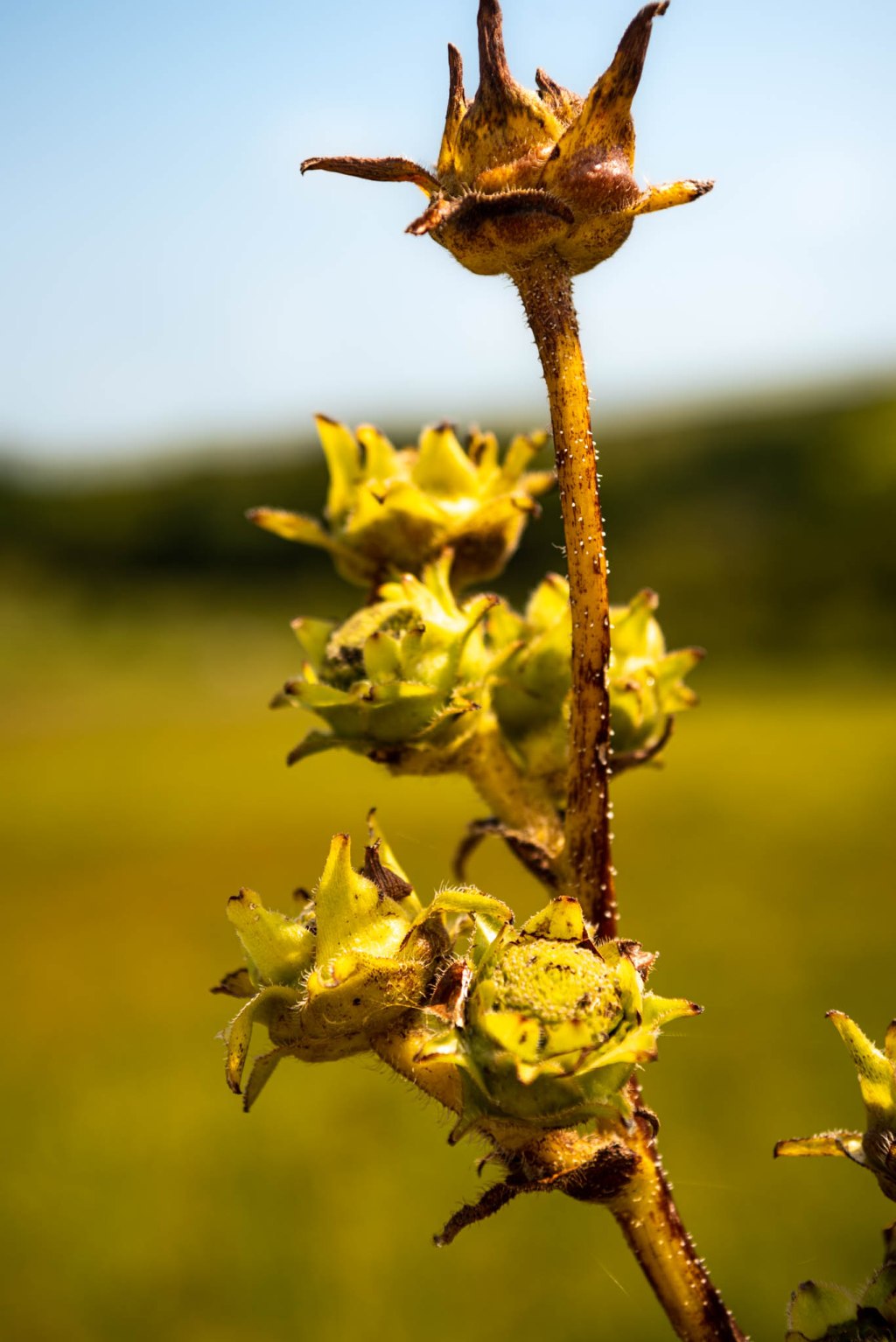
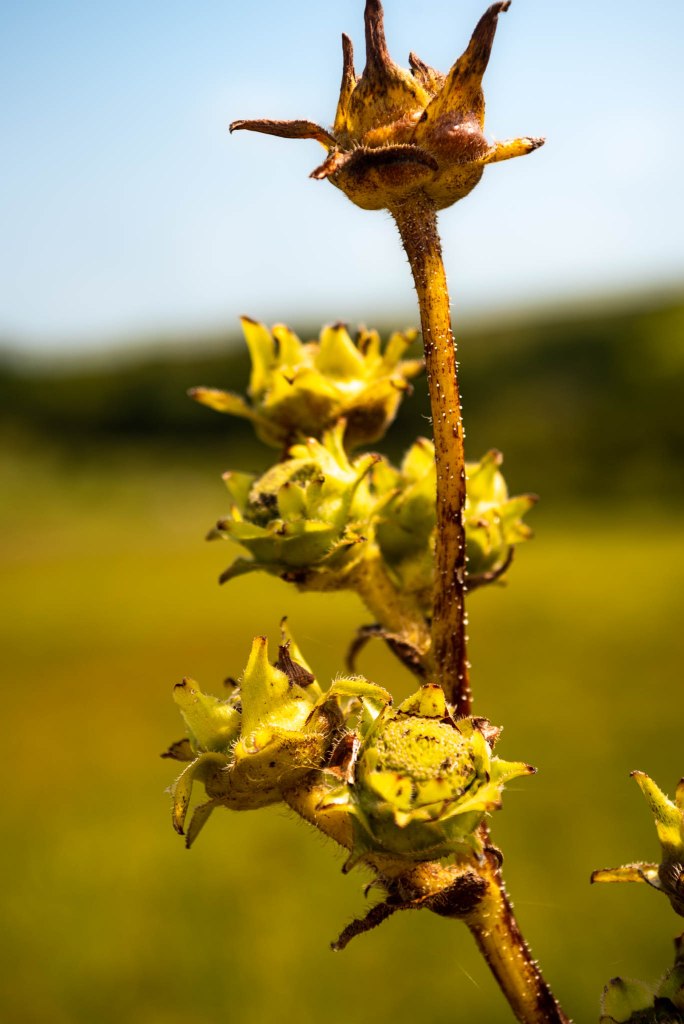
    I’m not sure what the plant is in the featured photograph, but it isn’t pretty by most flower standards. I saw this plant wandering along a trail in the Flint Hills last September. Many of the plants in the Flints Hills look rugged like this. The open prairie is a harsh environment for plants, I’d guess. I was drawn to this because it was rugged-looking and had many textures.

    I’ve heard photographers talk about going out on a photographic excursion. They are waiting for the perfect light, the golden hour, or the blue hour. They are looking for pretty subjects, in pretty light, on a pretty day. I try to not limit myself to just those subjects and just those hours. I often work to make a decent photograph of the mundane. Making decent photographic art with a mundane subject in mundane lighting on a mundane day is much more challenging. Can’t we find beauty and art in the mundane? I think so. Don’t limit yourself to only pretty subjects, in pretty light, on a pretty day. Look for interesting ways to capture the mundane.

  • Black and White photography isn’t just to fix things.

    Black and White photography isn’t just to fix things.

    So many times I see people suggest converting a photograph to black and white as a way to “fix the noise” of a high ISO digital photograph and it always makes me roll my eyes. Black and white photography isn’t for “fixing” a noisy photograph. There are what I would think to be valid reasons to convert a digital photograph to black and white. One of which would be because you want the look of black and white as an artist.

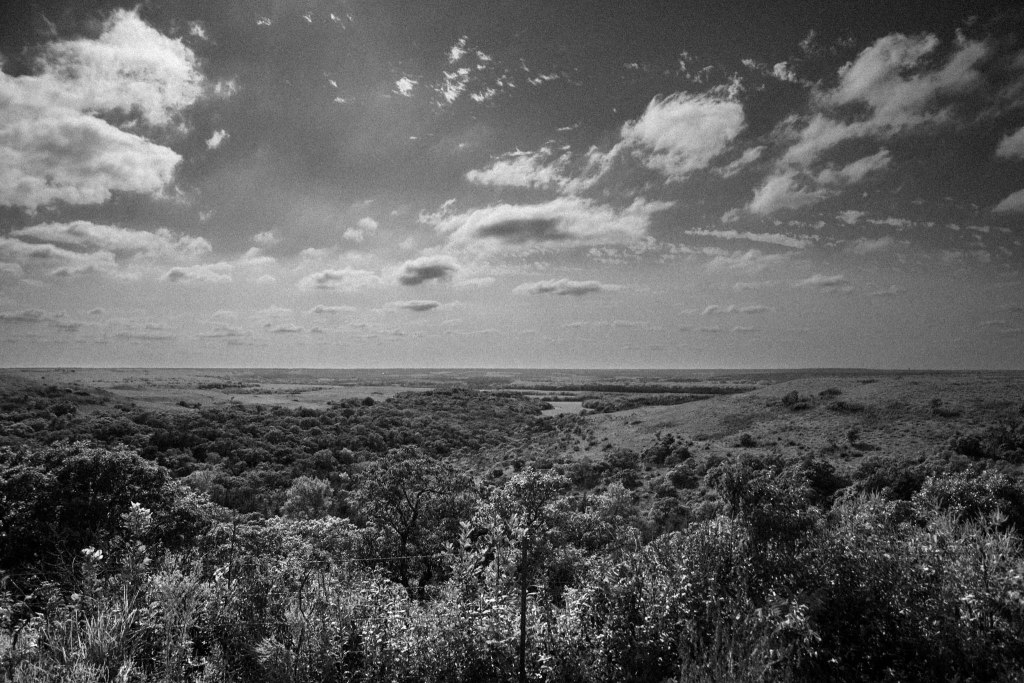
    Black and white photography, to me, is an artistic statement. I believe that sometimes, the color gets in the way of the subject. The scene in the featured photo is just an example of that, to me. To me, in this particular scene, the color was a distraction,

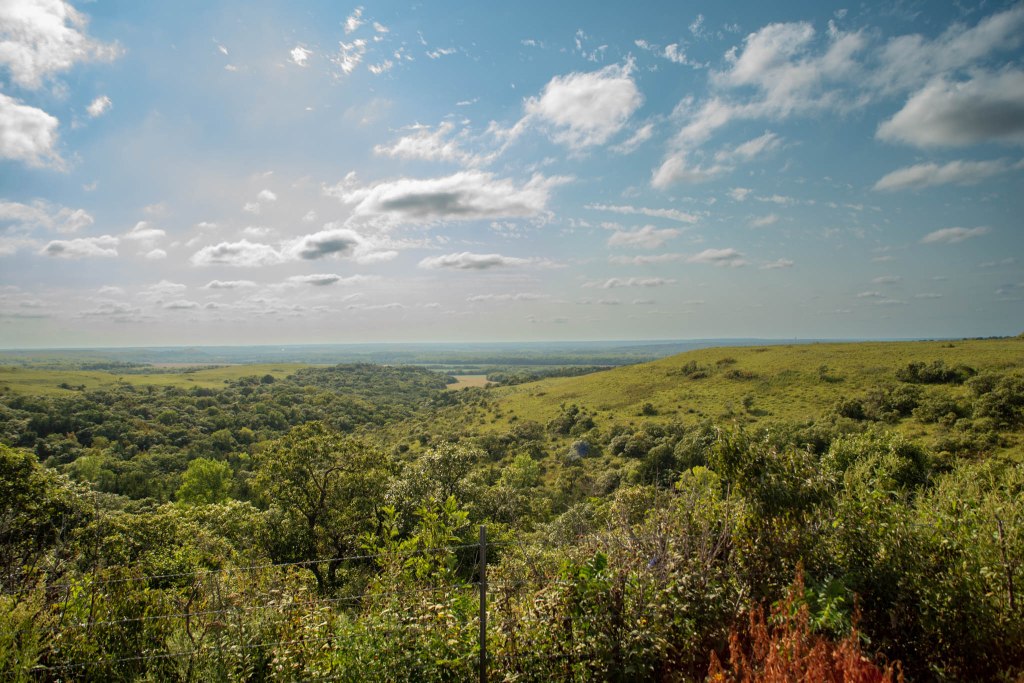
    One of the problems I had when I was photographing the Flint Hills was finding a composition. Looking at the views was amazing in person. You could see for miles and miles but often in a photograph, the scene appeared uninteresting unlike what it appeared like in person.

    Choose to create black and white photographs for artistic reasons, not fixing things. Use black and white to create and enhance the story. Use black and white to show the soul of your scene.

  • Rise to meet your photographic challenges

    Rise to meet your photographic challenges

    After a getaway weekend, I am feeling revived. It had been a while since we were able to get away from home for some relaxation. I took camera equipment but decided I was going to use an older entry-level camera and lens as a personal challenge. I have yet to download the photographs I took but I feel like they are successful. Sometimes, those weekend getaways are what is needed to recharge.

    Now that I’m recharged, it is time to rise and meet my photographic challenges. My photographic challenges are to take more photographs and hone my editing skills. They also include participating more in the group challenges that we run in a social media group I’m a part of.

    Set challenges for yourself. By challenging yourself you grow as a photographer and artist. Don’t be discouraged even if you failed the challenge, in the beginning, keep working on it. As the old adage goes, Rome wasn’t built in a day.