Is every photograph art? Many, if not most of you would argue that not every photograph is art, however, I’d like to show you every photograph can be art. If someone created a painting we would most likely call it art. It may not be art that we like or prefer but nonetheless, it would likely be called art.
Would we all agree that art and beauty are subjective? Along that same line of thinking then aesthetics is also subjective. To create art is to create something of aesthetic value, therefore open to subjective interpretation. Too philosophical? Let’s look at this in a different way. If you choose to be an artist, you are. It is up to you to decide. You may be an artist before your time, much like many avant-garde artists. If you have any doubts go to any art museum with a photography section. You will see a wide variety of photography included, in many cases.
Don’t let others discourage you from creating your vision of art or tell you it isn’t art. It is art if you choose it to be.
I listened to a podcast yesterday where the podcaster was talking about being concerned about the future of photography because many current and new photographers didn’t know the history of photography. He was concerned they didn’t know the likes of people like Edward Weston, Weegee, or Alfred Stieglitz.
Since listening to the podcast I’ve thought about this topic. I know the work of these people, I’ve read and studied the history of photography since the days of Niepce. I occasionally re-read parts of “The History of Photography, by Beaumont Newhall. To me, while interesting and inspiring I’m not sure it is necessary to know or study the history of photography to become a good or great photographer. By the same token, I’m not sure that knowing these things isn’t important. It could be that knowing the history of photography and studying the great photographers who came before us could make us better. I’m amazed I haven’t developed an opinion on this topic, especially knowing me when I have so many opinions on so many topics.
I believe knowing history, in general, is important. I also believe that knowing the history, at least to some degree, of photography is important. I’m not sure I believe knowing the great photographers of the past is important. The world of photography has changed so much from when the masters of photography were alive that it may be more important to know and study photographs and photography from our time.
There is something I like to think about and will ask you to do the same. Back in the days of Edward Weston, Ansel Adams, Alfred Stieglitz, and even Weegee, there were not nearly as many photographers as we have today. I agree many of their photographs were fantastic but there are so many current photographers, many virtually unknown, wh create work as good, if not more impressive than in the past. My thought is this, study photography and photographers. If you want to study the past also study the current. Regardless of whether or not you want to study past photographers, study a wide variety of current photographers and photography. Study a wide variety of genres of photography. In my opinion, this is the only way to truly find your style and your favorite genres of photography.
Once again, I see a huge debate in a photography forum about, “the best photographers learned on various types of film.” Why, why, why?! Who cares what you learned on? I know a wide variety of photographers and have seen all sorts of photographic work. It doesn’t matter what you learned using. The results are the proof in the pudding so to speak.
I realize there is a certain element of social media forum that just have to try to rile up the crowd. Those, aren’t really the people that concern me but the multitudes that jump on the wagon in support of this mindset.
Digital photography has existed in the consumer environment for nearly 40 years now, wow how time flies. While digital may have been limited and a bit slow to take off, in the past 20 years it has truly gained traction and now outsells film and film equipment by volume. To me, it is very similar to the Photoshop debate, those who started and more than likely struggled with film photography believe that everyone has to do the same way they did. It’s time to let it go. Digital photography is real photography. Photoshop is the digital darkroom. Get over it camera trolls! While I may write about the topic in my blog, I refuse to engage them in their social media debate.
I’ll never give up my digital cameras, well unless something so far unknown replaces digital photography with a different format. Yes, I would like to, on occasion, shoot film but my current setup doesn’t allow for it very well even though I still own many working film cameras.
The whole concept of “best” is subjective. The photograph or photographer I think of as best the next person may not agree with. We’re all photographers creating our art and the media and format we choose don’t make one group better than the other.
I wonder what photography will be like in 10, 20, and 50 years from now. Think about it, 50 years ago we had the Polaroid SX-70. What a cool thing that was at the time. Look at the advances in technology in the last 10 to 20 years.
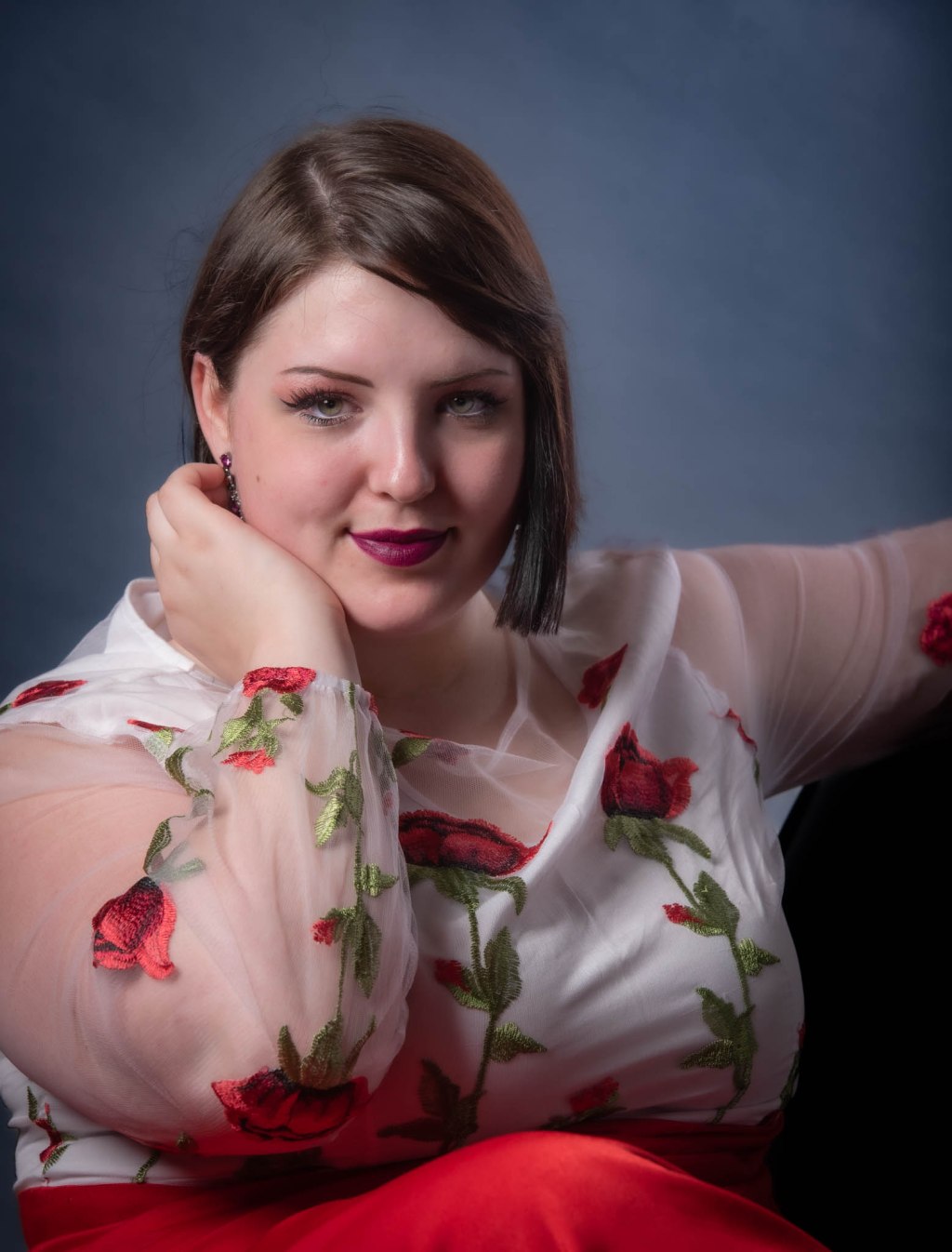
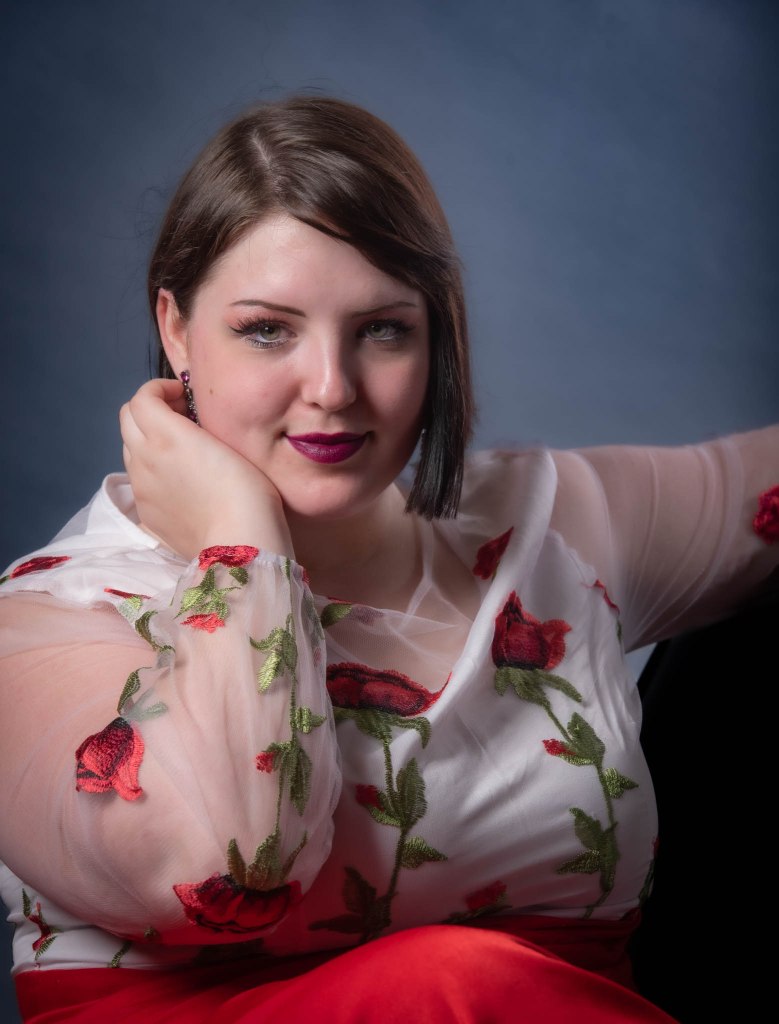
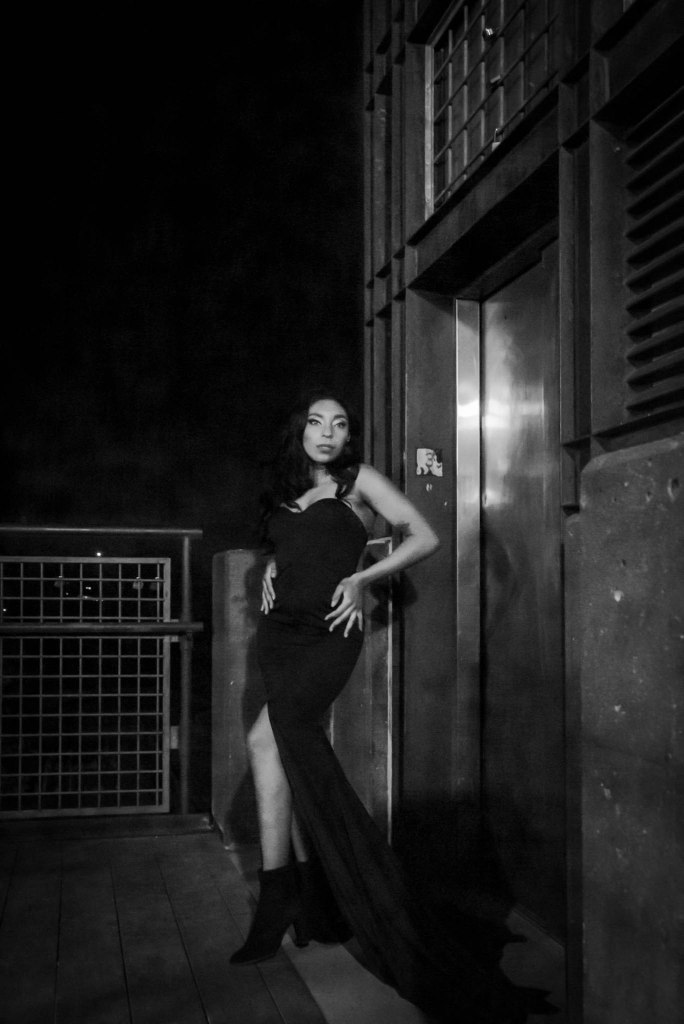
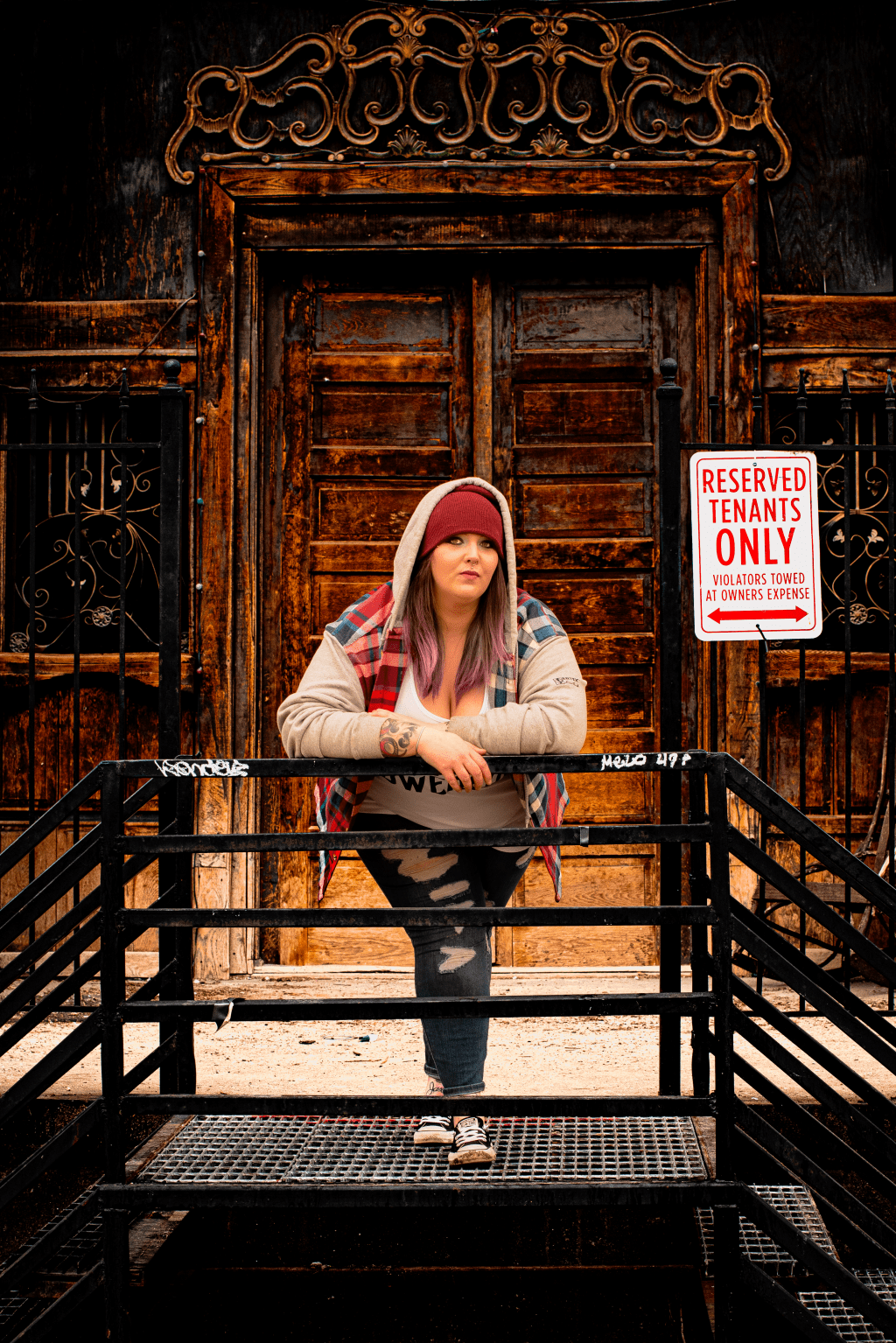
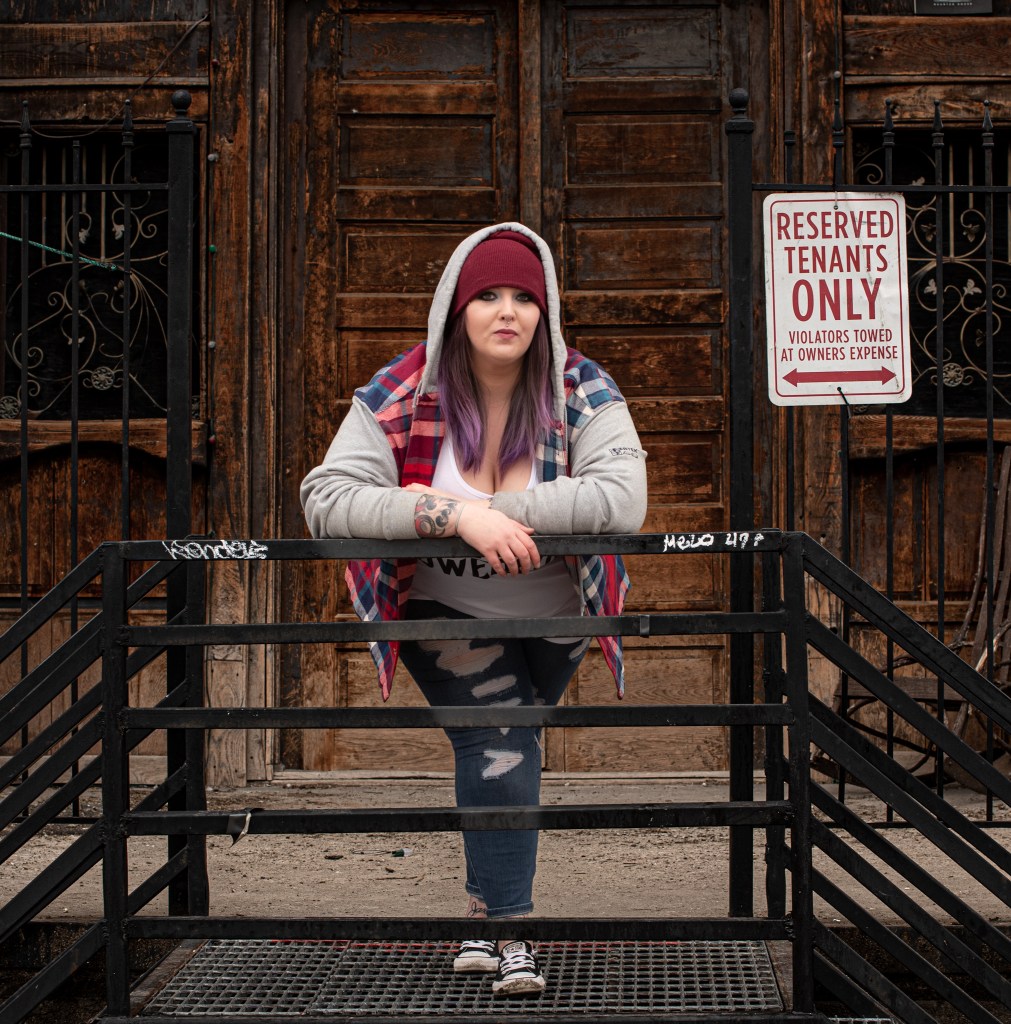
The photo of model Morgan above was shot at ISO 12,800. When I got my first digital SLR in 2005 that was an unheard-of ISO rating. The highest ISO rating of my old Nikon D50 was 1,600. Back when I started photography in the early 1980s I thought ISO (ASA) 800 was fast!
Today, our cameras have 3D tracking, and face and eye detection. They have autofocus, autoexposure, and auto ISO adjustment. In 50 years, will photography even still be a thing? It’s all exciting to think about, albeit unless there are some wonderful advances in medical science I won’t see what photography is like in 50 years.
With all these advances though, I still see people in photography forums complain about the state of photography. I love seeing people keep the “old ways” alive. I love seeing people go back to the roots of photography with film, darkroom, and print techniques. I also love seeing the advancements in technology. For me, let’s not hold back on the advancements. Let’s hold back on attempts to “go back” to the olden days. They weren’t always as good as we remember them. March forward and change with the times. It is wonderful to have all this new stuff and keep the old stuff. Art is timeless and we can use new technology to create new art.
Photography as a job would be cool. Think about it, you get paid to take photographs, but like any job there are downsides. Mostly it is a job, a business. Running a business requires a lot of time doing non-photography things. Things like accounting, marketing, contracts, addressing complaints, fielding phone calls, emails, website maintenance, etc. Photography as a hobby, while it may not pay, is cool. I still get to take photographs but I can take the photographs I want rather than what pays the bills.
Doing photography as a hobby can still earn me some cash. I can sell photos on any number of websites. I can display them at art shows and the possibility of recognition. All without the stress of running a business.
So many new and beginning photographers dream of running their own photography business because they have fallen in love with photography. They dream about leaving their current job because the boss is a jerk or the hours suck. How cool is it to be able to set your own hours? Little do they realize so many times photographers are working weekends, especially if you’re doing weddings. To continue doing photography as a hobby lets you escape your dumb boss.
I’ve seen all the advertisements from people talking about 6 and 7-figure incomes in photography and just buy this book or program and I’ll teach you how. The reality is most of us will never make that kind of money. It sounds great and I don’t have trouble working hard but the reality of the thing is there are lots and lots of working photographers who aren’t making hundreds of thousands or a million dollars per year.
Keep your dreams, but also keep yourself. Enjoy life, enjoy family, enjoy creating art. If you want to try to make photography your job go for it but go for it with knowledge and a plan. My goal is to keep photography as a hobby and if I earn a bit all the better.
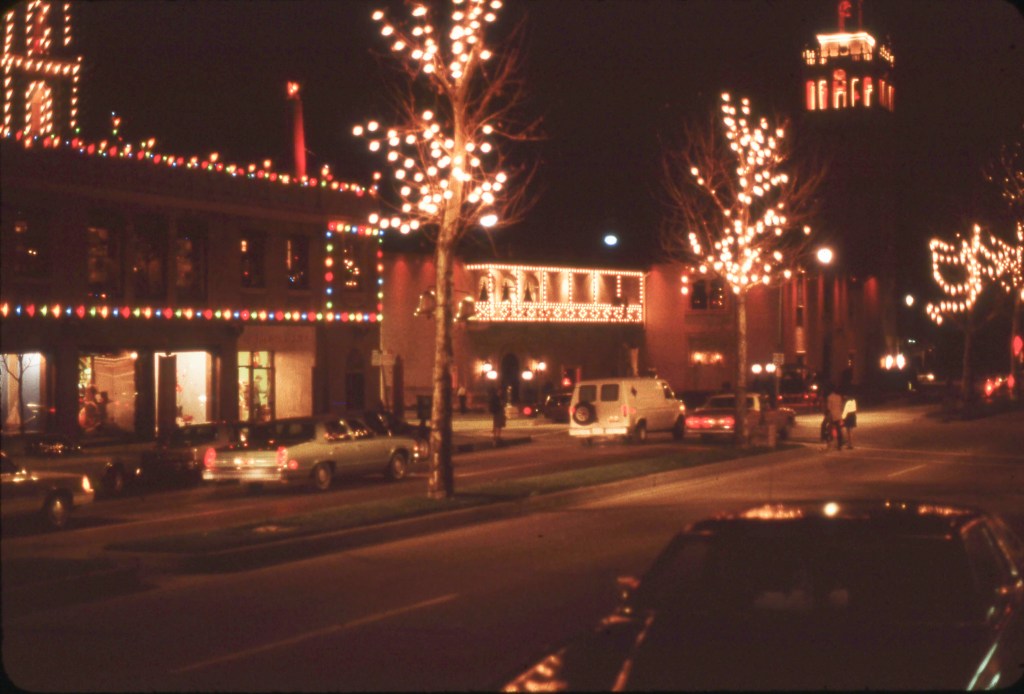
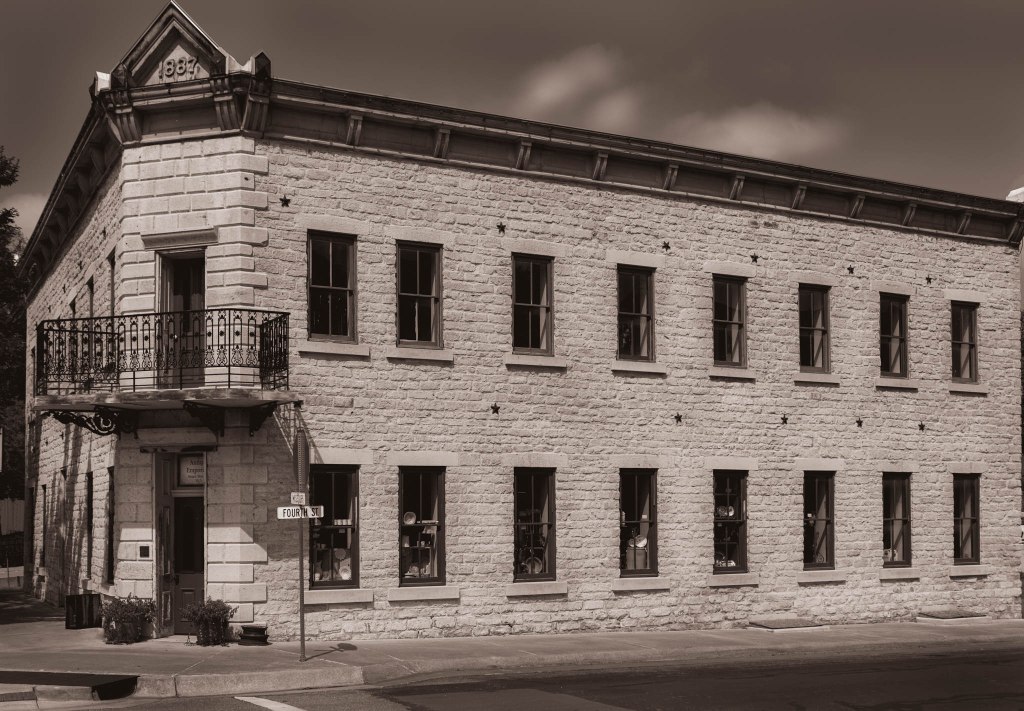
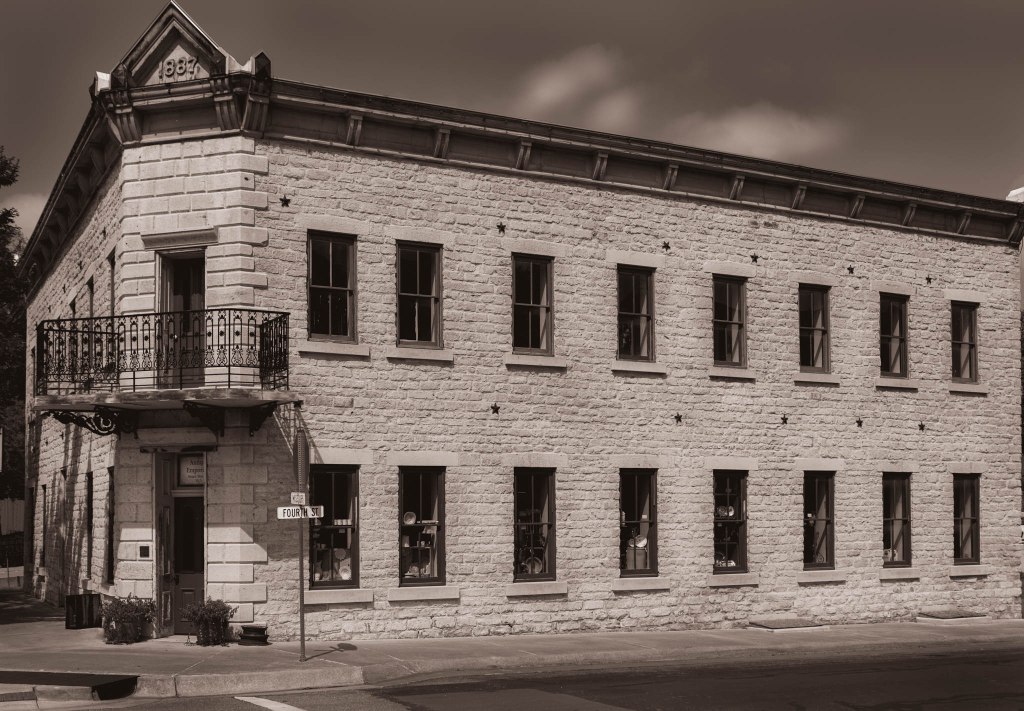
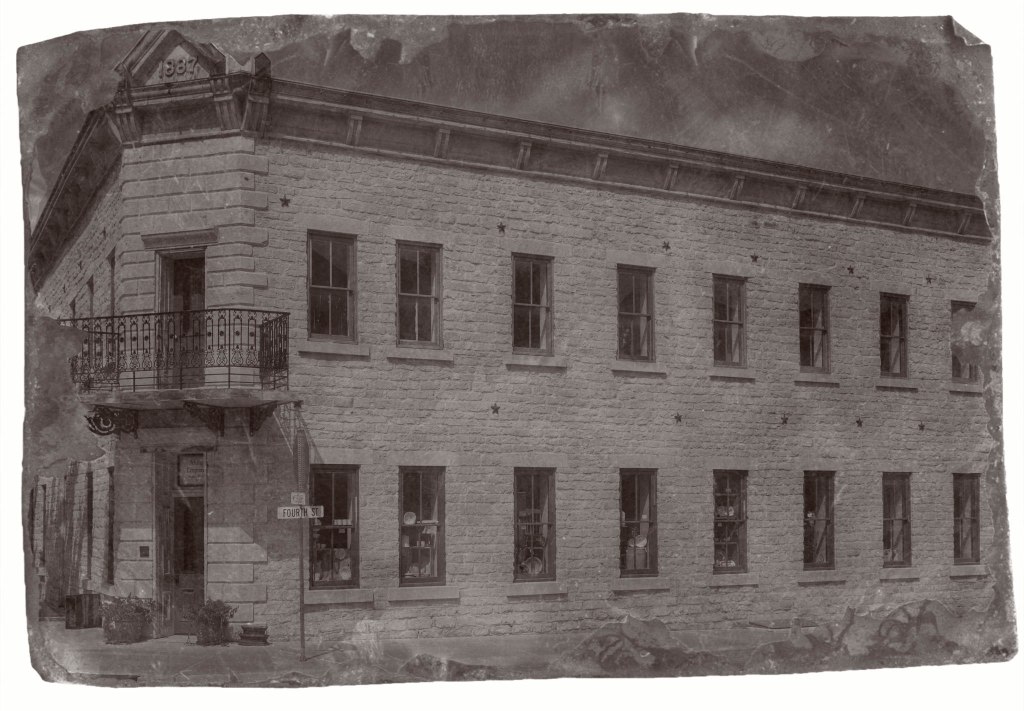
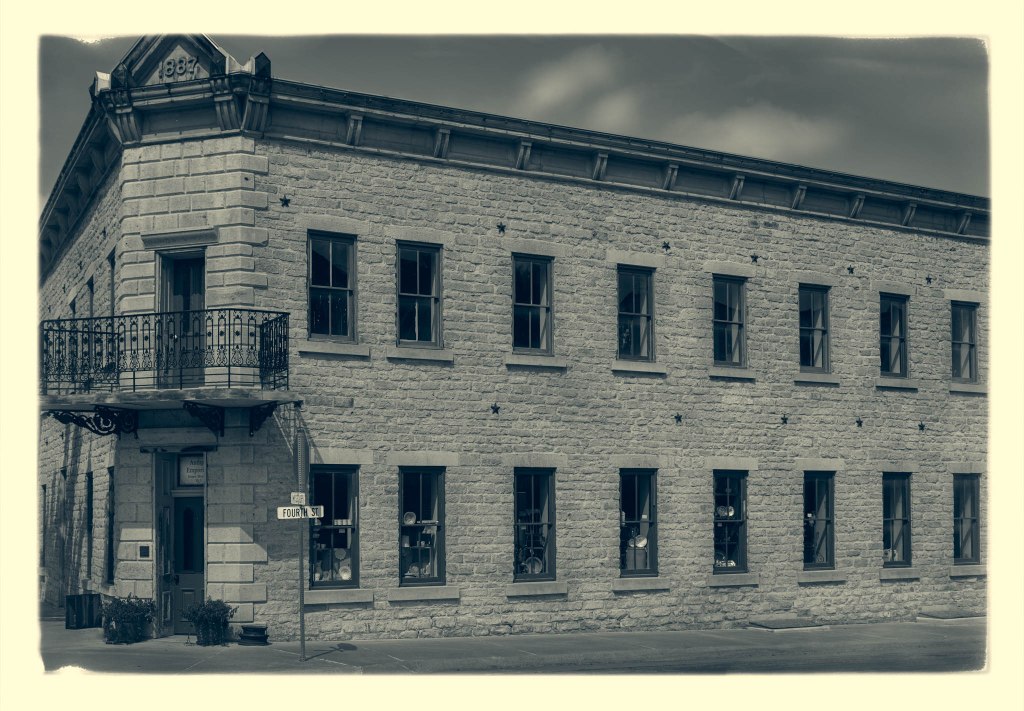
The Alma Hotel, originally known as the Brandt Hotel, was built in 1887. It took 5.5 months to build. The grand opening was on December 12, 1887. The hotel was host to many salesmen, railroad crews, political candidates, and others who came to town on the Rock Island and Santa Fe railroad lines. It was also a meeting place for town organizations. The hotel is currently in the process of being refurbished to be operated as a bed and breakfast. The Alma Hotel is a landmark native stone building in downtown Alma.
Often when I travel to places and create photographs of buildings I enjoy researching the history and creating my vision of what an older photograph would have looked like. I often don’t mind if there are modern vehicles and people in the frame. If this photograph was taken decades ago, the people and vehicles at the time were modern. Decades from now, my photograph would have antique vehicles and people wearing vintage clothing. Every time to take a photograph we record a bit of history.
We can choose to make our modern photograph look like an antique photograph. We can do this either the classic way or we can do the conversion through the use of the software.
To me, the joy is in the creating of capturing history.
I don’t care that others may think my creation is cheesy. The joy is in the creation of my art for my pleasure and if others find joy in it, it’s all the better. Create your capturing of history and have fun doing it.
Do you ever go back? Do you ever go through your catalog of photographs and reprocess them? I do occasionally and many times I look at the previous edit and think, “did you really like this?”
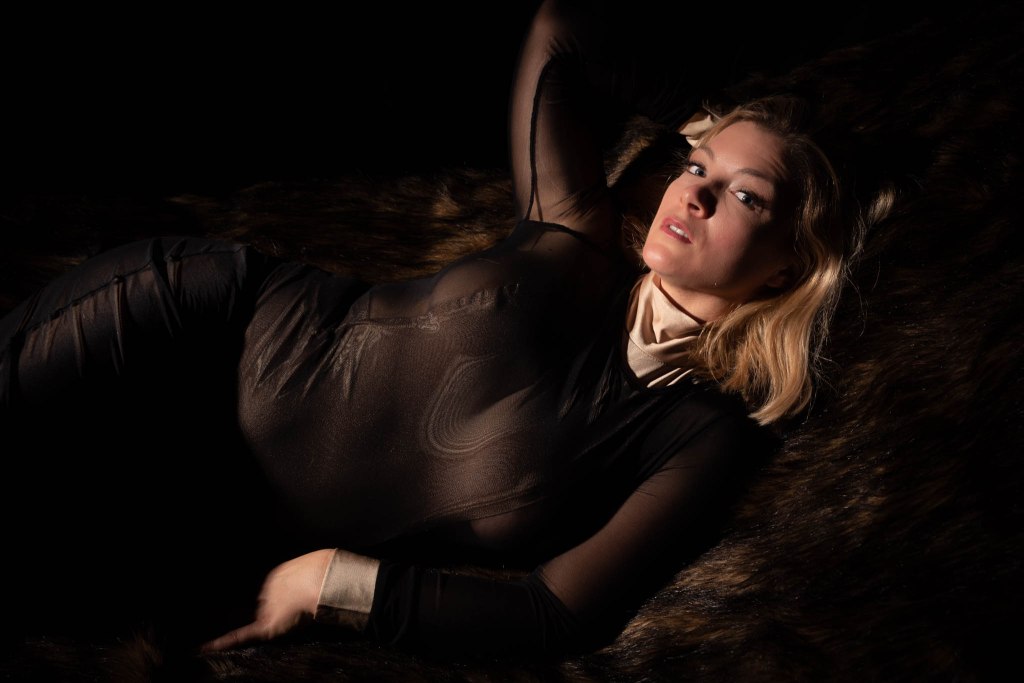
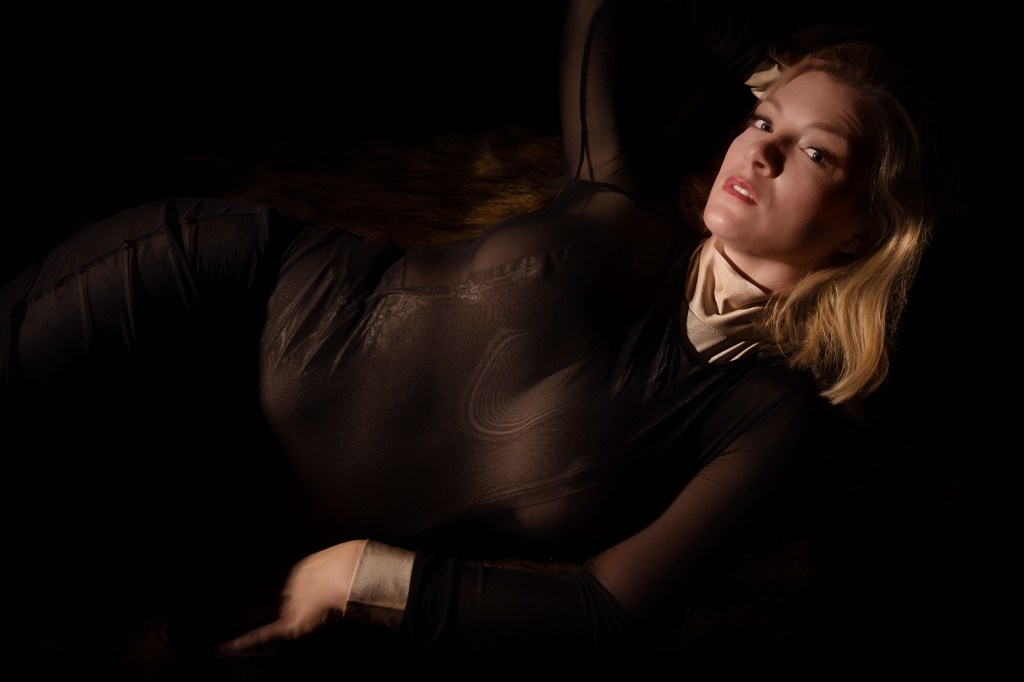
The previous version
They may not appear significantly different but they are, especially when viewed full screen. I took this photograph in 2016 when I was teaching lighting techniques in a studio.
One of the reasons I went back through these was I happened to be reviewing my portfolio. I decided my portfolio needed to be updated especially after seeing my work. I still liked the selection of images but not necessarily the edits and retouching. I spent the next few hours retouching the selection of images.
For me, it is important to go back and re-visit past work and, if necessary, reprocess them.
I know I beat this topic to death, but I’m going to say it again. The ability to post-process and “alter reality” is sometimes necessary for the creation of art. Take a look at the image above. it has been altered and an element removed! Aghast!
This is the original, albeit cropped a bit. Do you see the object that was removed, altering the reality of the scene? I’ll give you a hint. Look at the window on the left side of the image. Do you see the blue bungee cord? It isn’t likely that I would have been able to just go undo and move the bungee cord. This wasn’t my property nor was the property owner nearby where I could ask permission to move it. I could have waited and found the responsible party to get permission to move the cord or I could just do it in Photoshop.
Even in Photoshop it took a bit of work and was somewhat of a challenge due to the intricacy of the ironwork on the window. Aside from me working to decide the best method and a bit in remembering how the work to remove the bungee chord took very little time even with the intricate ironwork.
Want to know the funny thing about the bungee? I never noticed it until recently, as in today. My attention was always focused on Kodi. Today, I was reviewing photos in my Lightroom catalog to prepare for today’s blog post (I had no idea what I was going to write about as with most days) when I saw this photograph, and a bit of blue caught my eye. What is that, I asked myself. I zoom in and see it. It’s a bungee cord! How have I never seen that before? A few quick minutes later in Photoshop and voila! It is gone. This is why I love Photoshop and the ability to post-process my photographs!
In 2005 when I bought my first digital SLR camera I was eager to learn everything I could about the camera and photography. I bought all sorts of books, joined lots of photography forums, and a photography club. One thing I don’t remember doing however is seeking out a mentor. Someone who was more advanced than I and could guide me along my way. As a result, I often wandered aimlessly. I am not sure who I would have sought out, it seems as if there are few people willing to become a mentor.
Fast forward to today, I often wished there was a person I could seek out to keep me focused. I am actually more eager to learn today than I was 17 years ago. I read virtually everything I can find. I seek out groups on social media that I believe are frequented by photographers that are more advanced or, at least, as knowledgeable as I believe I am. I also wonder if I suffer from the Dunning-Kruger effect and think I’m better than I am. I am often disappointed in the resources I’ve found. I’m eager to learn and hone my skills but quickly get disillusioned.
The search for the ultimate mentor and photography guru continues.
During the past number of years, I have seen this cycle play out over and again. A new photographer comes along with their shiny new camera and decides after having their camera for a couple of weeks or perhaps a couple of months they want to be a professional. They’ve read all the photography forums and start off with mini-sessions. charging some ridiculously low price. They then progress into wedding photography. The photographs as okay but they are shot outside in natural sunlight on auto mode. All goes well for about a year or so when they just seem to go away. I’ve had a few of these as students at some point in their venture after they have had some sort of failure. What happened? I know some have come through tough times financially, but what about the others? Even those whom I had as students virtually disappeared from the contact information I had. Could it have been burnout? I’ve often wondered but I haven’t really found the answer.
I tried the professional photographer route once, well sort of. I tried the professional route but it was after I retired from a 32-year career with a pension so it wasn’t like I was going to starve or be homeless if it didn’t work. What I found was I hated marketing. The types of photography that were going to “pay the bills” so to speak, was fun but not really all that exciting, at least to me. Did the others experience the same thing I experienced? Maybe.
Today, I focus more on what I call photographic art. I photograph the things that interest me and occasionally others find the photographic art I produce interesting. I haven’t even listed anything for sale for a while now and that is fine. I may venture down that path again but this time, I will produce the images I want at a pace I want. If you want to be an artist make the art you want. Make the art that moves you and inspires you, that is where I’m going. Join me as artists.

 Photographer Clay